60-Second Exercise to Lower Blood Sugar Naturally: A Complete Guide
Managing blood sugar levels doesn’t have to mean spending hours at the gym or following complicated workout routines. A simple 60 second exercise to lower blood sugar can be performed anywhere, anytime, and may be one of the most effective natural strategies for controlling glucose levels. This revolutionary approach to diabetes management is changing how people think about exercise and metabolic health.
In this comprehensive guide, we’ll explore how a 60 second exercise to lower blood sugar works, which exercises are most effective, and how you can incorporate them into your daily routine for maximum benefits.
Understanding Blood Sugar and Exercise
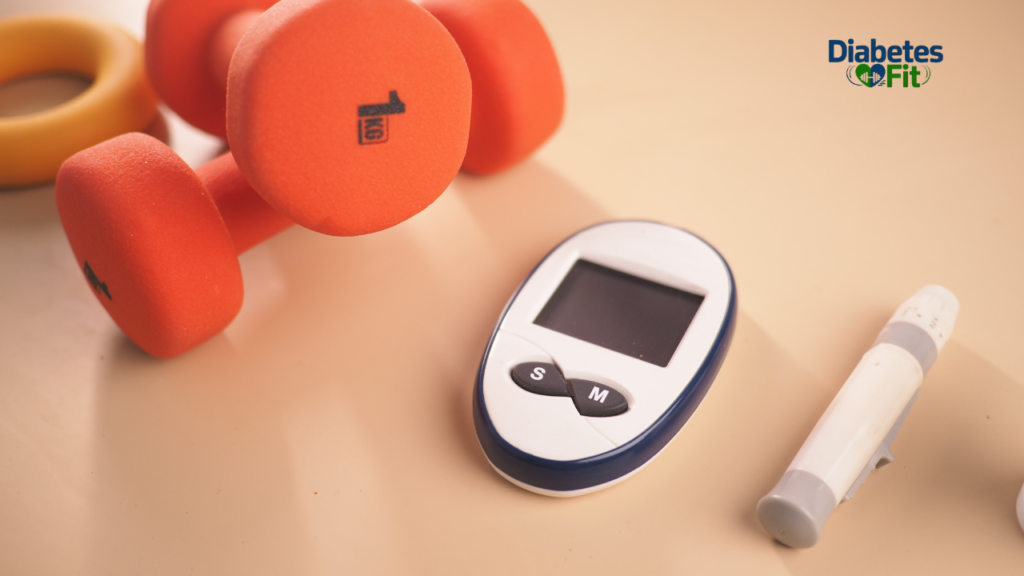
Before diving into the 60-second solution, it’s important to understand how blood sugar works in your body. When you eat, your body breaks down carbohydrates into glucose, which enters your bloodstream. Your pancreas then releases insulin to help cells absorb this glucose for energy.
However, when blood sugar levels remain consistently high, it can lead to insulin resistance, type 2 diabetes, and various health complications. Exercise acts as a natural blood sugar regulator by helping muscles absorb glucose without requiring as much insulin.
The 60-Second Blood Sugar-Lowering Exercises
Here are several effective 60-second exercises you can perform anywhere, anytime:
Chair Squats

This simple movement engages your quadriceps, hamstrings, and glutes – some of the largest muscle groups in your body. Stand in front of a chair with feet shoulder-width apart. Lower yourself as if sitting down, barely touching the chair, then stand back up. Repeat this movement continuously for 60 seconds. The constant engagement of these major muscles creates significant glucose demand.
Wall Push-Ups
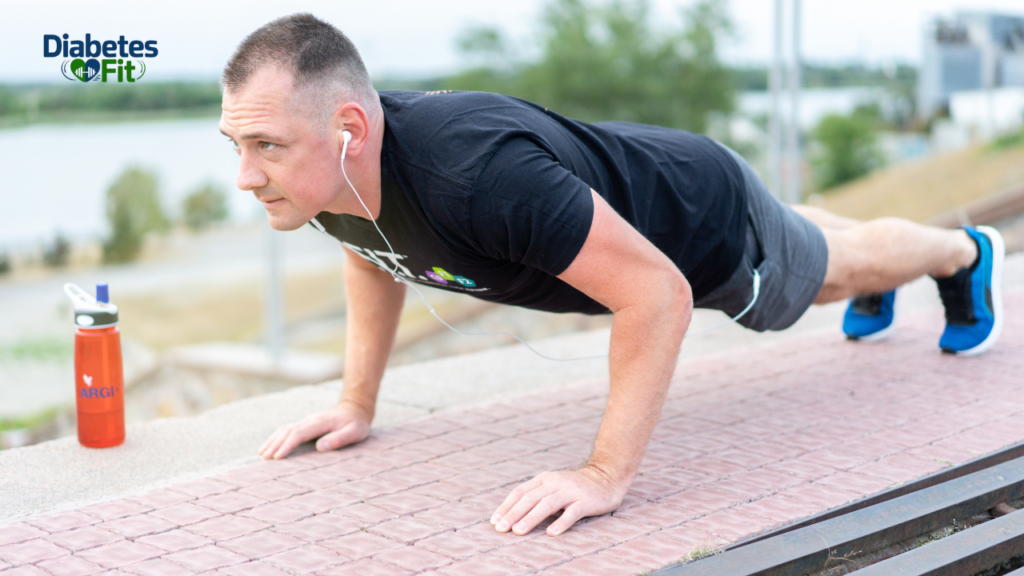
Perfect for people of all fitness levels, wall push-ups activate your chest, shoulders, and arms. Stand arm’s length from a wall, place your palms flat against it at shoulder height, and perform push-ups by bending and straightening your elbows. The repetitive muscle contraction helps shuttle glucose out of your bloodstream and into working muscles.
High Knees in Place

This cardiovascular exercise gets your heart pumping while engaging your core and leg muscles. March in place while lifting your knees as high as comfortable, alternating quickly between legs. The increased heart rate combined with muscle activation creates a powerful blood sugar-lowering effect.
Calf Raises
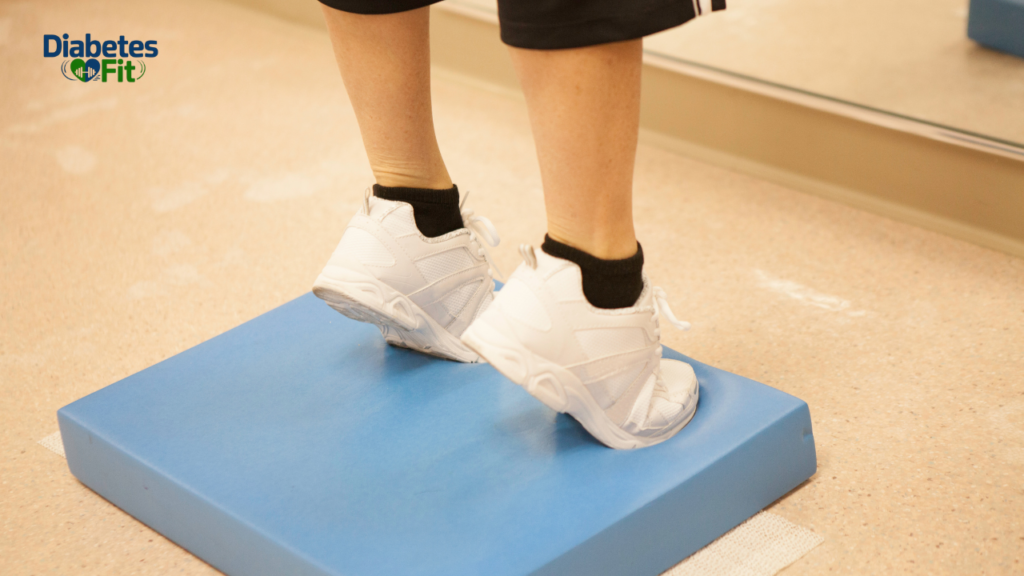
Stand with feet hip-width apart and slowly rise onto your toes, then lower back down. This targets your calf muscles and can be done while waiting for coffee to brew, standing in line, or during any brief pause in your day. The simplicity makes it easy to repeat multiple times throughout the day.
Desk or Counter Push-Offs
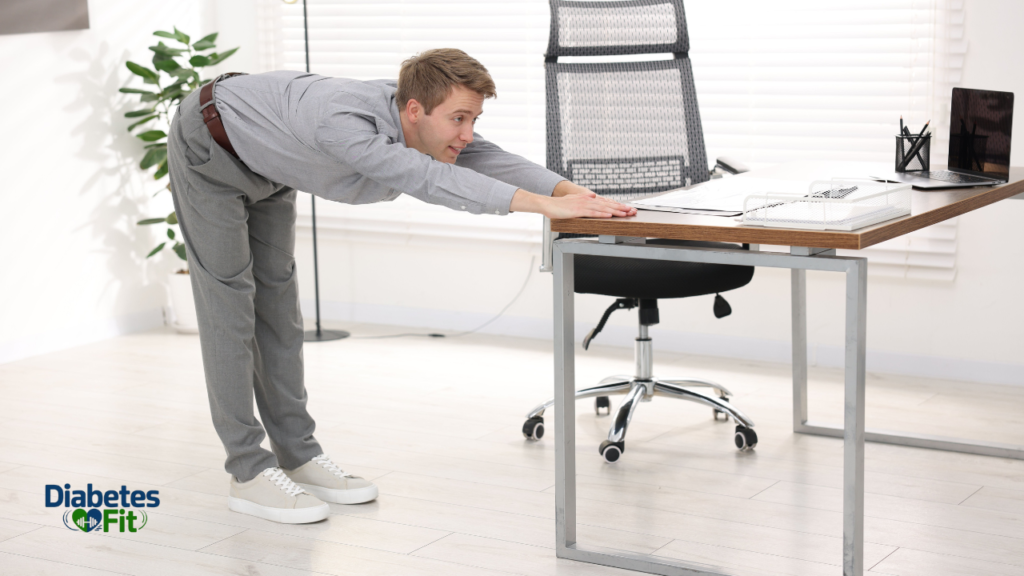
Place your hands on a desk or kitchen counter, step back so your body forms an angle, and perform push-ups against the elevated surface. This variation is easier than floor push-ups but still effectively engages multiple muscle groups to absorb blood glucose.
When to Perform These Exercises
Timing matters when using exercise to manage blood sugar. The most effective times to perform your 60-second exercises are:
After Meals: Blood sugar typically peaks 30 to 90 minutes after eating. Performing a quick exercise session during this window can blunt the glucose spike significantly. Many people find that a 60-second exercise routine immediately after finishing a meal becomes a helpful habit.
Mid-Morning and Mid-Afternoon: These times often coincide with energy dips and potential blood sugar fluctuations. A quick exercise burst can stabilize levels and provide an energy boost without reaching for sugary snacks.
Before Bed: A brief exercise session before sleep can help prevent the dawn phenomenon, where blood sugar rises in early morning hours due to hormonal changes.
Creating Your Daily Routine
The key to success with 60-second exercises is consistency and frequency. Rather than viewing exercise as a single daily event, think of it as multiple opportunities scattered throughout your day.
Start by identifying natural triggers in your routine. Perhaps you do calf raises every time you wash your hands, wall push-ups during commercial breaks, or chair squats while waiting for your computer to boot up. By anchoring these exercises to existing habits, you’re more likely to maintain the practice long-term.
Consider setting gentle reminders on your phone for the first few weeks. Aim for at least five to six 60-second exercise sessions throughout the day. This totals just five to six minutes of exercise but provides cumulative benefits that rival longer workout sessions.
Important Considerations and Safety Tips

Before beginning any 60 second exercise to lower blood sugar program, consult your healthcare provider, especially if you have diabetes, heart disease, or other medical conditions. Your doctor can help you understand how exercise might interact with your medications.
If you take insulin or certain diabetes medications, be aware that a 60 second exercise to lower blood sugar can significantly reduce glucose levels, potentially causing hypoglycemia. Monitor closely when starting and keep fast-acting carbohydrates nearby.
Start gently if you’re new to exercise. Your first 60 second exercise to lower blood sugar doesn’t need to be performed at maximum intensity. Begin with comfortable movements and gradually increase pace and effort as your fitness improves.
Measuring Your Success
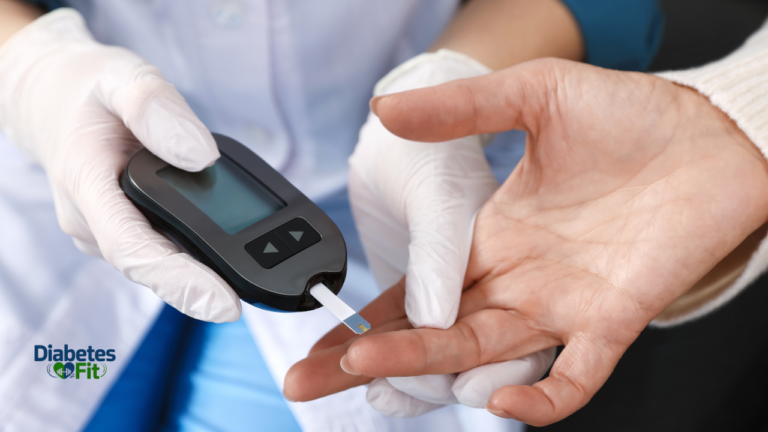
To truly understand the impact of these 60-second exercises, track your blood sugar levels before and after implementing this routine. Many people notice improvements within days, though individual results vary based on factors like current fitness level, diet, medication, and overall health status.
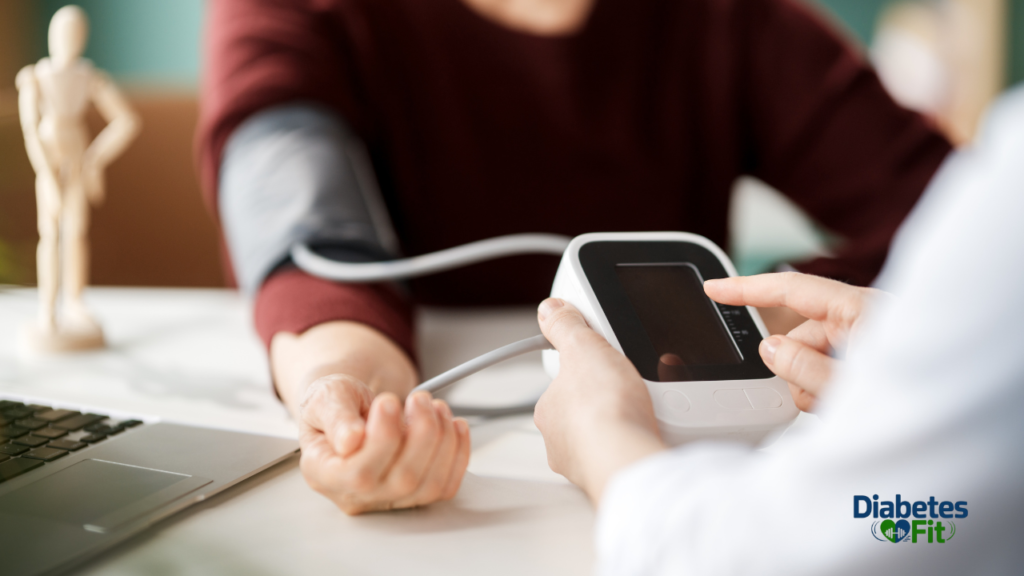
Keep a simple log noting when you exercise and your blood sugar readings. This information becomes valuable for identifying patterns and optimizing your routine. You might discover that certain exercises or specific timing works better for your unique physiology.
Conclusion
The 60-second exercise approach to lowering blood sugar naturally represents a practical, accessible solution for anyone looking to improve their metabolic health. By breaking free from the notion that exercise requires lengthy gym sessions, you can harness the power of brief, frequent movement throughout your day.
These simple exercises work because they activate your body’s natural glucose-regulating mechanisms, helping muscles absorb sugar from your bloodstream efficiently. Combined with proper nutrition, adequate sleep, and stress management, this approach can contribute significantly to better blood sugar control and overall wellness.
Remember, consistency trumps intensity when it comes to these brief exercises. The person who performs six 60-second exercises daily will likely see better results than someone who occasionally completes a longer workout. Start today with just one 60-second exercise, and gradually build from there. Your blood sugar levels – and your overall health – will thank you for it.
Frequently Asked Questions
How quickly will I see results in my blood sugar levels?
Most people notice immediate effects within 30 to 90 minutes after performing these 60-second exercises, especially when done after meals. You might see a reduction of 10 to 30 points in your blood sugar reading compared to not exercising at all. However, the long-term benefits become more pronounced with consistent practice over weeks. After 2 to 4 weeks of regularly performing these exercises throughout the day, many individuals report more stable overall blood sugar levels, reduced post-meal spikes, and better fasting glucose readings. Keep in mind that individual results vary based on factors like current fitness level, diet, medication, and the severity of insulin resistance. For the most accurate picture of your progress, test your blood sugar before and after exercises, and track patterns over time rather than focusing on single readings.
Can I do these exercises if I have mobility issues or joint pain?
Absolutely. One of the greatest advantages of 60-second exercises is their adaptability to various fitness levels and physical limitations. If you have knee problems, skip the squats and high knees, focusing instead on upper body movements like wall push-ups or seated arm exercises. For those with limited mobility, even seated exercises can be effective—try seated marches where you lift your knees while sitting, or arm circles and shoulder movements. The key is engaging your muscles, not the specific exercise itself. Chair-based exercises, resistance band movements, and gentle range-of-motion activities all help muscles absorb glucose from the bloodstream. If you’re dealing with arthritis or chronic pain, start very gently and consider performing exercises in warm water if you have access to a pool. Always listen to your body and stop if you experience sharp pain. Consulting with a physical therapist can help you identify safe, effective movements tailored to your specific limitations.
Should I still do these exercises if I’m already taking diabetes medication?
Yes, but with important precautions. Exercise works synergistically with diabetes medications, which means combining them can be very effective for blood sugar control—but it also means your levels might drop more than expected. If you take insulin or medications like sulfonylureas that can cause hypoglycemia, monitor your blood sugar closely when starting this routine. You may need to adjust your medication dosages as your body becomes more efficient at using glucose, so work closely with your healthcare provider during this transition. Check your blood sugar before exercising, especially in the beginning, and keep fast-acting carbohydrates like glucose tablets or juice nearby in case of low blood sugar. Many people find that regular exercise allows them to reduce medication over time under medical supervision, but never adjust your medications without consulting your doctor first. The good news is that these brief exercises are generally safer than prolonged intense workouts because they’re less likely to cause dramatic blood sugar drops, making them an excellent option for people on medication.

David Miller is a health and wellness writer focused on diabetes awareness, blood sugar control, and healthy living. He creates clear, practical content to help readers make better everyday health choices.