< Diet plan -

Category: Diet plan

  • Is Yogurt Good for Low Blood Sugar? The Complete Guide That Could Keep You Out of Danger

    Is Yogurt Good for Low Blood Sugar? The Complete Guide That Could Keep You Out of Danger

    Your blood sugar just dropped. You’re shaking, dizzy, and looking around the kitchen for something to eat fast. Your eyes land on a container of yogurt in the fridge. And the question hits you immediately: is yogurt good for low blood sugar?

    It’s one of those questions that sounds simple but actually has a nuanced answer — and getting it wrong matters for your safety. Yogurt can raise blood sugar, but not all yogurts work the same way, the speed varies significantly by type, and using the wrong yogurt during a genuine hypoglycemic emergency could leave you undertreated while your blood sugar keeps dropping.

    This complete guide answers every dimension of the question: which yogurt types work for treating low blood sugar, how fast each one raises glucose, how much to eat, when yogurt is a good choice and when it’s not, and how to use yogurt as part of a smart blood sugar management strategy every day. Whether you’re managing type 1 diabetes, type 2 diabetes, or reactive hypoglycemia, this information is clinically important.

    Also see Can Low Blood Sugar Cause Nosebleeds?

    Is Yogurt Good for Low Blood Sugar? The Honest Medical Answer

    Let’s start with the direct clinical answer before anything else.

    Yogurt can be used to treat mild low blood sugar — but it is not an optimal first-line treatment for most hypoglycemic episodes. The reason comes down to one word: protein.

    Yogurt — particularly Greek yogurt — is high in protein. Protein slows the digestion and absorption of carbohydrates. During a low blood sugar emergency, you need glucose entering your bloodstream as fast as possible. The protein in yogurt acts as a brake on that process, making yogurt absorb more slowly than pure glucose, fruit juice, or regular soda.

    Additionally, yogurt’s carbohydrate content varies enormously depending on the type:

    • Plain Greek yogurt: Low in carbs (6–8g per cup), very high in protein — slow absorption, not ideal for acute treatment
    • Flavored Greek yogurt: Higher in carbs (15–25g) from added sugar — better for treatment, but inconsistent dosing
    • Regular plain yogurt: Moderate carbs (11–13g) with less protein — moderate absorption speed
    • Fruit-on-the-bottom yogurt: Higher carbs (25–35g) — more useful for acute treatment
    • Drinkable yogurt: Higher carbs (20–30g) — liquid form absorbs faster

    So, is yogurt good for low blood sugar? The answer is: it depends on the type of yogurt, the severity of the episode, and what else is available.

    For mild episodes or as a follow-up stabilizing food after initial treatment, yogurt is genuinely excellent. For moderate to severe hypoglycemia where speed is critical, faster options should be prioritized when available.

    What Happens During Low Blood Sugar and What It Actually Needs

    To understand where yogurt fits, you need to understand what a hypoglycemic episode demands from a treatment.
    Is Yogurt Good for Low Blood Sugar

    The Physiology of Hypoglycemia

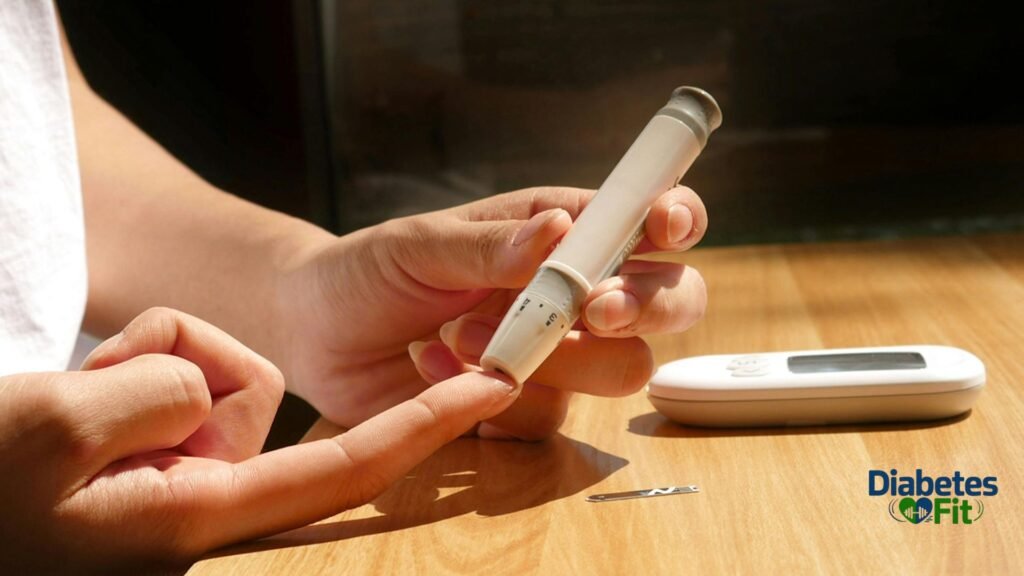
    When blood glucose drops below 70 mg/dL (3.9 mmol/L), the brain — which relies almost entirely on glucose for energy — begins signaling distress. The body releases adrenaline (epinephrine) as a counter-regulatory hormone, triggering the familiar symptoms:

    • Shakiness and trembling
    • Cold sweat
    • Heart racing or pounding
    • Dizziness or lightheadedness
    • Sudden intense hunger
    • Difficulty thinking clearly
    • Pale skin and anxiety

    The longer blood sugar stays low, the more these symptoms intensify — and below 54 mg/dL, genuine cognitive impairment begins.

    What the Treatment Needs to Do

    An effective low blood sugar treatment must:

    1. Deliver fast-absorbing carbohydrates — specifically glucose and simple sugars that bypass slow digestion
    2. Provide approximately 15 grams of carbohydrates — the ADA-recommended first dose
    3. Raise blood sugar within 10–15 minutes — the medical standard for appropriate treatment speed
    4. Avoid significant fat, protein, or fiber — these slow absorption and delay the glucose response

    This is why glucose tablets (pure dextrose) work in 5–10 minutes, while yogurt — with its protein content — works in 20–40 minutes depending on type.

    How Quickly Does Yogurt Raise Blood Sugar?

    The honest answer — based on the macronutrient composition of different yogurt types — is that yogurt raises blood sugar more slowly than most other common hypoglycemia treatments.

    Speed Comparison: Yogurt vs. Other Treatments

    TreatmentCarbs for ~15g DoseEstimated Time to Raise Blood SugarRating
    Glucose tablets (dextrose)3–4 tablets5–10 minutes⭐⭐⭐⭐⭐ Fastest
    Orange juice4 oz (½ cup)10–15 minutes⭐⭐⭐⭐⭐
    Regular soda4–5 oz10–15 minutes⭐⭐⭐⭐
    Honey1 tablespoon10–15 minutes⭐⭐⭐⭐
    Fruit-on-bottom yogurt~½ cup20–30 minutes⭐⭐⭐
    Flavored Greek yogurt (sweetened)~¾ cup25–35 minutes⭐⭐⭐
    Regular plain yogurt~1 cup25–35 minutes⭐⭐
    Plain Greek yogurt (no added sugar)~2 cups for 15g30–45 minutes⭐ Slowest
    Chocolate or candy barHalf bar25–40 minutes (fat slows)⭐⭐
    Regular food/mealFull portion45–60 minutes⭐

    Plain Greek yogurt absorbs the slowest of any common hypoglycemia treatment because its high protein content significantly slows carbohydrate absorption. You would also need to eat approximately 2 full cups of plain Greek yogurt to reach the 15-gram carbohydrate target — an impractical amount during an episode.

    Yogurt Types and Their Suitability for Low Blood Sugar Treatment

    Not all yogurts are the same. Here’s a complete breakdown:

    Is Yogurt Good for Low Blood Sugar

    1. Plain Greek Yogurt (No Added Sugar)

    Carbs per ½ cup: ~5–6g Protein per ½ cup: ~10–12g Suitability for acute hypoglycemia treatment: Poor

    Plain Greek yogurt is extraordinarily high in protein relative to its carbohydrate content. To get 15 grams of carbohydrates from plain Greek yogurt, you’d need approximately 1.5–2 cups, which is a large amount to eat during a symptomatic low blood sugar episode, and the protein would slow the glucose response significantly.

    Best use for low blood sugar: Post-treatment stabilization snack, not first-line treatment.

    2. Flavored Greek Yogurt (Sweetened — e.g., Chobani, Fage With Fruit)

    Carbs per 5.3 oz container: ~17–25g (varies by brand and flavor) Protein: ~12–15g Suitability for acute hypoglycemia treatment: Moderate

    Flavored Greek yogurts with added sugar or fruit contain enough carbohydrates to treat mild hypoglycemia — but the high protein content still slows absorption compared to juice or tablets. A standard single-serve container (5.3 oz) typically provides 17–22 grams of carbohydrates, which is close to the 15-gram target.

    Best use: Acceptable for mild low blood sugar when faster options aren’t available.

    3. Regular Plain Yogurt (Not Greek)

    Carbs per ½ cup: ~6–7g Protein per ½ cup: ~4–5g Suitability for acute hypoglycemia treatment: Moderate

    Regular (non-Greek) plain yogurt has less protein than Greek varieties because it hasn’t been strained. This means carbohydrates are absorbed slightly faster. One cup provides approximately 11–13 grams of carbohydrates — close to the target dose, with moderate absorption speed.

    Best use: Acceptable for mild episodes when better options are unavailable.

    4. Fruit-on-the-Bottom Yogurt (Regular, Not Greek)

    Carbs per 6 oz container: ~25–35g Protein: ~5–7g Suitability for acute hypoglycemia treatment: Good (with caution)

    Fruit-on-the-bottom yogurts have the highest carbohydrate content of common yogurt varieties, due to added fruit preserve and sugar at the bottom. The lower protein content (compared to Greek) means faster absorption. A single container typically provides 25–30 grams of carbohydrates — more than the recommended 15-gram first dose.

    Caution: Because this delivers more than the target 15 grams of carbohydrates in a standard container, eating only half the container is important to avoid blood sugar overshooting too high.

    Best use: Reasonable backup treatment for mild hypoglycemia — eat half the container for a ~15g dose.

    5. Drinkable Yogurt (Kefir, Smoothie-Style Yogurt)

    Carbs per 8 oz: ~20–30g Protein: ~8–12g Suitability for acute hypoglycemia treatment: Moderate

    Drinkable yogurt has an advantage over solid yogurt: it’s liquid, which means it passes through the stomach faster and absorbs more quickly than solid food. If yogurt is your only option during a low blood sugar episode, a drinkable format will work faster than a spoonable one.

    Best use: Preferable to solid yogurt for treating hypoglycemia — drink approximately 4–6 oz for a 15-gram carbohydrate dose.

    Quick Reference Table: Yogurt Types for Low Blood Sugar

    Yogurt TypeCarbs per ServingProteinSpeedBest Role
    Plain Greek (no sugar)5–6g / ½ cupVery HighVery SlowPost-treatment stabilizer only
    Flavored Greek (sweetened)17–25g / containerHighSlowMild episode backup
    Regular plain yogurt11–13g / cupModerateModerateMild episode backup
    Fruit-on-bottom yogurt25–35g / containerLowerModerateEat ½ for 15g dose
    Drinkable yogurt/kefir20–30g / 8 ozModerateFaster than solidBest yogurt option for hypo
    Sweetened yogurt drink25–35g / bottleLowModerate-FastReasonable backup

    When Yogurt Is a Good Choice for Low Blood Sugar
    Is Yogurt Good for Low Blood Sugar

    As a First-Line Treatment When Nothing Better Is Available

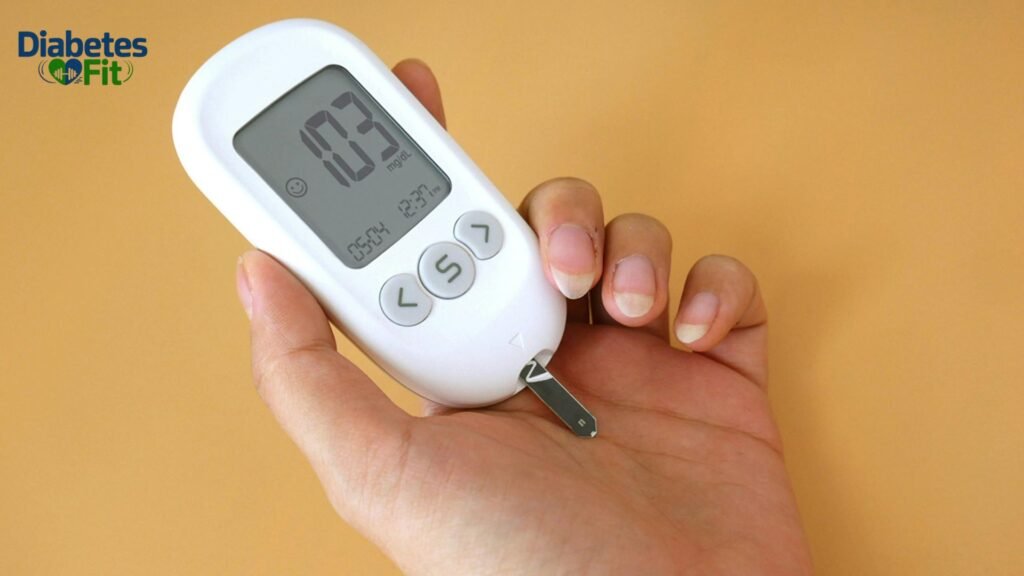
    If you’re experiencing mild low blood sugar (blood glucose 65–70 mg/dL with mild symptoms) and the only food available is yogurt, use it. A flavored Greek yogurt container, a cup of fruit-on-the-bottom yogurt (half portion), or drinkable yogurt will raise your blood sugar, just more slowly than ideal. Be patient, wait 20–25 minutes before rechecking rather than the standard 15, and don’t eat additional food during the wait.

    For Children With Mild Hypoglycemia Who Refuse Other Options

    Some children — particularly younger ones — refuse glucose tablets or juice during low blood sugar episodes because of taste preferences, anxiety, or texture sensitivity. If yogurt is the food your child will actually consume during a mild episode, it is a reasonable alternative. Choose the sweetest, highest-carbohydrate variety available, calculate the approximate carbohydrate content, and monitor blood sugar carefully with a longer wait time.

    As a Follow-Up Stabilizing Food After Initial Treatment

    This is where yogurt genuinely excels in low blood sugar management. After treating an acute episode with faster-acting carbohydrates (glucose tablets, juice, or soda), eating a small serving of plain Greek yogurt 15–20 minutes later provides:

    • A slow-releasing protein that prevents blood sugar from dropping again as the fast-acting treatment wears off
    • Probiotics that support gut health and, over time, improve the insulin response
    • Calcium and potassium support overall metabolic health

    The protein in plain Greek yogurt — which makes it poor as a first-line treatment — makes it ideal as a stabilizing follow-up snack.

    To Prevent Hypoglycemia Before Exercise or Extended Periods Without Food

    Eating a small serving of plain Greek yogurt (with some fruit for carbohydrates) before exercise or a long meeting where you won’t have access to food is an excellent preventive strategy. The combination of slow-digesting protein and moderate carbohydrates from the fruit helps maintain stable blood sugar over 2–3 hours, reducing the likelihood of an episode occurring.

    When Yogurt Is NOT Appropriate for Low Blood Sugar

    Moderate to Severe Hypoglycemia (Below 54 mg/dL)

    When blood sugar is significantly low, and symptoms include confusion, difficulty thinking, significant trembling, or rapidly worsening symptoms, yogurt is not appropriate as a first response. Its slow absorption in moderate-to-severe situations means your blood sugar may continue to drop while you wait for the yogurt to work.

    At these blood sugar levels, use:

    • Glucose tablets (fastest — 3–4 tablets for 15g)
    • Orange juice (4 oz for 15g)
    • Regular soda (4–5 oz)
    • Honey (1 tablespoon)

    Use yogurt as a follow-up only.

    When Blood Sugar Is Dropping Rapidly (Fast Fall Arrow on CGM)

    If your continuous glucose monitor shows a rapidly falling blood sugar (↓↓ arrow), even at a reading of 75–80 mg/dL, yogurt’s slow absorption cannot keep pace with the fall. Use a faster treatment and save yogurt for stabilization afterward.

    For Someone Confused or Semi-Conscious

    If you’re administering treatment to someone else who is confused, disoriented, or semi-conscious, never give solid food, including yogurt. The risk of choking or aspiration is significant. Liquid treatment (4 oz juice or glucose gel squeezed under the tongue) or glucagon injection is appropriate. Solid food of any kind — including yogurt — is unsafe for someone who cannot fully control their swallowing.

    The Best Role for Yogurt in a Complete Low Blood Sugar Management Plan

    Yogurt is best thought of as a supporting player in blood sugar management — not the star of emergency treatment, but genuinely valuable in prevention and stabilization.

    The Ideal Low Blood Sugar Management Plan Incorporating Yogurt

    Step 1 — Prevention:

    • Eat plain Greek yogurt as a mid-morning or afternoon snack paired with fruit (berries + yogurt = perfect combination of slow protein + moderate carbs + fiber)
    • This combination maintains steady blood sugar for 2–3 hours, reducing the likelihood of hypoglycemic episodes

    Step 2 — First-Line Treatment (Not Yogurt):

    • At blood sugar below 70 mg/dL with symptoms → glucose tablets, juice, or regular soda
    • 15 grams of fast-acting carbohydrates → wait 15 minutes → recheck

    Step 3 — Stabilization (Yogurt Shines Here):

    • Once blood sugar is back above 70 mg/dL → eat ½ cup plain Greek yogurt with ½ cup berries
    • The protein in the yogurt prevents blood sugar from dropping again after the fast-acting treatment wears off
    • The berries provide sustained carbohydrate support without excessive sugar

    Step 4 — Carry Glucose Tablets Always:

    • Yogurt requires refrigeration and is bulky — not a portable emergency option
    • Glucose tablets are pocket-sized, shelf-stable, and always ready
    • Yogurt supplements glucose tablets; it doesn’t replace them

    Yogurt for Everyday Blood Sugar Management

    Beyond emergency treatment, yogurt plays an important daily role in blood sugar stability — particularly for people with diabetes or reactive hypoglycemia:

    Plain Greek Yogurt and Insulin Sensitivity

    Research published in the Journal of Nutrition found that regular consumption of yogurt — particularly plain, low-fat varieties — was associated with improved insulin sensitivity and lower fasting blood glucose in people with type 2 diabetes over time. The probiotics in yogurt appear to positively influence the gut microbiome, which has a meaningful effect on glucose metabolism.

    Yogurt’s Low Glycemic Index as a Daily Food

    Plain Greek yogurt has a glycemic index of approximately 11–14, one of the lowest of any carbohydrate-containing food. This makes it an exceptionally blood-sugar-friendly food for daily consumption. It satisfies hunger for 2–3 hours without spiking blood sugar, making it an excellent breakfast component, snack, or meal addition for people managing blood sugar stability.

    Probiotic Content and Gut-Glucose Connection

    The live cultures in yogurt (Lactobacillus bulgaricus, Streptococcus thermophilus, and others in premium varieties) support gut microbiome diversity. Research increasingly shows that gut microbiome composition directly influences insulin sensitivity, glycemic response to meals, and even the frequency of reactive hypoglycemia. Regular yogurt consumption supports the gut environment that promotes more stable blood sugar throughout the day.

    Frequently Asked Questions

    Can I use yogurt to treat low blood sugar?

    Yes — yogurt can treat mild low blood sugar (65–70 mg/dL with mild symptoms), but it works significantly more slowly than glucose tablets or juice due to its protein content, which slows carbohydrate absorption. For a mild episode without rapidly worsening symptoms, a flavored Greek yogurt container or ½ cup of fruit-on-bottom yogurt provides approximately 15–20 grams of carbohydrates. Wait 20–25 minutes before rechecking blood sugar rather than the standard 15 minutes. For moderate-to-severe episodes, always choose faster-acting treatments.

    Which yogurt is best for treating low blood sugar?

    For treating low blood sugar, drinkable yogurt or flavored (sweetened) yogurt is better than plain Greek yogurt. Plain Greek yogurt is very high in protein and relatively low in carbohydrates — the opposite of what you need during an acute episode. The best yogurt choice for low blood sugar treatment is one with higher carbohydrate content (17–25g per container) and lower protein — such as flavored Greek yogurt, fruit-on-bottom yogurt (eat half the container for ~15g dose), or drinkable kefir or yogurt smoothies.

    Is Greek yogurt good for low blood sugar?

    Plain Greek yogurt is poor for treating acute low blood sugar because it’s very high in protein and low in carbohydrates — slowing glucose absorption significantly. However, sweetened or flavored Greek yogurt containers contain enough carbohydrates (17–25g) to help with mild episodes. Greek yogurt’s real value for blood sugar management is in prevention and stabilization — its low glycemic index and high protein content make it excellent for maintaining stable blood sugar throughout the day and as a follow-up snack after treating hypoglycemia with faster-acting options.

    How much yogurt should I eat for low blood sugar?

    Aim for approximately 15 grams of carbohydrates from yogurt — the ADA-recommended first treatment dose. The amount needed depends on the type: approximately ½ container of fruit-on-bottom yogurt, one full container of flavored Greek yogurt (5.3 oz, check label for carb count), or approximately 4–6 oz of drinkable yogurt. Plain Greek yogurt requires approximately 2 full cups to reach 15 grams — impractical during an episode. Always check the nutrition label of your specific yogurt brand for accurate carbohydrate content.

    Can eating yogurt daily help prevent low blood sugar?

    Yes — eating plain Greek yogurt daily as part of balanced meals and snacks can help reduce the frequency of hypoglycemic episodes. Its low glycemic index prevents blood sugar spikes and subsequent crashes, its high protein content extends satiety and glucose stability for hours, and its probiotics support gut microbiome health linked to improved insulin sensitivity. A daily snack of plain Greek yogurt with berries in the mid-morning or afternoon is an effective strategy for maintaining blood sugar stability between meals.

    Is yogurt safe to give someone who is severely hypoglycemic?

    No — solid food of any kind, including yogurt, should never be given to someone who is severely hypoglycemic (confused, unable to communicate clearly, semi-conscious, or unconscious). The risk of choking or aspirating food into the lungs is serious and potentially life-threatening. For someone who cannot safely swallow solid food, administer glucagon (injection kit or Baqsimi nasal spray) and call emergency services immediately. Only when the person is fully conscious, alert, and able to swallow safely should any food or drink be offered.

    Does plain yogurt spike blood sugar?

    Plain yogurt — particularly plain Greek yogurt — has an extremely low glycemic index (approximately 11–14) and does not spike blood sugar meaningfully for most people. Its high protein content slows any carbohydrate absorption significantly. Even regular plain yogurt (non-Greek) causes only a gradual, modest rise in blood glucose. This is why yogurt is considered one of the most diabetes-friendly foods for daily consumption — it provides protein, calcium, and probiotics without disrupting blood sugar stability.

    Conclusion

    The complete answer to is yogurt good for low blood sugar is: yes, with important distinctions about when, which type, and how much.

    For treating acute hypoglycemia, yogurt works, but it works slowly. Plain Greek yogurt is the slowest option due to its high protein and low carbs. Sweetened or flavored yogurt, drinkable yogurt, and fruit-on-bottom varieties are better choices for treatment because they have more carbohydrates and lower protein content. Even then, expect a 20–30 minute response time rather than the 10–15 minutes from glucose tablets or juice. For mild, non-rapidly-progressing episodes with nothing faster available, yogurt is a reasonable choice.

    For stabilization after treatment, plain Greek yogurt is excellent. Its protein prevents secondary drops after fast-acting glucose wears off, its probiotics support long-term insulin sensitivity, and its low glycemic index makes it one of the best foods for sustained blood sugar stability.

    For daily prevention: plain Greek yogurt with berries as a morning or afternoon snack is one of the most effective food strategies for keeping blood sugar stable throughout the day and reducing the frequency of hypoglycemic episodes.

    Yogurt is not a replacement for glucose tablets, juice, or other fast-acting treatments in an emergency. But used correctly — as a prevention tool, a stabilizing follow-up, and a daily dietary staple — it is genuinely one of the best foods in a blood sugar management toolkit.

    This article is for informational purposes only and does not replace personalized medical advice. Always consult your doctor or diabetes care team for a hypoglycemia management plan tailored to your specific condition, medications, and health history.

    The American Diabetes Association (ADA) provides up-to-date, evidence-based clinical guidance on hypoglycemia treatment — including approved fast-acting carbohydrate sources, when to seek emergency care, and how to build a complete hypoglycemia action plan with your care team.

  • Are Apples Good for Low Blood Sugar? The Honest Answer That Could Keep You Safe

    Are Apples Good for Low Blood Sugar? The Honest Answer That Could Keep You Safe

    You feel that familiar wave of shakiness. Your hands are trembling, your heart is pounding, and you need something — fast. You reach for an apple sitting on the kitchen counter, and the question crosses your mind: will this actually work?

    Are apples good for low blood sugar? It’s a question that comes up more than you’d expect — in diabetes communities, in nutrition forums, and in doctor’s offices. And the answer is nuanced in a way that matters for your safety.

    Apples can raise blood sugar — but they’re not the optimal choice for treating a hypoglycemic episode. Their fiber content, which makes them excellent for everyday blood sugar management, actually slows glucose absorption during a low blood sugar emergency when speed is everything. In some situations, an apple is a perfectly reasonable option. In others, it could leave you undertreated.

    This guide gives you the complete, medically accurate picture: what apples do to blood sugar, when they’re helpful, when they’re not, how they compare to better options, and exactly how to use them correctly if an apple is what you have.

    Also see Can Menopause Cause Low Blood Sugar? What Every Woman Over 40 Needs to Know.

    Are Apples Good for Low Blood Sugar? The Science First

    To understand where apples fit in treating low blood sugar, you need to understand what hypoglycemia demands from a treatment — and what apples chemically deliver.

    What Hypoglycemia Needs

    When blood sugar drops below 70 mg/dL (3.9 mmol/L), your brain and body are running low on their primary fuel. The treatment goal is singular: get glucose into the bloodstream as quickly as possible. Speed determines how fast symptoms resolve and how safe you stay.

    The ideal hypoglycemia treatment:

    • Contains fast-absorbing simple sugars (glucose and fructose)
    • Has minimal fiber — fiber slows absorption, which is a problem during a low
    • Provides approximately 15 grams of carbohydrates — the ADA-recommended dose for treating mild hypoglycemia
    • Is predictable and precise in its carbohydrate content
    • Raises blood sugar within 10–15 minutes

    What Apples Actually Contain

    ComponentAmount per Medium Apple (182g)Effect on Hypoglycemia Treatment
    Total carbohydrates25gGood — enough carbs to raise blood sugar
    Natural sugars19g (glucose + fructose + sucrose)Partially helpful — raises blood sugar
    Dietary fiber4.4gProblematic — slows sugar absorption
    Water content~86%Neutral — dilutes sugar slightly
    Glycemic Index36–38 (Low)Problematic — low GI means slower blood sugar rise
    Glycemic Load6 (Low)Confirms slow, modest blood sugar impact

    Here’s the key insight: the fiber and low glycemic index that make apples excellent for everyday blood sugar management are exactly what makes them suboptimal for treating a hypoglycemic emergency.

    When you need your blood sugar to rise in 10–15 minutes, the 4.4 grams of fiber in an apple slow the absorption of its natural sugars — meaning blood sugar rises more slowly and less dramatically than it would from pure glucose or juice.

    When Apples Are and Are Not Appropriate for Low Blood Sugar

    Are Apples Good for Low Blood Sugar

    When Apples ARE Appropriate

    For Mild, Non-Urgent Hypoglycemia

    If your blood sugar is between 65–70 mg/dL with mild symptoms (slight dizziness, mild shakiness, mild hunger) — and not dropping rapidly — a whole apple can be a reasonable treatment. The 19 grams of natural sugar it contains will raise blood sugar, just more slowly than faster options.

    In this scenario, the slight delay from fiber is manageable because the episode isn’t severe and the blood sugar isn’t in a dangerous free-fall.

    When Faster Options Are Unavailable

    Life happens. If you’re at a picnic, in a park, at school, or in a situation where an apple is the only available carbohydrate source — use it. A slower response is still a response, and an apple is infinitely better than nothing.

    As a Follow-Up Stabilizing Snack After Initial Treatment

    This is actually where apples genuinely shine in hypoglycemia management. Once you’ve treated the acute low blood sugar with a faster option (glucose tablets, juice), eating half an apple or a full apple 15–20 minutes later provides:

    • Sustained glucose release from its slower-digesting fiber
    • Nutritional value (vitamin C, potassium, antioxidants)
    • A natural stabilizing effect that prevents blood sugar from dropping again after the initial fast-acting treatment wears off

    An apple as a follow-up snack is excellent. An apple as first-line treatment is acceptable but not optimal.

    When Apples Are NOT the Right Choice

    For Moderate to Severe Hypoglycemia (Below 54 mg/dL)

    When blood sugar is significantly low and symptoms include confusion, disorientation, significant shakiness, or difficulty thinking clearly — speed is critical. In this situation, the fiber-delayed absorption of an apple may leave you undertreated long enough for symptoms to worsen.

    At this level, glucose tablets, glucose gel, or 4 oz of juice are strongly preferred — they raise blood sugar 5–10 minutes faster than an apple can.

    When Blood Sugar Is Dropping Rapidly

    If your continuous glucose monitor (CGM) shows a rapidly falling arrow (↓↓) alongside a borderline reading — the rate of change matters as much as the current number. An apple’s slow-releasing sugars may not keep pace with a rapid blood sugar fall. Choose faster-acting options in this scenario.

    For Children With Severe Symptoms

    Children metabolize blood sugar changes faster than adults and can deteriorate more quickly during a hypoglycemic episode. For children with significant symptoms, glucose tablets or juice are preferred over apples for the speed advantage.

    How Apples Compare to Other Hypoglycemia Treatments

    Here’s a direct, honest comparison of apples against common alternatives:

    TreatmentCarbs for 15g DoseSpeed (Time to Raise Blood Sugar)Fiber ContentPortability
    Glucose tablets (dextrose)3–4 tablets5–10 minutesNone⭐⭐⭐⭐⭐
    Orange juice4 oz (½ cup)10–15 minutesMinimal⭐⭐⭐
    Apple juice4 oz10–15 minutesNone⭐⭐⭐
    Regular soda4–5 oz10–15 minutesNone⭐⭐⭐
    Honey1 tablespoon10–15 minutesNone⭐⭐
    Whole apple~¾ medium apple20–35 minutes4.4g⭐⭐⭐⭐
    Apple sauce (unsweetened)~4 oz15–20 minutesLow⭐⭐⭐
    Apple juice concentrate~1–2 tbsp10–15 minutesNone⭐⭐
    Chocolate barHalf bar30–45 minutesMinimal⭐⭐⭐
    Regular food/mealFull portion45–60 minutesVaries⭐⭐⭐

    The takeaway is clear: whole apples sit in the slower absorption tier — still effective, but not first-choice when speed matters.

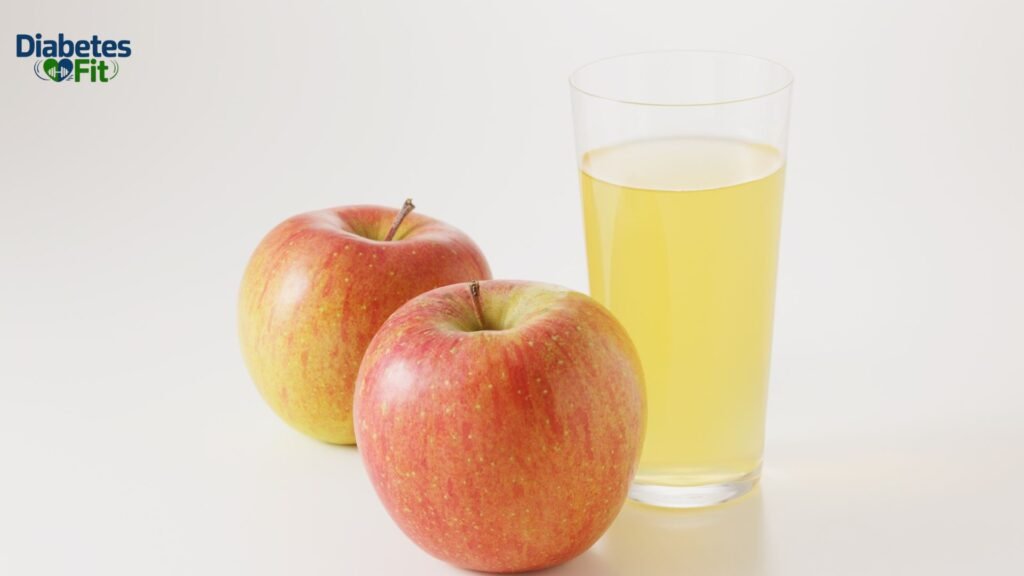
    Apple Juice vs. Whole Apple for Low Blood Sugar

    This is an important distinction that many people miss. Apple juice and whole apples behave very differently during a hypoglycemic episode — even though they come from the same fruit.

    Are Apples Good for Low Blood Sugar

    Apple Juice (4 oz = ~15g carbs)

    Apple juice has had all fiber removed during processing. What remains is primarily fructose and glucose in liquid form — which absorbs rapidly through the small intestine.

    • Speed: 10–15 minutes to raise blood sugar
    • Precision: 4 oz = approximately 15g carbs (standard treatment dose)
    • Fiber: None — so absorption is fast
    • Best for: First-line treatment when glucose tablets aren’t available

    Whole Apple (¾ medium apple ≈ 15g carbs)

    A whole apple contains the same sugars as juice — but packaged with 4.4 grams of fiber that significantly slows their release into the bloodstream.

    • Speed: 20–35 minutes to meaningfully raise blood sugar
    • Precision: Less precise — apples vary in size and sugar content
    • Fiber: 4.4g — substantially slows absorption
    • Best for: Mild episodes or follow-up stabilization after initial treatment

    Practical rule: If you have apple juice — use it for treating hypoglycemia. If you only have a whole apple — use it, but understand it will take longer to work and be patient during the 15-minute wait period.

    Apple Varieties and Their Glycemic Differences

    Not all apples are the same. While the differences aren’t dramatic enough to change treatment decisions, understanding variety-to-variety variation in sugar content is useful:

    Apple VarietyAverage Sugar per Medium AppleGlycemic IndexNotes
    Fuji~18g~38Sweeter — slightly faster response
    Gala~17g~38Sweet, common variety
    Granny Smith~13g~34Tart — lower sugar, slowest response
    Honeycrisp~19g~39Higher sugar — slightly better for hypo
    Red Delicious~16g~36Average sugar content
    Golden Delicious~17g~37Medium sweetness

    For treating low blood sugar specifically: Sweeter varieties (Fuji, Honeycrisp) are marginally better because they contain more natural sugar per apple and have a slightly higher glycemic index — meaning slightly faster absorption. Granny Smith apples, while excellent for everyday blood sugar management due to their low glycemic index and high fiber, are the least optimal choice for treating a hypoglycemic episode.

    How to Use an Apple Correctly to Treat Low Blood Sugar

    If a whole apple is your only available option for treating low blood sugar, here’s how to use it as effectively as possible:

    Are Apples Good for Low Blood Sugar

    Step 1: Check Your Blood Sugar First

    If possible, confirm your blood sugar is below 70 mg/dL before treating. If symptoms are clear and your meter isn’t immediately available — treat first, check as soon as possible.

    Step 2: Eat Approximately ¾ of a Medium Apple

    Three-quarters of a medium apple provides approximately 14–15 grams of carbohydrates — close to the standard 15-gram treatment dose. Eating a full apple delivers 25 grams, which can cause blood sugar to overshoot and swing too high.

    For easier dosing, choose a small apple (~120–130g) and eat the whole thing — this provides approximately 15 grams of carbohydrates.

    Step 3: Eat It Without Peanut Butter or Other Additions

    During a hypoglycemic episode, avoid eating your apple with peanut butter, almond butter, or cheese — even though these are excellent pairings under normal circumstances. Fat and protein slow glucose absorption further. During a low blood sugar emergency, eat the apple plain to maximize absorption speed.

    Step 4: Wait 20–25 Minutes (Longer Than Normal)

    Because of the fiber content, an apple requires a longer wait time before rechecking blood sugar. Instead of the standard 15-minute wait of the 15-15 Rule, wait 20–25 minutes after eating the apple before rechecking.

    Step 5: Recheck Blood Sugar

    If blood sugar is now above 70 mg/dL and symptoms are improving — you’ve treated the episode successfully. Move to a small stabilizing snack containing protein and complex carbohydrates.

    If blood sugar is still below 70 mg/dL after 25 minutes — treat again. This time, if possible, use a faster option: 4 oz of juice, glucose tablets, or honey.

    Step 6: Eat a Stabilizing Follow-Up Snack

    Once recovered, eat a small snack that combines protein and a small amount of complex carbohydrates to prevent blood sugar from dropping again:

    • Greek yogurt with berries
    • A small portion of nuts and a piece of fruit
    • Peanut butter on a small whole grain cracker
    • Hard-boiled egg and a small orange

    Apples as a Blood Sugar Stabilizer: The Everyday Role They Excel At

    While this guide has focused on the limitations of apples for treating acute hypoglycemia — it’s important to emphasize how exceptional apples are for preventing blood sugar drops and maintaining stable glucose throughout the day.

    Pectin: Apple’s Secret Weapon for Blood Sugar Stability

    Apples are rich in pectin — a soluble fiber that forms a gel in the digestive tract. This gel:

    • Slows the digestion and absorption of all carbohydrates eaten at the same meal
    • Feeds beneficial gut bacteria that produce short-chain fatty acids supporting insulin sensitivity
    • Creates a sustained, gradual glucose release that prevents the blood sugar spikes and crashes that trigger reactive hypoglycemia

    Research shows that eating an apple before a meal can reduce post-meal blood sugar elevation by 25–30% compared to the same meal without an apple.

    Quercetin and Polyphenols

    Apples contain quercetin and other polyphenols — plant compounds shown in research to:

    • Inhibit alpha-glucosidase (an enzyme that breaks down carbohydrates) — slowing glucose absorption
    • Improve insulin signaling in cells
    • Reduce oxidative stress and inflammation that contribute to insulin resistance

    These effects make apples one of the best everyday fruits for people with diabetes, prediabetes, or anyone managing blood sugar stability.

    The Low Glycemic Index Advantage

    With a glycemic index of 36–38, apples cause one of the slowest and most gradual blood sugar rises of any fruit. This makes them excellent for:

    • Preventing reactive hypoglycemia (post-meal blood sugar crashes)
    • Maintaining stable energy between meals
    • Satisfying sweet cravings without spiking insulin

    The Best Time to Eat Apples for Blood Sugar Benefits

    TimingBlood Sugar BenefitRecommended
    Before a mealReduces post-meal glucose spike by 25–30%✅ Excellent
    As a mid-morning snack (with protein)Stabilizes blood sugar between breakfast and lunch✅ Excellent
    As an afternoon snackPrevents 3 PM blood sugar dip and snack cravings✅ Excellent
    After treating hypoglycemiaProvides sustained glucose to prevent secondary drop✅ Excellent
    During acute hypoglycemia (as first treatment)Acceptable if nothing faster available⚠️ Acceptable
    During severe hypoglycemia (below 54 mg/dL)Too slow — use glucose tablets or juice❌ Not recommended

    Frequently Asked Questions

    Can I use apples to treat low blood sugar?

    Yes — a whole apple can treat mild low blood sugar (blood glucose 65–70 mg/dL with mild symptoms), but it works more slowly than glucose tablets, juice, or regular soda due to its fiber content. Eat approximately ¾ of a medium apple (or a whole small apple) without any fat or protein additions, and wait 20–25 minutes before rechecking rather than the standard 15 minutes. For moderate to severe episodes, choose faster-acting treatments and save the apple for follow-up stabilization.

    How many grams of carbs does an apple have for treating hypoglycemia?

    A medium apple (182g) contains approximately 25 grams of total carbohydrates and 19 grams of natural sugar. However, because 4.4 grams of fiber slow absorption, the effective glycemic impact is more like 12–15 grams of readily absorbable glucose-equivalent — meaning for hypoglycemia treatment, eating ¾ of a medium apple or one small apple (~130g) most closely delivers the medically recommended 15-gram carbohydrate dose.

    Is apple juice better than a whole apple for low blood sugar?

    Yes — for treating an acute hypoglycemic episode, 4 oz (½ cup) of apple juice is significantly better than a whole apple. Apple juice has had all fiber removed, so its sugars absorb in 10–15 minutes rather than the 20–35 minutes for a whole apple. Apple juice also allows more precise dosing: 4 oz = approximately 15 grams of carbohydrates. If you have both available during a low blood sugar episode, reach for the juice first and eat the apple afterward as a stabilizing follow-up snack.

    Are apples good for diabetics with low blood sugar?

    Apples can be used for treating mild hypoglycemia in people with diabetes, but they’re not the first-choice treatment. Glucose tablets or juice are faster and more precise. Where apples genuinely excel for people with diabetes is in preventing low blood sugar — their pectin fiber, low glycemic index, and polyphenol content help stabilize blood sugar throughout the day, reduce post-meal spikes, and improve insulin sensitivity. Eating an apple as a mid-morning or afternoon snack (paired with protein) can help maintain glucose stability and reduce the frequency of hypoglycemic episodes.

    Which is better for low blood sugar — apple or banana?

    For treating acute hypoglycemia, a banana is marginally better than a whole apple because it has a slightly higher glycemic index (51 vs. 36–38), somewhat less fiber, and more total sugar per serving — meaning blood sugar rises a little faster. A ripe banana provides approximately 27 grams of carbohydrates per medium banana. However, a less ripe (greener) banana has more resistant starch and absorbs more slowly — more like an apple. For everyday blood sugar stability, apples are superior to bananas due to their lower sugar content and higher pectin fiber.

    Can eating apples daily help prevent hypoglycemia?

    Yes — eating apples regularly as part of a balanced diet can help reduce the frequency of reactive hypoglycemia and blood sugar instability. Apple pectin fiber slows carbohydrate digestion, preventing the rapid blood sugar spikes and subsequent crashes that trigger hypoglycemia after meals. Quercetin and other apple polyphenols improve insulin sensitivity over time. Eating an apple mid-morning or mid-afternoon as a snack (particularly with protein like a tablespoon of almond butter) maintains blood sugar in a stable range and reduces between-meal glucose dips.

    What should I eat after treating low blood sugar with an apple?

    After your blood sugar returns above 70 mg/dL following apple treatment, eat a small stabilizing snack containing both protein and complex carbohydrates to prevent a secondary blood sugar drop as the apple’s sugars wear off. Good options: Greek yogurt with berries, peanut butter on a small whole grain cracker, a hard-boiled egg with a small orange, or a small portion of cottage cheese with a few whole grain crackers. This combination provides a sustained glucose release that keeps blood sugar stable until your next main meal.

    Conclusion

    Here’s the honest, complete answer: apples are good for low blood sugar — but not great for treating it acutely, and excellent for preventing it daily.

    When it comes to treating an active hypoglycemic episode, apples work but they work slowly. Their 4.4 grams of fiber and low glycemic index — the very qualities that make them nutritionally exceptional in everyday life — slow the absorption of their natural sugars enough to make them a second-tier choice when speed is critical. For mild episodes with plenty of time to respond, a whole apple is acceptable. For moderate episodes where blood sugar is dropping fast, reach for glucose tablets or juice and use the apple afterward.

    Where apples are genuinely excellent for low blood sugar prevention: their pectin fiber stabilizes blood sugar throughout the day, reduces post-meal spikes, feeds gut bacteria that improve insulin sensitivity, and delivers polyphenols that support long-term glucose regulation. An apple a day — particularly timed before meals or as a mid-afternoon snack paired with protein — is a legitimate, research-supported strategy for reducing the frequency of hypoglycemic episodes in people who experience them regularly.

    Know the difference between using an apple to treat hypoglycemia and using it to prevent hypoglycemia. Both have value — but only one is the right tool in an emergency.

    This article is for informational purposes only and does not replace personalized medical advice. Always consult your doctor or diabetes care team for a hypoglycemia management plan tailored to your specific condition, medications, and health history.

    The American Diabetes Association (ADA) provides comprehensive, up-to-date clinical guidance on hypoglycemia treatment — including the 15-15 Rule, recommended fast-acting carbohydrate sources, and when to seek emergency care.

  • Orange Juice for Low Blood Sugar: Does It Work, How Much Do You Need

    Orange Juice for Low Blood Sugar: Does It Work, How Much Do You Need

    Your blood sugar drops. Your hands are shaking, and your heart is racing. You pull open the refrigerator and the first thing you see is a carton of orange juice. Before you start drinking, stop and think for just a second. How much should you drink? Will it work fast enough? Is it even the right choice right now?

    Orange juice for low blood sugar is one of the most common go-to remedies people reach for during a hypoglycemic episode — and for good reason. It works. Orange juice contains natural sugars that absorb quickly into the bloodstream and raise blood glucose in a meaningful way within 10–15 minutes.

    But like most things in diabetes management, the details matter enormously. The wrong amount can cause blood sugar to overshoot dangerously high. Certain juice types absorb faster than others. And in severe episodes, juice isn’t safe at all. This guide gives you the complete, medically accurate picture — so the next time your blood sugar drops, you know exactly what to do.

    You can also read my other post on Is Gatorade Good for Low Blood Sugar? for more information.

    Orange Juice for Low Blood Sugar: Why It Works and What Makes It Effective

    To understand why orange juice works for treating low blood sugar, you first need to understand what hypoglycemia is doing to your body — and what your body urgently needs to correct it.

    What Happens During Low Blood Sugar

    Hypoglycemia occurs when blood glucose drops below 70 mg/dL (3.9 mmol/L). At this level, your brain and muscles are being starved of their primary fuel source. Your body releases stress hormones — adrenaline, cortisol, and glucagon — triggering the familiar symptoms: shakiness, sweating, heart pounding, dizziness, confusion, and intense hunger.

    Your body needs fast-acting glucose to correct this — and it needs it quickly. The longer blood sugar stays low, the more intense and dangerous the symptoms become.

    Why Orange Juice Works

    Orange juice contains primarily glucose and fructose — two simple sugars that require minimal digestion before entering the bloodstream. Unlike complex carbohydrates from food (which must be broken down over 30–60 minutes), the simple sugars in orange juice begin absorbing almost immediately through the wall of the small intestine.

    This makes orange juice one of the fastest liquid options for raising blood sugar — typically producing a measurable blood glucose rise within 10–15 minutes of drinking it.

    Orange juice also has a glycemic index (GI) of approximately 50–60, which is moderate, not as high as pure dextrose (glucose tablets), but high enough to raise blood sugar meaningfully and quickly during a hypoglycemic episode.

    What’s in Orange Juice That Matters

    ComponentAmount per 4 oz (120ml)Role in Hypoglycemia Treatment
    Total carbohydrates13–15gRaises blood glucose
    Natural sugars (glucose + fructose)12–14gFast absorption into the bloodstream
    Fiber~0.2gAlmost none — allows rapid absorption
    Vitamin C~50mgNutritional bonus, not relevant to glucose
    Potassium~235mgElectrolyte — minor benefit
    SodiumVery lowNot relevant

    The near-absence of fiber in orange juice is actually a clinical advantage during a hypoglycemic episode. Fiber slows sugar absorption — which is great for blood sugar management under normal circumstances — but during a low blood sugar emergency, you want the fastest possible glucose entry into the blood. Orange juice’s low fiber content means the sugars hit your bloodstream quickly.

    How Much Orange Juice Should You Drink for Low Blood Sugar?

    This is the most critical practical question — and getting it wrong in either direction causes problems.

    Orange Juice for Low Blood Sugar

    The Medical Standard: 15 Grams of Fast-Acting Carbohydrates

    The American Diabetes Association (ADA) and most diabetes guidelines worldwide recommend treating mild to moderate hypoglycemia with 15 grams of fast-acting carbohydrates as the first dose. This is the amount proven to raise blood sugar by approximately 30–50 mg/dL within 15 minutes — enough to bring most mild hypoglycemic episodes into a safe range without overshooting into hyperglycemia.

    How Much Orange Juice Equals 15 Grams of Carbohydrates?

    Orange Juice TypeCarbs per 4 oz (½ cup)Amount Needed for 15g
    Fresh squeezed (no pulp)~13–14g~4–4.5 oz
    100% OJ (carton, no added sugar)~13–15g~4 oz
    Orange juice from concentrate~14–16g~4 oz
    Orange juice drink (with added sugar)~17–22g~3–3.5 oz (less needed)
    Pulpy/fresh-squeezed (with pulp)~13–14g~4–4.5 oz (slightly slower)

    The standard answer: drink 4 oz (½ cup or approximately 120ml) of 100% orange juice to get the right 15-gram carbohydrate dose.

    This is less than most people think. A standard drinking glass holds 8–12 oz. If you fill a regular glass and drink it all, you’re consuming 26–40 grams of carbohydrates — roughly double the recommended treatment dose — which can send blood sugar swinging too high.

    Use a measuring cup or the serving size markings on your juice carton until you’re familiar with what 4 oz looks like in your own glasses.

    The 15-15 Rule: Step-by-Step Guide to Using Orange Juice for Low Blood Sugar

    Step 1: Confirm Your Blood Sugar Is Below 70 mg/dL

    Orange Juice for Low Blood Sugar

    If you have a glucometer or CGM available, check before treating. Treating based on symptoms alone without confirming can lead to unnecessary glucose intake and hyperglycemia. However, if you have symptoms and cannot access your meter immediately, treat first and check as soon as possible.

    Step 2: Drink 4 oz (½ Cup) of 100% Orange Juice

    Measure it if possible — especially early in your diabetes management journey when visual estimation is less reliable. Drink it relatively quickly rather than sipping slowly.

    Step 3: Wait 15 Full Minutes

    This is the most important and most difficult step for many people. When you’re shaking and anxious, 15 minutes feels like an eternity. But eating or drinking more during this window can lead to significant overshoot.

    Set a timer. Sit down. Stay calm. The orange juice is already working — it just needs time to absorb.

    Step 4: Recheck Your Blood Sugar

    If blood sugar is now above 70 mg/dL and symptoms are improving, move to Step 5.

    If blood sugar is still below 70 mg/dL — repeat the process: another 4 oz of orange juice, wait another 15 minutes, then recheck.

    Step 5: Eat a Small Stabilizing Snack

    Once blood sugar is above 70 mg/dL, eat a small snack containing both protein and complex carbohydrates to prevent blood sugar from dropping again as the quick-acting orange juice sugars wear off:

    • Peanut butter on one slice of whole-grain toast
    • A hard-boiled egg with a small apple
    • A small portion of Greek yogurt with berries
    • A handful of almonds with one piece of fruit
    • Cheese and whole-grain crackers

    Do not eat a large meal as your first response to hypoglycemia. Precision and moderation are what keep blood sugar stable after treatment.

    How Fast Does Orange Juice Raise Blood Sugar?

    Speed is critically important during a hypoglycemic episode. Here’s how orange juice compares to other common treatments:

    TreatmentStandard Dose for 15g CarbsTime to Raise Blood SugarPrecision
    Glucose tablets (dextrose)3–4 tablets5–10 minutes⭐⭐⭐⭐⭐
    Glucose gel1 packet5–10 minutes⭐⭐⭐⭐⭐
    Regular soda (not diet)4–5 oz10–15 minutes⭐⭐⭐⭐
    Orange juice4 oz (½ cup)10–15 minutes⭐⭐⭐⭐
    Apple juice4 oz10–15 minutes⭐⭐⭐⭐
    Honey1 tablespoon10–15 minutes⭐⭐⭐
    Gatorade (original)8–9 oz15–20 minutes⭐⭐⭐
    Gummy candy4–5 pieces15–20 minutes⭐⭐⭐
    Chocolate barHalf bar20–40 minutes⭐
    Regular food/mealFull portion30–60 minutes⭐

    Orange juice sits comfortably in the second tier — not quite as fast as pure glucose tablets, but significantly faster than most other foods and comparable to other fruit juices.

    The reason glucose tablets are faster is that they contain pure dextrose — the exact form of sugar your blood uses, with zero processing required. Orange juice contains sucrose and fructose alongside glucose — these must be split into their component sugars before fully entering the bloodstream, adding a few minutes to the process.

    For most mild to moderate hypoglycemic episodes, this difference is manageable. For severe, rapidly progressing episodes, every minute counts — which is when glucose tablets or gel become critically important.

    When Orange Juice Is a Good Choice for Low Blood Sugar

    Orange Juice for Low Blood Sugar

    At Home

    Orange juice is most practical when you’re at home and have it readily available in the refrigerator. It’s easy to measure, widely available, and effective for treating mild to moderate hypoglycemia. Keep a carton in the refrigerator specifically for this purpose — labeled clearly so family members know its role.

    When Glucose Tablets Are Unavailable

    Orange juice is an excellent backup when you don’t have glucose tablets on hand. It’s available at virtually every grocery store, corner shop, gas station, and restaurant — making it one of the most universally accessible hypoglycemia treatments.

    For Children With Diabetes

    Children often find orange juice easier to take than chewable glucose tablets during a hypoglycemic episode, especially if they feel nauseous. Many children tolerate orange juice well during low blood sugar events. Dose for children should be adjusted by body weight — 0.3 grams of carbohydrate per kilogram — so a 30 kg (66 lb) child needs about 9 grams, or roughly 2.5 oz of orange juice. Always follow your pediatrician’s specific guidance.

    When Mild Symptoms Are Present, and Blood Sugar Is 55–70 mg/dL

    Orange juice is appropriately effective for treating mild to moderate hypoglycemia where the person is conscious, alert, and able to swallow normally. For this presentation, 4 oz of orange juice is safe, effective, and fast enough.

    When Orange Juice Is NOT the Right Choice for Low Blood Sugar

    Severe Hypoglycemia — Below 40 mg/dL With Altered Consciousness

    When blood sugar is severely low, and the person is confused, disoriented, having a seizure, or losing consciousness, do not give orange juice or any liquid. A person who cannot fully control swallowing is at risk of aspirating liquid into their lungs.

    In this situation:

    • Administer glucagon (injection kit or Baqsimi nasal spray) immediately
    • Call emergency services (911) without delay
    • Place the person on their side in the recovery position
    • Do not put anything in their mouth until they are fully conscious and can swallow safely

    When You Can’t Confirm It’s 100% Juice Without Added Sugar

    Some “orange juice” products are actually juice drinks or cocktails with added sugars, artificial sweeteners, or varying carbohydrate contents. These have inconsistent carbohydrate amounts that make precise dosing unreliable. Always check the label — look for 100% orange juice with no added sugar for predictable, reliable dosing.

    For People on Sodium- or Sugar-Restricted Diets for Medical Reasons

    People who are also managing kidney disease, certain heart conditions, or medically prescribed low-sugar diets should discuss their hypoglycemia treatment plan specifically with their care team. Glucose tablets may be more appropriate as they contain no additional electrolytes or compounds beyond pure dextrose.

    When You’re Regularly Using Orange Juice as a Daily Blood Sugar Booster

    Orange juice is a treatment for acute low blood sugar, not a daily supplement. Regular daily consumption of orange juice outside of hypoglycemic episodes adds significant sugar and calories without the fiber of whole fruit, potentially worsening overall blood sugar control. Use it for emergencies — not as a daily habit.

    How to Store Orange Juice for Hypoglycemia Readiness

    Orange Juice for Low Blood Sugar

    At Home

    • Keep a 4-oz portion-marked container or small juice boxes in the refrigerator at all times
    • Small 4-oz juice boxes (like Tropicana kids’ boxes) provide a near-perfect pre-measured dose and are ideal for keeping at home
    • Replace immediately after use — never be without your backup

    At Work or School

    • Keep individual 4-oz juice boxes in your desk drawer or locker
    • These don’t require refrigeration until opened, making them practical for the workplace
    • Inform a trusted coworker or teacher about your hypoglycemia plan and where the juice is kept

    In Your Bag or Purse

    • Small juice boxes or shelf-stable 4-oz juice pouches travel well without refrigeration
    • However, for regular carry, glucose tablets are superior — they’re smaller, lighter, non-liquid, and don’t risk leaking

    In Your Car

    • Keep small juice boxes in your glove compartment — they’re shelf-stable
    • Check expiration dates every 3–6 months and replace as needed
    • Note: Extreme heat in a parked car can affect juice quality over time

    Orange Juice vs. Other Juices for Low Blood Sugar

    People often wonder whether other juices work as well as orange juice for treating low blood sugar. Here’s a comparison:

    Juice TypeCarbs per 4 ozSpeedNotes
    Orange juice13–15gFastMost widely available, good absorption
    Apple juice14–15gFastVery similar to OJ, slightly less fructose
    Grape juice19–20gFastHigher sugar — use 3 oz for a 15g dose
    Cranberry juice (cocktail)16–18gModerateOften has added sugar — check label
    Pineapple juice16–17gFastWorks well — use 3.5 oz for 15g
    Grapefruit juice11–12gModerateLower sugar — use 4.5–5 oz
    Tomato juice5–6gSlowNot appropriate for hypoglycemia treatment
    Vegetable juice (V8)8–10gSlowNot recommended for hypoglycemia

    Any 100% fruit juice with at least 13–15g of carbohydrates per 4 oz serving works effectively for low blood sugar treatment. Orange juice and apple juice are the most practical and widely available choices.

    Avoid juice drinks, juice cocktails, and diet juices — these have inconsistent or insufficient sugar content for reliable hypoglycemia treatment.

    Building a Complete Hypoglycemia Emergency Kit

    Orange juice for low blood sugar is most effective when it’s part of a broader preparedness plan. Here’s what a complete hypoglycemia kit looks like:

    ItemPurposeWhere to Keep It
    Glucose tablets (primary)Fastest, most precise treatmentPocket, purse, desk, bedside table
    4-oz juice box (OJ or apple)Liquid backup for those who prefer itDesk, car, gym bag, refrigerator
    Glucose gel packetSemi-conscious episodesWith a caregiver, gym bag
    Glucagon kit or Baqsimi nasal spraySevere hypoglycemia emergenciesHome, work — family trained to use
    Blood glucose meter and stripsConfirm and monitor blood sugarAlways on person
    CGM (if prescribed)Real-time glucose monitoringAlways worn
    Medical ID bracelet or cardInforms others in an emergencyAlways worn/carried
    Small snack (protein + carbs)Post-treatment stabilizationDesk, bag, car

    Frequently Asked Questions

    How much orange juice should I drink for low blood sugar?

    Drink 4 oz (½ cup or approximately 120ml) of 100% orange juice to get close to the medically recommended 15 grams of fast-acting carbohydrates for treating mild hypoglycemia. This is significantly less than a full glass — using a measuring cup initially helps you understand what 4 oz looks like in your own glasses. After drinking 4 oz, wait 15 minutes before rechecking your blood sugar and deciding whether you need another dose.

    How quickly does orange juice raise blood sugar?

    Orange juice typically begins raising blood sugar measurably within 10–15 minutes of drinking it. Peak effect is usually seen at 20–30 minutes. This makes it one of the faster liquid options for hypoglycemia treatment, though still 5–10 minutes slower than pure glucose tablets, which contain dextrose that requires no further processing before entering the bloodstream.

    Can I use store-bought orange juice for low blood sugar, or does it need to be fresh?

    Both store-bought 100% orange juice and freshly squeezed orange juice work well for treating low blood sugar. The key requirement is that the juice is 100% real orange juice with no artificial sweeteners and no added sugar alternatives. Most store-bought cartons of 100% OJ (like Tropicana or Simply Orange) have consistent, predictable carbohydrate content that makes dosing reliable. Freshly squeezed juice works just as well but the carb content is slightly less predictable.

    Is orange juice with pulp better or worse for treating low blood sugar?

    Orange juice without pulp absorbs marginally faster because pulp contains small amounts of fiber that slightly slow sugar absorption. For a hypoglycemic emergency, pulp-free juice is therefore a slightly better choice. However, the difference is minor — both will effectively raise blood sugar within 15 minutes. If pulp-free juice isn’t available, juice with pulp is absolutely acceptable and effective.

    Can I use orange juice for low blood sugar if I’m also trying to lose weight?

    Orange juice is intended as an emergency treatment, not a regular part of your diet. A 4-oz serving contains approximately 55–60 calories and 13–15 grams of sugar. Used only for genuine hypoglycemic episodes, it has a negligible impact on weight loss efforts. The problem arises when people use orange juice or other sugary drinks preventatively or habitually, rather than reserving it for true low blood sugar events. If you’re managing weight and diabetes simultaneously, glucose tablets are arguably better as they contain only dextrose and no additional sugars, acids, or calories beyond what’s needed to treat the episode.

    Is orange juice safe for treating low blood sugar during pregnancy?

    Yes — orange juice is generally safe and effective for treating gestational diabetes-related hypoglycemia or low blood sugar episodes during pregnancy with type 1 or type 2 diabetes. The same 4-oz dose for 15 grams of carbohydrates applies. However, blood sugar management during pregnancy has tighter target ranges than standard diabetes management — always follow your OB or endocrinologist’s specific hypoglycemia treatment protocol during pregnancy rather than general guidelines.

    What if my blood sugar doesn’t improve after drinking orange juice?

    If blood sugar remains below 70 mg/dL after waiting 15 minutes, repeat the treatment — drink another 4 oz of orange juice and wait another 15 minutes. If blood sugar still hasn’t risen after two full rounds (30 minutes total), or if symptoms are getting worse rather than better, this is a medical emergency. Call for help, administer glucagon if available, and call emergency services. Do not continue giving juice to someone who is losing consciousness or cannot swallow safely.

    Conclusion

    Orange juice is a well-established, medically recognized treatment for low blood sugar — and one of the most accessible options available. It works because its natural, simple sugars absorb quickly into the bloodstream, raising blood glucose measurably within 10–15 minutes. It’s available at virtually every store, restaurant, and home. And for many people, it’s the first thing they reach for when blood sugar drops — and that’s completely reasonable.

    But the details matter. Orange juice for low blood sugar works best when you use exactly 4 oz — not a full glass — of 100% juice without added sweeteners, follow the 15-15 Rule precisely, and follow up with a stabilizing protein-and-carb snack to prevent a secondary drop. Using too much causes dangerous blood sugar spikes. Using it for severe hypoglycemia when someone can’t swallow safely is dangerous. And relying on it instead of faster-acting glucose tablets as your primary emergency tool leaves you with slower treatment when speed is critical.

    Keep orange juice in your refrigerator as part of your hypoglycemia preparedness plan. Keep glucose tablets in your pocket or bag as your primary tool. Know the difference between when juice is appropriate and when a more urgent response is needed. That combination of preparedness and knowledge is what keeps low blood sugar episodes manageable rather than dangerous.

    This article is for informational purposes only and is not a substitute for personalized medical advice. Always consult your doctor or diabetes care team for a hypoglycemia management plan tailored to your specific condition, medications, and health history.

    TheAmerican Diabetes Association (ADA) provides official clinical guidelines on hypoglycemia recognition and treatment — including the 15-15 Rule, when to call emergency services, and how to adjust your treatment plan with your care team.

  • Is Gatorade Good for Low Blood Sugar? The Honest Answer Every Diabetic Needs to Hear

    Is Gatorade Good for Low Blood Sugar? The Honest Answer Every Diabetic Needs to Hear

    Your blood sugar just dropped. You’re shaking, sweating, and feeling that familiar wave of dizziness that tells you something is wrong. You reach into your bag, and the only thing you find is a bottle of Gatorade. So the question hits fast: will this work?

    Is Gatorade good for low blood sugar? It’s one of the most commonly asked questions in diabetes communities — and the answer is more nuanced than a simple yes or no. Gatorade does contain sugar and carbohydrates that can raise blood glucose. But its formulation wasn’t designed for treating hypoglycemia, and using it incorrectly can leave you undertreated — or cause a dangerous blood sugar rebound.

    This guide gives you the complete, medically accurate picture. You’ll learn exactly how Gatorade affects blood sugar, which versions work and which don’t, how much to drink, when it’s an acceptable option, and what works faster and more reliably. Whether you’re managing type 1 or type 2 diabetes — or helping a loved one — this is the guide you need.

    Read also Can Fasting Cause Low Blood Sugar?

    Is Gatorade Good for Low Blood Sugar? The Medical Reality

    Let’s start with the direct clinical answer: Gatorade can be used to treat mild hypoglycemia in a pinch — but it is not the ideal first-choice treatment, and several important caveats apply.

    Here’s why Gatorade works at all: it contains simple sugars — primarily sucrose and dextrose — that are absorbed relatively quickly into the bloodstream and can raise blood glucose levels. When you’re experiencing mild to moderate hypoglycemia and have no glucose tablets or pure juice available, Gatorade is a reasonable backup option.
    But here’s why it’s not the best choice: Gatorade’s sugar content varies significantly by product line, its formulation is designed for hydration and electrolyte replacement during exercise — not for precise blood sugar management — and the amount of sugar per serving may not match the medically recommended 15 grams of fast-acting carbohydrates needed for effective hypoglycemia treatment.

    Understanding the difference between Gatorade products is critical before you grab the nearest bottle.

    Understanding Gatorade: What’s Actually in It?

    Gatorade comes in many formulations. Not all of them are appropriate — or even effective — for treating low blood sugar. This is one of the most common mistakes people make.
    Gatorade Thirst Quencher (Original Formula)

    This is the classic Gatorade most people recognize. It contains water, sugar, dextrose, citric acid, sodium, potassium, and natural flavors.

    Serving SizeCaloriesTotal CarbsSugarSodium
    8 fl oz (240ml)50 kcal14g14g160mg
    12 fl oz (355ml)80 kcal21g21g240mg
    20 fl oz (591ml)130 kcal36g36g400mg

    A standard 12 oz serving provides approximately 21 grams of carbohydrates — more than the recommended 15 grams for a first treatment dose. This means you should drink roughly 8–9 oz (about 240–270ml) of original Gatorade to get the right 15-gram carbohydrate dose for hypoglycemia treatment.

    Gatorade Zero (Sugar-Free)

    Do NOT use Gatorade Zero for low blood sugar under any circumstances.

    Gatorade Zero contains artificial sweeteners — sucralose and acesulfame potassium — with virtually zero real sugar or carbohydrates. It will not raise your blood sugar at all. Using it during a hypoglycemic episode is dangerous because you’ll feel like you’re treating yourself while your blood sugar continues to drop.

    ProductCarbs per 12 ozRaises Blood Sugar?Safe for Hypoglycemia?
    Gatorade Thirst Quencher (Original)21gYesYes — with the correct portion
    Gatorade Zero0gNo❌ NEVER
    Gatorade Fit2gMinimally❌ Not effective
    Gatorade Endurance21–28gYesYes — if no glucose tabs available
    Gatorade G2 (Low Calorie)7gMinimally❌ Too little sugar

    This table makes one thing unmistakably clear: only the original Gatorade Thirst Quencher or Gatorade Endurance formulas contain enough real sugar to meaningfully treat hypoglycemia. All reduced-sugar, zero-sugar, or “fit” versions are ineffective and potentially dangerous in a low blood sugar emergency.

    How Much Gatorade Should You Drink for Low Blood Sugar?

    The standard medical guideline for treating mild hypoglycemia is the 15-15 Rule — consuming 15 grams of fast-acting carbohydrates, waiting 15 minutes, then rechecking blood sugar.

    Is Gatorade Good for Low Blood Sugar

    To get approximately 15 grams of carbohydrates from original Gatorade Thirst Quencher:

    • Drink approximately 8–9 fl oz (240–270ml)

    That’s slightly more than a standard cup. It’s less than the full standard 12-oz bottle but more than half of it.

    Step-by-Step: Using Gatorade to Treat Low Blood Sugar

    Step 1: Check your blood sugar — confirm it is below 70 mg/dL (3.9 mmol/L) before treating.

    Step 2: Drink approximately 8–9 oz of original Gatorade Thirst Quencher. Do not drink the entire bottle at once — this delivers too many carbohydrates and can cause blood sugar to overshoot dangerously high.

    Step 3: Wait 15 full minutes. Do not eat or drink anything else during this time. The sugars need time to absorb and raise blood glucose.

    Step 4: Recheck your blood sugar. If it’s still below 70 mg/dL, repeat with another 8 oz of Gatorade and wait another 15 minutes.

    Step 5: Once blood sugar is above 70 mg/dL and symptoms have improved — eat a small snack containing protein and complex carbohydrates (peanut butter on whole grain crackers, cheese and a small apple, hard-boiled egg with whole grain toast). This prevents blood sugar from dropping again after the fast-acting sugars wear off.

    Do not eat a large meal immediately after treating hypoglycemia. Precision matters — overtreating causes rebound hyperglycemia (blood sugar swinging too high), which creates its own set of problems.

    How Fast Does Gatorade Raise Blood Sugar?

    Speed matters enormously during a hypoglycemic episode. The faster blood sugar rises, the sooner the dangerous symptoms resolve.

    Here’s how Gatorade compares to other common hypoglycemia treatments in terms of absorption speed:

    TreatmentCarbs (for 15g dose)Estimated Time to Raise Blood Sugar
    Glucose tablets (dextrose)3–4 tablets5–10 minutes
    Regular soda (not diet)~4–5 oz10–15 minutes
    Orange juice~4 oz (½ cup)10–15 minutes
    Gatorade (original)~8–9 oz10–20 minutes
    Gummy candy~4–5 pieces15–20 minutes
    Honey or sugar in water1 tablespoon10–15 minutes
    Chocolate or candy barVaries20–40 minutes (fat slows absorption)
    Regular food (meal)Full meal30–60 minutes

    Gatorade sits in the moderate speed category — faster than food, comparable to juice, but meaningfully slower than glucose tablets. The reason glucose tablets are faster is that they contain pure dextrose — the exact form of sugar the body uses directly — with no fructose, no fat, no fiber, and nothing to slow absorption.

    Gatorade contains sucrose (table sugar), which must be broken down into glucose and fructose before the glucose portion enters the bloodstream. This adds a few minutes to the absorption process, which feels significant when you’re shaking and dizzy.

    When Is Gatorade an Acceptable Choice for Hypoglycemia?

    Despite not being the optimal treatment, there are real-world situations where Gatorade is a perfectly reasonable option for treating low blood sugar:

    Is Gatorade Good for Low Blood Sugar

    Glucose Tablets Are Unavailable

    If you’re caught without glucose tablets — at a sports event, at a friend’s home, during travel — and Gatorade is the fastest option available, original Gatorade is better than nothing. Treat with 8 oz, wait 15 minutes, recheck.

    The Person Is Having Difficulty Swallowing Solid Food

    Some people, during a hypoglycemic episode, develop difficulty chewing or swallowing. In this situation, liquid options like Gatorade are preferable to solid glucose tablets — as long as the person is still conscious and can swallow liquids safely.

    You’re Exercising and Blood Sugar Drops During Activity

    Athletes with diabetes who experience hypoglycemia during exercise often already have Gatorade in their sports bag. In this context, Gatorade serves double duty — replacing electrolytes lost through sweat while also providing the sugar needed to raise blood glucose. This is actually one of the better use cases for Gatorade in diabetes management.

    The Hypoglycemic Episode Is Mild and Not Rapidly Progressing

    For a mild episode — blood sugar in the 60–70 mg/dL range with mild symptoms — Gatorade’s slightly slower absorption is less critical. There’s time for the sugars to work. A severe, rapidly dropping episode benefits more from the faster action of pure glucose tablets.

    When Gatorade Is NOT Appropriate for Low Blood Sugar

    Severe Hypoglycemia — Below 40 mg/dL

    When blood sugar is severely low, and the person is confused, unable to coordinate, or approaching unconsciousness, Gatorade is not an appropriate treatment. At this level:

    • The person may not be able to drink safely
    • The absorption is too slow for the severity of the situation
    • Glucagon injection or nasal glucagon (Baqsimi) is needed
    • Emergency services should be called immediately if glucagon is unavailable

    Never attempt to give food or liquid — including Gatorade — to someone unconscious or unable to swallow safely.

    When Gatorade Zero or Other Sugar-Free Versions Are Grabbed by Mistake

    This is a real and documented risk. In a panicked moment, someone grabs a Gatorade — but it’s Gatorade Zero. No sugar enters the bloodstream. The person continues to deteriorate while believing they’ve been treated. Always check the label before using any Gatorade product for hypoglycemia.

    For People on Sodium-Restricted Diets

    Gatorade contains significant sodium — 160–400mg per serving, depending on serving size. For people with hypertension, heart disease, or kidney disease who are on sodium-restricted diets, regularly using Gatorade to treat low blood sugar may create additional health concerns. Glucose tablets, which contain no sodium, are a better long-term choice for these individuals.

    Gatorade vs. Other Hypoglycemia Treatments: Full Comparison

    TreatmentSpeedPrecisionPortableAlways AvailableBest For
    Glucose tablets⭐⭐⭐⭐⭐⭐⭐⭐⭐⭐⭐⭐⭐⭐⭐With planningFirst-line, always
    Orange juice (4 oz)⭐⭐⭐⭐⭐⭐⭐⭐⭐⭐At home/restaurantsAt-home treatment
    Regular soda (4 oz)⭐⭐⭐⭐⭐⭐⭐⭐⭐Restaurants, storesBackup when available
    Gatorade original (8 oz)⭐⭐⭐⭐⭐⭐⭐⭐⭐Sports venues, storesExercise-related lows, backup
    Honey (1 tbsp)⭐⭐⭐⭐⭐⭐⭐⭐⭐At homeHome backup
    Glucose gel⭐⭐⭐⭐⭐⭐⭐⭐⭐⭐⭐⭐⭐⭐⭐With planningSemi-conscious patients
    Regular food/meal⭐⭐⭐⭐⭐⭐UsuallyNever for acute hypoglycemia
    Gatorade Zero❌❌❌—NEVER — no sugar

    Why Glucose Tablets Are Still the Gold Standard

    If Gatorade can work for low blood sugar, why aren’t more people satisfied with using it as their go-to treatment? Because glucose tablets outperform it in virtually every clinically relevant way.

    Is Gatorade Good for Low Blood Sugar

    Glucose tablets win because:

    • Speed: Pure dextrose absorbs 5–10 minutes faster than sucrose-based drinks
    • Precision: Each tablet contains exactly 4–5 grams of carbohydrates — no guessing, no measuring
    • No overshoot: It’s much harder to accidentally take too many tablets than to drink too much of a bottle
    • Portability: A tube of 10 tablets fits in a pocket, purse, or keychain case — no liquid spillage risk
    • No refrigeration: Glucose tablets are shelf-stable for 2–3 years
    • No confusion risk: You won’t accidentally grab the wrong type — unlike Gatorade Zero vs. original
    • Low sodium: No added sodium or electrolytes that may not be needed
    • Cost: A tube of 10 tablets costs under $5 at most pharmacies

    The American Diabetes Association (ADA) specifically lists glucose tablets as the preferred treatment for mild to moderate hypoglycemia precisely because of this combination of speed, accuracy, and reliability.

    If you currently rely on Gatorade or juice for hypoglycemia treatment, strongly consider switching to glucose tablets as your primary option and keeping Gatorade only as a backup.

    Practical Hypoglycemia Preparedness Plan

    Being prepared before a hypoglycemic episode is far better than scrambling during one. Here’s a simple readiness plan:

    At Home

    • Keep glucose tablets on your bedside table (nocturnal hypoglycemia is common and dangerous)
    • Keep 4 oz portions of orange juice in your refrigerator, clearly labeled
    • Post the 15-15 Rule somewhere visible for family members

    At Work

    • Keep a tube of glucose tablets in your desk drawer
    • Keep a small bottle of original Gatorade in your desk as a backup
    • Make sure at least one coworker knows the signs of hypoglycemia and how to help

    In Your Car

    • Keep glucose tablets in the glove compartment (note: extreme heat can soften them)
    • Keep a small bottle of original Gatorade (check it hasn’t been replaced with Gatorade Zero)
    • Never drive when blood sugar is below 80 mg/dL

    In Your Gym Bag

    • Glucose tablets + original Gatorade (exercise is a major hypoglycemia trigger)
    • Know your blood sugar before, during, and after intense exercise

    When Traveling

    • Pack double the glucose tablets you think you’ll need
    • Carry a doctor’s note explaining your diabetes supplies if traveling internationally
    • Research local equivalents of fast-acting glucose in your destination country

    Frequently Asked Questions

    How much Gatorade should I drink for low blood sugar?

    Drink approximately 8–9 fl oz (240–270ml) of original Gatorade Thirst Quencher to get close to the recommended 15 grams of fast-acting carbohydrates for treating mild hypoglycemia. Do not drink the entire 20-oz bottle at once — that delivers 36 grams of carbohydrates, which can cause blood sugar to overshoot dangerously high. Wait 15 minutes after drinking, then recheck your blood sugar before deciding whether to treat again.

    Can I use Gatorade Zero for low blood sugar?

    No — absolutely not. Gatorade Zero contains artificial sweeteners and virtually zero real sugar or carbohydrates. It will not raise your blood sugar at all. Using Gatorade Zero during a hypoglycemic episode is dangerous because you’ll believe you’re treating yourself while your blood sugar continues to drop. Always use original Gatorade Thirst Quencher — check the label carefully before drinking during any low blood sugar episode.

    Is Gatorade better than orange juice for low blood sugar?

    Orange juice is slightly better than Gatorade for treating low blood sugar because it contains primarily glucose and fructose in a form that absorbs a bit faster, and a standard 4 oz portion provides almost exactly 15 grams of carbohydrates — making dosing more precise. Gatorade requires drinking more (8–9 oz) for the same carbohydrate dose. Both are acceptable backup options when glucose tablets aren’t available, but glucose tablets remain the gold standard for speed and precision.

    Can children drink Gatorade for low blood sugar?

    Yes — original Gatorade can be used for children experiencing mild hypoglycemia when glucose tablets or juice aren’t available. However, the dose should be adjusted based on body weight. A general pediatric guideline is 0.3 grams of carbohydrate per kilogram of body weight. For a 30 kg child (about 66 lbs), that’s approximately 9 grams of carbohydrates — roughly 4 oz of original Gatorade. Always consult your child’s pediatrician or diabetes care team for personalized dosing guidance.

    Is Gatorade good for low blood sugar if I’m also dehydrated?

    This is one of the strongest arguments for choosing Gatorade over pure glucose tablets during exercise-related hypoglycemia. When you’re sweating heavily and your blood sugar drops simultaneously, Gatorade addresses both issues — providing the sugar needed to raise blood glucose while also replacing sodium and electrolytes lost through sweat. In a purely hypoglycemic episode without dehydration, glucose tablets are still faster and more precise. But in athletic contexts where both issues coexist, original Gatorade is a practical choice.

    Will drinking Gatorade daily help prevent low blood sugar?

    No — and this approach is not recommended. Regularly drinking Gatorade to maintain blood sugar causes excessive calorie and sugar intake, contributes to weight gain, and creates blood sugar spikes rather than stable glucose levels. Preventing hypoglycemia is best achieved through proper medication management, consistent meal timing, regular blood sugar monitoring, and working with your diabetes care team to adjust doses. Gatorade is for acute treatment of low blood sugar episodes — not daily prevention.

    What if my blood sugar doesn’t improve after drinking Gatorade?

    If your blood sugar remains below 70 mg/dL after two rounds of the 15-15 Rule (30 minutes total) without improvement — or if your symptoms are getting worse rather than better — treat this as a medical emergency. Call for help or have someone call emergency services. If glucagon is available (injection kit or Baqsimi nasal spray), administer it according to instructions. Do not continue giving Gatorade to someone who is becoming confused, losing coordination, or appears to be losing consciousness.

    Conclusion

    Here’s the bottom line: yes, Gatorade can be good for low blood sugar — specifically, original Gatorade Thirst Quencher, in the right amount (8–9 oz), used in the right situation (mild hypoglycemia, as a backup when glucose tablets aren’t available).

    But Gatorade is not your best option. It’s slower than glucose tablets, less precise in dosing, and carries the real risk of accidentally grabbing a sugar-free version that does nothing to raise blood sugar. In a true emergency, those differences matter enormously.

    If you take away one thing from this guide, let it be this: glucose tablets should always be your first choice for treating low blood sugar, and Gatorade — the original formula only — is a reasonable backup option when nothing better is available. Know the difference between Gatorade versions before you need them in a moment of crisis. That single piece of knowledge could prevent a mild episode from becoming a dangerous one.

    Build your hypoglycemia preparedness plan now — not after the next episode. Keep glucose tablets in your pocket, your desk, your car, and your bedside table. And yes — keep a bottle of original Gatorade in your gym bag for when you’re on the move. Just make sure it’s the right kind.

    This article is for informational purposes only and does not replace personalized medical advice. Always consult your doctor or diabetes care team for guidance on managing hypoglycemia specific to your health condition and medications.

    TheCenters for Disease Control and Prevention (CDC) provides clear, up-to-date guidance on hypoglycemia treatment — including the 15-15 Rule, when to call for emergency help, and how to prevent future episodes.

  • Can Fasting Cause Low Blood Sugar? You Need to Know Before You Skip Meal

    Can Fasting Cause Low Blood Sugar? You Need to Know Before You Skip Meal

    Intermittent fasting is everywhere. Millions of people swear by it for weight loss, improved energy, and better metabolic health. But if you’ve ever skipped a meal and suddenly felt shaky, sweaty, dizzy, or strangely anxious — you already know that fasting isn’t always a smooth experience.

    So can fasting cause low blood sugar? It’s one of the most important questions anyone considering intermittent fasting — or religious fasting — should understand before they start. And the honest answer is: yes, fasting can absolutely cause low blood sugar in certain people and under certain circumstances. But whether it happens to you depends on several important factors your doctor may never have mentioned.

    This guide explains exactly how fasting affects blood glucose, who faces the highest risk, what hypoglycemia symptoms look like during a fast, and most importantly — how to fast safely without putting your health at risk. Whether you’re doing 16:8 intermittent fasting, a 24-hour fast, or religious observance fasting, this article is written for you.

    You can read that Can Tirzepatide Cause Low Blood Sugar?

    Can Fasting Cause Low Blood Sugar? The Biological Truth

    To understand whether fasting causes low blood sugar, you first need to understand what normally keeps blood sugar stable when you’re not eating.

    How Your Body Manages Blood Sugar During a Fast

    Your body is remarkably good at maintaining blood glucose within a narrow range — even when you haven’t eaten in many hours. It does this through two main mechanisms:

    1. Glycogenolysis — Breaking Down Stored Glucose

    When you stop eating, your blood sugar begins to slowly fall. Your pancreas detects this and reduces insulin secretion. At the same time, it releases glucagon — a hormone that signals the liver to break down glycogen (stored glucose) and release it into the bloodstream. Your liver stores enough glycogen to keep blood sugar stable for approximately 12–16 hours of fasting in most healthy adults.

    2. Gluconeogenesis — Making New Glucose

    Once liver glycogen is depleted — typically after 12–24 hours of fasting — your body shifts to gluconeogenesis: manufacturing new glucose from non-carbohydrate sources like amino acids (from protein), lactate, and glycerol (from fat breakdown). This process keeps blood sugar from dropping dangerously low even during extended fasts.

    In healthy people with normal hormonal function, these two systems work together efficiently enough that fasting does not typically cause clinically dangerous hypoglycemia. Blood sugar may drop toward the lower end of normal — perhaps 65–75 mg/dL — but the body’s counter-regulatory hormones (glucagon, cortisol, epinephrine, and growth hormone) prevent a dangerous crash.

    So When Does Fasting Cause Low Blood Sugar?

    Fasting causes low blood sugar when this regulatory system is disrupted — either because:

    • A medication is forcing insulin production regardless of blood sugar levels
    • The liver cannot release stored glucose properly
    • Counter-regulatory hormones (glucagon, cortisol) aren’t responding adequately
    • The person has an underlying metabolic condition that impairs glucose regulation
    • The fast is extremely prolonged and the body can’t compensate fast enough

    This is why can fasting cause low blood sugar is a question with a nuanced answer: it depends entirely on the individual’s health status, medications, and the type of fast being done.

    Who Is Most at Risk for Low Blood Sugar During Fasting?

    Understanding your personal risk level is the most important step before starting any fasting protocol.

    People With Type 1 Diabetes

    Type 1 diabetes means the pancreas produces little or no insulin. People with type 1 diabetes manage blood sugar with external insulin injections or an insulin pump. During fasting, if insulin doses are not carefully reduced, the injected insulin continues driving blood sugar down even without food — creating a serious, potentially life-threatening hypoglycemic episode.

    Fasting with type 1 diabetes is possible but requires very careful medical supervision and real-time glucose monitoring — ideally with a continuous glucose monitor (CGM).

    People With Type 2 Diabetes on Insulin or Sulfonylureas

    People with type 2 diabetes taking insulin or sulfonylureas (glipizide, glibenclamide, glimepiride, glyburide) face significant hypoglycemia risk during fasting. Sulfonylureas stimulate insulin release regardless of blood sugar levels — they don’t have the glucose-dependent safety mechanism of newer medications. Fasting while on these drugs without dose adjustment creates a mismatch: the medication keeps pushing insulin, but no food is coming in to raise blood sugar.

    In contrast, people with type 2 diabetes on metformin, SGLT2 inhibitors, or DPP-4 inhibitors have very low hypoglycemia risk during fasting, since these medications don’t directly stimulate insulin release.

    People With Reactive Hypoglycemia

    Reactive hypoglycemia is a condition where blood sugar drops too low — typically 2–4 hours after eating — in response to the body releasing too much insulin after a meal. This usually happens postprandially (after food), not during a fast. However, people with reactive hypoglycemia often have underlying insulin sensitivity issues that can make fasting blood sugar drops more pronounced.

    People With Adrenal Insufficiency

    The adrenal glands produce cortisol — a counter-regulatory hormone that raises blood sugar during fasting by stimulating gluconeogenesis. People with Addison’s disease or adrenal insufficiency lack adequate cortisol production. Without this hormonal protection, blood sugar can fall significantly during prolonged fasting. This group faces serious hypoglycemia risk and should fast only under close medical supervision.

    People With Liver Disease

    Since the liver is the primary organ responsible for releasing stored glucose and manufacturing new glucose during fasting, significant liver disease (cirrhosis, severe fatty liver disease, hepatitis) impairs the body’s ability to maintain blood sugar during a fast. Fasting-induced hypoglycemia is a recognized complication in people with advanced liver disease.

    Children and Adolescents

    Children have smaller glycogen stores relative to their body size and higher metabolic rates than adults. This means they deplete liver glycogen faster and are more vulnerable to fasting hypoglycemia — especially young children. Extended fasting is generally not recommended for children without medical oversight.

    People Who Are Malnourished or Have Very Low Body Weight

    People with very little body fat and muscle mass have smaller glycogen reserves and less substrate for gluconeogenesis. This limits the body’s ability to maintain blood sugar during extended fasting.

    Risk Level Summary by Patient Type

    Person TypeFasting Hypoglycemia RiskKey Reason
    Healthy adults — no medicationsVery LowLiver glycogen + gluconeogenesis maintain glucose
    Type 2 diabetes — metformin onlyLowMetformin doesn’t directly lower blood sugar
    Type 2 diabetes — SGLT2 inhibitorsLowGlucose-independent mechanism
    Type 2 diabetes — sulfonylureasHighInsulin forced regardless of glucose level
    Type 2 diabetes — insulinHighExogenous insulin drives glucose down
    Type 1 diabetes — any insulinVery HighTotal insulin dependence + no self-regulation
    Adrenal insufficiencyHighNo cortisol counter-regulation
    Liver disease (severe)Moderate–HighImpaired glycogenolysis and gluconeogenesis
    Children under 12ModerateSmall glycogen stores, high metabolic rate
    Healthy people — 16:8 IFVery LowShort enough fast for liver glycogen to compensate

    What Does Low Blood Sugar Feel Like During Fasting?

    Recognizing fasting-induced hypoglycemia early is critical. Many symptoms of low blood sugar overlap with how fasting normally feels in the first few days — hunger, mild dizziness, slight fatigue. But true hypoglycemia has a distinct pattern and intensity.

    Can Fasting Cause Low Blood Sugar

    Mild Hypoglycemia Symptoms (Blood Sugar 54–70 mg/dL)

    These are the early warning signs. They appear quickly and should prompt immediate treatment:

    • Sudden, intense shakiness or trembling
    • Cold sweats — breaking into a sweat without physical exertion
    • Heart racing or pounding (palpitations)
    • Sudden anxiety or feeling of dread
    • Pale skin
    • Strong, sudden hunger — different from the background hunger of fasting
    • Lightheadedness or dizziness
    • Difficulty concentrating — mind suddenly going blank

    Moderate Hypoglycemia Symptoms (Blood Sugar 40–54 mg/dL)

    At this level, cognitive function begins to deteriorate. These symptoms require immediate treatment — this is not the time to “push through”:

    • Confusion or disorientation
    • Slurred speech
    • Blurred or double vision
    • Emotional instability — crying, irritability, unusual aggression
    • Weakness in arms or legs
    • Difficulty walking or standing

    Severe Hypoglycemia (Blood Sugar Below 40 mg/dL)

    This is a medical emergency:

    • Seizures
    • Loss of consciousness
    • Complete inability to swallow — never give food or liquid to someone unconscious
    • Call emergency services immediately

    Important distinction: Normal fasting symptoms — mild hunger, mild fatigue, slight headache in the first 1–2 days — are not the same as hypoglycemia. True hypoglycemic symptoms are sudden in onset, more intense, and often accompanied by physical signs like sweating and shakiness.

    How Low Does Blood Sugar Drop During Fasting?

    Here’s what the research actually shows about blood glucose levels during various fasting periods in healthy, non-diabetic people:

    Fasting DurationTypical Blood Sugar RangeWhat’s Happening
    0–8 hours80–100 mg/dLNormal post-absorptive state
    8–16 hours70–90 mg/dLLiver glycogen releasing glucose steadily
    16–24 hours65–80 mg/dLGlycogen depleting; gluconeogenesis beginning
    24–48 hours60–75 mg/dLFull gluconeogenesis; ketone production rising
    48–72 hours55–70 mg/dLDeep ketosis; brain adapting to use ketones
    72+ hours45–65 mg/dLExtended fast; stable but at lower setpoint

    Notice that even during extended fasting, healthy people rarely drop below 55 mg/dL — the clinical threshold for significant hypoglycemia. The body’s regulatory systems keep blood glucose in a functional range.

    People who experience hypoglycemia below 54 mg/dL during fasting almost always have an underlying factor — medication, hormonal imbalance, or metabolic condition — driving it.

    Types of Fasting and Their Hypoglycemia Risk

    Not all fasting is the same. Different fasting protocols carry significantly different risk levels.

    Can Fasting Cause Low Blood Sugar

    Intermittent Fasting (16:8 Method)

    The 16:8 method — eating within an 8-hour window, fasting for 16 hours — is the most popular form of intermittent fasting. For healthy adults without diabetes medications, the risk of low blood sugar during a 16-hour fast is very low. The liver’s glycogen stores are more than sufficient to cover this period.

    Risk level for healthy adults: Very Low

    24-Hour Fasting (One Meal a Day / OMAD)

    A 24-hour fast is more demanding but still manageable for healthy adults. Blood sugar typically drops to the lower end of normal (65–75 mg/dL) but rarely reaches dangerous hypoglycemic levels without medication involvement.

    Risk level for healthy adults: Low

    Religious Fasting (Ramadan, Yom Kippur, etc.)

    Religious fasting — particularly Ramadan, which involves complete abstinence from food and water from sunrise to sunset (typically 12–17 hours depending on location and season) — is widely practiced by hundreds of millions of people with diabetes. The combination of no food, no water (dehydration worsens hypoglycemia), and unchanged diabetes medications creates meaningful risk for those on insulin or sulfonylureas.

    Multiple medical guidelines specifically address fasting during Ramadan for people with diabetes, recommending pre-Ramadan medication adjustments and frequent blood glucose monitoring. Always consult your doctor at least 4–6 weeks before Ramadan if you have diabetes.

    Risk level for diabetics on insulin/sulfonylureas: High without medication adjustment

    Extended Fasting (48–72+ Hours)

    Extended fasting significantly increases hypoglycemia risk — particularly for people with any underlying metabolic or hormonal condition. Even healthy people undergoing extended fasts should monitor blood sugar and have fast-acting carbohydrates available. Extended fasting without medical supervision is not recommended for people on diabetes medications.

    Risk level: Moderate for healthy adults; High for anyone on blood-sugar-lowering medications

    How to Fast Safely and Prevent Fasting-Induced Low Blood Sugar

    Whether you’re doing intermittent fasting for weight loss or observing religious fasting, these strategies significantly reduce your risk of dangerous hypoglycemic episodes.

    Can Fasting Cause Low Blood Sugar

    1. Talk to Your Doctor Before Starting Any Fast

    If you take any diabetes medication — insulin, sulfonylureas, even GLP-1 agonists like semaglutide or tirzepatide — speak to your doctor before fasting. Doses almost certainly need adjustment. Never self-adjust insulin or other diabetes medications without medical guidance.

    2. Monitor Your Blood Sugar Frequently

    During any fast longer than 12 hours, check your blood sugar:

    • Before breaking your fast
    • During the fasting window if you feel symptomatic
    • 1–2 hours after eating when you break the fast

    A continuous glucose monitor (CGM) eliminates the need for most manual checks and provides real-time alerts — making fasting significantly safer for people with diabetes.

    3. Break Your Fast Immediately If Blood Sugar Drops Below 70 mg/dL

    At 70 mg/dL with symptoms — don’t push through. Break your fast. Use the 15-15 Rule:

    • Take 15 grams of fast-acting carbohydrates (3–4 glucose tablets, 4 oz juice, 1 tablespoon of honey)
    • Wait 15 minutes
    • Recheck blood sugar
    • If still below 70 mg/dL — repeat
    • Once above 70 mg/dL — eat a small balanced meal

    4. Stay Well Hydrated During Fasting

    Dehydration worsens hypoglycemia symptoms and impairs the body’s counter-regulatory responses. During fasting periods, drink water consistently. Electrolyte water (without sugar) or plain herbal tea are also good options.

    5. Eat a Balanced Pre-Fast Meal

    The meal before your fasting window starts matters more than most people realize. A meal rich in:

    • Complex carbohydrates (oats, brown rice, legumes) — slow glucose release
    • Lean protein (eggs, chicken, lentils) — supports gluconeogenesis
    • Healthy fats (avocado, nuts, olive oil) — slows digestion further

    …will sustain blood sugar for significantly longer into your fast than a meal of refined carbs.

    6. Avoid Intense Exercise During Extended Fasts

    Exercise lowers blood sugar by increasing glucose uptake in muscles. Combining intense exercise with extended fasting — especially if on diabetes medications — significantly increases hypoglycemia risk. If you exercise during a fast, keep it light (walking, gentle yoga) and monitor your blood sugar closely.

    7. Always Carry Glucose Tablets

    If you have any risk factors for hypoglycemia — diabetes medications, adrenal insufficiency, history of low blood sugar — glucose tablets should be on your person at all times during a fast. They provide the fastest, most precise treatment for mild hypoglycemia and can prevent a mild episode from becoming a dangerous one.

    Fasting Blood Sugar Levels: What’s Normal, What’s Concerning

    Fasting Blood SugarClassificationAction Needed
    Above 100 mg/dLNormal to Prediabetic RangeMonitor; no immediate action
    80–100 mg/dLNormal fasting rangeNo action needed
    70–79 mg/dLLow-normal; watch for symptomsMonitor closely
    54–69 mg/dLMild hypoglycemiaTreat with 15g fast-acting carbs immediately
    40–53 mg/dLModerate hypoglycemiaTreat immediately; consider breaking fast
    Below 40 mg/dLSevere hypoglycemiaEmergency — call for help immediately

    Frequently Asked Questions

    Can intermittent fasting cause low blood sugar in non-diabetic people?

    In healthy, non-diabetic people without underlying hormonal conditions, standard intermittent fasting (16:8 or even 24-hour fasting) very rarely causes dangerously low blood sugar. Blood glucose may drop to the lower end of normal (65–75 mg/dL), which can cause mild symptoms like hunger and slight dizziness — but true hypoglycemia (below 54 mg/dL) in healthy people during typical IF protocols is uncommon. If it does occur repeatedly, it warrants investigation for reactive hypoglycemia or other underlying conditions.

    How long does it take for blood sugar to drop dangerously during fasting?

    In healthy adults, blood sugar remains in a safe range for 12–24+ hours of fasting thanks to liver glycogen and gluconeogenesis. Dangerous drops typically occur much faster — within a few hours — only in people on insulin or sulfonylureas who haven’t adjusted their doses. Without those medications, the body’s regulatory systems are generally capable of preventing dangerous hypoglycemia for extended periods.

    What should I eat to prevent low blood sugar during fasting?

    The pre-fast meal makes the biggest difference. Eat a combination of complex carbohydrates (oats, sweet potato, brown rice, lentils), lean protein (eggs, chicken, fish), and healthy fats (avocado, nuts, olive oil). This combination provides sustained, slow-release energy that extends blood sugar stability well into your fasting window — far more effectively than a meal of refined carbs, which spikes and crashes within 2 hours.

    Is it safe for diabetics to do intermittent fasting?

    It depends on the medications and the type of diabetes. People with type 2 diabetes on metformin, SGLT2 inhibitors, or lifestyle management alone can often do intermittent fasting safely with their doctor’s guidance. People on insulin or sulfonylureas face significant hypoglycemia risk during fasting and need medication dose adjustments before starting. People with type 1 diabetes should only fast under close medical supervision with real-time glucose monitoring. Always discuss fasting with your diabetes care team before starting.

    What is the difference between fasting hunger and low blood sugar?

    Fasting hunger is gradual, builds slowly, and is typically accompanied by a grumbling stomach. It improves temporarily when you drink water and doesn’t include physical signs like sweating or shakiness. Hypoglycemia comes on suddenly and intensely — typically with shaking, cold sweating, heart pounding, sudden intense anxiety, and dizziness — and it does not improve with water alone. If you experience these sudden physical symptoms during a fast, check your blood sugar and treat if below 70 mg/dL — don’t assume it’s just hunger.

    Can drinking only water during fasting prevent low blood sugar?

    Water does not prevent or treat low blood sugar — it contains no glucose or carbohydrates. However, staying well hydrated during fasting does support the body’s counter-regulatory hormone responses and prevents dehydration from worsening hypoglycemia symptoms. If blood sugar drops during a fast, only fast-acting carbohydrates — glucose tablets, juice, or sugar — will raise it effectively.

    What happens to blood sugar during Ramadan fasting for diabetics?

    Ramadan fasting creates significant challenges for people with diabetes — particularly those on insulin or sulfonylureas — because it involves 12–17 hours of complete food and fluid abstinence. Research shows that without medication adjustment, hypoglycemia risk during Ramadan is substantially elevated. The American Diabetes Association and international diabetes organizations recommend pre-Ramadan medical consultations, dose adjustments, structured blood sugar monitoring, and clear hypoglycemia action plans for all diabetics who intend to fast. Breaking the fast immediately at blood sugar below 70 mg/dL is universally recommended in clinical guidelines.

    Conclusion

    The answer is clear: yes, fasting can cause low blood sugar — but whether it will cause it for you depends heavily on your health status, medications, and the type of fast you’re doing.

    For healthy adults without diabetes or hormonal conditions, standard intermittent fasting carries a very low risk of dangerous hypoglycemia. Your body has sophisticated, multi-layered systems designed specifically to keep blood sugar stable during food deprivation. Those systems generally work well for fasts up to 24 hours and beyond.

    But for people on insulin, sulfonylureas, or with conditions affecting cortisol or liver function — fasting without medical preparation and medication adjustment can cause genuine, serious hypoglycemia. The risk is real and the consequences can be severe.

    The message is simple: know your risk, talk to your doctor before starting any fasting protocol, monitor your blood sugar during fasting, carry glucose tablets as an emergency tool, and never push through symptoms of hypoglycemia hoping they’ll pass on their own.

    Fasting can be a powerful tool for weight loss, metabolic health, and spiritual practice — but it needs to be done with awareness, not ignorance.

    This article is for informational purposes only and does not replace personalized medical advice. Always consult your doctor or diabetes care team before beginning any fasting protocol, especially if you take medications that affect blood sugar.

    TheAmerican Diabetes Association (ADA) provides comprehensive, regularly updated clinical guidance on hypoglycemia — including its causes, treatment protocols, and specific recommendations for people with diabetes who wish to fast safely.

  • Gestational Diabetes Diet Plan for Pregnant Women: The Complete Guide to Safe Blood Sugar Control

    Gestational Diabetes Diet Plan for Pregnant Women: The Complete Guide to Safe Blood Sugar Control

    Being diagnosed with gestational diabetes during pregnancy can feel overwhelming and frightening. But here’s something important to know right away: a well-designed gestational diabetes diet plan for pregnant women is the single most powerful tool for managing this condition — and most women who follow it carefully can keep their blood sugar in a healthy range without medication.

    Gestational diabetes affects approximately 10–14% of all pregnancies. It occurs when the hormones produced by the placenta interfere with insulin’s ability to manage blood sugar. The good news is that with the right gestational diabetes diet plan for pregnant women, blood sugar can be controlled effectively — protecting both you and your baby from serious complications.

    In this comprehensive guide, you’ll find everything you need: the science behind gestational diabetes nutrition, exactly what to eat and avoid, a complete meal plan, portion guidance, snack ideas, and answers to the most common questions. You’ve got this.

    Also read that What Happens if Diabetes Is Left Untreated?

    Understanding Gestational Diabetes: Why Diet Matters So Much

    Before diving into the gestational diabetes diet plan for pregnant women, it helps to understand exactly what’s happening in your body — because this understanding makes every dietary choice feel purposeful rather than arbitrary.

    What Happens With Gestational Diabetes

    During pregnancy, the placenta produces hormones — particularly human placental lactogen, estrogen, and cortisol — that are essential for fetal development but also reduce insulin sensitivity in the mother’s body.

    In a normal pregnancy, the pancreas compensates by producing more insulin. In gestational diabetes, this compensation is insufficient — blood sugar rises above safe levels after meals.

    Why blood sugar control matters for your baby:

    High maternal blood sugar crosses the placenta. When the baby is exposed to excess glucose:

    • The baby’s pancreas produces extra insulin in response
    • This drives excess fetal growth (macrosomia — a large baby)
    • Labor complications become more likely
    • The baby is at risk of hypoglycemia (dangerously low blood sugar) immediately after birth
    • Long-term, the baby has a higher risk of obesity and type 2 diabetes

    Why is diet the first-line treatment?

    Research consistently shows that dietary management alone controls blood sugar adequately in 70–85% of women with gestational diabetes — without requiring insulin or medication. This is why the gestational diabetes diet plan for pregnant women is not optional guidance — it’s primary medical treatment.

    The Core Principles of a Gestational Diabetes Diet Plan for Pregnant Women

    Every effective gestational diabetes diet plan for pregnant women is built on the same foundational principles:

    Principle 1: Control Carbohydrate Quality AND Quantity

    Gestational Diabetes Diet Plan for Pregnant Women

    Carbohydrates raise blood sugar — and all carbohydrates do this, including “healthy” ones like fruit juice, whole grain bread, and rice. The gestational diabetes diet plan for pregnant women doesn’t eliminate carbohydrates (you need them for energy and fetal development), but it controls:

    • Type: Choose complex, fiber-rich carbohydrates over refined, simple carbs
    • Amount: Limit total carbohydrates at each meal and snack
    • Distribution: Spread carbohydrates evenly throughout the day — never large amounts at one time

    Why carbohydrate distribution matters: Even healthy carbohydrates can spike blood sugar if eaten in large amounts at once. Spreading 150–175g of carbohydrates across 6 smaller meals and snacks throughout the day keeps blood sugar far more stable than eating the same amount in 3 large meals.

    Principle 2: Prioritize Protein at Every Eating Occasion

    Protein does not raise blood sugar, and it slows the digestion and absorption of carbohydrates eaten alongside it, blunting the blood sugar response. Including protein at every meal and snack is one of the most effective strategies in the gestational diabetes diet plan for pregnant women.

    Protein targets:

    • Most pregnant women with gestational diabetes need approximately 25–30g of protein per main meal
    • 10–15g at each snack

    Principle 3: Include Healthy Fats

    Like protein, healthy fat slows digestion and reduces the glycemic impact of carbohydrates. It also provides satiety, supports fetal brain development, and helps maintain energy levels between meals.

    Principle 4: Never Skip Meals or Go Long Without Eating

    Gestational Diabetes Diet Plan for Pregnant Women

    Going more than 3–4 hours without eating causes blood sugar to drop, prompting the liver to release stored glucose, which can unexpectedly raise blood sugar. The gestational diabetes diet plan for pregnant women involves eating frequently: 3 small-to-moderate meals and 2–3 snacks daily.

    Principle 5: Breakfast Deserves Special Attention

    Morning is when insulin resistance is at its highest in gestational diabetes — the “dawn phenomenon” raises blood sugar naturally in the early morning hours. This means breakfast is the meal most likely to cause blood sugar spikes and requires the most careful carbohydrate restriction.

    Breakfast carbohydrate target: 15–30g (less than other meals)

    What to Eat: Best Foods for the Gestational Diabetes Diet Plan

    Gestational Diabetes Diet Plan for Pregnant Women

    Approved Carbohydrates — Eat These

    Non-Starchy Vegetables (Eat Freely)

    These are the foundation of the gestational diabetes diet plan for pregnant women — they’re low in carbohydrates, high in fiber, vitamins, and minerals:

    • Spinach, kale, arugula, romaine (all leafy greens)
    • Broccoli, cauliflower, Brussels sprouts
    • Cucumber, zucchini, celery
    • Bell peppers (all colors)
    • Asparagus, green beans, snap peas
    • Mushrooms, onions (in moderation), tomatoes
    • Cabbage, bok choy

    Target: Fill half your plate with non-starchy vegetables at every meal.

    Low-Glycemic Whole Grains

    These provide necessary carbohydrates with lower blood sugar impact:

    GrainGlycemic IndexServing SizeCarbs per Serving
    Steel-cut oats42¼ cup dry27g
    Barley28½ cup cooked22g
    Quinoa53½ cup cooked20g
    Brown rice50⅓ cup cooked15g
    Whole-grain bread50–551 thin slice12–15g
    Pumpernickel bread411 slice15g

    Important: Even these healthy grains must be portion-controlled. A ½ cup of cooked brown rice is a typical portion for a gestational diabetes diet — not the full cup that might feel normal.

    Legumes and Beans

    Excellent sources of carbohydrate combined with protein and fiber — the ideal blood sugar-friendly combination:

    • Chickpeas (GI: 28)
    • Lentils (GI: 21–30)
    • Black beans (GI: 30)
    • Kidney beans (GI: 24)
    • Hummus (made from chickpeas)

    Typical portion: ½ cup cooked = approximately 20g carbohydrates + 7–9g protein + 7–8g fiber

    Low-Glycemic Fruits

    Fruit contains natural sugar and does raise blood sugar, but the right fruits in the right portions are safe in the gestational diabetes diet plan for pregnant women:

    Best fruit choices:

    FruitGICarbs per ServingSafe Serving
    Berries (strawberries, blueberries, raspberries)25–4010–15 g per ¾ cup¾ cup
    Cherries2212g per ½ cup½ cup
    Apple (with skin)3615g per small apple1 small
    Pear3815g per small pear1 small
    Peach4212g per medium1 medium
    Kiwi5010g per fruit1–2 fruits

    Fruits to limit or avoid:

    • Bananas (especially ripe) — high sugar
    • Grapes — very high sugar concentration
    • Mango, pineapple — high glycemic
    • Watermelon — high glycemic index (72)
    • All fruit juices — remove fiber, concentrate sugar
    • Dried fruit — extremely concentrated sugar

    Protein Sources — Eat Plenty

    Protein is unrestricted in the gestational diabetes diet plan for pregnant women — it doesn’t raise blood sugar and supports fetal development:

    Best protein sources:

    • Chicken and turkey breast (skinless)
    • Fish and seafood — particularly salmon (also provides omega-3 fatty acids for fetal brain development)
    • Eggs — a complete protein
    • Greek yogurt (plain, unsweetened — also provides probiotics)
    • Cottage cheese
    • Cheese (in moderation — high in saturated fat but beneficial protein and calcium)
    • Lean red meat (beef, lamb, pork)
    • Tofu and tempeh (plant-based)
    • Edamame (also provides carbohydrate — count toward carb total)
    • Nuts and nut butters (also provide healthy fat)

    Fish cautions during pregnancy:

    • Avoid high-mercury fish: shark, swordfish, king mackerel, tilefish
    • Limit tuna to 2 servings per week
    • Excellent choices: salmon, sardines, tilapia, trout, shrimp, cod

    Healthy Fats — Include at Every Meal

    • Avocado (also provides fiber and potassium)
    • Olive oil
    • Nuts — almonds, walnuts, pecans (in moderation — calorie-dense)
    • Seeds — chia, flaxseed, pumpkin seeds
    • Fatty fish (salmon, sardines, mackerel)
    • Full-fat plain yogurt (in appropriate portions)

    Foods to Avoid in the Gestational Diabetes Diet Plan for Pregnant Women

    Food CategoryExamplesWhy to Avoid
    Sugary drinksSoda, juice, sweet tea, energy drinksRapid blood sugar spikes, no nutrition
    White refined carbsWhite bread, white rice, regular pastaHigh GI — rapid glucose absorption
    Breakfast cerealsMost commercial cerealsHigh sugar, processed
    Sweets and dessertsCandy, cookies, cakes, ice creamConcentrated sugar — dangerous spikes
    Sweetened dairyFlavored yogurt, chocolate milkAdded sugar drives glucose rise
    High-glycemic fruitsBananas, grapes, fruit juice, dried fruitRapid sugar absorption
    Fried foodsFrench fries, fried chickenUnhealthy fats delay digestion erratically
    Processed snacksChips, crackers, pretzelsRefined carbs, low nutrition
    Honey and syrupsHoney, maple syrup, agaveConcentrated sugar still raises blood sugar
    AlcoholAll formsNot safe in pregnancy regardless of diabetes

    Complete 7-Day Gestational Diabetes Diet Plan for Pregnant Women

    Understanding Portions First

    Daily carbohydrate targets (general guidance — always confirm with your dietitian):

    MealCarbohydrate Target
    Breakfast15–30g
    Morning snack15–30g
    Lunch30–45g
    Afternoon snack15–30g
    Dinner30–45g
    Evening snack15–30g
    Daily total150–175g

    These targets are general guidelines. Your registered dietitian will personalize these based on your blood sugar readings, weight, activity level, and how your body responds.

    Day 1

    Breakfast (25g carbs):

    • 2 scrambled eggs
    • 1 slice whole grain toast (thin slice)
    • ½ cup cherry tomatoes
    • Black coffee or herbal tea (unsweetened)

    Morning Snack (15g carbs):

    • 1 small apple
    • 1 tablespoon almond butter

    Lunch (40g carbs):

    • Large salad: 3 cups mixed greens + cucumber + bell pepper + ½ cup chickpeas + 100g grilled chicken
    • 2 tablespoons olive oil and lemon dressing
    • 1 slice whole-grain bread

    Afternoon Snack (15g carbs):

    • ¾ cup plain Greek yogurt
    • ½ cup fresh berries

    Dinner (40g carbs):

    • 150g baked salmon
    • ⅓ cup brown rice
    • 2 cups steamed broccoli and asparagus
    • 1 tablespoon olive oil drizzled over vegetables

    Evening Snack (15g carbs):

    • 1 tablespoon peanut butter
    • 3 small whole-grain crackers

    Day 2

    Breakfast (25g carbs):

    • ¼ cup steel-cut oats (dry) cooked with water
    • 1 tablespoon of chia seeds mixed in
    • ½ teaspoon cinnamon
    • 1 hard-boiled egg (on the side)

    Morning Snack (20g carbs):

    • Small pear
    • 1 oz (28g) cheddar cheese

    Lunch (40g carbs):

    • Whole grain wrap (1 small): filled with turkey, avocado, spinach, tomato, mustard
    • Side: 1 cup raw vegetables (celery, cucumber, bell pepper)

    Afternoon Snack (15g carbs):

    • ¼ cup hummus
    • 1 cup raw vegetables for dipping

    Dinner (40g carbs):

    • 150g grilled chicken breast
    • ½ cup lentils
    • Large green salad with olive oil dressing
    • ½ cup roasted zucchini and bell peppers

    Evening Snack (15g carbs):

    • 1 oz almonds
    • ¾ cup plain Greek yogurt

    Day 3

    Breakfast (20g carbs):

    • 3-egg vegetable omelette with spinach, mushrooms, onion, bell pepper
    • 1 small slice of rye or pumpernickel bread

    Morning Snack (15g carbs):

    • ½ cup cottage cheese
    • ½ cup strawberries

    Lunch (40g carbs):

    • Bowl: ⅓ cup quinoa + 100g grilled shrimp + 2 cups roasted vegetables + drizzle of tahini

    Afternoon Snack (20g carbs):

    • 1 small apple
    • 1 tablespoon nut butter

    Dinner (40g carbs):

    • 150g lean beef stir-fry with broccoli, snap peas, mushrooms, bok choy
    • ⅓ cup brown rice
    • Low-sodium soy sauce and ginger dressing

    Evening Snack (15g carbs):

    • 1 oz walnuts
    • 3 whole-grain crackers

    Days 4–7: Rotation Principles

    Rather than listing every day, here are the rotation principles to build your own days 4–7:

    Breakfast rotation options:

    • Eggs in any preparation (scrambled, poached, boiled) + 1 slice whole grain toast
    • Plain Greek yogurt parfait: ¾ cup yogurt + ½ cup berries + 1 tablespoon seeds (keep fruit to ½ cup)
    • Steel-cut oatmeal with protein powder or egg, alongside
    • Vegetable omelette — no toast needed; very low-carb breakfast

    Lunch rotation options:

    • Salads with lean protein + ½ cup legumes + vegetables
    • Whole grain wraps with protein + vegetables + avocado
    • Soup (bean-based, vegetable) + protein side
    • Grain bowls: ⅓ cup grain + protein + unlimited vegetables

    Dinner rotation options:

    • Any lean protein + ⅓–½ cup whole grain + 2 cups non-starchy vegetables
    • Bean or lentil-based dishes with a smaller grain portion
    • Fish (2–3 times per week for omega-3 benefits)

    Blood Sugar Targets During Gestational Diabetes

    Understanding your blood sugar targets makes every meal choice feel purposeful:

    Testing TimeTarget Blood Sugar Level
    Fasting (morning, before breakfast)Under 95 mg/dL (5.3 mmol/L)
    1 hour after the meal beginsUnder 140 mg/dL (7.8 mmol/L)
    2 hours after the meal beginsUnder 120 mg/dL (6.7 mmol/L)

    When to test: Your healthcare provider will prescribe a specific testing schedule — most commonly fasting and 1 or 2 hours after each meal.

    Foods That Unexpectedly Spike Blood Sugar — Common Surprises

    Many women following the gestational diabetes diet plan for pregnant women are surprised by which foods cause unexpected spikes:

    Gestational Diabetes Diet Plan for Pregnant Women

    Surprising blood sugar raisers:

    • Oatmeal (instant): Instant oatmeal has a much higher GI than steel-cut oats — always choose steel-cut or rolled oats
    • Bananas: Even half a banana can spike blood sugar significantly
    • Whole wheat bread: Still raises blood sugar — use thin slices and limit portions
    • Orange juice: One glass contains 26g of sugar with no fiber — avoid completely
    • Granola: Most commercial granola is very high in sugar — read labels carefully
    • Rice cakes: Despite seeming light, the GI of 82 is higher than that of white bread
    • Sports drinks: Loaded with sugar — never appropriate for gestational diabetes
    • Smoothies: Even all-fruit smoothies concentrate sugars and remove fiber — be very cautious

    Practical Tips for Managing the Gestational Diabetes Diet Plan Daily

    Meal prep tips:

    • Cook a large batch of protein (chicken, hard-boiled eggs, beef) on Sunday for the week
    • Pre-portion snacks into containers — makes grabbing the right amount automatic
    • Keep washed vegetables ready in the refrigerator — removes barriers to healthy eating
    • Pre-measure grain portions (⅓ cup brown rice, ¼ cup dry oats) so it becomes second nature

    Restaurant strategies:

    • Ask for sauces and dressings on the side — many contain hidden sugar
    • Choose grilled, baked, or steamed proteins — avoid fried or breaded
    • Request extra vegetables in place of starchy sides
    • Skip bread baskets and rice when possible
    • Order salads with olive oil and vinegar rather than commercial dressings

    Blood sugar testing strategies:

    • Test at the same time points consistently — this gives comparable data
    • When blood sugar is unexpectedly high, note what you ate and the portion size
    • Share your log with your dietitian — patterns emerge that help personalize your plan
    • Don’t panic over one high reading — look for consistent patterns over days

    Exercise and the Gestational Diabetes Diet Plan for Pregnant Women

    Exercise is a critical partner to the gestational diabetes diet plan for pregnant women — and often dramatically improves blood sugar control.

    Gestational Diabetes Diet Plan for Pregnant Women

    Why exercise helps gestational diabetes:

    • Working muscles absorb glucose independently of insulin, directly lowering blood sugar
    • A 15–30 minute walk after meals is particularly effective at reducing post-meal blood sugar spikes
    • Regular exercise improves overall insulin sensitivity

    Safe pregnancy exercises:

    • Walking (most accessible and effective)
    • Prenatal yoga
    • Swimming and water aerobics
    • Stationary cycling
    • Prenatal Pilates

    A simple tip: A 15-minute walk after dinner is one of the most effective blood-sugar-lowering strategies in the gestational diabetes diet plan for pregnant women — and it’s completely free and available to virtually everyone.

    Always discuss exercise with your OB/GYN first — some pregnancy complications require activity restriction.

    When Diet Isn’t Enough — Knowing When Medication Is Needed

    Following the gestational diabetes diet plan for pregnant women carefully and consistently gives most women the best chance of managing blood sugar through diet alone. However, some women need additional treatment:

    Signs that medication may be needed:

    • Fasting blood sugar consistently above 95 mg/dL despite dietary changes
    • Post-meal blood sugar consistently above 140 mg/dL (1 hour) despite careful eating
    • Baby measuring large on ultrasound despite good blood sugar control
    • Significant weight or fluid changes suggesting inadequate glucose control

    Medication options if needed:

    • Metformin: Oral medication, some use in gestational diabetes (not recommended in all countries/situations — discuss with your OB/GYN)
    • Insulin: The most commonly used medication — completely safe for the baby as it doesn’t cross the placenta

    Important: Needing medication is not a failure. It means your body’s insulin resistance is severe enough that even perfect diet management isn’t sufficient — this is physiological, not a reflection of your effort.

    Frequently Asked Questions

    What is the best gestational diabetes diet plan for pregnant women? 

    A registered dietitian individualizes the best gestational diabetes diet plan for pregnant women — but the core principles are consistent: control carbohydrates to 150–175g daily distributed across 6 small meals/snacks, eat 15–30g carbohydrates at breakfast (where insulin resistance is highest), always combine carbohydrates with protein and healthy fat, fill half the plate with non-starchy vegetables, choose low-glycemic whole grain carbohydrates, and avoid all sugary drinks, refined carbs, and high-sugar foods. Work with your healthcare team to personalize these guidelines based on your blood sugar readings and individual response.

    What foods should be avoided in a gestational diabetes diet? 

    In the gestational diabetes diet plan for pregnant women, avoid: all sugary drinks (soda, juice, sweet tea, sports drinks), white bread and refined grains (white rice, regular pasta), sweets and desserts (cookies, candy, cakes, ice cream), high-glycemic fruits (bananas, grapes, mangoes, dried fruit), sweetened dairy products (flavored yogurt, chocolate milk), fried foods, processed snacks (chips, crackers), and anything with added sugar. Even “natural” sweeteners like honey and maple syrup raise blood sugar and should be avoided. Fruit juice is particularly dangerous — it concentrates sugar while removing the fiber that would slow absorption.

    How many carbs per day for gestational diabetes during pregnancy? 

    Most gestational diabetes diet plans for pregnant women target 150–175g of carbohydrates per day — distributed across 3 meals and 2–3 snacks. Breakfast is typically the most restricted meal (15–30g carbs) because morning insulin resistance is highest. Lunch and dinner can accommodate 30–45g each. Snacks are typically 15–30g each. However, these are general guidelines — your individual carbohydrate target should be determined by your registered dietitian based on your blood sugar monitoring results and your body’s specific response to different foods and portions.

    Can I eat fruit with gestational diabetes?

    Yes — some fruit is safe in the gestational diabetes diet plan for pregnant women, but portion size and fruit type matter significantly. Best choices are berries (strawberries, blueberries, raspberries) — about ¾ cup per serving — and small portions of low-glycemic fruits like apples, pears, peaches, and cherries. Limit each fruit serving to 15g of carbohydrates and always eat fruit with protein (like cheese or yogurt) to blunt the blood sugar response. Avoid fruit juice entirely, dried fruits, and high-sugar fruits like bananas, grapes, mango, and pineapple. Test your blood sugar 1–2 hours after eating fruit to understand your personal response.

    Does a gestational diabetes diet plan affect the baby’s nutrition? 

    A well-designed gestational diabetes diet plan for pregnant women is nutritionally complete and fully supports fetal development — in fact, it’s often more nutritious than a typical pregnancy diet because it emphasizes vegetables, lean proteins, healthy fats, and whole grains. The carbohydrate restriction is moderate (150–175g daily — not a low-carb diet), which is perfectly safe for the baby. Fetal glucose supply is maintained — the goal is to prevent excess glucose from crossing the placenta. Following the gestational diabetes diet plan for pregnant women actually gives your baby a better nutritional environment than allowing blood sugar to run high, which causes excess fetal growth and associated complications.

    What can I eat for breakfast with gestational diabetes? 

    Breakfast is the most challenging meal in the gestational diabetes diet plan for pregnant women because morning insulin resistance is at its peak. Best breakfast choices include: scrambled eggs with vegetables (very low carb, high protein), a small amount of steel-cut oats (¼ cup dry) with a protein source alongside, a vegetable omelette with one slice of whole grain toast, or plain Greek yogurt with a small portion of berries. Avoid: cereal (even whole grain — most spike blood sugar significantly), fruit juice, toast alone without protein, pancakes and waffles, and flavored yogurt. Start with very small portions of carbohydrates (15–20g maximum) at breakfast and test 1 hour later to find what works for your body.

    Will gestational diabetes go away after delivery? 

    In most cases, gestational diabetes resolves after delivery — blood sugar typically returns to normal within a few days to weeks of giving birth. However, having gestational diabetes significantly increases lifetime risk of developing type 2 diabetes — approximately 50% of women with gestational diabetes develop type 2 diabetes within 5–10 years of delivery. This makes postpartum lifestyle management critically important. The same dietary principles from the gestational diabetes diet plan for pregnant women — controlling refined carbohydrates, eating plenty of vegetables and protein, maintaining a healthy weight — help prevent or delay type 2 diabetes development after pregnancy. All women with gestational diabetes should receive a glucose tolerance test 6–12 weeks after delivery and annually thereafter.

    Conclusion

    Managing gestational diabetes can feel overwhelming at first — but the gestational diabetes diet plan for pregnant women is genuinely your most powerful tool for keeping you and your baby safe. Most women who follow it consistently can manage their blood sugar without medication, deliver a healthy baby, and recover fully after pregnancy.

    Every food choice you make during these weeks matters — not in a way that should create guilt or anxiety, but in a way that empowers you. You have real, meaningful control over your blood sugar through what and when you eat. The gestational diabetes diet plan for pregnant women hands that control back to you.

    The principles are simpler than they might seem: control carbohydrate portions (especially at breakfast), always pair carbs with protein and healthy fat, fill your plate with vegetables, choose low-glycemic whole foods, eat frequently in small amounts, walk after meals, and test regularly to learn how your body responds.

    Take the next step today. If you haven’t yet seen a registered dietitian who specializes in gestational diabetes, request a referral from your OB/GYN immediately. A personalized gestational diabetes diet plan for pregnant women created by a professional, based on your specific blood sugar readings and food preferences, is the single most effective investment you can make for this pregnancy. You and your baby deserve nothing less.

    Disclaimer: This article is for informational purposes only and does not replace professional medical or nutritional advice. Always work with your OB/GYN, endocrinologist, and registered dietitian for personalized guidance on managing gestational diabetes during pregnancy. Blood sugar targets and carbohydrate recommendations should be individualized by your healthcare team.

    Also read more from Medline Plus.

  • Best Veggie Burger for Diabetics: The Complete Guide to Safe, Delicious Plant-Based Eating

    Best Veggie Burger for Diabetics: The Complete Guide to Safe, Delicious Plant-Based Eating

    Finding the right food when you have diabetes can feel like a full-time job. Every label needs checking, every ingredient needs scrutinizing, and every meal requires thought. If you love burgers but want a smarter, plant-based option, you are probably wondering what the best veggie burger for diabetics actually looks like. The good news is that veggie burgers — when chosen carefully — can be an excellent addition to a diabetic meal plan. 

    They offer plant-based protein, fiber, and essential nutrients without the saturated fat of red meat. But not all veggie burgers are created equal. Some are surprisingly high in sodium, refined carbohydrates, and hidden sugars that can spike blood sugar fast. In this complete guide, you will learn exactly what to look for, which store-bought options are safest, and how to make the best veggie burger for diabetics right at home.

    Also know about that Why Does Blood Sugar Drop at Night?

    Why Veggie Burgers Can Be a Smart Choice for Diabetics

    Before diving into the best veggie burger for diabetics, it helps to understand why plant-based protein options are worth considering in the first place.

    Research consistently shows that plant-based diets improve glycemic control in people with Type 2 diabetes. A major review published in JAMA Internal Medicine found that plant-based dietary patterns were associated with significantly lower HbA1c levels — the long-term blood sugar marker doctors use to assess diabetes management. When built around the right ingredients, veggie burgers deliver:

    • High-quality plant protein that slows digestion and prevents rapid blood sugar spikes
    • Dietary fiber from beans, lentils, or vegetables that blunts the glycemic response of any carbohydrates in the patty
    • Lower saturated fat compared to beef burgers, supporting heart health — critical for diabetics who face higher cardiovascular risk
    • Essential minerals like magnesium, iron, and potassium that support insulin function and blood pressure management

    The key phrase, however, is “when built around the right ingredients.” A poorly made veggie burger — one stuffed with refined flour, added sugars, and excessive sodium — can be just as damaging to blood sugar as a fast-food beef patty. That is why understanding what makes the best veggie burger for diabetics is so important.

    What Makes a Veggie Burger Diabetic-Friendly? Key Nutritional Criteria

    Not every veggie burger qualifies as the best veggie burger for diabetics. Here is the nutritional checklist to apply every time you read a label or evaluate a recipe:

    Best Veggie Burger for Diabetics

    Protein Content

    Aim for at least 10 to 15 grams of protein per patty. Protein is your blood sugar’s best friend — it slows gastric emptying, which means carbohydrates are digested more gradually, and glucose enters the bloodstream at a controlled pace. A veggie burger high in protein from beans, lentils, chickpeas, quinoa, tempeh, or tofu will always outperform a thin, mostly filler-based patty in terms of blood sugar stability.

    Fiber Content

    Look for at least 4 to 6 grams of dietary fiber per patty. Fiber is the other critical blood sugar stabilizer. It physically slows the movement of food through your digestive system, blunting the glycemic impact of any carbohydrates in the burger. The best diabetic-friendly veggie burgers get their fiber naturally from whole food ingredients like black beans, kidney beans, lentils, oats, or vegetables.

    Carbohydrate Content and Net Carbs

    A good target for a veggie burger patty alone is under 20 grams of total carbohydrates, with at least 4 to 5 grams of that being fiber. The net carbs — total carbs minus fiber — matter most for blood sugar impact. Many store-bought veggie burgers use refined wheat flour or breadcrumbs as binders, which significantly raises the net carb content and glycemic index. Choose patties where complex carbohydrates come from whole food sources.

    Sodium Content

    High sodium is a silent hazard in many packaged veggie burgers. People with diabetes face a significantly higher risk of hypertension and kidney disease, both of which are worsened by excessive sodium intake. Look for veggie burgers with under 450mg of sodium per patty. Anything above 600mg per patty should be used sparingly or avoided.

    Added Sugars

    This surprises many people — some commercial veggie burgers contain added sugars in the form of cane sugar, dextrose, maltodextrin, or corn syrup, often added to enhance flavor or improve texture. For a diabetic, these hidden sugars directly raise blood sugar. Always scan the ingredient list for any form of added sugar and choose products with zero or minimal amounts.

    Ingredient Quality

    The best veggie burger for diabetics is made from whole, recognizable food ingredients. The shorter and more readable the ingredient list, the better. Look for patties built primarily from:

    • Whole legumes (black beans, chickpeas, lentils, kidney beans)
    • Whole grains (quinoa, brown rice, oats)
    • Real vegetables (mushrooms, sweet potato, beets, zucchini)
    • Seeds and nuts (sunflower seeds, hemp seeds, walnuts)
    • Natural binders (flax egg, chia seeds, psyllium husk)

    The Best Store-Bought Veggie Burgers for Diabetics: Complete Comparison

    Here is an honest, nutrition-based comparison of popular store-bought veggie burger options. This table evaluates each on the criteria that matter most for blood sugar management:

    Brand / ProductCaloriesProteinTotal CarbsFiberNet CarbsSodiumDiabetic Rating
    Dr. Praeger’s Black Bean Burger1105g15g5g10g230mgExcellent
    Amy’s California Veggie Burger1305g17g3g14g390mgVery Good
    Hilary’s World’s Best Veggie Burger1704g23g3g20g290mgGood
    Garden Burger Original1009g8g3g5g490mgVery Good
    Lightlife Smart Patties12015g7g2g5g370mgVery Good
    Beyond Burger25020g7g2g5g390mgGood (watch sat fat)
    Impossible Burger24019g9g1g8g370mgGood (watch sat fat)
    MorningStar Farms Grillers13015g6g2g4g260mgVery Good
    Boca Original Burger7013g7g2g5g290mgVery Good
    Trader Joe’s Turkey-less Burger16011g17g4g13g370mgGood

    Top Picks Explained

    Dr. Praeger’s Black Bean Burger — Best Overall for Diabetics

    Dr. Praeger’s consistently makes some of the best veggie burgers for diabetics because of their commitment to whole food ingredients. The Black Bean Burger has only 110 calories, 5 grams of fiber, just 230mg of sodium, and an ingredient list you can actually read: black beans, brown rice, onions, peppers, oats, and spices. No hidden sugars, no refined flour, no laboratory ingredients. The fiber-to-carb ratio is excellent, and the net carb count of just 10 grams makes it one of the most blood-sugar-friendly options on the market.

    MorningStar Farms Grillers — Best for High Protein

    At 15 grams of protein per patty and only 130 calories, MorningStar Farms Grillers deliver impressive protein content in a compact, affordable package. The low net carb count of 4 grams means minimal blood sugar impact from the patty itself. The sodium is manageable at 260mg. The only mild caution is that they contain soy protein concentrate rather than whole food soy — still acceptable for most diabetics, but those preferring whole food ingredients may prefer Dr. Praeger’s.

    Boca Original Burger — Best Budget-Friendly Option

    Boca’s Original Burger punches above its weight for diabetics. At just 70 calories and 13 grams of protein with only 5 net carbs and moderate sodium, it is one of the leanest options available. It is widely available and affordable, making it a realistic daily option rather than an occasional treat. The main ingredient is soy protein, which research supports as beneficial for insulin sensitivity and blood sugar management.

    Veggie Burgers to Be Careful With — What Diabetics Should Avoid or Limit

    Not every veggie burger that sounds healthy actually is. Here are the types and specific products that diabetics should approach with caution:

    Best Veggie Burger for Diabetics

    High-Sodium Options

    Many commercially processed veggie burgers use sodium as a primary preservative and flavor enhancer. Products with over 550mg of sodium per patty should be limited — especially for diabetics who are also managing blood pressure, which includes the majority of people with Type 2 diabetes.

    High-Carb, Low-Fiber Options

    Some veggie burgers are essentially patties of refined starch with a thin layer of vegetable flavoring. If a veggie burger has more than 25 grams of carbohydrates and less than 3 grams of fiber, it will behave much like eating a small piece of bread in terms of its blood sugar impact — not ideal.

    Products with Hidden Sugars

    Scan ingredient lists for: cane sugar, dextrose, maltodextrin, high-fructose corn syrup, brown rice syrup, or molasses. These are common in flavored and “gourmet” veggie burgers that use sweetness to mimic the Maillard reaction of meat browning. For diabetics, these are unnecessary additions that raise blood sugar without adding nutritional value.

    Ultra-Processed Meat Alternatives

    The Beyond Burger and Impossible Burger are celebrated for their meat-like texture and taste, and they do offer reasonable protein and net carb profiles. However, they are highly processed products containing multiple refined ingredients, coconut oil or canola oil, methylcellulose, and other additives. They are not necessarily harmful for occasional consumption, but they should not be considered health foods or the best veggie burger for diabetics when consumed regularly. Whole food-based options are always preferable for daily eating.

    How to Build the Perfect Diabetic-Friendly Veggie Burger: Complete Assembly Guide

    Even the best veggie burger for diabetics can become problematic depending on how it is assembled. The patty is just one component. Here is how to build a complete burger that keeps blood sugar stable:

    Choose the Right Bun — Or Skip It

    The bun is often the biggest blood sugar offender in any burger meal. A standard white burger bun contains 25 to 30 grams of refined carbohydrates and almost no fiber — essentially a blood sugar spike waiting to happen.

    Smart bun alternatives for diabetics:

    • Whole grain or sprouted grain buns (look for 4+ grams of fiber and whole grain as the first ingredient)
    • Lettuce wraps — large romaine or butter lettuce leaves provide crunch with zero net carbs
    • Portobello mushroom caps — a creative, low-carb, nutrient-rich bun alternative
    • Cloud bread — egg-based, high-protein, near-zero carb alternative
    • Half a bun — simply eating one side of a standard bun cuts carb intake by 50%

    Load Up on Low-GI Toppings

    Toppings are a free opportunity to add nutrition, fiber, and flavor without raising blood sugar. The best toppings for a diabetic veggie burger include:

    • Sliced avocado or guacamole (healthy fats that slow digestion)
    • Fresh tomato slices (vitamin C, lycopene, very low GI)
    • Raw onion or caramelized onion in small amounts
    • Pickles (low-calorie, add tang — check for low-sugar varieties)
    • Fresh spinach or arugula instead of iceberg lettuce
    • Mustard (zero sugar, zero calories, adds bold flavor)
    • Sliced cucumber for extra crunch and hydration

    Choose Condiments Carefully

    Condiments are where diabetics most commonly sabotage an otherwise healthy burger. Here is what to know:

    CondimentSugar per ServingDiabetic SafetyBetter Alternative
    Ketchup4g per tbspUse sparinglySugar-free ketchup or mustard
    Mayonnaise0gGenerally fineLight mayo or avocado spread
    BBQ Sauce6–9g per tbspAvoid or minimizeMustard-BBQ blend (reduced sugar)
    Ranch Dressing1–2gModerate use OKPlain Greek yogurt dip
    Sweet Relish5g per tbspAvoidDill relish (less sugar)
    Mustard0gExcellent—
    Hot Sauce0gExcellent—
    Hummus1g per tbspGood choice—

    Pair with the Right Sides

    The classic burger side — French fries — is essentially off the table for blood sugar management. But there are excellent alternatives that complete a satisfying meal without the glucose spike:

    • A mixed green salad with olive oil and vinegar dressing
    • Roasted vegetables (zucchini, bell pepper, broccoli, asparagus)
    • A small portion of sweet potato wedges (baked, not fried)
    • Cucumber and tomato salad with feta and herbs
    • A cup of vegetable soup or broth
    • Steamed edamame with sea salt

    Best Homemade Veggie Burger Recipe for Diabetics

    Making your own veggie burgers at home gives you complete control over every ingredient — which means you can create the absolute best veggie burger for diabetics without compromise. Here is a highly rated, diabetes-friendly recipe that is simple, satisfying, and blood-sugar-safe.

    Best Veggie Burger for Diabetics

    Black Bean and Quinoa Veggie Burger (Makes 6 Patties)

    Ingredients:

    • 1 can (400g) black beans, drained and rinsed (or 1.5 cups cooked)
    • 1 cup cooked quinoa (provides complete protein and binds well)
    • Half a cup of finely diced red onion
    • Half a cup of finely diced red bell pepper
    • 2 cloves garlic, minced
    • 2 tablespoons ground flaxseed mixed with 5 tablespoons water (flax egg — natural binder)
    • 1 teaspoon ground cumin
    • 1 teaspoon smoked paprika
    • Half a teaspoon of chili powder
    • Salt and pepper to taste
    • 2 tablespoons olive oil (for cooking)

    Instructions:

    • Make the flax egg first — mix ground flaxseed with water and let sit for 10 minutes until it becomes gel-like.
    • In a large bowl, mash the black beans with a fork or potato masher until mostly smooth but with some texture remaining.
    • Add cooked quinoa, diced onion, bell pepper, garlic, flax egg, and all spices to the mashed beans.
    • Mix thoroughly until all ingredients are evenly distributed.
    • Refrigerate the mixture for 20 to 30 minutes — this helps the patties hold together better.
    • Divide into 6 equal portions and shape into firm patties.
    • Heat olive oil in a non-stick pan over medium heat.
    • Cook each patty for 4 to 5 minutes per side until a firm, golden crust forms.
    • Serve immediately on lettuce wraps, portobello caps, or a whole-grain bun with your choice of low-GI toppings.

    Nutrition Per Patty (Approximate):

    • Calories: 165
    • Protein: 8g
    • Total Carbohydrates: 22g
    • Fiber: 7g
    • Net Carbohydrates: 15g
    • Sodium: 180mg
    • Fat: 4g

    This recipe ticks every box for the best veggie burger for diabetics — high fiber, solid protein, whole food ingredients, minimal sodium, zero added sugar, and genuinely delicious flavor.

    Other Great Homemade Bases to Try

    Lentil and Mushroom Burger: Cooked green lentils mixed with finely chopped sauteed mushrooms, rolled oats, garlic, and herbs. Mushrooms add umami depth while lentils provide 9 grams of protein and 8 grams of fiber per half cup. Excellent blood sugar profile.

    Chickpea and Sweet Potato Burger: Mashed chickpeas combined with roasted sweet potato, cumin, coriander, and fresh coriander leaf. Slightly higher in natural sugars from sweet potato, but the fiber and protein balance make it a blood-sugar-friendly choice in appropriate portions.

    Tofu and Edamame Burger: Firm tofu crumbled and combined with shelled edamame, sesame oil, ginger, garlic, and tamari. High in complete plant protein — around 15 grams per patty — with very low net carbs. Excellent for diabetics who want maximum protein with minimal carbohydrate.

    Frequently Asked Questions

    Are veggie burgers actually good for diabetics?

    Yes, but it depends entirely on the ingredients. A well-made veggie burger built from whole legumes, whole grains, and vegetables — with adequate fiber and protein and minimal added sodium and sugar — is an excellent choice for diabetics. It provides plant-based protein that stabilizes blood sugar, dietary fiber that blunts the glycemic response, and nutrients like magnesium and potassium that support insulin function. The key is choosing carefully, whether store-bought or homemade, and paying close attention to the full nutritional profile rather than just assuming “veggie” means healthy.

    What is the lowest-carb veggie burger for diabetics?

    Among commercial options, the Garden Burger Original stands out with only 8 grams of total carbohydrates and 5 net carbs per patty — making it one of the lowest-carb choices available. The Boca Original Burger and Lightlife Smart Patties also come in at around 5 net carbs per patty. For homemade options, a tofu and edamame burger can achieve fewer than 5 net carbs per patty while delivering 15 or more grams of protein, making it the best low-carb veggie burger for diabetics who are closely managing their carbohydrate intake.

    Can diabetics eat Beyond Burgers or Impossible Burgers?

    Both Beyond and Impossible Burgers are acceptable occasionally for diabetics, but they are not ideal everyday choices. While their net carb and protein profiles are reasonable, both are highly processed products containing multiple refined ingredients and relatively high levels of saturated fat. Their sodium content is moderate. For occasional indulgence, they are certainly better than a fast-food beef burger. For regular consumption, whole food-based veggie burgers made from beans, lentils, or vegetables are significantly better for blood sugar management and overall diabetic health.

    Is a black bean burger good for diabetics?

    Absolutely — black bean burgers are among the best veggie burgers for diabetics. Black beans have a low glycemic index of approximately 30, provide around 7 to 9 grams of fiber and 7 to 8 grams of protein per half cup, and are rich in magnesium, which directly supports insulin sensitivity. The combination of fiber, protein, and resistant starch in black beans means the carbohydrates they contain are released very slowly into the bloodstream. Dr. Praeger’s Black Bean Burger is an excellent commercial option, and homemade black bean and quinoa burgers made with whole ingredients are even better.

    What bread or bun is best for a diabetic veggie burger?

    The safest bun options for diabetics are those made from 100% whole grains and contain at least 3-4 grams of fiber per serving. Sprouted grain buns (like Ezekiel bread buns) are particularly good because the sprouting process reduces the glycemic index compared to regular whole-grain bread. Lettuce wraps are the ultimate low-carb option — large butter lettuce or romaine leaves wrap a burger beautifully with zero impact on blood sugar. Portobello mushroom caps used as bun replacements are another creative option that adds nutrients rather than carbs. Avoid white burger buns entirely — they are essentially pure refined starch with minimal nutritional value.

    How often can a diabetic eat veggie burgers?

    With the right veggie burger, there is no specific limit on frequency. A well-made veggie burger from whole food ingredients — like a homemade black bean patty served in a lettuce wrap with vegetable toppings — is a nutritionally balanced meal that a diabetic could safely eat several times per week. Variety in your diet is always important for overall nutrition, but veggie burgers built on legumes and whole vegetables are a healthy, blood-sugar-friendly protein source that fits comfortably into a regular diabetic meal rotation.

    Are veggie burgers better than beef burgers for diabetics?

    Generally, yes — with important caveats. A well-constructed veggie burger made from whole legumes and vegetables offers more fiber, less saturated fat, and a lower glycemic impact than a standard beef burger. The fiber in legume-based veggie burgers directly helps stabilize blood sugar, which beef provides none of. Beef burgers contribute zero carbohydrates, but the saturated fat in regular ground beef worsens insulin resistance over time — a critical concern for Type 2 diabetics. If choosing between a lean, whole-food veggie burger and a standard beef burger, the veggie burger wins for long-term diabetic health. If choosing between a heavily processed veggie burger and a lean beef patty with no additives, the decision becomes more nuanced.

    Conclusion

    Finding the best veggie burger for diabetics does not have to be complicated once you know what to look for. The fundamentals are simple: prioritize whole food ingredients, seek out adequate protein and fiber, keep an eye on sodium and hidden sugars, and pair your veggie burger with smart toppings and sides that support — rather than undermine — blood sugar stability.

    The best veggie burger for diabetics is not necessarily the most famous brand or the most expensive product on the shelf. Often, it is the one made in your own kitchen from black beans, quinoa, and real vegetables — with complete control over every ingredient and zero hidden surprises. But when convenience calls, options like Dr. Praeger’s Black Bean Burger, MorningStar Farms Grillers, and Boca Original give you solid nutritional profiles that fit comfortably into a diabetic meal plan.

    Remember that the burger itself is only part of the picture. The bun, condiments, toppings, and sides all contribute to the overall glycemic impact of the meal. Choosing whole grain or lettuce-wrap buns, loading up on vegetable toppings, using mustard or avocado instead of sugary sauces, and swapping fries for a salad or roasted vegetables makes the difference between a meal that spikes blood sugar and one that keeps it beautifully stable.

    Start by trying one of the store-bought recommendations this week, or set aside 30 minutes on the weekend to batch-make a tray of homemade black bean patties. Freeze them individually and you have the best veggie burger for diabetics ready to go on any busy weeknight — no compromises, no blood sugar worries, and genuinely satisfying every single time.

    Your diabetes does not mean you have to give up the foods you enjoy. It just means you have to choose them more wisely — and veggie burgers, done right, are one of the wisest choices you can make.

    Medical Disclaimer: This article is for informational purposes only and does not constitute medical advice. Always consult your doctor, endocrinologist, or registered dietitian before making significant changes to your diet, especially if you are managing diabetes or related conditions.

    Also, know more from the blog of diabetesfoodhub.

  • Cucumber Benefits for Diabetes: 10 Powerful Reasons to Eat It Daily

    Cucumber Benefits for Diabetes: 10 Powerful Reasons to Eat It Daily

    If you have diabetes, every food choice matters — and some of the most powerful choices come from the simplest, most affordable foods available. Cucumber benefits for diabetes are genuinely impressive, and this humble vegetable deserves far more attention than it typically gets in conversations about diabetic nutrition.

    Cucumber is one of the most diabetes-friendly foods you can eat. It’s extremely low in carbohydrates, has virtually no effect on blood sugar, contains compounds that may actively improve insulin sensitivity, supports kidney health, reduces inflammation, and keeps you hydrated — all of which are critically important for managing diabetes effectively.

    In this comprehensive guide, you’ll discover 10 proven cucumber benefits for diabetes, understand the science behind each one, learn exactly how cucumbers affect blood sugar, and get practical tips for incorporating this powerful vegetable into your daily diabetic diet. Let’s explore why cucumbers deserve a permanent place on your plate.

    Also, know that, Is stretching good for you?

    Cucumber Nutritional Profile: Why It’s Perfect for Diabetics

    Before exploring the specific cucumber benefits for diabetes, let’s look at the numbers — because the nutritional profile of cucumber is remarkably well-suited to blood sugar management.

    Cucumber Nutrition Facts (Per 100g, Raw with Skin)

    NutrientAmount% Daily ValueDiabetic Relevance
    Calories15 kcal1%Extremely low — supports weight management
    Total carbohydrates3.6g1%Very low — minimal blood sugar impact
    Net carbs2.6g—Among the lowest of any vegetable
    Dietary fiber0.5g2%Slows glucose absorption
    Sugars1.7g—Very low natural sugar content
    Protein0.65g1%Modest contribution to satiety
    Fat0.11g0%Virtually fat-free
    Water content96%—Maximum hydration support
    Vitamin C2.8mg3%Antioxidant protection
    Vitamin K16.4mcg14%Bone health, metabolic support
    Potassium147mg3%Blood pressure management
    Magnesium13mg3%Insulin function support
    Glycemic Index15—Very Low (under 55 is low)
    Glycemic Load<1—Negligible blood sugar impact

    The glycemic index of 15 and glycemic load of less than 1 make cucumber one of the safest foods a diabetic can eat. You could eat an entire large cucumber — weighing 300g — and consume only 45 calories and 7.8g of carbohydrates with a negligible blood sugar response.

    This nutritional foundation makes the benefits of cucumber for diabetes both real and clinically meaningful.

    Is Cucumber Good for Diabetics? The Research-Backed Answer

    Indeed, cucumber actively improves blood sugar regulation through a variety of processes, making it safe for diabetics. Let us examine the particular study.

    Cucumber Benefits

    The Glycemic Effect: The Reasons Cucumbers Do not Raise Blood Sugar

    Cucumber’s exceptionally low glycemic impact is the most fundamental of all its diabetes benefits. Compared to most vegetables, cucumbers have a glycemic index of 15, which means that they rarely raise blood sugar levels after consumption.

    Why is the glycemic index of a cucumber so low?

    96% water content. The glycemic response is significantly decreased when any carbs are drastically diluted with water.

    High water-to-carbohydrate ratio: There are roughly 27 grams of water for every gram of carbohydrate, making the solution so diluted that it hardly shows up on a blood glucose test.

    Fiber content: Even a small amount of fiber in a cucumber delays the absorption of carbohydrates.

    Impact in practice: Cucumbers caused the least amount of post-meal blood glucose spike of any vegetable studied, according to a study comparing the glycemic response to several vegetables. This was essentially a flat response that was identical to drinking water.

    The ability to have a big, filling meal with no significant influence on blood sugar is truly valuable for diabetics who must carefully control every gram of carbohydrates. Perhaps the most significant advantage of cucumbers for diabetes is this.

    10 Proven Cucumber Benefits for Diabetes

    1. Contains Compounds That May Lower Blood Sugar

    Beyond simply not raising blood sugar, cucumber may actively help lower it — and this is where cucumber benefits for diabetes become genuinely exciting from a research perspective.

    Research on cucumber and blood glucose:

    A study published in the Journal of Young Pharmacists investigated the hypoglycemic (blood-sugar-lowering) effects of cucumber extract. The research found that cucumber extract administration produced significant reductions in blood glucose levels in diabetic animal models, with effects comparable to some pharmaceutical interventions.

    The active compounds:

    Researchers attribute the cucumber’s blood-sugar-lowering potential to several specific compounds:

    • Cucurbitacins: Bitter compounds found primarily in cucumber peel that have demonstrated hypoglycemic activity in research
    • Sterols and triterpenoids: Plant compounds that may improve insulin receptor sensitivity
    • Lignans: Polyphenols with antioxidant and anti-inflammatory properties that reduce the oxidative stress driving insulin resistance
    • Vitexin: A flavonoid found in cucumber that research suggests inhibits carbohydrate-digesting enzymes — slowing glucose absorption

    Important note: Most of this research is from animal studies or in vitro research. Human clinical trials specifically on whole cucumbers and blood glucose are limited. However, the mechanisms are well-supported, and the safety profile of cucumber makes it an excellent dietary addition while more research is being conducted.

    2. Improves Insulin Sensitivity

    One of the most clinically significant cucumber benefits for diabetes is the potential to improve insulin sensitivity — the ability of cells to respond effectively to insulin’s signal to absorb glucose.

    Cucumber Benefits

    Insulin resistance is the core problem in type 2 diabetes. When cells resist insulin’s signal:

    • Glucose remains in the bloodstream rather than entering cells
    • The pancreas produces more and more insulin to compensate
    • Eventually, the pancreas cannot keep up; blood sugar rises chronically

    How cucumber may improve insulin sensitivity:

    • Magnesium: Cucumber contains magnesium, a mineral that plays a critical role in insulin receptor function. Research consistently shows that magnesium deficiency is associated with insulin resistance, and adequate magnesium intake improves insulin sensitivity
    • Cucurbitacins: These compounds have shown direct effects on insulin signaling pathways in cellular research
    • Anti-inflammatory effects: Cucumber’s quercetin and other antioxidants reduce the chronic inflammation that drives insulin resistance at the cellular level

    A study published in Phytotherapy Research found that cucurbitacin-containing plant extracts significantly improved glucose tolerance and insulin sensitivity in diabetic animal models through multiple pathways.

    3. Exceptional Hydration Support — Critical for Diabetics

    This is one of the most practically important cucumber benefits for diabetes — and one that’s often underappreciated. At 96% water content, a cucumber is one of the most hydrating foods available anywhere.

    Why hydration is especially critical for diabetics:

    • High blood sugar causes increased urination (polyuria) — one of the classic symptoms of uncontrolled diabetes
    • This increased urination leads to dehydration, which in turn concentrates the blood glucose (less blood volume = higher glucose concentration per unit volume)
    • Dehydration activates vasopressin — a hormone that causes the liver to release more glucose — directly worsening blood sugar control
    • Chronic dehydration impairs kidney function, and the kidneys play a critical role in excreting excess glucose

    The cucumber hydration advantage:

    Eating cucumbers contributes significantly to daily fluid intake — in a form that many people find more palatable than plain water. A 300g cucumber provides approximately 290ml of water — nearly a full glass — along with electrolytes (potassium) that support proper hydration balance.

    For diabetics who struggle to drink enough fluids (a common issue), incorporating cucumber into daily meals and snacks improves hydration with zero blood sugar cost.

    4. Supports Kidney Health — A Critical Diabetic Concern

    Diabetic nephropathy (kidney disease caused by diabetes) is one of the most serious long-term complications of diabetes, affecting approximately 40% of people with diabetes. Kidney protection is therefore one of the most important cucumber benefits for diabetes.

    Cucumber Benefits

    How cucumbers support kidney health:

    • Natural diuretic properties: Cucumber has mild diuretic effects — promoting urine output that helps flush excess glucose, uric acid, and other metabolic waste products that stress the kidneys
    • Low potassium for kidney-compromised patients: Unlike many vegetables that are high in potassium (which can accumulate dangerously in impaired kidneys), cucumber has only modest potassium levels — generally safe even for those with early diabetic kidney disease
    • Antioxidant protection: Cucumber’s antioxidants reduce the oxidative stress that accelerates kidney cell damage in diabetics
    • Cucurbitacins: Research suggests these compounds have specific protective effects on kidney cells under high-glucose conditions

    Important note for advanced kidney disease: Patients with severe kidney disease (Stage 4–5 CKD) should consult their nephrologist about any dietary changes — including cucumber — as even moderate potassium intake may need to be monitored.

    5. Reduces Inflammation — The Hidden Driver of Diabetic Complications

    Chronic inflammation is not just a symptom of poorly controlled diabetes — it’s a primary driver of insulin resistance and of the devastating complications that diabetes causes (neuropathy, retinopathy, cardiovascular disease, and nephropathy).

    Cucumber’s anti-inflammatory arsenal:

    • Quercetin: A powerful flavonoid antioxidant found in cucumber that directly inhibits pro-inflammatory enzymes (COX-1 and COX-2) — the same targets as ibuprofen, but without the gastrointestinal side effects
    • Kaempferol: Another flavonoid in cucumber with demonstrated anti-inflammatory activity in multiple research models
    • Beta-carotene: A carotenoid antioxidant that reduces oxidative stress-driven inflammation
    • Cucurbitacins: Shown in research to inhibit NF-κB — a master inflammatory signaling molecule — directly reducing systemic inflammation

    A study published in the Journal of Agricultural and Food Chemistry found that cucumber extract significantly inhibited multiple inflammatory pathways — comparable in some measurements to pharmaceutical anti-inflammatory agents.

    For diabetics whose condition is significantly worsened by chronic inflammation, the anti-inflammatory cucumber benefits for diabetes are both meaningful and clinically relevant.

    6. Supports Healthy Weight Management

    Excess body weight — particularly visceral fat (fat around the abdominal organs) — is one of the primary drivers of insulin resistance and type 2 diabetes. Even modest weight loss (5–10% of body weight) dramatically improves blood sugar control in type 2 diabetics.

    Cucumber benefits for diabetes through weight management:

    • Extremely low calorie density: At 15 calories per 100g, cucumber is one of the lowest-calorie foods available. Eating a 300g cucumber costs only 45 calories — less than a single bite of most snack foods
    • High volume, low calories: The physical volume of a cucumber fills the stomach and triggers satiety signals — reducing overall calorie intake without hunger
    • Natural diuretic: Reduces water retention that contributes to excess weight
    • Replaces high-calorie snacks: Snacking on a cucumber instead of chips, crackers, or cookies saves hundreds of calories per day

    Practical impact: Research on calorie-density-based eating consistently shows that increasing low-calorie-density foods like cucumbers in the diet produces significant weight loss over time — without calorie counting or restrictive eating.

    7. Improves Cardiovascular Health — Essential for Diabetics

    People with diabetes have two to four times the risk of cardiovascular disease compared to non-diabetics — making heart protection one of the most critical aspects of diabetes management.

    Cardiovascular cucumber benefits for diabetes:

    • Potassium: Cucumber’s 147mg of potassium per 100g supports healthy blood pressure — high blood pressure is extremely common in diabetics and dramatically increases cardiovascular risk
    • Quercetin: This flavonoid has demonstrated protective effects against LDL cholesterol oxidation — the process that deposits plaques in artery walls
    • Cucurbitacins: Research suggests these compounds have protective effects on vascular endothelium (the lining of blood vessels) under high-glucose conditions
    • Fiber: Even the modest fiber in a cucumber contributes to LDL cholesterol reduction
    • Low sodium: Cucumber is naturally very low in sodium, important for blood pressure management in diabetics

    A study published in Fitoterapia found that cucumber extract significantly reduced total cholesterol, LDL cholesterol, and triglycerides in animal models, with effects that were particularly pronounced in diabetic animal subjects.

    8. Provides Antioxidant Protection Against Diabetic Complications

    Oxidative stress — an imbalance between free radical production and antioxidant defense — is dramatically elevated in people with diabetes. Chronic high blood sugar generates excessive free radicals that damage cells throughout the body, contributing to every major diabetic complication.

    Cucumber’s antioxidant profile:

    AntioxidantAmountFunction
    Beta-carotene45mcg per 100gNeutralizes free radicals, supports immune function
    Vitamin C2.8mg per 100gWater-soluble antioxidant, regenerates vitamin E
    QuercetinPresent in the skinPowerful flavonoid antioxidant, anti-inflammatory
    KaempferolPresentProtects against oxidative cell damage
    Lutein23mcg per 100gEye protection — relevant for diabetic retinopathy
    CucurbitacinsPresent in peelAntioxidant, anti-inflammatory

    Why the peel matters: The majority of a cucumber’s antioxidants are concentrated in and just under the skin. Peeling cucumbers before eating removes the most nutritionally valuable part. For maximum diabetes benefits, eat a cucumber with the skin on whenever possible (use organic or wash thoroughly)

    9. Supports Nervous System Health — Relevant for Diabetic Neuropathy

    Diabetic neuropathy — nerve damage caused by chronically high blood sugar — affects up to 50% of people with diabetes, causing pain, numbness, tingling, and in severe cases, loss of sensation in the feet and legs.

    Cucumber’s neuroprotective potential:

    • B vitamins: Cucumber contains modest amounts of B1 (thiamine), B5 (pantothenic acid), and B6 — vitamins critical for nerve function and myelin sheath maintenance
    • Magnesium: Essential for nerve signal transmission and neuroprotection
    • Anti-inflammatory compounds: Reducing systemic inflammation helps protect nerve cells from the inflammatory damage that worsens neuropathy
    • Hydration support: Nerves require adequate hydration for proper function and signal conduction

    While cucumber alone cannot treat established neuropathy, its regular consumption contributes to the nutritional foundation that supports nerve health in diabetics.

    10. Digestive Health and Blood Sugar Stability

    The connection between gut health and blood sugar management is well-established — and cucumber benefits for diabetes include meaningful support for digestive function.

    Cucumber Benefits

    How cucumber support digestive health relevant to diabetes?

    • Fiber content: Cucumber’s fiber — while modest (0.5g per 100g) — contributes to daily fiber intake that slows glucose absorption and feeds beneficial gut bacteria
    • High water content: Supports healthy bowel motility and prevents constipation, which is more common in diabetics due to autonomic neuropathy and dehydration
    • Cucurbitacins: Have shown gastroprotective effects in research, reducing stomach irritation and inflammation
    • pH-balancing effect: Cucumber’s alkaline nature helps balance the slightly acidic digestive environment

    The gut-glucose connection: Research increasingly shows that the gut microbiome composition significantly influences blood sugar regulation. Adequate fiber and hydration — both supported by cucumber consumption — promote a microbiome composition associated with better glycemic control.

    Best Ways to Eat Cucumber for Diabetes

    Fresh and Raw (Maximum Benefits)

    PreparationBenefitsBest Combinations
    Raw slices with skinMaximum antioxidants and nutrientsDip in hummus or Greek yogurt
    Cucumber waterHydration + mild flavorAdd lemon and mint
    Cucumber saladVolume, satiety, nutrientsWith olive oil, vinegar, and herbs
    Cucumber sticksPortable snackWith cottage cheese or avocado
    Cucumber in smoothiesHydration, mild flavorWith spinach, lemon, and ginger

    Cucumber Juice for Diabetics

    Fresh cucumber juice concentrates some of the active compounds — including cucurbitacins — that research links to blood sugar benefits.

    Cucumber Benefits

    Simple cucumber juice recipe for diabetics:

    • 1 large cucumber (with skin)
    • 1 inch fresh ginger
    • Juice of 1 lemon
    • 500ml water
    • Optional: a few mint leaves

    Blend or juice. Drink before meals for potential appetite-reducing and glucose-stabilizing effects.

    Important: Cucumber juice has a very low glycemic impact, but add minimal fruit if blending to keep sugar content low.

    Cucumber vs. Other Low-GI Vegetables for Diabetics

    VegetableGINet Carbs/100gFiber/100gDiabetic Suitability
    Cucumber152.6g0.5g⭐⭐⭐⭐⭐
    Spinach151.4g2.2g⭐⭐⭐⭐⭐
    Zucchini152.1g1g⭐⭐⭐⭐⭐
    Celery151.4g1.6g⭐⭐⭐⭐⭐
    Broccoli154g2.6g⭐⭐⭐⭐⭐
    Bell pepper154.6g1.7g⭐⭐⭐⭐
    Tomato302.7g1.2g⭐⭐⭐⭐
    Carrot357.6g2.8g⭐⭐⭐
    Sweet potato5417g2.5g⭐⭐
    White potato7815.7g2.2g⭐

    Cucumber ranks among the very best vegetables for diabetics — tied with spinach, zucchini, and celery for the lowest glycemic impact of any commonly available food.

    How Much Cucumber Should Diabetics Eat Daily?

    GoalRecommended Daily AmountForm
    Blood sugar support1–2 medium cucumbers (200–400g)Raw with skin
    Hydration support1–2 cucumbers as part of fluid intakeAny form
    Weight managementUnlimited — replace high-calorie snacksRaw, sliced
    Maximum benefits2 medium cucumbers dailyWith skin, varied preparations

    Cucumber is one of the few foods that diabetics can eat essentially without restriction — its glycemic impact is negligible, its calorie content is trivial, and its nutritional benefits compound with increased intake.

    Frequently Asked Questions 

    What are the main cucumber benefits for diabetes?

    The main cucumber benefits for diabetes include: virtually zero blood sugar impact (GI of 15), potential active blood-sugar-lowering effects from cucurbitacins and other compounds, improved insulin sensitivity support through magnesium content, exceptional hydration support that prevents dehydration-driven glucose concentration, kidney health support through natural diuretic properties, powerful anti-inflammatory effects from quercetin and kaempferol, cardiovascular protection through potassium and antioxidants, and weight management support through extremely low calorie density. These benefits make cucumber one of the most diabetes-friendly foods available.

    Can a cucumber lower blood sugar levels in diabetics?

    Research suggests that cucumber may have active blood-sugar-lowering properties beyond simply not raising blood sugar. Animal and in vitro studies have found that cucumber extracts containing cucurbitacins significantly reduce blood glucose levels and improve glucose tolerance. The compounds vitexin and other flavonoids in cucumber appear to inhibit carbohydrate-digesting enzymes, slowing glucose absorption. While large-scale human clinical trials are still limited, the mechanism is well-supported, and the cucumber’s safety profile is excellent. Many diabetics report lower post-meal blood sugar readings when incorporating cucumber regularly, though individual responses vary.

    How often should a diabetic eat a cucumber?

    Diabetics can eat a cucumber daily — and doing so produces the most consistent benefits. Because cucumber has a glycemic index of 15 and a glycemic load of less than 1, there’s no blood sugar reason to limit consumption. Eating 1–2 medium cucumbers daily as a snack, with meals, or as part of salads provides meaningful hydration, antioxidant, and anti-inflammatory benefits for diabetics. The cucumber benefits for diabetes are most consistent with daily consumption — occasional eating provides some benefit, but regular daily intake is most impactful for blood sugar management and complication prevention.

    Is cucumber juice good for diabetes?

    Yes — cucumber juice is beneficial for diabetics when prepared correctly. Fresh cucumber juice (made with the skin, without added fruit or sweeteners) retains the active compounds that support blood sugar management while providing minimal carbohydrates. Research suggests the cucurbitacin compounds that may lower blood sugar are concentrated in the juice. However, commercially prepared cucumber drinks often contain added sugar — always read labels. The best approach is fresh homemade cucumber juice with lemon and ginger — both of which have additional blood sugar benefits. Drink before meals for potential appetite reduction and blood sugar stabilization.

    Are pickled cucumbers good for diabetics? 

    Plain dill pickles (made with vinegar, not sugar) have interesting potential benefits for diabetics beyond regular cucumbers. The vinegar (acetic acid) in pickles has demonstrated blood-sugar-lowering effects — research shows consuming vinegar before or with meals reduces post-meal blood glucose by 20–34% in people with type 2 diabetes and insulin resistance. This makes vinegar pickles potentially one of the most blood-sugar-friendly processed foods available. However, pickles are very high in sodium — one pickle can contain 300–800mg of sodium. Diabetics managing blood pressure or kidney disease should consume pickles in moderation. Avoid bread-and-butter pickles and sweet pickle varieties — these contain significant added sugar.

    Does a cucumber affect blood sugar at all? 

    Cucumbers have virtually no measurable effect on blood sugar in practical consumption amounts. With a glycemic index of 15 and a glycemic load of less than 1, eating an entire large cucumber (300g) causes a blood glucose rise so small it’s clinically insignificant — typically less than 5 mg/dL in most diabetics. This makes cucumber one of the safest foods for blood sugar management. In fact, rather than raising blood sugar, the benefits of cucumbers for diabetes suggest the opposite — active compounds in cucumbers may modestly lower blood sugar through enzymatic inhibition and insulin sensitization. Testing with a glucometer before and 1–2 hours after eating a cucumber will confirm this minimal impact for most individuals.

    Can Type 1 diabetics eat a cucumber freely? 

    Yes — cucumber is equally safe and beneficial for Type 1 and Type 2 diabetics. With less than 3g of net carbs per 100g, a cucumber requires essentially no insulin dose adjustment in Type 1 diabetes management. The negligible carbohydrate content means it won’t cause unexpected blood sugar rises that complicate insulin dosing. Type 1 diabetics can eat a cucumber freely as a snack or meal component without concern about blood sugar impact. The hydration benefits are particularly valuable for Type 1 diabetics who may be prone to dehydration from glycosuria (glucose in urine). Always confirm individual blood sugar response with a glucometer when trying new foods, even those as low-carb as a cucumber.

    Conclusion

    The benefits of cucumbers for diabetes are evident, significant, and available to everyone treating this condition after a thorough examination of the available data. Cucumber is one of the most genuinely diabetes-friendly vegetables available, and including it frequently in your diet helps control blood sugar levels through a number of concurrent methods. However, it is not a miraculous cure.

    The benefits of cucumber for diabetes are extensive and clinically significant, ranging from its minimal glycemic effect and possible blood-sugar-lowering compounds to its potent anti-inflammatory and antioxidant effects, kidney health support, cardiovascular protection, weight management benefits, and exceptional hydration properties.

    The best part is that cucumbers are among the most readily available, reasonably priced, and simple foods. There are no costly supplements, no difficult recipes, and no adverse effects to be concerned about. Whether you eat it raw, juice it, add it to salads, or just slice it for a snack, every portion is beneficial to controlling your blood sugar levels rather than detrimental.

    Get started right now. This week, include one cucumber in your daily diet. You can create cucumber water for your daily hydration, eat it as a snack with Greek yogurt dip, or add sliced cucumber to your lunch salad. After consuming cucumbers every day for a month, observe how your blood sugar levels, level of hydration, and general energy levels change. You may find the benefits of cucumbers for diabetes in the produce section, and they are more affordable than any supplement available.

    Disclaimer: This article is for informational purposes only and does not replace professional medical advice. Always consult your doctor, endocrinologist, or registered dietitian for personalized dietary guidance, especially if you are managing diabetes with medication or insulin. Never adjust diabetes medications based solely on dietary changes without medical supervision.

    For more information, you can read the post from Healthline.

  • Smoothies for Weight Loss: 20 Delicious Recipes That Actually Burn Fat

    Smoothies for Weight Loss: 20 Delicious Recipes That Actually Burn Fat

    Smoothies for weight loss are one of the most popular dietary strategies in the world — and when done correctly, they genuinely work. A well-built weight loss smoothie can replace a 500-calorie meal with a 250-calorie drink that keeps you full for hours, delivers exceptional nutrition, and makes healthy eating feel enjoyable rather than restrictive.

    But here’s the problem most people run into: the wrong smoothie can easily contain 600–800 calories, 60g of sugar, and minimal protein — doing more harm than good for weight loss. The difference between a fat-burning smoothie and a liquid sugar bomb often comes down to just a few ingredient choices.

    In this complete guide, you’ll discover 20 proven smoothies for weight loss, the exact formula for building your own fat-burning blend, the biggest mistakes to avoid, and the science behind why the right smoothie ingredients accelerate fat loss. Every recipe here is genuinely effective, genuinely delicious, and built on real nutritional science.

    Also read the benefits of coconut oil for skin.

    Why Smoothies Work for Weight Loss — The Science

    Before diving into the recipes, it’s important to understand exactly why smoothies for weight loss are effective when built correctly — because the science explains every ingredient choice.

    Calorie Control Without Hunger

    The core mechanism behind successful smoothies for weight loss is simple: a well-constructed smoothie delivers fewer calories than a typical meal while keeping you just as full — or fuller.

    Research published in the Journal of the American College of Nutrition found that meal replacement smoothies reduced total daily calorie intake by an average of 400–500 calories per day in study participants — without increasing hunger. Over time, this consistent calorie reduction produces reliable fat loss.

    Protein and Fiber: The Satiety Combination

    The most important ingredients in effective smoothies for weight loss are protein and fiber — and they work through completely different but complementary mechanisms:

    Protein:

    • Activates satiety hormones (GLP-1, PYY) that signal fullness to the brain
    • Suppresses ghrelin (the hunger hormone) more powerfully than carbohydrates or fat
    • Has a thermic effect of 20–30% — your body burns more calories digesting protein
    • Preserves lean muscle during calorie restriction — maintaining the metabolic rate that drives fat loss

    Fiber:

    • Slows gastric emptying — food (or liquid) stays in the stomach longer
    • Prevents rapid blood sugar spikes that trigger hunger shortly after eating
    • Feeds beneficial gut bacteria linked to healthy weight and reduced fat storage
    • Adds physical bulk to the smoothie — contributing to satiety

    The research: Studies show that smoothies with at least 20g of protein and 5g of fiber kept participants full for 3–4 hours — comparable to a solid meal — while delivering significantly fewer calories.

    The Liquid Meal Debate

    Some research suggests that liquid calories satisfy hunger less effectively than solid calories. This is a legitimate concern — but it applies primarily to thin, low-protein, low-fiber smoothies. High-protein, high-fiber smoothies that are thick and nutrient-dense don’t produce this problem.

    The key: Make your smoothies thick enough that you eat them with a spoon. Research shows this simple change increases satiety significantly — the eating motion and thicker texture activate fullness mechanisms that thin drinks bypass.

    The Fat-Burning Smoothie Formula

    Every effective smoothie for weight loss follows the same basic formula. Once you understand this structure, you can build unlimited variations:

    The 5-Component Weight Loss Smoothie Formula

    ComponentWhat to IncludeAmountRole
    Liquid baseUnsweetened almond milk, water, and coconut water200–300mlControls calorie density
    ProteinProtein powder, Greek yogurt, cottage cheese20–30g proteinSatiety, muscle preservation
    Fiber/GreensSpinach, kale, frozen cauliflower, chia seeds1–2 cupsBlood sugar stability, fullness
    Fruit (low sugar)Berries, green apple, half a banana½–1 cupFlavor, antioxidants
    Healthy fatAlmond butter, avocado, flaxseed1 tablespoonSustained energy, hormone support

    Target nutritional profile per smoothie for weight loss:

    • Calories: 250–350 kcal
    • Protein: 20–30g
    • Fiber: 5–10g
    • Sugar: Under 15g (natural, not added)
    • Fat: 8–15g (healthy sources)

    Best Ingredients for Smoothies for Weight Loss

    Best Liquids (Lowest Calorie)

    LiquidCalories per 250mlNotes
    Unsweetened almond milk13 kcalBest overall base — lowest calories
    Water0 kcalZero calorie, use with flavorful ingredients
    Unsweetened coconut water45 kcalElectrolytes, natural sweetness
    Unsweetened oat milk60 kcalCreamier texture, slightly higher carbs
    Unsweetened soy milk80 kcalHigher protein than other plant milks
    Skim milk85 kcalNatural protein and calcium
    Whole milk150 kcalUse sparingly — higher calorie
    Fruit juice110–150 kcalAvoid concentrated sugar

    Best Protein Sources

    SourceProtein per ServingCaloriesBest For
    Whey protein isolate (1 scoop)25–27g100–120 kcalFastest absorbing, highest protein
    Pea protein (1 scoop)20–25g100–120 kcalPlant-based, good for digestion
    Greek yogurt (150g)15g90 kcalCreaminess + protein + probiotics
    Cottage cheese (100g)11g98 kcalHigh protein, creamy texture
    Hemp seeds (3 tbsp)10g166 kcalComplete plant protein + omega-3s
    Silken tofu (100g)8g55 kcalPlant-based, neutral flavor

    Best Fruits (Low Sugar, High Fiber)

    FruitCalories per CupSugarFiberWeight Loss Rating
    Raspberries64 kcal5.4g8g⭐⭐⭐⭐⭐
    Blackberries62 kcal7g7.6g⭐⭐⭐⭐⭐
    Strawberries49 kcal7.4g3g⭐⭐⭐⭐⭐
    Blueberries84 kcal14.7g3.6g⭐⭐⭐⭐
    Green apple (half)40 kcal8g1.7g⭐⭐⭐⭐
    Banana (half)53 kcal7g1.5g⭐⭐⭐
    Mango (half cup)50 kcal11g1.3g⭐⭐
    Grapes (1 cup)104 kcal23g1.4g⭐

    Best Add-Ins That Boost Fat Burning

    • Chia seeds (2 tbsp): 9g fiber, 4g protein, omega-3 fatty acids — expand in liquid to create a gel that slows digestion
    • Ground flaxseed (2 tbsp): 4g fiber, omega-3s, lignans that support estrogen metabolism
    • Matcha powder (1 tsp): EGCG catechins boost fat oxidation by 10–16%; L-theanine provides calm energy
    • Cinnamon (½ tsp): Improves insulin sensitivity — reduces post-meal blood sugar spikes
    • Ginger (1-inch piece): Thermogenic, anti-inflammatory, reduces appetite
    • Cayenne pepper (small pinch): Capsaicin boosts metabolism 4–5%
    • Spinach (2 cups): Thylakoids reduce hunger by 95% in research; virtually no flavor
    • Frozen cauliflower (½ cup): Adds creaminess and volume with minimal calories

    20 Best Smoothies for Weight Loss

    Green Smoothies for Weight Loss

    1. Classic Green Detox Smoothie

    Calories: ~285 | Protein: 24g | Fiber: 7g

    Smoothies for Weight Loss

    This is the foundation of all green smoothies for weight loss — simple, effective, and genuinely delicious once you try it.

    Ingredients:

    • 250ml unsweetened almond milk
    • 2 cups fresh spinach
    • 1 scoop vanilla whey protein
    • ½ frozen banana
    • ½ cup frozen mango
    • 1 tablespoon chia seeds
    • ½ inch fresh ginger

    Blend: All ingredients until completely smooth. The spinach is invisible in flavor — you’ll taste only banana, mango, and vanilla.

    2. Kale and Pineapple Metabolism Booster

    Calories: ~310 | Protein: 22g | Fiber: 8g

    Ingredients:

    • 200ml coconut water
    • 1 cup kale (stems removed)
    • 1 cup spinach
    • ½ cup frozen pineapple
    • 1 scoop unflavored or vanilla protein
    • 1 tablespoon ground flaxseed
    • Juice of 1 lime
    • 5 fresh mint leaves

    3. Avocado Spinach Cream Smoothie

    Calories: ~320 | Protein: 20g | Fiber: 9g

    Ingredients:

    • 250ml unsweetened almond milk
    • 2 cups spinach
    • ¼ ripe avocado
    • 1 scoop vanilla protein powder
    • ½ cup frozen pineapple
    • 1 tablespoon chia seeds
    • ½ teaspoon matcha powder
    • Handful of ice

    4. Cucumber Mint Green Smoothie

    Calories: ~240 | Protein: 22g | Fiber: 5g

    One of the lightest and most refreshing smoothies for weight loss — ideal for hot mornings or post-workout.

    Ingredients:

    • 300ml water
    • 1 cup spinach
    • ½ cucumber, roughly chopped
    • 1 scoop unflavored protein powder
    • Juice of 1 lemon
    • Large handful of fresh mint
    • 1 green apple (cored)
    • 1 tablespoon flaxseed

    5. Tropical Green Power Smoothie

    Calories: ~295 | Protein: 25g | Fiber: 6g

    Ingredients:

    • 250ml unsweetened coconut water
    • 2 cups baby spinach
    • ½ cup frozen mango
    • ½ cup frozen pineapple
    • 150g plain Greek yogurt
    • 1 tablespoon hemp seeds
    • ½ inch fresh turmeric or ½ tsp turmeric powder
    • Pinch of black pepper (activates turmeric)

    Berry Smoothies for Weight Loss

    6. Triple Berry Protein Blast

    Calories: ~270 | Protein: 28g | Fiber: 9g

    Ingredients:

    • 250ml unsweetened almond milk
    • ½ cup frozen strawberries
    • ½ cup frozen blueberries
    • ½ cup frozen raspberries
    • 1 scoop vanilla or berry protein powder
    • 2 tablespoons chia seeds
    • 1 cup spinach (optional — berries completely mask the flavor)

    7. Blueberry and Almond Butter Smoothie

    Calories: ~340 | Protein: 24g | Fiber: 7g

    Ingredients:

    • 250ml unsweetened almond milk
    • 1 cup frozen blueberries
    • 1 tablespoon almond butter
    • 1 scoop vanilla protein
    • 1 tablespoon ground flaxseed
    • ½ teaspoon cinnamon
    • ½ cup plain Greek yogurt

    8. Strawberry Cheesecake Smoothie (Guilt-Free)

    Calories: ~300 | Protein: 26g | Fiber: 5g

    Smoothies for Weight Loss

    Ingredients:

    • 200ml unsweetened almond milk
    • 1 cup frozen strawberries
    • 100g low-fat cottage cheese
    • 1 scoop vanilla protein
    • 1 teaspoon vanilla extract
    • ½ tablespoon chia seeds
    • Small handful of ice

    9. Raspberry Lemon Detox Smoothie

    Calories: ~255 | Protein: 22g | Fiber: 10g

    The highest-fiber smoothie on this list — raspberries contain 8g of fiber per cup.

    Ingredients:

    • 300ml water
    • 1 cup frozen raspberries
    • 1 cup spinach
    • 1 scoop unflavored protein
    • Juice of 1 lemon
    • 2 tablespoons chia seeds
    • ½ teaspoon ginger powder
    • Small pinch of cayenne

    10. Mixed Berry Overnight Smoothie

    Calories: ~285 | Protein: 20g | Fiber: 8g

    Prepare this the night before — allowing chia seeds to swell and creating a thicker, more satisfying texture.

    Ingredients:

    • 250ml unsweetened almond milk
    • ¾ cup mixed frozen berries
    • 150g plain Greek yogurt
    • 2 tablespoons chia seeds
    • 1 tablespoon almond butter
    • ½ teaspoon vanilla extract

    Mix (don’t blend initially), refrigerate overnight, then blend in the morning.

    Protein Smoothies for Weight Loss

    11. Chocolate Peanut Butter Protein Smoothie

    Calories: ~350 | Protein: 32g | Fiber: 6g

    This smoothie for weight loss tastes like a milkshake — yet delivers 32g of protein with controlled calories.

    Ingredients:

    • 250ml unsweetened almond milk
    • 1 scoop of chocolate protein powder
    • 1 tablespoon peanut butter (natural, no added sugar)
    • 1 cup spinach
    • ½ frozen banana
    • 1 tablespoon chia seeds
    • ½ teaspoon cinnamon
    • Handful of ice

    12. Vanilla Almond Protein Smoothie

    Calories: ~310 | Protein: 28g | Fiber: 5g

    Ingredients:

    • 250ml unsweetened almond milk
    • 1 scoop vanilla protein
    • 150g plain Greek yogurt
    • 1 tablespoon almond butter
    • ½ cup frozen cauliflower (adds creaminess, no flavor)
    • ½ teaspoon vanilla extract
    • 1 tablespoon flaxseed

    13. Cottage Cheese Berry Smoothie

    Calories: ~290 | Protein: 30g | Fiber: 6g

    Cottage cheese as a protein base creates an exceptionally creamy texture while delivering casein protein that digests slowly — keeping you full for hours.

    Ingredients:

    • 200ml unsweetened almond milk
    • 150g low-fat cottage cheese
    • ¾ cup frozen mixed berries
    • 1 tablespoon chia seeds
    • ½ teaspoon vanilla extract
    • 1 teaspoon honey (optional — adds minimal calories)
    • Handful of ice

    14. Banana Oat Protein Smoothie

    Calories: ~370 | Protein: 26g | Fiber: 7g

    Smoothies for Weight Loss

    A heartier smoothie for weight loss — ideal for very active people or as a pre-workout meal.

    Ingredients:

    • 250ml skim milk or unsweetened soy milk
    • 1 scoop vanilla protein
    • ½ frozen banana
    • 3 tablespoons rolled oats
    • 1 tablespoon almond butter
    • ½ teaspoon cinnamon
    • 1 cup spinach

    Metabolism-Boosting Smoothies for Weight Loss

    15. Ginger Lemon Metabolism Fire Smoothie

    Calories: ~260 | Protein: 22g | Fiber: 6g

    Ingredients:

    • 300ml water
    • 1 scoop unflavored or vanilla protein
    • 1-inch fresh ginger, peeled
    • Juice of 2 lemons
    • 1 cup spinach
    • ½ green apple
    • 1 tablespoon chia seeds
    • Small pinch of cayenne pepper
    • ½ teaspoon turmeric

    16. Matcha Green Tea Fat Burner

    Calories: ~275 | Protein: 24g | Fiber: 5g

    Matcha contains up to 137 times more EGCG than regular green tea — the catechin most strongly linked to fat oxidation.

    Ingredients:

    • 250ml unsweetened almond milk
    • 1 teaspoon ceremonial matcha powder
    • 1 scoop vanilla protein
    • ½ frozen banana
    • 1 tablespoon almond butter
    • ½ cup spinach
    • ½ teaspoon vanilla extract
    • Handful of ice

    17. Cinnamon Apple Pie Smoothie

    Calories: ~295 | Protein: 23g | Fiber: 7g

    Cinnamon’s insulin-sensitizing effects make this one of the most blood-sugar-friendly smoothies for weight loss.

    Ingredients:

    • 250ml unsweetened almond milk
    • 1 green apple (cored, roughly chopped)
    • 1 scoop vanilla protein
    • 150g plain Greek yogurt
    • 1 full teaspoon cinnamon
    • 1 tablespoon ground flaxseed
    • ½ teaspoon vanilla extract
    • Small handful of ice

    18. Pumpkin Spice Protein Smoothie

    Calories: ~295 | Protein: 26g | Fiber: 8g

    Smoothies for Weight Loss

    Pumpkin is extraordinarily high in fiber and extremely low in calories — making it an ideal smoothie base for weight loss.

    Ingredients:

    • 250ml unsweetened almond milk
    • ½ cup canned pumpkin purée (not pumpkin pie filling)
    • 1 scoop vanilla protein
    • ½ frozen banana
    • 1 teaspoon pumpkin pie spice
    • 1 tablespoon chia seeds
    • 1 teaspoon maple syrup (optional)

    Simple 3-Ingredient Smoothies for Weight Loss

    19. The Bare Minimum Weight Loss Smoothie

    Calories: ~250 | Protein: 27g | Fiber: 5g

    For days when you have no time — just three ingredients, maximum effectiveness.

    Ingredients:

    • 300ml unsweetened almond milk
    • 1 scoop protein powder (any flavor)
    • 1 cup frozen mixed berries

    Blend 30 seconds. Done.

    20. Nighttime Casein Smoothie for Fat Loss

    Calories: ~220 | Protein: 25g | Fiber: 3g

    Casein protein digests slowly over 5–7 hours — making this one of the best late-evening smoothies for weight loss, supporting overnight muscle preservation and metabolism maintenance.

    Ingredients:

    • 200ml unsweetened almond milk
    • 1 scoop casein protein (chocolate or vanilla)
    • 100g plain Greek yogurt
    • ½ teaspoon cinnamon
    • Small handful of ice

    This low-calorie, high-protein smoothie satisfies late-night hunger without the caloric cost of typical evening snacking.

    Common Mistakes That Turn Smoothies Into Weight Gain Bombs

    Even well-intentioned smoothies for weight loss can go wrong. Here are the most common errors:

    Smoothies for Weight Loss

    Mistake 1: Using Fruit Juice as the Base

    A cup of orange juice adds 112 calories and 21g of sugar, with almost no fiber or protein. Replace with unsweetened almond milk (13 kcal/cup) or water.

    Mistake 2: Adding Too Much Fruit

    Three bananas, two cups of mango, and a cup of pineapple create a beautiful color, but 60g+ of sugar and 400+ calories — before any other ingredients. Limit fruit to ½–1 cup of low-sugar varieties (berries are best).

    Mistake 3: Skipping Protein

    A smoothie without protein (or with less than 15g) doesn’t suppress hunger hormones effectively — leaving you hungry again within 90 minutes. Always include at least 20g of protein.

    Mistake 4: No Fiber

    Without fiber, even a low-calorie smoothie doesn’t keep you full. Always include chia seeds, flaxseed, spinach, or high-fiber fruit (raspberries, blackberries).

    Mistake 5: Adding Sweeteners

    Honey (21 kcal/tsp), maple syrup (17 kcal/tsp), agave (20 kcal/tsp), and dates (20 kcal each) add calories and sugar with minimal nutritional benefit. If sweetness is needed, use a tiny amount of stevia or just ripe fruit.

    Mistake 6: Making It Too Thin

    Thin, drinkable smoothies are consumed too quickly — bypassing the chewing and eating mechanisms that contribute to satiety. Make smoothies thick enough to eat with a spoon, or eat them slowly through a straw to maximize the satiety effect.

    When and How to Use Smoothies for Weight Loss

    Best times:

    TimeRoleBest Type
    BreakfastReplace a high-calorie morning mealHigh protein + fiber + greens
    Post-workoutRecovery + muscle preservationHigh protein, moderate carb
    Lunch replacementCalorie-controlled midday mealComplete formula smoothie
    Pre-workoutEnergy + performanceModerate carb, moderate protein
    Evening snackLow-calorie hunger managementCasein protein, low-calorie

    How many smoothies per day for weight loss?

    • 1 smoothie per day replacing a meal: Sustainable, recommended for most people
    • 2 smoothies per day: Appropriate for structured meal replacement programs
    • 3 smoothies per day (full liquid diet): Not recommended long-term — nutritionally incomplete

    Frequently Asked Questions

    Are smoothies for weight loss actually effective? 

    Yes — smoothies for weight loss are genuinely effective when built correctly. Research shows high-protein, high-fiber meal replacement smoothies reduce daily calorie intake by 400–500 calories on average while maintaining satiety comparable to solid meals. The key is ensuring each smoothie contains at least 20g of protein and 5g of fiber — without added sugar or fruit juice. Smoothies built on this foundation provide consistent calorie control that produces reliable fat loss over time. The mistake most people make is building fruit-heavy, protein-poor smoothies that spike blood sugar and leave them hungry within an hour.

    What should I put in a smoothie for weight loss? 

    The most effective smoothies for weight loss always include: a low-calorie liquid base (unsweetened almond milk or water), a significant protein source (protein powder, Greek yogurt, or cottage cheese — targeting 20–30g protein), fiber-rich additions (chia seeds, ground flaxseed, spinach, or kale), limited low-sugar fruit (berries are best — ½ to 1 cup maximum), and a small amount of healthy fat (almond butter, flaxseed, or avocado). Optional metabolism boosters include matcha, cinnamon, ginger, and cayenne. Avoid fruit juice, excessive fruit, added sweeteners, and high-calorie nut butter in large amounts.

    How many calories should a weight-loss smoothie have?

    A smoothie for weight loss used as a meal replacement should contain 250–350 calories — enough to replace a moderate meal without exceeding the calorie budget needed for a weight loss deficit. Smoothies under 200 calories typically lack sufficient protein and fat to maintain fullness for more than 1–2 hours. Smoothies above 400 calories may not create enough calorie savings relative to the meals they replace. The 250–350 calorie range, with 20–30g of protein and 5–10g of fiber, consistently produces the best combination of satiety and calorie control in research on smoothies for weight loss.

    Are green smoothies good for weight loss? 

    Green smoothies for weight loss are highly effective because leafy greens (spinach, kale, bok choy) add extraordinary nutritional value for virtually zero calories. Spinach specifically contains thylakoids — compounds shown in research to reduce hunger by 95% and cravings by 43% for up to 8 hours. Most green smoothies for weight loss contain 2 cups of spinach for only 14 calories — making greens one of the most calorie-efficient additions possible. The flavor is completely masked by fruit and protein powder in most recipes. Green smoothies are not just marketing — their nutritional impact on satiety and metabolism is genuinely significant.

    Can I drink smoothies for weight loss every day? 

    Yes — drinking one smoothie for weight loss daily as a meal replacement is a sustainable, long-term approach for most healthy adults. Research supports meal replacement smoothies as safe and effective for up to 12 months when they’re nutritionally complete (containing adequate protein, fiber, vitamins, and minerals). The key to daily sustainable smoothie use is variety — rotating between different protein sources, fruits, and vegetable combinations prevents nutritional gaps and prevents flavor fatigue that causes people to abandon the habit. Replace one meal (preferably breakfast or lunch) with a well-built smoothie daily and eat nutritionally balanced solid meals for your other meals.

    Do smoothies for weight loss work without protein powder?

    Yes — smoothies for weight loss can be effective without protein powder when alternative protein sources are used. Greek yogurt (15g protein per 150g), cottage cheese (11g per 100g), hemp seeds (10g per 3 tbsp), silken tofu (8g per 100g), and edamame (9g per ½ cup) all provide meaningful protein for smoothies without powders. The critical target is 20g of protein per smoothie — however, you achieve it. That said, protein powder is the most convenient, calorie-efficient way to hit this target, providing 25g of protein for 100–120 calories — making it the most popular choice for smoothies for weight loss.

    What fruits should I avoid in smoothies for weight loss?

    High-sugar fruits should be limited or avoided in smoothies for weight loss — particularly grapes (23g sugar per cup), mangoes in large amounts (12g per ½ cup is fine, a full cup adds 25g), pineapple in large quantities, and all dried fruits (raisins, dates, dried mango), which concentrate sugar dramatically. Bananas are fine in small amounts (½ banana maximum), but a whole banana adds 27g of sugar. Fruit juice of any kind should always be avoided — it removes fiber while concentrating sugar. The best fruits for smoothies for weight loss are raspberries, blackberries, and strawberries — all providing sweetness, exceptional fiber, and minimal sugar compared to other options.

    Conclusion

    When made properly, smoothies are among the most efficient, pleasurable, and long-lasting methods for regular fat loss. You can turn smoothies from a sugar-filled beverage into a true weight-loss tool with the help of the 20 recipes in this guide and the formula behind them.

    A low-calorie base, 20–30g of protein, 5+ grams of fiber, little additional sugar, and a little amount of fruit are all essential components of any successful weight-loss smoothie. These straightforward guidelines turn a potentially high-calorie beverage into a 250–350 calorie powerhouse that keeps you satisfied for hours, promotes muscle preservation, controls blood sugar, and makes your daily calorie deficit actually attainable.

    The flexibility of smoothies for weight loss is its strongest feature; once you grasp the recipe, you can make many variations based on what you have on hand, what you desire, and your daily nutritional requirements. No complicated cooking, no meal preparation, and no deprivation.

    Are you prepared to begin? Choose a dish from this list, such as the Classic Green Detox or the Triple Berry Protein Blast, then prepare it for breakfast the next day. Sip it slowly.

    Observe your level of fullness and how long it lasts. After that, make a commitment to eat one smoothie every day for thirty days. Then, observe how your body composition, hunger, and energy levels change. The outcomes will be self-evident.

    You can also read the post from EatingWell.

  • Are Nuts Good for Diabetics? The Truth About Nuts and Blood Sugar Control

    Are Nuts Good for Diabetics? The Truth About Nuts and Blood Sugar Control

    If you have diabetes, choosing the right foods can feel overwhelming. You might have heard that nuts are a healthy snack — but are nuts good for diabetics, or could they cause blood sugar spikes? The short answer is yes, most nuts are genuinely great for people with diabetes. In fact, adding the right nuts to your daily diet can help manage blood sugar levels, lower bad cholesterol, reduce inflammation, and even improve how your body uses insulin.

    But not all nuts are created equal, and portion size matters a lot. In this article, we will break down everything you need to know — which nuts are the best for diabetics, how much to eat, what science says, and a few cautions to keep in mind. Whether you have Type 1 or Type 2 diabetes, this guide is for you.

    Also, read the best carb bread for diabetics.

    Why Are Nuts Good for Diabetics? The Science Explained

    Nuts pack a powerful combination of nutrients that benefit blood sugar control. Here is what makes them special for people with diabetes:

    1. Low GI (glycemic index)

    The rate at which a food raises blood sugar is measured by the glycemic index (GI). The GI of the majority of nuts is either zero or almost so. This means that, unlike processed foods, white bread, and sugary snacks, they do not raise blood sugar levels. This is a major benefit for someone who is managing their diabetes. Your blood sugar is far steadier when you eat nuts as a snack rather than chips or crackers.

    2. Rich in Good Fats

    Monounsaturated and polyunsaturated fats, which are healthy, are abundant in nuts. In fact, these fats improve the body’s ability to use insulin. Additionally, they lower LDL (bad) cholesterol, which is crucial because diabetics are more likely to develop heart disease. Nuts’ healthful fats also slow down digestion, preventing unexpected blood sugar increases after meals.

    3. A Healthy Source of Protein

    Protein slows down the breakdown of carbohydrates and makes you feel full. The protein in nuts helps your body absorb carbohydrates more slowly, whether you take them as a snack or with a meal. Instead of a sudden surge, this causes blood sugar to climb more gradually and gently.

    4. Packed with Fiber

    A diabetic’s best friend is dietary fiber. Fiber directly contributes to stable blood sugar levels by slowing the bloodstream’s absorption of glucose. Another reason nuts and diabetes control go hand in hand is that most nuts have a healthy amount of fiber per serving.

    5. Packed with magnesium

    Numerous individuals with Type 2 diabetes have low magnesium levels, according to research. Magnesium plays a direct role in how the body processes glucose and uses insulin. Nuts like almonds, cashews, and Brazil nuts are excellent sources of magnesium, making them especially helpful for.

    Best Nuts for Diabetics: Complete Comparison Table

    Not every nut is equally beneficial. Here is a detailed breakdown of the most popular nuts and how they affect diabetics:

    Nut TypeGlycemic IndexNet Carbs (per oz)Key Benefit for Diabetics
    Almonds0 (very low)2.5gImproves insulin sensitivity
    Walnuts0 (very low)2gRich in omega-3, reduces inflammation
    Pecans0 (very low)1.2gLowest carb nut, great for blood sugar
    Pistachios15 (low)5gLowers HbA1c levels
    Cashews22 (low)8gMagnesium-rich, use in moderation
    Brazil Nuts0 (very low)1.3gSelenium boosts insulin function
    Macadamia Nuts0 (very low)1.5gHigh in monounsaturated fats
    Peanuts14 (low)3.5gAffordable, high in protein

    As you can see, almost all common nuts have a very low glycemic index and minimal net carbohydrates. This is why nuts are so widely recommended for people managing blood sugar levels.

    The Best Nuts for Diabetics — Detailed Breakdown

    Almonds — The All-Rounder

    Are Nuts Good for Diabetics?

    Almonds are probably the most studied nut when it comes to diabetes management. Research has shown that eating almonds regularly can lower fasting blood sugar levels and improve HbA1c — a key marker doctors use to track long-term blood sugar control. A small 2011 study published in the journal Metabolism found that almonds significantly improved insulin sensitivity in people with prediabetes. Almonds are also high in vitamin E, which acts as a powerful antioxidant to reduce inflammation in diabetics.

    •       28g (1 oz) contains about 6g protein, 14g fat, 2.5g net carbs

    •       Best eaten raw or dry roasted with no added salt

    •       Great as a midday snack or blended into almond butter

    Walnuts — The Brain and Blood Sugar Booster

    Walnuts are the only nuts that are truly rich in alpha-linolenic acid (ALA), a plant-based omega-3 fatty acid. Omega-3 fats fight inflammation, which is a major underlying issue in Type 2 diabetes. Studies show that regular walnut consumption is linked to lower fasting insulin levels and reduced risk of developing Type 2 diabetes in the first place. If you already have diabetes, walnuts can help your body respond better to insulin over time.

    •       28g (1 oz) contains about 4g protein, 18g fat, just 2g net carbs

    •       Best eaten raw to preserve omega-3 content

    •       Toss on salads, yogurt, or oatmeal

    Pecans — Lowest Carb Nut

    If you are strictly watching carbohydrates, pecans are your best friend. With only 1.2g of net carbs per ounce, they are the lowest-carb nut available. Pecans are also loaded with antioxidants called phenolic compounds that help reduce inflammation and oxidative stress — both of which worsen diabetes complications. A handful of pecans as a snack is virtually carb-free and extremely satisfying.

    Pistachios — The HbA1c Fighter

    A 2014 study in the journal Review of Diabetic Studies found that people with Type 2 diabetes who ate pistachios twice a day for 12 weeks showed a meaningful reduction in HbA1c levels. Pistachios also have the unique advantage of being a slightly higher-carb nut that still has a low glycemic index because of their fiber and protein content working together. They are also one of the most filling nuts per calorie.

    Brazil Nuts — The Selenium Powerhouse

    Just 2 Brazil nuts per day gives you more than your entire daily requirement of selenium. Why does this matter for diabetics? Selenium is essential for proper thyroid function and plays a role in insulin signaling. Low selenium is linked to increased insulin resistance. Brazil nuts are also low-carb and rich in healthy fats, making them an excellent but often overlooked choice for diabetics. However, because they are so high in selenium, do not eat more than 3–4 per day.

    Cashews — Use in Moderation

    Are Nuts Good for Diabetics?

    Cashews are slightly higher in carbohydrates than other nuts (about 8g net carbs per oz), so diabetics should use them more carefully. They are still a much better choice than sugary snacks, and they do provide magnesium, which helps with insulin function. The key is keeping portions small — no more than a small handful at one time.

    How Many Nuts Should a Diabetic Eat Per Day?

    Portion control is critical even with healthy foods like nuts. Because nuts are calorie-dense, eating too many can add unnecessary calories and, in the case of higher-carb nuts, can slightly raise blood sugar. Here is a simple, safe portion guide:

    NutSafe Daily PortionCaloriesWhy This Amount?
    Almonds23 almonds (1 oz)~165Keeps carbs under 3g
    Walnuts14 halves (1 oz)~185Balances fat and omega-3
    Pistachios49 nuts (1 oz)~160Satisfying but moderate carbs
    Cashews18 nuts (1 oz)~155Higher carbs — limit strictly
    Pecans19 halves (1 oz)~200Very low carbs, ideal choice

    The general rule of thumb recommended by most dietitians for diabetics is 1 ounce (about a small handful) of nuts per day. You can split this into two half-ounce servings — one mid-morning and one mid-afternoon — to help keep blood sugar stable throughout the day.

    Are Nuts Good for Diabetics When Eaten with Other Foods?

    One of the smartest ways diabetics can use nuts is to pair them with higher-carb foods. Studies have shown that eating nuts alongside carbohydrates significantly reduces the post-meal blood sugar spike compared to eating those carbs alone. Here are some practical pairing ideas:

    Are Nuts Good for Diabetics?
    •  Eat a small handful of almonds before a meal with rice or bread to slow glucose absorption
    •  Add walnuts to oatmeal to reduce its glycemic impact
    • Mix pistachios into a fruit salad to balance the natural sugars from the fruit
    • Spread almond butter on whole-grain crackers instead of sugary jam
    • Crush pecans and use them as a coating for baked chicken instead of breadcrumbs

    This approach is called “food combining,” and it is one of the most practical dietary strategies for people managing diabetes daily.

    Nuts to Be Careful With — What Diabetics Should Avoid

    While nuts themselves are healthy, the way they are prepared and packaged can turn a nutritious snack into a blood sugar problem. Here is what to watch out for:

    Honey-Roasted or Glazed Nuts

    These are coated in sugar or honey, which dramatically raises their carbohydrate content. A single serving of honey-roasted peanuts can have 3–4 times more sugar than plain peanuts. Always check the nutrition label and choose plain, dry-roasted, or raw nuts.

    Flavored Nut Mixes with Dried Fruit

    Trail mix sounds healthy, but many commercial versions contain dried fruit, chocolate chips, or sweetened coconut — all of which add a significant amount of sugar and quickly elevate blood sugar. If you enjoy trail mixes, make your own with plain mixed nuts and a few unsweetened seeds.

    Nut Butters with Added Sugar or Oils

    Peanut butter and almond butter are fantastic for diabetics — but only when they are made from 100% nuts with nothing added. Many store brands add palm oil, sugar, and salt. Always read the ingredient list and choose natural nut butters where the only ingredient is the nut itself.

    Salted Nuts in Large Quantities

    While salt itself does not raise blood sugar, excessive sodium is harmful for diabetics because high blood pressure is already a common complication of diabetes. Lightly salted or unsalted nuts are a better choice for daily consumption.

    What Does Research Say? Nuts and Diabetes Studies

    The scientific evidence supporting nuts for diabetics is quite strong. Here are some of the key findings from peer-reviewed research:

    Are Nuts Good for Diabetics?
    • A 2014 meta-analysis in the American Journal of Clinical Nutrition reviewed 12 clinical trials and found that tree nut consumption significantly improved fasting blood glucose and HbA1c in people with Type 2 diabetes.
    •  A 2019 study in Diabetes Care followed over 16,000 adults and found that replacing a daily serving of red meat or processed food with nuts was associated with a 16–21% lower risk of developing Type 2 diabetes.
    • Research from the Harvard T.H. Chan School of Public Health found that eating 5 or more servings of nuts per week was associated with a lower risk of cardiovascular disease in diabetic patients — a significant finding since heart disease is the leading cause of death in diabetics.
    • A randomized controlled trial published in Nutrition & Metabolism showed that replacing high-carb snacks with mixed nuts over 3 months led to measurable improvements in blood sugar control and body weight in Type 2 diabetes patients.

    The evidence is clear: making nuts a regular part of a diabetes-friendly diet is a well-supported, science-backed choice.

     Tips for Adding Nuts to a Diabetic Diet

    Here are some practical, easy ways to make nuts a regular part of your daily routine without overdoing it:

    • Keep a small zip-lock bag of pre-portioned nuts in your bag or desk for a ready-to-go blood sugar-friendly snack
    • Use ground almonds or almond flour in baking instead of regular flour to cut down on carbs
    • Sprinkle crushed walnuts or pecans on soups, salads, or yogurt for added texture and nutrition
    • Start your morning with a tablespoon of natural almond or peanut butter stirred into Greek yogurt
    •  Eat a small handful of nuts 15–20 minutes before a higher-carb meal to help blunt the blood sugar spike
    • Try making your own low-carb nut-based granola with oats, mixed nuts, cinnamon, and a tiny drizzle of honey
    • If you get bored easily, rotate between different nuts each day to keep things interesting and get a wider range of nutrients

    Nuts vs. Other Common Diabetic Snacks

    How do nuts compare to other popular snack choices for diabetics? Here is a quick snapshot:

    Are Nuts Good for Diabetics?
    •  Nuts vs. Rice Cakes: Rice cakes have a high glycemic index (around 82) and almost no protein or fat. Nuts win every time for blood sugar control.
    • Nuts vs. Fruit: Fruit has natural sugars that can raise blood sugar moderately. Pairing fruit with nuts is better than eating fruit alone.
    • Nuts vs. Cheese: Both are low-carb options, but nuts add fiber and plant-based compounds that cheese does not offer.
    •  Nuts vs. Crackers: Most crackers are made from refined flour with a high glycemic index. Nuts are far superior for diabetics.
    • Nuts vs. Dark Chocolate: Dark chocolate (70%+ cocoa) is another diabetic-friendly option, but nuts generally have fewer carbs and more fiber.

    Frequently Asked Questions 

    Are nuts good for diabetics with Type 1 diabetes as well as Type 2?

    Yes! Nuts benefit both Type 1 and Type 2 diabetics. For Type 1 diabetics, nuts are a great low-carb snack that requires little to no insulin coverage. For Type 2 diabetics, nuts help improve insulin sensitivity and reduce blood sugar. Always count the small amount of carbs in nuts if you use an insulin-to-carb ratio for dosing.

    Can diabetics eat peanuts every day?

    Yes, peanuts are safe and beneficial for diabetics when eaten in moderation. They have a low glycemic index of around 14 and are rich in protein and monounsaturated fats. Stick to about 1 ounce (roughly 28 peanuts) per day. Choose plain or lightly salted peanuts without sugar coatings.

    Do nuts raise blood sugar in diabetics?

    In general, nuts do not significantly raise blood sugar when eaten in normal portions. Most nuts have a glycemic index of zero or near zero, meaning they cause little to no blood sugar spike. However, higher-carb nuts like cashews can cause a mild rise if eaten in large amounts. Stick to proper portions, and you will be fine.

    What is the best nut for diabetics to eat?

    Almonds and walnuts are generally considered the best nuts for diabetics based on research. Almonds are excellent for improving insulin sensitivity, while walnuts are rich in anti-inflammatory omega-3 fats. Pecans are also a top choice because they have the fewest carbohydrates of all common nuts. All of these are great options depending on your personal taste.

    How many nuts should a diabetic eat per day?

    Most health experts and dietitians recommend about 1 ounce (28 grams) of nuts per day for diabetics. This is roughly a small handful — about 23 almonds, 14 walnut halves, or 49 pistachios. You can split this into two half-portions throughout the day for better blood sugar stability.

    Is almond butter good for diabetics?

    Yes, natural almond butter (with no added sugar or oils) is an excellent choice for diabetics. It provides healthy fats, protein, fiber, and magnesium — all of which support better blood sugar management. Use it as a spread on low-carb bread or eat a tablespoon with apple slices. Just make sure you choose a brand with almonds as the only ingredient.

     Are cashews safe for diabetics?

    Cashews can be included in a diabetic diet, but should be eaten in smaller portions than other nuts because they contain more carbohydrates — about 8g of net carbs per ounce. They still have a low glycemic index and provide magnesium, which helps insulin function. Limit yourself to about 10–15 cashews at one time and pair them with a high-protein food for better blood sugar control.

    Conclusion

    So, are nuts good for diabetics? Absolutely — and the science backs this up clearly. Nuts are one of the best snack choices available for people managing blood sugar. They are low in carbohydrates, high in healthy fats and protein, rich in fiber and magnesium, and they have a very low glycemic index. Whether you are dealing with Type 1 or Type 2 diabetes, adding the right nuts to your daily diet can help stabilize blood sugar, reduce inflammation, improve cholesterol, and lower your risk of diabetes-related complications.

    The key rules are simple: choose raw or dry-roasted nuts with no added sugar, watch your portions (1 oz per day is the sweet spot), and avoid flavored or honey-glazed varieties. Almonds, walnuts, and pecans are your best friends, while cashews should be enjoyed more carefully. Pair nuts with other foods to get the maximum blood sugar-stabilizing benefit.

    If you are not sure how nuts fit into your personal diabetes meal plan, it is always a good idea to speak with your doctor or a registered dietitian. They can help you create a tailored plan that includes the right amounts and types of nuts for your specific health needs. Start small, stay consistent, and let these tiny powerhouses work their magic on your blood sugar.

    🌿 Found this helpful?Share this article with a friend or family member managing diabetes. Small food changes can make a big difference — and knowledge is the first step toward better health.

    Also, read a more informative post from the Cleveland Clinic.