< Blog -

Category: Blog

  • Can Low Blood Sugar Cause Nosebleeds? The Medical Answer Every Diabetic Needs to Know

    Can Low Blood Sugar Cause Nosebleeds? The Medical Answer Every Diabetic Needs to Know

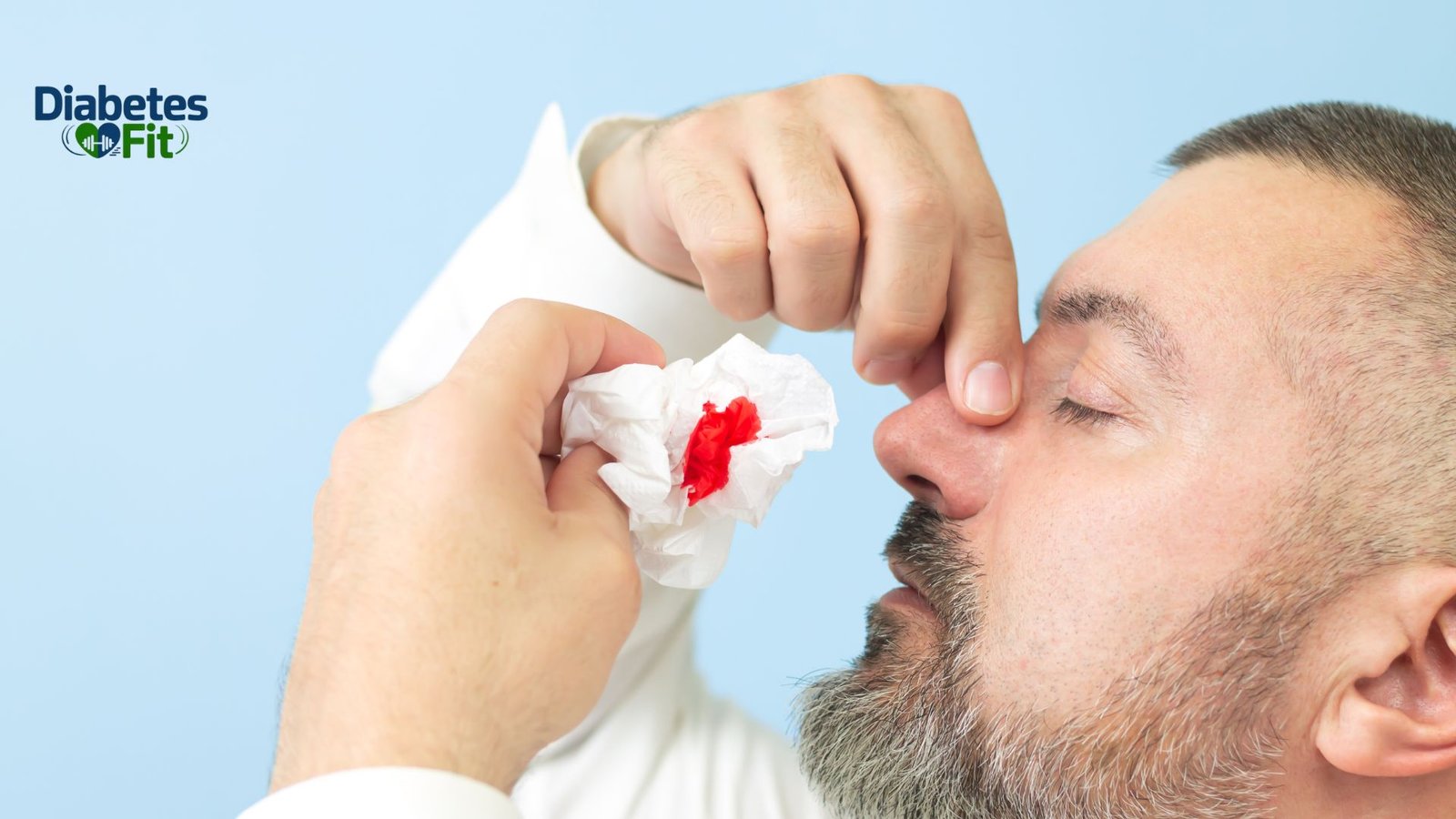
    You’re having a low blood sugar episode — the shaking, the sweat, the racing heart — and then you notice your nose has started bleeding. Or maybe it happened the other way: the nosebleed came first, and now you’re wondering if your blood sugar has something to do with it. Either way, the question feels urgent: can low blood sugar cause nosebleeds?

    It’s a genuinely confusing question, and the answer is more nuanced than a simple yes or no. The direct, short answer is: low blood sugar does not directly cause nosebleeds through a single clear mechanism. But the relationship between blood sugar, diabetes, and nosebleeds is real and clinically significant — involving blood vessel damage, blood pressure changes, medication effects, and physiological stress responses that connect these two seemingly unrelated events.

    This guide explains the complete medical picture — what actually causes nosebleeds in people with diabetes and low blood sugar, how to tell if they’re connected, what warning signs to watch for, and when a nosebleed during a hypoglycemic episode demands immediate medical attention.

    Also know that Are Apples Good for Low Blood Sugar?

    Can Low Blood Sugar Cause Nosebleeds? What the Medical Evidence Shows

    Let’s be direct about what the evidence does and doesn’t support.

    The Direct Answer

    Hypoglycemia (low blood sugar) does not directly cause nosebleeds through a single, established physiological pathway. There is no peer-reviewed research demonstrating that low blood glucose levels chemically or mechanically trigger nasal bleeding as a direct consequence.

    However — and this is important — several mechanisms associated with hypoglycemia and its management can contribute to nosebleeds, making the two events more likely to occur together than chance alone would suggest in certain populations.

    Why People With Diabetes Experience Nosebleeds More Frequently

    People with diabetes — both type 1 and type 2 — have a statistically higher rate of nosebleeds than the general population. This isn’t because of the low blood sugar itself, but because of several related factors:

    1. Blood Vessel Damage From Chronic High Blood Sugar

    Long-term diabetes causes microvascular damage — damage to the smallest blood vessels throughout the body, including those lining the nasal passages. When these delicate nasal blood vessels are weakened and fragile from years of elevated blood sugar exposure, they become more prone to spontaneous bleeding. The nasal vessels most involved — the Kiesselbach’s plexus on the nasal septum — are particularly vulnerable.

    2. Blood Pressure Fluctuations During Hypoglycemia

    When blood sugar drops acutely, the body releases adrenaline (epinephrine) as a counter-regulatory response. This adrenaline surge:

    • Raises blood pressure rapidly
    • Increases heart rate
    • Causes blood vessels to constrict in some areas and dilate in others
    • Creates mechanical stress on fragile capillaries

    This sudden blood pressure elevation from the adrenaline surge during a hypoglycemic episode can be enough to rupture already-weakened nasal blood vessels — particularly in people whose vessels have been compromised by years of diabetes-related microvascular damage.

    3. Anticoagulant Medications Common in Diabetic Patients

    Many people with diabetes also take medications for cardiovascular protection — including aspirin, warfarin, clopidogrel, or newer blood thinners like apixaban (Eliquis). These anticoagulants reduce blood clotting ability, making nosebleeds both more likely and harder to stop once they start.

    4. High Blood Pressure (Hypertension) as a Comorbidity

    Hypertension is one of the most common comorbidities in people with type 2 diabetes — affecting approximately 70–80% of type 2 diabetic patients at some point. High blood pressure is one of the most significant contributors to nosebleeds. During a hypoglycemic episode that triggers an adrenaline surge, already-elevated blood pressure can spike further — enough to cause nasal bleeding.

    5. Rebound Hyperglycemia After Hypoglycemia

    After a hypoglycemic episode, blood sugar can rebound to high levels — particularly if the episode was overtreated (too many carbohydrates consumed). Acute hyperglycemia (very high blood sugar) causes blood vessels to temporarily narrow and then dilate, and increases platelet aggregation changes that affect bleeding. This rebound phase can also contribute to nosebleeds.

    The Adrenaline Connection: The Most Direct Link Between Low Blood Sugar and Nosebleeds

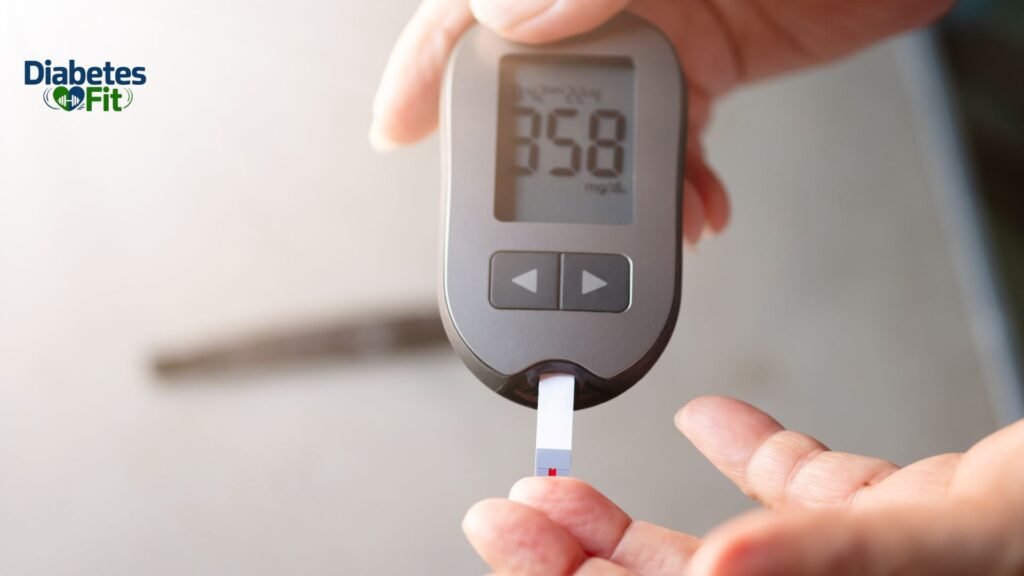
    Of all the mechanisms discussed, the adrenaline response to hypoglycemia is the most direct biological connection between low blood sugar and nosebleeds.
    Can Low Blood Sugar Cause Nosebleeds

    Here’s the pathway:

    1. Blood sugar drops below 70 mg/dL
    2. The body detects the glucose deficit and triggers an emergency hormonal response
    3. The adrenal glands release a surge of adrenaline (epinephrine)
    4. Adrenaline causes rapid elevation in blood pressure — sometimes 20–40 mmHg above baseline within minutes
    5. Fragile or already-damaged nasal capillaries, subjected to this sudden pressure increase, may rupture
    6. A nosebleed begins

    This mechanism is most likely to occur in:

    • People with long-standing diabetes who have existing microvascular damage
    • People who also have hypertension (elevated baseline blood pressure)
    • People on blood thinners that impair clotting
    • Severe hypoglycemic episodes where the adrenaline response is proportionally stronger

    Symptoms That Occur Together: Low Blood Sugar and Nosebleeds

    One of the reasons this question gets asked so frequently is the timing — people notice both occurring simultaneously. Here’s a guide to what’s happening symptomatically when the two coincide:

    Classic Low Blood Sugar Symptoms (From Adrenaline Surge)

    These symptoms come from the same adrenaline release that can trigger nosebleeds in vulnerable individuals:

    • Shakiness and trembling
    • Sudden sweating without exertion
    • Heart racing or pounding (palpitations)
    • Feeling suddenly anxious or panicky
    • Pale skin
    • Dizziness or lightheadedness
    • Sudden intense hunger
    • Difficulty concentrating

    Signs a Nosebleed May Be Connected to Blood Sugar

    FeatureSuggests Connection to Blood SugarSuggests Unrelated Cause
    Occurs during hypoglycemic episode✅ Yes—
    Occurs during blood sugar rebound✅ Possible—
    Accompanied by shakiness and sweating✅ Yes—
    Stops within 5–10 minutes with pressureOften yesOften yes
    Recurrent nosebleeds regardless of blood sugar—✅ Likely another cause
    Only in one nostrilOftenOften
    Heavier than usual, hard to stop—✅ Evaluate for clotting disorder
    Accompanied by high blood pressure reading✅ Possible✅ Hypertension-related
    In a person with well-controlled diabetesLess likely✅ Likely another cause

    Other Causes of Nosebleeds in People With Diabetes

    Even when a nosebleed occurs alongside low blood sugar, it’s important not to automatically assume hypoglycemia caused it. Many other common causes of nosebleeds are more prevalent in people with diabetes:
    Can Low Blood Sugar Cause Nosebleeds

    1. Hypertension (High Blood Pressure)

    As mentioned, hypertension affects the majority of people with type 2 diabetes. It is one of the top causes of posterior nosebleeds (those from deeper nasal blood vessels) in adults. If you experience a nosebleed — check your blood pressure as well as your blood sugar.

    2. Diabetic Microvascular Disease (Nasal Vessel Fragility)

    Years of elevated blood sugar damage the endothelium (inner lining) of blood vessels throughout the body, including the nasal passages. These damaged vessels are thinner, more fragile, and more prone to spontaneous rupture even without significant provocation.

    3. Dry Air and Nasal Dryness

    People with diabetes often experience greater dehydration than non-diabetics — both from blood sugar fluctuations and from medications. Chronically dry nasal membranes crack more easily and bleed more readily. This risk is higher in winter, in air-conditioned environments, and at high altitude.

    4. Anticoagulant Medications

    Blood thinners taken for cardiovascular protection reduce the blood’s ability to clot, making nosebleeds both more frequent and harder to stop. Common blood thinners in diabetic patients include:

    • Aspirin (low-dose, for cardiovascular protection)
    • Warfarin (Coumadin)
    • Clopidogrel (Plavix)
    • Apixaban (Eliquis)
    • Rivaroxaban (Xarelto)

    5. Nasal Irritation From Medications

    Some diabetes-related and cardiovascular medications can dry or irritate nasal membranes as a side effect — contributing to bleeding. Nasal sprays used for other conditions (particularly nasal corticosteroids) also increase nosebleed risk with regular use.

    6. Seasonal Allergies

    Diabetic patients on multiple medications may be more prone to nasal allergic reactions and inflammation — increasing nosebleed risk. Nose blowing from allergies or upper respiratory infections is one of the most common immediate triggers.

    7. Thrombocytopenia (Low Platelet Count)

    Some people with type 1 diabetes develop autoimmune conditions affecting platelets. Low platelet counts significantly increase both the frequency and severity of nosebleeds. This is a less common but important consideration in people with type 1 diabetes.

    Nosebleeds in Diabetics: When to Treat at Home vs. When to Seek Medical Care

    Not all nosebleeds require emergency care — but some do. Here’s a practical decision guide:

    Can Low Blood Sugar Cause Nosebleeds

    Manage at Home When:

    • The nosebleed starts during or immediately after a hypoglycemic episode
    • Bleeding is from the front of the nose (anterior nosebleed)
    • Bleeding stops within 10–20 minutes with direct pressure
    • It’s an isolated event — not your third nosebleed this week
    • You don’t feel severely unwell beyond your hypoglycemia symptoms

    How to stop a nosebleed correctly:

    1. Sit upright and lean slightly forward — not backward (backward allows blood to flow into the throat)
    2. Pinch the soft part of your nose (just below the bony bridge) firmly with thumb and forefinger
    3. Breathe through your mouth
    4. Hold firm pressure for 10–15 minutes without releasing to check
    5. Do not pack tissue into the nose — it disrupts clot formation when removed
    6. Apply a cold compress to the bridge of the nose if available
    7. After bleeding stops, avoid blowing your nose for several hours

    Simultaneously, if you haven’t treated your low blood sugar yet — do both:

    • Have someone bring you 4 oz of juice or glucose tablets while you maintain nasal pressure
    • Or treat the hypoglycemia first (15 grams fast-acting carbs) and then manage the nosebleed — depending on which condition seems more urgent

    Seek Emergency Medical Care When:

    • Bleeding does not stop after 20–30 minutes of firm direct pressure
    • Bleeding is extremely heavy or flowing down the back of the throat
    • You feel faint, severely dizzy, or are losing consciousness (which could be from either hypoglycemia or blood loss)
    • You are on blood thinners and the bleeding is escalating rather than slowing
    • The nosebleed is accompanied by a severe headache, vision changes, or facial numbness
    • You have had 3 or more significant nosebleeds in one week
    • Nosebleeds occur at night during sleep
    • You suspect your blood sugar is dangerously low (below 40 mg/dL) AND you have a nosebleed simultaneously — this is a combined emergency

    Red Flag Symptoms Requiring Immediate Medical Attention

    SymptomPotential CauseAction
    Nosebleed won’t stop after 20–30 minutesPosterior bleed, clotting disorderEmergency department
    Nosebleed + severe headache + vision changesHypertensive crisisEmergency — call 911
    Unconscious with nosebleedSevere hypoglycemia + blood lossEmergency — call 911
    Blood in urine or stool + nosebleedsBleeding disorder or anticoagulant excessUrgent medical care
    Frequent, recurrent nosebleedsHypertension, clotting disorder, vascular diseaseDoctor visit — same week
    Nosebleed after head injuryTrauma-relatedEmergency evaluation

    Managing Both Low Blood Sugar and a Nosebleed Simultaneously

    If you experience both at the same time, here’s the priority protocol:

    Priority 1: Assess Severity of Both

    • Is blood sugar severely low (below 54 mg/dL with severe confusion or near-unconsciousness)? → Blood sugar is the immediate emergency — call for help
    • Is the nosebleed extremely heavy or not slowing? → Both need simultaneous attention — seek help

    Priority 2: For Mild-Moderate Hypoglycemia + Nosebleed

    1. Sit down in an upright position
    2. Begin nasal pressure for the nosebleed with one hand
    3. Consume glucose tablets or juice with the other hand (or have someone assist)
    4. Maintain nasal pressure for 10–15 minutes
    5. Check blood sugar after 15 minutes when safe to release nasal pressure
    6. Eat a stabilizing protein + carbohydrate snack once blood sugar is above 70 mg/dL

    Priority 3: Follow Up

    • If nosebleeds are occurring repeatedly during low blood sugar episodes, discuss this pattern with your doctor — it may indicate blood vessel fragility that needs assessment
    • Review your blood pressure management — if it’s poorly controlled, this significantly increases nosebleed risk during hypoglycemic adrenaline surges
    • Review your anticoagulant medications with your doctor if nosebleeds are becoming frequent

    Preventing Nosebleeds in People With Diabetes and Low Blood Sugar

    Prevention addresses both the direct triggers and the underlying vulnerabilities:

    1. Optimize Blood Sugar Control

    The better your overall blood sugar control, the less microvascular damage occurs over time — and the more resilient your nasal blood vessels remain. Reducing the frequency and severity of hypoglycemic episodes also reduces the frequency of adrenaline surges that can trigger nosebleeds.

    2. Manage Blood Pressure

    Work with your doctor to keep blood pressure below 130/80 mmHg — the ADA-recommended target for people with diabetes. Well-controlled blood pressure dramatically reduces nosebleed risk, particularly the more severe posterior nosebleeds.

    3. Use a Humidifier

    Keeping indoor air moisturized — particularly during winter and in air-conditioned environments — prevents the nasal membrane drying that makes nosebleeds more likely. A simple cool-mist humidifier in the bedroom is highly effective.

    4. Apply Saline Nasal Spray Regularly

    Daily use of saline nasal spray (not medicated — just saline) keeps nasal membranes moisturized and reduces the cracking that leads to spontaneous bleeding. This is particularly helpful during dry seasons.

    5. Use Petroleum Jelly (Vaseline) in the Nose

    Applying a tiny amount of petroleum jelly to the inner lower nasal passages with a cotton swab once daily keeps membranes lubricated and protected — a simple, clinically recommended prevention for recurrent anterior nosebleeds.

    6. Review Anticoagulant Dosing With Your Doctor

    If you’re experiencing frequent nosebleeds while on blood thinners, your doctor can check whether your anticoagulation levels are within therapeutic range — or whether an adjustment is needed.

    7. Carry Glucose Tablets at All Times

    Preventing severe hypoglycemic episodes reduces the severity of adrenaline surges. Treating low blood sugar promptly — with glucose tablets for the fastest response — shortens the duration and intensity of the adrenaline spike that can stress nasal blood vessels.

    Frequently Asked Questions

    Can low blood sugar directly cause a nosebleed?

    Low blood sugar does not directly cause nosebleeds through a single established mechanism. However, the adrenaline surge triggered by hypoglycemia can raise blood pressure rapidly — which can rupture fragile nasal blood vessels, particularly in people with long-standing diabetes, hypertension, or microvascular damage. So while low blood sugar isn’t a direct cause, it creates conditions (adrenaline-driven blood pressure spikes) that can trigger nosebleeds in susceptible individuals.

    Is a nosebleed during a diabetic episode dangerous?

    A mild nosebleed that stops within 10–20 minutes is generally not dangerous on its own. However, the combination of hypoglycemia and a nosebleed requires managing both simultaneously — which can be challenging, particularly if blood sugar is dropping rapidly. A nosebleed that won’t stop, is extremely heavy, or is accompanied by severe hypoglycemia symptoms (confusion, loss of consciousness) requires emergency medical care. Never allow severe hypoglycemia to go untreated while managing a nosebleed — both need attention.

    Why do diabetics get more nosebleeds?

    Diabetics experience more nosebleeds due to several factors: microvascular damage from chronic high blood sugar makes nasal blood vessels more fragile; hypertension (extremely common in type 2 diabetes) increases pressure on nasal vessels; anticoagulant medications taken for cardiovascular protection reduce clotting ability; dehydration-related nasal dryness makes membranes more crack-prone; and the adrenaline surges during hypoglycemic episodes create sudden blood pressure spikes. Any combination of these factors increases nosebleed frequency and severity.

    Can high blood sugar cause nosebleeds instead of low blood sugar?

    Yes — high blood sugar (hyperglycemia) is actually more directly associated with nosebleeds than low blood sugar. Chronic hyperglycemia causes progressive microvascular damage throughout the body, including the delicate nasal blood vessels. Acute hyperglycemia affects platelet function and blood vessel tone. People with consistently high A1C levels tend to have more fragile nasal vasculature. The nosebleeds associated with diabetes are more commonly linked to chronic hyperglycemia and its complications than to acute hypoglycemic episodes.

    Should I treat my nosebleed or my low blood sugar first?

    This depends on the severity of each. If your blood sugar is mildly low (65–70 mg/dL) and the nosebleed is moderate, you can manage both simultaneously — lean forward and pinch your nose with one hand while consuming glucose tablets or juice with the other. If your blood sugar is severely low (below 54 mg/dL with confusion or severe symptoms), treating the hypoglycemia is the immediate priority — have someone help you with both if possible, or treat the more dangerous condition first. If you cannot safely do both alone, call for help.

    What medications for diabetes can increase nosebleed risk?

    The diabetes-related medications most associated with increased nosebleed risk are not diabetes medications themselves, but cardiovascular medications commonly prescribed alongside diabetes: aspirin (blood-thinning for heart protection), warfarin, clopidogrel, and newer anticoagulants like apixaban and rivaroxaban. These reduce the blood’s clotting ability, making nosebleeds more frequent and harder to stop. Some antihypertensive medications (particularly calcium channel blockers and certain ACE inhibitors) may also mildly affect nasal membrane tone. Discuss any pattern of frequent nosebleeds with your prescribing doctor.

    When should I be concerned about nosebleeds with diabetes?

    See your doctor promptly if: nosebleeds occur 3 or more times in one week; a single episode lasts more than 20–30 minutes despite firm pressure; you have blood in your urine or stool alongside nosebleeds (may indicate systemic bleeding disorder); you are on blood thinners and nosebleeds are increasing in frequency; nosebleeds occur during sleep; or you notice any nosebleed accompanied by severe headache, vision changes, or facial numbness (which could indicate hypertensive crisis). Frequent nosebleeds in someone with diabetes always warrant investigation.

    Conclusion

    The complete answer: low blood sugar does not directly cause nosebleeds — but it creates a chain of physiological events that can trigger them in the right circumstances. The adrenaline surge during a hypoglycemic episode raises blood pressure rapidly, the years of high blood sugar that precede a low blood sugar episode damage nasal blood vessels, the blood-thinning medications many diabetics take reduce clotting, and the dehydration associated with blood sugar fluctuations dries nasal membranes — all of these factors combine to make nosebleeds meaningfully more common in people who experience can low blood sugar cause nosebleeds moments in their daily diabetes management.

    If you experience nosebleeds regularly alongside blood sugar episodes, the right response isn’t to assume they’re always connected — it’s to investigate the full picture: your blood pressure control, your medication review, your nasal membrane health, and your overall diabetes management. The more stable your blood sugar, the less frequent and severe the adrenaline surges — and the less stress your nasal blood vessels endure.

    Keep glucose tablets on hand. Know your blood pressure numbers. Use a humidifier. And if nosebleeds are happening regularly — tell your doctor. Both conditions, managed well, can be brought under control together.

    This article is for informational purposes only and does not replace personalized medical advice. Always consult your doctor for guidance on managing nosebleeds, hypoglycemia, and any related complications specific to your health history and medications.

    The American Diabetes Association (ADA) provides comprehensive guidance on hypoglycemia management — including recognizing severe episodes, when to call for emergency help, and how to build a complete hypoglycemia action plan with your care team.

  • Can Menopause Cause Low Blood Sugar? What Every Woman Over 40 Needs to Know

    Can Menopause Cause Low Blood Sugar? What Every Woman Over 40 Needs to Know

    You’re in your mid-40s or 50s. You feel suddenly dizzy, shaky, sweaty, and confused — and you’re not sure if it’s a hot flash, anxiety, or something more serious. You eat something and feel better within minutes. And then you start wondering: was that a blood sugar crash? Can menopause actually cause low blood sugar?

    The answer is more nuanced — and more important — than most women ever get told. Menopause can absolutely influence blood sugar regulation in ways that make hypoglycemic episodes more likely, harder to recognize, and more dangerous if left unaddressed. The hormonal shifts of perimenopause and menopause directly affect insulin sensitivity, glucose metabolism, and the body’s ability to stabilize blood sugar between meals.
    This guide gives you the complete picture: what menopause does to blood sugar, who faces the highest risk, why the symptoms are so easily confused with other menopause symptoms, what you can do to prevent episodes, and when to seek medical help. Whether you have diabetes or have never had blood sugar issues before, this information is essential.

    Also, read my other blog on How Much Can A1C Drop in 3 Months? 

    Can Menopause Cause Low Blood Sugar? Understanding the Hormonal Connection

    Yes — menopause can cause or worsen low blood sugar through several distinct hormonal mechanisms. To understand how, it helps to know which hormones are involved and what they do to blood glucose regulation.

    Estrogen and Blood Sugar Regulation

    Estrogen is not just a reproductive hormone. It plays a direct role in how your cells respond to insulin, how your liver stores and releases glucose, and how the pancreas secretes insulin in response to meals.

    Estrogen improves insulin sensitivity — meaning cells respond more readily to insulin and extract glucose from the blood efficiently. When estrogen levels are stable and adequate, blood sugar tends to remain more stable.

    During perimenopause and menopause, estrogen levels fall — often dramatically and erratically. These hormonal fluctuations create periods of changing insulin sensitivity throughout the day and month. When estrogen drops suddenly (as it often does in perimenopause), insulin sensitivity can temporarily improve — meaning the body clears glucose from the blood more efficiently than expected. If food intake doesn’t match this increased efficiency, blood sugar can drop below normal.

    Think of it this way: the same meal that kept your blood sugar stable last week may drop it too low this week — because your estrogen-influenced insulin sensitivity changed overnight.

    Progesterone and Insulin Resistance

    Progesterone has the opposite effect to estrogen on insulin. It promotes mild insulin resistance — meaning cells are slightly less responsive to insulin when progesterone is high. During perimenopause, progesterone levels also fluctuate dramatically — often declining before estrogen does.

    When progesterone drops, and estrogen also falls — but estrogen falls less proportionally — there can be a temporary window of heightened insulin sensitivity that lowers blood sugar more than expected.
    Additionally, the loss of progesterone’s insulin-resisting effect means the body may need less insulin to manage glucose, which can lead to relative over-medication in women who take insulin or sulfonylureas for diabetes.

    Cortisol and Stress Hormones

    Menopause is associated with increased cortisol production — partly because estrogen normally helps regulate the stress hormone response. When estrogen declines, cortisol levels often rise.

    This creates a complex dynamic:

    • Cortisol generally raises blood sugar (counter-regulatory effect)
    • But cortisol surges in menopause are often irregular, not sustained
    • Irregular cortisol can cause blood sugar instability — swings between too high and too low rather than sustained elevation..

    Additionally, the sleep disruption, night sweats, and insomnia of menopause chronically elevate cortisol, a  nd chronic cortisol dysregulation is a significant contributor to blood sugar instability.

    Adrenaline and Hot Flashes

    Here’s where things get genuinely confusing. Hot flashes are caused by surges of adrenaline (epinephrine) — the same hormone your body releases during hypoglycemia to trigger the counter-regulatory response.

    This means that a hot flash and a hypoglycemic episode produce nearly identical symptoms through the same hormonal pathway. Both involve:

    • Sudden sweating
    • Heart pounding or racing
    • Feeling flushed and hot
    • Anxiety or sense of dread
    • Shakiness

    Women with menopause may experience genuine hypoglycemic episodes that they dismiss as hot flashes — and vice versa. This symptom overlap is clinically significant and potentially dangerous.

    Who Is Most at Risk for Low Blood Sugar During Menopause?

    Not every woman going through menopause will experience hypoglycemic episodes. The risk is highest in specific groups:

    Can Menopause Cause Low Blood Sugar

    Women With Type 1 Diabetes

    This group faces the highest risk. Women with type 1 diabetes are entirely dependent on external insulin, and the changing insulin sensitivity patterns of menopause make dosing increasingly unpredictable. Research shows that women with type 1 diabetes experience more frequent and more severe hypoglycemic episodes during perimenopause — often requiring significant insulin dose adjustments multiple times per year as hormonal fluctuations change their insulin needs.

    Women With Type 2 Diabetes on Insulin or Sulfonylureas

    Women with type 2 diabetes taking insulin (basal or bolus) or sulfonylureas (glipizide, glibenclamide, glimepiride) face a meaningful hypoglycemia risk during menopause. As estrogen falls and insulin sensitivity changes, previously appropriate medication doses can become too aggressive — driving blood sugar below safe levels, especially overnight.

    Women With Reactive Hypoglycemia

    Reactive hypoglycemia is a condition where blood sugar drops too low 2–4 hours after eating, in response to excessive insulin secretion. It’s more common in women than men and can worsen during menopause as hormonal changes disrupt the body’s insulin response to meals.

    Women With Prediabetes

    Women in the prediabetes range — fasting blood sugar of 100–125 mg/dL — sometimes experience unusual blood sugar fluctuations during menopause. Improving insulin sensitivity from falling estrogen combined with unchanged eating patterns can occasionally produce unexpected blood sugar dips.

    Women With Adrenal or Thyroid Insufficiency

    Both adrenal insufficiency and hypothyroidism are more common in women, and both affect blood sugar regulation and cortisol response. These conditions can worsen during menopause, compounding blood sugar instability.

    Women on Calorie-Restricted Diets During Menopause

    Many women reduce calories during menopause to manage weight gain. If this dietary restriction coincides with improved insulin sensitivity from falling estrogen — and especially if on blood-sugar-lowering medications — calorie restriction can trigger unexpected low blood sugar episodes.

    Risk Summary by Patient Type

    Patient TypeHypoglycemia Risk During MenopauseKey Reason
    Type 1 diabetesVery HighUnpredictable insulin sensitivity changes
    Type 2 diabetes — insulin or sulfonylureasHighMedication over-effectiveness as sensitivity changes
    Reactive hypoglycemiaModerate–HighHormonal changes worsen post-meal insulin surges
    Type 2 diabetes — metformin onlyLowMetformin doesn’t force insulin release
    Prediabetes — no medicationsLowSensitivity changes mildly, no medication to over-correct
    Healthy women — no diabetesVery LowNormal regulatory mechanisms compensate
    Women with thyroid/adrenal issuesModerateAdditional hormone disruption compounds risk

    The Symptom Confusion Problem: Menopause vs. Low Blood Sugar

    This is perhaps the most clinically important section of this entire guide. The overlapping symptoms between menopause and hypoglycemia are extensive, and the confusion this creates is dangerous.

    Side-by-Side Symptom Comparison

    SymptomMenopause (Hot Flash/Hormonal)Low Blood Sugar (Hypoglycemia)
    Sudden sweating✅ Yes✅ Yes
    Heart racing/pounding✅ Yes✅ Yes
    Feeling of heat/flushing✅ Yes✅ Sometimes
    Anxiety or pacing✅ Yes✅ Yes
    Shakiness or tremblingSometimes✅ Yes — prominent
    Dizziness or lightheadednessSometimes✅ Yes
    Sudden intense hungerRarely✅ Yes — prominent
    Confusion or mental fog✅ Yes (brain fog)✅ Yes — worsens with severity
    Irritability✅ Yes✅ Yes
    Fatigue✅ Yes✅ Yes
    Resolves after eating❌ No✅ Yes — key differentiator
    Improves with time/passes✅ Yes❌ No — worsens without treatment

    The Single Most Important Differentiator

    Does eating or drinking something sweet make the symptoms go away within 10–15 minutes?

    • If yes → strongly suggests hypoglycemia (low blood sugar)
    • If no → more likely a menopause-related hot flash or hormonal symptom

    This distinction matters enormously. A woman who assumes every shakiness episode is a hot flash and doesn’t treat her blood sugar may experience progressively worsening hypoglycemia without intervention.

    The only definitive way to know which is happening: check your blood sugar with a glucometer during the episode. If it’s below 70 mg/dL — treat it as hypoglycemia. If it’s normal (80–120 mg/dL), it’s more likely a menopause symptom.

    How Menopause Affects Blood Sugar in Women With Diabetes

    Can Menopause Cause Low Blood Sugar

    For women who already have diabetes — type 1 or type 2 — menopause doesn’t just create new symptoms. It fundamentally changes the way their disease behaves, often requiring significant medication adjustments.

    Perimenopause: The Unpredictable Phase

    Perimenopause — the transitional phase before menopause that can last 4–10 years — is characterized by wildly fluctuating estrogen and progesterone levels. These hormonal swings create corresponding swings in insulin sensitivity and blood sugar that can be very difficult to manage.

    Women with type 1 diabetes frequently report that perimenopause is the most difficult period of their diabetes management — more unpredictable than pregnancy, in some cases. Blood sugar can swing from high to low unpredictably , even with an unchanged diet, exercise, and medication.

    Signs that perimenopause is affecting diabetes control:

    • Unexplained hypoglycemic episodes that weren’t happening before
    • Periods of unusually high blood sugar without a dietary explanation
    • A1C results that fluctuate more than previously
    • Increased need for insulin dose changes
    • Hypoglycemia occurs more frequently at night or early morning

    Menopause: A New Baseline

    Once periods have stopped for 12 months (confirmed menopause), hormonal levels — while permanently lower — often stabilize. This can actually allow for a new, more stable diabetes management baseline. However, the permanently lower estrogen means permanently reduced insulin sensitivity for some women, which may require adjusted medication regimens.

    Postmenopause: Reduced Estrogen’s Long-Term Effects

    In postmenopause, the sustained absence of estrogen means:

    • Ongoing increased visceral fat accumulation (which worsens insulin resistance)
    • Increased cardiovascular risk
    • Higher risk of type 2 diabetes development in women who were previously prediabetic
    • For women already on diabetes medication, the changed insulin sensitivity requires periodic medication review.

    How to Prevent and Manage Low Blood Sugar During Menopause

    Managing the intersection of menopause and blood sugar requires a proactive, multi-pronged approach.

    Can Menopause Cause Low Blood Sugar

    1. Monitor Blood Sugar More Frequently

    If you have diabetes and are approaching or in perimenopause, increase blood sugar monitoring frequency. What worked 2 years ago may not be appropriate now.

    Consider:

    • Checking fasting blood sugar every morning
    • Checking 2 hours after meals if you’re on insulin or sulfonylureas
    • Checking before and after exercise
    • Overnight monitoring — a continuous glucose monitor (CGM) is particularly valuable during perimenopause for catching nocturnal hypoglycemia.a

    A CGM device like Dexcom G7 or FreeStyle Libre 3 provides real-time glucose data and alerts — making it significantly easier to detect and respond to the unpredictable blood sugar patterns of perimenopause.

    2. Work With Your Doctor to Adjust Medications Proactively

    Do not wait for repeated hypoglycemic episodes before speaking to your endocrinologist or primary care doctor. Inform them when you enter perimenopause — ideally before significant hormonal changes begin affecting your blood sugar control.

    Proactive adjustments that may be needed:

    • Reducing insulin doses (basal insulin especially) as insulin sensitivity improves
    • Reducing sulfonylurea doses or switching to less hypoglycemia-prone alternatives
    • More frequent A1C testing and medication reviews
    • Considering GLP-1 medications (semaglutide, tirzepatid, e), which have low hypoglycemia risk and also support weight management during menopause

    3. Eat Regular, Balanced Meals — Don’t Skip or Space Too Far Apart

    Irregular eating patterns are a major trigger for menopause-related blood sugar drops, particularly in women with reactive hypoglycemia or those on blood-sugar-lowering medications.

    Key dietary strategies:

    • Eat every 3–4 hours — don’t go more than 5 hours without food during the day
    • Include protein at every meal — protein slows glucose absorption and stabilizes blood sugar between meals
    • Choose low-glycemic carbohydrates — oats, legumes, vegetables, berries,s rather than white bread, white rice, and sugary foods
    • Avoid large, high-carbohydrate meals followed by nothing for hours — this sets up the blood sugar spike-and-crash pattern
    • Keep a small protein-rich snack available for between-meal hunger
    • Don’t skip breakfast — overnight fasting combined with the morning cortisol drop of early perimenopause can lower blood sugar significantly

    4. Always Carry a Fast-Acting Glucose Source

    If you have any risk factors for low blood sugar during menopause — diabetes on medication, reactive hypoglycemia, irregular eating patterns — carry glucose tablets or 4 oz of juice at all times.

    Using the 15-15 Rule:

    • Consume 15 grams of fast-acting carbohydrates (3–4 glucose tablets or 4 oz orange juice)
    • Wait 15 minutes
    • Recheck blood sugar
    • Repeat if still below 70 mg/dL
    • Once above 70 mg/dL, eat a small protein + complex carb snack to stabilize

    5. Improve Sleep Quality

    Poor sleep from menopause-related night sweats and insomnia chronically elevates cortisol and dysregulates blood sugar. Improving sleep quality — even partially — reduces cortisol-driven blood sugar instability.

    Sleep improvement strategies for menopause:

    • Keep bedroom temperature cool (65–68°F / 18–20°C)
    • Use moisture-wicking bedding to reduce night sweat disruption
    • Avoid alcohol before bed — it disrupts sleep architecture and causes blood sugar instability
    • Establish a consistent sleep and wake time
    • Speak to your doctor about managing severe night sweats (hormone therapy or non-hormonal options like certain antidepressants)

    6. Manage Stress and Cortisol

    Cortisol dysregulation during menopause contributes significantly to blood sugar instability. Consistent stress management practices reduce cortisol variability:

    • Daily outdoor walking (lowers cortisol measurably)
    • 5–10 minutes of deep breathing or meditation daily
    • Yoga — particularly effective for menopausal symptoms, including blood sugar regulation
    • Reducing caffeine, which amplifies cortisol surges
    • Setting clear work-life boundaries

    7. Consider Discussing Hormone Therapy With Your Doctor

    Hormone replacement therapy (HRT) — particularly estrogen therapy — can stabilize blood sugar by restoring some insulin sensitivity and reducing the erratic hormonal swings of perimenopause. Studies show that HRT can reduce hypoglycemic episodes in women with type 1 diabetes and improve overall glycemic control in women with type 2 diabetes.

    HRT is not appropriate for everyone, and the decision involves careful consideration of individual health history, cardiovascular risk, and breast cancer risk factors. But for women whose blood sugar control is significantly disrupted by menopause, it deserves a specific conversation with their doctor.

    Blood Sugar Targets for Women With Diabetes During Menopause

    Blood Sugar MeasurementStandard TargetMenopause Consideration
    Fasting (morning)80–130 mg/dLMay need a higher target temporarily during unstable perimenopause
    2 hours after mealsBelow 180 mg/dLWatch for both highs and unexpected lows
    Bedtime90–150 mg/dLCGM recommended to catch overnight lows
    A1CBelow 7.0%May fluctuate more; test every 3 months
    Low blood sugar thresholdBelow 70 mg/dLTreat immediately with the 15-15 Rule
    Severe hypoglycemiaBelow 54 mg/dLUrgent — use glucagon if available

    FAQs: Can Menopause Cause Low Blood Sugar?

    Can menopause cause low blood sugar in women without diabetes?

    In healthy women without diabetes or reactive hypoglycemia, menopause very rarely causes clinically dangerous hypoglycemia (below 54 mg/dL). However, the hormonal fluctuations of perimenopause can cause blood sugar to drop toward the lower end of normal, producing mild symptoms like shakiness, dizziness, and fatigue that are often indistinguishable from hot flashes. Women without diabetes on blood-sugar-lowering medications are generally protected from severe episodes by their intact counter-regulatory hormone systems.

    How do I know if my symptoms are a hot flash or low blood sugar?

    The key clinical differentiator is whether eating something sweet resolves the symptoms within 10–15 minutes. Hypoglycemic symptoms improve after consuming glucose; hot flash symptoms do not. Checking your blood sugar with a glucometer during an episode is the definitive way to know — a reading below 70 mg/dL confirms hypoglycemia; a reading in the 80–120 mg/dL range suggests a menopause symptom. Invest in a glucometer if you’re experiencing frequent unexplained episodes during perimenopause or menopause.

    Does menopause make diabetes harder to manage?

    Yes — significantly. Perimenopause in particular creates unpredictable fluctuations in insulin sensitivity that make blood sugar much harder to manage, especially for women with type 1 diabetes. Previously stable dosing schedules may need frequent adjustment. A1C results may fluctuate more than usual. Hypoglycemic episodes become more common. Women with diabetes approaching perimenopause should proactively discuss this transition with their endocrinologist — ideally before symptoms begin — to create a management plan for the hormonal changes ahead.

    Can hormone replacement therapy (HRT) help with blood sugar control during menopause?

    HRT — particularly estrogen therapy — can improve insulin sensitivity and reduce the blood sugar instability associated with falling estrogen levels during menopause. Studies show that HRT reduces hypoglycemic episodes in women with type 1 diabetes and may improve A1C in women with type 2 diabetes. However, HRT carries individual health risks that must be evaluated by a doctor — it’s not appropriate for everyone. Discuss the potential blood sugar management benefits alongside any other health considerations with your healthcare provider.

    Why does low blood sugar feel like a panic attack during menopause?

    Both low blood sugar and panic attacks (as well as hot flashes) trigger adrenaline release — producing nearly identical symptoms: racing heart, sweating, trembling, anxiety, and heat. This physiological overlap is why differentiating between them in real time is so difficult. During menopause, the adrenaline surges associated with hot flashes are frequent and unpredictable — and hypoglycemia-triggered adrenaline is happening on the same hormonal landscape. Checking blood sugar during any episode is the only reliable way to determine the actual cause.

    What should I eat to prevent low blood sugar during menopause?

    Eat regular meals every 3–4 hours with protein at every meal to stabilize blood sugar between eating occasions. Choose low-glycemic carbohydrates (oats, legumes, berries, sweet potatoes) over refined carbs (white bread, white rice, sugary foods). Avoid prolonged periods without food — especially overnight, where going more than 10–12 hours without eating combined with the morning cortisol pattern of perimenopause can cause fasting low blood sugar. Keep a small protein-rich snack available (almonds, Greek yogurt, cheese) to prevent blood sugar from dropping during long intervals between meals.

    When should I see a doctor about blood sugar during menopause?

    See your doctor if you experience: repeated episodes of shakiness, dizziness, or sweating that resolve after eating (suggesting hypoglycemia); blood sugar readings below 70 mg/dL during symptom episodes; increasing difficulty managing blood sugar if you have diabetes; any severe hypoglycemic episode requiring help from another person; or any episode of confusion, seizure, or loss of consciousness. Do not try to manage significant blood sugar changes during menopause alone — the hormonal interactions with diabetes medications are complex enough to require professional supervision.

    Conclusion

    The answer is clear: yes, menopause can cause low blood sugar — directly and indirectly — through the profound effects that falling and fluctuating estrogen, progesterone, and cortisol have on insulin sensitivity, glucose metabolism, and the body’s ability to regulate blood sugar between meals.

    For most healthy women without diabetes, the impact is subtle — occasional dips toward the low end of normal that feel like hot flashes or anxiety. For women managing diabetes with insulin or sulfonylureas, menopause can create a genuinely challenging period of blood sugar instability that requires proactive medication adjustment, more frequent monitoring, and close collaboration with their healthcare team.

    The most dangerous situation is the one where menopause symptoms and hypoglycemia symptoms are confused for each other — leaving genuine low blood sugar episodes untreated while women assume every shaky, sweaty moment is “just another hot flash.”

    Know the differentiator. Keep a glucometer accessible. Carry glucose tablets. Eat regularly with protein at every meal. Monitor more frequently during perimenopause. And if you have diabetes, talk to your doctor before menopause symptoms begin, not after the episodes have already started happening.

    Menopause is a significant hormonal transition. Your blood sugar management plan needs to transition with it.

    This article is for informational purposes only and does not replace personalized medical advice. Always consult your doctor or endocrinologist for guidance on managing blood sugar during hormonal transitions, particularly if you are on diabetes medications.

    The  American Diabetes Association (ADA)provides comprehensive, regularly updated guidance on hypoglycemia recognition and treatment — including specific recommendations for women managing diabetes through hormonal transitions.

  • How Much Can A1C Drop in 3 Months? The Real Numbers and What Actually Makes It Happen

    How Much Can A1C Drop in 3 Months? The Real Numbers and What Actually Makes It Happen

    You just got your A1C results back. Maybe the number was higher than you expected. Maybe your doctor told you it needs to come down — and soon. And now the question burning in your mind is straightforward: how much can A1C drop in 3 months?

    It’s one of the most important questions in diabetes management — because three months is exactly how long most doctors wait between A1C tests. That gives you one complete testing cycle to make meaningful changes and show real progress. The good news is that A1C can drop significantly within 90 days when the right strategies are applied consistently. Some people lower it by 1–2 percentage points. Others, starting from very high levels, see drops of 3 or even more.

    But the results aren’t random. They depend on where you start, what you change, how consistently you apply those changes, and whether any medications are adjusted. This guide breaks down the real numbers, the proven strategies, and exactly what you can realistically expect when you commit to lowering your A1C in three months.

    You can also read my post on Orange Juice for Low Blood Sugar for a healthy juice choice.

    What Is A1C and Why Does It Take 3 Months to Change?

    Before jumping into how much A1C can drop in 3 months, it helps to understand what A1C actually measures — because the biology of this test explains why it takes the timeline it does.

    What A1C Measures

    A1C — also called HbA1c or glycated hemoglobin — measures the percentage of hemoglobin (the protein in your red blood cells that carries oxygen) that has glucose attached to it. When blood sugar is high, more glucose bonds to hemoglobin. When blood sugar is well controlled, fewer glucose molecules bind.

    The test provides a snapshot of your average blood sugar over the past 2–3 months — not just what your blood sugar was this morning. This is because red blood cells live for approximately 90–120 days before being replaced. The A1C test captures the full lifespan of your current red blood cells, giving a weighted average of your blood sugar across that entire period.

    This is both the strength and the limitation of the A1C test:

    • Strength: It reflects sustained blood sugar control, not just a single good or bad day
    • Limitation: It cannot be changed overnight — it takes consistent improvement over the full red blood cell lifespan to fully reflect new habits

    What Do A1C Numbers Mean?

    A1C LevelClassificationAverage Blood Sugar Equivalent
    Below 5.7%NormalBelow 117 mg/dL
    5.7% – 6.4%Prediabetes117–137 mg/dL
    6.5% and aboveType 2 Diabetes140 mg/dL and above
    7.0%ADA Target for Most Diabetics~154 mg/dL average
    8.0%Above Target — Action Needed~183 mg/dL average
    9.0%High — Significant Risk~212 mg/dL average
    10%+Very High — Urgent Intervention~240+ mg/dL average

    Most diabetes specialists set a target A1C of below 7.0% for most adults with type 2 diabetes, and below 6.5% for those who can achieve it safely without hypoglycemia risk.

    How Much Can A1C Drop in 3 Months? The Real Numbers

    This is the core question — and the answer is both encouraging and nuanced.

    General Range: What Most People Can Expect

    Research and clinical experience consistently show that with dedicated lifestyle changes and/or medication adjustments, most people with type 2 diabetes can lower their A1C by:

    • 0.5–1.0 percentage points with moderate lifestyle changes alone (diet improvement + light exercise)
    • 1.0–2.0 percentage points with significant lifestyle changes (structured diet + regular exercise + weight loss)
    • 2.0–3.0 percentage points or more when lifestyle changes are combined with medication initiation or adjustment
    • 3.0–5.0+ percentage points in people starting from very high A1C levels (10%+) with aggressive medical and lifestyle intervention

    Why Starting A1C Level Matters So Much

    The higher your starting A1C, the more room there is for rapid improvement — and the more dramatic the early changes can be.

    Starting A1CRealistic 3-Month DropAchievable Target
    6.5–7.5%0.3–0.8% drop6.0–7.0%
    7.5–8.5%0.5–1.5% drop6.5–7.5%
    8.5–10%1.0–2.5% drop7.0–8.5%
    10–12%2.0–4.0% drop7.5–10%
    Above 12%3.0–5.0+ dropVaries by intervention

    Think of it this way: if your blood sugar has been chronically and severely elevated, bringing it back toward a normal range creates large A1C improvements relatively quickly. As you get closer to target levels, each additional point of improvement becomes incrementally harder to achieve.

    What Clinical Studies Show

    Multiple landmark studies on diabetes management provide clear data on A1C reduction:

    • The DiRECT Trial (UK, 2018): Intensive dietary intervention produced an average A1C drop of 1.5–2.0 percentage points within 3 months, with some participants achieving remission
    • The Look AHEAD Trial: Intensive lifestyle intervention produced an average A1C reduction of 1.0 percentage points at 1 year, with early results visible at 3 months
    • Metformin alone typically lowers A1C by 1.0–1.5 percentage points when initiated
    • GLP-1 receptor agonists (semaglutide, tirzepatide) can lower A1C by 1.5–2.5 percentage points within 3–6 months in clinical trials
    • Combination therapy (two or more diabetes medications) commonly produces 2.0–3.5 percentage point reductions within 3 months

    The Factors That Determine How Much Your A1C Will Drop

    Not everyone achieves the same A1C reduction in 3 months, even with similar effort. These are the key variables:

    How Much Can A1C Drop in 3 Months

    1. Starting A1C Level

    As discussed, the higher you start, the more dramatic the early improvement. Someone starting at 11% has far more room to drop quickly than someone at 7.2% trying to reach 6.9%.

    2. Dietary Changes Made

    Diet has the single largest impact on blood sugar of any lifestyle factor. The degree to which you reduce refined carbohydrates, added sugars, and ultra-processed foods directly determines how quickly blood sugar — and therefore A1C — falls.

    A person who goes from a diet heavy in white rice, sugary drinks, and processed food to a diet focused on vegetables, lean protein, and whole grains may see daily blood sugar readings drop by 30–60 mg/dL within weeks, which translates to meaningful A1C reduction by the 3-month mark.

    3. Exercise Frequency and Type

    Physical exercise lowers blood sugar through two mechanisms:

    • Immediately: Muscles absorb glucose for energy during exercise, lowering blood sugar in real time
    • Long-term: Regular exercise increases insulin sensitivity — meaning cells respond better to insulin and extract glucose from the blood more efficiently — even at rest

    Regular exercise (150+ minutes per week of moderate activity) can contribute 0.5–0.8 percentage points of A1C reduction independently of dietary changes.

    4. Weight Loss

    Every 1 kg (2.2 lbs) of body weight lost meaningfully improves insulin sensitivity. For overweight individuals with type 2 diabetes, losing 5–10% of body weight within 3 months — which is achievable with structured effort — can contribute 1.0–1.5 percentage points of additional A1C reduction beyond dietary changes alone.

    5. Medication Changes

    If your doctor initiates, changes, or optimizes your diabetes medications in addition to lifestyle changes, the combined effect can produce much larger A1C drops than lifestyle alone.

    Medication TypeTypical A1C Reduction
    Metformin1.0–1.5%
    Sulfonylureas1.0–2.0%
    SGLT2 inhibitors0.5–1.0%
    DPP-4 inhibitors0.5–0.8%
    GLP-1 agonists (semaglutide)1.5–2.5%
    Tirzepatide (GIP/GLP-1 dual)2.0–3.0%
    Basal insulin1.5–3.5%

    Combined medication + lifestyle changes routinely produce the largest and fastest A1C drops.

    6. Consistency and Adherence

    A perfect diet followed 4 days a week and abandoned on weekends will not produce the same A1C improvement as a moderate diet followed 7 days a week. A1C reflects 90 days of average blood sugar, which means every day counts. Consistency matters far more than occasional perfection.

    7. Stress and Sleep Quality

    Chronic stress elevates cortisol, which directly raises blood sugar and increases insulin resistance. Poor sleep (under 6 hours) worsens insulin sensitivity significantly. People who successfully lower their A1C in 3 months are typically those who also manage stress and sleep alongside diet and exercise — not just the obvious interventions.

    How to Lower A1C in 3 Months: The Proven Strategy

    Here is a comprehensive, medically grounded action plan for maximizing A1C reduction within a 90-day window.

    Step 1: Overhaul Your Carbohydrate Choices

    How Much Can A1C Drop in 3 Months

    Carbohydrates have the most direct impact on blood sugar of any food group. The goal is not zero carbohydrates — it’s smarter carbohydrate choices.

    Replace these immediately:

    Remove From DietReplace With
    White riceCauliflower rice or ½ cup brown rice
    White bread1 slice whole grain bread (≥3g fiber)
    Sugary breakfast cereal½ cup rolled oats
    Fruit juiceWhole fruit (berries, apple, grapefruit)
    Soda and sweet drinksWater, green tea, herbal tea
    White pastaLegume-based pasta or zucchini noodles
    Processed snacks and cookiesHandful of nuts + small piece of fruit
    Fried foodsBaked, grilled, or steamed alternatives

    This single dietary change — replacing refined carbs with whole-food alternatives — can produce average daily blood sugar reductions of 20–50 mg/dL within 2–3 weeks, setting the foundation for meaningful A1C drops by month 3.

    Step 2: Eat Protein at Every Single Meal

    Protein slows the digestion of carbohydrates and reduces post-meal blood sugar spikes. It also keeps you full, reduces overall calorie intake, and preserves muscle mass during weight loss.

    Aim for 25–35 grams of protein at each meal:

    • Breakfast: 3 eggs or Greek yogurt + whey protein
    • Lunch: Chicken breast, fish, lentils, or tofu
    • Dinner: Fish, lean beef, chicken, or paneer + legumes

    Step 3: Walk After Every Meal

    Post-meal walking is one of the most powerful and underutilized tools for blood sugar management. A 10–15 minute walk after eating activates muscles that absorb glucose directly — blunting the post-meal blood sugar spike that drives A1C up.

    How Much Can A1C Drop in 3 Months

    Studies show that 10 minutes of walking after meals lowers post-meal blood sugar by 20–30% more effectively than a single 30-minute walk at another time of day.

    This one habit, applied consistently at every meal for 3 months, can contribute 0.3–0.5 percentage points of A1C reduction.

    Step 4: Build a Structured Exercise Routine

    Beyond post-meal walks, a structured weekly exercise plan significantly improves insulin sensitivity and contributes meaningfully to A1C reduction.

    DayExerciseDurationBlood Sugar Benefit
    MondayBrisk walking or cycling30–45 minImmediate glucose uptake
    TuesdayStrength training (full body)30–35 minMuscle building → improved insulin sensitivity
    WednesdayBrisk walk + post-meal walks30 min + 10 min ×3Consistent glucose regulation
    ThursdayHIIT cycling or intervals20–25 minGrowth hormone + afterburn
    FridayStrength training30–35 minMuscle mass maintenance
    SaturdayLong walk or swimming45–60 minSustained fat and glucose burning
    SundayRest + light walkingSteps goalRecovery

    Minimum target: 150 minutes of moderate-intensity exercise per week. More is better, but consistency matters most.

    Step 5: Eliminate These Specific Blood Sugar Saboteurs

    These are the items that undermine progress even when everything else is on track:

    • Sugary drinks of any kind — even “natural” drinks like coconut water and fruit juice cause significant blood sugar spikes
    • Late-night eating — eating within 2 hours of bedtime elevates fasting blood sugar the next morning
    • Skipping meals — leads to blood sugar instability and subsequent overcorrection (overeating)
    • Alcohol — disrupts liver glucose regulation and adds empty calories
    • Ultra-processed “diabetic” foods — many diabetes-marketed products still spike blood sugar through artificial sweeteners and hidden carbs
    • Stress eating — emotional eating of refined foods undoes dietary discipline

    Step 6: Monitor Your Blood Sugar to Understand Your Patterns

    You cannot manage what you don’t measure. Checking blood sugar regularly — ideally with a continuous glucose monitor (CGM) — shows you exactly which foods, meals, and habits spike your levels. This information is more valuable than any general advice.

    How Much Can A1C Drop in 3 Months

    Key times to check blood sugar:

    • Fasting (first thing in the morning before eating)
    • 2 hours after each main meal
    • Before and after exercise
    • Before bed

    Track these numbers in a simple app or notebook. Bring the data to your next doctor’s appointment — it allows targeted advice that generic guidance never can.

    Step 7: Sleep 7–9 Hours and Manage Stress

    These two factors are responsible for more failed A1C reduction attempts than most people realize.

    Sleep: Just one week of sleeping 5 hours instead of 8 can raise fasting blood sugar by 15–25 mg/dL, adding measurable points to your A1C over 3 months. Make sleep a priority. Keep consistent bedtimes, reduce screen exposure before sleep, and keep your bedroom cool and dark.

    Stress: Chronic cortisol elevation directly raises blood sugar and increases insulin resistance. Practical stress reduction:

    • 5–10 minutes of diaphragmatic breathing daily
    • Regular outdoor walks (reduces cortisol measurably)
    • Setting work and life boundaries
    • Journaling or mindfulness practice

    A1C Reduction: Tracking Progress Month by Month

    Here’s what a realistic 3-month A1C reduction journey looks like for someone starting at 9.0% with consistent lifestyle changes:

    MonthWhat’s HappeningExpected A1C Direction
    Month 1Blood sugar stabilizing, initial water weight loss, body adaptingA1C still reflecting old data; improvements are building
    Month 2New red blood cells are forming with lower glucose attachment; habit consistency is crucialA1C beginning to shift downward noticeably
    Month 3Full 90-day cycle nearing completion; consistent effort reflected in testMaximum 3-month drop visible in test results

    Why Month 1 feels discouraging: Because A1C reflects 90 days of data, early changes aren’t immediately visible in the number. Don’t be discouraged by a month-1 check — the improvements are accumulating. They’ll show at the 3-month mark.

    What to Do If Your A1C Isn’t Dropping Fast Enough

    If you’ve been consistent for 8+ weeks and your blood sugar numbers aren’t responding as expected, consider these possibilities:

    • Hidden carbohydrates — sauces, dressings, flavored yogurts, packaged “health” foods often contain significant hidden sugars. Read every label
    • Portion sizes too large — even healthy foods cause elevated blood sugar in excess. Measure portions for at least 2 weeks
    • Insulin resistance requires medication — some people have significant insulin resistance that lifestyle alone cannot fully overcome; speak to your doctor about medication options
    • Thyroid issues — hypothyroidism impairs glucose metabolism and may require treatment before A1C responds to lifestyle changes
    • Dawn phenomenon — some people experience morning blood sugar rises due to natural hormone release during sleep; your doctor can advise on managing this

    Frequently Asked Questions

    Can A1C drop 2 points in 3 months?

    Yes — a 2-point A1C drop in 3 months is achievable for many people, particularly those starting from higher levels (above 8.5–9%) and making significant combined lifestyle and medication changes. Research supports drops of 2.0–3.0 percentage points in people who combine dietary overhaul, regular exercise, weight loss, and medication initiation or adjustment. For people already near their target A1C (7–7.5%), a 2-point drop in 3 months is less realistic — the improvement range is smaller.

    How quickly does A1C respond to dietary changes?

    Your actual blood sugar responds to dietary changes within hours to days — every meal improvement matters immediately. However, because A1C reflects a 90-day average, the test result won’t fully capture dietary improvements made in the last few weeks of a testing cycle. The full impact of 3 months of consistent dietary changes shows up most completely at the next A1C test. This is why committing to diet changes for the full 3 months — not just the last few weeks before a test — is essential.

    What is a safe rate of A1C reduction in 3 months?

    Most diabetes specialists consider a reduction of 0.5–2.0 percentage points per 3 months to be both safe and meaningful. Extremely rapid A1C drops (more than 3–4 points in 3 months) can occasionally cause a temporary worsening of diabetic retinopathy symptoms and should be monitored by a doctor, particularly in people with pre-existing eye complications. Gradual, consistent reduction is generally safer and more sustainable than dramatic overnight drops.

    Can A1C drop without medication, through diet alone?

    Yes — significant A1C reductions through diet and lifestyle alone are well-documented and clinically validated. The DiRECT trial demonstrated that intensive dietary intervention (a very low-calorie structured diet) produced an average A1C drop of 1.5–2.0 percentage points within 3 months without medication changes. Standard dietary improvement (reducing refined carbs, increasing vegetables and protein, reducing sugar) typically produces 0.5–1.5 percentage points of reduction in 3 months. The key variable is the degree of dietary change made.

    Does walking lower A1C?

    Yes — walking is one of the most accessible and evidence-based interventions for A1C reduction. Regular walking improves insulin sensitivity, lowers post-meal blood sugar spikes, and contributes to weight loss that further reduces A1C. Studies show that 150 minutes of brisk walking per week produces approximately 0.5 percentage points of A1C reduction independently. Post-meal walking of just 10–15 minutes after each meal is particularly effective at blunting the blood sugar peaks that drive A1C upward.

    Can A1C drop from 9 to 7 in 3 months?

    A drop from 9% to 7% — a 2-point reduction — is achievable in 3 months but requires aggressive and consistent intervention. It typically requires a combination of: significant dietary change (cutting all sugary drinks and refined carbs), structured exercise (150+ minutes per week), meaningful weight loss (5–10% of body weight), and often medication initiation or adjustment. People who commit fully to all four simultaneously are the ones most likely to achieve this level of reduction in a single 3-month cycle.

    Will A1C keep dropping after 3 months if I continue the same habits?

    Yes — if the same healthy habits are maintained, A1C will typically continue to improve beyond the 3-month mark, though the rate of decline usually slows as you approach your target range. The body gradually becomes more insulin-sensitive, blood sugar patterns continue improving, and each new cohort of red blood cells forms with progressively less glucose attached. Most people see their maximum A1C improvement at 6–12 months of consistent lifestyle change, with the first 3-month result representing the early-stage progress.

    Conclusion

    Here’s the honest, encouraging summary: how much A1C can drop in 3 months depends on where you start and how comprehensively you commit to change — but for most people with elevated levels, meaningful, measurable progress in a single 3-month cycle is absolutely within reach.

    Starting above 9%? A 2–3 point drop is realistic with genuine lifestyle changes plus medication. Starting at 8%? You can realistically target 6.5–7.0% within 90 days. Starting at 7.5% and aiming for 7.0%? That’s a half-point that requires consistency but no extreme measures.

    The formula is clear: replace refined carbs with whole foods, eat protein at every meal, walk after every meal, exercise 150+ minutes weekly, sleep 7–9 hours, manage stress, and work with your doctor on medication optimization. Apply all of these simultaneously and consistently for 90 days — and your next A1C result will reflect it.

    Three months is not a long time. But it’s long enough to show real change on paper — the kind of change that motivates the next 3 months, and the one after that.

    This article is for informational purposes only and does not replace personalized medical advice. Always consult your doctor or certified diabetes educator before making changes to your diet, exercise routine, or diabetes medication plan.

    TheAmerican Diabetes Association (ADA) provides a comprehensive overview of A1C targets, testing, and what different A1C levels mean for diabetes management — including the official ADA target guidelines for different patient groups and ages.

  • Can Tirzepatide Cause Low Blood Sugar? What Every Patient Needs to Know Before It’s Too Late

    Can Tirzepatide Cause Low Blood Sugar? What Every Patient Needs to Know Before It’s Too Late

    Tirzepatide is one of the most talked-about medications in diabetes and weight loss right now. It works remarkably well — lowering blood sugar, reducing appetite, and helping people lose significant weight. But if you’ve just started it, or you’re about to, there’s one question that deserves a clear, honest answer:

    Can tirzepatide cause low blood sugar?

    It’s a fair concern. Hypoglycemia — dangerously low blood sugar — can be frightening, and in severe cases, it can be life-threatening. Knowing your risk before symptoms appear is far better than finding out in the middle of a dizzy spell.

    The short answer is: yes, tirzepatide can cause low blood sugar — but the risk is much more nuanced than a simple yes or no. It depends heavily on what other medications you’re taking, whether you have type 1 or type 2 diabetes, your eating habits, and your activity level. This guide unpacks all of it in plain, honest language so you can manage your health with confidence.

    Also see Can Low Blood Sugar Cause Hot Flashes?

    Can Tirzepatide Cause Low Blood Sugar on Its Own?

    Let’s start with the most important clinical fact: Tirzepatide by itself has a very low risk of causing hypoglycemia in most people.

    Here’s why. Tirzepatide is a dual GIP and GLP-1 receptor agonist — it works by mimicking two natural gut hormones (GIP and GLP-1) that are released after you eat. These hormones stimulate insulin release only when blood sugar is already elevated. When blood sugar is normal or low, the hormonal signal weakens — which means insulin release slows down automatically.

    This glucose-dependent mechanism is a key safety feature. Because tirzepatide only triggers meaningful insulin secretion when there’s actual glucose in the blood to manage, it has what’s called a “self-limiting” effect on insulin — it doesn’t push the pancreas to release insulin recklessly the way some older diabetes medications do.

    Clinical trials for tirzepatide (the SURPASS trial series) confirmed this. Among people with type 2 diabetes taking tirzepatide without insulin or sulfonylureas, hypoglycemia rates were very low — comparable to placebo in many study arms.

    So in isolation, tirzepatide causing low blood sugar is uncommon.

    But — and this is a critical but — the picture changes significantly when tirzepatide is combined with other diabetes medications.

    When Does Tirzepatide Cause Low Blood Sugar?

    Combination With Insulin

    This is the most significant risk factor. When tirzepatide is used alongside insulin therapy — particularly basal insulin like glargine, detemir, or degludec — the combination can drive blood sugar too low, especially if insulin doses are not adjusted downward when starting tirzepatide.

    In the SURPASS-4 and SURPASS-5 trials, which specifically studied tirzepatide combined with insulin, hypoglycemia occurred in 10–22% of participants — a meaningful rate that required careful insulin dose management.

    When starting tirzepatide while already on insulin, most endocrinologists recommend reducing the basal insulin dose by 20–40% to prevent hypoglycemia. This adjustment should always be made under medical supervision — never self-adjusted.

    Combination With Sulfonylureas

    Sulfonylureas — medications like glipizide, glyburide, glimepiride, and glibenclamide — stimulate the pancreas to release insulin regardless of blood sugar levels. They don’t have the glucose-dependent safety mechanism that tirzepatide does. This makes the combination risky.

    When tirzepatide is added to a sulfonylurea regimen, blood sugar can drop dangerously because:

    • Tirzepatide reduces food intake (smaller meals = less glucose in the blood)
    • Tirzepatide improves insulin sensitivity (cells take up glucose more efficiently)
    • Sulfonylureas keep pushing insulin release even when blood sugar is already low

    In clinical studies, this combination led to significantly higher rates of hypoglycemia. Most diabetes specialists recommend reducing or discontinuing sulfonylurea doses when adding tirzepatide to treatment.

    Skipping Meals or Eating Very Little

    Tirzepatide is a powerful appetite suppressant. Many people find that on tirzepatide, they simply don’t feel hungry — and they either skip meals or eat dramatically less than before. While this contributes to weight loss, it can create a mismatch between glucose intake and medication effect — particularly for people on insulin or sulfonylureas.

    If you eat very little and you’re taking tirzepatide alongside insulin or a sulfonylurea, your blood sugar can drop to dangerous levels.

    Intense or Prolonged Exercise

    Physical exercise lowers blood sugar by increasing glucose uptake in muscles. When combined with tirzepatide — especially alongside insulin or sulfonylureas — exercise can push blood sugar into hypoglycemic territory. This is particularly true for:

    • Endurance exercise lasting more than 60 minutes
    • High-intensity interval training
    • Unplanned or unusually strenuous physical activity

    Alcohol Consumption

    Alcohol blocks the liver from releasing stored glucose (glycogen) into the bloodstream. This is how alcohol causes hypoglycemia — especially on an empty stomach. On tirzepatide — where food intake is already reduced — drinking alcohol creates additional hypoglycemia risk, particularly if insulin or sulfonylureas are also part of the medication regimen.

    Tirzepatide Hypoglycemia Risk by Patient Type

    Understanding your personal risk level helps you and your doctor prepare appropriately:

    Patient TypeHypoglycemia Risk on TirzepatideKey Reason
    Type 2 diabetes — diet controlled onlyVery LowNo insulin-secreting medications involved
    Type 2 diabetes — metformin onlyVery LowMetformin doesn’t cause hypoglycemia
    Type 2 diabetes — SGLT2 inhibitor + tirzepatideLowSGLT2 inhibitors have a low risk of hypoglycemia
    Type 2 diabetes — sulfonylurea + tirzepatideModerate–HighSulfonylureas force insulin release regardless of glucose levels
    Type 2 diabetes — basal insulin + tirzepatideModerate–HighInsulin pushes glucose down regardless of meals
    Type 1 diabetes — tirzepatide + insulinHighInsulin is essential, but doses need careful adjustment
    People using tirzepatide for weight loss (non-diabetic)Very LowNo pancreatic medications involved

    This table makes clear that tirzepatide’s risk of causing low blood sugar is almost entirely about what it’s combined with, not about tirzepatide itself in isolation.

    Recognizing Low Blood Sugar Symptoms on Tirzepatide

    Tirzepatide Cause Low Blood Sugar

    Whether or not you’re at elevated risk, knowing what hypoglycemia feels like is essential for anyone taking tirzepatide. Symptoms can appear quickly — sometimes within minutes — and catching them early gives you time to treat before the situation becomes serious.

    Mild to Moderate Hypoglycemia Symptoms (Blood Sugar 54–70 mg/dL)

    • Shakiness or trembling in the hands
    • Sudden sweating without physical exertion
    • Heart racing or palpitations
    • Feeling suddenly anxious or irritable
    • Dizziness or lightheadedness
    • Intense, sudden hunger
    • Pale skin
    • Difficulty concentrating or feeling mentally foggy

    Moderate to Severe Hypoglycemia Symptoms (Blood Sugar Below 54 mg/dL)

    • Confusion or disorientation
    • Slurred speech (similar to appearing drunk)
    • Blurred or double vision
    • Weakness in arms or legs
    • Headache
    • Behavioral changes — unusual aggressiveness or emotional outbursts
    • Difficulty standing or walking

    Severe Hypoglycemia (Blood Sugar Below 40 mg/dL)

    • Seizures
    • Loss of consciousness
    • Inability to swallow — do not give food or liquid at this stage
    • This is a medical emergency — call emergency services immediately

    Important: Some people — particularly those with long-standing diabetes — develop hypoglycemia unawareness, where the early warning symptoms no longer occur. They go from normal blood sugar directly to severe symptoms without warning. If you have a history of this, discuss it specifically with your doctor before starting tirzepatide.

    The 15-15 Rule: How to Treat Mild Hypoglycemia on Tirzepatide

    If you experience mild hypoglycemia symptoms and your blood sugar reads below 70 mg/dL, follow the medically recommended 15-15 Rule:

    Step 1: Consume 15 grams of fast-acting carbohydrates immediately. Options include:

    • 3–4 glucose tablets (the most reliable and precise option)
    • 4 oz (½ cup) of regular fruit juice (not diet)
    • 4 oz (½ cup) of regular soda (not diet)
    • 1 tablespoon of honey or sugar dissolved in water

    Step 2: Wait 15 minutes without eating anything else. Let the carbohydrates absorb.

    Step 3: Check your blood sugar again. If it’s still below 70 mg/dL, repeat the process with another 15 grams.

    Step 4: Once blood sugar is above 70 mg/dL and you feel better, eat a small snack with protein and complex carbohydrates (like peanut butter on a whole grain cracker) to prevent blood sugar from dropping again.

    Do not eat a large meal during treatment. Precision matters — overtreating hypoglycemia causes blood sugar to spike too high, creating a rollercoaster that is difficult to manage.

    Always Carry Glucose Tablets

    If you are taking tirzepatide alongside insulin or sulfonylureas, glucose tablets should be on your person at all times — in your pocket, purse, car, and bedside table. They are the fastest, most precise treatment for mild hypoglycemia available without a prescription.

    How Your Doctor Can Reduce Tirzepatide Hypoglycemia Risk

    If you’re starting tirzepatide and you’re already on insulin or sulfonylureas, your doctor will likely make one or more of the following adjustments:

    Tirzepatide Cause Low Blood Sugar

    Insulin Dose Reduction

    Most endocrinologists reduce basal insulin by 20–40% when adding tirzepatide. This accounts for tirzepatide’s powerful glucose-lowering effect and prevents insulin-tirzepatide hypoglycemia. The exact reduction is individualized — your doctor will guide this based on your current glucose control and HbA1c.

    Sulfonylurea Dose Reduction or Discontinuation

    Since sulfonylureas and tirzepatide together significantly increase hypoglycemia risk, many physicians reduce the sulfonylurea dose by 50% when starting tirzepatide, and discontinue it entirely in some patients once glucose control improves.

    Gradual Tirzepatide Dose Escalation

    Tirzepatide is always started at a low dose (2.5 mg weekly) and increased slowly over months. This gradual escalation allows your body to adapt and gives your doctor time to fine-tune other medications alongside it.

    Increased Blood Sugar Monitoring

    Your doctor may recommend more frequent blood sugar checks — particularly when starting tirzepatide or after each dose increase. A continuous glucose monitor (CGM) is especially useful here, providing real-time readings and alerts for both highs and lows without the need for multiple daily finger pricks.

    Tirzepatide and Hypoglycemia: What Clinical Trials Found

    The SURPASS clinical trial program — the largest set of tirzepatide studies to date — provides the clearest data on hypoglycemia rates:

    StudyTirzepatide DoseComparatorHypoglycemia Rate (Tirzepatide)
    SURPASS-1 (diet only)5/10/15 mgPlacebo<1% — extremely rare
    SURPASS-2 (+ metformin)5/10/15 mgSemaglutide0.6–1.7% — very low
    SURPASS-3 (+ insulin degludec)5/10/15 mgInsulin titration10–22% — clinically significant
    SURPASS-4 (+ basal insulin)5/10/15 mgInsulin glargine7–19% — significant
    SURPASS-5 (+ sulfonylurea)5/10/15 mgPlacebo9–12% — significant

    The pattern is unmistakable: tirzepatide alone or with non-insulin-secreting drugs = very low hypoglycemia risk. Tirzepatide combined with insulin or sulfonylureas = significant risk requiring proactive management.

    Tirzepatide for Weight Loss (Non-Diabetic Users) — Is There Still a Risk?

    Tirzepatide (marketed as Zepbound in the US) is now FDA-approved for chronic weight management in non-diabetic people with obesity. This group has a very low risk of hypoglycemia because:

    Tirzepatide Cause Low Blood Sugar
    • They have normal pancreatic function with intact glucose-sensing mechanisms
    • They are not taking insulin or sulfonylureas
    • Their bodies respond normally to falling blood sugar by suppressing insulin and releasing glucagon

    However, even non-diabetic users should be aware of situations that can trigger relative hypoglycemia:

    • Eating very little after a dose (extreme appetite suppression combined with minimal food intake)
    • Intense exercise on a near-empty stomach
    • Combining tirzepatide with alcohol on an empty stomach
    • Underlying undiagnosed reactive hypoglycemia

    Symptoms in these situations are usually mild and resolve quickly with a small snack. But awareness is still important — particularly when starting the medication.

    Monitoring Blood Sugar While on Tirzepatide

    If you have diabetes and you’re starting tirzepatide, blood sugar monitoring becomes more — not less — important during the transition period.

    Who Should Monitor Most Carefully

    • People on basal or bolus insulin
    • People on sulfonylureas who haven’t yet had their doses adjusted
    • People with a history of hypoglycemia unawareness
    • People over 65 (older adults have reduced awareness of hypoglycemia symptoms)
    • People with kidney disease (reduced kidney function slows drug clearance)

    What to Monitor

    What to CheckWhen to CheckWhy
    Fasting blood sugarEvery morningBaseline control check
    Pre-meal blood sugarBefore each mealDose timing and food decisions
    Post-meal blood sugar2 hours after eatingCheck for spikes or unexpected drops
    Before and after exerciseEvery sessionExercise lowers blood sugar significantly
    At bedtimeEvery night (if on insulin)Prevent overnight hypoglycemia

    A continuous glucose monitor (CGM) simplifies all of this dramatically. Devices like the Dexcom G7 or FreeStyle Libre 3 provide real-time readings and automatic alerts — eliminating the need for most manual checks and catching hypoglycemia before it becomes dangerous.

    Frequently Asked Questions

    Is tirzepatide safe for people who have had low blood sugar episodes before?

    It depends on what caused your previous hypoglycemia. If it was caused by insulin or sulfonylureas, your doctor will need to carefully reduce those doses before or when starting tirzepatide to prevent recurrence. Tirzepatide itself is unlikely to worsen hypoglycemia — but the combination effect with your existing medications requires careful management. Always disclose your hypoglycemia history to your prescribing doctor before starting.

    Can tirzepatide cause low blood sugar in non-diabetic people using it for weight loss?

    Severe hypoglycemia in non-diabetic tirzepatide users is very rare because their insulin-regulating systems remain intact and glucose-dependent. However, mild episodes of low blood sugar can occur if they eat very little, exercise intensely, or drink alcohol on an empty stomach. Carrying a small snack and avoiding prolonged fasting is a sensible precaution for anyone using tirzepatide for weight loss.

    What blood sugar level is considered dangerous on tirzepatide?

    Any reading below 70 mg/dL (3.9 mmol/L) is considered hypoglycemic and should be treated with the 15-15 rule. A reading below 54 mg/dL (3.0 mmol/L) is clinically significant hypoglycemia requiring immediate treatment. Below 40 mg/dL is a medical emergency — if the person cannot swallow safely, call emergency services immediately. A glucagon kit or nasal glucagon spray (Baqsimi) is essential for people at high risk of severe episodes.

    Should I adjust my insulin dose when starting tirzepatide?

    Yes — but only under your doctor’s guidance, never on your own. Most endocrinologists reduce basal insulin by 20–40% when adding tirzepatide, because tirzepatide significantly improves insulin sensitivity and reduces the amount of insulin the body needs. Self-adjusting insulin without medical supervision is dangerous — work with your diabetes care team to create a specific dose-reduction plan before you take your first tirzepatide injection.

    How long does tirzepatide stay in the body, and does this affect hypoglycemia risk?

    Tirzepatide has a half-life of approximately 5 days, meaning it stays active in the body for about 3–4 weeks after the last injection. This long duration is why it’s dosed weekly — but it also means that if hypoglycemia occurs, the drug cannot be “turned off” quickly. This reinforces the importance of proactive dose adjustments to other medications before starting tirzepatide, rather than reactive adjustments after hypoglycemia has already happened.

    Can I drive or operate machinery if I’m taking tirzepatide?

    If you take tirzepatide alongside insulin or sulfonylureas, there is a real risk of hypoglycemia, and hypoglycemia while driving is dangerous. Your doctor may recommend checking your blood sugar before driving until your glucose control is stable. If you take tirzepatide alone or with low-risk medications (metformin, SGLT2 inhibitors), the hypoglycemia risk is very low, and driving restrictions are generally not necessary.

    What should I do if I get severe hypoglycemia on tirzepatide and cannot treat myself?

    If you lose consciousness, have a seizure, or cannot swallow safely, people around you should not give you food or liquid (choking risk). They should administer glucagon if available (via injection kit or Baqsimi nasal spray) and call emergency services (911) immediately. This is why people at elevated hypoglycemia risk should ensure that family members, coworkers, and close friends know the signs of severe hypoglycemia and how to respond.

    Conclusion

    Here’s the clear, medically honest answer: yes, tirzepatide can cause low blood sugar — but the risk is not equal for everyone, and it is almost entirely manageable with the right preparation.

    If you take tirzepatide alone, or alongside medications like metformin or SGLT2 inhibitors, your hypoglycemia risk is very low. But if you combine tirzepatide with insulin or sulfonylureas, the risk becomes clinically significant and requires careful dose adjustments, regular blood sugar monitoring, and a clear action plan for treating low blood sugar quickly.

    The most important things you can do are: tell your doctor everything you’re taking before starting tirzepatide, never adjust insulin or other diabetes medications on your own, learn to recognize hypoglycemia symptoms early, and always keep glucose tablets or a fast-acting sugar source within reach.

    Tirzepatide is a powerful, genuinely life-changing medication for the right patients. Understanding its risks doesn’t mean avoiding it — it means using it safely and confidently.

    If this guide helped you understand tirzepatide and low blood sugar better, share it with someone in your life who’s starting this medication or managing diabetes. The more informed you are, the safer your treatment journey will be.

    This article is for informational purposes only and does not replace personalized medical advice. Always consult your doctor or endocrinologist before making any changes to your diabetes medications or glucose monitoring plan.

    TheU.S. Food and Drug Administration (FDA) provides the official prescribing information and clinical trial data for tirzepatide (Mounjaro and Zepbound), including detailed safety information on hypoglycemia risk across all patient populations.

  • Can Low Blood Sugar Cause Hot Flashes? What Every Woman Needs to Know

    Can Low Blood Sugar Cause Hot Flashes? What Every Woman Needs to Know

    If you’ve ever experienced a sudden wave of intense heat rushing through your body, you know how uncomfortable and alarming it can feel. Most people immediately think of menopause when they hear “hot flashes,” but can low blood sugar cause hot flashes? The answer is yes — and this connection is far more common and clinically significant than most people realize.

    Can low blood sugar cause hot flashes in women of all ages — including those who aren’t anywhere near menopause? Absolutely. The physiological response to dropping blood glucose levels triggers a stress hormone cascade that produces symptoms remarkably similar to, and sometimes indistinguishable from, menopausal hot flashes.

    In this comprehensive guide, you’ll discover exactly how low blood sugar causes hot flashes, how to tell the difference between hypoglycemic hot flashes and other causes, what specific groups of women are most at risk, and practical strategies to prevent and manage this uncomfortable but treatable symptom.

    Also read Blood Sugar Monitor Without Finger Pricks.

    Understanding Hot Flashes: What’s Actually Happening in Your Body

    Before answering, it helps to understand what a hot flash actually is at a physiological level.

    The Physiology of a Hot Flash

    A hot flash is a sudden episode of intense heat — typically felt first in the chest or face, then spreading throughout the body. It’s accompanied by:

    • Flushing (visible reddening of the skin)
    • Rapid heart rate (palpitations)
    • Sweating — sometimes profuse
    • Feeling of anxiety or sense of dread
    • Followed by chills as the body overcorrects

    The mechanism:

    Hot flashes occur when the hypothalamus — the brain’s thermoregulation center — suddenly signals the body to release heat. This triggers peripheral vasodilation (blood vessels near the skin dilate and rush blood to the surface) — which is why the skin flushes red and feels hot.

    The traditional explanation:

    In menopausal women, declining estrogen levels reduce the stability of the hypothalamic thermoregulatory “set point” — making it hypersensitive to small temperature changes. This triggers inappropriate heat-release responses.

    The low blood sugar mechanism:

    When blood glucose drops, the body triggers an emergency stress response — releasing adrenaline (epinephrine) and norepinephrine to rapidly raise blood sugar. These catecholamines cause peripheral vasodilation, sweating, rapid heart rate, and the sensation of intense heat — producing hot flash symptoms through a completely different pathway.

    This is the core mechanism through which low blood sugar can cause hot flashes — and it’s physiologically distinct from menopausal hot flashes but symptomatically almost identical.

    Can Low Blood Sugar Cause Hot Flashes? The Science Explained

    Yes — and the evidence is clear. Here’s the complete scientific explanation of how hypoglycemia (low blood sugar) produces hot flash symptoms:

    Can Low Blood Sugar Cause Hot Flashes?

    Step 1: Blood Sugar Drops Below the Normal Threshold

    Normal blood glucose ranges:

    • Fasting: 70–100 mg/dL (3.9–5.6 mmol/L)
    • After meals: under 140 mg/dL (7.8 mmol/L)

    Hypoglycemia is generally defined as blood glucose below 70 mg/dL (3.9 mmol/L). However, symptoms can occur at higher levels — particularly in people whose blood sugar drops rapidly from a higher point.

    Step 2: The Brain Detects Glucose Deficiency

    The brain is the body’s most glucose-dependent organ — it consumes approximately 120g of glucose daily and cannot function normally without a consistent supply. When blood glucose drops:

    • Glucose-sensing neurons in the hypothalamus detect the deficit
    • The hypothalamus immediately activates emergency response systems
    • The autonomic nervous system is triggered

    Step 3: Adrenaline (Epinephrine) Is Released

    The most important step in understanding how low blood sugar can cause hot flashes is the adrenergic response:

    • The adrenal glands rapidly release epinephrine (adrenaline) and norepinephrine
    • These catecholamines signal the liver to break down glycogen and release glucose into the blood
    • They also trigger glucagon release from the pancreas — further raising blood sugar
    • The physical effects of this catecholamine surge include:
    Catecholamine EffectPhysical Symptom
    Peripheral vasodilationFlushing, hot sensation, visible redness
    Increased sweat gland activitySweating — particularly on face, neck, chest
    Increased heart ratePalpitations, racing heart
    Hypothalamic temperature dysregulationSensation of intense heat — the “hot flash”
    Anxiety activationFeeling of dread, unease
    TremblingShakiness

    These are the classic hot flash symptoms — triggered by hypoglycemia rather than by estrogen deficiency.

    Step 4: The Hot Flash Episode

    The result is a hot flash that typically:

    • Begins suddenly without an obvious trigger (from the person’s perspective)
    • Lasts 2–10 minutes
    • Involves intense heat, flushing, and sweating
    • Is followed by chills as adrenaline subsides and body temperature overcorrects
    • Is accompanied by shakiness, anxiety, and hunger (classic hypoglycemia symptoms)

    The distinguishing feature: hypoglycemic hot flashes typically occur alongside other low blood sugar symptoms — shakiness, hunger, anxiety, difficulty concentrating, pale skin. Menopausal hot flashes usually occur in isolation.

    Who Is Most at Risk for Low Blood Sugar Hot Flashes?

    Can low blood sugar cause hot flashes in everyone? Yes — but certain groups are significantly more vulnerable:

    Can Low Blood Sugar Cause Hot Flashes?

    1. Women With Diabetes on Insulin or Sulfonylureas

    This is the highest-risk group for hypoglycemia-induced hot flashes. People with diabetes who take:

    • Insulin (all types)
    • Sulfonylureas (glipizide, glyburide, glimepiride)
    • Meglitinides (repaglinide, nateglinide)

    …are at significant risk of hypoglycemic episodes — which can occur multiple times daily if dosing or meal timing is off.

    Hot flashes in diabetic women on these medications are very often hypoglycemic episodes — particularly if the hot flash occurs before meals, after unusual physical activity, or when a meal is delayed.

    2. Perimenopausal and Menopausal Women With Diabetes

    This group faces double jeopardy — they can experience both estrogen-withdrawal hot flashes AND hypoglycemia-triggered hot flashes. Distinguishing between the two is clinically important because the treatments are very different.

    The critical challenge: Perimenopausal hormonal changes can affect blood sugar management — making hypoglycemia more frequent at exactly the time when estrogen-related hot flashes begin. This makes it genuinely difficult to determine whether a hot flash is hormonal or metabolic without blood glucose testing during the episode.

    3. Pregnant Women With Gestational Diabetes

    Pregnant women managing gestational diabetes — particularly those on insulin — are at significant risk of hypoglycemia. During pregnancy:

    • Insulin requirements change rapidly as the placenta grows
    • Nausea and food aversions can reduce carbohydrate intake unpredictably
    • The growing fetus continuously extracts glucose from maternal blood
    • Night hypoglycemia is particularly common

    Can low blood sugar cause hot flashes in pregnant women? Yes — and it’s particularly important to recognize because hypoglycemia during pregnancy requires immediate treatment to protect both mother and fetus.

    Pregnancy-specific hypoglycemia hot flash symptoms:

    • Hot flashes that wake you from sleep (nocturnal hypoglycemia)
    • Hot flashes before breakfast (fasting hypoglycemia from overnight glucose consumption)
    • Hot flashes accompanied by nausea, which can be mistaken for morning sickness
    • Episodes that resolve quickly after eating

    4. Women With Reactive Hypoglycemia

    Reactive hypoglycemia — also called postprandial hypoglycemia — occurs when blood sugar drops excessively in the 1–4 hours after eating, particularly after high-carbohydrate meals. It’s more common than most people realize — and it’s a significant cause of hot flashes in women without diabetes.

    How reactive hypoglycemia causes hot flashes:

    • High-sugar meal → rapid blood sugar rise → exaggerated insulin response → blood sugar drops below baseline
    • This drop triggers the adrenergic response → hot flash
    • Typically occurs 1–4 hours after meals — often mid-morning (after a sugary breakfast) or mid-afternoon (after a high-carb lunch)
    • Women may not connect the hot flash to the meal eaten hours earlier

    5. Women Following Strict Low-Calorie Diets

    Aggressive calorie restriction — particularly when combined with prolonged fasting or skipping meals — can cause blood sugar to drop low enough to trigger symptomatic hypoglycemia and associated hot flashes in some women.

    6. Women With Prediabetes

    Prediabetes involves impaired insulin regulation, which can cause reactive hypoglycemia even when fasting glucose is not yet in the diabetic range. This is an underrecognized cause of hot flashes in middle-aged women.

    Distinguishing Low Blood Sugar Hot Flashes from Menopausal Hot Flashes

    This is one of the most practically important questions for women experiencing hot flashes: Can low blood sugar cause hot flashes that look and feel identical to menopausal ones? Yes — but there are distinguishing features:

    Key Differences Between Hypoglycemic and Menopausal Hot Flashes

    FeatureHypoglycemic Hot FlashMenopausal Hot Flash
    Age of occurrenceAny ageTypically 40–55+
    Associated symptomsShakiness, hunger, anxiety, confusionNone (or insomnia, mood changes over time)
    TimingBefore meals, during fasting, after exerciseRandom, or triggered by heat/alcohol/stress
    Duration2–10 minutes (similar)1–5 minutes typically
    Skin colorPale then flushedRed/flushed
    Confirms withBlood glucose test showing a low readingHormonal blood test (FSH, estrogen)
    Relieves withEating 15–20g of carbohydratesNothing resolves immediately
    Night occurrenceOften wakes from sleep with hungerWakes from sleep (night sweats)
    Frequency patternPredictable (related to meals and medication)Variable and unpredictable
    Associated blood sugar testBelow 70 mg/dL during the episodeNormal blood sugar

    The definitive test: Testing blood sugar during a hot flash episode is the only way to definitively determine whether it’s hypoglycemic. If blood sugar is below 70 mg/dL (or significantly lower than your personal normal range), hypoglycemia is confirmed as the cause.

    Nocturnal Hypoglycemia: Why Low Blood Sugar Causes Hot Flashes at Night

    Nighttime hot flashes are particularly distressing — and nocturnal hypoglycemia is a frequently missed cause. Can low blood sugar cause hot flashes at night? Absolutely, and it’s more common than daytime episodes for several reasons:

    Can Low Blood Sugar Cause Hot Flashes?

    Why nighttime hypoglycemia is common:

    • The body continues consuming glucose during sleep, without any food intake to replace it
    • Insulin taken in the evening can peak at 2–3 AM — exactly when no food is being consumed
    • Exercise earlier in the day depletes glycogen, reducing the body’s buffer against overnight glucose drops
    • Alcohol consumption in the evening inhibits hepatic glucose production — a dangerous combination with insulin

    How to recognize nocturnal hypoglycemic hot flashes:

    • Waking suddenly from sleep, feeling intensely hot and sweating
    • Also feeling shaky, anxious, or confused upon waking
    • Hunger upon waking — craving something sweet
    • Poor sleep quality on nights when hypoglycemia occurred
    • Morning headache from overnight low blood sugar
    • Blood sugar testing upon waking shows below-normal levels

    Nighttime hypoglycemia in pregnant women:

    Nocturnal hypoglycemia is particularly common in pregnant women with gestational diabetes on insulin, because the fetus extracts glucose continuously throughout the night. Hot flashes that wake a pregnant woman from sleep should immediately be assessed with a glucose meter.

    What Low Blood Sugar Hot Flashes Feel Like: Symptom Profile

    Can low blood sugar cause hot flashes with the same intensity as menopausal ones? Yes — and the complete symptom picture of a hypoglycemic episode that includes hot flash symptoms looks like this:

    Early warning symptoms (blood sugar 60–70 mg/dL):

    • Mild anxiety or nervousness
    • Beginning of warmth or heat sensation
    • Slight shakiness
    • Hunger
    • Mild difficulty concentrating

    Moderate symptoms (blood sugar 50–60 mg/dL):

    • Intense heat sensation — the “hot flash” feeling
    • Profuse sweating — particularly on the face, neck, and chest
    • Visible flushing and redness
    • Palpitations — racing or pounding heart
    • Significant shakiness and trembling
    • Anxiety — sometimes panic-like
    • Headache
    • Blurred vision
    • Pallor (pale skin) followed by flushing

    Severe symptoms (blood sugar below 50 mg/dL):

    • Confusion and disorientation
    • Slurred speech
    • Severe weakness — difficulty standing
    • Possible loss of consciousness
    • Seizure in extreme cases

    The hot flash component is most prominent in the moderate range, where the adrenergic response is maximum before neurological function becomes significantly impaired.

    Treatment: What to Do During a Low Blood Sugar Hot Flash

    Can Low Blood Sugar Cause Hot Flashes?

    Can low blood sugar cause hot flashes that require immediate treatment? Yes — and treatment is both simple and urgent:

    The 15-15 Rule for Treating Hypoglycemia

    If you experience a hot flash with hypoglycemia symptoms and your blood sugar is below 70 mg/dL:

    Step 1: Consume 15g of fast-acting carbohydrates immediately:

    Fast-Acting CarbohydrateAmountCarbs
    Glucose tablets3–4 tablets15g
    Regular soda (not diet)120ml (½ cup)15g
    Fruit juice120ml (½ cup)15g
    Hard candyCheck label15g
    Honey1 tablespoon17g
    Sugar1 tablespoon dissolved in water15g

    Step 2: Wait 15 minutes

    Step 3: Recheck blood sugar

    Step 4: If still below 70 mg/dL, repeat

    Step 5: Once blood sugar is above 70 mg/dL, eat a small balanced snack (protein + complex carb) to prevent rebound hypoglycemia

    For pregnant women: Treat hypoglycemia immediately and contact your obstetric provider or diabetes care team — even mild hypoglycemia during pregnancy requires professional assessment.

    For unconscious or seizure: This is a medical emergency — call emergency services immediately. Do not attempt to give food or drink by mouth.

    Preventing Low Blood Sugar Hot Flashes

    The best treatment for hypoglycemic hot flashes is prevention. Here are the most effective strategies:

    1. Never Skip Meals

    Eating at regular intervals — every 3–4 hours maximum — prevents the glucose drops that trigger hot flashes. This is particularly important for:

    • People on insulin or sulfonylurea medications
    • Pregnant women with gestational diabetes
    • People with reactive hypoglycemia

    2. Balance Every Meal With Protein and Fat

    Protein and fat slow carbohydrate absorption — preventing the rapid blood sugar rise followed by excessive insulin release that causes reactive hypoglycemia.

    Practical application: Never eat carbohydrates alone. A piece of fruit alone may trigger reactive hypoglycemia — the same fruit eaten with nuts or yogurt is much less likely to cause a subsequent drop.

    3. Limit High-Glycemic Foods

    Foods that cause rapid blood sugar spikes — white bread, sugary drinks, candy, instant oatmeal, white rice — increase the risk of reactive hypoglycemia and hot flashes in susceptible women.

    4. Eat a Bedtime Snack

    For people at risk of nocturnal hypoglycemia (particularly those on insulin):

    • A small protein + complex carbohydrate snack before bed reduces overnight glucose drops
    • Good options: 1 tablespoon peanut butter + 2 whole grain crackers; small handful of nuts + cheese

    5. Monitor Blood Sugar During and After Exercise

    Exercise depletes glycogen — creating delayed hypoglycemia risk for hours after the activity. Check blood sugar before, during (for prolonged exercise), and after exercise — and eat a carbohydrate-containing snack if needed.

    6. Work With Your Healthcare Team on Medication Timing

    If hot flashes are occurring regularly, medication timing and dosing may need adjustment. Never adjust insulin doses independently — work with your endocrinologist or diabetes care team.

    When to See a Doctor About Hot Flashes and Low Blood Sugar

    Seek medical care if:

    • You’re experiencing frequent hot flashes with other hypoglycemia symptoms
    • Hot flashes are waking you from sleep regularly
    • Blood sugar testing confirms hypoglycemia during episodes
    • You’re pregnant and experiencing any hypoglycemic symptoms
    • Hot flashes occur despite following a regular meal schedule
    • You lose consciousness, have a seizure, or cannot treat yourself during an episode
    • You’re unsure whether your hot flashes are hormonal or metabolic

    Diagnostic tests your doctor may order:

    • Fasting blood glucose
    • HbA1c (3-month blood sugar average)
    • Glucose tolerance test (to assess reactive hypoglycemia)
    • Insulin and C-peptide levels
    • Hormonal panel (FSH, LH, estradiol — to evaluate menopausal status)
    • Continuous glucose monitor (CGM) — to capture blood sugar patterns, including nighttime and post-meal values

    Frequently Asked Questions (FAQs)

    Can low blood sugar cause hot flashes in women who don’t have diabetes?

    Yes, can low blood sugar cause hot flashes in non-diabetic women is an important question. Non-diabetic women can experience reactive hypoglycemia (blood sugar drops after meals from excessive insulin release), fasting hypoglycemia (from skipped meals, prolonged fasting, or crash diets), or alcohol-induced hypoglycemia. All of these can cause hot flashes through the adrenergic response to dropping blood glucose. Women with prediabetes are particularly susceptible due to dysregulated insulin responses. If you’re experiencing hot flashes and you’re not of menopausal age, or your hot flashes are accompanied by shakiness, hunger, and anxiety, blood sugar testing during episodes can help identify whether hypoglycemia is the cause.

    How do I know if my hot flash is from low blood sugar or menopause? 

    The most reliable way to determine if low blood sugar can cause hot flashes that occur is to test blood glucose during an episode. A reading below 70 mg/dL (or significantly below your normal range) during a hot flash confirms hypoglycemia as the cause. Hypoglycemic hot flashes typically occur alongside shakiness, hunger, anxiety, and pale skin — and resolve quickly after eating carbohydrates. Menopausal hot flashes are not relieved by eating, tend to occur at predictable times (often at night or triggered by heat and alcohol), and are confirmed by hormonal testing (elevated FSH, low estradiol). Many perimenopausal women with diabetes experience both, making glucose monitoring during episodes essential for accurate identification.

    Can low blood sugar cause hot flashes during pregnancy?

    Yes, low blood sugar can cause hot flashes during pregnancy, particularly in women with gestational diabetes on insulin or sulfonylureas. During pregnancy, blood sugar requirements change rapidly, the growing fetus continuously extracts glucose from maternal blood, and nausea may prevent adequate carbohydrate intake. Nocturnal hypoglycemia is especially common in pregnant women; hot flashes that wake a pregnant woman from sleep should be immediately assessed with a glucose meter. Treating hypoglycemia during pregnancy is urgent — glucose crosses the placenta, and fetal glucose supply depends on maternal blood sugar levels. Any pregnant woman experiencing hot flash-like episodes with shakiness, anxiety, or hunger should contact her obstetric provider immediately.

    Can low blood sugar cause hot flashes at night specifically?

    Yes — nocturnal hypoglycemia is a significant cause of nighttime hot flashes, particularly in people with diabetes on insulin. Blood sugar drops during sleep because the body continues consuming glucose without food replacement, evening insulin may peak at 2–3 AM, and exercise earlier in the day depletes glycogen reserves. Nighttime hypoglycemic hot flashes typically cause a person to wake suddenly feeling intensely hot and sweating, accompanied by shakiness, hunger, anxiety, or confusion. This is often mistaken for menopausal night sweats. A continuous glucose monitor (CGM) can confirm whether nocturnal hypoglycemia is occurring without requiring the person to wake and test manually.

    What should I eat to prevent low blood sugar hot flashes? 

    To prevent low blood sugar hot flashes: eat regular meals every 3–4 hours without skipping, always combine carbohydrates with protein and healthy fat to slow glucose absorption and prevent reactive hypoglycemia, avoid high-glycemic foods that cause rapid blood sugar spikes followed by drops, eat a small protein-and-complex-carbohydrate snack before bed if at risk of nocturnal hypoglycemia, limit alcohol which inhibits hepatic glucose production, and avoid prolonged fasting. Specific snacks that effectively prevent hypoglycemia between meals include: cheese with whole grain crackers, nuts with a small piece of fruit, hard-boiled eggs, Greek yogurt, and nut butter with vegetables.

    Can reactive hypoglycemia cause hot flashes?

    Yes — reactive hypoglycemia is one of the most common causes of hot flashes in women who don’t have diabetes and aren’t menopausal. Reactive hypoglycemia occurs when blood sugar drops excessively 1–4 hours after eating, typically after high-carbohydrate meals. The mechanism is identical to other forms of hypoglycemia: blood sugar drops, the adrenal glands release epinephrine, which triggers the hot flash response. Women often don’t connect the hot flash episode to the meal eaten hours earlier. A glucose tolerance test can diagnose reactive hypoglycemia. Treatment involves the same approach as for other hypoglycemia-induced hot flashes: balanced meals with protein and fat, avoiding high-glycemic carbohydrates alone, and eating regularly throughout the day.

    Are hot flashes always a sign of low blood sugar? 

    No — hot flashes have multiple causes, and low blood sugar is just one of them. Can low blood sugar cause hot flashes? The affirmative answer is, but hot flashes can also be caused by: menopause and perimenopause (the most common cause in women 40–55), certain medications (tamoxifen, some antidepressants, calcium channel blockers), thyroid disorders, carcinoid tumors, anxiety disorders, rosacea, spicy foods, alcohol, and hot environments. The distinguishing feature of hypoglycemic hot flashes is the accompanying symptoms — shakiness, hunger, anxiety, pale skin, and confusion — and the rapid resolution after eating. If hot flashes are frequent, disruptive, or accompanied by other concerning symptoms, evaluation by a physician is warranted to determine the underlying cause and appropriate treatment.

    Conclusion

    The answer to can low blood sugar cause hot flashes is a clear and medically important yes. Through the adrenergic cascade triggered when blood glucose drops, the body produces symptoms indistinguishable from menopausal hot flashes — including intense heat, flushing, sweating, palpitations, and anxiety.

    Can low blood sugar cause hot flashes in women of all ages? Absolutely. Whether you have diabetes, gestational diabetes, reactive hypoglycemia, or simply skip meals too often, low blood sugar can trigger hot flash episodes that are confusing, uncomfortable, and unnecessarily alarming when their true cause isn’t understood.

    The good news is that hypoglycemic hot flashes are entirely preventable and immediately treatable. Unlike menopausal hot flashes, which require hormonal management and time to resolve, low blood sugar hot flashes respond within minutes to appropriate carbohydrate intake. Regular meals, balanced nutrition, appropriate medication management, and blood sugar monitoring give you the complete tools to eliminate this uncomfortable symptom.

    Take action today. If you’re experiencing hot flashes and suspect low blood sugar may be the cause, test your blood glucose the next time an episode occurs. Bring a log of your episodes, timing, and blood sugar readings to your doctor. Ask about reactive hypoglycemia if you’re not diabetic. Request a continuous glucose monitor if nighttime episodes are disrupting your sleep. Understanding that low blood sugar causes hot flashes — and that yours specifically may be metabolic rather than hormonal — could completely change your treatment approach and dramatically improve your quality of life.

    Disclaimer: This article is for informational purposes only and does not replace professional medical advice. Always consult your doctor, endocrinologist, or a qualified healthcare provider for evaluation and treatment of hot flashes, hypoglycemia, or any other medical symptoms. If you experience severe hypoglycemia, loss of consciousness, or seizures, call emergency services immediately.

  • Glucose Tablets for Low Blood Sugar: Everything You Need to Know to Stay Safe

    Glucose Tablets for Low Blood Sugar: Everything You Need to Know to Stay Safe

    Your hands are shaking. Your heart is racing. You feel sweaty, dizzy, and suddenly confused. You know something is wrong — and you need to act fast.

    If you or someone you love has diabetes, this scenario is frighteningly familiar. It’s called hypoglycemia — low blood sugar — and it can go from uncomfortable to dangerous within minutes if not treated quickly. That’s exactly where glucose tablets for low blood sugar come in.

    Glucose tablets are one of the fastest, most reliable, and most portable tools for raising blood sugar in an emergency. But many people — even those who’ve had diabetes for years — aren’t completely sure how to use them correctly, how many to take, or when they’re truly necessary.

    This guide covers everything: what glucose tablets are, how they work in your body, when to use them, how many to take, the best brands available, and what to do if tablets aren’t enough. Whether you’re newly diagnosed or a long-time diabetes manager, this is the complete reference you need.

    Also read Diabetes Weight Loss Plan for Females.

    What Are Glucose Tablets for Low Blood Sugar?

    Glucose tablets are small, chewable tablets made primarily from dextrose — a simple sugar that is chemically identical to glucose, the sugar your blood actually uses for energy. When you chew and swallow them, dextrose enters your bloodstream very quickly — much faster than regular food — because it requires almost no digestion.

    Each tablet typically contains 4–5 grams of fast-acting carbohydrates, and they’re specifically designed to raise blood sugar rapidly without overshooting into dangerous high levels.

    Why Glucose Tablets Are Better Than Food in a Hypoglycemic Emergency

    When blood sugar drops suddenly, your instinct might be to grab whatever food is nearby — a chocolate bar, a bag of chips, a glass of juice. But here’s the problem: most foods contain fat, fiber, or protein that slows the absorption of sugar. That delay can make a hypoglycemic episode worse before it gets better.

    Glucose tablets for low blood sugar are purpose-built for speed. They contain pure, fast-absorbing dextrose with almost nothing to slow it down. They also come in pre-measured doses, so you know exactly how many grams of carbohydrate you’re taking, which helps you avoid overcorrecting and spiking blood sugar too high.

    How Low Blood Sugar Happens — And Why It’s Dangerous

    Before diving deeper into glucose tablets, it helps to understand what hypoglycemia actually is and why fast treatment matters.

    Glucose Tablets for Low Blood Sugar

    What Is Hypoglycemia?

    Hypoglycemia occurs when blood glucose levels fall below 70 mg/dL (3.9 mmol/L). At this level, the brain and body don’t have enough fuel to function normally. Symptoms appear quickly and can escalate quickly.

    Common Causes of Low Blood Sugar

    • Too much insulin — Taking more than needed, or insulin peaking at the wrong time
    • Skipping or delaying meals — Going too long without eating after taking medication
    • Unplanned exercise — Physical activity burns glucose faster than expected
    • Alcohol consumption — Alcohol blocks the liver from releasing stored glucose
    • Certain diabetes medications — Sulfonylureas (like glipizide and glibenclamide) can trigger hypoglycemia

    Hypoglycemia Severity Levels

    LevelBlood SugarSymptomsAction Needed
    Mild54–70 mg/dLShakiness, sweating, hunger, anxietyGlucose tablets, juice, or sugar
    Moderate40–54 mg/dLConfusion, difficulty concentrating, pale skinGlucose tablets immediately
    SevereBelow 40 mg/dLSeizures, loss of consciousness, inability to swallowEmergency services (glucagon injection or IV glucose)

    Never ignore mild hypoglycemia. Without treatment, it can escalate to moderate or severe within 15–30 minutes.

    How Glucose Tablets Work in Your Body

    When you chew a glucose tablet, the dextrose dissolves in your mouth and begins absorbing through the mucous membranes almost immediately. The rest moves to your stomach and small intestine, where it’s absorbed directly into the bloodstream with minimal processing.

    Because there’s no fat, fiber, or protein to slow absorption, dextrose from glucose tablets can raise blood sugar measurably within 5–10 minutes and reach peak effect in 15–20 minutes.

    Compare this to:

    TreatmentTime to Raise Blood Sugar
    Glucose tablets (dextrose)5–15 minutes
    Regular soda (4 oz)10–20 minutes
    Orange juice (4 oz)10–20 minutes
    Fruit snacks or gummy candy15–25 minutes
    Chocolate bar20–40 minutes (fat slows absorption)
    Regular food (meal)30–60+ minutes

    This speed advantage is exactly why diabetes educators and endocrinologists consistently recommend glucose tablets for low blood sugar treatment as the first-line option.

    The 15-15 Rule: How to Use Glucose Tablets Correctly

    The standard medical guideline for treating mild to moderate hypoglycemia is called the 15-15 Rule. It’s simple, effective, and endorsed by the American Diabetes Association (ADA).

    Here’s How It Works:

    Step 1: As soon as you notice symptoms or your blood sugar reads below 70 mg/dL, take 15 grams of fast-acting carbohydrates. That equals 3–4 glucose tablets (depending on the brand; check the label).

    Step 2: Wait 15 minutes without eating anything else. This gives the glucose tablets time to absorb and raise your blood sugar.

    Step 3: Check your blood sugar again. If it’s still below 70 mg/dL — repeat the process. Take another 15 grams and wait another 15 minutes.

    Step 4: Once blood sugar is above 70 mg/dL and symptoms have improved, eat a small snack containing both carbohydrates and protein (like peanut butter on whole grain crackers). This prevents blood sugar from dropping again.

    Important: Don’t Eat Too Much

    One of the most common mistakes people make during a hypoglycemic episode is eating too much too quickly. When you’re shaking and scared, it’s tempting to eat everything in sight. But this leads to rebound hyperglycemia — blood sugar swinging from dangerously low to dangerously high. Glucose tablets help you dose precisely and avoid this problem.

    How Many Glucose Tablets Should You Take?

    The answer depends on the brand and size of tablet, but the goal is always 15 grams of fast-acting carbohydrates for the first treatment.

    BrandCarbs Per TabletTablets Needed for 15g
    BD Glucose Tablets5g per tablet3 tablets
    Dex4 Glucose Tablets4g per tablet4 tablets
    TRUEplus Glucose Tablets4g per tablet4 tablets
    Glucolift4g per tablet4 tablets
    ReliOn (Walmart)4g per tablet4 tablets
    Generic pharmacy brands4–5 g per tablet3–4 tablets

    Always read the label on your specific brand. The carbohydrate content per tablet varies slightly, so don’t assume — check.

    For children: The general rule is 0.3 grams of carbohydrate per kilogram of body weight. A child weighing 30 kg would need about 9 grams — roughly 2 tablets. Always follow your pediatrician’s or diabetes care team’s specific guidance for children.

    Best Glucose Tablets for Low Blood Sugar: Top Options

    Not all glucose tablets are created equal. Some dissolve faster, taste better, or are easier to carry. Here’s a breakdown of the most trusted options:

    Glucose Tablets for Low Blood Sugar

    1. Dex4 Glucose Tablets

    One of the most widely used brands. Available in multiple flavors (tropical fruit, raspberry, orange, grape). Each tablet provides 4 grams of carbohydrates. They dissolve quickly and have a pleasant taste, making them easier to take when you’re feeling unwell.

    2. BD Glucose Tablets

    Made by Becton Dickinson. Each tablet contains 5 grams of dextrose, so you only need 3 for a 15-gram dose. These are a good option for people who dislike chewing multiple tablets.

    3. TRUEplus Glucose Tablets

    Affordable and widely available at pharmacies. Comes in raspberry, orange, and grape flavors. Good option for everyday carry.

    4. Glucolift Glucose Tablets

    A popular choice among people who prioritize natural ingredients. Made without artificial dyes or flavors. Available in wild cherry, orange cream, and unflavored versions.

    5. ReliOn Glucose Tablets (Walmart Brand)

    Budget-friendly and easily available at Walmart. 4 grams per tablet. A practical everyday option for cost-conscious users.

    What to Look for When Choosing Glucose Tablets

    • Carbs per tablet — Higher per tablet means fewer to chew during an episode
    • Taste and texture — You’re more likely to carry and use tablets you actually like
    • Portability — Look for resealable tubes or pocket-sized packaging
    • Ingredients — If you have sensitivities, check for artificial dyes or corn syrup

    When to Use Glucose Tablets vs. Other Treatments

    Glucose tablets for low blood sugar are the best first-line treatment in most situations — but there are times when other options may be more appropriate.

    Use Glucose Tablets When:

    • Blood sugar is between 54–70 mg/dL with mild symptoms
    • You’re conscious and able to chew and swallow safely
    • You’re away from home or don’t have food available
    • You need a precise, measured dose to avoid overcorrecting

    Use Juice or Regular Soda When:

    • Glucose tablets are unavailable
    • You need something liquid (if your mouth is very dry or if swallowing is difficult)
    • 4 oz (½ cup) of orange juice or regular (not diet) soda provides about 15 grams of carbs

    Use Glucagon Kit or Nasal Glucagon When:

    • Blood sugar is severely low (below 40 mg/dL)
    • The person is unconscious, seizing, or cannot swallow
    • This requires a prescription — caregivers and family members of diabetics should have one on hand and know how to use it

    Call Emergency Services (911) When:

    • The person is unconscious, and glucagon is unavailable
    • Seizures are occurring
    • The person does not recover within 15 minutes of treatment

    Where to Keep Glucose Tablets: A Practical Storage Guide

    One of the biggest advantages of glucose tablets for low blood sugar is their portability and shelf stability. Unlike food, they don’t spoil, melt, or get crushed easily. But they need to be accessible — an emergency supply in your car or at home does no good if you collapse at the grocery store.

    Places to store glucose tablets:

    • Purse or handbag — The most important location for daily carry
    • Pants pocket or jacket pocket — Keep a small tube for quick access
    • Bedside table — Nocturnal hypoglycemia is common and dangerous
    • Car glove compartment — Emergencies happen when you’re driving
    • Desk at work — For episodes during work hours
    • Gym bag — Exercise-induced hypoglycemia is a real risk
    • Child’s school backpack — Teachers and school nurses should also know where they are

    Storage tips:

    • Keep out of excessive heat (above 77°F/25°C) — tablets can soften
    • Check expiration dates every 6 months
    • Replace immediately after use — never leave yourself without a supply

    Glucose Tablets and Children With Diabetes

    Children with type 1 diabetes are especially vulnerable to hypoglycemia because their smaller bodies respond more dramatically to blood sugar changes. Glucose tablets for low blood sugar in children follow the same 15-15 rule, but with adjusted doses based on body weight.

    Glucose Tablets for Low Blood Sugar

    Key considerations for children:

    • Taste matters — Kids are more likely to take tablets regularly if they like the flavor. Dex4 and Glucolift offer kid-friendly flavors.
    • Training is essential — Children should be taught to recognize their own hypoglycemia symptoms as early as possible (typically by age 7–8)
    • School planning — Work with your child’s school to ensure glucose tablets are always accessible in the classroom and with the nurse
    • Teachers and caregivers should be trained on what hypoglycemia looks like and how to help

    Common Mistakes to Avoid When Using Glucose Tablets

    Even people who’ve been managing diabetes for years make these errors:

    MistakeWhy It’s a ProblemWhat to Do Instead
    Waiting too long to treatBlood sugar drops further while you waitTreat at 70 mg/dL — don’t wait for symptoms to worsen
    Taking too many tabletsCauses rebound hyperglycemiaStick to 15g, wait 15 min, then recheck
    Eating a full meal right awayComplicates blood sugar trackingEat a small carb + protein snack after recovery
    Not rechecking after 15 minutesYou may still be lowAlways recheck — don’t assume you’re fine
    Carrying expired tabletsMay be less effectiveCheck dates every 6 months and replace
    Not carrying tablets at allLeaves you vulnerableMake it a non-negotiable daily habit

    Other Fast-Acting Carb Options When Glucose Tablets Aren’t Available

    If you’re ever caught without glucose tablets, here are medically approved alternatives — each providing approximately 15 grams of fast-acting carbohydrates:

    • 4 oz (½ cup) of orange juice
    • 4 oz (½ cup) of regular soda (not diet)
    • 1 tablespoon of sugar or honey
    • 3–4 hard candies (check label — look for 4–5g carbs each)
    • 1 small box of raisins (small snack-size box ≈ 15g)
    • Glucose gel packets (available at most pharmacies, same dosing principle)

    What not to use: Chocolate, peanut butter, crackers, or anything with significant fat or protein. These slow glucose absorption and delay recovery.

    Frequently Asked Questions

    How fast do glucose tablets raise blood sugar?

    Glucose tablets begin raising blood sugar within 5–10 minutes of being chewed and swallowed. Peak effect is typically reached within 15–20 minutes. That’s why the 15-15 rule asks you to wait 15 minutes before rechecking — the tablets need that time to fully absorb and take effect.

    Can non-diabetics use glucose tablets?

    Yes. Anyone experiencing hypoglycemia — from intense exercise, fasting, certain medications, or reactive hypoglycemia — can safely use glucose tablets. However, if you’re experiencing recurrent low blood sugar episodes without a diabetes diagnosis, see your doctor to identify the underlying cause.

    Can you take too many glucose tablets?

    Yes. Taking more than needed causes blood sugar to overshoot — a condition called rebound hyperglycemia. This can leave you feeling unwell and complicate your diabetes management. Always start with 15 grams (3–4 tablets), wait 15 minutes, recheck, and only take more if blood sugar is still below 70 mg/dL.

    Are glucose tablets safe during pregnancy?

    Yes — glucose tablets are generally safe for pregnant women with gestational diabetes or type 1/type 2 diabetes experiencing hypoglycemia. However, dosing and blood sugar targets during pregnancy differ from standard guidelines. Always follow your OB or endocrinologist’s specific recommendations during pregnancy.

    Do glucose tablets expire?

    Yes. Most glucose tablets have a shelf life of 2–3 years. Expired tablets may still work, but their potency and texture can degrade. Check expiration dates every six months and replace any expired supplies promptly. Never rely on expired tablets in an emergency.

    Can I use glucose tablets if I’m on a low-carb or keto diet?

    This is nuanced. If you have diabetes and are following a low-carb diet, you may still experience hypoglycemia — especially if on insulin or sulfonylureas. In that case, yes, you should still carry and use glucose tablets for emergencies. The 15 grams of carbohydrates in a treatment dose will not derail ketosis long-term.

    Are glucose tablets the same as glucose gels?

    Both contain dextrose and work similarly, but glucose gels are in liquid form — making them easier to use for someone who is semi-conscious or has difficulty chewing. Gels are often used in pediatric hypoglycemia management and in situations where tablets can’t be swallowed safely. In a standard mild-to-moderate episode, tablets and gels are equally effective.

    Conclusion

    Hypoglycemia moves fast. Symptoms can go from mild to dangerous in 15–30 minutes, and in those moments, having the right tool immediately available can make all the difference.

    Glucose tablets for low blood sugar are not just a convenience — they’re a medical essential for anyone managing diabetes or at risk of hypoglycemic episodes. They work faster than food, provide a precisely measured dose, travel anywhere, and are available without a prescription at virtually every pharmacy.

    The message is simple: know your symptoms, follow the 15-15 rule, always keep glucose tablets within arm’s reach, and never wait for hypoglycemia to get “bad enough” before treating it.

    If you’ve been relying on candy or juice during episodes, consider making the switch to glucose tablets. Your response time, your accuracy, and your safety will all improve.

    Share this guide with someone who manages diabetes — a family member, a coworker, a friend. The more people around a diabetic person who understand hypoglycemia, the safer that person is every single day.

    This article is for informational purposes only and does not replace professional medical advice. Always consult your doctor or diabetes care team for personalized treatment guidance.

  • Diabetes Weight Loss Plan for Females: The Real Guide to Losing Weight and Controlling Blood Sugar

    Diabetes Weight Loss Plan for Females: The Real Guide to Losing Weight and Controlling Blood Sugar

    You’ve been told to “eat less and move more.” But when you have diabetes, it’s never that simple — is it?

    You watch what you eat, you try to exercise, and the scale barely moves. Meanwhile, your blood sugar swings up and down, your energy crashes by afternoon, and you wonder if weight loss is even possible for someone with diabetes. It is. And you deserve a plan that actually fits your life.

    This diabetes weight loss plan for females was built with your body in mind — because female hormones, insulin resistance, thyroid function, and stress responses all play a role in why losing weight with diabetes feels so hard. This guide breaks down exactly what to eat, how to move, and what lifestyle changes will help you lower your blood sugar and feel like yourself again — no crash diets, no guilt.

    Also, know how to Lower Blood Sugar Quickly Without Insulin.

    Why Losing Weight With Diabetes Is Harder for Women

    Before we get into the plan, let’s talk about why weight loss with diabetes is genuinely more difficult for women than most people realize.

    Insulin Resistance and Fat Storage

    In type 2 diabetes (and prediabetes), the body becomes resistant to insulin — the hormone that helps cells use glucose for energy. When insulin isn’t working well, the body produces more of it. High insulin levels signal the body to store fat, especially around the belly and hips. This is one reason a diabetes weight loss plan for females must focus on controlling insulin — not just cutting calories.

    Hormonal Fluctuations

    Women deal with monthly hormonal cycles that affect blood sugar, cravings, hunger, and energy. During the luteal phase (week before your period), progesterone can cause insulin resistance to temporarily worsen. This can make blood sugar spikes more common and cravings much harder to control.

    Perimenopause and menopause add another layer. Falling estrogen levels increase belly fat storage and make blood sugar harder to regulate.

    Thyroid Issues

    Women are 5–8 times more likely than men to develop thyroid disorders. Hypothyroidism (underactive thyroid) slows the metabolism significantly — and it’s common among women with type 2 diabetes. If you’ve been doing everything “right” and still not losing weight, ask your doctor to check your thyroid levels.

    Emotional Eating and Stress

    Women are more likely to report using food as a coping mechanism for stress, anxiety, and emotional pain. Since cortisol (the stress hormone) directly raises blood sugar and promotes fat storage, stress management is not optional — it’s a core part of any effective diabetes weight loss plan for females.

    The Core Goals of a Diabetes Weight Loss Plan for Females

    A good plan does three things at once:

    1. Lowers blood sugar — by choosing foods that don’t spike glucose
    2. Reduces insulin resistance through weight loss, exercise, and specific eating patterns
    3. Creates a sustainable calorie deficit — without extreme restriction that leads to bingeing or nutrient deficiency

    Even a 5–10% reduction in body weight can significantly improve blood sugar control, reduce HbA1c levels, lower blood pressure, and decrease the risk of diabetes complications. You don’t have to reach a “perfect” weight to see real health benefits.

    The Diabetes Weight Loss Plan for Females: Step-by-Step

    Step 1: Build Your Plate the Right Way

    Diabetes Weight Loss Plan for Females

    Food is the most powerful tool in your diabetes weight loss plan. The goal isn’t to eat as little as possible — it’s to eat in a way that keeps blood sugar stable, reduces insulin spikes, and keeps you full and satisfied.

    The Diabetes-Friendly Plate Method

    Divide your plate into three sections:

    Plate SectionWhat to Fill It WithApproximate Portion
    Half the plateNon-starchy vegetables2–3 cups
    One quarterLean protein90–120g (3–4 oz)
    One quarterComplex carbohydrates½–¾ cup cooked
    On the sideHealthy fat (optional)1 tsp oil or 5–6 nuts

    This simple visual method helps control blood sugar without counting every calorie.

    Best Foods for a Female Diabetic Weight Loss Plan

    Non-starchy vegetables (eat freely):

    • Spinach, kale, broccoli, cauliflower, zucchini, cucumber, bell peppers, cabbage, tomatoes, mushrooms

    Lean proteins (eat at every meal):

    • Eggs, skinless chicken, turkey, fish (especially salmon, sardines, mackerel), tofu, paneer (in moderation), lentils, chickpeas, Greek yogurt

    Complex carbohydrates (eat in portions):

    • Oats, quinoa, brown rice, sweet potato, whole wheat roti, barley, lentils

    Healthy fats (eat in small amounts):

    • Avocado, extra virgin olive oil, walnuts, almonds, flaxseeds, chia seeds

    Foods to limit or avoid:

    • White rice, white bread, sugary drinks, fruit juices, packaged snacks, sweets, fried foods, and alcohol

    Step 2: Control Carbohydrates — Don’t Eliminate Them

    Carbohydrates raise blood sugar more than any other macronutrient. But cutting carbs completely is neither sustainable nor necessary. The goal is to choose the right carbs and control portions.

    Glycemic Index vs. Glycemic Load

    The Glycemic Index (GI) measures how quickly a food raises blood sugar. But Glycemic Load (GL) is more practical — it accounts for how much of the food you actually eat.

    FoodGIGL (per serving)Better Choice?
    White rice (1 cup)72HighNo
    Brown rice (½ cup)50MediumYes
    Oats (½ cup cooked)55Low-MediumYes
    Sweet potato (medium)63MediumYes
    White bread (2 slices)75HighNo
    Whole wheat roti (1)49LowYes
    Banana (medium)51MediumOccasionally
    Apple (medium)36LowYes

    Choosing low-to-medium GI foods — especially with protein and fiber — keeps blood sugar from spiking and reduces the insulin surge that promotes fat storage.

    Step 3: Meal Timing Matters More Than You Think

    When you eat is almost as important as what you eat when managing diabetes and weight at the same time.

    Diabetes Weight Loss Plan for Females

    Key meal timing principles for the diabetes weight loss plan for females:

    • Don’t skip breakfast. Skipping breakfast increases cortisol and can cause blood sugar spikes later. Aim for a protein-rich breakfast within 1–2 hours of waking.
    • Eat every 3–4 hours. This keeps blood sugar stable and prevents the hunger that leads to overeating.
    • Avoid eating late at night. A 10–12 hour overnight fast (e.g., last meal by 8 PM, breakfast after 8 AM) can improve insulin sensitivity.
    • Largest meal midday. Research shows blood sugar responses are better in the morning and midday than in the evening. If possible, make lunch your biggest meal.

    Sample Meal Plan for One Day

    MealWhat to EatApprox. Time
    Breakfast2 boiled eggs + 1 bowl oats with cinnamon + black coffee or green tea7:30–8:00 AM
    Mid-morning1 small apple + 6 almonds10:30 AM
    Lunch1–2 whole wheat rotis + dal + mixed sabzi + cucumber salad1:00 PM
    Evening snackGreek yogurt (unsweetened) or a small bowl of roasted chickpeas4:00–4:30 PM
    DinnerGrilled chicken or tofu + 1 cup stir-fried vegetables + small bowl of soup7:00–7:30 PM
    Optional (if hungry)A small handful of walnuts or a cup of warm turmeric milkBefore 9 PM

    Step 4: Exercise — The Right Kind for Diabetic Women

    Exercise is a powerful tool in every diabetes weight loss plan for females. It improves insulin sensitivity, burns calories, builds metabolism-boosting muscle, and reduces stress. But not all exercise is equal.

    Best Types of Exercise for Women with Diabetes

    1. Walking: The simplest, most accessible exercise. A 30-minute brisk walk after meals can lower postprandial (after-meal) blood sugar by 20–30%. Start with 15–20 minutes and build up.

    2. Strength Training Building muscle is crucial for women with diabetes. Muscle tissue uses glucose even at rest — making the body more insulin-sensitive around the clock. Aim for 2–3 sessions per week using bodyweight exercises or light dumbbells.

    Good exercises to start with:

    • Squats (bodyweight or with dumbbells)
    • Wall push-ups or knee push-ups
    • Dumbbell rows
    • Glute bridges
    • Step-ups onto a low stair

    3. Yoga Multiple studies have shown yoga reduces HbA1c levels and improves insulin sensitivity in women with type 2 diabetes. It also lowers cortisol, which is a double benefit for blood sugar and belly fat. Even 20–30 minutes, 3–4 times a week, makes a measurable difference.

    4. Swimming or Cycling Both are low-impact and easy on the joints — important for women with diabetes who may also have neuropathy (nerve sensitivity) in the feet.

    Weekly Exercise Schedule for Diabetic Women

    DayActivityDuration
    MondayBrisk walk30 min
    TuesdayStrength training (home)25–30 min
    WednesdayYoga or stretching30 min
    ThursdayBrisk walk30 min
    FridayStrength training25–30 min
    SaturdayYoga or light cycling30 min
    SundayRest or gentle walk20 min

    Important: Check your blood sugar before and after exercise, especially if you’re on insulin or sulfonylureas. Carry a fast-acting carb snack in case of hypoglycemia.

    Step 5: Manage Stress and Sleep — Two Overlooked Factors

    No diabetes weight loss plan for females is complete without addressing stress and sleep. These two factors directly affect blood sugar and weight, and most plans ignore them entirely.

    Diabetes Weight Loss Plan for Females

    Stress and Blood Sugar

    When you’re stressed, your body releases cortisol and adrenaline. These hormones raise blood sugar (a survival mechanism) and promote fat storage around the abdomen. Chronic stress keeps cortisol elevated — and chronically elevated cortisol means stubborn belly fat and unstable blood sugar, even when diet and exercise are on point.

    Daily stress reduction habits:

    • 5–10 minutes of deep breathing or meditation (try apps like Insight Timer or Calm)
    • A short nature walk
    • Journaling for 5 minutes each morning
    • Setting boundaries with draining people or situations
    • Doing one enjoyable activity each day — reading, music, cooking, art

    Sleep and Insulin Sensitivity

    Sleeping fewer than 6 hours a night increases insulin resistance by up to 25%. Poor sleep also spikes ghrelin (the hunger hormone) and drops leptin (the fullness hormone) — a combination that makes overeating almost inevitable.

    Tips to improve sleep:

    • Stick to consistent sleep and wake times, even on weekends
    • Avoid screens for 30–60 minutes before bed
    • Keep your bedroom cool (65–68°F / 18–20°C)
    • Avoid caffeine after 2 PM
    • Avoid large meals within 2 hours of bedtime

    Aim for 7–9 hours of quality sleep every night. This isn’t a luxury — it’s medicine.

    Step 6: Hydration and Smart Beverages

    What you drink is just as important as what you eat in a diabetes weight loss plan. Sugary drinks — including fruit juices, flavored water, sports drinks, and soda — cause rapid blood sugar spikes and add hundreds of empty calories.

    Best drinks for diabetic women:

    • Water (aim for 8–10 glasses daily)
    • Unsweetened green tea (improves insulin sensitivity)
    • Black coffee (in moderation — no sugar or flavored creamers)
    • Herbal teas — cinnamon tea, fenugreek water, and chamomile all support blood sugar balance
    • Sparkling water (plain, no flavoring)

    Drinks to avoid or limit:

    • Fruit juices (even 100% natural — they spike blood sugar fast)
    • Sodas and diet sodas
    • Sweetened coffee drinks (lattes, frappes)
    • Alcohol (lowers blood sugar unpredictably and adds calories)

    A tip: Drinking a large glass of water before meals has been shown to reduce calorie intake by 13% in studies of overweight adults.

    Step 7: Track, Adjust, and Stay Consistent

    What gets measured gets managed. Tracking your progress — even loosely — helps you see what’s working, what’s not, and stay motivated through slow periods.

    What to track:

    • Blood sugar readings (fasting and 2 hours after meals)
    • Weight (once a week, same time, same conditions)
    • HbA1c (every 3 months with your doctor)
    • Food and meals (even just 3 days a week in a notebook or app)
    • Exercise (days completed, duration, how you felt)
    • Sleep hours

    Helpful free apps:

    • MySugr — blood sugar tracking
    • MyFitnessPal — food and calorie tracking
    • Google Fit or Apple Health — step tracking

    You don’t need to be perfect. Aim to be consistent 80% of the time — that’s enough to see real, lasting results.

    Common Mistakes Women Make in Diabetic Weight Loss Plans

    MistakeWhy It Backfires
    Eating “sugar-free” products freelyMany are high in refined carbs and still spike blood sugar
    Skipping meals to eat lessCauses blood sugar dips, then spikes, and intense hunger
    Doing only cardioCardio burns calories but doesn’t build insulin-sensitizing muscle
    Cutting all fruitMany fruits are low-GI and nutrient-rich — portion matters
    Relying on supplements aloneNo supplement replaces food, movement, and sleep
    Ignoring emotional eating triggersUnaddressed stress eating undoes physical efforts
    Expecting fast resultsSafe diabetic weight loss is 0.5–1 kg per week

    Frequently Asked Questions

    How much weight should a diabetic woman try to lose?

    Even losing 5–10% of your body weight can significantly improve blood sugar control and reduce HbA1c levels. For a woman weighing 80 kg, that’s just 4–8 kg — a very achievable goal. Focus on that first milestone before thinking further ahead.

    Can a diabetic woman lose weight without medication?

    Yes, many women with type 2 diabetes or prediabetes can improve blood sugar and lose weight through diet, exercise, and lifestyle changes alone — especially in the early stages. However, always work with your doctor before reducing or stopping any medication.

    What is the best diet for a diabetic woman trying to lose weight?

    There’s no single “best” diet, but research strongly supports low-GI eating, the Mediterranean diet, and low-carb approaches for women with type 2 diabetes. The key is consistency, balanced nutrition, and avoiding extreme restriction.

    Is intermittent fasting safe for diabetic women?

    Intermittent fasting (like a 12:12 or 16:8 eating window) can improve insulin sensitivity and support weight loss. However, it’s not safe for everyone with diabetes — especially those on insulin or sulfonylureas, which can cause hypoglycemia during fasting periods. Always consult your doctor before trying intermittent fasting.

    Why am I not losing weight even though I have diabetes and eat healthily?

    Several factors can stall weight loss: thyroid disorders, insulin resistance, certain diabetes medications (like insulin or sulfonylureas), chronic stress, poor sleep, or simply eating slightly more than your body needs. Talk to your doctor about a full hormone and thyroid panel, and review your medications for any that may promote weight gain.

    What exercises are best for diabetic women who are overweight?

    Start with walking — it’s low-impact and highly effective. Add strength training 2–3 times a week to build muscle and improve insulin sensitivity. Yoga is also excellent for blood sugar control and stress reduction. Avoid high-intensity exercise without checking with your doctor first, especially if you have complications like neuropathy or retinopathy.

    How does menopause affect blood sugar and weight in diabetic women?

    Falling estrogen during perimenopause and menopause increases belly fat, worsens insulin resistance, and causes blood sugar to fluctuate more. Strength training, adequate protein intake, stress management, and good sleep become even more critical during this stage. Some women may need medication adjustments — speak with your endocrinologist.

    Conclusion

    Managing diabetes and losing weight as a woman isn’t simple — but it’s absolutely possible. Your body is not broken. It just needs the right approach: foods that keep blood sugar stable, exercise that builds insulin sensitivity, sleep that restores your hormones, and a stress level that stops working against you.

    The diabetes weight loss plan for females laid out in this guide isn’t a temporary fix. It’s a new way of living — one that respects your biology, your hormones, and your real daily life. You don’t have to be perfect. You just have to be consistent.

    Start small. Add one vegetable to your next meal. Take a 15-minute walk after dinner tonight. Get to bed 30 minutes earlier. These small steps, repeated daily, create the results that feel impossible when you’re staring at the whole mountain.

    Share this article with a woman in your life who’s fighting the same battle. And remember — your health is worth fighting for, one small step at a time.

    Medical disclaimer: This article is for informational purposes only and does not replace medical advice. Always consult your doctor or a registered dietitian before making significant changes to your diet, exercise routine, or diabetes management plan.

  • How to Lower Blood Sugar Quickly Without Insulin: Safe Methods for Type 2 Diabetes That Actually Work

    How to Lower Blood Sugar Quickly Without Insulin: Safe Methods for Type 2 Diabetes That Actually Work

    You check your blood sugar, and the number staring back at you is way higher than it should be. Your heart sinks a little. Maybe you ate something you shouldn’t have. Maybe you skipped a walk. Maybe stress got the better of you this week. Whatever the reason, you’re now wondering: how to lower blood sugar quickly without insulin?

    You’re not alone in asking. Millions of people managing type 2 diabetes face this exact situation regularly — and the good news is that several safe, evidence-backed methods can bring elevated blood sugar down without reaching for an injection. Some work within minutes. Others build long-term resilience so spikes happen less often.

    This guide walks you through every practical, medically sound option for how to lower blood sugar quickly without insulin — clearly, honestly, and without unnecessary complexity.

    Also, know Is Diabetes Curable Permanently in Early Stage?

    Understanding Why Blood Sugar Spikes in Type 2 Diabetes

    Before jumping into solutions, it helps to understand why blood sugar rises in type 2 diabetes — because the cause influences the best approach for bringing it back down.

    In type 2 diabetes, the body still produces insulin, but the cells have become resistant to it. Think of insulin as a key and your cells as locked doors. In insulin resistance, the locks are sticky. The key is there, but it doesn’t open the door efficiently. As a result, glucose piles up in the bloodstream instead of entering the cells where it’s needed for energy.

    Common triggers for blood sugar spikes include:

    • Eating high-carbohydrate or sugary foods
    • Physical inactivity — especially prolonged sitting
    • Dehydration — which concentrates glucose in the blood
    • Stress and elevated cortisol
    • Poor sleep
    • Illness or infection
    • Skipping medications
    • Certain medications (steroids, some antidepressants)

    Knowing which trigger caused your spike helps you choose the most targeted method for how to lower blood sugar quickly without insulin.

    How to Lower Blood Sugar Quickly Without Insulin: Safe Methods for Type 2 Diabetes

    Let’s go through every practical, evidence-supported method — from what works fastest to what builds lasting blood sugar stability.

    Method 1: Move Your Body — The Fastest Natural Blood Sugar Lowering Tool

    Lower Blood Sugar Quickly Without Insulin

    Exercise is the single most powerful non-insulin method for lowering blood sugar quickly. When your muscles contract during physical activity, they absorb glucose directly from the bloodstream — without requiring insulin to unlock the cell door. This is a completely separate pathway from insulin signaling, which is why it works even when insulin resistance is high.

    The effect is fast. Studies show blood sugar can begin dropping within 5–10 minutes of starting moderate exercise, with significant reductions visible within 20–30 minutes.

    Best Types of Exercise for Quick Blood Sugar Reduction

    Walking (Most Accessible): A brisk 15–30 minute walk after a meal is one of the most studied and reliable methods for how to lower blood sugar quickly without insulin. Post-meal walks specifically target the glucose spike that occurs after eating — when blood sugar is at its highest.

    Research published in Diabetes Care found that a 10-minute walk after each meal lowered post-meal blood sugar more effectively than a single 30-minute walk taken at a different time of day.

    Resistance Training (Weights or Bodyweight): Squats, lunges, push-ups, and resistance band exercises recruit large muscle groups that are particularly effective glucose sponges. Even a 10–15 minute bodyweight session can produce a meaningful drop in blood sugar.

    High-Intensity Interval Training (HIIT): Short bursts of intense effort — like 30 seconds of fast walking followed by 60 seconds of slow walking, repeated 8–10 times — can lower blood sugar rapidly and keep it lower for hours after the session due to the EPOC (excess post-exercise oxygen consumption) effect.

    Important Caution About Exercise and Blood Sugar

    If your blood sugar is above 240–250 mg/dL and you have ketones in your urine, exercise can actually raise blood sugar further. Test for ketones first if you have very high readings. When in doubt, contact your healthcare provider before exercising at very high blood sugar levels.

    Method 2: Drink Water — More Powerful Than Most People Realize

    Dehydration directly worsens blood sugar levels. When you’re dehydrated, less fluid is circulating in your blood, which means the same amount of glucose is concentrated into a smaller volume — producing a higher reading.

    Lower Blood Sugar Quickly Without Insulin

    Drinking water addresses this from two directions:

    • It dilutes the glucose concentration in the blood
    • It helps the kidneys flush excess glucose through urine (the kidneys begin spilling glucose into urine when blood sugar exceeds approximately 180 mg/dL)

    How to use water to lower blood sugar quickly without insulin:

    • Drink 16–20 oz of plain water when you notice a blood sugar spike
    • Continue drinking throughout the day — aim for 2.5–3 liters total
    • Avoid sugary drinks, fruit juice, and sports drinks — these raise blood sugar further
    • Sparkling water and herbal teas are fine substitutes

    Water works best for mild-to-moderate elevations and works even faster when combined with light movement.

    Method 3: Apple Cider Vinegar — Small But Real Effect

    Apple cider vinegar (ACV) is one of the most studied natural approaches for managing blood sugar. The active component is acetic acid, which works by:

    • Slowing the emptying of the stomach, which blunts the speed of glucose absorption
    • Improving insulin sensitivity in cells
    • Reducing the liver’s glucose output

    A review published in Diabetes Research and Clinical Practice found that ACV consumption before meals reduced post-meal blood sugar by 20–34% in people with insulin resistance and type 2 diabetes.

    How to use ACV to lower blood sugar quickly without insulin:

    • Mix 1–2 tablespoons of raw, unfiltered apple cider vinegar in 8 oz of water
    • Drink it before a meal (10–20 minutes prior) for the most significant effect
    • Can also be taken when you notice a spike beginning
    • Never drink undiluted — it can damage tooth enamel and irritate the esophagus
    • Start with 1 teaspoon if you’re new to it and work up gradually

    Important: ACV can interact with certain diabetes medications and diuretics. Always check with your doctor if you’re on medication.

    Method 4: Eat Something That Lowers — Not Raises — Blood Sugar

    Lower Blood Sugar Quickly Without Insulin

    This sounds counterintuitive — eating to lower blood sugar? But certain foods actively support blood sugar reduction, while the right combination of foods at a spike can help slow absorption and begin bringing levels down.

    Foods With Evidence for Lowering Blood Sugar Quickly Without Insulin

    High-fiber foods: Fiber slows glucose absorption from the digestive tract. Eating something high in soluble fiber when blood sugar is elevated can blunt further rises and support a gradual reduction.

    • A handful of raw vegetables (celery, cucumber, broccoli)
    • A small portion of legumes (lentils, chickpeas)
    • Chia seeds soaked in water

    Protein-rich snacks: Protein has minimal effect on blood sugar and can help stabilize levels without causing further spikes.

    • Hard-boiled eggs
    • A small handful of almonds or walnuts
    • Plain Greek yogurt (no added sugar)
    • Cottage cheese

    Cinnamon: Ceylon cinnamon contains compounds (cinnamaldehyde and proanthocyanidins) that improve insulin sensitivity and reduce post-meal glucose. Studies show 1–6 grams of cinnamon daily can lower fasting blood sugar by 10–29%. Stir ½ teaspoon into water, yogurt, or food when blood sugar is elevated.

    What to absolutely avoid when blood sugar is high:

    • Fruit juice and smoothies
    • White bread, rice, pasta
    • Crackers and chips
    • Candy and sweets
    • Flavored yogurts with added sugar
    • Sports drinks and sodas

    Method 5: Try Deep Breathing or Stress Reduction — The Cortisol Connection

    Stress is an underappreciated cause of blood sugar spikes — and managing it actively is a legitimate method for how to lower blood sugar quickly without insulin.

    When you’re stressed, your body releases cortisol and adrenaline. These hormones trigger the liver to dump stored glucose into the bloodstream — an evolutionary response designed to fuel a “fight or flight” reaction. In type 2 diabetes, this stress-induced glucose release is poorly regulated and can cause significant spikes with no food involved at all.

    Diaphragmatic (deep belly) breathing: Research shows that slow, deep breathing activates the parasympathetic nervous system — the “rest and digest” state — which reduces cortisol and adrenaline within minutes.

    How to do it:

    • Breathe in slowly through your nose for a count of 4
    • Hold for a count of 2
    • Exhale slowly through your mouth for a count of 6–8
    • Repeat 8–10 times

    Studies have shown measurable reductions in blood glucose following mindfulness and breathing practices in people with type 2 diabetes.

    Other quick stress-reduction techniques:

    • A 10-minute walk in nature (combines exercise and stress relief)
    • Progressive muscle relaxation
    • 5 minutes of quiet, screen-free sitting
    • Listening to calming music

    Method 6: Check and Correct Your Hydration Status With Electrolytes

    If plain water alone isn’t bringing blood sugar down quickly enough, adding electrolytes — particularly magnesium and potassium — can enhance cellular glucose uptake.

    Magnesium plays a direct role in insulin receptor function. Studies consistently show that people with type 2 diabetes have lower magnesium levels than non-diabetic individuals, and that magnesium deficiency worsens insulin resistance.

    Potassium supports the cellular pumps that move glucose into muscle cells.

    How to use electrolytes to lower blood sugar quickly without insulin:

    • Drink a glass of water with a pinch of Himalayan pink salt (provides trace minerals)
    • Eat magnesium-rich foods: dark leafy greens, pumpkin seeds, almonds, dark chocolate (85%+)
    • Consider a magnesium glycinate supplement (300–400 mg) — discuss with your doctor first
    • Avoid commercial electrolyte drinks with added sugar

    Method 7: Adjust Your Medication Timing (Under Doctor Guidance)

    For people already on oral diabetes medications — like metformin, sulfonylureas, or SGLT2 inhibitors — the timing of those medications relative to meals can significantly affect blood sugar spikes.

    Lower Blood Sugar Quickly Without Insulin

    This is not a self-adjustment to make casually, but it’s worth discussing with your healthcare provider:

    • Taking metformin with or immediately before a meal (rather than after) can improve its effectiveness at blunting post-meal glucose
    • SGLT2 inhibitors work by causing the kidneys to excrete glucose in urine, and their effect is active throughout the day, regardless of meal timing
    • If your blood sugar is consistently elevated at a specific time of day, your doctor may adjust your medication schedule rather than your dose

    How Quickly Can These Methods Lower Blood Sugar?

    MethodOnset of EffectHow Long Does It LastBest Used For
    Exercise (walking)5–15 minutes2–4 hoursImmediate post-meal spikes
    Resistance exercise10–20 minutes4–6 hoursModerate-high spikes
    Drinking water20–40 minutesOngoingMild elevations, general support
    Apple cider vinegar20–30 minutes2–3 hoursPre-meal or early spike
    Deep breathing5–15 minutes30–60 minutesStress-induced spikes
    High-fiber food30–60 minutes2–3 hoursBlunting rising blood sugar
    Electrolytes + water30–60 minutesOngoingDehydration-related elevations

    What Blood Sugar Levels Require Immediate Medical Attention?

    Knowing how to lower blood sugar quickly without insulin at home is important — but equally important is knowing when home management is not enough.

    Seek medical attention immediately if:

    SituationBlood Sugar Level / Symptoms
    Severely high blood sugar (hyperglycemia)Above 300 mg/dL with symptoms
    Diabetic ketoacidosis (DKA) — more common in Type 1Nausea, vomiting, fruity breath, and confusion
    Hyperosmolar hyperglycemic state (HHS) — Type 2Extreme thirst, confusion, weakness, >600 mg/dL
    Blood sugar not responding to home methodsRemains above 250 mg/dL after 2 hours of interventions
    You feel confused, very weak, or unable to functionAny level — call emergency services

    Never delay medical care, and try home remedies when symptoms are severe. The methods in this article are for managing moderate, non-emergency blood sugar elevations in people with established type 2 diabetes.

    Building Long-Term Blood Sugar Stability: Daily Habits That Prevent Spikes

    The best approach to how to lower blood sugar quickly without insulin is to need it less often by building daily habits that keep blood sugar stable in the first place.

    Lower Blood Sugar Quickly Without Insulin

    Eat to Prevent Spikes, Not Just Treat Them

    • Start every meal with vegetables or protein — this slows gastric emptying and blunts glucose absorption
    • Eat carbohydrates last in the meal — research shows eating carbs after protein and vegetables reduces post-meal blood sugar by up to 37%
    • Never eat carbohydrates alone — always pair with protein, fat, or fiber
    • Reduce portion sizes of high-glycemic foods — you don’t have to eliminate them, just moderate them
    • Space meals 4–5 hours apart — this allows blood sugar to fully normalize between eating occasions

    Move Throughout the Day

    • Set a reminder to stand or walk for 5 minutes every hour of sitting
    • Take a 10-minute walk after every meal as a non-negotiable daily habit
    • Aim for 7,000–10,000 steps per day as a background activity goal
    • Add 3 structured strength training sessions per week to improve baseline insulin sensitivity

    Monitor Consistently

    Understanding your personal blood sugar patterns is one of the most powerful tools available:

    • Test at consistent times: fasting (morning), 1–2 hours after meals, before bed
    • Keep a simple log noting what you ate, your activity, stress level, and sleep patterns emerge quickly
    • Consider a Continuous Glucose Monitor (CGM) — these devices show real-time blood sugar and reveal exactly how your body responds to specific foods and activities
    • Share your data with your healthcare provider to guide medication and lifestyle adjustments

    Prioritize Sleep

    Consistently poor sleep raises fasting blood sugar and worsens insulin resistance. Research shows that even one night of sleeping less than 6 hours raises blood sugar the following day.

    For stable blood sugar, aim for:

    • 7–9 hours of uninterrupted sleep
    • Consistent sleep and wake times (including weekends)
    • A dark, cool bedroom environment
    • No screens for 60 minutes before bed

    Foods and Drinks That Lower Blood Sugar Naturally Over Time

    Food/DrinkActive MechanismHow to Use
    Ceylon cinnamonImproves insulin receptor sensitivity½ tsp in water, yogurt, or oatmeal
    Apple cider vinegarSlows gastric emptying, reduces liver glucose output1 tbsp in water before meals
    Berberine (supplement)Activates AMPK enzyme, comparable to metformin500 mg before meals (doctor guidance)
    Fenugreek seedsHigh soluble fiber slows glucose absorptionSoak overnight, eat in the morning
    Bitter melonContains compounds that mimic insulinTea or supplement form
    Green teaEGCG improves insulin sensitivity2–3 cups daily, unsweetened
    Magnesium-rich foodsSupports insulin receptor functionPumpkin seeds, spinach, and almonds daily
    Chia seedsGel-forming fiber slows glucose absorptionSoaked in water or added to meals

    Frequently Asked Questions

    What is the fastest way to lower blood sugar without insulin?

    The fastest natural method is physical exercise — particularly a brisk walk or resistance exercise. Muscles absorb glucose directly from the bloodstream during activity without requiring insulin, and the effect can begin within 5–15 minutes of starting movement. Drinking water and doing deep breathing (for stress-induced spikes) are the next fastest options. Combining all three — walk, drink water, do breathing exercises — produces the most significant rapid response for how to lower blood sugar quickly without insulin.

    Can drinking water lower blood sugar quickly?

    Yes — water helps lower blood sugar through two mechanisms: it dilutes the concentration of glucose in the blood, and it supports the kidneys in flushing excess glucose through urine (which occurs when blood sugar exceeds approximately 180 mg/dL). Drinking 16–20 oz of water when blood sugar is elevated is a safe, immediate supportive measure. It works best for mild-to-moderate elevations and is most effective when combined with light exercise.

    How much can exercise lower blood sugar?

    The degree of reduction depends on the type, intensity, and duration of exercise — as well as the starting blood sugar level. In general, a 20–30 minute brisk walk can lower blood sugar by 20–50 mg/dL in people with type 2 diabetes. Resistance training and HIIT can produce reductions of 30–80 mg/dL depending on the individual. Regular exercise also improves baseline insulin sensitivity, meaning blood sugar spikes less severely in the first place over time.

    Does apple cider vinegar really lower blood sugar?

    Yes — with realistic expectations. Clinical research shows that apple cider vinegar can reduce post-meal blood sugar spikes by 20–34% when taken before eating. The effect comes from acetic acid slowing stomach emptying and improving insulin sensitivity. It is not powerful enough to manage severely elevated blood sugar on its own, but as one component of a strategy for how to lower blood sugar quickly without insulin, it has genuine value. Dilute it always — 1–2 tablespoons in 8 oz of water — and check with your doctor if you’re on medication.

    What foods bring blood sugar down fast?

    No food “lowers” blood sugar the way insulin does — but certain foods prevent further spikes and support gradual stabilization. The most useful options when blood sugar is elevated are: high-fiber raw vegetables (celery, cucumber, broccoli), a small portion of nuts or seeds, plain Greek yogurt or cottage cheese, and water with a dash of cinnamon. Avoid anything with sugar, refined carbohydrates, or fruit juice when trying to bring blood sugar down quickly without insulin.

    How long does it take for blood sugar to go down after eating?

    In people without diabetes, blood sugar typically peaks 60–90 minutes after eating and returns to baseline within 2–3 hours. In people with type 2 diabetes, this process is slower — blood sugar may peak later and remain elevated for 3–5 hours after a high-carbohydrate meal. Using methods like post-meal walking, ACV before eating, and eating carbohydrates last can significantly reduce both the peak height and the time it takes to return to a healthy range.

    When should I go to the hospital for high blood sugar?

    Seek emergency care immediately if blood sugar is above 300 mg/dL with symptoms such as confusion, difficulty breathing, fruity-smelling breath, vomiting, or extreme weakness. These can be signs of diabetic ketoacidosis (DKA) or hyperosmolar hyperglycemic state (HHS) — both serious emergencies. Also seek care if your blood sugar remains above 250 mg/dL for more than 2 hours despite using home management strategies. When in doubt, always call your doctor or emergency services — the methods in this article are for moderate, non-emergency situations only.

    Conclusion

    High blood sugar in type 2 diabetes can feel overwhelming — but the methods covered in this guide put real, meaningful control back in your hands. Understanding how to lower blood sugar quickly without insulin through exercise, hydration, apple cider vinegar, strategic eating, stress reduction, and electrolyte support gives you a practical toolkit for the moments when your numbers climb.

    The most important thing to remember: these methods work best together. A post-meal walk combined with drinking water, a pinch of cinnamon, and a few minutes of deep breathing is far more effective than any single method alone.

    And beyond managing individual spikes, building the daily habits — consistent movement, quality sleep, fiber-rich meals, stress management — is what transforms your blood sugar picture long-term. Learning how to lower blood sugar quickly without insulin is a skill that improves with practice, and every day you apply these strategies, you’re building a more insulin-sensitive, metabolically resilient body.

    Talk to your healthcare provider about incorporating these strategies alongside your current management plan. Show them this article. Ask about your targets. The conversation you have with your doctor today could change your numbers for years to come.

    Medical Disclaimer: This article is for educational and informational purposes only. It does not constitute medical advice and is not a substitute for professional diagnosis or treatment. Always consult your healthcare provider before making changes to your diabetes management plan, especially regarding medications.

  • Is Diabetes Curable Permanently in Early Stage? Here’s the Honest Truth Most Doctors Don’t Have Time to Tell You

    Is Diabetes Curable Permanently in Early Stage? Here’s the Honest Truth Most Doctors Don’t Have Time to Tell You

    If you or someone you love has just been told their blood sugar is too high — or that they’re in the “prediabetes” zone — the first question that usually follows is a desperate but hopeful one: is diabetes curable permanently in early stage?

    It’s a fair question. And the answer is more encouraging than most people expect.

    The short version? For type 2 diabetes and prediabetes, yes — early-stage reversal is not only possible, but it’s also been documented in thousands of patients through lifestyle intervention alone. For type 1 diabetes, the picture is different, and we’ll cover that honestly, too.

    This article gives you the complete, medically accurate, easy-to-understand answer — what “curable” really means in diabetes science, which stages offer the best chance of reversal, and exactly what steps give you the highest odds of getting there.

    Also know about the Insulin Resistance Symptoms and Treatment.

    Understanding Diabetes: A Quick Refresher Before We Dive In

    To answer whether is diabetes curable permanently in early stage, you first need to understand what diabetes actually is — and why the type and stage matter so much.

    Diabetes is a condition where the body either doesn’t produce enough insulin or doesn’t use insulin properly, or both. The result is chronically elevated blood sugar, which damages blood vessels, nerves, and organs over time.

    The Three Main Types of Diabetes

    TypeCauseWho It AffectsReversible?
    Type 1Autoimmune — body destroys insulin-producing cellsChildren and adults of any ageNot currently curable
    Type 2Insulin resistance + progressive beta cell declineMostly adults; increasingly younger peopleYes — especially in early stages
    GestationalHormonal changes during pregnancy affect insulinPregnant womenUsually resolves after birth
    PrediabetesEarly insulin resistance, elevated blood sugar1 in 3 adults (many undiagnosed)Highly reversible

    The question of whether is diabetes curable permanently in early stage is most relevant — and most promising — for type 2 diabetes and prediabetes. These are the forms driven primarily by lifestyle and metabolic factors, which means lifestyle and metabolic changes can reverse them.

    Is Diabetes Curable Permanently in Early Stage? What the Science Actually Says

    Let’s be precise with language here, because words like “cure,” “remission,” and “reversal” mean different things — and the distinction matters.

    What “Remission” Means in Type 2 Diabetes

    In 2021, a major international consensus statement from leading diabetes organisations formally defined remission of type 2 diabetes as:

    Having an HbA1c (3-month average blood sugar) below 6.5% for at least 3 months, without the use of blood sugar-lowering medication.

    This is the medical community’s way of saying: your blood sugar is in the healthy range, you’re not on medication, and your diabetes is effectively inactive. Many experts and patients use the word “reversed” to describe this state.

    Is this permanent? It can be, if the habits that achieved remission are maintained. It is not automatically permanent — if the lifestyle changes are abandoned, blood sugar can rise again. But for many people, remission achieved in the early stage lasts years, decades, or a lifetime.

    So yes, when asking is diabetes curable permanently in early stage, the honest medical answer is: early-stage type 2 diabetes can be put into lasting remission, which functions as a practical cure for most daily purposes.

    What Makes Early Stage Diabetes Different — And Why It Matters

    The earlier diabetes is caught, the higher the chance of full reversal. Here’s why the stage is so critical:

    Beta Cell Health Is the Key Variable

    Is Diabetes Curable Permanently in Early Stage

    Your pancreatic beta cells are the cells that produce insulin. In type 2 diabetes, these cells are under chronic stress from years of overwork — pumping out extra insulin to overcome insulin resistance. Over time, beta cells become exhausted, and some die off permanently.

    In the early stage of type 2 diabetes or prediabetes:

    • Most beta cells are still alive and functional
    • Insulin resistance is the main problem, not beta cell death
    • Insulin resistance is directly reversible through lifestyle changes
    • The pancreas still has the capacity to regulate blood sugar normally — it just needs the pressure taken off

    In later-stage type 2 diabetes (when beta cells have been significantly damaged):

    • Full reversal becomes harder
    • Some external insulin support may be needed permanently
    • Remission is still achievable, but requires more aggressive intervention

    This is why the answer to is diabetes curable permanently in early stage is “yes” with high confidence, while the answer for late-stage diabetes is “partial reversal is possible, but complete remission is less certain.”

    Prediabetes: The Stage With the Highest Reversal Rate

    If there’s one category where the answer to is diabetes curable permanently in early stage is a resounding, unambiguous yes, it’s prediabetes.

    Is Diabetes Curable Permanently in Early Stage

    Prediabetes is defined as:

    • Fasting blood glucose of 100–125 mg/dL
    • HbA1c of 5.7%–6.4%
    • 2-hour glucose tolerance test of 140–199 mg/dL

    At this stage, insulin resistance is present, blood sugar is elevated, but type 2 diabetes has not technically developed yet. The landmark Diabetes Prevention Program (DPP) study — one of the largest lifestyle intervention trials ever conducted — found that:

    • Lifestyle intervention (diet changes + 150 minutes of weekly exercise + modest weight loss) reduced the progression from prediabetes to type 2 diabetes by 58%
    • In adults over 60, the reduction was 71%
    • Many participants didn’t just slow progression — they fully normalised their blood sugar markers

    This is as close to a permanent cure in early stage as medical science currently offers.

    The Evidence for Type 2 Diabetes Reversal in Early Stage

    Beyond prediabetes, can early-stage diagnosed type 2 diabetes be permanently reversed? Multiple high-quality studies say yes.

    The DiRECT Trial (2018 and Follow-Up)

    The Diabetes Remission Clinical Trial (DiRECT) followed people with type 2 diabetes through a structured low-calorie dietary program:

    • After 1 year: 46% of participants achieved remission (HbA1c below 6.5% without medication)
    • After 2 years: 36% remained in remission
    • After 5 years: A substantial percentage maintained remission — particularly those who had been diagnosed for fewer years and had lost the most weight

    Key finding: Duration of diabetes mattered enormously. People diagnosed within the past 6 years had dramatically higher remission rates than those with longer diagnoses. This is precisely why is diabetes curable permanently in early stage is such an important question — catching it early gives you a fundamentally different prognosis.

    Bariatric Surgery Evidence

    Studies on bariatric (weight loss) surgery show that type 2 diabetes goes into full remission in 50–80% of patients — often within days of the surgery, before significant weight loss even occurs. This tells researchers something profound: the metabolic condition driving type 2 diabetes is highly responsive to the right intervention when the disease hasn’t progressed too far.

    The Proven Methods That Can Permanently Reverse Early-Stage Diabetes

    Now for the practical part. If you’re asking is diabetes curable permanently in early stage because you or someone you love is in that window, here are the interventions with the strongest evidence:

    1. Significant Weight Loss (The Single Most Powerful Factor)

    The research is consistent and striking: losing 10–15% of body weight in early-stage type 2 diabetes dramatically improves or fully reverses insulin resistance.

    Is Diabetes Curable Permanently in Early Stage

    For someone weighing 200 lbs, that’s 20–30 lbs. Not a small undertaking — but absolutely achievable, and the metabolic rewards are enormous:

    • Liver fat decreases (reducing hepatic insulin resistance)
    • Pancreatic fat decreases (allowing beta cells to function better)
    • Visceral (belly) fat decreases (the primary driver of metabolic dysfunction)
    • Insulin sensitivity improves measurably within weeks

    You don’t have to reach an “ideal” weight to see major benefits. Even a 5–10% weight loss produces meaningful improvements in blood sugar markers.

    2. Low-Calorie or Very Low-Calorie Diet

    The DiRECT trial used an 800-calorie-per-day meal replacement program for 3–5 months as its primary intervention. This is a medically supervised approach not to be undertaken casually — but it produced the most dramatic remission rates seen in non-surgical interventions.

    For those not pursuing a very low-calorie approach, a moderate calorie deficit of 500–750 calories per day combined with the dietary quality changes below produces strong results over a longer timeframe.

    3. Low-Carbohydrate or Mediterranean Diet

    Both diets have strong evidence for blood sugar improvement in early-stage diabetes:

    Low-carbohydrate diet benefits:

    • Directly reduces glucose load on the pancreas
    • Lowers blood sugar and HbA1c faster than most dietary approaches
    • Reduces the need for medication within weeks in many patients
    • Studies show HbA1c reductions of 0.5–2% in 3–6 months

    Mediterranean diet benefits:

    • Rich in fiber, healthy fats, lean proteins, and antioxidants
    • Improves insulin sensitivity gradually
    • Associated with lower cardiovascular risk (important since diabetes raises heart disease risk)
    • Highly sustainable long-term
    Diet ApproachBlood Sugar ImpactSustainabilityEvidence Level
    Very low-calorie (800 cal/day)Very strong, rapidDifficult long-termVery strong
    Low-carbohydrateStrong, relatively fastModerateStrong
    MediterraneanModerate, sustainedHighStrong
    Plant-based whole foodModerate–strongModerate–highModerate–strong
    Standard low-fatMildHighModerate

    4. Regular Physical Activity

    Exercise is one of the most powerful tools for reversing early-stage diabetes — and it works through multiple pathways simultaneously:

    Is Diabetes Curable Permanently in Early Stage
    • Aerobic exercise (walking, cycling, swimming) improves insulin sensitivity in muscle tissue
    • Resistance training (weights, bodyweight exercises) builds muscle mass — the body’s most important glucose-absorbing tissue
    • Post-meal walking (even 10–15 minutes) dramatically reduces post-meal blood sugar spikes
    • Exercise reduces visceral fat even without significant weight loss

    Recommended targets for diabetes reversal:

    • 150–300 minutes of moderate aerobic exercise per week
    • 2–3 sessions of resistance training per week
    • Daily movement — reducing prolonged sitting is independently beneficial

    5. Sleep Optimisation

    Poor sleep is a massively underappreciated factor in early-stage diabetes reversal. Just one week of restricted sleep (5–6 hours per night) can significantly worsen insulin resistance in healthy individuals.

    Prioritising 7–9 hours of quality sleep per night:

    • Normalises cortisol and growth hormone rhythms that affect blood sugar
    • Reduces hunger hormones (ghrelin) that drive overeating
    • Improves insulin sensitivity the following day
    • Supports the weight loss that is central to diabetes reversal

    6. Stress Management

    Chronic stress keeps cortisol elevated. Elevated cortisol raises blood sugar directly (it’s one of cortisol’s primary functions — mobilising glucose for “fight or flight”) and promotes visceral fat accumulation.

    Is Diabetes Curable Permanently in Early Stage

    Effective stress reduction techniques with evidence behind them:

    • Mindfulness-based stress reduction (MBSR): Shown to lower HbA1c in diabetic patients
    • Regular physical activity (doubles as both exercise and stress relief)
    • Nature exposure: Even 20-minute outdoor walks reduce cortisol measurably
    • Social connection and community: Chronic loneliness is an independent metabolic stressor

    A Realistic Timeline: What to Expect When Reversing Early-Stage Diabetes

    TimeframeWhat Typically Happens
    Week 1–2Blood sugar begins improving with dietary changes; energy may increase
    Week 3–4Fasting glucose often drops noticeably; some bloating/water weight reduces
    Month 1–3HbA1c begins declining; medication needs may reduce (under doctor guidance)
    Month 3–6Significant HbA1c improvement possible; some patients reach remission range
    Month 6–12Full remission achievable for many early-stage patients with consistent effort
    Year 1–2+Sustained remission possible if habits are maintained; regular monitoring continues

    What About Type 1 Diabetes — Is It Curable Permanently in Early Stage?

    This deserves a direct, honest answer. Type 1 diabetes is not currently curable — at any stage. It is an autoimmune condition where the body’s immune system has destroyed the insulin-producing beta cells in the pancreas. Without functioning beta cells, external insulin is required for survival.

    However, there is genuinely exciting research underway:

    • Stem cell therapies have shown early promise in regenerating beta cells
    • Immunotherapy approaches are being tested to halt the autoimmune attack at diagnosis
    • Artificial pancreas systems (closed-loop insulin pumps) are dramatically improving management
    • Beta cell transplantation research continues to advance

    While type 1 diabetes is not yet permanently curable in early stage, the management options available today are better than they’ve ever been — and a cure within the next decade is a realistic scientific goal.

    Key Warning Signs That Mean You’re Still in the Reversible Window

    The following markers suggest early-stage diabetes where reversal is most achievable:

    • Diagnosed with type 2 diabetes within the past 5–6 years
    • HbA1c between 6.5% and 8% (not severely elevated)
    • Taking oral medications only (not yet requiring insulin injections)
    • Some excess body weight is present (reversal with weight loss is highly probable)
    • Beta cell function is still measurable on C-peptide testing
    • No or minimal diabetes complications yet present

    If most of these apply to you, the answer to is diabetes curable permanently in early stage is highly favourable in your case.

    Frequently Asked Questions

    Is diabetes curable permanently in the early stage without medication?

    For prediabetes and early-stage type 2 diabetes, yes, many people achieve full remission without medication through diet, exercise, and weight loss alone. The DiRECT trial demonstrated remission rates above 46% at one year using only a dietary program, with no diabetes medication. However, this should always be done with medical supervision — never stop prescribed medication without your doctor’s guidance, as blood sugar management during the transition requires careful monitoring.

    How early does type 2 diabetes need to be caught to reverse it permanently?

    The best outcomes for permanent reversal occur when type 2 diabetes has been diagnosed within the past 5–6 years, and the person still has reasonable beta-cell function. Prediabetes — before a formal diabetes diagnosis — has the highest reversal rate of all. Even people diagnosed 10+ years ago can achieve partial remission, but the probability of full, lasting reversal decreases as the disease progresses and beta cell damage accumulates.

    Can losing weight permanently cure early-stage type 2 diabetes?

    Weight loss is the single most powerful intervention for reversing early-stage type 2 diabetes. Losing 10–15% of body weight has been shown to put a large proportion of early-stage patients into full remission. The keyword is maintaining that weight loss — if weight is regained, blood sugar tends to rise again. However, many people maintain their remission for years or decades by sustaining their new lifestyle habits.

    What is the fastest way to reverse early-stage diabetes?

    The fastest clinically documented approach is a very low-calorie diet (800 calories/day) under medical supervision, combined with daily physical activity. This approach — used in the DiRECT trial — produced measurable remission in some patients within 3 months. Bariatric surgery produces even faster remission (sometimes within days), but is typically reserved for more severe cases. For sustainable, accessible reversal, a combination of low-carbohydrate eating, regular exercise, and moderate caloric reduction is the most practical fast-track option.

    Is prediabetes 100% reversible?

    Prediabetes is highly reversible — more so than any other stage. The Diabetes Prevention Program showed that structured lifestyle intervention reversed prediabetes and prevented progression to type 2 diabetes in the majority of participants. However, “100% reversible” overstates certainty. Some individuals with strong genetic predispositions may still progress to type 2 diabetes despite lifestyle changes — but the progression can almost always be significantly slowed, and full normalisation of blood sugar is achievable for most motivated individuals.

    Does reversing diabetes mean I no longer need to monitor my blood sugar?

    No. Even in full remission, ongoing monitoring is important. Diabetes remission is not the same as never having had the condition — the underlying susceptibility remains. Most doctors recommend checking HbA1c every 6–12 months, even during sustained remission. This allows early detection if blood sugar starts to creep up again, so you can course-correct before a full relapse occurs. Think of monitoring as maintenance for your remission, not an inconvenience.

    Can natural remedies permanently cure early-stage diabetes?

    No natural remedy has been proven to cure diabetes on its own permanently. However, several natural approaches support blood sugar management and enhance the effects of lifestyle changes:

    • Berberine — shown to lower blood sugar comparably to metformin in some studies
    • Cinnamon — may improve insulin sensitivity modestly
    • Apple cider vinegar — some evidence for blunting post-meal blood sugar spikes
    • Magnesium supplementation — deficiency is linked to insulin resistance

    These work best as additions to — not replacements for — dietary change, exercise, and weight loss. Always discuss supplements with your doctor, especially if you’re on diabetes medication.

    Conclusion

    So, is diabetes curable permanently in the early stage? Based on everything the research tells us, the answer for type 2 diabetes and prediabetes is a qualified but genuinely encouraging yes.

    Early-stage type 2 diabetes and prediabetes are among the most reversible chronic conditions in medicine when the right interventions are applied consistently and early enough. Thousands of people have normalised their blood sugar, come off medication, and maintained remission for years — some for the rest of their lives.

    The biology is clear: in early-stage diabetes, the damage is not yet permanent. Beta cells still function. Insulin resistance is still reversible. The metabolic machinery can be reset.

    But this window does not stay open indefinitely. Every year that early-stage diabetes goes unaddressed or poorly managed is a year of beta cell stress, progressive damage, and narrowing options. The earlier you act, the more powerful your results can be.

    If you’re in the early stage — whether prediabetes or recently diagnosed type 2 — take this article as your signal to start now. Talk to your doctor. Ask about a structured dietary intervention. Start moving daily. Prioritise sleep. These aren’t small adjustments — they are the proven, scientifically documented path to answering yes when you ask: is diabetes curable permanently in the early stage?

    Your body is more capable of healing than you may have been told. Give it the right conditions, and it will show you.

    Medical Disclaimer: This article is for informational purposes only and does not constitute medical advice, diagnosis, or treatment. Always consult a qualified healthcare professional before making changes to your medication, diet, or health management plan.

  • Insulin Resistance Symptoms and Treatment Options You Need to Know Before It’s Too Late

    Insulin Resistance Symptoms and Treatment Options You Need to Know Before It’s Too Late

    What Is Insulin Resistance — And Why Should You Care?

    Millions of people are walking around right now with insulin resistance symptoms and have absolutely no idea. No obvious warning label. No flashing alarm. Just silent damage building up inside the body — until, one day, a doctor delivers the diagnosis of prediabetes or type 2 diabetes.

    Understanding insulin resistance symptoms and treatment options you need to know is one of the most important things you can do for your long-term health. Whether you’ve been told your blood sugar is “a little high,” or you’re just feeling tired, gaining weight around your belly, or craving sugar constantly, this article is written for you.

    We’ll break down what insulin resistance actually means, what signs to watch for, what causes it, and most importantly — what you can do about it. No medical jargon. Just real, practical information.

    Also know about the Continuous Glucose Monitor (CGM).

    Understanding Insulin Resistance: The Basics

    To understand insulin resistance, you first need to know what insulin does. Insulin is a hormone made by your pancreas. Its job is to act like a key — it opens your body’s cells so glucose (sugar from food) can enter and be used as energy.

    When you have insulin resistance, your cells stop responding properly to that key. Imagine trying to open a lock, but the keyhole is partially blocked. Your pancreas works harder and pumps out more insulin to try to get the job done. Over time, the pancreas gets tired. Blood sugar starts to rise. And that’s when the real trouble begins.

    Insulin resistance is often called a “silent condition” because it develops slowly, over years, and early symptoms are easy to dismiss or blame on stress or aging.

    Top Insulin Resistance Symptoms and Treatment Options You Need to Know

    Recognizing insulin resistance symptoms early gives you the best chance to reverse the condition before it turns into something more serious. Here are the most common signs:

    1. Constant Fatigue and Brain Fog

    Insulin Resistance

    Feeling exhausted even after a full night of sleep? When your cells can’t absorb glucose properly, your body doesn’t get the energy it needs. This leads to constant tiredness and difficulty concentrating. Many people describe it as feeling “foggy” or struggling to think clearly after meals.

    2. Belly Fat and Weight Gain

    Extra weight around the midsection — sometimes called “belly fat” or “visceral fat” — is one of the most visible signs of insulin resistance. When insulin levels are high, the body stores more fat, especially around the abdomen. A waist measurement of more than 35 inches in women or 40 inches in men can be a warning sign.

    3. Strong Sugar and Carb Cravings

    When cells don’t get enough glucose for energy, your brain sends out urgent hunger signals — especially for sugar and refined carbohydrates. This craving cycle is frustrating and difficult to break without addressing the underlying insulin resistance.

    4. High Blood Sugar Levels

    Insulin Resistance

    A fasting blood glucose above 100 mg/dL is considered prediabetes territory. Many people don’t test regularly and miss this early warning sign. Insulin resistance is one of the primary drivers of elevated blood sugar.

    5. Dark Patches on the Skin (Acanthosis Nigricans)

    One of the more distinctive insulin resistance symptoms is dark, velvety patches of skin that appear around the neck, armpits, or groin area. This happens because high insulin levels stimulate skin cells to multiply. It’s a physical sign that insulin levels have been elevated for some time.

    6. High Triglycerides and Low HDL Cholesterol

    Blood tests often reveal this combination in people with insulin resistance. High triglycerides (above 150 mg/dL) and low HDL (good) cholesterol are closely linked to excess insulin in the bloodstream and are part of a condition called metabolic syndrome.

    7. Frequent Hunger Shortly After Eating

    Insulin Resistance

    Feeling hungry again just an hour or two after a full meal is a classic sign. When cells resist insulin, they’re not absorbing nutrients efficiently, leaving you feeling unsatisfied even when you’ve eaten enough.

    8. High Blood Pressure

    Excess insulin causes the kidneys to retain more sodium, which can raise blood pressure. Studies show a strong link between insulin resistance and hypertension, especially in people who are overweight.

    9. Polycystic Ovary Syndrome (PCOS) in Women

    PCOS and insulin resistance are deeply connected. In fact, insulin resistance is found in up to 70% of women with PCOS. Symptoms include irregular periods, excess hair growth, acne, and difficulty losing weight.

    10. Skin Tags

    Insulin Resistance

    Small, benign growths of skin — especially around the neck or armpits — are often associated with insulin resistance. They’re harmless on their own but can be a useful visual signal that something is off metabolically.

    Quick Reference: Insulin Resistance Symptoms at a Glance

    SymptomWhat It MeansSeverity Level
    Constant fatigueCells not getting enough glucose for energyModerate
    Belly fatHigh insulin promoting fat storageHigh
    Sugar cravingsBrain demanding quick glucose fuelModerate
    Dark skin patchesSkin cells reacting to excess insulinHigh
    High triglyceridesLiver overproducing fat due to insulinHigh
    Frequent hungerNutrients not absorbed properlyModerate
    Brain fogUnstable glucose affecting brain functionModerate
    High blood pressureSodium retention from excess insulinHigh
    PCOS symptomsHormonal disruption from insulin resistanceHigh
    Skin tagsSkin response to chronically high insulinLow–Moderate

    What Causes Insulin Resistance? Common Risk Factors

    Insulin resistance doesn’t happen overnight. It builds up over time, driven by a mix of lifestyle and genetic factors. Understanding the causes can help you take control:

    Insulin Resistance

    •         Poor diet high in refined carbohydrates, sugar, and processed foods

    •         Physical inactivity and a sedentary lifestyle

    •         Excess body fat, especially visceral (belly) fat

    •         Chronic stress and elevated cortisol levels

    •         Poor sleep or sleep apnea

    •         Family history of type 2 diabetes

    •         Age (risk increases after 45, but younger people are not immune)

    •         Hormonal disorders like Cushing’s syndrome or PCOS

    •         Certain medications, including steroids and some antipsychotics

    One important point: insulin resistance is not your fault. Genetics play a real role. But the encouraging news is that lifestyle changes have an enormous impact — far more than most people realize.

    How Is Insulin Resistance Diagnosed?

    There is no single test that diagnoses insulin resistance directly. Instead, doctors look at a combination of blood tests and physical signs. Here are the most common diagnostic tools:

    TestWhat It MeasuresNormal vs. Warning Range
    Fasting blood glucoseBlood sugar after an overnight fastNormal: <100 mg/dL | Prediabetes: 100–125
    HbA1cAverage blood sugar over 3 monthsNormal: <5.7% | Prediabetes: 5.7%–6.4%
    Fasting insulin levelInsulin in the blood when fastingOptimal: <10 uIU/mL | High risk: >15
    TriglyceridesBlood fat levelsHealthy: <150 mg/dL | High risk: >200
    HDL cholesterolGood cholesterol levelHealthy: >50 mg/dL (women) / >40 (men)
    HOMA-IR scoreCalculated insulin resistance indexScore >2.0 suggests insulin resistance

    If you’re concerned about insulin resistance, ask your doctor to run a fasting insulin test along with your regular blood glucose; many standard panels skip this important marker.

    Insulin Resistance Treatment Options You Need to Know

    Here is the genuinely good news: insulin resistance is one of the most reversible conditions in medicine. The right changes — made consistently — can restore normal insulin sensitivity and dramatically reduce your risk of type 2 diabetes. Here’s what works:

    1. Change Your Diet First

    This is the single most powerful tool you have. The goal is to stop flooding your bloodstream with glucose and give insulin levels a chance to come down.

    •         Reduce refined carbohydrates: white bread, pasta, sugary drinks, pastries

    •         Eat more fiber: vegetables, legumes, berries, whole grains

    •         Choose healthy fats: olive oil, avocado, nuts, fatty fish

    •         Prioritize protein at every meal to slow glucose absorption

    •         Try a low-glycemic or Mediterranean-style eating plan

    •         Limit alcohol, which raises triglycerides and disrupts insulin signaling

    Studies consistently show that a Mediterranean diet or low-carbohydrate diet can significantly reduce insulin resistance markers within just a few weeks of consistent effort.

    2. Exercise Regularly (Even Small Amounts Help)

    Physical activity is one of the fastest ways to improve insulin sensitivity. When your muscles contract during exercise, they absorb glucose directly — without needing insulin. This gives your cells a rest and trains them to respond better.

    •         Aim for at least 150 minutes of moderate exercise per week

    •         Brisk walking, cycling, and swimming are excellent starting points

    •         Add strength training 2–3 times a week — muscle tissue uses more glucose

    •         Even a 15-minute walk after meals significantly lowers post-meal blood sugar

    3. Lose Excess Body Weight

    Losing just 5–10% of your body weight can lead to meaningful improvements in insulin sensitivity. You don’t need to reach an “ideal” weight — even modest weight loss makes a measurable difference in blood sugar and insulin levels.

    4. Improve Your Sleep

    Poor sleep directly worsens insulin resistance. A single night of bad sleep can reduce insulin sensitivity by up to 25%. Prioritize 7–9 hours of quality sleep per night. If you snore heavily or wake up tired, get checked for sleep apnea — it’s a strong driver of insulin resistance and often goes undiagnosed.

    5. Manage Stress Actively

    Chronic stress elevates cortisol, which raises blood sugar and drives fat storage in the belly. Proven stress-reduction strategies include:

    •         Daily meditation or deep breathing exercises (even 10 minutes helps)

    •         Regular physical activity (this also reduces stress)

    •         Spending time outdoors and in nature

    •         Setting healthy boundaries with work and technology

    6. Medications When Needed

    In some cases, lifestyle changes alone aren’t enough, and your doctor may recommend medication. The most commonly used medications for insulin resistance include:

    MedicationHow It WorksCommon Use
    MetforminReduces liver glucose production, improves sensitivityPrediabetes, type 2 diabetes, PCOS
    GLP-1 agonists (e.g., semaglutide)Regulates blood sugar and promotes weight lossType 2 diabetes, obesity
    Thiazolidinediones (TZDs)Directly improve insulin sensitivity in cellsType 2 diabetes
    SGLT2 inhibitorsCauses kidneys to excrete excess glucoseType 2 diabetes, heart failure

    Always work with your healthcare provider before starting or stopping any medication. These drugs are most effective when combined with lifestyle changes.

    7. Consider Targeted Supplements (With Doctor Guidance)

    Several supplements have research support for improving insulin sensitivity, though they should complement — not replace — lifestyle changes:

    •         Berberine: Strong evidence for lowering blood sugar, sometimes compared to metformin

    •         Magnesium: Deficiency is linked to insulin resistance; supplementing may help

    •         Inositol (especially myo-inositol): Helpful for PCOS-related insulin resistance

    •         Alpha-lipoic acid: Antioxidant that may improve insulin signaling

    •         Chromium: May support blood sugar regulation

    Can You Prevent Insulin Resistance?

    Yes — and prevention is always better than treatment. Many people who develop insulin resistance could have avoided it with earlier action. Here are the most effective preventive steps:

    •         Maintain a healthy body weight throughout life

    •         Stay physically active — even light daily movement matters

    •         Eat a whole-food, plant-rich diet with minimal processed foods

    •         Get regular blood sugar checks, especially after age 35

    •         Know your family history and share it with your doctor

    •         Prioritize sleep and stress management as health fundamentals

    Prevention is particularly important for people with a family history of type 2 diabetes, women with PCOS, and people who are overweight. These groups should be tested more frequently and proactively.

    Living With Insulin Resistance: A Day-in-the-Life Guide

    Reversing insulin resistance isn’t about perfection — it’s about consistent, sustainable habits. Here’s what a typical day might look like for someone actively managing their insulin resistance:

    Time of DayActionWhy It Helps
    MorningProtein-rich breakfast (eggs, Greek yogurt, nuts)Slows glucose rise, reduces cravings
    After breakfast10–15 min walkLowers post-meal blood sugar directly
    MiddayVegetable-heavy lunch, limit white rice/breadReduces glycemic load
    AfternoonAvoid sugary snacks; choose nuts or cheeseKeeps insulin levels stable
    EveningStrength training or brisk walk for 30 minBoosts insulin sensitivity overnight
    DinnerBalanced plate: protein, fat, fiber-rich carbsPrevents blood sugar spikes
    BedtimeConsistent sleep schedule, screen-free wind-downImproves insulin sensitivity the next day

    Conclusion

    Insulin resistance symptoms and treatment options you need to know about are not as complicated as the medical world sometimes makes them seem. At its core, this condition responds beautifully to the basics: move your body, eat real food, sleep well, and manage stress.

    The most important step is the first one — awareness. Now that you understand the key insulin resistance symptoms and treatment options, you’re in a far better position than most people who are quietly developing this condition without knowing it.

    Whether you’ve just been diagnosed, suspect you have insulin resistance, or simply want to protect your long-term health, the changes that reverse insulin resistance are the same ones that improve every aspect of your wellbeing. You don’t need to do everything at once. Start with one change today. Build from there.

    Talk to your doctor about testing your fasting insulin alongside your regular blood work. Ask questions. Be your own health advocate. The earlier you catch and address insulin resistance, the better your chances of reversing it completely — and living a healthier, more energetic life for years to come.

    Frequently Asked Questions

    What are the first signs of insulin resistance?

    The earliest signs are often subtle: unexplained fatigue, increased belly fat, persistent sugar cravings, and feeling hungry shortly after eating. Some people also notice dark patches of skin around the neck or armpits. Because these symptoms are easy to ignore, many people don’t realize they have insulin resistance until a routine blood test reveals elevated blood sugar.

    Can insulin resistance be reversed completely?

    Yes, for many people, insulin resistance can be fully reversed — especially when caught early. The key is consistent lifestyle changes: a low-glycemic diet, regular physical activity, adequate sleep, and stress management. Some people have normalized their blood sugar markers within 3–6 months of committed lifestyle changes. However, if type 2 diabetes has already developed, management rather than full reversal may be the more realistic goal.

    What foods should I avoid with insulin resistance?

    The most important foods to limit are refined carbohydrates and added sugars: white bread, white rice, sugary drinks (including fruit juice), pastries, candy, and most ultra-processed snack foods. These cause rapid blood sugar spikes that force your pancreas to pump out more insulin, worsening the underlying resistance over time.

    Is insulin resistance the same as diabetes?

    No, but it is a major precursor. Insulin resistance is the condition where your cells don’t respond well to insulin — your blood sugar may still be normal because your pancreas is working overtime. Prediabetes develops when blood sugar begins to rise consistently. Type 2 diabetes is diagnosed when blood sugar levels exceed a specific threshold, and the pancreas can no longer compensate. Think of insulin resistance as the first warning sign, prediabetes as the second, and type 2 diabetes as the third stage.

    How long does it take to reverse insulin resistance?

    With consistent effort, many people begin to see improvements in insulin sensitivity within 2–4 weeks of starting regular exercise and dietary changes. Significant reversal of insulin resistance markers typically takes 3–6 months. Complete normalization can take 6–12 months or longer, depending on severity and individual factors. The earlier you start, the faster the results.

    Can thin people have insulin resistance?

    Yes, absolutely. While obesity significantly increases the risk, normal-weight individuals can also develop insulin resistance — sometimes called “lean insulin resistance” or TOFI (thin outside, fat inside). These individuals have normal body weight but carry excess visceral fat around their organs, which drives insulin resistance just as powerfully as visible obesity. Regular blood tests are the only way to know for sure.

    What is the best exercise for insulin resistance?

    Both aerobic exercise and strength training are highly effective, and combining them works best. Walking, cycling, and swimming improve cardiovascular insulin sensitivity. Resistance training (lifting weights, bodyweight exercises) builds muscle mass, which is the body’s most important glucose-absorbing tissue. Even 30-minute daily walks combined with 2–3 sessions of strength training per week can dramatically improve insulin sensitivity within weeks.

    Medical Disclaimer: This article is for informational purposes only and is not a substitute for professional medical advice, diagnosis, or treatment. Always consult a qualified healthcare provider for personalized guidance.