< Home Remedies -

Category: Home Remedies

  • Best Veggie Burger for Diabetics: The Complete Guide to Safe, Delicious Plant-Based Eating

    Best Veggie Burger for Diabetics: The Complete Guide to Safe, Delicious Plant-Based Eating

    Finding the right food when you have diabetes can feel like a full-time job. Every label needs checking, every ingredient needs scrutinizing, and every meal requires thought. If you love burgers but want a smarter, plant-based option, you are probably wondering what the best veggie burger for diabetics actually looks like. The good news is that veggie burgers — when chosen carefully — can be an excellent addition to a diabetic meal plan. 

    They offer plant-based protein, fiber, and essential nutrients without the saturated fat of red meat. But not all veggie burgers are created equal. Some are surprisingly high in sodium, refined carbohydrates, and hidden sugars that can spike blood sugar fast. In this complete guide, you will learn exactly what to look for, which store-bought options are safest, and how to make the best veggie burger for diabetics right at home.

    Also know about that Why Does Blood Sugar Drop at Night?

    Why Veggie Burgers Can Be a Smart Choice for Diabetics

    Before diving into the best veggie burger for diabetics, it helps to understand why plant-based protein options are worth considering in the first place.

    Research consistently shows that plant-based diets improve glycemic control in people with Type 2 diabetes. A major review published in JAMA Internal Medicine found that plant-based dietary patterns were associated with significantly lower HbA1c levels — the long-term blood sugar marker doctors use to assess diabetes management. When built around the right ingredients, veggie burgers deliver:

    • High-quality plant protein that slows digestion and prevents rapid blood sugar spikes
    • Dietary fiber from beans, lentils, or vegetables that blunts the glycemic response of any carbohydrates in the patty
    • Lower saturated fat compared to beef burgers, supporting heart health — critical for diabetics who face higher cardiovascular risk
    • Essential minerals like magnesium, iron, and potassium that support insulin function and blood pressure management

    The key phrase, however, is “when built around the right ingredients.” A poorly made veggie burger — one stuffed with refined flour, added sugars, and excessive sodium — can be just as damaging to blood sugar as a fast-food beef patty. That is why understanding what makes the best veggie burger for diabetics is so important.

    What Makes a Veggie Burger Diabetic-Friendly? Key Nutritional Criteria

    Not every veggie burger qualifies as the best veggie burger for diabetics. Here is the nutritional checklist to apply every time you read a label or evaluate a recipe:

    Best Veggie Burger for Diabetics

    Protein Content

    Aim for at least 10 to 15 grams of protein per patty. Protein is your blood sugar’s best friend — it slows gastric emptying, which means carbohydrates are digested more gradually, and glucose enters the bloodstream at a controlled pace. A veggie burger high in protein from beans, lentils, chickpeas, quinoa, tempeh, or tofu will always outperform a thin, mostly filler-based patty in terms of blood sugar stability.

    Fiber Content

    Look for at least 4 to 6 grams of dietary fiber per patty. Fiber is the other critical blood sugar stabilizer. It physically slows the movement of food through your digestive system, blunting the glycemic impact of any carbohydrates in the burger. The best diabetic-friendly veggie burgers get their fiber naturally from whole food ingredients like black beans, kidney beans, lentils, oats, or vegetables.

    Carbohydrate Content and Net Carbs

    A good target for a veggie burger patty alone is under 20 grams of total carbohydrates, with at least 4 to 5 grams of that being fiber. The net carbs — total carbs minus fiber — matter most for blood sugar impact. Many store-bought veggie burgers use refined wheat flour or breadcrumbs as binders, which significantly raises the net carb content and glycemic index. Choose patties where complex carbohydrates come from whole food sources.

    Sodium Content

    High sodium is a silent hazard in many packaged veggie burgers. People with diabetes face a significantly higher risk of hypertension and kidney disease, both of which are worsened by excessive sodium intake. Look for veggie burgers with under 450mg of sodium per patty. Anything above 600mg per patty should be used sparingly or avoided.

    Added Sugars

    This surprises many people — some commercial veggie burgers contain added sugars in the form of cane sugar, dextrose, maltodextrin, or corn syrup, often added to enhance flavor or improve texture. For a diabetic, these hidden sugars directly raise blood sugar. Always scan the ingredient list for any form of added sugar and choose products with zero or minimal amounts.

    Ingredient Quality

    The best veggie burger for diabetics is made from whole, recognizable food ingredients. The shorter and more readable the ingredient list, the better. Look for patties built primarily from:

    • Whole legumes (black beans, chickpeas, lentils, kidney beans)
    • Whole grains (quinoa, brown rice, oats)
    • Real vegetables (mushrooms, sweet potato, beets, zucchini)
    • Seeds and nuts (sunflower seeds, hemp seeds, walnuts)
    • Natural binders (flax egg, chia seeds, psyllium husk)

    The Best Store-Bought Veggie Burgers for Diabetics: Complete Comparison

    Here is an honest, nutrition-based comparison of popular store-bought veggie burger options. This table evaluates each on the criteria that matter most for blood sugar management:

    Brand / ProductCaloriesProteinTotal CarbsFiberNet CarbsSodiumDiabetic Rating
    Dr. Praeger’s Black Bean Burger1105g15g5g10g230mgExcellent
    Amy’s California Veggie Burger1305g17g3g14g390mgVery Good
    Hilary’s World’s Best Veggie Burger1704g23g3g20g290mgGood
    Garden Burger Original1009g8g3g5g490mgVery Good
    Lightlife Smart Patties12015g7g2g5g370mgVery Good
    Beyond Burger25020g7g2g5g390mgGood (watch sat fat)
    Impossible Burger24019g9g1g8g370mgGood (watch sat fat)
    MorningStar Farms Grillers13015g6g2g4g260mgVery Good
    Boca Original Burger7013g7g2g5g290mgVery Good
    Trader Joe’s Turkey-less Burger16011g17g4g13g370mgGood

    Top Picks Explained

    Dr. Praeger’s Black Bean Burger — Best Overall for Diabetics

    Dr. Praeger’s consistently makes some of the best veggie burgers for diabetics because of their commitment to whole food ingredients. The Black Bean Burger has only 110 calories, 5 grams of fiber, just 230mg of sodium, and an ingredient list you can actually read: black beans, brown rice, onions, peppers, oats, and spices. No hidden sugars, no refined flour, no laboratory ingredients. The fiber-to-carb ratio is excellent, and the net carb count of just 10 grams makes it one of the most blood-sugar-friendly options on the market.

    MorningStar Farms Grillers — Best for High Protein

    At 15 grams of protein per patty and only 130 calories, MorningStar Farms Grillers deliver impressive protein content in a compact, affordable package. The low net carb count of 4 grams means minimal blood sugar impact from the patty itself. The sodium is manageable at 260mg. The only mild caution is that they contain soy protein concentrate rather than whole food soy — still acceptable for most diabetics, but those preferring whole food ingredients may prefer Dr. Praeger’s.

    Boca Original Burger — Best Budget-Friendly Option

    Boca’s Original Burger punches above its weight for diabetics. At just 70 calories and 13 grams of protein with only 5 net carbs and moderate sodium, it is one of the leanest options available. It is widely available and affordable, making it a realistic daily option rather than an occasional treat. The main ingredient is soy protein, which research supports as beneficial for insulin sensitivity and blood sugar management.

    Veggie Burgers to Be Careful With — What Diabetics Should Avoid or Limit

    Not every veggie burger that sounds healthy actually is. Here are the types and specific products that diabetics should approach with caution:

    Best Veggie Burger for Diabetics

    High-Sodium Options

    Many commercially processed veggie burgers use sodium as a primary preservative and flavor enhancer. Products with over 550mg of sodium per patty should be limited — especially for diabetics who are also managing blood pressure, which includes the majority of people with Type 2 diabetes.

    High-Carb, Low-Fiber Options

    Some veggie burgers are essentially patties of refined starch with a thin layer of vegetable flavoring. If a veggie burger has more than 25 grams of carbohydrates and less than 3 grams of fiber, it will behave much like eating a small piece of bread in terms of its blood sugar impact — not ideal.

    Products with Hidden Sugars

    Scan ingredient lists for: cane sugar, dextrose, maltodextrin, high-fructose corn syrup, brown rice syrup, or molasses. These are common in flavored and “gourmet” veggie burgers that use sweetness to mimic the Maillard reaction of meat browning. For diabetics, these are unnecessary additions that raise blood sugar without adding nutritional value.

    Ultra-Processed Meat Alternatives

    The Beyond Burger and Impossible Burger are celebrated for their meat-like texture and taste, and they do offer reasonable protein and net carb profiles. However, they are highly processed products containing multiple refined ingredients, coconut oil or canola oil, methylcellulose, and other additives. They are not necessarily harmful for occasional consumption, but they should not be considered health foods or the best veggie burger for diabetics when consumed regularly. Whole food-based options are always preferable for daily eating.

    How to Build the Perfect Diabetic-Friendly Veggie Burger: Complete Assembly Guide

    Even the best veggie burger for diabetics can become problematic depending on how it is assembled. The patty is just one component. Here is how to build a complete burger that keeps blood sugar stable:

    Choose the Right Bun — Or Skip It

    The bun is often the biggest blood sugar offender in any burger meal. A standard white burger bun contains 25 to 30 grams of refined carbohydrates and almost no fiber — essentially a blood sugar spike waiting to happen.

    Smart bun alternatives for diabetics:

    • Whole grain or sprouted grain buns (look for 4+ grams of fiber and whole grain as the first ingredient)
    • Lettuce wraps — large romaine or butter lettuce leaves provide crunch with zero net carbs
    • Portobello mushroom caps — a creative, low-carb, nutrient-rich bun alternative
    • Cloud bread — egg-based, high-protein, near-zero carb alternative
    • Half a bun — simply eating one side of a standard bun cuts carb intake by 50%

    Load Up on Low-GI Toppings

    Toppings are a free opportunity to add nutrition, fiber, and flavor without raising blood sugar. The best toppings for a diabetic veggie burger include:

    • Sliced avocado or guacamole (healthy fats that slow digestion)
    • Fresh tomato slices (vitamin C, lycopene, very low GI)
    • Raw onion or caramelized onion in small amounts
    • Pickles (low-calorie, add tang — check for low-sugar varieties)
    • Fresh spinach or arugula instead of iceberg lettuce
    • Mustard (zero sugar, zero calories, adds bold flavor)
    • Sliced cucumber for extra crunch and hydration

    Choose Condiments Carefully

    Condiments are where diabetics most commonly sabotage an otherwise healthy burger. Here is what to know:

    CondimentSugar per ServingDiabetic SafetyBetter Alternative
    Ketchup4g per tbspUse sparinglySugar-free ketchup or mustard
    Mayonnaise0gGenerally fineLight mayo or avocado spread
    BBQ Sauce6–9g per tbspAvoid or minimizeMustard-BBQ blend (reduced sugar)
    Ranch Dressing1–2gModerate use OKPlain Greek yogurt dip
    Sweet Relish5g per tbspAvoidDill relish (less sugar)
    Mustard0gExcellent—
    Hot Sauce0gExcellent—
    Hummus1g per tbspGood choice—

    Pair with the Right Sides

    The classic burger side — French fries — is essentially off the table for blood sugar management. But there are excellent alternatives that complete a satisfying meal without the glucose spike:

    • A mixed green salad with olive oil and vinegar dressing
    • Roasted vegetables (zucchini, bell pepper, broccoli, asparagus)
    • A small portion of sweet potato wedges (baked, not fried)
    • Cucumber and tomato salad with feta and herbs
    • A cup of vegetable soup or broth
    • Steamed edamame with sea salt

    Best Homemade Veggie Burger Recipe for Diabetics

    Making your own veggie burgers at home gives you complete control over every ingredient — which means you can create the absolute best veggie burger for diabetics without compromise. Here is a highly rated, diabetes-friendly recipe that is simple, satisfying, and blood-sugar-safe.

    Best Veggie Burger for Diabetics

    Black Bean and Quinoa Veggie Burger (Makes 6 Patties)

    Ingredients:

    • 1 can (400g) black beans, drained and rinsed (or 1.5 cups cooked)
    • 1 cup cooked quinoa (provides complete protein and binds well)
    • Half a cup of finely diced red onion
    • Half a cup of finely diced red bell pepper
    • 2 cloves garlic, minced
    • 2 tablespoons ground flaxseed mixed with 5 tablespoons water (flax egg — natural binder)
    • 1 teaspoon ground cumin
    • 1 teaspoon smoked paprika
    • Half a teaspoon of chili powder
    • Salt and pepper to taste
    • 2 tablespoons olive oil (for cooking)

    Instructions:

    • Make the flax egg first — mix ground flaxseed with water and let sit for 10 minutes until it becomes gel-like.
    • In a large bowl, mash the black beans with a fork or potato masher until mostly smooth but with some texture remaining.
    • Add cooked quinoa, diced onion, bell pepper, garlic, flax egg, and all spices to the mashed beans.
    • Mix thoroughly until all ingredients are evenly distributed.
    • Refrigerate the mixture for 20 to 30 minutes — this helps the patties hold together better.
    • Divide into 6 equal portions and shape into firm patties.
    • Heat olive oil in a non-stick pan over medium heat.
    • Cook each patty for 4 to 5 minutes per side until a firm, golden crust forms.
    • Serve immediately on lettuce wraps, portobello caps, or a whole-grain bun with your choice of low-GI toppings.

    Nutrition Per Patty (Approximate):

    • Calories: 165
    • Protein: 8g
    • Total Carbohydrates: 22g
    • Fiber: 7g
    • Net Carbohydrates: 15g
    • Sodium: 180mg
    • Fat: 4g

    This recipe ticks every box for the best veggie burger for diabetics — high fiber, solid protein, whole food ingredients, minimal sodium, zero added sugar, and genuinely delicious flavor.

    Other Great Homemade Bases to Try

    Lentil and Mushroom Burger: Cooked green lentils mixed with finely chopped sauteed mushrooms, rolled oats, garlic, and herbs. Mushrooms add umami depth while lentils provide 9 grams of protein and 8 grams of fiber per half cup. Excellent blood sugar profile.

    Chickpea and Sweet Potato Burger: Mashed chickpeas combined with roasted sweet potato, cumin, coriander, and fresh coriander leaf. Slightly higher in natural sugars from sweet potato, but the fiber and protein balance make it a blood-sugar-friendly choice in appropriate portions.

    Tofu and Edamame Burger: Firm tofu crumbled and combined with shelled edamame, sesame oil, ginger, garlic, and tamari. High in complete plant protein — around 15 grams per patty — with very low net carbs. Excellent for diabetics who want maximum protein with minimal carbohydrate.

    Frequently Asked Questions

    Are veggie burgers actually good for diabetics?

    Yes, but it depends entirely on the ingredients. A well-made veggie burger built from whole legumes, whole grains, and vegetables — with adequate fiber and protein and minimal added sodium and sugar — is an excellent choice for diabetics. It provides plant-based protein that stabilizes blood sugar, dietary fiber that blunts the glycemic response, and nutrients like magnesium and potassium that support insulin function. The key is choosing carefully, whether store-bought or homemade, and paying close attention to the full nutritional profile rather than just assuming “veggie” means healthy.

    What is the lowest-carb veggie burger for diabetics?

    Among commercial options, the Garden Burger Original stands out with only 8 grams of total carbohydrates and 5 net carbs per patty — making it one of the lowest-carb choices available. The Boca Original Burger and Lightlife Smart Patties also come in at around 5 net carbs per patty. For homemade options, a tofu and edamame burger can achieve fewer than 5 net carbs per patty while delivering 15 or more grams of protein, making it the best low-carb veggie burger for diabetics who are closely managing their carbohydrate intake.

    Can diabetics eat Beyond Burgers or Impossible Burgers?

    Both Beyond and Impossible Burgers are acceptable occasionally for diabetics, but they are not ideal everyday choices. While their net carb and protein profiles are reasonable, both are highly processed products containing multiple refined ingredients and relatively high levels of saturated fat. Their sodium content is moderate. For occasional indulgence, they are certainly better than a fast-food beef burger. For regular consumption, whole food-based veggie burgers made from beans, lentils, or vegetables are significantly better for blood sugar management and overall diabetic health.

    Is a black bean burger good for diabetics?

    Absolutely — black bean burgers are among the best veggie burgers for diabetics. Black beans have a low glycemic index of approximately 30, provide around 7 to 9 grams of fiber and 7 to 8 grams of protein per half cup, and are rich in magnesium, which directly supports insulin sensitivity. The combination of fiber, protein, and resistant starch in black beans means the carbohydrates they contain are released very slowly into the bloodstream. Dr. Praeger’s Black Bean Burger is an excellent commercial option, and homemade black bean and quinoa burgers made with whole ingredients are even better.

    What bread or bun is best for a diabetic veggie burger?

    The safest bun options for diabetics are those made from 100% whole grains and contain at least 3-4 grams of fiber per serving. Sprouted grain buns (like Ezekiel bread buns) are particularly good because the sprouting process reduces the glycemic index compared to regular whole-grain bread. Lettuce wraps are the ultimate low-carb option — large butter lettuce or romaine leaves wrap a burger beautifully with zero impact on blood sugar. Portobello mushroom caps used as bun replacements are another creative option that adds nutrients rather than carbs. Avoid white burger buns entirely — they are essentially pure refined starch with minimal nutritional value.

    How often can a diabetic eat veggie burgers?

    With the right veggie burger, there is no specific limit on frequency. A well-made veggie burger from whole food ingredients — like a homemade black bean patty served in a lettuce wrap with vegetable toppings — is a nutritionally balanced meal that a diabetic could safely eat several times per week. Variety in your diet is always important for overall nutrition, but veggie burgers built on legumes and whole vegetables are a healthy, blood-sugar-friendly protein source that fits comfortably into a regular diabetic meal rotation.

    Are veggie burgers better than beef burgers for diabetics?

    Generally, yes — with important caveats. A well-constructed veggie burger made from whole legumes and vegetables offers more fiber, less saturated fat, and a lower glycemic impact than a standard beef burger. The fiber in legume-based veggie burgers directly helps stabilize blood sugar, which beef provides none of. Beef burgers contribute zero carbohydrates, but the saturated fat in regular ground beef worsens insulin resistance over time — a critical concern for Type 2 diabetics. If choosing between a lean, whole-food veggie burger and a standard beef burger, the veggie burger wins for long-term diabetic health. If choosing between a heavily processed veggie burger and a lean beef patty with no additives, the decision becomes more nuanced.

    Conclusion

    Finding the best veggie burger for diabetics does not have to be complicated once you know what to look for. The fundamentals are simple: prioritize whole food ingredients, seek out adequate protein and fiber, keep an eye on sodium and hidden sugars, and pair your veggie burger with smart toppings and sides that support — rather than undermine — blood sugar stability.

    The best veggie burger for diabetics is not necessarily the most famous brand or the most expensive product on the shelf. Often, it is the one made in your own kitchen from black beans, quinoa, and real vegetables — with complete control over every ingredient and zero hidden surprises. But when convenience calls, options like Dr. Praeger’s Black Bean Burger, MorningStar Farms Grillers, and Boca Original give you solid nutritional profiles that fit comfortably into a diabetic meal plan.

    Remember that the burger itself is only part of the picture. The bun, condiments, toppings, and sides all contribute to the overall glycemic impact of the meal. Choosing whole grain or lettuce-wrap buns, loading up on vegetable toppings, using mustard or avocado instead of sugary sauces, and swapping fries for a salad or roasted vegetables makes the difference between a meal that spikes blood sugar and one that keeps it beautifully stable.

    Start by trying one of the store-bought recommendations this week, or set aside 30 minutes on the weekend to batch-make a tray of homemade black bean patties. Freeze them individually and you have the best veggie burger for diabetics ready to go on any busy weeknight — no compromises, no blood sugar worries, and genuinely satisfying every single time.

    Your diabetes does not mean you have to give up the foods you enjoy. It just means you have to choose them more wisely — and veggie burgers, done right, are one of the wisest choices you can make.

    Medical Disclaimer: This article is for informational purposes only and does not constitute medical advice. Always consult your doctor, endocrinologist, or registered dietitian before making significant changes to your diet, especially if you are managing diabetes or related conditions.

    Also, know more from the blog of diabetesfoodhub.

  • How to Make Your Skin Glow Naturally at Home: 25 Proven Tips That Actually Work

    How to Make Your Skin Glow Naturally at Home: 25 Proven Tips That Actually Work

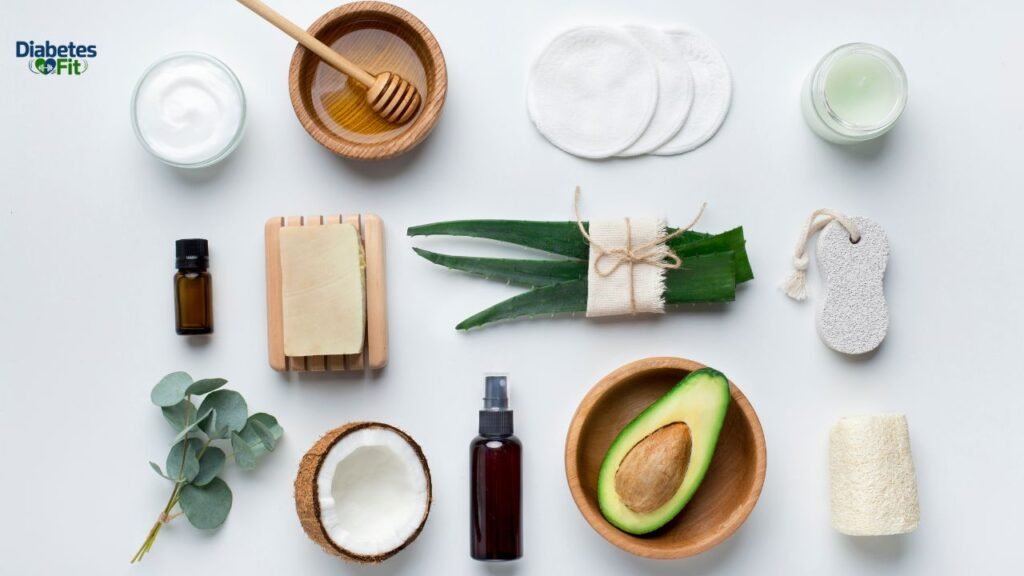
    Glowing skin isn’t just a matter of good genetics or expensive products — it’s something you can genuinely achieve at home with the right knowledge and consistent habits. If you’ve been wondering how to make your skin glow naturally at home, the answer lies in a combination of targeted skincare practices, smart nutrition, lifestyle adjustments, and simple DIY treatments that cost a fraction of what salon treatments charge.

    Learning how to make your skin glow naturally at home means understanding what actually creates that luminous, healthy-looking complexion — adequate hydration, proper exfoliation, antioxidant protection, reduced inflammation, and supporting your skin’s natural renewal process.

    In this complete guide, you’ll discover 25 science-backed methods for achieving naturally glowing skin from home, the nutritional foundations of radiant skin, the best DIY face masks and treatments, and honest answers to the most common skin glow questions. Your best skin is closer than you think.

    Along with skin care, body weight also matters, so read the post on smoothies for weight loss.

    What “Glowing Skin” Actually Means — The Science

    Before exploring how to make your skin glow naturally at home, it helps to understand what creates the visual effect of glowing skin at a biological level — because this knowledge directs every strategy.

    Several overlapping variables contribute to glowing skin:

    1. Light reflection from the skin’s surface: The lit-from-within brightness is produced by smooth, well-hydrated skin that reflects light uniformly. Skin that is flaky, dry, or rough distributes light unevenly, giving the illusion of being flat and dull. For this reason, the two most basic methods for making your skin glow naturally at home are exfoliation and moisturizing.

    2. Optimal skin cell turnover: As you age, your skin’s natural renewal process slows down to around every 28 to 40 days. A dull, gray look results from the accumulation of old, dead cells on the surface. Fresh, new cells rise to the surface and elegantly reflect light when turnover is maximized, which can be achieved by healthy eating, adequate sleep, and mild exfoliation.

    3. Healthy blood circulation: Skin cells receive oxygen and nutrients from healthy blood flow, which also eliminates waste. The natural warmth and flush of skin with good microcirculation make it appear healthy and radiant.

    4. Decreased inflammation: Red, uneven, and lifeless skin is a sign of inflammation caused by the sun, pollution, bad food, or stress. This dulling impact is eliminated with anti-inflammatory skincare products and lifestyle choices, exposing naturally glowing skin beneath.

    5. Sufficient collagen and elastin: These structural proteins maintain skin’s firmness, plumpness, and smoothness, all of which contribute to radiant skin. These proteins are preserved by topical medications and diets that support collagen, preserving the structure of the skin that gives it its brightness.

    How to Make Your Skin Glow Naturally at Home: 25 Proven Methods

    Category 1: Daily Skincare Habits

    Make Your Skin Glow Naturally at Home

    1. Double Cleanse Every Evening

    The single most impactful daily habit for how to make your skin glow naturally at home is thorough evening cleansing. During the day, your skin accumulates sunscreen, pollution particles, makeup, excess sebum, and dead skin cells — all of which create dullness.

    The double cleanse method:

    • First cleanse: Oil-based cleanser (coconut oil, micellar water, cleansing balm) — dissolves sunscreen and makeup
    • Second cleanse: Water-based cleanser (gentle foam or gel) — removes remaining impurities and oil residue

    Why it works: Oil dissolves oil — using an oil cleanser first breaks down the layer of sebum, sunscreen, and makeup that water-based cleansers can’t fully penetrate. The second cleanse then removes everything on a clean foundation.

    Morning: A gentle water-only or light cleanser rinse is sufficient — your skin produces minimal impurities overnight.

    2. Use a Vitamin C Serum Every Morning

    Vitamin C is the most research-validated ingredient for achieving glowing skin, making it essential knowledge for how to make your skin glow naturally at home.

    How vitamin C creates glowing skin:

    • Inhibits tyrosinase — the enzyme responsible for melanin production, directly reducing dark spots and hyperpigmentation
    • Neutralizes free radicals from UV exposure and pollution that dull skin
    • Stimulates collagen production — improving skin firmness and reducing fine lines
    • Reduces inflammation that creates redness and uneven tone
    • Brightens overall complexion within 2–4 weeks of consistent use

    Best natural vitamin C sources for DIY application:

    • Fresh lemon juice diluted 1:3 with water (use with caution — can cause sensitivity in some)
    • Rosehip oil (contains vitamin C, precursors)
    • Commercial vitamin C serums (L-ascorbic acid 10–20% — most effective)

    Application: Apply to clean, dry skin every morning before moisturizer. Follow immediately with SPF — vitamin C is most effective when combined with sun protection.

    3. Exfoliate 2–3 Times Per Week

    Regular exfoliation is the fastest way to improve skin glow — because it directly removes the dead cell layer that creates dullness and prevents skincare products from penetrating effectively.

    Two types of exfoliation for glowing skin:

    Physical exfoliation (scrubs):

    • Sugar scrubs (gentle, dissolve with water)
    • Oat-based scrubs (extra gentle, anti-inflammatory)
    • Konjac sponge (very gentle daily option)
    • Rice powder scrubs

    Chemical exfoliation (acids — most effective):

    • Glycolic acid (AHA): Dissolves the bonds between dead skin cells — most effective for brightening and fine lines
    • Lactic acid (AHA): Gentler than glycolic, excellent for sensitive skin and hydration
    • Salicylic acid (BHA): Oil-soluble — penetrates pores, excellent for acne-prone skin

    Frequency:

    • Sensitive skin: Once weekly
    • Normal/combination skin: 2–3 times weekly
    • Oily/resilient skin: Up to 3 times weekly

    Important: Never exfoliate the same day you use retinol or strong active ingredients. Always follow exfoliation with moisturizer and SPF.

    4. Apply Sunscreen Every Single Day — Including Indoors

    This is the single most impactful long-term strategy for how to make your skin glow naturally at home — and the one most people skip. UV damage is the number one cause of premature skin aging, dark spots, uneven tone, and dullness.

    Why daily SPF is essential for glowing skin:

    • UV rays destroy collagen and elastin — the structural proteins that keep skin plump and smooth
    • UV causes melanin overproduction — creating dark spots, hyperpigmentation, and uneven tone
    • UV damage is cumulative — even brief daily sun exposure adds up to significant skin aging over the years
    • UVA rays (which cause aging, not burning) penetrate through windows — making indoor SPF relevant

    Choose: Broad-spectrum SPF 30 minimum daily; SPF 50 for extended outdoor exposure.

    Natural options: Zinc oxide-based mineral sunscreens provide broad-spectrum protection and are well-tolerated by sensitive skin.

    5. Apply Moisturizer to Damp Skin

    This simple technique significantly improves moisturizer effectiveness — a key strategy for how to make your skin glow naturally at home.

    Why timing matters:

    When applied to slightly damp skin (within 60 seconds of cleansing or toning), moisturizer locks in the existing surface moisture rather than just sitting on dry skin. This increases skin hydration by significantly more than applying to completely dry skin.

    Best natural moisturizing ingredients:

    • Hyaluronic acid — holds up to 1,000 times its weight in water
    • Glycerin — draws moisture from the environment into the skin
    • Aloe vera gel — lightweight, anti-inflammatory moisture
    • Rosehip oil — vitamin C precursors plus fatty acids
    • Jojoba oil — mimics skin’s natural sebum, excellent for all skin types
    • Shea butter — rich emollient for dry skin

    6. Use a Toner with Niacinamide or Rose Water

    Toning between cleansing and moisturizing is an often-skipped step that makes a meaningful difference in skin glow.

    Niacinamide (Vitamin B3) toner:

    • Reduces pore appearance — making skin texture appear smoother and more refined
    • Regulates sebum production — reducing the oiliness that dulls skin
    • Fades hyperpigmentation — improving overall skin tone evenness
    • Strengthens the skin barrier — keeping moisture in and irritants out
    • Reduces redness and inflammation

    Rose water toner (natural option):

    • Mildly anti-inflammatory — reduces redness and irritation
    • Provides a light hydration boost before moisturizer
    • Contains antioxidant flavonoids
    • pH-balancing properties support skin barrier health
    • Pleasant scent and sensory experience — encouraging consistent use

    Category 2: DIY Face Masks and Natural Treatments

    Make Your Skin Glow Naturally at Home

    7. Honey and Turmeric Glow Mask

    Frequency: 2 times per week, Time: Leave on 15–20 minutes

    Ingredients:

    • 1 tablespoon raw honey
    • ½ teaspoon turmeric powder
    • Optional: 1 teaspoon plain yogurt

    How to use: Mix thoroughly, apply to a clean face, leave 15–20 minutes, rinse with warm water.

    Why it works:

    • Raw honey is naturally antimicrobial, anti-inflammatory, and humectant — drawing moisture into the skin
    • Turmeric contains curcumin, one of the most potent natural anti-inflammatory and antioxidant compounds, proven to reduce hyperpigmentation and improve skin brightness
    • Yogurt contains lactic acid — a gentle chemical exfoliant that brightens and smooths

    Warning: Turmeric can temporarily stain skin yellow. Do a patch test and rinse thoroughly. This effect fades within hours.

    8. Papaya Enzyme Mask

    Frequency: Once per week Time: 10–15 minutes

    Ingredients:

    • ¼ cup ripe papaya, mashed smooth

    How to use: Apply mashed papaya to a clean face, leave for 10–15 minutes, rinse gently.

    Why it works: Ripe papaya contains papain, a natural proteolytic enzyme that digests dead skin cell proteins on the surface, producing a mild enzymatic exfoliation that brightens and smoothes skin without any scrubbing. This makes it excellent for how to make your skin glow naturally at home for those with sensitive skin who can’t tolerate physical scrubs.

    9. Oatmeal and Yogurt Brightening Mask

    Frequency: 2 times per week Time: 15 minutes

    Ingredients:

    • 3 tablespoons colloidal oatmeal or blended raw oats
    • 2 tablespoons plain yogurt
    • ½ teaspoon raw honey

    Why it works:

    • Oatmeal contains avenanthramides — uniquely powerful anti-inflammatory compounds that calm redness and irritation
    • Yogurt’s lactic acid gently exfoliates while its fat content moisturizes
    • Honey locks in moisture and provides antimicrobial protection

    10. Aloe Vera Overnight Treatment

    Frequency: Nightly (or 3–4 nights per week)

    How to use:

    • Extract fresh aloe vera gel from a leaf or use pure bottled aloe
    • Apply a thin layer to a clean face as the final step in your evening skincare routine
    • Sleep with it on — rinse in the morning or leave (aloe fully absorbs overnight)

    Why it works:

    • Alacemannan in aloe vera stimulates fibroblast activity — increasing collagen and hyaluronic acid production
    • Powerful anti-inflammatory and antimicrobial properties
    • Acemannan has been shown in research to accelerate wound healing and skin repair
    • Extremely well-tolerated — suitable for all skin types, including sensitive and acne-prone

    11. Coffee Grounds Scrub for Body Glow

    Frequency: 2–3 times per week (body only)

    Ingredients:

    • ½ cup used coffee grounds
    • ¼ cup coconut oil
    • 1 tablespoon brown sugar

    Why it works:

    • Coffee grounds provide physical exfoliation
    • Caffeine in coffee grounds temporarily constricts blood vessels — reducing the appearance of puffiness and cellulite
    • Antioxidants in coffee protect against free radical damage
    • Coconut oil simultaneously moisturizes the freshly exfoliated skin

    12. Green Tea Ice Cube Facial

    Frequency: Daily (mornings)

    How to make:

    • Brew strong green tea, allow to cool
    • Pour into an ice cube tray and freeze
    • Each morning, rub one green tea ice cube over a clean face

    Why it works:

    • EGCG catechins in green tea are among the most potent antioxidants studied for skin health — reducing UV-induced damage and inflammation
    • Cold temperature constricts blood vessels — tightening pores, reducing puffiness, and creating an immediate skin-tightening effect
    • Caffeine in green tea reduces under-eye puffiness effectively
    • Excellent preparation for morning skincare routine — tightening pores before applying products

    Category 3: Nutrition for Glowing Skin

    Make Your Skin Glow Naturally at Home

    13. Hydrate Consistently — 2.5–3 Liters Daily

    The most fundamental nutritional strategy for how to make your skin glow naturally at home is hydration — and most people are chronically mildly dehydrated.

    How hydration creates glowing skin:

    • Maintains skin turgor — the plumpness and firmness that makes skin look youthful
    • Supports the skin barrier’s ability to retain moisture
    • Facilitates the removal of cellular waste products that dull the complexion
    • Supports lymphatic drainage — reducing puffiness and under-eye darkness

    Beyond water:

    • Cucumber water, infused water, and herbal teas all count toward hydration
    • Avoid excess alcohol and caffeine — both are dehydrating and directly reduce skin hydration
    • Eat water-rich foods: cucumber (96% water), watermelon (92%), strawberries (91%)

    14. Eat Antioxidant-Rich Foods Daily

    The best foods for skin glow:

    FoodKey NutrientSkin Benefit
    Berries (blueberries, strawberries, raspberries)Vitamin C, anthocyaninsCollagen synthesis, free radical protection
    Dark leafy greens (spinach, kale)Vitamin A, C, K, folateCell turnover, anti-inflammatory
    Sweet potatoBeta-carotene (vitamin A)Skin cell renewal, UV protection
    Fatty fish (salmon, sardines)Omega-3 fatty acidsAnti-inflammatory, skin barrier
    AvocadoVitamin E, healthy fatMoisture retention, antioxidant
    WalnutsOmega-3, zinc, and vitamin EAnti-inflammatory, skin barrier
    TomatoesLycopeneUV protection, skin cancer prevention
    Dark chocolate (70%+)FlavonoidsImproved skin circulation, UV protection
    Green teaEGCG catechinsUV protection, anti-inflammatory
    EggsBiotin, zinc, seleniumSkin integrity, collagen production

    15. Prioritize Vitamin C in Your Diet

    Beyond topical application, dietary vitamin C is essential for collagen synthesis — the protein that keeps skin firm, smooth, and plump.

    Best dietary sources of vitamin C:

    • Bell peppers (190mg per pepper — highest vegetable source)
    • Kiwi (93mg per fruit)
    • Strawberries (89mg per cup)
    • Broccoli (81 mg per cup)
    • Citrus fruits (53–70mg per fruit)
    • Papaya (88 mg per cup)

    Aim for at least 75–90mg daily (the RDA) — and research suggests higher intakes (200–500mg) provide additional skin benefits.

    16. Eat Collagen-Supporting Foods

    While topical collagen products don’t penetrate skin effectively (collagen molecules are too large), dietary strategies that support collagen synthesis make a meaningful difference:

    Collagen-supporting nutrients:

    • Vitamin C — required cofactor in collagen synthesis
    • Zinc — activates enzymes that produce collagen
    • Copper — stabilizes collagen cross-links
    • Proline and glycine — amino acids that form collagen structure (found in bone broth, eggs, meat)
    • Silica — a mineral that supports collagen formation (found in oats, cucumbers, bell peppers)

    Collagen-destroying habits to avoid:

    • Smoking directly breaks down collagen at an accelerated rate
    • Excess sugar — advanced glycation end products (AGEs) cross-link and stiffen collagen
    • Excessive UV exposure — UV radiation degrades collagen enzymatically
    • Chronic alcohol consumption depletes the nutrients required for collagen synthesis

    17. Include Omega-3 Fatty Acids

    Omega-3 fatty acids — from fatty fish, walnuts, flaxseed, and chia seeds — are the dietary foundation of a healthy skin barrier. The skin barrier is literally built from fatty acids, and adequate omega-3 intake.

    • Reduces systemic inflammation that manifests as skin redness and dullness
    • Supports skin barrier integrity — reducing transepidermal water loss
    • Reduces UV-induced skin damage and inflammation
    • Research shows omega-3 supplementation improves skin hydration, smoothness, and scaling

    Category 4: Lifestyle Practices for Natural Skin Glow

    Make Your Skin Glow Naturally at Home

    18. Prioritize Sleep — 7–9 Hours for Skin Renewal

    Sleep is not passive for skin — it’s when the majority of cellular repair, collagen production, and skin barrier restoration occurs.

    What happens to your skin during sleep:

    • Growth hormone secretion peaks — stimulating cell renewal and repair
    • Cortisol levels fall, reducing the inflammation that dulls skin
    • Blood flow to the skin increases — delivering nutrients and removing waste products
    • Melatonin acts as an antioxidant, protecting skin cells from free radical damage

    Sleep deprivation’s visible effects on skin:

    • Increased trans-epidermal water loss (TEWL) — skin becomes dehydrated overnight
    • Elevated cortisol — promotes inflammation and collagen breakdown
    • Reduced skin barrier function — skin appears dull and feels rough

    Sleep position: Sleeping on your back prevents sleep-induced wrinkles from pressure and pillow friction.

    19. Exercise Regularly — 30 Minutes Daily

    Regular aerobic exercise creates a noticeable skin glow — and the mechanism is primarily improved circulation.

    How exercise improves skin glow:

    • Increases blood flow to skin — delivering oxygen and nutrients to skin cells
    • Promotes sweating — clears pores of trapped debris and toxins
    • Reduces cortisol over time — decreasing stress-related skin problems
    • Promotes mitochondrial health in skin cells — supporting cellular energy production
    • Research shows moderate exercise reverses some signs of skin aging at a cellular level

    Important: Always cleanse skin immediately after sweating — sweat can clog pores and cause breakouts if left on the skin for extended periods.

    20. Facial Massage — 5 Minutes Daily

    Facial massage is one of the most underutilized natural skin glow techniques for how to make your skin glow naturally at home. Five minutes of daily facial massage:

    • Increases lymphatic drainage — reducing puffiness and removing cellular waste
    • Improves local circulation — creating immediate flush and luminosity
    • May stimulate collagen production through mechanical stimulation of fibroblasts
    • Reduces facial tension that contributes to expression lines
    • Increases product absorption by up to 40%

    Simple facial massage technique:

    • Use a few drops of facial oil or serum as a slip
    • Work in upward strokes from chin to forehead — against gravity
    • Gentle circular motions at temples, jawline, and cheeks
    • Light pinching along the jawline to stimulate circulation
    • Gentle tapping around the eye area for drainage

    Tools: Gua sha stone, jade roller, or simply clean fingertips work equally well.

    21. Manage Stress Actively

    Chronic stress is one of the most significant hidden causes of dull, inflamed, problematic skin — making stress management genuinely essential for how to make your skin glow naturally at home.

    How stress affects skin:

    • Elevates cortisol — promoting inflammation, collagen breakdown, and sebum overproduction
    • Triggers neurogenic inflammation — causing redness, sensitivity, and reactivity
    • Impairs skin barrier function — increasing TEWL and sensitivity
    • Triggers flares of eczema, psoriasis, rosacea, and acne through immune activation

    Evidence-based stress reduction for skin:

    • 10–20 minutes of meditation or deep breathing daily (proven to reduce cortisol)
    • Yoga practice — particularly restorative poses (see yoga article)
    • Regular physical exercise
    • Time in nature — 20 minutes reduces cortisol meaningfully
    • Adequate sleep (see above)

    22. Dry Brushing

    Dry brushing — using a natural bristle brush on dry skin before showering — is an ancient practice for achieving radiant body skin.

    Benefits:

    • Physical exfoliation that removes dead skin cells from the body skin
    • Stimulates lymphatic circulation — supporting waste removal from tissues
    • Increases local blood circulation — creating a temporary flush
    • Dramatically improves smoothness and light reflection from the body skin

    Technique:

    • Use a natural bristle brush on completely dry skin
    • Work in long strokes always toward the heart
    • Start at the feet, work up the legs, then the arms, toward the chest
    • Gentle circular motions on the abdomen
    • Brush only body skin — too harsh for facial skin
    • Immediately follow with a shower and moisturizer on damp skin

    Category 5: Additional Proven Strategies

    Make Your Skin Glow Naturally at Home

    23. Try Gua Sha for Facial Contouring and Glow

    Gua sha — a traditional Chinese healing practice using a smooth stone tool — has significant research support for improving skin appearance and circulation.

    Benefits of gua sha for skin glow:

    • Significantly improves microcirculation in treated areas
    • Reduces muscle tension that contributes to puffiness
    • Promotes lymphatic drainage — reducing puffiness and under-eye darkness
    • Creates an immediate visible “lift” and luminosity from improved circulation
    • Consistent use may improve collagen density through mechanical stimulation

    24. Apply a Weekly Brightening Sheet Mask

    Sheet masks saturate the skin with concentrated serum ingredients for 15–20 minutes — delivering significantly more active ingredient contact than daily serums.

    Most effective sheet mask ingredients for glow:

    • Vitamin C (brightening, antioxidant)
    • Niacinamide (pore refining, tone evening)
    • Hyaluronic acid (intense hydration)
    • Glycolic acid (exfoliating)
    • Snail mucin (regenerating, brightening)
    • Rice water (traditional Asian brightening ingredient with beta-glucan)

    DIY alternative: Soak a cotton pad or compress in green tea, rose water, or diluted apple cider vinegar and place on face for 10 minutes.

    25. Steam Your Face Weekly

    Weekly facial steaming opens pores, improves circulation, and prepares skin for treatments.

    How to steam at home:

    • Boil water, pour it into a large bowl
    • Add optional herbs: chamomile (anti-inflammatory), mint (antimicrobial), lavender (calming)
    • Lean over the bowl with a towel draped over your head to trap steam
    • Steam for 5–10 minutes at a safe distance (30–35 cm from the water)
    • Follow immediately with exfoliation (pores are open) or a mask

    Complete Daily Skincare Routine for Natural Glow

    Morning Routine (10 minutes)

    StepProduct/ActionWhy
    1Green tea ice cube facialTightens pores, antioxidants
    2Gentle cleanserRemove overnight products
    3Vitamin C serumBrightening, antioxidant protection
    4Niacinamide tonerPore refining, tone evening
    5Moisturizer (damp skin)Lock in hydration
    6SPF 30–50UV protection

    Evening Routine (15 minutes)

    StepProduct/ActionWhy
    1Oil cleanserRemove SPF and makeup
    2Water cleanserRemove remaining impurities
    3Chemical exfoliant (2–3x/week)Cell turnover, brightening
    4Facial massage (5 min)Circulation, drainage
    5Aloe vera or serumTreatment, repair
    6Moisturizer (damp skin)Overnight barrier repair

    Weekly Additions

    TreatmentFrequencyBenefit
    Honey turmeric mask2x/weekBrightening, anti-inflammatory
    Papaya enzyme mask1x/weekGentle enzymatic exfoliation
    Sheet mask1x/weekIntense ingredient delivery
    Facial steam1x/weekCirculation, pore opening
    Coffee scrub (body)2x/weekBody exfoliation and glow

    Frequently Asked Questions

    How long does it take to make your skin glow naturally at home? 

    Most people notice initial improvements within 1–2 weeks of consistent skincare and lifestyle changes — particularly after adding vitamin C serum, regular exfoliation, and improved hydration. Visible glow improvement from dietary changes typically takes 4–6 weeks (the time needed for new, nutritionally supported skin cells to reach the surface). Significant, noticeable transformation in overall skin luminosity typically occurs at 6–12 weeks of consistent practice. The fastest visible results come from exfoliation and hydration — both can produce noticeable glow improvement within days.

    What is the most effective home remedy to make skin glow naturally? 

    The most effective single home remedy for how to make your skin glow naturally at home is consistent exfoliation (2–3 times weekly with glycolic acid or a gentle sugar scrub), followed by daily vitamin C application and adequate hydration. This combination removes the dull, dead cell layer, delivers brightening antioxidants, and maintains the hydration that makes skin reflect light beautifully. Among DIY masks, the honey and turmeric mask provides the most comprehensive glow benefits — combining antimicrobial, anti-inflammatory, brightening, and moisturizing effects in one treatment.

    What foods make your skin glow naturally? 

    The most powerful foods for natural skin glow are: berries (vitamin C and anthocyanins for collagen and antioxidant protection), fatty fish (omega-3 fatty acids for anti-inflammation and barrier health), avocado (vitamin E and healthy fats for moisture retention), sweet potato (beta-carotene for skin cell renewal), dark leafy greens (folate, vitamins A, C, and K for comprehensive skin nutrition), dark chocolate 70%+ (flavonoids for circulation), and green tea (EGCG for antioxidant protection). Staying consistently hydrated with 2.5–3 liters of water daily underpins all these benefits.

    How can I get glowing skin overnight naturally?

    For the fastest overnight glow improvement: apply a raw honey mask for 20 minutes before bed, follow with aloe vera gel as an overnight sleeping mask, drink 500ml of water before sleeping, sleep on a clean pillowcase in the back-sleeping position, and get a full 7–8 hours of sleep. By morning, the combination of honey’s antimicrobial and humectant properties, aloe’s repair stimulation, adequate hydration, and sleep’s natural repair processes will produce visibly clearer, more hydrated, and more luminous skin. For an immediate morning boost, use a green tea ice cube facial and gentle massage before your morning routine.

    Is vitamin C or vitamin E better for glowing skin? 

    Both vitamins are essential for glowing skin, but they work through different mechanisms — and they work even better together. Vitamin C is superior for brightening (reducing dark spots, hyperpigmentation, and uneven tone) through its tyrosinase inhibition and collagen-stimulating effects. Vitamin E excels at antioxidant protection and moisturization — protecting cell membranes from free radical damage. When combined (as in many effective serums), vitamin C regenerates vitamin E after it neutralizes free radicals, creating a synergistic antioxidant system more powerful than either alone. For the quickest visible glow improvement, prioritize vitamin C topically and vitamin E through dietary sources (avocado, nuts, seeds).

    How can I get rid of dull skin naturally at home?

    Dull skin is caused primarily by the accumulation of dead skin cells, dehydration, poor circulation, and oxidative stress. The most effective natural approach to reverse dullness is: regular exfoliation (2–3 times weekly) to remove the dead cell layer, consistent hydration (3 liters of water daily), daily vitamin C serum application for antioxidant brightening, facial massage to stimulate circulation, 7–9 hours of quality sleep for cellular repair, and reducing alcohol and processed sugar that directly dulls skin. Results from this combination typically appear within 1–2 weeks, making it the fastest natural approach to restoring skin luminosity.

    Does drinking water make skin glow?

    Yes — adequate hydration is foundational for glowing skin, though it works best as part of a comprehensive approach. Dehydration reduces skin turgor (plumpness), slows cellular waste removal, impairs skin barrier function, and makes the skin appear dull and flat. Adequate hydration (2.5–3 liters daily) maintains the skin’s water content, supports the elimination of waste products that dull the complexion, and helps skin cells function optimally. However, while drinking water is essential for preventing dehydration-related dullness, it doesn’t directly increase skin hydration above baseline — topical moisturizers and humectants are needed to actually increase water content in the skin layers.

    Conclusion

    After reviewing all 25 methods, it becomes evident that there is not a single secret ingredient or ideal product that can make your skin glow naturally at home. It involves developing regular daily routines that promote all aspects of skin health, including cleansing, exfoliation, hydration, antioxidant defense, nutrition, sleep, and stress reduction.

    The good news is that you do not need costly products, expert treatments, or hours of work to make your skin glow naturally at home. The most significant adjustments, such as increasing water intake, getting seven to nine hours of sleep, eating berries and fatty fish, applying vitamin C serum every day, exfoliating twice a week, and wearing SPF every morning, are completely doable and cheap within any lifestyle.

    Start with the routines described in this handbook for the morning and evening. Twice a week, use the honey turmeric mask. Increase your daily water intake by 500 milliliters. When followed regularly over a period of six to twelve weeks, these simple, compounding habits result in the kind of naturally radiant skin that no Instagram filter can match.

    Are you prepared to go on your glow journey? Start tonight. Get eight hours of sleep, use aloe vera gel, and thoroughly cleanse. Use your SPF and vitamin C serum first thing tomorrow morning. You will be questioning why you did not start sooner when you read this article in two weeks.

    Read more skin home remedies from Healthline.

  • Smoothies for Weight Loss: 20 Delicious Recipes That Actually Burn Fat

    Smoothies for Weight Loss: 20 Delicious Recipes That Actually Burn Fat

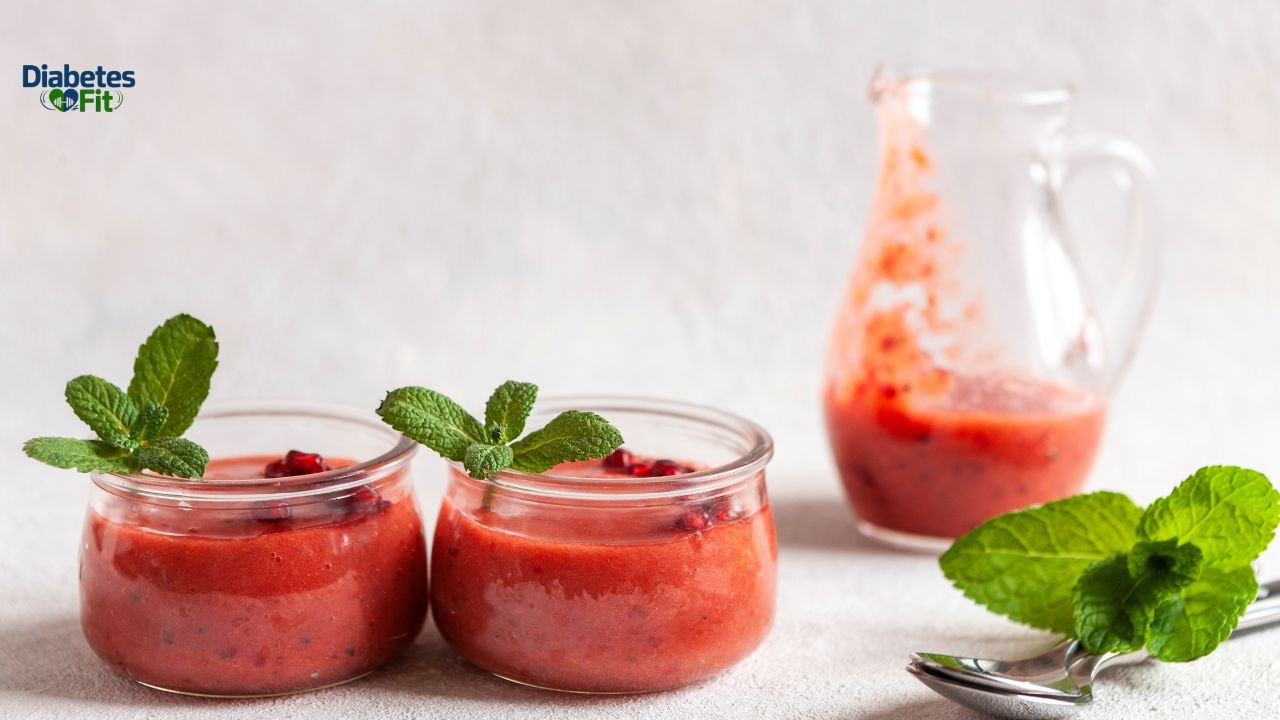
    Smoothies for weight loss are one of the most popular dietary strategies in the world — and when done correctly, they genuinely work. A well-built weight loss smoothie can replace a 500-calorie meal with a 250-calorie drink that keeps you full for hours, delivers exceptional nutrition, and makes healthy eating feel enjoyable rather than restrictive.

    But here’s the problem most people run into: the wrong smoothie can easily contain 600–800 calories, 60g of sugar, and minimal protein — doing more harm than good for weight loss. The difference between a fat-burning smoothie and a liquid sugar bomb often comes down to just a few ingredient choices.

    In this complete guide, you’ll discover 20 proven smoothies for weight loss, the exact formula for building your own fat-burning blend, the biggest mistakes to avoid, and the science behind why the right smoothie ingredients accelerate fat loss. Every recipe here is genuinely effective, genuinely delicious, and built on real nutritional science.

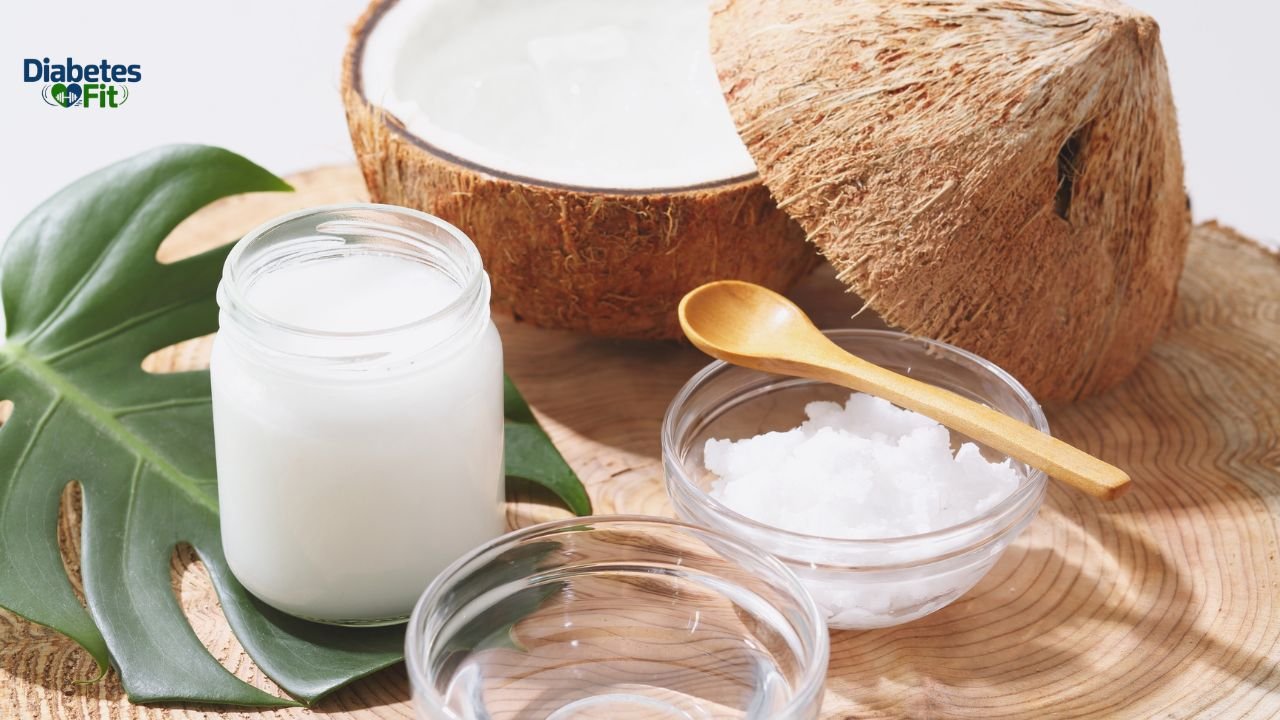
    Also read the benefits of coconut oil for skin.

    Why Smoothies Work for Weight Loss — The Science

    Before diving into the recipes, it’s important to understand exactly why smoothies for weight loss are effective when built correctly — because the science explains every ingredient choice.

    Calorie Control Without Hunger

    The core mechanism behind successful smoothies for weight loss is simple: a well-constructed smoothie delivers fewer calories than a typical meal while keeping you just as full — or fuller.

    Research published in the Journal of the American College of Nutrition found that meal replacement smoothies reduced total daily calorie intake by an average of 400–500 calories per day in study participants — without increasing hunger. Over time, this consistent calorie reduction produces reliable fat loss.

    Protein and Fiber: The Satiety Combination

    The most important ingredients in effective smoothies for weight loss are protein and fiber — and they work through completely different but complementary mechanisms:

    Protein:

    • Activates satiety hormones (GLP-1, PYY) that signal fullness to the brain
    • Suppresses ghrelin (the hunger hormone) more powerfully than carbohydrates or fat
    • Has a thermic effect of 20–30% — your body burns more calories digesting protein
    • Preserves lean muscle during calorie restriction — maintaining the metabolic rate that drives fat loss

    Fiber:

    • Slows gastric emptying — food (or liquid) stays in the stomach longer
    • Prevents rapid blood sugar spikes that trigger hunger shortly after eating
    • Feeds beneficial gut bacteria linked to healthy weight and reduced fat storage
    • Adds physical bulk to the smoothie — contributing to satiety

    The research: Studies show that smoothies with at least 20g of protein and 5g of fiber kept participants full for 3–4 hours — comparable to a solid meal — while delivering significantly fewer calories.

    The Liquid Meal Debate

    Some research suggests that liquid calories satisfy hunger less effectively than solid calories. This is a legitimate concern — but it applies primarily to thin, low-protein, low-fiber smoothies. High-protein, high-fiber smoothies that are thick and nutrient-dense don’t produce this problem.

    The key: Make your smoothies thick enough that you eat them with a spoon. Research shows this simple change increases satiety significantly — the eating motion and thicker texture activate fullness mechanisms that thin drinks bypass.

    The Fat-Burning Smoothie Formula

    Every effective smoothie for weight loss follows the same basic formula. Once you understand this structure, you can build unlimited variations:

    The 5-Component Weight Loss Smoothie Formula

    ComponentWhat to IncludeAmountRole
    Liquid baseUnsweetened almond milk, water, and coconut water200–300mlControls calorie density
    ProteinProtein powder, Greek yogurt, cottage cheese20–30g proteinSatiety, muscle preservation
    Fiber/GreensSpinach, kale, frozen cauliflower, chia seeds1–2 cupsBlood sugar stability, fullness
    Fruit (low sugar)Berries, green apple, half a banana½–1 cupFlavor, antioxidants
    Healthy fatAlmond butter, avocado, flaxseed1 tablespoonSustained energy, hormone support

    Target nutritional profile per smoothie for weight loss:

    • Calories: 250–350 kcal
    • Protein: 20–30g
    • Fiber: 5–10g
    • Sugar: Under 15g (natural, not added)
    • Fat: 8–15g (healthy sources)

    Best Ingredients for Smoothies for Weight Loss

    Best Liquids (Lowest Calorie)

    LiquidCalories per 250mlNotes
    Unsweetened almond milk13 kcalBest overall base — lowest calories
    Water0 kcalZero calorie, use with flavorful ingredients
    Unsweetened coconut water45 kcalElectrolytes, natural sweetness
    Unsweetened oat milk60 kcalCreamier texture, slightly higher carbs
    Unsweetened soy milk80 kcalHigher protein than other plant milks
    Skim milk85 kcalNatural protein and calcium
    Whole milk150 kcalUse sparingly — higher calorie
    Fruit juice110–150 kcalAvoid concentrated sugar

    Best Protein Sources

    SourceProtein per ServingCaloriesBest For
    Whey protein isolate (1 scoop)25–27g100–120 kcalFastest absorbing, highest protein
    Pea protein (1 scoop)20–25g100–120 kcalPlant-based, good for digestion
    Greek yogurt (150g)15g90 kcalCreaminess + protein + probiotics
    Cottage cheese (100g)11g98 kcalHigh protein, creamy texture
    Hemp seeds (3 tbsp)10g166 kcalComplete plant protein + omega-3s
    Silken tofu (100g)8g55 kcalPlant-based, neutral flavor

    Best Fruits (Low Sugar, High Fiber)

    FruitCalories per CupSugarFiberWeight Loss Rating
    Raspberries64 kcal5.4g8g⭐⭐⭐⭐⭐
    Blackberries62 kcal7g7.6g⭐⭐⭐⭐⭐
    Strawberries49 kcal7.4g3g⭐⭐⭐⭐⭐
    Blueberries84 kcal14.7g3.6g⭐⭐⭐⭐
    Green apple (half)40 kcal8g1.7g⭐⭐⭐⭐
    Banana (half)53 kcal7g1.5g⭐⭐⭐
    Mango (half cup)50 kcal11g1.3g⭐⭐
    Grapes (1 cup)104 kcal23g1.4g⭐

    Best Add-Ins That Boost Fat Burning

    • Chia seeds (2 tbsp): 9g fiber, 4g protein, omega-3 fatty acids — expand in liquid to create a gel that slows digestion
    • Ground flaxseed (2 tbsp): 4g fiber, omega-3s, lignans that support estrogen metabolism
    • Matcha powder (1 tsp): EGCG catechins boost fat oxidation by 10–16%; L-theanine provides calm energy
    • Cinnamon (½ tsp): Improves insulin sensitivity — reduces post-meal blood sugar spikes
    • Ginger (1-inch piece): Thermogenic, anti-inflammatory, reduces appetite
    • Cayenne pepper (small pinch): Capsaicin boosts metabolism 4–5%
    • Spinach (2 cups): Thylakoids reduce hunger by 95% in research; virtually no flavor
    • Frozen cauliflower (½ cup): Adds creaminess and volume with minimal calories

    20 Best Smoothies for Weight Loss

    Green Smoothies for Weight Loss

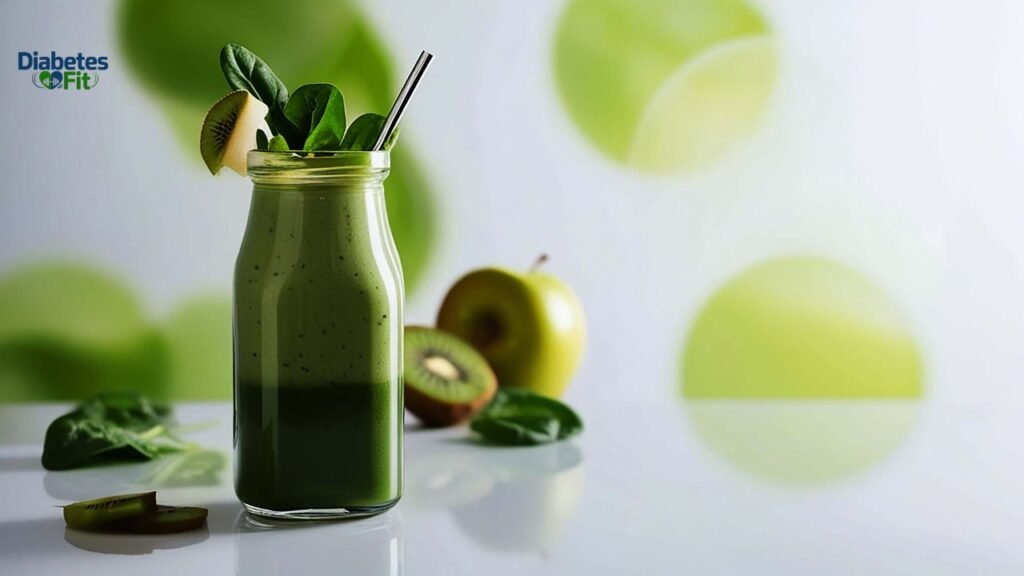
    1. Classic Green Detox Smoothie

    Calories: ~285 | Protein: 24g | Fiber: 7g

    Smoothies for Weight Loss

    This is the foundation of all green smoothies for weight loss — simple, effective, and genuinely delicious once you try it.

    Ingredients:

    • 250ml unsweetened almond milk
    • 2 cups fresh spinach
    • 1 scoop vanilla whey protein
    • ½ frozen banana
    • ½ cup frozen mango
    • 1 tablespoon chia seeds
    • ½ inch fresh ginger

    Blend: All ingredients until completely smooth. The spinach is invisible in flavor — you’ll taste only banana, mango, and vanilla.

    2. Kale and Pineapple Metabolism Booster

    Calories: ~310 | Protein: 22g | Fiber: 8g

    Ingredients:

    • 200ml coconut water
    • 1 cup kale (stems removed)
    • 1 cup spinach
    • ½ cup frozen pineapple
    • 1 scoop unflavored or vanilla protein
    • 1 tablespoon ground flaxseed
    • Juice of 1 lime
    • 5 fresh mint leaves

    3. Avocado Spinach Cream Smoothie

    Calories: ~320 | Protein: 20g | Fiber: 9g

    Ingredients:

    • 250ml unsweetened almond milk
    • 2 cups spinach
    • ¼ ripe avocado
    • 1 scoop vanilla protein powder
    • ½ cup frozen pineapple
    • 1 tablespoon chia seeds
    • ½ teaspoon matcha powder
    • Handful of ice

    4. Cucumber Mint Green Smoothie

    Calories: ~240 | Protein: 22g | Fiber: 5g

    One of the lightest and most refreshing smoothies for weight loss — ideal for hot mornings or post-workout.

    Ingredients:

    • 300ml water
    • 1 cup spinach
    • ½ cucumber, roughly chopped
    • 1 scoop unflavored protein powder
    • Juice of 1 lemon
    • Large handful of fresh mint
    • 1 green apple (cored)
    • 1 tablespoon flaxseed

    5. Tropical Green Power Smoothie

    Calories: ~295 | Protein: 25g | Fiber: 6g

    Ingredients:

    • 250ml unsweetened coconut water
    • 2 cups baby spinach
    • ½ cup frozen mango
    • ½ cup frozen pineapple
    • 150g plain Greek yogurt
    • 1 tablespoon hemp seeds
    • ½ inch fresh turmeric or ½ tsp turmeric powder
    • Pinch of black pepper (activates turmeric)

    Berry Smoothies for Weight Loss

    6. Triple Berry Protein Blast

    Calories: ~270 | Protein: 28g | Fiber: 9g

    Ingredients:

    • 250ml unsweetened almond milk
    • ½ cup frozen strawberries
    • ½ cup frozen blueberries
    • ½ cup frozen raspberries
    • 1 scoop vanilla or berry protein powder
    • 2 tablespoons chia seeds
    • 1 cup spinach (optional — berries completely mask the flavor)

    7. Blueberry and Almond Butter Smoothie

    Calories: ~340 | Protein: 24g | Fiber: 7g

    Ingredients:

    • 250ml unsweetened almond milk
    • 1 cup frozen blueberries
    • 1 tablespoon almond butter
    • 1 scoop vanilla protein
    • 1 tablespoon ground flaxseed
    • ½ teaspoon cinnamon
    • ½ cup plain Greek yogurt

    8. Strawberry Cheesecake Smoothie (Guilt-Free)

    Calories: ~300 | Protein: 26g | Fiber: 5g

    Smoothies for Weight Loss

    Ingredients:

    • 200ml unsweetened almond milk
    • 1 cup frozen strawberries
    • 100g low-fat cottage cheese
    • 1 scoop vanilla protein
    • 1 teaspoon vanilla extract
    • ½ tablespoon chia seeds
    • Small handful of ice

    9. Raspberry Lemon Detox Smoothie

    Calories: ~255 | Protein: 22g | Fiber: 10g

    The highest-fiber smoothie on this list — raspberries contain 8g of fiber per cup.

    Ingredients:

    • 300ml water
    • 1 cup frozen raspberries
    • 1 cup spinach
    • 1 scoop unflavored protein
    • Juice of 1 lemon
    • 2 tablespoons chia seeds
    • ½ teaspoon ginger powder
    • Small pinch of cayenne

    10. Mixed Berry Overnight Smoothie

    Calories: ~285 | Protein: 20g | Fiber: 8g

    Prepare this the night before — allowing chia seeds to swell and creating a thicker, more satisfying texture.

    Ingredients:

    • 250ml unsweetened almond milk
    • ¾ cup mixed frozen berries
    • 150g plain Greek yogurt
    • 2 tablespoons chia seeds
    • 1 tablespoon almond butter
    • ½ teaspoon vanilla extract

    Mix (don’t blend initially), refrigerate overnight, then blend in the morning.

    Protein Smoothies for Weight Loss

    11. Chocolate Peanut Butter Protein Smoothie

    Calories: ~350 | Protein: 32g | Fiber: 6g

    This smoothie for weight loss tastes like a milkshake — yet delivers 32g of protein with controlled calories.

    Ingredients:

    • 250ml unsweetened almond milk
    • 1 scoop of chocolate protein powder
    • 1 tablespoon peanut butter (natural, no added sugar)
    • 1 cup spinach
    • ½ frozen banana
    • 1 tablespoon chia seeds
    • ½ teaspoon cinnamon
    • Handful of ice

    12. Vanilla Almond Protein Smoothie

    Calories: ~310 | Protein: 28g | Fiber: 5g

    Ingredients:

    • 250ml unsweetened almond milk
    • 1 scoop vanilla protein
    • 150g plain Greek yogurt
    • 1 tablespoon almond butter
    • ½ cup frozen cauliflower (adds creaminess, no flavor)
    • ½ teaspoon vanilla extract
    • 1 tablespoon flaxseed

    13. Cottage Cheese Berry Smoothie

    Calories: ~290 | Protein: 30g | Fiber: 6g

    Cottage cheese as a protein base creates an exceptionally creamy texture while delivering casein protein that digests slowly — keeping you full for hours.

    Ingredients:

    • 200ml unsweetened almond milk
    • 150g low-fat cottage cheese
    • ¾ cup frozen mixed berries
    • 1 tablespoon chia seeds
    • ½ teaspoon vanilla extract
    • 1 teaspoon honey (optional — adds minimal calories)
    • Handful of ice

    14. Banana Oat Protein Smoothie

    Calories: ~370 | Protein: 26g | Fiber: 7g

    Smoothies for Weight Loss

    A heartier smoothie for weight loss — ideal for very active people or as a pre-workout meal.

    Ingredients:

    • 250ml skim milk or unsweetened soy milk
    • 1 scoop vanilla protein
    • ½ frozen banana
    • 3 tablespoons rolled oats
    • 1 tablespoon almond butter
    • ½ teaspoon cinnamon
    • 1 cup spinach

    Metabolism-Boosting Smoothies for Weight Loss

    15. Ginger Lemon Metabolism Fire Smoothie

    Calories: ~260 | Protein: 22g | Fiber: 6g

    Ingredients:

    • 300ml water
    • 1 scoop unflavored or vanilla protein
    • 1-inch fresh ginger, peeled
    • Juice of 2 lemons
    • 1 cup spinach
    • ½ green apple
    • 1 tablespoon chia seeds
    • Small pinch of cayenne pepper
    • ½ teaspoon turmeric

    16. Matcha Green Tea Fat Burner

    Calories: ~275 | Protein: 24g | Fiber: 5g

    Matcha contains up to 137 times more EGCG than regular green tea — the catechin most strongly linked to fat oxidation.

    Ingredients:

    • 250ml unsweetened almond milk
    • 1 teaspoon ceremonial matcha powder
    • 1 scoop vanilla protein
    • ½ frozen banana
    • 1 tablespoon almond butter
    • ½ cup spinach
    • ½ teaspoon vanilla extract
    • Handful of ice

    17. Cinnamon Apple Pie Smoothie

    Calories: ~295 | Protein: 23g | Fiber: 7g

    Cinnamon’s insulin-sensitizing effects make this one of the most blood-sugar-friendly smoothies for weight loss.

    Ingredients:

    • 250ml unsweetened almond milk
    • 1 green apple (cored, roughly chopped)
    • 1 scoop vanilla protein
    • 150g plain Greek yogurt
    • 1 full teaspoon cinnamon
    • 1 tablespoon ground flaxseed
    • ½ teaspoon vanilla extract
    • Small handful of ice

    18. Pumpkin Spice Protein Smoothie

    Calories: ~295 | Protein: 26g | Fiber: 8g

    Smoothies for Weight Loss

    Pumpkin is extraordinarily high in fiber and extremely low in calories — making it an ideal smoothie base for weight loss.

    Ingredients:

    • 250ml unsweetened almond milk
    • ½ cup canned pumpkin purée (not pumpkin pie filling)
    • 1 scoop vanilla protein
    • ½ frozen banana
    • 1 teaspoon pumpkin pie spice
    • 1 tablespoon chia seeds
    • 1 teaspoon maple syrup (optional)

    Simple 3-Ingredient Smoothies for Weight Loss

    19. The Bare Minimum Weight Loss Smoothie

    Calories: ~250 | Protein: 27g | Fiber: 5g

    For days when you have no time — just three ingredients, maximum effectiveness.

    Ingredients:

    • 300ml unsweetened almond milk
    • 1 scoop protein powder (any flavor)
    • 1 cup frozen mixed berries

    Blend 30 seconds. Done.

    20. Nighttime Casein Smoothie for Fat Loss

    Calories: ~220 | Protein: 25g | Fiber: 3g

    Casein protein digests slowly over 5–7 hours — making this one of the best late-evening smoothies for weight loss, supporting overnight muscle preservation and metabolism maintenance.

    Ingredients:

    • 200ml unsweetened almond milk
    • 1 scoop casein protein (chocolate or vanilla)
    • 100g plain Greek yogurt
    • ½ teaspoon cinnamon
    • Small handful of ice

    This low-calorie, high-protein smoothie satisfies late-night hunger without the caloric cost of typical evening snacking.

    Common Mistakes That Turn Smoothies Into Weight Gain Bombs

    Even well-intentioned smoothies for weight loss can go wrong. Here are the most common errors:

    Smoothies for Weight Loss

    Mistake 1: Using Fruit Juice as the Base

    A cup of orange juice adds 112 calories and 21g of sugar, with almost no fiber or protein. Replace with unsweetened almond milk (13 kcal/cup) or water.

    Mistake 2: Adding Too Much Fruit

    Three bananas, two cups of mango, and a cup of pineapple create a beautiful color, but 60g+ of sugar and 400+ calories — before any other ingredients. Limit fruit to ½–1 cup of low-sugar varieties (berries are best).

    Mistake 3: Skipping Protein

    A smoothie without protein (or with less than 15g) doesn’t suppress hunger hormones effectively — leaving you hungry again within 90 minutes. Always include at least 20g of protein.

    Mistake 4: No Fiber

    Without fiber, even a low-calorie smoothie doesn’t keep you full. Always include chia seeds, flaxseed, spinach, or high-fiber fruit (raspberries, blackberries).

    Mistake 5: Adding Sweeteners

    Honey (21 kcal/tsp), maple syrup (17 kcal/tsp), agave (20 kcal/tsp), and dates (20 kcal each) add calories and sugar with minimal nutritional benefit. If sweetness is needed, use a tiny amount of stevia or just ripe fruit.

    Mistake 6: Making It Too Thin

    Thin, drinkable smoothies are consumed too quickly — bypassing the chewing and eating mechanisms that contribute to satiety. Make smoothies thick enough to eat with a spoon, or eat them slowly through a straw to maximize the satiety effect.

    When and How to Use Smoothies for Weight Loss

    Best times:

    TimeRoleBest Type
    BreakfastReplace a high-calorie morning mealHigh protein + fiber + greens
    Post-workoutRecovery + muscle preservationHigh protein, moderate carb
    Lunch replacementCalorie-controlled midday mealComplete formula smoothie
    Pre-workoutEnergy + performanceModerate carb, moderate protein
    Evening snackLow-calorie hunger managementCasein protein, low-calorie

    How many smoothies per day for weight loss?

    • 1 smoothie per day replacing a meal: Sustainable, recommended for most people
    • 2 smoothies per day: Appropriate for structured meal replacement programs
    • 3 smoothies per day (full liquid diet): Not recommended long-term — nutritionally incomplete

    Frequently Asked Questions

    Are smoothies for weight loss actually effective? 

    Yes — smoothies for weight loss are genuinely effective when built correctly. Research shows high-protein, high-fiber meal replacement smoothies reduce daily calorie intake by 400–500 calories on average while maintaining satiety comparable to solid meals. The key is ensuring each smoothie contains at least 20g of protein and 5g of fiber — without added sugar or fruit juice. Smoothies built on this foundation provide consistent calorie control that produces reliable fat loss over time. The mistake most people make is building fruit-heavy, protein-poor smoothies that spike blood sugar and leave them hungry within an hour.

    What should I put in a smoothie for weight loss? 

    The most effective smoothies for weight loss always include: a low-calorie liquid base (unsweetened almond milk or water), a significant protein source (protein powder, Greek yogurt, or cottage cheese — targeting 20–30g protein), fiber-rich additions (chia seeds, ground flaxseed, spinach, or kale), limited low-sugar fruit (berries are best — ½ to 1 cup maximum), and a small amount of healthy fat (almond butter, flaxseed, or avocado). Optional metabolism boosters include matcha, cinnamon, ginger, and cayenne. Avoid fruit juice, excessive fruit, added sweeteners, and high-calorie nut butter in large amounts.

    How many calories should a weight-loss smoothie have?

    A smoothie for weight loss used as a meal replacement should contain 250–350 calories — enough to replace a moderate meal without exceeding the calorie budget needed for a weight loss deficit. Smoothies under 200 calories typically lack sufficient protein and fat to maintain fullness for more than 1–2 hours. Smoothies above 400 calories may not create enough calorie savings relative to the meals they replace. The 250–350 calorie range, with 20–30g of protein and 5–10g of fiber, consistently produces the best combination of satiety and calorie control in research on smoothies for weight loss.

    Are green smoothies good for weight loss? 

    Green smoothies for weight loss are highly effective because leafy greens (spinach, kale, bok choy) add extraordinary nutritional value for virtually zero calories. Spinach specifically contains thylakoids — compounds shown in research to reduce hunger by 95% and cravings by 43% for up to 8 hours. Most green smoothies for weight loss contain 2 cups of spinach for only 14 calories — making greens one of the most calorie-efficient additions possible. The flavor is completely masked by fruit and protein powder in most recipes. Green smoothies are not just marketing — their nutritional impact on satiety and metabolism is genuinely significant.

    Can I drink smoothies for weight loss every day? 

    Yes — drinking one smoothie for weight loss daily as a meal replacement is a sustainable, long-term approach for most healthy adults. Research supports meal replacement smoothies as safe and effective for up to 12 months when they’re nutritionally complete (containing adequate protein, fiber, vitamins, and minerals). The key to daily sustainable smoothie use is variety — rotating between different protein sources, fruits, and vegetable combinations prevents nutritional gaps and prevents flavor fatigue that causes people to abandon the habit. Replace one meal (preferably breakfast or lunch) with a well-built smoothie daily and eat nutritionally balanced solid meals for your other meals.

    Do smoothies for weight loss work without protein powder?

    Yes — smoothies for weight loss can be effective without protein powder when alternative protein sources are used. Greek yogurt (15g protein per 150g), cottage cheese (11g per 100g), hemp seeds (10g per 3 tbsp), silken tofu (8g per 100g), and edamame (9g per ½ cup) all provide meaningful protein for smoothies without powders. The critical target is 20g of protein per smoothie — however, you achieve it. That said, protein powder is the most convenient, calorie-efficient way to hit this target, providing 25g of protein for 100–120 calories — making it the most popular choice for smoothies for weight loss.

    What fruits should I avoid in smoothies for weight loss?

    High-sugar fruits should be limited or avoided in smoothies for weight loss — particularly grapes (23g sugar per cup), mangoes in large amounts (12g per ½ cup is fine, a full cup adds 25g), pineapple in large quantities, and all dried fruits (raisins, dates, dried mango), which concentrate sugar dramatically. Bananas are fine in small amounts (½ banana maximum), but a whole banana adds 27g of sugar. Fruit juice of any kind should always be avoided — it removes fiber while concentrating sugar. The best fruits for smoothies for weight loss are raspberries, blackberries, and strawberries — all providing sweetness, exceptional fiber, and minimal sugar compared to other options.

    Conclusion

    When made properly, smoothies are among the most efficient, pleasurable, and long-lasting methods for regular fat loss. You can turn smoothies from a sugar-filled beverage into a true weight-loss tool with the help of the 20 recipes in this guide and the formula behind them.

    A low-calorie base, 20–30g of protein, 5+ grams of fiber, little additional sugar, and a little amount of fruit are all essential components of any successful weight-loss smoothie. These straightforward guidelines turn a potentially high-calorie beverage into a 250–350 calorie powerhouse that keeps you satisfied for hours, promotes muscle preservation, controls blood sugar, and makes your daily calorie deficit actually attainable.

    The flexibility of smoothies for weight loss is its strongest feature; once you grasp the recipe, you can make many variations based on what you have on hand, what you desire, and your daily nutritional requirements. No complicated cooking, no meal preparation, and no deprivation.

    Are you prepared to begin? Choose a dish from this list, such as the Classic Green Detox or the Triple Berry Protein Blast, then prepare it for breakfast the next day. Sip it slowly.

    Observe your level of fullness and how long it lasts. After that, make a commitment to eat one smoothie every day for thirty days. Then, observe how your body composition, hunger, and energy levels change. The outcomes will be self-evident.

    You can also read the post from EatingWell.

  • Coconut Oil for Skin: 15 Proven Benefits and the Right Way to Use It

    Coconut Oil for Skin: 15 Proven Benefits and the Right Way to Use It

    Walk into any natural beauty store, and you’ll find coconut oil for skin on practically every shelf. It’s been used in traditional medicine across South Asia, Southeast Asia, and the Pacific Islands for thousands of years — and modern dermatological research is now explaining exactly why it works so well.

    Coconut oil for skin is genuinely one of the most versatile, effective, and affordable natural skincare ingredients available. From deep moisturization and anti-aging benefits to wound healing, antimicrobial protection, and relief from eczema and psoriasis — the benefits are wide-ranging and backed by real science.

    But here’s the truth most beauty articles skip: coconut oil for skin isn’t right for everyone or every skin type. Some people swear by it; others break away from it. Understanding how to use it correctly — for your specific skin type and concern — makes all the difference.

    In this guide, you’ll discover 15 proven benefits, the science behind them, who should and shouldn’t use it, and exactly how to get the best results.

    You can also read my post if you have diabetes and want to know about what nuts are good for diabetes.

    What Makes Coconut Oil So Effective for Skin?

    Before exploring the specific benefits of coconut oil for skin, it helps to understand what’s actually in it that makes it so powerful for topical use.

    The Composition of Coconut Oil

    Coconut oil is approximately 90% saturated fat — but these aren’t the same saturated fats found in meat and dairy. Coconut oil is uniquely rich in medium-chain fatty acids (MCFAs) with specific properties that benefit skin at a cellular level.

    Primary fatty acids in coconut oil:

    Fatty AcidPercentageKey Skin Benefit
    Lauric acid47–53%Antimicrobial, anti-inflammatory
    Myristic acid16–21%Emollient, skin-softening
    Capric acid6–10%Antimicrobial, supports skin barrier
    Caprylic acid5–9%Antifungal, moisturizing
    Palmitic acid8–11%Emollient, skin barrier support
    Oleic acid5–8%Deep penetration, anti-inflammatory
    Linoleic acid1–2%Anti-inflammatory, barrier repair

    Lauric acid — at nearly 50% of coconut oil’s composition — is particularly remarkable. It converts to monolaurin in the body, which has demonstrated potent antimicrobial activity against bacteria, fungi, and viruses. This single compound accounts for many of the most celebrated benefits of coconut oil for skin.

    Beyond fatty acids, coconut oil contains:

    • Vitamin E — a powerful fat-soluble antioxidant that protects skin cells from free radical damage
    • Polyphenols — plant antioxidants with anti-inflammatory properties
    • Phytosterols — plant compounds that support skin barrier function and reduce inflammation

    Types of Coconut Oil for Skin: Which Is Best?

    Not all coconut oils are created equal for skin application:

    TypeProcessingNutrient RetentionBest ForSkin Rating
    Virgin/Extra Virgin (cold-pressed)Minimal — fresh coconutHighestAll skincare uses⭐⭐⭐⭐⭐
    Raw, unrefined coconut oilMinimal processingVery HighSensitive skin, face⭐⭐⭐⭐⭐
    Refined coconut oilHeat/chemical processingLowerBody use, cooking⭐⭐⭐
    Fractionated coconut oilProcessed into a liquid formMCT-rich onlyLightweight, non-greasy use⭐⭐⭐⭐
    Hydrogenated coconut oilHeavily processedVery LowAvoid for skincare⭐

    Best choice for skin: Always choose virgin or extra virgin, cold-pressed, unrefined coconut oil — this preserves the full spectrum of fatty acids, antioxidants, and polyphenols that make coconut oil for skin so effective.

    15 Proven Benefits of Coconut Oil for Skin

    1. Deep Moisturization — Better Than Many Commercial Products

    Coconut oil is one of the most effective natural moisturizers available — and clinical research confirms it performs comparably to established moisturizing products.

    Coconut Oil for Skin

    The science:

    A randomized controlled trial published in Dermatitis directly compared virgin coconut oil to mineral oil in patients with atopic dermatitis (eczema). The study found coconut oil was equally effective at improving skin hydration and skin condition, and superior in reducing Staphylococcus aureus colonization on the skin.

    How coconut oil moisturizes:

    • Occlusive effect: Creates a physical barrier on the skin surface that prevents transepidermal water loss (TEWL) — the evaporation of moisture from the skin
    • Emollient effect: Fills in the microscopic gaps between skin cells — making skin feel smooth and soft
    • Deep penetration: Unlike mineral oil (which sits on the surface), coconut oil penetrates deeper skin layers due to its small molecular structure

    Best application: Apply a small amount to damp skin immediately after showering — this locks in the water absorbed during bathing. Use more liberally on very dry areas (heels, elbows, knees).

    2. Strengthens the Skin Barrier — The Foundation of Healthy Skin

    The skin barrier — the outermost layer of skin (stratum corneum) — is responsible for keeping moisture in and irritants, allergens, and bacteria out. A damaged skin barrier underlies virtually every major skin condition, including eczema, psoriasis, rosacea, and sensitive skin.

    How coconut oil repairs the skin barrier:

    • Fatty acids in coconut oil — particularly lauric and capric acid — are natural components of healthy skin’s lipid structure
    • Regular application replenishes depleted skin lipids — restoring barrier integrity
    • Research published in the International Journal of Molecular Sciences found that coconut oil upregulates the expression of key skin barrier proteins, including claudin-1 and aquaporin-3
    • Reduces TEWL (transepidermal water loss) — the most clinically relevant marker of skin barrier health

    A healthy skin barrier is the foundation of beautiful, healthy skin — and coconut oil for skin directly supports it.

    3. Powerful Antimicrobial Properties — Natural Skin Protection

    One of the most clinically significant benefits of coconut oil for skin is its antimicrobial activity — driven primarily by lauric acid and its derivative monolaurin.

    Research on coconut oil’s antimicrobial effects:

    • A study in the Journal of Investigative Dermatology found that lauric acid was more effective at killing Propionibacterium acnes (the primary bacteria causing acne) than benzoyl peroxide, one of the most common conventional acne treatments
    • Coconut oil demonstrates activity against Staphylococcus aureus, a bacterium that colonizes and worsens eczema
    • Caprylic acid in coconut oil has documented antifungal activity against Candida species — relevant for fungal skin infections
    • Research shows coconut oil reduces bacterial biofilm formation on skin surfaces

    Clinical application:

    A randomized controlled trial published in Dermatitis found that virgin coconut oil applied twice daily reduced Staphylococcus aureus skin colonization by 95% over 4 weeks — compared to 50% for mineral oil — in children with atopic dermatitis.

    4. Anti-Inflammatory Effects — Calming Irritated and Reactive Skin

    Chronic skin inflammation underlies many of the most common skin conditions — eczema, psoriasis, rosacea, contact dermatitis, and acne. Coconut oil for skin addresses inflammation through multiple pathways simultaneously.

    Anti-inflammatory mechanisms:

    • Lauric acid inhibits pro-inflammatory cytokines (TNF-α and IL-1β) — reducing the inflammatory cascade that causes redness, swelling, and skin damage
    • Polyphenols in virgin coconut oil neutralize free radicals that trigger inflammatory signaling
    • Vitamin E further reduces oxidative stress, which promotes skin inflammation
    • Oleic acid modulates arachidonic acid metabolism, reducing the production of inflammatory prostaglandins

    A study published in Pharmaceutical Biology found that coconut oil demonstrated significant anti-inflammatory activity — comparable to pharmaceutical-grade anti-inflammatory preparations — in both in vitro and animal models.

    5. Accelerates Wound Healing

    Traditional medicine across South Asia and the Pacific has used coconut oil for wound healing for millennia — and modern research validates this use with clear mechanisms.

    Coconut Oil for Skin

    Research on coconut oil and wound healing:

    A study published in Skin Pharmacology and Physiology found that virgin coconut oil significantly accelerated wound healing in animals, with treated wounds healing in 2 weeks compared to 3 weeks in the control group. Treated wounds showed:

    • Increased fibroblast proliferation (cells that produce collagen for wound repair)
    • Higher neovascularization (new blood vessel formation to supply healing tissue)
    • Greater total protein and collagen content in healing tissue
    • Faster epithelialization (skin cell migration to cover the wound)

    How coconut oil accelerates healing:

    • Antimicrobial properties prevent bacterial infection, which delays healing
    • Anti-inflammatory effects prevent excessive inflammation that damages healing tissue
    • Moisturizing properties prevent the wound from scabbing and cracking, which delays epithelialization
    • Collagen-stimulating effects support tissue repair

    Best use: Apply to minor cuts, scrapes, burns (after cooling), and post-procedure skin. Not appropriate for deep or infected wounds.

    6. Eczema and Atopic Dermatitis Relief

    Eczema (atopic dermatitis) is one of the most common skin conditions worldwide, characterized by intense itching, inflammation, and a compromised skin barrier. Coconut oil for skin is one of the most well-researched natural interventions for this condition.

    Clinical evidence:

    The most significant study — published in Dermatitis — was a randomized, double-blind, controlled trial that found virgin coconut oil:

    • Reduced SCORAD (eczema severity score) significantly more than mineral oil
    • Decreased Staphylococcus aureus colonization by 95% (compared to 50% for mineral oil)
    • Improved skin hydration measurably
    • Was well-tolerated without adverse effects

    A second study in pediatric eczema patients confirmed these findings, with children showing significant improvement in symptom severity after 8 weeks of twice-daily coconut oil application.

    Why it works for eczema:

    • Repairs the compromised skin barrier that characterizes eczema
    • Reduces S. aureus colonization — this bacterium significantly worsens eczema by triggering immune responses
    • Anti-inflammatory properties reduce itch and redness
    • Moisturization prevents the dryness-itch-scratch cycle that perpetuates eczema flares

    7. Powerful Anti-Aging and Antioxidant Protection

    Environmental damage — primarily from UV radiation and pollution — generates free radicals that damage collagen, elastin, and DNA in skin cells. This oxidative damage is the primary driver of premature skin aging: wrinkles, sagging, hyperpigmentation, and dullness.

    How coconut oil protects against skin aging:

    • Vitamin E in coconut oil is one of the most effective fat-soluble antioxidants known — it neutralizes free radicals in the lipid-rich skin cell membranes, where they cause the most damage
    • Polyphenols provide additional antioxidant protection
    • Lauric acid has demonstrated antioxidant activity in research
    • Skin barrier strengthening reduces the UV-related inflammation that accelerates collagen breakdown

    Collagen and coconut oil:

    Research shows coconut oil promotes fibroblast activity — the cells responsible for producing collagen and elastin. By supporting fibroblast function and reducing the oxidative damage that destroys existing collagen, regular coconut oil use for skin may help maintain the structural proteins that keep skin firm and youthful.

    8. Natural Makeup Remover — Gentle and Effective

    Coconut oil for skin is one of the most effective makeup removers available — particularly for waterproof and long-wear formulations that resist water-based cleansers.

    Coconut Oil for Skin

    Why coconut oil removes makeup effectively:

    • “Like dissolves like” — the oils in makeup are dissolved by coconut oil’s lipid structure
    • Simultaneously removes makeup AND moisturizes the skin underneath
    • Removes waterproof mascara, long-wear foundation, and liquid lipsticks without tugging
    • No harsh chemicals or surfactants that strip the skin barrier

    How to use:

    • Take a small amount of coconut oil on your fingertips or a cotton pad
    • Massage gently over the face in circular motions — watch the makeup dissolve
    • Remove with a warm, damp cloth
    • Follow with a gentle cleanser if you prefer a completely clean feel (especially for oily or acne-prone skin)

    Important: Always follow with a cleanser if you have oily or combination skin — leaving coconut oil residue on pore-prone skin can contribute to breakouts.

    9. Relief for Psoriasis and Other Inflammatory Skin Conditions

    Psoriasis — an autoimmune skin condition causing rapid skin cell turnover, thick plaques, and inflammation — can benefit from regular coconut oil for skin application, particularly on dry, scaly patches.

    How coconut oil helps psoriasis:

    • Softens and helps lift thick psoriatic plaques — improving appearance and comfort
    • Reduces the scaling and flaking through deep moisturization
    • Anti-inflammatory properties help calm the skin inflammation, driving plaque formation
    • Antimicrobial properties prevent secondary infections in broken psoriatic skin
    • Can be used before UV phototherapy to improve UV penetration through thick plaques

    Important note: Coconut oil does not treat the underlying autoimmune cause of psoriasis. It’s a complementary management tool — not a replacement for prescribed medications.

    10. Natural Body Scrub When Combined With Sugar or Salt

    Coconut oil forms the ideal base for natural exfoliating scrubs — combining the exfoliating action of sugar or salt with the simultaneous moisturizing and antimicrobial benefits of coconut oil for skin.

    Simple DIY coconut oil body scrub:

    • ½ cup coconut oil (softened)
    • ½ cup brown sugar or sea salt
    • Optional: 10 drops essential oil (lavender, peppermint, or tea tree)
    • Optional: 1 tablespoon lemon juice or honey

    Mix and use in the shower — massage in circular motions, focusing on rough areas. Rinse thoroughly. The exfoliation removes dead skin cells; the coconut oil moisturizes simultaneously.

    11. Sunburn Relief and After-Sun Care

    Coconut oil is an excellent after-sun treatment — soothing burned, inflamed skin while preventing peeling and supporting repair.

    How coconut oil helps sunburn:

    • Anti-inflammatory properties reduce the redness and heat of sunburn
    • Deep moisturization prevents the excessive drying that causes peeling
    • Antioxidants help mitigate ongoing free radical damage from UV exposure
    • Antimicrobial properties protect broken sunburned skin from bacterial infection

    Important safety note: Coconut oil has a very low natural SPF (approximately 4–6) — far too low to provide meaningful sun protection. It should NEVER be used as a sunscreen substitute. Use it as an after-sun treatment only — after proper SPF sun protection.

    12. Dry Scalp and Dandruff Treatment

    Dandruff and dry scalp are often caused or worsened by a combination of fungal overgrowth (Malassezia species), inflammation, and dehydration of the scalp. Coconut oil addresses all three.

    Coconut Oil for Skin

    Research on coconut oil for scalp health:

    • Caprylic acid’s antifungal properties specifically target Malassezia — the primary fungal species implicated in dandruff
    • Regular scalp application reduces scaling and itching
    • Moisturizes the scalp, reducing dryness-driven flaking
    • Lauric acid penetrates the hair shaft — improving hair strength alongside scalp health

    Application method: Warm coconut oil slightly, apply to scalp, massage for 5 minutes, leave for 30–60 minutes (or overnight with a shower cap), wash out thoroughly with shampoo.

    13. Cuticle and Nail Care

    The cuticles and nails surrounding them are notoriously difficult to moisturize effectively — most lotions evaporate before providing meaningful moisture to the thick cuticle tissue. Coconut oil’s penetrating lipid structure works more effectively.

    Benefits for cuticles and nails:

    • Deep penetration into cuticle tissue — significantly more effective than water-based lotions
    • Antimicrobial protection prevents nail infections (paronychia) that often start in dry, cracked cuticles
    • Strengthens nails by moisturizing the nail plate and preventing brittleness
    • Antifungal properties protect against nail fungal infections

    14. Shaving Cream Alternative

    Coconut oil makes an exceptional shaving lubricant — providing superior glide while simultaneously conditioning skin and reducing razor burn.

    Why coconut oil works better than conventional shaving cream:

    • Provides excellent razor glide — reducing friction that causes irritation and nicks
    • Moisturizes skin simultaneously — no need for post-shave lotion
    • Antimicrobial properties prevent post-shave bacterial folliculitis
    • No foaming agents, fragrances, or chemicals that cause sensitivity
    • Leaves legs and face noticeably softer after shaving

    Application: Apply a thin layer to damp skin and shave normally. Rinse thoroughly.

    15. Lip Moisturizer and Treatment

    The lips lack sebaceous glands — meaning they cannot produce their own natural oils and are perpetually dependent on external moisture. Coconut oil for skin — including lip skin — provides concentrated, long-lasting moisture.

    Coconut Oil for Skin

    Why coconut oil works well on lips:

    • Penetrates the thin lip skin more effectively than most waxy lip balms
    • Antimicrobial properties prevent the cracked, chapped lips from becoming infected
    • Safe to ingest — any coconut oil consumed while eating after application is completely harmless
    • Provides a mild natural gloss without synthetic chemicals

    Who Should Use Coconut Oil for Skin — And Who Should Be Careful

    Skin Types and Coconut Oil Suitability

    Skin TypeCoconut Oil RecommendationNotes
    Dry skin⭐⭐⭐⭐⭐ ExcellentOne of the best natural moisturizers available
    Normal skin⭐⭐⭐⭐ GoodExcellent for the body; use sparingly on the face
    Sensitive skin⭐⭐⭐⭐ GoodTypically well-tolerated; patch test first
    Eczema-prone⭐⭐⭐⭐⭐ ExcellentStrong clinical evidence of benefit
    Oily skin⭐⭐ CautionHigh comedogenicity — risk of clogged pores
    Acne-prone⭐ Not recommended (face)Comedogenic rating of 4 — can worsen acne
    Combination skin⭐⭐⭐ ModerateUse on dry areas only; avoid the T-zone
    Mature/aging skin⭐⭐⭐⭐ GoodAntioxidants and collagen support are beneficial

    The Comedogenicity Issue

    Comedogenicity refers to a substance’s tendency to clog pores and trigger acne. Coconut oil has a comedogenicity rating of 4 out of 5 — meaning it has a high potential to clog pores, particularly on the face.

    This is the primary reason coconut oil for skin is not recommended for people with oily or acne-prone facial skin. While it’s excellent for the body (where pores are smaller and acne is less common), facial use in pore-prone individuals often triggers breakouts.

    Alternatives for acne-prone skin:

    • Jojoba oil (comedogenicity rating: 2)
    • Rosehip oil (comedogenicity rating: 1)
    • Hemp seed oil (comedogenicity rating: 0)
    • Argan oil (comedogenicity rating: 0)

    How to Use Coconut Oil for Skin: A Practical Guide

    Coconut Oil for Skin

    For Body Moisturization

    • Apply to damp skin immediately after showering
    • Use a dime-to-quarter size amount for each body area
    • Massage in circular motions until absorbed
    • Allow 5 minutes before dressing

    For Face (Dry or Mature Skin Only)

    • Use a very small amount — less than you think you need
    • Apply to clean, damp skin
    • Avoid the T-zone if you have any oiliness
    • Patch test on the jawline first for 1 week before full facial use

    For Eczema

    • Apply twice daily to affected areas — morning and bedtime
    • Use virgin, unrefined coconut oil only
    • Apply to slightly damp skin for better absorption
    • Consistency is key — results typically appear after 4–8 weeks

    For Wounds and Burns (Minor)

    • Clean the area first
    • Apply a thin layer of coconut oil
    • Cover with a sterile bandage if needed
    • Reapply 2–3 times daily

    Frequently Asked Questions

    Is coconut oil good for all skin types?

    Coconut oil for skin works excellently for dry, normal, mature, sensitive, and eczema-prone skin — both on the face and body. However, it’s not recommended for oily or acne-prone facial skin because its comedogenicity rating of 4 out of 5 means it has high pore-clogging potential. For body use, most skin types tolerate coconut oil well since body pores are smaller and acne is less common. If you have oily or combination facial skin and want a natural facial oil, consider jojoba or argan oil instead of coconut oil for skin on your face.

    Can coconut oil remove dark spots and hyperpigmentation?

    Coconut oil for skin doesn’t directly lighten dark spots or hyperpigmentation — it doesn’t contain significant concentrations of proven skin-brightening compounds like vitamin C, niacinamide, or kojic acid. However, its antioxidant content (vitamin E and polyphenols) may prevent the formation of new dark spots by neutralizing the free radicals that trigger melanin overproduction. For existing dark spots, coconut oil is best used as a complementary moisturizing treatment alongside proven brightening actives like vitamin C serum or niacinamide — not as a primary treatment.

    How long does it take to see results from using coconut oil on skin? 

    Results from using coconut oil for skin vary by concern. Moisturization and softness improvements are typically immediate — you’ll notice softer skin within the first application. For eczema and inflammatory conditions, meaningful improvement typically takes 4–8 weeks of consistent twice-daily application. Wound healing benefits are seen over 1–3 weeks, depending on wound severity. Anti-aging and antioxidant benefits are cumulative — developing over months of consistent use. For any skin concern, consistent daily application produces better results than occasional use.

    Is virgin coconut oil better than regular coconut oil for skin? 

    Yes — virgin (unrefined, cold-pressed) coconut oil is significantly better for skin than refined coconut oil. The refining process uses heat and sometimes chemicals that degrade polyphenols, reduce vitamin E content, and alter the fatty acid profile. Virgin coconut oil retains the full spectrum of lauric acid, antioxidants, polyphenols, and beneficial plant compounds that make coconut oil for skin so effective. Refined coconut oil is more appropriate for cooking due to its higher smoke point and neutral flavor — but for skincare, always choose virgin or extra virgin cold-pressed varieties.

    Can I use coconut oil on my face every day? 

    For dry, mature, or eczema-prone skin, daily facial use of coconut oil is appropriate and beneficial. For normal skin, using it 2–3 times per week or only at night is a sensible approach. For oily, combination, or acne-prone skin, daily facial coconut oil application is not recommended — its comedogenicity makes daily pore exposure on oily facial skin likely to cause breakouts over time. For all skin types, daily body use of coconut oil for skin is generally well-tolerated and beneficial. Always start with a patch test when beginning any new skincare ingredient.

    Does coconut oil help with stretch marks?

    Coconut oil for skin can improve the appearance of stretch marks and may help prevent new ones from developing — though it cannot eliminate existing stretch marks. Stretch marks occur when the dermis tears from rapid skin stretching, and no topical ingredient can reverse this structural change. However, coconut oil’s collagen-stimulating fibroblast activity may reduce the visibility of newer (red/purple) stretch marks by supporting skin repair. Regular application during pregnancy and periods of rapid weight change may prevent stretch marks from developing by maintaining skin elasticity and moisture. For existing stretch marks, regular massage with coconut oil improves their texture and reduces shininess over time.

    Is coconut oil safe for baby’s skin?

    Coconut oil for skin is generally considered safe for babies and has been used traditionally in many cultures for infant skincare. Research specifically in neonates has shown that coconut oil is safe, well-tolerated, and effective for improving skin barrier function. It’s free from harsh chemicals, fragrances, and preservatives found in many commercial baby products. However, there are considerations: some babies may develop contact sensitivity, so patch test on a small area first. For babies with food allergies — particularly tree nut allergies — consult a pediatrician before using coconut oil topically. Always choose virgin, unrefined coconut oil for infant skin.

    Conclusion

    After examining the studies and the entire spectrum of uses, coconut oil for skin is deserving of its well-known reputation—with a few crucial exceptions. Coconut oil for skin is one of the most efficient, adaptable, and reasonably priced natural skincare products available for the appropriate skin types and applications.

    Clinical evidence shows that coconut oil for skin moisturizes skin similarly to pharmaceutical emollients, decreases bacterial colonization that exacerbates eczema, speeds up wound healing, combats free radicals that cause premature skin aging, and offers significant anti-inflammatory benefits for sensitive and reactive skin. These are peer-reviewed findings, not advertising claims.

    The secret is to use coconut oil for skin wisely: virgin and unrefined for maximum benefit; suitable for dry, mature, eczema-prone skin types (but usually not oily or acne-prone facial skin); and for the particular uses where it works best, such as body moisturizer, wound healing, makeup remover, scalp treatment, and eczema support.

    Are you prepared to begin? This week, get a container of cold-pressed virgin coconut oil. After taking a shower, start by applying it to your body and let your skin tell you if it is appropriate for your face. After using it consistently for four weeks, observe how the texture, moisture, and general health of your skin change. For the majority of people, this easy and reasonably priced modification will result in noticeable improvements in skin health.

    Also know that coconut oil is good for skin from Healthline.

  • Flaxseed Benefits for Women: 15 Powerful Reasons Every Woman Should Eat It Daily

    Flaxseed Benefits for Women: 15 Powerful Reasons Every Woman Should Eat It Daily

    Flaxseed is a food that should be a staple in every woman’s diet. Very few meals can equal the nutritious power of flaxseed, which is little, golden or brown, and exceedingly inconspicuous. Furthermore, the advantages of flaxseed for women in particular go well beyond general health; they meet the particular hormonal, cardiovascular, digestive, and reproductive needs that characterize women’s health throughout every decade of life.

    The benefits of flaxseed for women are extensive and well-researched, ranging from regulating estrogen levels and alleviating menopause symptoms to lowering the risk of breast cancer, promoting bone density, and enhancing skin health. This is more than simply wellness rhetoric. One of nature’s most potent functional meals is supported by decades of clinical research.

    This guide will provide you with 15 scientifically proven benefits of flaxseed for women, including the focus on Flaxseed Benefits for Women, as well as information on how much to eat, the best ways to utilize it, crucial safety considerations, and concise responses to the most often asked concerns by women. Now, let us get started.

    Also, read this blog on what causes depression.

    What Is Flaxseed and Why Is It So Special?

    The flax plant (Linum usitatissimum) is the source of flaxseed, also known as linseed, which has been grown for more than 6,000 years. However, nutritional science has only recently started to completely comprehend why this tiny seed has such significant effects on human health, especially women’s health.

    Flaxseed is truly unusual since it contains three exceptional nutritional components that are rarely found together in a single food:

    1. Lignans: The Powerhouses of Phytoestrogen

    Compared to other plant foods, flaxseed has 75–800 times more lignans. Lignans are phytoestrogens, which are substances found in plants that resemble estrogen chemically and can attach to the body’s estrogen receptors.

    Flaxseed is particularly beneficial for women’s hormonal health because of its capacity to both mimic and control estrogen, which helps ease menopause, lessen PMS symptoms, and possibly lower the risk of hormone-sensitive cancer.

    2. ALA, or omega-3 fatty acids

    Alpha-linolenic acid (ALA), the plant form of omega-3 fatty acids, is most abundant in flaxseed. ALA is a necessary fatty acid that the body has to get from food because it cannot manufacture it on its own. It supports the brain, protects the heart, and reduces inflammation.

    3. Soluble and Insoluble Dietary Fiber

    Both soluble fiber, which creates a gel that slows digestion and nourishes good gut flora, and insoluble fiber, which adds volume and promotes regular bowel movements, are found in flaxseed. One of the main reasons flaxseed is particularly beneficial for women’s digestive health is its dual fiber content.

    Flaxseed Nutritional Profile (Per 2 Tablespoons / 14g, Ground)

    NutrientAmount% Daily Value
    Calories75 kcal—
    Total fat6g8%
    Omega-3 (ALA)3.2g200%+
    Total fiber3.8g14%
    Soluble fiber1.1g—
    Protein2.6g5%
    Lignans85–360mg—
    Magnesium54mg13%
    Manganese0.4mg17%
    Thiamine (B1)0.3mg23%
    Phosphorus90mg7%
    Folate18mcg5%

    15 Evidence-Based Flaxseed Benefits for Women

    1. Balances Estrogen Levels Naturally

    One of the most significant and uniquely female flaxseed benefits for women is the ability to naturally modulate estrogen levels in the body.

    Flaxseed Benefits for Women

    The lignans in flaxseed act as selective estrogen receptor modulators (SERMs) — they can both mimic estrogen when levels are too low and block estrogen receptors when levels are too high.

    This dual action means:

    • In premenopausal women with excess estrogen (estrogen dominance), Flaxseed lignans compete with more potent forms of estrogen for receptor binding, reducing the overall estrogenic stimulation
    • In postmenopausal women with declining estrogen, Flaxseed lignans provide mild estrogenic activity that can reduce symptoms like hot flashes and vaginal dryness
    • In women with PMS driven by estrogen-progesterone imbalance, Flaxseed may help normalize the ratio

    This adaptogenic estrogen effect — responding differently depending on what the body needs — is what makes flaxseed so valuable across different life stages and one of the most researched flaxseed benefits for women.

    2. Reduces Breast Cancer Risk

    This is one of the most clinically significant flaxseed benefits for women — and it deserves detailed attention.

    Multiple studies have examined the relationship between flaxseed consumption and breast cancer risk, with compelling results:

    • A study published in Clinical Cancer Research found that women with breast cancer who consumed 25g of ground flaxseed daily for 32 days showed significant reductions in tumor growth markers compared to placebo
    • A large Canadian study found that women who consumed flaxseed had a 18% lower risk of developing breast cancer compared to non-consumers
    • Research shows flaxseed lignans reduce the activity of estrogen-sensitive breast cancer cells
    • Flaxseed increases the ratio of 2-hydroxyestrone to 16α-hydroxyestrone in the urine — a ratio associated with lower breast cancer risk

    How flaxseed may protect against breast cancer:

    • Lignans compete with estrogen at receptor sites, reducing the growth stimulus for hormone-sensitive breast cells
    • ALA omega-3 fatty acids have direct anti-tumor effects — slowing cancer cell proliferation
    • Anti-inflammatory effects reduce the chronic inflammation linked to cancer development
    • Flaxseed improves the body’s ability to detoxify and excrete excess estrogen

    Important note: Flaxseed is not a cancer treatment. Women with existing breast cancer or those on tamoxifen should consult their oncologist before significantly increasing flaxseed intake, as the interaction between lignans and tamoxifen requires medical supervision.

    3. Eases Menopause Symptoms

    Hot flashes, night sweats, vaginal dryness, and mood swings — menopause brings a challenging constellation of symptoms, and many women prefer not to use hormone replacement therapy (HRT). This is where flaxseed benefits for women in midlife become particularly valuable.

    Research on flaxseed and menopause symptoms:

    • A study in the Journal of the Society for Integrative Oncology found that 40g of ground flaxseed daily reduced hot flash frequency by 50% and hot flash scores by 57% over 6 weeks
    • Research shows flaxseed produces similar reductions in hot flash frequency as low-dose estrogen therapy in some studies
    • Lignans improve vaginal lubrication by providing mild estrogenic stimulation to vaginal tissues
    • Flaxseed’s anti-inflammatory effects reduce the joint pain that many women experience during menopause

    This makes flaxseed one of the most evidence-supported natural alternatives to HRT for managing menopausal symptoms — and one of the most practical flaxseed benefits for women in their 40s, 50s, and beyond.

    4. Supports Heart Health and Reduces Cardiovascular Risk

    Women’s cardiovascular risk increases dramatically after menopause — and heart disease remains the leading cause of death in women. The flaxseed benefits for women’s heart health operate through multiple mechanisms simultaneously.

    How flaxseed protects the female heart:

    • Reduces LDL cholesterol: A meta-analysis in Nutrition Reviews found that flaxseed consumption reduced LDL (bad) cholesterol by 10–15% across multiple studies
    • Lowers triglycerides: ALA omega-3 fatty acids reduce triglyceride levels — a significant cardiovascular risk factor in women after menopause
    • Reduces blood pressure: Research shows daily flaxseed consumption reduces systolic blood pressure by 7–10 mmHg — comparable to some blood pressure medications
    • Anti-platelet effects: Flaxseed reduces platelet aggregation (blood clotting tendency), lowering the risk of blood clots and stroke
    • Anti-inflammatory effects: Chronic arterial inflammation drives heart disease; flaxseed’s ALA and lignans reduce inflammatory markers, including C-reactive protein (CRP)

    These multiple cardiovascular benefits make heart health one of the most impactful flaxseed benefits for women — particularly those who are postmenopausal or have a family history of cardiovascular disease.

    5. Supports Healthy Weight Management

    Flaxseed benefits for women’s weight management are both direct and indirect — and particularly valuable for women struggling with hormone-driven weight gain.

    How flaxseed helps with weight management:

    • High fiber increases satiety: The soluble fiber in flaxseed absorbs water and forms a thick gel that slows gastric emptying — keeping you feeling full for hours and reducing overall calorie intake
    • Reduces insulin resistance: Flaxseed’s lignans and omega-3s improve insulin sensitivity — directly addressing one of the primary metabolic drivers of weight gain in women
    • Anti-inflammatory effects: Chronic inflammation drives insulin resistance and fat storage; flaxseed reduces this inflammatory burden
    • Protein content: At 2.6g per 2 tablespoons, ground flaxseed adds protein to meals — protein is the most satiating macronutrient and supports muscle preservation during weight loss

    A study published in Nutrition Journal found that adding flaxseed to the diet significantly increased feelings of fullness and reduced total daily calorie intake — without requiring any other dietary changes.

    6. Improves Digestive Health and Relieves Constipation

    Constipation affects women significantly more than men, and flaxseed’s dual fiber content makes it one of the most effective natural remedies available.

    How flaxseed improves digestive health:

    • Insoluble fiber adds bulk to stool and speeds transit through the intestines — relieving constipation effectively
    • Soluble fiber feeds beneficial gut bacteria — improving microbiome diversity and reducing digestive inflammation
    • Mucilage (a gel-like soluble fiber unique to flaxseed) coats and soothes the intestinal lining — reducing irritation in conditions like IBS
    • ALA omega-3s reduce intestinal inflammation that drives conditions like Crohn’s disease and ulcerative colitis

    For women with IBS: A randomized controlled trial found that flaxseed significantly reduced IBS symptoms, including bloating, constipation, and abdominal pain, over 4 weeks of daily consumption.

    For general constipation: 2 tablespoons of ground flaxseed daily with adequate water produces a reliable improvement in bowel regularity within 2–3 days for most women.

    7. Reduces PMS Symptoms

    Premenstrual syndrome affects up to 75% of menstruating women, and the flaxseed benefits for women with PMS are directly connected to its hormonal modulating and anti-inflammatory properties.

    How flaxseed reduces PMS symptoms:

    • Estrogen modulation: Lignans help normalize the estrogen-to-progesterone ratio in the luteal phase — reducing the hormonal imbalance that drives PMS symptoms
    • Anti-inflammatory effects: Omega-3 fatty acids reduce the prostaglandin production that causes menstrual cramps and breast tenderness
    • Magnesium content: Flaxseed provides magnesium, deficiency of which is strongly linked to PMS symptoms, including mood changes, cramps, and headaches
    • Blood sugar stabilization: Flaxseed fiber reduces blood sugar fluctuations that drive PMS-related mood swings and cravings

    A study in the Iranian Journal of Nursing and Midwifery Research found that flaxseed supplementation significantly reduced breast pain (mastalgia) — one of the most common and distressing PMS symptoms — over three menstrual cycles.

    8. Supports Bone Health and Reduces Osteoporosis Risk

    Women are significantly more vulnerable to osteoporosis than men, particularly after menopause when estrogen (which protects bone density) declines rapidly. Flaxseed benefits for women’s bone health are directly connected to its phytoestrogenic activity.

    How flaxseed protects bone density:

    • Lignans bind to estrogen receptors in bone tissue, providing mild estrogenic stimulation that reduces bone resorption (breakdown)
    • Research shows women with higher lignan intake have significantly greater bone density than low consumers
    • ALA omega-3s reduce the inflammatory cytokines that drive osteoclast activity (bone breakdown)
    • Manganese and magnesium in flaxseed are essential minerals for bone matrix formation

    A study published in the Bone Journal found that postmenopausal women who consumed flaxseed daily had significantly better bone density preservation over 12 months compared to control groups.

    9. Improves Skin Health and Reduces Aging Signs

    The flaxseed benefits for women’s skin are among the most visible and most appreciated, particularly as women age and skin hydration, elasticity, and appearance become greater concerns.

    How flaxseed improves skin:

    • ALA omega-3 fatty acids are essential components of skin cell membranes — they maintain hydration, plumpness, and barrier function
    • Reduces skin inflammation: Omega-3s reduce the inflammatory signals that drive conditions like eczema, psoriasis, rosacea, and acne
    • Antioxidant protection: Lignans have powerful antioxidant activity — neutralizing free radicals that cause collagen breakdown and premature aging
    • Improves skin hydration: Research shows daily ALA supplementation from flaxseed significantly improves skin hydration, smoothness, and reduces roughness

    A study in the British Journal of Nutrition found that women who consumed flaxseed oil for 12 weeks showed significant improvements in skin hydration, smoothness, and barrier function compared to placebo.

    10. Supports Brain Health and Mood

    Depression affects twice as many women as men — and the flaxseed benefits for women’s mental health and brain function are increasingly well-supported by research.

    How flaxseed supports the female brain:

    • ALA omega-3s are essential for brain cell membrane integrity and neurotransmitter function — supporting serotonin and dopamine signaling
    • Anti-inflammatory effects reduce neuroinflammation — a growing body of research links brain inflammation to depression and cognitive decline
    • Blood sugar stabilization from flaxseed fiber prevents the energy crashes that worsen mood and concentration
    • Hormonal modulation — by helping balance estrogen, flaxseed may reduce the mood disruptions linked to hormonal fluctuations throughout the menstrual cycle and menopause

    Research suggests that women with higher omega-3 intake have lower rates of depression and better cognitive function as they age.

    11. Helps Manage PCOS Symptoms

    Polycystic Ovary Syndrome (PCOS) affects 8–13% of women of reproductive age, and the flaxseed benefits for women with PCOS address several of the condition’s core mechanisms simultaneously.

    How flaxseed helps women with PCOS:

    • Reduces androgen levels: A study published in the Journal of Clinical Endocrinology & Metabolism found that flaxseed supplementation significantly reduced testosterone levels in women with PCOS
    • Improves insulin sensitivity: The fiber and ALA in flaxseed improve cellular response to insulin — addressing the insulin resistance that drives most PCOS symptoms
    • Reduces inflammation: Chronic low-grade inflammation is a feature of PCOS; flaxseed’s anti-inflammatory compounds directly address this
    • Supports regular menstruation: By modulating androgens and insulin, flaxseed may help restore more regular menstrual cycles over time

    12. Reduces Blood Sugar and Supports Diabetes Prevention

    Women with PCOS, obesity, or a family history of diabetes are at elevated risk for type 2 diabetes — and the flaxseed benefits for women’s blood sugar management are both direct and significant.

    Flaxseed Benefits for Women

    How flaxseed controls blood sugar:

    • Soluble fiber slows glucose absorption from the digestive tract — flattening the blood sugar curve after meals
    • Mucilage forms a viscous gel that physically slows digestion and carbohydrate absorption
    • Lignans improve insulin sensitivity at the cellular level
    • Protein content slows gastric emptying and reduces post-meal glucose response

    A meta-analysis published in Obesity Reviews found that whole flaxseed supplementation significantly reduced fasting blood glucose and insulin levels, with greater effects seen in people with higher baseline glucose.

    13. Reduces Inflammation Throughout the Body

    Chronic inflammation is at the root of most serious diseases — from cardiovascular disease and diabetes to cancer, arthritis, and autoimmune conditions. Women experience higher rates of autoimmune and inflammatory conditions than men, making anti-inflammatory nutrition particularly important for female health.

    Flaxseed’s anti-inflammatory mechanisms:

    • ALA omega-3 fatty acids are the precursor to EPA and DHA — the most powerful anti-inflammatory fatty acids in the body
    • Lignans inhibit the production of pro-inflammatory prostaglandins and cytokines
    • Antioxidant compounds neutralize free radicals that trigger inflammatory cascades
    • Fiber reduces inflammatory markers by feeding anti-inflammatory gut bacteria that produce short-chain fatty acids

    Research consistently shows that regular flaxseed consumption reduces C-reactive protein (CRP), interleukin-6 (IL-6), and tumor necrosis factor-alpha (TNF-α) — key markers of systemic inflammation.

    14. Supports Hair Growth and Reduces Hair Loss

    Hair loss is a common and distressing concern for women — particularly during hormonal transitions like postpartum, perimenopause, and PCOS. The flaxseed benefits for women’s hair health address both the hormonal and nutritional drivers of hair loss.

    How flaxseed supports healthy hair:

    • ALA omega-3 fatty acids nourish hair follicles and support scalp health — omega-3 deficiency is directly linked to hair thinning
    • Vitamin E and antioxidants protect hair follicles from oxidative damage that causes premature hair loss
    • Lignan-driven androgen reduction — particularly relevant for women with PCOS whose hair loss is driven by elevated androgens (DHT)
    • Protein content provides amino acids needed for keratin production — the structural protein of hair

    Many women report visible improvements in hair thickness and growth rate after 3–6 months of consistent daily flaxseed consumption.

    15. Supports Fertility and Reproductive Health

    The flaxseed benefits for women’s fertility are connected to its phytoestrogenic activity, anti-inflammatory properties, and ability to support regular ovulation.

    How flaxseed supports female fertility:

    • Lignans may help regulate the menstrual cycle by modulating estrogen levels — supporting more regular ovulation
    • A study in the Journal of Clinical Endocrinology & Metabolism found that women who consumed flaxseed had longer luteal phases (the post-ovulation phase when progesterone dominates), associated with better fertility outcomes
    • Anti-inflammatory effects reduce pelvic inflammation that can interfere with fertilization and implantation
    • Blood sugar regulation supports hormonal balance — insulin resistance is one of the most common hormonal drivers of ovulatory dysfunction

    How to Use Flaxseed: Practical Guide for Women

    Knowing the advantages of flaxseed for women is only half the story; understanding how to properly eat it is just as crucial.

    Flaxseed Benefits for Women

    Whole vs. Ground Flaxseed

    Flaxseed meal, or ground flaxseed, is always preferable to whole seeds. The hard outer shell of whole flaxseeds prevents the human digestive system from breaking through; as a result, they pass through mostly undigested and have little nutritional value.

    The nutrients are entirely accessible when flaxseed is ground. You can purchase pre-ground flaxseed meal or use a coffee grinder to grind the whole seeds.

    Flaxseed Oil

    Although flaxseed oil has very little lignans and no fiber, it is a great source of ALA omega-3 fatty acids. For the full hormonal and digestive benefits of flaxseed for women, use ground flaxseed instead of using it for skin and brain health.

    Daily Dosage Recommendations

    Life StageRecommended Daily AmountPrimary Benefits
    Premenopausal women1–2 tablespoons ground flaxseedPMS relief, hormone balance, digestive health
    Perimenopausal women2–3 tablespoons ground flaxseedHot flash reduction, bone protection, heart health
    Postmenopausal women2–3 tablespoons ground flaxseedCardiovascular protection, bone density, and cognitive health
    Women with PCOS2 tablespoons ground flaxseedAndrogen reduction, insulin sensitivity, and cycle regulation
    Women with breast cancer historyConsult oncologistMedical supervision required
    Pregnant women1 tablespoon maximumConsult OB/GYN — phytoestrogen caution

    Easy Ways to Add Flaxseed to Your Diet

    • Oatmeal or porridge — stir 1–2 tablespoons into morning oats
    • Smoothies — blend into any smoothie without affecting flavor significantly
    • Yogurt parfait — sprinkle over Greek yogurt with fruit and nuts
    • Baked goods — add to muffin, bread, or pancake batter
    • Salad topping — sprinkle over salads for added crunch
    • Soup thickener — stir into soups or stews (acts as a natural thickener)
    • Egg substitute — 1 tablespoon ground flaxseed + 3 tablespoons water = 1 egg substitute in baking
    • Mixed into sauces — blend into pasta sauces, dips, or spreads

    Storage

    • Store whole flaxseeds at room temperature in a sealed container for up to 1 year
    • Store ground flaxseed in the refrigerator or freezer in an airtight container — the oils in ground flax oxidize quickly at room temperature
    • Pre-ground flaxseed keeps for 3–4 months in the refrigerator

    Potential Side Effects and Precautions

    Despite the significant advantages of flaxseed for women, there are crucial safety measures to take into account:

    • Go slowly at first: To prevent digestive discomfort (gas, bloating) as your gut adjusts to the extra fiber, start with 1 teaspoon per day and increase it gradually.
    • Water is absorbed by flaxseed fiber; dehydration can exacerbate constipation.
    • Caution during pregnancy: Pregnant women should visit their OB/GYN and limit their daily intake of flaxseed to one tablespoon due to the phytoestrogenic action of lignans.
    • Drugs that thin the blood: If you take warfarin or other comparable medications, speak with your doctor about the weak antiplatelet properties of flaxseed.
    • Tamoxifen with breast cancer: Before consuming a lot of flaxseed, talk to your oncologist about the need for medical care due to the lignan-tamoxifen interaction.
    • Hormone-sensitive conditions: Before greatly increasing your intake of flaxseed, speak with your doctor if you have a history of endometriosis, uterine fibroids, or estrogen-sensitive malignancies.

    Flaxseed vs. Chia Seeds vs. Hemp Seeds: Which Is Best for Women?

    FeatureFlaxseedChia SeedsHemp Seeds
    Lignans (phytoestrogens)Highest by far (75–800x more than any other food)MinimalMinimal
    Omega-3 (ALA)The highest plant sourceHighModerate
    FiberHigh (soluble + insoluble)Very high (mostly soluble)Low
    ProteinModerateModerateHighest
    Hormonal benefitsExceptionalMinimalMinimal
    Digestive benefitsExcellentExcellentMinimal
    Best forHormone balance, cancer protection, heart healthDigestive health, hydrationProtein, brain health
    Must be ground?YesNoNo

    For hormonal health specifically, the most uniquely female flaxseed benefit — no other seed comes close to flaxseed’s lignan content.

    Frequently Asked Questions 

    What are the most important flaxseed benefits for women specifically?

    The most uniquely important flaxseed benefits for women include hormonal balance through phytoestrogenic lignans, reduction of menopause symptoms (particularly hot flashes), potential reduction of breast cancer risk, support for PCOS management through androgen reduction, PMS symptom relief, bone density protection, and cardiovascular protection — all of which address the specific health vulnerabilities that women face across different life stages. No other commonly available food delivers this combination of female-specific benefits in a single serving.

    How much flaxseed should a woman eat daily? 

    Most research supporting flaxseed benefits for women uses 2–3 tablespoons (14–21g) of ground flaxseed daily. This amount delivers approximately 3–5g of fiber, 4–9g of ALA omega-3s, and 85–500mg of lignans per day. Start with 1 teaspoon and build up over 2–3 weeks to allow your digestive system to adjust. Always consume adequate water — at least 1–2 extra glasses per day.

    Does flaxseed help with menopause hot flashes? 

    Yes — clinical research supports flaxseed’s ability to reduce hot flash frequency and severity. A well-cited study found that 40g of ground flaxseed daily reduced hot flash frequency by 50% over 6 weeks. The lignans in flaxseed provide mild phytoestrogenic activity that partially compensates for declining estrogen, reducing the hypothalamic instability that causes hot flashes. While not as potent as hormone replacement therapy, flaxseed is a meaningful natural option for women who prefer to avoid HRT.

    Can flaxseed affect estrogen levels? 

    Yes — this is one of the most important flaxseed benefits for women. Flaxseed lignans are phytoestrogens that bind to estrogen receptors. In women with excess estrogen (premenopausal), lignans compete with more potent natural estrogen for receptor binding — reducing overall estrogenic stimulation. In women with low estrogen (postmenopausal), lignans provide mild estrogenic activity. This adaptogenic effect means flaxseed helps move estrogen toward balance rather than simply raising or lowering it — which is why it’s beneficial across different hormonal states.

    Is flaxseed safe for women with breast cancer?

    Research suggests flaxseed may actually reduce breast cancer risk and tumor growth — but women with existing breast cancer or those taking tamoxifen should consult their oncologist before significantly increasing flaxseed intake. The interaction between flaxseed lignans and tamoxifen (which is also a SERM) requires medical supervision. Some research suggests the combination may be beneficial, but individualized medical guidance is essential. Women with a personal or family history of hormone-sensitive cancers should not make dietary changes of this magnitude without their oncologist’s input.

    When is the best time to eat flaxseed for maximum benefits? 

    For digestive and blood sugar benefits, consuming flaxseed with or before meals is most effective — the fiber slows the digestion of the entire meal. For hormonal benefits, timing matters less than consistency. Many women find adding flaxseed to morning oatmeal or a breakfast smoothie the most sustainable daily habit. For menopause symptom relief specifically, dividing the daily amount between morning and evening may distribute the phytoestrogenic effect more evenly throughout the day.

    Does flaxseed help women lose weight? 

    Flaxseed supports weight management in women through several mechanisms — high fiber increases satiety and reduces overall calorie intake, improved insulin sensitivity reduces fat storage signals, and anti-inflammatory effects address the metabolic dysfunction that makes weight loss difficult for many women. Research confirms flaxseed consumption increases feelings of fullness and reduces daily calorie intake. However, flaxseed is not a weight loss supplement — it’s most effective as part of a complete diet and lifestyle approach. The flaxseed benefits for women’s weight management are most pronounced for women whose weight challenges are hormonally driven (PCOS, insulin resistance, menopause-related gain).

    Conclusion

    The benefits of flaxseed for women are exceptional, and they are unique given the biological and hormonal realities that women must deal with throughout their lives, according to a comprehensive analysis of the research.

    Every stage of life, from puberty to postmenopause, can benefit from flaxseed. It promotes reproductive health and relieves PMS in young women. It enhances hormonal balance, promotes fertility, controls PCOS, and lowers cardiovascular risk in women in their 30s and 40s. It protects bone density, lessens hot flashes, and maintains the cardiovascular protection that decreasing estrogen takes away for women in perimenopause and menopause. It supports the digestive and cardiovascular systems that are challenged by aging, maintains brain health, and lowers the risk of cancer in older women.

    The advantages of flaxseed for women are not provided by a pill, a convoluted regimen, or a costly supplement. You only need to add two teaspoons of ground flaxseed to your porridge in the morning to begin reaping the health benefits of this amazing seed.

    Are you prepared to begin? This week, get a bag of ground flaxseed (or a coffee grinder and whole seeds). Tomorrow morning, add one spoonful to your breakfast. In two weeks, increase to two tablespoons. Keep an eye on your skin, energy, digestion, and hormonal symptoms after 6 to 8 weeks of consistent use. A lot of ladies are actually taken aback by how much of a difference such an inexpensive, straightforward improvement can make.

    Your gut, heart, bones, and hormones will all be grateful.

    For more benefits, read this blog from Healthline.

  • Benefits of Black Seed Oil: 15 Science-Backed Reasons to Try It Today

    Benefits of Black Seed Oil: 15 Science-Backed Reasons to Try It Today

    Black seed oil is a natural treatment that has endured over generations, civilizations, and countries. For more than 2,000 years, traditional medicine has praised the benefits of black seed oil. It was employed by the ancient Egyptians. It was said to be a remedy for everything but death in Islamic medicine. Furthermore, contemporary science is now at last catching up to what our forefathers already understood.

    Nigella sativa, a little flowering plant indigenous to the Mediterranean and Southwest Asia, is the source of black seed oil. The majority of its health effects are thought to be caused by thymoquinone (TQ), a potent chemical found in its seeds.

    We will go over 15 established advantages of black seed oil in this post, along with usage instructions, dosage recommendations, adverse effects, and responses to frequently asked questions.

    What Is Black Seed Oil?

    The Nigella sativa plant’s seeds are cold-pressed to obtain black seed oil, also known as black cumin oil, kalonji oil, or Nigella sativa oil. Among its principal active ingredients are:

    • The star chemical, thymoquinone (TQ), has anti-inflammatory, anti-cancer, and antioxidant qualities.
    • A strong natural acetylcholinesterase inhibitor that is crucial for brain function is thymohydroquinone.
    • Thymol: Thyme also contains this natural antibacterial.
    • Oregano oil also contains carvacrol, which has antimicrobial qualities.
    • Fixed oils: oleic acid (omega-9) and linoleic acid (omega-6)
    • Minerals and vitamins: calcium, iron, zinc, copper, phosphorus, and B vitamins

    The benefits of black seed oil are multifaceted because of this mixture of ingredients. It simultaneously affects several bodily systems.

    15 Powerful Benefits of Black Seed Oil

    1. Fights Inflammation Throughout the Body

    Chronic inflammation is the root cause of dozens of serious diseases — from arthritis to heart disease to cancer. The benefits of black seed oil are perhaps most well-documented in this area.

    Benefits of Black Seed Oil

    Thymoquinone works by blocking specific inflammatory pathways in the body — particularly by inhibiting NF-κB, a protein complex that drives inflammation. Multiple clinical studies confirm that black seed oil significantly reduces inflammatory markers, including C-reactive protein (CRP) and interleukin-6 (IL-6).

    This makes it useful for conditions like:

    • Rheumatoid arthritis
    • Inflammatory bowel disease
    • Asthma and allergies
    • Chronic pain syndromes

    2. Boosts Immune System Function

    One of the most celebrated benefits of black seed oil is its ability to strengthen the immune system. Research shows it increases the production of natural killer (NK) cells and T-lymphocytes — two types of immune cells critical for fighting infections and even cancer cells.

    A 2021 review published in Frontiers in Pharmacology confirmed that thymoquinone has significant immunomodulatory effects — meaning it can both stimulate an underactive immune system and calm an overactive one (as seen in autoimmune diseases).

    3. Supports Healthy Blood Sugar Levels

    Multiple clinical trials have shown that the benefits of black seed oil include meaningful improvements in blood sugar control.

    In a review of 7 randomized controlled trials, participants who took black seed oil supplements showed:

    • Significant reduction in fasting blood glucose
    • Improved HbA1c levels (a key marker of long-term blood sugar control)
    • Increased insulin sensitivity

    This makes it a promising complementary support for people with type 2 diabetes — though it should never replace prescribed medication without a doctor’s guidance.

    4. Lowers Blood Pressure Naturally

    High blood pressure (hypertension) is sometimes called the “silent killer” because it has no symptoms but causes massive damage over time. Research shows that one of the notable benefits of black seed oil is its ability to reduce both systolic and diastolic blood pressure.

    A study published in Phytotherapy Research found that 2.5 ml of black seed oil taken twice daily for 8 weeks significantly reduced blood pressure in hypertensive patients, with no serious side effects.

    The mechanism? Thymoquinone appears to act as a calcium channel blocker and promotes the production of nitric oxide, which relaxes and dilates blood vessels.

    5. Reduces Bad Cholesterol and Improves Heart Health

    The cardiovascular benefits of black seed oil go beyond blood pressure. Multiple studies show it can also improve your lipid profile:

    Benefits of Black Seed Oil
    Cholesterol MarkerEffect of Black Seed Oil
    LDL (bad) cholesterol⬇️ Significantly decreased
    Total cholesterol⬇️ Reduced
    HDL (good) cholesterol⬆️ Increased in some studies
    Triglycerides⬇️ Reduced

    This combination of effects makes regular use of black seed oil a genuinely heart-protective habit when combined with a healthy diet.

    6. Helps With Weight Loss and Metabolism

    If you’re trying to lose weight, the benefits of black seed oil may give you a helpful edge. A meta-analysis published in the Journal of Diabetes & Metabolic Disorders analyzed 11 studies and found that black seed oil supplementation led to significant reductions in:

    • Body weight
    • Waist circumference
    • Body mass index (BMI)

    How does it work? Thymoquinone appears to reduce appetite, improve fat metabolism, and reduce fat cell formation. It also helps regulate blood sugar, which directly affects cravings and overeating.

    7. Powerful Antioxidant Protection

    Free radicals are unstable molecules that damage cells, accelerate aging, and contribute to chronic disease. Antioxidants neutralize them. Among the most important benefits of black seed oil is its exceptionally high antioxidant activity.

    Thymoquinone is one of the most potent natural antioxidants identified in scientific literature. It boosts the body’s own antioxidant enzymes — including superoxide dismutase (SOD) and glutathione — which are critical for cellular protection.

    8. Improves Skin Health

    Whether used topically or taken internally, the benefits of black seed oil for skin are impressive:

    • Acne: Its antibacterial and anti-inflammatory properties help reduce acne breakouts. A 2015 study found black seed oil lotion was comparable to benzoyl peroxide for reducing acne lesions
    • Eczema and psoriasis: Reduces itching, redness, and flaking in clinical studies
    • Wound healing: Promotes faster tissue repair and regeneration
    • Moisturization: Rich in fatty acids that deeply hydrate the skin without clogging pores
    • Anti-aging: Antioxidants fight the oxidative stress that leads to wrinkles and sagging skin

    How to use topically: Apply a few drops of cold-pressed black seed oil directly to affected areas. Dilute with a carrier oil (like coconut oil) if you have sensitive skin.

    9. Promotes Hair Growth and Scalp Health

    Hair loss and thinning hair are frustrating — and this is where the topical benefits of black seed oil have gained a massive following online and in clinical settings.

    Research shows black seed oil:

    • Stimulates dormant hair follicles
    • Reduces scalp inflammation that can cause hair loss
    • Has antifungal properties that combat dandruff and scalp infections
    • Strengthens hair strands due to its fatty acid content

    A small but compelling study published in the Journal of Dermatology & Dermatologic Surgery found that applying black seed oil to the scalp significantly improved hair density and reduced hair loss within 3 months.

    10. Supports Respiratory Health and Relieves Asthma

    One of the oldest traditional uses of black seed oil — and one of its most scientifically supported benefits — is for respiratory conditions, especially asthma.

    Clinical trials show that black seed oil:

    • Reduces bronchial hyperreactivity (the over-sensitivity that triggers asthma attacks)
    • Decreases the frequency and severity of asthma episodes
    • Acts as a natural bronchodilator, opening up the airways

    A study published in Phytomedicine found that daily black seed oil supplementation over 3 months significantly improved lung function in asthmatic patients.

    11. Has Anti-Cancer Properties (Promising Early Research)

    This is one of the most exciting areas of black seed oil research. While the science is still largely in laboratory and animal stages, the results are striking.

    Thymoquinone has shown the ability to:

    • Inhibit tumor cell growth in multiple cancer types, including breast, colon, lung, and cervical cancer
    • Trigger apoptosis (programmed cancer cell death) without harming healthy cells
    • Sensitize cancer cells to chemotherapy drugs — making standard treatment more effective

    Important: This is not a cure for cancer. But these findings suggest that the benefits of black seed oil may one day play a meaningful role in integrative oncology. Consult a doctor if you are currently undergoing cancer treatment.

    12. Protects Liver and Kidney Health

    The liver and kidneys are your body’s main detox organs — and both benefit from black seed oil’s protective compounds.

    Benefits of Black Seed Oil

    Research shows thymoquinone:

    • Reduces liver fibrosis and protects against chemical-induced liver damage
    • Lowers liver enzymes (ALT and AST) that spike when the liver is under stress
    • Protects kidney cells from oxidative damage and inflammation
    • May help prevent kidney stone formation by reducing calcium oxalate crystallization

    13. Enhances Brain Function and Mental Health

    Emerging research is pointing to exciting cognitive benefits of black seed oil:

    • Memory and learning: Animal studies show thymoquinone improves spatial memory and learning ability
    • Anxiety and mood: Some human studies show black seed oil reduces anxiety symptoms — possibly by modulating serotonin and GABA pathways
    • Neuroprotection: Antioxidant effects help protect brain cells from damage linked to Alzheimer’s disease and other neurodegenerative conditions

    A 2014 study found that elderly volunteers who took black seed oil capsules for 9 weeks showed improvements in memory, attention, and cognition compared to a placebo group.

    14. Fights Bacterial and Fungal Infections

    The antimicrobial benefits of black seed oil are well-established. Both thymol and thymoquinone have been shown to fight a wide range of harmful microorganisms, including:

    • Staphylococcus aureus (including MRSA — antibiotic-resistant staph)
    • Helicobacter pylori (stomach ulcer bacteria)
    • Candida albicans (a common cause of fungal infections)
    • E. coli and other common pathogens

    This makes black seed oil a useful natural support for infections — especially when conventional antibiotics may not be working.

    15. Reduces Allergy Symptoms

    If you suffer from seasonal allergies, hay fever, or allergic rhinitis, the benefits of black seed oil may bring real relief.

    Studies show it significantly reduces:

    • Nasal congestion
    • Runny nose
    • Sneezing episodes
    • Itchy eyes

    In one study, black seed oil nasal drops outperformed conventional antihistamine treatment in reducing allergy symptoms over 6 weeks — without any drowsiness side effects.

    How to Use Black Seed Oil: Dosage and Methods

    MethodRecommended UseDosage
    Oral (liquid)Swallow directly or mix with honey/lemon water½ to 1 tsp (2.5–5 ml) daily
    Capsules/SoftgelsEasiest for those who dislike the bitter taste500–1000 mg daily
    Topical (skin)Apply directly or diluted to the skin2–5 drops per use
    Scalp treatmentMassage into scalp before showering5–10 drops, 3x per week
    Mixed with foodAdd to salad dressings, smoothies, or yogurt½ tsp per serving

    Best time to take black seed oil: Most studies use morning consumption — either on an empty stomach or with honey — for optimal absorption. However, taking it with food can reduce stomach discomfort for sensitive individuals.

    Possible Side Effects and Who Should Be Careful

    Although black seed oil has many advantages, not everyone should use it in every circumstance.

    Benefits of Black Seed Oil

    Potential adverse effects:

    • nausea or upset stomach (particularly when not eating)
    • Low blood pressure when taking blood pressure drugs together
    • When diabetic treatments are taken together, blood sugar levels decrease.
    • Topical application of skin rash in highly sensitive people
    • Prevent slowed blood clotting before surgery

    Who ought to see a physician first?

    • Women who are expecting may experience uterine contractions)
    • Individuals taking blood thinners (aspirin, warfarin)
    • Individuals taking blood pressure or diabetic drugs
    • Individuals with low blood pressure
    • People who have surgery scheduled (halt at least two weeks prior)

    Black Seed Oil vs. Black Seed: What’s the Difference?

    FeatureBlack Seeds (Whole)Black Seed Oil
    Ease of useSprinkle on foodLiquid or capsule form
    PotencyLower concentrationHigher concentration of TQ
    BioavailabilityModerateHigher (fat-soluble compounds)
    Best forCooking, mild benefitsTherapeutic use
    TasteMild, slightly pepperyStrong, bitter, pungent

    For therapeutic purposes, weight loss, blood sugar, inflammation, and cold-pressed black seed oil are more effective than whole seeds.

    Frequently Asked Questions

    What are the main benefits of black seed oil?

    The main benefits of black seed oil include reducing inflammation, supporting immune function, improving blood sugar and cholesterol levels, promoting weight loss, fighting infections, improving skin and hair health, and protecting the liver and kidneys. Its primary active compound — thymoquinone — is responsible for most of these effects, and it has been studied extensively in clinical research.

    How long does it take for black seed oil to work?

    Most studies show noticeable effects after 4 to 8 weeks of consistent daily use. For blood sugar and cholesterol, results tend to appear around the 8-week mark. For skin and hair benefits, some people notice improvements within 3–4 weeks of topical use. Patience and consistency are key.

    Can I take black seed oil every day?

    Yes — daily use is both safe and recommended for most healthy adults. Clinical studies commonly use dosages of 1–3 grams per day (about ½ to 1 teaspoon of oil) for periods of 8–12 weeks without adverse effects. Long-term daily use beyond 3 months has not been extensively studied, so periodic breaks are a reasonable precaution.

    Is black seed oil good for weight loss?

    Yes — several clinical studies confirm that the benefits of black seed oil include meaningful reductions in body weight, BMI, and waist circumference. It works by improving metabolism, regulating blood sugar, reducing appetite, and inhibiting fat cell formation. It works best as part of a healthy diet and exercise routine, not as a standalone solution.

    Can black seed oil be applied directly to the skin?

    Yes — you can apply cold-pressed black seed oil directly to the skin for acne, eczema, dryness, or wounds. Those with sensitive skin may want to dilute it with a carrier oil like jojoba or coconut oil. Always do a patch test on a small area of skin first to check for any reaction.

    Does black seed oil help with hair growth?

    There is genuine scientific support for this claim. Studies show black seed oil stimulates hair follicles, reduces scalp inflammation, and improves hair density within 2–3 months of regular scalp application. Massaging 5–10 drops into your scalp 2–3 times per week and leaving it on for 30–60 minutes before washing is the most commonly studied method.

    Are there any drug interactions with black seed oil?

    Yes — black seed oil can interact with certain medications. It may enhance the effects of blood pressure medications, blood thinners (like warfarin), and diabetes drugs — potentially causing them to work too strongly. It may also affect how the liver processes some medications (via CYP450 enzymes). Always inform your doctor if you are taking any medications and want to add black seed oil to your routine.

    Conclusion

    After evaluating the research, the answer is unquestionably yes: black seed oil has actual, extensive, and truly remarkable advantages for the majority of healthy adults. Few natural oils have such a wide range of benefits, from reducing inflammation and regulating blood sugar to clearing your skin, promoting hair development, and shielding your heart.

    It is medicinal botany supported by contemporary science, not mysticism. Black seed oil has earned a spot in your health regimen after 2,000 years of traditional use and hundreds of clinical trials.

    Start with a tiny amount, such as half a teaspoon per day, along with warm water or honey. Give it regular use for six to eight weeks. Observe your body’s reaction. Additionally, see your doctor first if you have a medical problem or are on any medications.

    You should use effective tools for your health journey, and black seed oil may be one of the most underappreciated ones out there.

    If you want more information, read this blog on Healthline.

  • Benefits of Lemon Water: 12 Science-Backed Reasons to Start Drinking It Daily

    Benefits of Lemon Water: 12 Science-Backed Reasons to Start Drinking It Daily

    You’ve probably seen people swear by their morning glass of lemon water. But are the benefits of lemon water real — or just another wellness trend? The truth is, this simple drink has genuine science behind it. And the best part? It costs almost nothing to make.

    The benefits of lemon water go far beyond just staying hydrated. From supporting digestion and boosting immunity to improving skin health and aiding weight loss, lemon water delivers a surprisingly powerful punch for such a simple beverage.

    In this article, we break down 12 real, research-supported benefits of drinking lemon water, explain how to make it correctly, and tell you exactly when to drink it for maximum results. Whether you’re a longtime lemon water fan or just curious, this guide gives you everything you need to know.

    Check out our comprehensive guide if you want to lose abdominal fat. For practical advice and techniques, see How to Lose Belly Fat.

    What Is Lemon Water and Why Is It So Popular?

    Warm, cold, or room temperature water combined with fresh lemon juice is called lemon water. For good reason, it is one of the most well-liked morning health practices worldwide.

    Lemons are full of:

    • Vitamin C is a potent antioxidant that promotes healthy skin and immunity.
    • Citric acid: promotes digestion and renal health
    • Plant substances called flavonoids have antioxidant and anti-inflammatory properties.
    • Potassium: promotes blood pressure and heart health
    • B vitamins: aid in the metabolism of energy

    About 30–40 mg of vitamin C, or 40–50% of your daily requirement, can be found in a single lemon. You may obtain all these nutrients in a light, palatable form that keeps you hydrated when you squeeze it into water.

    12 Proven Benefits of Lemon Water

    Benefits of Lemon Water

    1. Boosts Your Immune System

    One of the most well-known benefits of lemon water is its immune-boosting power. Vitamin C is essential for the growth and function of immune cells. It stimulates the production of white blood cells — your body’s frontline defense against infections.

    Regular vitamin C intake has been shown to:

    • Reduce the duration of colds and flu
    • Lower the risk of respiratory infections
    • Support the skin’s barrier function against pathogens
    • Act as an antioxidant, protecting immune cells from damage

    Drinking lemon water daily is one of the easiest ways to ensure you’re getting a consistent dose of vitamin C — especially if you’re not eating enough fruits and vegetables.

    2. Supports Healthy Digestion

    Drinking warm lemon water in the morning is one of the oldest digestive remedies in traditional medicine — and modern science supports it.

    The citric acid in lemon juice stimulates the production of digestive juices and bile, helping your body break down food more efficiently. Lemon water also:

    • Encourages healthy bowel movements by hydrating the digestive tract
    • Reduces bloating and indigestion
    • Supports liver function by stimulating bile production
    • May help relieve constipation when drunk warm in the morning

    The benefits of lemon water for digestion are most powerful when you drink it warm, first thing in the morning, before eating anything.

    3. Aids Weight Loss and Appetite Control

    Lemon water isn’t a magic weight loss drink — but it genuinely supports weight management in several meaningful ways.

    • It’s almost zero calories — replacing sugary drinks with lemon water can save hundreds of calories per day
    • It improves hydration — many people confuse thirst for hunger; staying hydrated reduces unnecessary snacking
    • Pectin fiber in lemon pulp may help reduce hunger (though most filtered lemon juice lacks this)
    • Polyphenols in lemons have been shown in animal studies to suppress body fat accumulation

    A study published in the Journal of Clinical Biochemistry and Nutrition found that lemon polyphenols helped prevent weight gain and fat accumulation in mice fed a high-fat diet. Human research is still limited, but the benefits of lemon water for weight management are supported by its hydrating and appetite-regulating properties.

    4. Improves Skin Health and Reduces Aging Signs

    Vitamin C is one of the most important nutrients for healthy, youthful-looking skin. It plays a central role in collagen synthesis — the protein that keeps skin firm, smooth, and elastic.

    Benefits of Lemon Water

    The benefits of lemon water for skin include:

    • Stimulating collagen production, reducing wrinkles and fine lines
    • Fighting free radical damage that accelerates skin aging
    • Reducing hyperpigmentation and dark spots over time
    • Keeping skin hydrated (which plumps and brightens it)
    • Supporting wound healing and skin repair

    Research published in the American Journal of Clinical Nutrition found that higher vitamin C intake was associated with better skin appearance and fewer wrinkles. Drinking lemon water daily provides a consistent supply of skin-supporting vitamin C.

    5. Keeps You Hydrated — Better Than Plain Water for Some People

    Staying hydrated is one of the most important things you can do for your health. But many people simply don’t drink enough water because they find it boring.

    This is where lemon water shines. The light flavor and subtle tartness of lemon make water more enjoyable, which means people drink more of it throughout the day.

    Better hydration leads to:

    • Higher energy levels
    • Improved concentration and brain function
    • Better kidney function and toxin elimination
    • Healthier skin
    • Improved physical performance

    If you struggle to hit your daily water intake goals, the benefits of lemon water include simply making hydration more appealing and sustainable.

    6. Supports Kidney Health and Prevents Kidney Stones

    This is one of the most clinically supported benefits of lemon water. Citric acid — found in high concentrations in lemon juice — helps prevent the most common type of kidney stone: calcium oxalate stones.

    Here’s how it works:

    • Citrate (from citric acid) binds to calcium in the urine, reducing the concentration of minerals that form kidney stones
    • It makes urine less acidic, creating an environment where stones are less likely to form
    • It increases urine volume, diluting minerals that would otherwise crystallize

    A study published in the Journal of Urology found that lemonade therapy (similar in composition to lemon water) significantly increased urinary citrate levels and reduced kidney stone formation in patients.

    Drinking lemon water daily is one of the simplest preventive measures for people prone to kidney stones.

    7. Freshens Breath Naturally

    Bad breath (halitosis) is often caused by bacteria in the mouth. One of the underrated benefits of lemon water is its natural antibacterial and odor-neutralizing effect on oral bacteria.

    Lemon juice:

    • Stimulates saliva production, which washes away odor-causing bacteria
    • Has mild antibacterial properties that reduce bacterial growth in the mouth
    • Neutralizes odors from foods like garlic and onion

    Important note: Don’t brush your teeth immediately after drinking lemon water. The citric acid temporarily softens tooth enamel. Wait at least 30 minutes before brushing, or rinse your mouth with plain water after drinking lemon water.

    8. Balances Body pH — Despite Being Acidic

    This surprises many people: although lemon juice is acidic outside the body (pH around 2–3), it has an alkalizing effect once metabolized inside the body.

    When lemon juice is digested, it breaks down into alkaline byproducts that can slightly raise the pH of your urine. While your blood pH is tightly regulated and doesn’t change significantly with diet, the benefits of lemon water for pH balance are most relevant to:

    • Reducing uric acid levels (which can cause gout)
    • Supporting kidney health
    • Potentially reducing inflammation in the body over time

    9. Gives You a Natural Energy Boost

    Many people reach for coffee first thing in the morning — but warm lemon water can offer a gentler, more sustainable energy lift.

    Benefits of Lemon Water

    The benefits of lemon water for energy come from:

    • Hydration — even mild dehydration causes fatigue and brain fog; rehydrating first thing reverses this
    • Vitamin C — supports adrenal gland function and helps your body manage stress
    • Scent of lemon — research shows that the citrus aroma alone can improve alertness and mood
    • Negative ions in lemon** — some research suggests these may boost energy at a cellular level

    While lemon water won’t replace sleep or give you a caffeine kick, it’s a healthy way to start your day feeling more awake and refreshed.

    10. Reduces Inflammation

    Chronic low-grade inflammation is linked to virtually every major disease — from heart disease and diabetes to arthritis and depression.

    The vitamin C and flavonoids in lemon water are potent anti-inflammatory compounds. They work by:

    • Neutralizing free radicals that trigger inflammatory pathways
    • Reducing inflammatory markers like C-reactive protein (CRP)
    • Supporting the gut microbiome, which plays a key role in systemic inflammation

    Drinking lemon water daily won’t cure inflammatory diseases — but as part of an anti-inflammatory diet and lifestyle, the benefits of lemon water for reducing inflammation are real and meaningful.

    11. Supports Heart Health

    Your heart benefits from lemon water in multiple ways:

    • Vitamin C is associated with lower rates of heart disease and stroke in multiple large studies
    • Potassium in lemons helps regulate blood pressure by counteracting the effects of sodium
    • Flavonoids in lemon reduce LDL (bad) cholesterol oxidation — a key step in the development of heart disease
    • Hydration supports healthy blood viscosity and circulation

    A large review published in the Stroke journal found that higher vitamin C intake was associated with a significantly lower risk of stroke. The heart health benefits of lemon water make it an especially smart daily habit for people with cardiovascular risk factors.

    12. May Help Prevent Iron Deficiency

    Iron deficiency is the world’s most common nutritional deficiency — affecting over 2 billion people globally.

    Vitamin C dramatically improves the absorption of non-heme iron — the type of iron found in plant foods like spinach, lentils, and beans. By drinking lemon water with or around iron-rich meals, you can significantly boost how much iron your body actually absorbs.

    This is one of the most practical and underappreciated benefits of lemon water for people who follow plant-based or vegetarian diets.

    Lemon Water Nutrition Facts

    NutrientPer 240ml Glass (Juice of ½ Lemon)
    Calories~11 kcal
    Vitamin C18–20mg (20–25% DV)
    Potassium49mg
    Folate4mcg
    Citric Acid~1.44g
    Carbohydrates3.7g
    Sugar1.5g
    Fat0g
    Protein0.2g

    Benefits of Lemon Water: Quick Reference Table

    BenefitKey CompoundEvidence Level
    Immune supportVitamin CStrong
    Better digestionCitric acidModerate
    Weight managementPolyphenols, hydrationModerate
    Skin healthVitamin C, antioxidantsStrong
    Kidney stone preventionCitrateStrong
    Fresh breathAntibacterial compoundsModerate
    Heart healthVitamin C, potassium, and flavonoidsStrong
    Energy boostHydration, vitamin CModerate
    Reduced inflammationFlavonoids, vitamin CModerate
    Iron absorptionVitamin CStrong

    How to Make the Perfect Lemon Water

    Making lemon water correctly is key to reaping its greatest benefits:

    Benefits of Lemon Water
    • Use fresh lemons because bottled lemon juice does not include all of the nutrients and enzymes.
    • In 240–300 milliliters of water, squeeze half a lemon.
    • For better digestion, use warm or room temperature water; for refreshment, use cold water.
    • For optimal effects, drink it first thing in the morning on an empty stomach.
    • For added taste and health benefits, add fresh cucumber, ginger, or mint.
    • To reduce contact with the teeth enamel, use a straw.

    When Is the Best Time to Drink Lemon Water?

    TimeBenefit
    Morning (fasted)Kickstarts digestion, hydrates after sleep, boosts metabolism
    Before mealsReduces appetite, improves digestion
    Before exerciseHydration and natural energy boost
    After mealsAids digestion, freshens breath
    Throughout the dayConsistent hydration and vitamin C intake

    Who Should Be Careful With Lemon Water?

    While most people can benefit from lemon water, some should be cautious:

    Benefits of Lemon Water
    • Citric acid may exacerbate symptoms in some people with GERD or acid reflux.
    • Lemon juice might aggravate open sores in people with mouth ulcers.
    • Citrus allergies: uncommon but plausible
    • Use a straw and dilute well if you have sensitive teeth.

    Individuals using specific prescriptions should speak with their doctor, as lemon juice may interact with certain medications.

    Frequently Asked Questions 

    What are the main benefits of lemon water for health? 

    The key benefits of lemon water include boosting immunity with vitamin C, improving digestion, supporting weight loss, enhancing skin health, preventing kidney stones, reducing inflammation, and supporting heart health. It’s one of the simplest and most affordable daily health habits you can build.

    Is it good to drink lemon water every day? 

    Yes, most healthy adults can drink lemon water daily without any issues. Drinking it consistently — especially in the morning — maximizes the long-term benefits of lemon water for digestion, immunity, and hydration. Just use a straw to protect tooth enamel.

    Does lemon water help with weight loss?

    Lemon water supports weight loss indirectly by replacing high-calorie drinks, improving hydration, reducing bloating, and potentially suppressing appetite. It’s not a fat burner on its own, but as part of a healthy diet, the benefits of lemon water for weight management are real.

    Is warm or cold lemon water better? 

    Warm lemon water is generally better for digestion and detoxification — especially in the morning. Cold lemon water is more refreshing and great for hydration during exercise or on hot days. Both deliver the benefits of lemon water — choose based on your preference and purpose.

    Can lemon water damage your teeth? 

    The citric acid in lemon water can soften tooth enamel over time if consumed undiluted or very frequently. To protect your teeth, always dilute lemon juice well, drink through a straw, and rinse your mouth with plain water afterward. Wait 30 minutes before brushing.

    What happens if you drink lemon water on an empty stomach? 

    Drinking lemon water on an empty stomach in the morning stimulates digestion, rehydrates your body after sleep, kickstarts your metabolism, and gives you an early dose of vitamin C. Most people tolerate it well, though those with acid reflux may prefer drinking it after a small snack.

    How much lemon water should I drink per day? 

    One to two glasses of lemon water per day is enough for most people to enjoy the benefits of lemon water without overconsumption of citric acid. One glass in the morning and one before or after a meal is a simple, sustainable routine.

    Conclusion

    Lemon water has genuine, scientifically proven benefits that are available to almost everyone. This straightforward beverage offers much more than its modest ingredients might imply, from improved digestion and immunity to clearer skin, a healthier heart, and natural weight control support.

    You do not require costly supplements or intricate regimens. Just a glass of water, half a lemon, and a regular morning routine. That is all you need to begin reaping the rewards of drinking lemon water.

    Are you prepared to begin? Tonight, squeeze half a lemon into a warm glass of water and sip it first thing the next morning. See how your body reacts after two weeks of doing this. Sometimes the most significant improvements come from the most basic practices.

    If you want to learn how lemon water can support digestion and overall health, this research-based article from Healthline explains it clearly.

  • Clove Water Benefits: 10 Powerful Reasons to Start Drinking It Today

    Clove Water Benefits: 10 Powerful Reasons to Start Drinking It Today

    Cloves are a spicy, warm element that gives food a wonderful aroma, and you have probably used them in your cooking. However, are you aware of the advantages of clove water? For ages, traditional medicine has utilized this straightforward beverage, which is created by soaking cloves in water for the entire night. And what our grandparents already knew is now beginning to be supported by contemporary science.

    Clove water is inexpensive, simple to prepare, and surprisingly potent. The advantages of routinely using clove water can significantly improve your health, from controlling blood sugar to enhancing digestion. This simple spice-infused water should be a part of your everyday routine, whether you sip it throughout the day or in the morning on an empty stomach.

    Let us examine the specific health benefits of clove water.

    While focusing on overall wellness, don’t forget skin care—read our guide Is Sunscreen Bad for Your Skin? to learn more.

    How Do You Make Clove Water? What Is It?

    Simply put, clove water is water that has been infused with crushed or whole cloves. The cloves release their medicinal ingredients, chief among them eugenol, into the water while they soak.

    Cloves’ primary bioactive component is eugenol. It possesses antibacterial, anti-inflammatory, antioxidant, and analgesic (pain-relieving) qualities. Clove water is considerably more than just flavored water because of this.

    The Easy Way to Make Clove Water

    • Add four to six whole cloves to a 250 ml glass of water.
    • Soak them for at least six to eight hours overnight.
    • On an empty stomach, strain and consume it first thing in the morning.
    • Cloves can also be boiled in water for five minutes, cooled, and then consumed warm.

    That is all. No sophisticated equipment is required. Just water and cloves.

    10 Proven Clove Water Benefits You Should Know

    1. Packed With Powerful Antioxidants

    The extremely high antioxidant content of clove water is one of its main advantages. On the ORAC scale, which measures antioxidant power, cloves are among the foods with the highest rankings.

    Your body uses antioxidants to combat free radicals. Unstable chemicals known as free radicals cause cell damage, aging, inflammation, and chronic illnesses, including cancer and heart disease.

    Your body receives a daily dose of these beneficial substances from frequent use of clove water, which helps to prevent cell damage and promote long-term health.

    2. Supports Healthy Digestion

    Your digestive system benefits from clove water in several significant ways:

    • It increases the synthesis of digestive enzymes, which facilitates your body’s more effective breakdown of food.
    • It lessens indigestion, bloating, and gas.
    • It can help reduce nausea, which is particularly helpful during motion sickness or after large meals.
    • Constipation may be lessened by its modest laxative qualities.
    • It lessens acidity and calms the stomach lining.

    Within a few weeks, consuming clove water first thing in the morning may provide visible relief if you frequently feel bloated or heavy after meals.

    3. Helps Regulate Blood Sugar Levels

    One of the most studied advantages of clove water is this. Research indicates that certain chemicals found in cloves, including nigericin and eugenol, can help reduce blood sugar levels and increase insulin sensitivity.

    Clove Water

    Clove extract reduced lower fasting blood glucose levels in individuals with type 2 diabetes, according to a study published in the Journal of Medicinal Food.

    Clove water does not, however, take the role of diabetes medication. However, when combined with a nutritious diet, this complementary behavior may help improve blood sugar regulation.

    Those with insulin resistance, prediabetes, or those attempting to sustain steady energy levels throughout the day stand to gain the most.

    4. Has Strong Antibacterial Properties

    Cloves have been used as a natural antimicrobial agent for thousands of years — and science confirms why.

    Eugenol in clove water has been shown to fight a wide range of bacteria, including E. coli and Staphylococcus aureus. Drinking clove water may help your body resist harmful bacteria from the inside.

    This also makes clove water great for:

    • Fighting bad breath (halitosis) caused by oral bacteria
    • Supporting gut health by reducing harmful gut microbes
    • Helping the body recover faster from minor infections

    5. Reduces Inflammation in the Body

    Chronic inflammation is linked to nearly every major disease — from arthritis and heart disease to diabetes and depression. One of the most valuable clove water benefits is its natural anti-inflammatory action.

    Eugenol is a well-documented anti-inflammatory compound. Regular consumption of clove water may help reduce inflammatory markers in the body, easing joint pain, muscle soreness, and general body inflammation.

    People with arthritis, chronic pain, or inflammatory conditions may find clove water to be a helpful addition to their routine.

    6. Supports Liver Health

    Your liver works hard every day to filter toxins from your blood. Clove water may help support liver function thanks to its antioxidant and anti-inflammatory compounds.

    Animal studies have shown that eugenol can help protect the liver from oxidative stress and reduce the risk of fatty liver disease. While more human studies are needed, the early evidence is promising.

    Clove Water

    Drinking clove water in the morning helps your body start the detox process first thing, before you’ve eaten anything that adds to your liver’s workload.

    7. May Help with Weight Management

    Clove water benefits those trying to manage their weight in a few indirect but meaningful ways:

    • It boosts metabolism slightly, helping your body burn calories more efficiently
    • It reduces bloating, making your stomach feel lighter and less puffy
    • It helps control blood sugar spikes, which reduces cravings and hunger
    • It supports digestion, so your body absorbs nutrients properly instead of storing excess

    Clove water alone won’t cause dramatic weight loss. But as part of a healthy lifestyle, it can give your metabolism a gentle but real push in the right direction.

    8. Promotes Oral Health

    Cloves have been used as a natural remedy for toothaches for centuries — and dentists still use clove oil (eugenol) as a topical anesthetic today.

    Drinking clove water regularly can:

    • Kill bacteria that cause gum disease and tooth decay
    • Freshen breath naturally
    • Reduce gum inflammation and soreness
    • Help prevent plaque buildup

    It’s like a natural, gentle mouthwash that works from the inside out.

    9. Boosts Immune System Function

    Another standout among clove water benefits is immune support. Cloves are rich in:

    • Vitamin C — essential for immune cell function
    • Vitamin K — supports blood clotting and bone health
    • Manganese — a key mineral for enzyme function and brain health
    • Eugenol — fights bacteria and viruses

    Drinking clove water regularly, especially during cold and flu season, gives your immune system extra tools to fight off illness. It’s not a cure, but it’s a meaningful daily boost.

    10. Improves Skin Health

    Clove water’s antibacterial and antioxidant qualities also help your skin:

    • By preventing damage from free radicals, antioxidants decrease the aging process of the skin.
    • Antibacterial substances aid in the reduction of germs that cause acne.
    • Red, inflamed skin can be calmed by anti-inflammatory actions.
    • Clearer skin from the inside results from improved digestion, which is aided by clove water.

    After a few weeks of regularly consuming clove water, many people report having clearer, more radiant skin.

    Clove Water Benefits at a Glance

    BenefitKey Compound ResponsibleHow It Helps
    Antioxidant protectionEugenol, flavonoidsFights cell damage and aging
    Better digestionDigestive enzymes, eugenolReduces bloating, gas, and constipation
    Blood sugar controlEugenol, nigericinImproves insulin sensitivity
    Antibacterial actionEugenolKills harmful bacteria in the gut and mouth
    Reduced inflammationEugenolEases joint pain and chronic inflammation
    Liver supportAntioxidantsProtects the liver from oxidative stress
    Weight managementMetabolism boostSupports calorie burning and reduces cravings
    Oral healthEugenolFights gum disease, freshens breath
    Immune supportVitamin C, manganeseStrengthens immune defenses
    Skin healthAntioxidants, antibacterialsReduces acne, slows aging

    When Is the Best Time to Drink Clove Water?

    Most experts recommend drinking clove water first thing in the morning on an empty stomach. Here’s why:

    Clove Water
    • Your digestive system is empty and ready to absorb nutrients
    • It kickstarts your metabolism for the day
    • It helps flush out toxins that have built up overnight
    • Blood sugar benefits are most impactful before the first meal

    You can also drink a warm cup of clove water before bed. It helps relax the digestive system and may support overnight recovery and repair.

    How Much Clove Water Should You Drink?

    WhoRecommended Amount
    Healthy adults1–2 cups per day
    People managing blood sugar1 cup in the morning (fasted)
    Those with digestive issues1 cup after meals
    Children (above 12)Half a cup, occasional use only
    Pregnant womenConsult a doctor first

    Important: More is not always better. Cloves are potent. Drinking too much clove water can cause:

    • Nausea or stomach upset
    • Thinning of the blood (cloves have mild blood-thinning effects)
    • Low blood sugar, if combined with diabetes medication
    • Liver strain in very high doses

    Stick to 1–2 cups per day and listen to your body.

    Who Should Be Careful With Clove Water?

    Although clove water is beneficial to most individuals, some groups should use it with caution:

    • High clove dosages may cause uterine contractions in pregnant or nursing women.
    • Cloves can improve the effects of anticoagulant medications in people using blood thinners.
    • Clove water may significantly decrease blood sugar in diabetics using medication, necessitating dosage modifications.
    • Eugenol inhibits coagulation in people with bleeding disorders.
    • It is not advised for children under 12 without a doctor’s consultation.

    If you use frequent medication or have a health concern, always get advice from your doctor before incorporating clove water into your daily routine.

    Frequently Asked Questions 

    What are the primary health benefits of clove water?

    Improved digestion, better blood sugar regulation, decreased inflammation, increased immunity, better oral health, liver support, and antioxidant protection are all advantages of clove water. It is a straightforward yet potent daily beverage.

    Is it possible to consume clove water daily? 

    The majority of healthy persons can have one to two cups of clove water every day. For optimal results, take it first thing in the morning on an empty stomach. Steer clear of excessive drinking since it may have negative effects.

    Does drinking clove water aid in weight loss?

    By increasing metabolism, decreasing bloating, and reducing blood sugar cravings, clove water aids in weight management. It is a useful supplement to a balanced diet and regular exercise, but it will not help you lose weight on its own.

    Does clove water help people with diabetes?

    Clove water may help reduce fasting blood sugar and increase insulin sensitivity, according to research. However, as it may further lower blood sugar, people with diabetes should speak with their doctor before using it regularly, particularly if they are taking medication.

    What happens if you consume clove water without eating? 

    On an empty stomach, clove water promotes liver cleansing, increases metabolism, improves digestion, and regulates blood sugar. Those with sensitive stomachs might wish to start with a tiny dose, but most people tolerate it well.

    Can clove water improve skin? 

    Yes. The antioxidants and antimicrobial compounds in clove water help fight acne-causing bacteria, slow skin aging, and reduce inflammation. Many people notice clearer skin after consistent use over several weeks.

    Are there any side effects of drinking clove water? 

    In large amounts, clove water can cause nausea, stomach upset, blood thinning, or low blood sugar. Stick to 1–2 cups per day. Pregnant women, people on blood thinners, and diabetics should check with a doctor first.

    Conclusion

    Both conventional wisdom and contemporary research support the advantages of clove water that we have discussed in this essay. This straightforward beverage does a lot of heavy lifting for your health, from helping your digestion, blood sugar, liver, immunity, and skin to shielding your cells with antioxidants.

    Clove water is not a cure-all. However, it is among the simplest, least expensive, and most successful wellness practices you can develop. All it takes to begin reaping the advantages of clove water is a few cloves steeped overnight, a glass of water, and a regular morning routine.

    Are you prepared to give it a try? Get started tonight. Before going to bed, soak four or five cloves in a glass of water and consume them first thing the following morning. See how your body reacts after two to three weeks. The simplest things can sometimes have the most impact.

    For a detailed look at the health benefits of cloves, including their effects on digestion and blood sugar, check out this guide on Healthline.”

  • Is Sunscreen Bad for Your Skin? The Truth That Most People Don’t Know

    Is Sunscreen Bad for Your Skin? The Truth That Most People Don’t Know

    You’ve probably heard mixed things about sunscreen. One person says it’s essential. Another says sunscreen is bad for your skin—and maybe they’ve read something scary online. With so much conflicting information out there, it’s hard to know what to believe.

    Here’s the simple truth: sunscreen is one of the most researched skincare products in the world. Dermatologists recommend it daily. Yet myths and misunderstandings about its safety keep spreading—and they’re keeping people from protecting their skin.

    In this article, we cut through the noise. We look at what the science actually says, which ingredients to watch out for, who might react to certain formulas, and how to use sunscreen the right way. By the end, you’ll know exactly where the truth lies.

    Taking care of your overall health is important—read our guide What Causes Type 2 Diabetes? to understand common risk factors and prevention tips.

    Is Sunscreen Bad for Your Skin? Let’s Look at the Facts

    The quick answer is no; when applied properly, sunscreen is not harmful to your skin. It is actually one of the finest ways to prevent major damage to your skin.

    Sunscreen blocks or absorbs the sun’s ultraviolet (UV) radiation. Sunburn, skin cancer, and skin aging are all primarily caused by UV radiation, including UVA and UVB. Your skin receives this radiation every day, even on cloudy days, if you do not use protection.

    So, where did the notion that sunscreen is hazardous originate? Usually, it begins with worries about certain chemical components. Furthermore, even if some of those issues merit further investigation, sunscreen is not inherently harmful.

    How Sunscreen Actually Works

    There are two main types of sunscreen:

    Is Sunscreen Bad for Your Skin?

    1. Chemical Sunscreens

    These absorb UV rays and convert them into heat, which the skin then releases. Common ingredients include:

    • Oxybenzone
    • Avobenzone
    • Octinoxate
    • Homosalate
    • Octocrylene

    2. Mineral Sunscreens (Physical Sunscreens)

    These sit on top of the skin and physically block UV rays by reflecting them. Key ingredients are:

    • Zinc oxide
    • Titanium dioxide

    Both types protect your skin from UV damage. Mineral sunscreens are generally considered gentler and are often recommended for sensitive skin or young children.

    The Real Concerns About Sunscreen Ingredients

    Are Chemical Sunscreen Ingredients Absorbed Into the Blood?

    Many people become anxious at this point, and the question is legitimate. Certain chemical sunscreen chemicals, such as avobenzone and oxybenzone, can enter the bloodstream after use, according to a 2019 FDA study.

    The crucial point is that absorption does not always imply harm. The FDA did not declare these sunscreens dangerous, but it did request additional research. Currently, no research has demonstrated that regular usage of sunscreen is harmful to people.

    The majority of dermatologists worldwide, including the American Academy of Dermatology (AAD), nevertheless advise wearing sunscreen every day since the hazards associated with UV exposure, such as melanoma, the worst type of skin cancer, greatly exceed any theoretical concerns regarding absorption.

    Oxybenzone: What About It?

    The biggest emphasis is paid to oxybenzone. Hormonal effects at very high doses were observed in several animal experiments. The levels used in sunscreen, however, are much less than what had any effect in those experiments.

    Although oxybenzone has been identified as a concern by the Environmental Working Group (EWG), the majority of medical organizations, such as the World Health Organization (WHO) and the American Academy of Medicine (AAD), believe that it is safe for human usage at allowed quantities.

    In summary, if you are worried, use a mineral sunscreen that contains zinc oxide. The issue has been resolved without completely forgoing sun protection.

    Can Vitamin D Deficiency Be Caused by Sunscreen?

    One of the most prevalent myths about sunscreen is this one. Sunscreen is said to shield the skin so well that it prevents your body from making vitamin D.

    The reality? Most people don’t apply enough sunscreen, and they don’t reapply often enough, for it to significantly block vitamin D production. Studies show that regular sunscreen users do not consistently have lower vitamin D levels than non-users.

    You can also get vitamin D from food sources like fatty fish, egg yolks, and fortified milk — no sunburn required.

    Who Might Have Skin Reactions to Sunscreen?

    While sunscreen is safe for most people, some individuals can react to certain formulas. This doesn’t mean sunscreen is bad for your skin overall — it just means you may need to find the right type.

    Is Sunscreen Bad for Your Skin?

    Common reactions include:

    • Redness or rash (contact dermatitis)
    • Stinging or burning—especially around the eyes
    • Breakouts or clogged pores (usually from heavy or oily formulas)
    • Allergic reactions to fragrance or preservatives in the product

    Who is more likely to react?

    • People with sensitive or acne-prone skin
    • Those with eczema or rosacea
    • Anyone allergic to fragrances or specific chemical ingredients

    What to do: Switch to a fragrance-free, mineral-based sunscreen. Look for labels that say “non-comedogenic” (won’t clog pores) and “hypoallergenic.”

    Sunscreen and Acne: Does It Make Breakouts Worse?

    Some people avoid sunscreen because they believe it causes acne. Thick, greasy sunscreens can indeed clog pores and lead to breakouts—but this is a formulation issue, not a sunscreen issue.

    Today, there are dozens of lightweight, oil-free, gel-based, and dry-touch sunscreen formulas designed specifically for oily and acne-prone skin. These provide full protection without breaking you out.

    Tips for acne-prone skin:

    • Choose gel-based or water-based sunscreens
    • Look for “non-comedogenic” on the label
    • Avoid sunscreens with heavy oils, silicones, or alcohol
    • Cleanse your face thoroughly at night to remove sunscreen buildup

    Sunscreen Safety by Skin Type: A Quick Guide

    Skin TypeBest Sunscreen TypeKey Features to Look For
    Normal skinChemical or mineralSPF 30+, broad-spectrum
    Oily / Acne-proneMineral or gel-based chemicalNon-comedogenic, oil-free, matte finish
    Dry skinChemical with a moisturizing baseHydrating ingredients like hyaluronic acid
    Sensitive skinMineral (zinc oxide)Fragrance-free, hypoallergenic
    Dark skin tonesTinted mineral or lightweight chemicalNo white cast, broad-spectrum SPF 30+
    ChildrenMineral onlyZinc oxide, fragrance-free, water-resistant

    Is Sunscreen Bad for Your Skin If You Use It Every Day?

    No — daily sunscreen use is actually what dermatologists recommend most strongly. UV exposure is cumulative. Every day you skip sunscreen, your skin absorbs more radiation, speeding up aging and increasing cancer risk.

    Is Sunscreen Bad for Your Skin?

    Studies consistently show that people who use sunscreen daily have:

    • Fewer wrinkles and fine lines
    • Less hyperpigmentation and dark spots
    • Lower rates of squamous cell carcinoma and melanoma
    • Healthier, more even skin tone over time

    Think of daily sunscreen as a long-term investment in your skin’s health—one with a very strong return.

    What the Research Says: Sunscreen vs. No Sunscreen

    FactorWith Daily SunscreenWithout Sunscreen
    Skin agingSignificantly slowerAccelerated (photoaging)
    Sunburn riskVery lowHigh
    Skin cancer riskReduced by up to 50%Elevated with cumulative exposure
    HyperpigmentationFades faster, less likely to worsenWorsens with sun exposure
    Collagen breakdownSlowedSpeeds up (UV destroys collagen)

    How to Use Sunscreen Correctly

    Even the best sunscreen won’t work if you use it incorrectly. Here’s how to get the most out of it:

    Is Sunscreen Bad for Your Skin?
    • Use SPF 30 or higher for everyday use. SPF 50 for prolonged outdoor time.
    • Apply 15–20 minutes before going outside so it has time to absorb or bind to the skin.
    • Use the right amount — about a teaspoon for your face and a shot glass worth for your body.
    • Reapply every 2 hours when outdoors and immediately after swimming or sweating.
    • Don’t forget the ears, neck, hands, and lips—these areas are often missed and highly exposed.
    • Use it even on cloudy days — up to 80% of UV rays pass through clouds.

    Natural Alternatives: Do They Work?

    Some people turn to coconut oil, raspberry seed oil, or other natural oils as sunscreen alternatives. While these may offer minor sun protection, they do not provide adequate SPF for real-world use.

    No natural oil has been clinically proven to offer SPF protection equivalent to a proper sunscreen. Relying on them instead of sunscreen significantly increases your risk of UV damage and skin cancer.

    You can absolutely use natural skincare products alongside sunscreen — just don’t use them instead of it.

    Frequently Asked Questions 

    Is sunscreen bad for your skin if used daily? 

    No. Daily sunscreen use is recommended by dermatologists worldwide. It reduces the risk of skin cancer, prevents premature aging, and protects your skin barrier. Choose the right formula for your skin type, and you’ll be fine.

    Can sunscreen cause skin cancer?

    No. Sunscreen does not cause skin cancer. UV radiation from the sun is the primary cause of skin cancer, and sunscreen protects against it. No credible scientific evidence links proper sunscreen use to cancer.

    Is mineral sunscreen safer than chemical sunscreen?

    Mineral sunscreens (zinc oxide, titanium dioxide) are generally considered gentler and are a great choice for sensitive skin, children, and pregnant women. Both types are considered safe, but mineral is often the preferred option for those with concerns about chemical absorption.

    Does sunscreen block all the sun’s rays? 

    No sunscreen blocks 100% of UV rays. SPF 30 blocks about 97% of UVB rays. SPF 50 blocks about 98%. That’s why reapplication and other sun-protective habits (shade, clothing, hats) are also important.

    Is sunscreen safe during pregnancy?

    Yes, but mineral sunscreens are generally preferred during pregnancy. Zinc oxide and titanium dioxide are considered safe options. It’s best to avoid oxybenzone during pregnancy until more research is available, as a precaution.

    Can sunscreen cause hormonal disruption? 

    Some chemical sunscreen ingredients, like oxybenzone, have shown hormonal activity in high-dose animal studies. However, no human studies have confirmed hormonal disruption from normal sunscreen use. If concerned, switch to a mineral sunscreen with zinc oxide.

    Why does sunscreen sometimes sting my eyes? 

    Chemical sunscreens can sting when they migrate into the eyes, especially when you sweat. Try a mineral sunscreen stick or mineral formula around the eye area — these are less likely to cause stinging.

    Conclusion

    The answer is obvious after considering all the data: sunscreen is not harmful to your skin. It is among the best and most researched methods for shielding your skin from UV rays, early aging, and skin cancer.

    Yes, some chemical ingredients raise concerns. If you are worried, zinc oxide mineral sunscreen is a great, well-tolerated substitute. However, there are significantly more risks associated with not wearing sunscreen than with using it.

    Does using sunscreen harm your skin? Only if you choose the incorrect formula for your skin type and do not go back. One of the easiest things you can do for your skin every day is to use the proper sunscreen.

    Are you prepared to choose the best sunscreen? Choose a mineral if you have sensitive skin, start with a broad-spectrum SPF of 30 or more, and finish your morning routine with it. Twenty years from now, your skin will be grateful.

    If you want to learn the science behind sunscreen and how it shields your skin from harmful UV rays, this detailed article from Harvard Health explains it clearly.

  • 13 Powerful Home Remedies for Diabetes That Naturally Lower Blood Sugar Fast

    13 Powerful Home Remedies for Diabetes That Naturally Lower Blood Sugar Fast

    Managing diabetes is a daily commitment — and while medication plays a vital role for many people, there is growing evidence that certain home remedies for diabetes can meaningfully support blood sugar control alongside conventional treatment. These are not miracle cures or replacements for your doctor’s advice. They are evidence-backed natural strategies — foods, spices, lifestyle habits, and plant-based interventions — that have been studied for their ability to improve insulin sensitivity, reduce fasting glucose, and support long-term glycemic management. If you have Type 2 diabetes, prediabetes, or simply want to keep your blood sugar in a healthy range, the home remedies for diabetes in this guide give you practical, actionable tools to take greater control of your health starting today.

    Also read this helpful tips about breakfast for diabetics.

    Why Home Remedies for Diabetes Actually Work

    Before diving into the remedies, it is worth understanding the biology behind why natural interventions can genuinely move blood sugar numbers.

    Type 2 diabetes — the most common form — is fundamentally a condition of insulin resistance. Your pancreas still produces insulin, but your cells have become less responsive to it. Glucose builds up in the bloodstream instead of entering cells for energy.

    The home remedies for diabetes that have the strongest research behind them work through one or more of these mechanisms:

    • Improving insulin sensitivity — making cells more responsive to the insulin already being produced
    • Slowing glucose absorption — fiber, certain compounds, and specific foods slow the rate at which carbohydrates convert to glucose in the bloodstream.
    • Reducing inflammation — chronic inflammation drives insulin resistance; anti-inflammatory interventions directly improve glucose metabolism.m
    • Supporting pancreatic beta cell function — some compounds protect and support the cells that produce insulin.n
    • Reducing hepatic glucose production — the liver releases stored glucose into the bloodstream; certain remedies reduce this process

    Understanding these mechanisms helps you choose the right remedies and set realistic expectations. These are not overnight fixes — but used consistently over weeks and months, they produce real, measurable results.

    13 Powerful Home Remedies for Diabetes

    1. Apple Cider Vinegar

    Apple cider vinegar (ACV) is one of the most studied home remedies for diabetes — and one of the most immediately effective.

    Home Remedies for Diabetes

    The active compound is acetic acid, which has been shown to inhibit enzymes that break down carbohydrates in the digestive tract. This slows the absorption of glucose after a meal, reducing post-meal blood sugar spikes.

    The research: A landmark study published in Diabetes Care found that taking two tablespoons of apple cider vinegar before a high-carbohydrate meal reduced post-meal blood sugar by 19–34%. Another study found that taking ACV before bedtime reduced fasting morning blood sugar by 4–6% in people with Type 2 diabetes.

    How to use it:

    • Mix 1–2 tablespoons in a full glass of water
    • Drink 20–30 minutes before your largest meal of the day
    • Start with one teaspoon and increase gradually to avoid digestive discomfort
    • Never drink ACV undiluted — it can damage tooth enamel and the esophagus

    Important: ACV can interact with diuretics and insulin. If you are on medication, discuss with your doctor before starting.

    2. Cinnamon

    Cinnamon is arguably the most well-researched spice for blood sugar management and one of the most accessible home remedies for diabetes available in any kitchen.

    Ceylon cinnamon (true cinnamon) contains compounds — particularly cinnamaldehyde and A-type proanthocyanidins — that improve insulin receptor sensitivity by activating glucose transporters on cell surfaces. This allows cells to absorb glucose more efficient,ly even when insulin resistance is present.

    The research: A meta-analysis of 10 randomized controlled trials found that cinnamon supplementation reduced fasting blood glucose by an average of 3–5 mmol/L and reduced A1C by 0.27–0.83% over 4–18 weeks.

    How to use it:

    • Add ½ teaspoon of Ceylon cinnamon to oatmeal, Greek yogurt, or smoothies daily
    • Stir into black coffee or herbal tea
    • Use in savory dishes — cinnamon works beautifully in curries, stews, and meat dishes
    • Take as a supplement: 500mg–1g of Ceylon cinnamon extract daily

    Important: Use Ceylon cinnamon, not Cassia cinnamon (the common supermarket variety). Cassia contains high levels of coumarin, which can damage the liver at high doses.

    3. Bitter Melon (Karela)

    Bitter melon — called karela in South Asian cooking — is one of the most traditionally used home remedies for diabetes across Asian, African, and Caribbean cultures. Modern research is validating what traditional medicine has known for centuries.

    Bitter melon contains at least three active compounds with anti-diabetic properties:

    • Charantin — shown to lower blood glucose
    • Polypeptide-p — an insulin-like compound that reduces blood sugar
    • Vicine — a compound that improves glucose utilization

    The research: Multiple studies show bitter melon juice significantly reduces fasting blood glucose and improves glucose tolerance in people with Type 2 diabetes. A study published in the Journal of Ethnopharmacology found meaningful reductions in both fasting and post-meal blood sugar after four weeks of bitter melon consumption.

    How to use it:

    • Drink 50–100ml of fresh bitter melon juice on an empty stomach in the morning
    • Cook bitter melon as a vegetable — stir-fry with garlic and onion
    • Take as a supplement: 500mg–1g of bitter melon extract standardized for charantin

    4. Fenugreek Seeds

    Fenugreek is one of the most evidence-backed home remedies for diabetes available. Both the seeds and leaves of the fenugreek plant have been extensively studied for blood sugar management.

    Home Remedies for Diabetes

    Fenugreek seeds are exceptionally high in soluble fiber — particularly galactomannan — which slows carbohydrate digestion and glucose absorption significantly. They also contain an amino acid called 4-hydroxyisoleucine that directly stimulates insulin secretion.

    The research: A study published in the European Journal of Clinical Nutrition found that participants who consumed 10g of fenugreek seeds soaked in hot water daily showed significant reductions in fasting blood glucose and improved glucose tolerance after eight weeks. A1C improvements were also observed.

    How to use it:

    • Soak 1–2 teaspoons of fenugreek seeds in water overnight, drink the water, and eat the seeds in the morning
    • Add ground fenugreek to curries, lentil dishes, and bread
    • Drink fenugreek tea: steep one teaspoon of seeds in hot water for 10 minutes
    • Take as a supplement: 500mg–1g of fenugreek seed extract daily

    5. Berberine

    Berberine is a compound found in several plants — barberry, goldenseal, Oregon grape — and it is one of the most powerful natural home remedies for diabetes,s with research that genuinely rivals pharmaceutical interventions.

    Berberine activates an enzyme called AMPK (adenosine monophosphate-activated protein kinase) — sometimes called the “metabolic master switch.” AMPK activation improves glucose uptake in muscle cells, reduces liver glucose production, and improves insulin sensitivity through multiple pathways simultaneously.

    The research: A landmark meta-analysis of 14 randomized trials published in the Journal of Ethnopharmacology found that berberine reduced A1C by an average of 0.9% — comparable to metformin in some direct comparison studies. It also reduced fasting glucose and post-meal glucose significantly.

    How to use it:

    • Berberine is not found in meaningful amounts in common foods — supplementation is required
    • Typical dose: 500mg two to three times daily with meals
    • Start with 500mg once daily and increase over two to three weeks

    Important: Berberine can interact significantly with diabetes medications and cause hypoglycemia if combined with insulin or sulfonylureas. Always discuss with your doctor before starting.

    6. Aloe Vera

    Aloe vera is widely known for skin care, but it is also one of the traditional home remedies for diabetes that modern research is increasingly supporting.

    Aloe vera contains compounds including lectins, mannans, and anthraquinones that have been shown to improve insulin sensitivity and reduce fasting blood glucose. It also has anti-inflammatory properties that support metabolic health.

    The research: A meta-analysis published in the Journal of Clinical Pharmacy and Therapeutics analyzed nine studies and found that aloe vera supplementation significantly reduced fasting blood glucose and A1C in people with prediabetes and Type 2 diabetes.

    How to use it:

    • Aloe vera juice (food-grade, inner leaf only — outer leaf contains laxative compounds): 10–15ml twice daily before meals
    • Aloe vera gel added to smoothies: 1–2 tablespoons of food-grade inner gel
    • Aloe supplements: standardized extracts of 200–300mg daily

    Important: Use only food-grade, inner leaf aloe vera products. The outer leaf contains aloin, a potent laxative that is harmful at regular doses.

    7. Amla (Indian Gooseberry)

    Amla — the Indian gooseberry — is one of the most nutrient-dense foods on earth and a powerful traditional home remedy for diabetes used extensively in Ayurvedic medicine.

    Amla is extraordinarily rich in vitamin C (20 times more than oranges by weight) and contains chromium, which improves insulin signaling. Its polyphenols reduce oxidative stress and inflammation that drive insulin resistance, and research shows it directly stimulates pancreatic beta cell function.

    The research: A study published in the International Journal of Food Sciences and Nutrition found that consuming amla daily for 21 days significantly reduced fasting and post-meal blood glucose in people with Type 2 diabetes — comparable in some parameters to the diabetes medication glibenclamide.

    How to use it:

    • Eat one to two fresh amla fruits daily (if available)
    • Drink 20–30ml of fresh amla juice on an empty stomach in the morning
    • Add amla powder (1 teaspoon) to water, smoothies, or yogurt
    • Take amla extract supplements: 500mg daily

    8. Methi Water (Fenugreek Water)

    Separate from consuming fenugreek seeds directly, methi water — water in which fenugreek seeds have soaked overnight — is a specific preparation that is widely used as one of the most practical home remedies for diabetes across South Asia.

    The overnight soaking process activates additional enzymatic compounds in the seeds and makes the soluble fiber more bioavailable. The resulting water contains concentrated galactomannan that slows intestinal glucose absorption when consumed on an empty stomach.

    How to prepare and use it:

    • Soak 1 tablespoon of fenugreek seeds in 1 cup of water overnight
    • In the morning, drink the water on an empty stomach
    • Optionally, eat the soaked seeds as well
    • Do this consistently for at least four weeks for measurable results
    • Combine with a morning walk for synergistic blood sugar benefits

    9. Jamun (Black Plum) Seeds

    Jamun — the Indian black plum — and particularly its seeds, are one of the most specifically studied home remedies for diabetes in traditional Ayurvedic and Unani medicine.

    The seeds contain jambosine and jamboline — glycosides that slow the conversion of starch to sugar in the digestive process. They also contain ellagic acid,d which reduces blood glucose by improving insulin sensitivity.

    How to use it:

    • Dry jamun seeds in the sun, grind into a fine powder
    • Take 1 teaspoon of jamun seed powder with water twice daily — before breakfast and before dinner
    • Jamun seed powder supplements are widely available where South Asian products are sold
    • Fresh jamun fruit (when in season),n) eaten with the skin, provides lesser but real benefits

    10. Neem Leaves

    Neem leaves have been used in traditional Indian medicine for blood sugar management for thousands of years — and modern research provides a scientific basis for this traditional use.

    Neem contains flavonoids, triterpenoids, anti-viral compounds, and glycosides that improve insulin receptor sensitivity and reduce blood glucose. It also has potent anti-inflammatory properties that address the chronic inflammation underlying insulin resistance.

    The research: Studies show that neem leaf extract significantly reduces fasting blood glucose and improves glucose tolerance. Some research suggests neem may also protect pancreatic beta cells from oxidative damage.

    How to use it:

    • Neem tea: steep 8–10 fresh or dried neem leaves in hot water for 10 minutes, drink on an empty stomach
    • Chew 3–4 fresh neem leaves on an empty stomach in the morning (very bitter but effective)
    • Neem leaf powder: ¼ teaspoon in water before meals
    • Neem supplements: standardized extract 500mg daily

    11. Fiber-Rich Foods as Daily Home Remedies

    Increasing dietary fiber is one of the most evidence-backed and sustainable home remedies for diabetes — and it requires no special supplement or preparation.

    Home Remedies for Diabetes

    How fiber controls blood sugar: Soluble fiber dissolves in water to form a gel in the digestive tract. This gel:

    • Physically slows the absorption of glucose from carbohydrates
    • Reduces post-meal blood sugar spikes significantly
    • Feeds beneficial gut bacteria that produce short-chain fatty acids, improving insulin sensitivity
    • Reduces inflammation through microbiome health

    The research: A study in the Annals of Internal Medicine found that simply increasing fiber to 30g daily — without any other dietary change — produced significant improvements in blood sugar control, weight, and blood pressure over 12 months.

    Best high-fiber foods for diabetes:

    FoodFiber per ServingAdditional Benefit
    Lentils (1 cup cooked)15gHigh protein, very low GI
    Chia seeds (1 oz)10gOmega-3s slow digestion
    Black beans (1 cup)15gResistant starch
    Avocado (1 whole)10gHealthy fats, anti-inflammatory
    Broccoli (1 cup)5gSulforaphane reduces inflammation
    Oats — rolled (½ cup dry)4gBeta-glucan lowers glucose
    Flaxseed (2 tbsp)5.6gOmega-3s, lignans
    Psyllium husk (1 tbsp)7gHighly concentrated soluble fiber

    12. Regular Walking After Meals

    Walking is one of the most powerful and most underused home remedies for diabetes — and the research specifically on post-meal walking is remarkable.

    When you walk, your muscles absorb glucose directly from the bloodstream without needing insulin — through a mechanism called insulin-independent glucose uptake. This is particularly valuable for people with insulin resistance because it bypasses the broken insulin signaling pathway entirely.

    The research: A 2022 study published in Sports Medicine found that two to five minutes of light walking after each meal was more effective at reducing 24-hour blood sugar levels than a single 30-minute walk at any other time of day. Post-meal walking reduced post-meal glucose spikes by 30–50 mg/dL in people with Type 2 diabetes.

    How to implement:

    • Walk for 10–15 minutes within 30 minutes of finishing each meal
    • Even a slow, gentle pace is effective — this is not about intensity
    • If outdoor walking is not possible, march in place, walk around the house, or do la ight household activity
    • Consistency matters more than intensity for blood sugar control

    13. Stress Reduction Practices

    Chronic psychological stress is one of the most overlooked home remedies for diabetes — because most people do not realize how directly stress hormones affect blood sugar.

    When stressed, your body releases cortisol and adrenaline. These hormones signal the liver to release stored glucose — raising blood sugar even without eating. Chronic stress keeps cortisol elevated continuously, contributing significantly to elevated fasting glucose and A1C.

    Effective stress reduction techniques with blood sugar evidence:

    • Mindfulness meditation: 10–15 minutes daily reduces cortisol measurably within two weeks. A meta-analysis found that mindfulness practices significantly reduced A1C in people with Type 2 diabetes.
    • Deep breathing (4-7-8 technique): Inhale 4 counts, hold 7, exhale 8. Activatesthe  parasympathetic nervous system, lowers cortisol within minutes
    • Yoga: Multiple studies show yoga practice reduces fasting glucose, A1C, and stress hormones in people with Type 2 diabetes. Even gentle yoga, two to three times per week, produces meaningful benefits
    • Nature exposure: 20 minutes in a green space significantly reduces cortisol and blood pressure
    • Quality sleep: Every night of poor sleep raises fasting glucose the next morning — making consistent 7–8 hour sleep one of the most impactful home remedies for diabetes

    Home Remedies for Diabetes: Quick Reference Table

    RemedyPrimary MechanismEvidence LevelHow Long to See Results
    Apple Cider VinegarSlows glucose absorptionStrong1–4 weeks
    CinnamonImproves insulin sensitivityStrong4–8 weeks
    Bitter MelonMultiple anti-diabetic compoundsModerate-Strong4–8 weeks
    Fenugreek SeedsFiber slows glucose absorptionStrong4–8 weeks
    BerberineAMPK activationVery Strong4–12 weeks
    Aloe VeraImproves insulin sensitivityModerate4–8 weeks
    AmlaAntioxidant + chromiumModerate3–6 weeks
    Methi WaterSoluble fiber concentrationModerate4–6 weeks
    Jamun SeedsSlows starch conversionTraditional/Emerging4–8 weeks
    Neem LeavesInsulin receptor sensitivityModerate4–8 weeks
    Fiber-Rich FoodsSlows glucose absorptionVery Strong2–4 weeks
    Post-Meal WalkingInsulin-independent uptakeVery StrongImmediate
    Stress ReductionReduces cortisol/glucose releaseStrong2–6 weeks

    Important Safety Guidelines

    Using home remedies for diabetes safely requires understanding several critical principles:

    Home Remedies for Diabetes
    • Never stop prescribed medication without discussing with your doctor. Home remedies support — they do not replace — medical treatment
    • Monitor blood sugar more frequently when starting new remedies to understand how your body responds
    • Watch for hypoglycemia — some remedies (particularly berberine, bitter melon, and fenugreek) can lower blood sugar significantly when combined with diabetes medications
    • Inform your healthcare team about all remedies you are using — herb-drug interactions are real and can be significant
    • Be patient — most natural remedies require four to eight weeks of consistent use before measurable A1C improvement appears.

    Real-Life Example

    Priya, a 54-year-old with Type 2 diabetes and an A1C of 7.8%, started implementing three of these home remedies for diabetes consistently: drinking methi water every morning, adding Ceylon cinnamon to her oatmeal daily, and taking a 15-minute walk after dinner. After three months, her A1C dropped to 7.1% — a 0.7% reduction without any medication change. Her fasting glucose readings dropped from an average of 148 mg/dL to 124 mg/dL. Her doctor was impressed and encouraged her to continue.

    Conclusion

    The home remedies for diabetes in this guide are not folklore or wishful thinking — they are evidence-backed, practical interventions that can meaningfully support blood sugar management when used consistently alongside proper medical care.

    The most powerful approach is combining multiple remedies: start your morning with methi water or amla juice, add cinnamon to breakfast, eat fiber-rich meals, take a post-meal walk, manage stress through meditation, and sleep seven to eight hours. Each remedy addresses a different mechanism — and together they create a comprehensive natural support system for blood sugar control.

    The home remedies for diabetes that work best are not the most exotic or expensive ones. They are the ones you use consistently every single day. Start with two or three from this list — the ones that fit most naturally into your current routine — and build from there.

    Choose two remedies from this guide and commit to them consistently for 30 days. Then check your blood sugar readings. The numbers will tell you everything.

    Always consult your doctor or healthcare provider before starting any new supplement or making significant changes to your diabetes management plan.

    Frequently Asked Questions 

    Can home remedies for diabetes replace medication? 

    No — home remedies for diabetes should be used alongside prescribed medication, not as replacements. However, consistent use of evidence-backed natural interventions can meaningfully reduce blood sugar and, in some cases of prediabetes or early Type 2 diabetes, may reduce medication needs over time under a doctor’s supervision. Never stop or reduce diabetes medication without medical guidance.

    Which home remedy lowers blood sugar the fastest? 

    Post-meal walking produces the most immediate effect — reducing post-meal blood sugar by 30–50 mg/dL within 15–30 minutes. Apple cider vinegar before meals also produces rapid effects on post-meal glucose within the same meal. For longer-term A1C reduction, berberine and cinnamon have the strongest evidence over four to twelve weeks.

    Is bitter melon safe for daily use? 

    Bitter melon is generally safe for most adults when used in food amounts or recommended supplement doses. However, it can cause hypoglycemia when combined with diabetes medications, and should be avoided during pregnancy. Long-term use at very high doses may cause liver enzyme elevations in some people. Start with small amounts and monitor blood sugar closely.

    How long does it take for home remedies to lower A1C? 

    Because A1C reflects a three-month average, meaningful changes in A1C require at least eight to twelve weeks of consistent use. Most people see measurable fasting glucose improvements within two to four weeks of consistent remedy use, with A1C changes becoming apparent at the three-month mark. Post-meal walking produces immediate blood sugar benefits from the first use.

    Can I use multiple home remedies together? 

    Yes — combining multiple remedies is generally more effective than using any single one. However, combining potent blood-sugar-lowering remedies (berberine, bitter melon, fenugreek) with diabetes medications requires careful monitoring for hypoglycemia. Introduce one new remedy at a time, monitor your blood sugar response, and inform your doctor about everything you are taking.

    Is cinnamon safe for the kidneys in diabetics? 

    Ceylon cinnamon in food amounts (up to one teaspoon daily) is safe for most people, including those with diabetes. Cassia cinnamon in large amounts contains coumarin, which may stress the liver and kidneys over time — this is the main reason Ceylon cinnamon is specifically recommended. At supplement doses, always use Ceylon cinnamon extract and discuss with your doctor if you have kidney disease.

    Does aloe vera juice really help with diabetes? 

    Evidence suggests yes — for Type 2 diabetes and prediabetes specifically. Multiple studies show that food-grade aloe vera juice reduces fasting blood glucose and modestly reduces A1C. It is not a standalone treatment but is a useful supportive remedy. Use only inner leaf, food-grade aloe vera products, and limit to 15–30ml daily. Avoid products containing aloin (outer leaf et,ract, which acts as a potent laxative.