
How Many Hours Should a Diabetic Sleep?
If you’re living with diabetes, you’ve probably spent countless hours monitoring your blood sugar, planning meals, and staying active. But there’s one crucial aspect of diabetes management that often gets overlooked: sleep. The question “how many hours should a diabetic sleep?” isn’t just about feeling rested—it’s about maintaining optimal health and keeping your blood sugar levels stable.
The Sweet Spot: Recommended Sleep Duration for Diabetics

Most health experts recommend that adults with diabetes aim for 7 to 9 hours of quality sleep each night. This isn’t arbitrary—research consistently shows that this sleep duration range offers the best outcomes for blood sugar control and overall metabolic health.
However, diabetic sleep needs can vary based on individual factors like age, lifestyle, and overall health status. What remains constant is that both too little and too much sleep can negatively impact your diabetes management.
Why Diabetic Sleep Matters More Than You Think
Sleep isn’t just downtime for your body—it’s when critical repair and regulation processes occur. For people with diabetes, sleep plays an even more vital role in maintaining health.
The Blood Sugar Connection
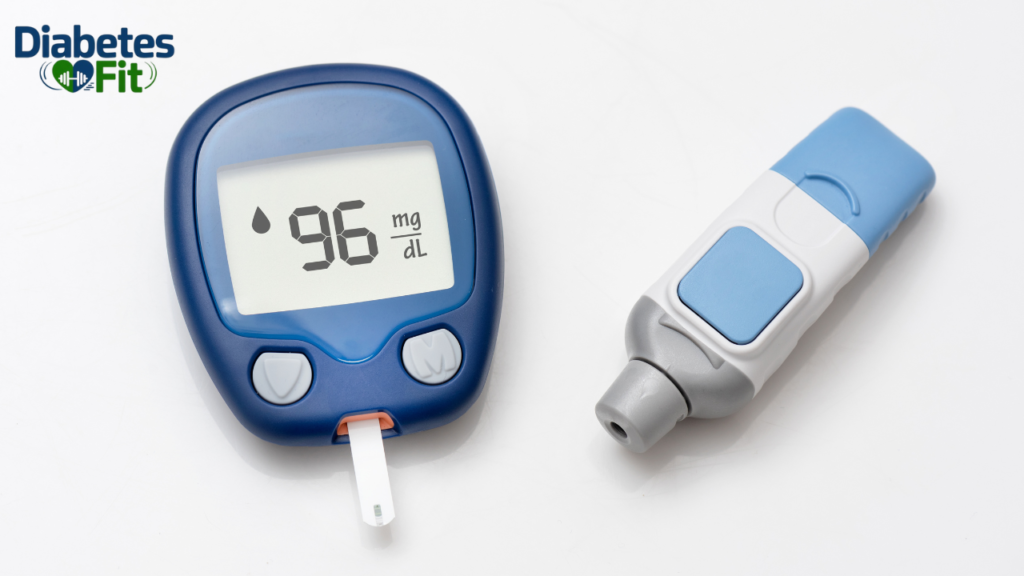
During sleep, your body works to regulate hormones that directly affect blood sugar levels. When you don’t get enough quality sleep, your body produces more cortisol and growth hormone, both of which can increase insulin resistance. This makes it harder for your cells to use insulin effectively, leading to higher blood sugar levels.
Think of sleep as your body’s reset button. Without adequate rest, that button doesn’t get pressed, and your metabolic systems struggle to function optimally.
Insulin Sensitivity and Sleep Duration

Studies have shown that just one night of poor sleep can reduce insulin sensitivity by up to 25%. This means your body needs more insulin to process the same amount of glucose. Over time, chronic sleep deprivation can contribute to worsening diabetes control and increased risk of complications.
The Dangers of Too Little Sleep
Getting less than 7 hours of sleep regularly can create a cascade of problems for diabetics.

Hormonal Havoc
Sleep deprivation disrupts the balance of ghrelin and leptin—hormones that control hunger and fullness. When you’re sleep-deprived, ghrelin (the hunger hormone) increases while leptin (the satiety hormone) decreases. This hormonal imbalance leads to increased appetite, particularly for high-carbohydrate and sugary foods that can spike blood sugar.
Weight Gain and Metabolic Slowdown
Poor diabetic sleep habits often contribute to weight gain, which further complicates diabetes management. When you’re tired, you’re less likely to exercise and more likely to reach for quick energy fixes like processed snacks and caffeine-laden beverages.
Increased Inflammation
Chronic sleep deprivation triggers inflammatory responses in the body. For diabetics, this inflammation can worsen insulin resistance and increase the risk of cardiovascular complications—already a primary concern for those managing diabetes.
Can You Sleep Too Much?
While we often focus on sleep deprivation, oversleeping—regularly sleeping more than 9 hours—can also pose risks for diabetics.
Research suggests that people who consistently sleep more than 9 hours per night may experience similar metabolic disruptions as those who sleep too little. Excessive sleep has been associated with increased blood sugar levels, higher A1C readings, and greater insulin resistance.
This doesn’t mean you should set an alarm if you occasionally sleep longer on weekends. It’s the pattern of consistently oversleeping that may signal underlying health issues or contribute to poorer diabetes outcomes.
Optimizing Your Diabetic Sleep Schedule
Knowing how many hours a diabetic should sleep is one thing—actually achieving quality rest is another. Here’s how to improve your diabetic sleep habits.

Establish a Consistent Sleep Schedule
Your body thrives on routine. Going to bed and waking up at the same time every day—even on weekends—helps regulate your circadian rhythm. This consistency supports better blood sugar control and improves sleep quality.
Create an Evening Routine
Develop a relaxing pre-sleep routine that signals to your body it’s time to wind down. This might include reading, gentle stretching, meditation, or listening to calming music. Avoid screens for at least an hour before bed, as blue light can interfere with melatonin production.
Monitor Your Evening Blood Sugar
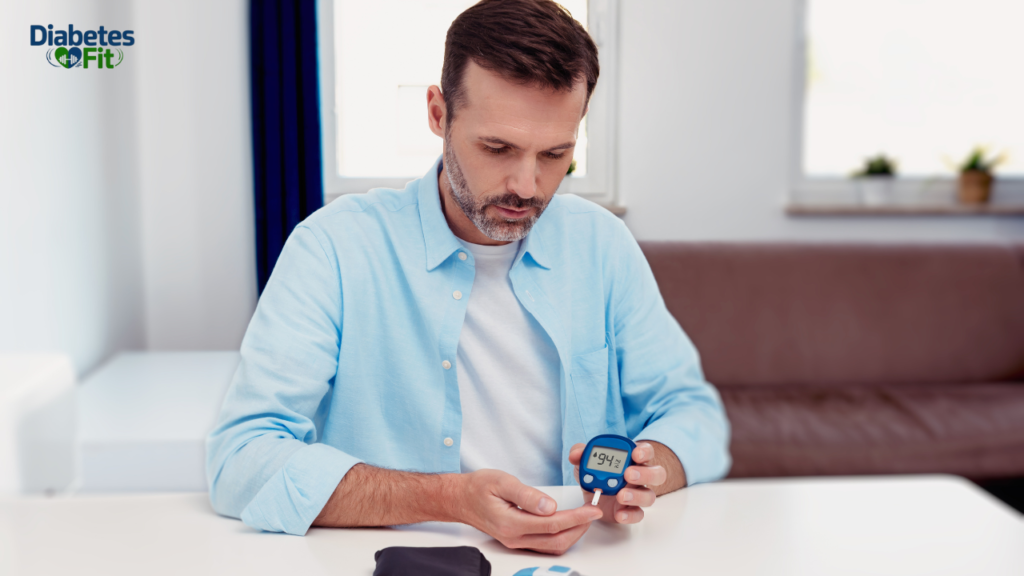
Check your blood sugar before bed to ensure it’s in your target range. If it’s too low, you risk nighttime hypoglycemia that can disrupt sleep. If it’s too high, you may wake frequently to urinate. Work with your healthcare provider to determine your ideal bedtime blood sugar range.
Watch Your Evening Meals
Eating large meals or consuming high-sugar foods close to bedtime can cause blood sugar fluctuations that interfere with sleep. Try to finish dinner at least three hours before bed, and if you need an evening snack, choose something balanced with protein and healthy fats.
The Sleep Environment Matters
Your bedroom should be a sleep sanctuary optimized for quality diabetic sleep.

Temperature Control
Keep your bedroom cool—between 60 and 67 degrees Fahrenheit is ideal for most people. A cooler room promotes better sleep and may even improve insulin sensitivity.
Darkness and Quiet
Use blackout curtains or an eye mask to block light, which can disrupt melatonin production. Consider white noise machines or earplugs if noise is an issue in your environment.
Comfortable Bedding
Invest in a comfortable mattress and pillows. Poor sleep posture can lead to restlessness and frequent waking, reducing your overall sleep quality.
Managing Nighttime Blood Sugar Issues
Many diabetics struggle with blood sugar problems during sleep, which can significantly impact sleep quality.
The Dawn Phenomenon
Some diabetics experience the dawn phenomenon—a surge in blood sugar in the early morning hours due to hormonal changes. If this affects your diabetic sleep, talk to your healthcare provider about adjusting your medication timing or dosage.
Preventing Nighttime Hypoglycemia
Low blood sugar during sleep is dangerous and can cause nightmares, sweating, and restless sleep. If you use insulin, work closely with your doctor to adjust dosing to prevent overnight lows while maintaining good overall control.
Managing Nocturia
Frequent urination at night (nocturia) is common among diabetics, especially when blood sugar is poorly controlled. This constant disruption prevents deep, restorative sleep. Improving your overall blood sugar control often reduces nighttime bathroom trips.
Lifestyle Factors That Impact Diabetic Sleep
Beyond sleep duration, several lifestyle factors influence how well you sleep and how it affects your diabetes.

Exercise Timing
Regular physical activity improves both sleep quality and blood sugar control. However, vigorous exercise too close to bedtime can be stimulating. Aim to finish intense workouts at least three hours before bed.
Stress Management
Stress raises cortisol levels, which can elevate blood sugar and interfere with sleep. Incorporate stress-reduction techniques like deep breathing, yoga, or mindfulness meditation into your daily routine.
Limit Caffeine and Alcohol
Both substances can disrupt diabetic sleep patterns. Caffeine can interfere with falling asleep, while alcohol may help you fall asleep initially but disrupts sleep quality later in the night and can cause unpredictable blood sugar fluctuations.
When to Seek Help
If you’re consistently struggling with diabetic sleep despite following good sleep hygiene practices, it may be time to consult a healthcare professional.

Sleep Disorders and Diabetes
Diabetics have a higher risk of sleep disorders like sleep apnea, which can worsen blood sugar control. If you snore loudly, wake up gasping, or feel exhausted despite adequate sleep duration, ask your doctor about a sleep study.
Working With Your Healthcare Team
Your endocrinologist, primary care physician, and diabetes educator can help you optimize your sleep and diabetes management. Be open about your sleep struggles—they’re a crucial part of your overall health picture.
Conclusion
Managing diabetes effectively requires attention to multiple lifestyle factors, and diabetic sleep is one of the most critical yet often overlooked components. The evidence is clear: getting 7 to 9 hours of quality sleep each night isn’t a luxury—it’s a necessity for optimal blood sugar control and long-term health. When you prioritize consistent, restorative sleep, you’re giving your body the time it needs to regulate hormones, maintain insulin sensitivity, and keep your metabolism functioning at its best. Poor sleep creates a vicious cycle where blood sugar becomes harder to control, leading to complications that further disrupt your rest. Breaking this cycle starts with recognizing that diabetic sleep is just as important as diet, exercise, and medication in your diabetes management plan.
The journey to better sleep won’t happen overnight, but small, consistent changes can make a remarkable difference. Start by establishing a regular sleep schedule, optimizing your bedroom environment, and working with your healthcare team to address any nighttime blood sugar issues that might be sabotaging your rest. Remember that you’re not alone in this challenge—millions of diabetics struggle with sleep, and there are proven strategies and professional support available to help. By making diabetic sleep a priority today, you’re investing in better blood sugar control, increased energy, improved mood, and a healthier future. Your body works hard for you every day managing diabetes—give it the rest it deserves, and you’ll see the benefits reflected in your glucose readings, your A1C levels, and your overall quality of life.
Frequently Asked Questions
1. Can poor sleep cause diabetes or make it worse?
Yes, chronic sleep deprivation significantly worsens diabetes control and increases type 2 diabetes risk. Getting less than 7 hours of sleep regularly can reduce insulin sensitivity by up to 25%, making blood sugar harder to control and potentially requiring higher medication doses.
2. What should I do if low blood sugar wakes me up at night?
Keep glucose tablets or juice on your nightstand for immediate treatment. After treating the low, recheck your blood sugar after 15 minutes. Work with your healthcare provider to adjust evening insulin or medication timing to prevent future nighttime hypoglycemia.
3. Is it normal for diabetics to feel tired all the time even with enough sleep?
No, persistent fatigue despite adequate sleep isn’t normal and requires medical attention. It could indicate poor blood sugar control, sleep apnea, anemia, thyroid issues, or medication side effects. Schedule an appointment with your doctor to investigate the underlying cause.
4. Does taking naps affect blood sugar control for diabetics?
Short naps (20-30 minutes) generally don’t harm diabetic sleep or blood sugar control. However, long naps over an hour or late-afternoon napping can interfere with nighttime sleep and may cause blood sugar fluctuations. Monitor your glucose levels to understand how napping affects you.
5. Can sleep medications affect my diabetes management?
Yes, some sleep medications can affect blood sugar levels, increase insulin resistance, or mask hypoglycemia symptoms. Always consult your healthcare provider before taking any sleep aid—prescription or over-the-counter—to ensure it won’t interfere with your diabetes management plan.

David Miller: I am a health and wellness writer focused on diabetes awareness, blood sugar control, and healthy living. I creates clear, practical content to help readers make better everyday health choices. I write evidence-based articles about diabetes, diet, and healthy living. My goal is to simplify complex health topics using trusted sources like WHO and medical journals.