
How to Know if Dizziness is from Blood Sugar: Symptoms, Tests & Easy Tips
Experiencing dizziness can be unsettling, and blood sugar fluctuations are a common culprit. Whether you have diabetes or not, unstable glucose levels can affect your balance and cause lightheadedness. Understanding the connection between blood sugar and dizziness is crucial for proper management and prevention. This guide will help you identify whether your dizziness stems from blood sugar issues and what steps to take.
The good news is that blood sugar-related dizziness is usually identifiable and treatable. By learning to recognize the symptoms and using simple testing methods, you can determine if your blood sugar is the cause. Knowing when and how to check your glucose levels empowers you to take immediate action. This comprehensive guide covers everything from immediate testing techniques to long-term monitoring strategies.
Understanding Blood Sugar-Related Dizziness
Blood sugar (glucose) levels that are too high or too low can both trigger dizziness. Your brain relies on steady glucose for fuel, and disruptions in this supply affect your balance and spatial awareness.
What Blood Sugar Levels Cause Dizziness?

- Hypoglycemia (Low Blood Sugar): Below 70 mg/dL
- Hyperglycemia (High Blood Sugar): Above 180-200 mg/dL
- Reactive Hypoglycemia: Blood sugar drops 2-4 hours after eating
Immediate Ways to Check if Dizziness is Blood Sugar-Related

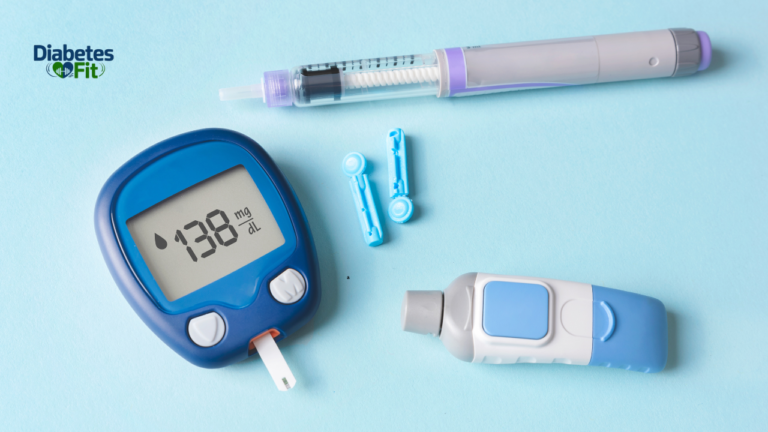
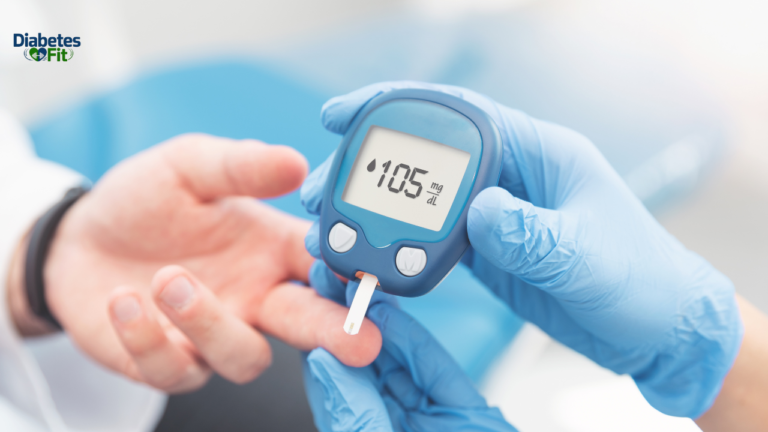
Use a Blood Glucose Meter
The most reliable method is testing your blood sugar when dizziness occurs:
- Keep a glucose meter accessible
- Test immediately when you feel dizzy
- Record the reading along with symptoms
- Note what you ate in the past 2-4 hours
Interpreting Results:
| Blood Sugar Level | Likely Cause | Action Needed |
|---|---|---|
| Below 70 mg/dL | Hypoglycemia | Consume 15g fast-acting carbs |
| 70-100 mg/dL | Normal range | Look for other causes |
| 100-180 mg/dL | Slightly elevated | Monitor and retest |
| Above 180 mg/dL | Hyperglycemia | Drink water, contact doctor if persistent |
Timing Pattern Recognition
Notice when your dizziness occurs:
- 2-4 hours after meals: Suggests reactive hypoglycemia
- Before meals or upon waking: Indicates fasting hypoglycemia
- After high-carb meals: May indicate insulin resistance or hyperglycemia
- During exercise: Often related to low blood sugar
Symptoms That Suggest Blood Sugar Issues
Low Blood Sugar (Hypoglycemia) Symptoms
Along with dizziness, you may experience:
- Shakiness or trembling
- Sweating (especially cold sweats)
- Rapid heartbeat or palpitations
- Anxiety or irritability
- Hunger pangs
- Confusion or difficulty concentrating
- Pale skin
- Tingling around the mouth
High Blood Sugar (Hyperglycemia) Symptoms
Dizziness combined with:
- Extreme thirst
- Frequent urination
- Blurred vision
- Fatigue or weakness
- Headaches
- Dry mouth
- Fruity breath odor (in severe cases)
Step-by-Step Testing Protocol
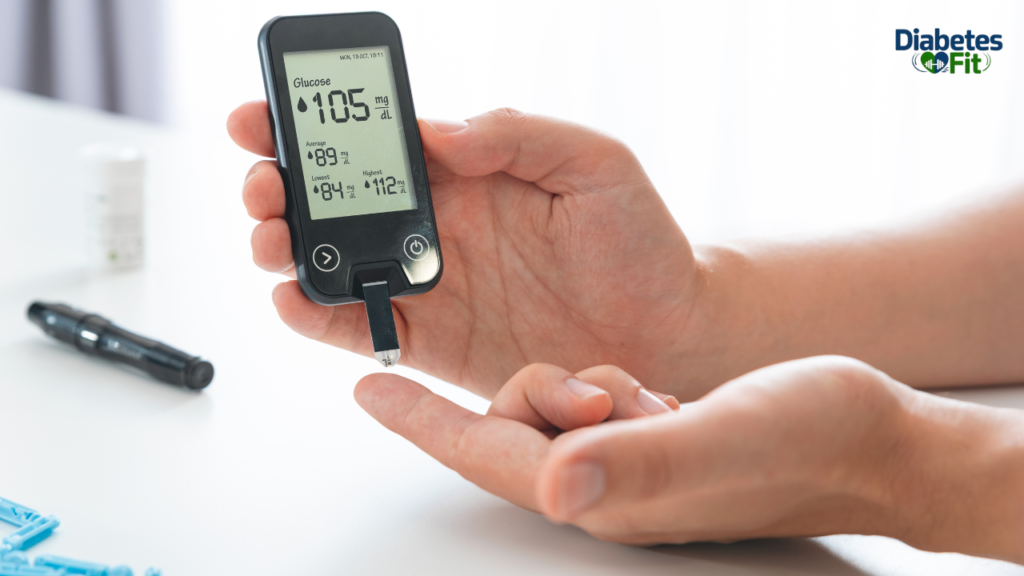
The 15-15 Rule Test
If you suspect low blood sugar:
- Test your blood sugar immediately
- Consume 15 grams of fast-acting carbohydrates if below 70 mg/dL
- Wait 15 minutes
- Retest your blood sugar
- Repeat if still below 70 mg/dL
- Note if dizziness improves with rising blood sugar
15g Fast-Acting Carb Options:
- 4 glucose tablets
- 1/2 cup fruit juice
- 1 tablespoon honey
- 3-4 hard candies
The Food Diary Method
Track for 1-2 weeks:
- Time and content of all meals/snacks
- When dizziness occurs
- Blood sugar readings when possible
- Duration and severity of symptoms
- Activities before dizziness
This pattern recognition helps identify triggers and relationships.
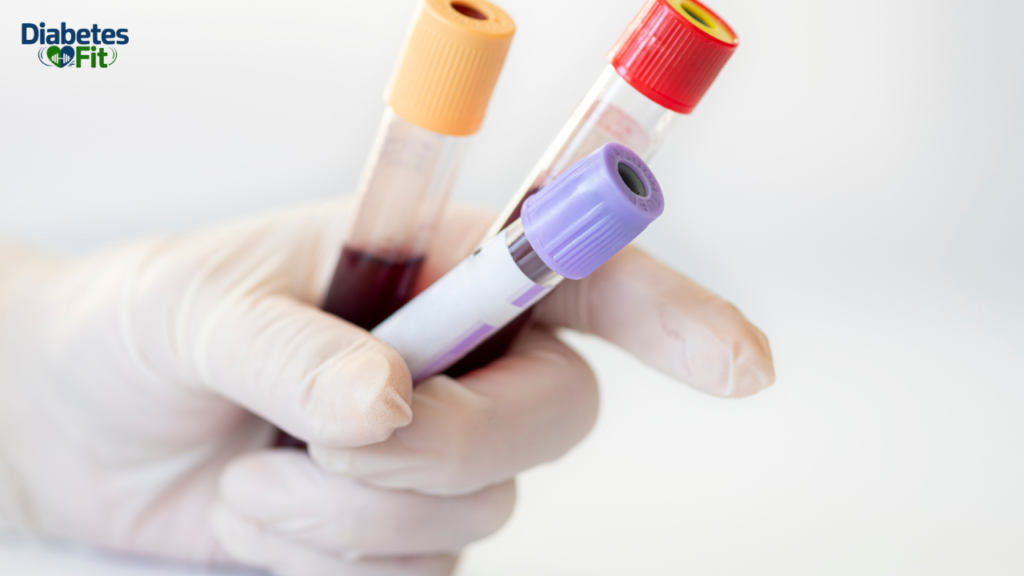
Medical Tests to Confirm Blood Sugar-Related Dizziness
At-Home Monitoring
Continuous Glucose Monitor (CGM)
- Provides 24/7 blood sugar tracking
- Shows trends and patterns
- Alerts for highs and lows
- Most comprehensive data
Fasting Blood Sugar Test
- Test first thing in morning before eating
- Normal: 70-100 mg/dL
- Prediabetes: 100-125 mg/dL
- Diabetes: 126 mg/dL or higher
Professional Medical Tests
Your doctor may order:
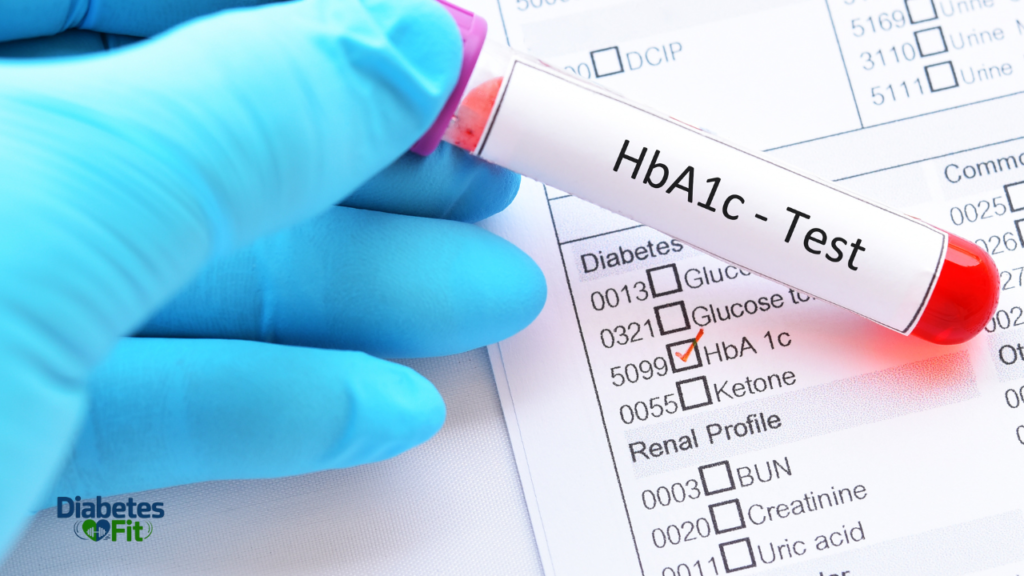
Hemoglobin A1C Test
- Measures average blood sugar over 3 months
- Normal: Below 5.7%
- Prediabetes: 5.7-6.4%
- Diabetes: 6.5% or higher
Oral Glucose Tolerance Test (OGTT)
- Measures blood sugar response to glucose load
- Identifies reactive hypoglycemia and insulin resistance
- Takes 2-3 hours to complete
Mixed Meal Tolerance Test
- Evaluates blood sugar response to a standard meal
- Best for diagnosing reactive hypoglycemia
When to Seek Medical Attention
Contact your healthcare provider if:
- Dizziness occurs frequently (multiple times per week)
- Blood sugar consistently reads below 70 or above 180 mg/dL
- You have diabetes and experience new dizziness patterns
- Symptoms don’t improve with appropriate treatment
- You experience loss of consciousness
- Dizziness accompanies chest pain or severe headache
Emergency Warning Signs:
- Blood sugar below 54 mg/dL
- Confusion or inability to think clearly
- Seizures
- Loss of consciousness
- Blood sugar above 250 mg/dL with ketones present
Preventing Blood Sugar-Related Dizziness
Dietary Strategies
- Eat balanced meals every 3-4 hours
- Combine carbohydrates with protein and healthy fats
- Choose complex carbs over simple sugars
- Avoid skipping meals
- Limit alcohol consumption (especially on an empty stomach)
Lifestyle Adjustments
- Stay hydrated (dehydration worsens symptoms)
- Carry emergency glucose sources
- Exercise consistently but monitor blood sugar before/after
- Get adequate sleep (7-9 hours)
- Manage stress through relaxation techniques
Frequently Asked Questions
Can blood sugar cause dizziness even if I don’t have diabetes?
Yes. Non-diabetics can experience reactive hypoglycemia, insulin resistance, or blood sugar fluctuations that cause dizziness. This is especially common after high-carb meals or during fasting.
How quickly should blood sugar be corrected when dizzy?
For low blood sugar, aim to raise levels within 15 minutes using fast-acting carbs. For high blood sugar, correction should be gradual over several hours to avoid rapid drops.
What’s the difference between dizziness from low vs. high blood sugar?
Low blood sugar dizziness typically comes with shakiness, sweating, and hunger, improving quickly with food. High blood sugar dizziness develops more gradually with thirst, frequent urination, and requires longer correction time.
Should I test blood sugar while standing or sitting when dizzy?
Sit down first for safety, then test your blood sugar. This prevents falls and gives you a more accurate reading in a stable position.
How many times per day should I test if experiencing frequent dizziness?
Test at minimum: before meals, 2 hours after meals, before bed, and whenever you feel dizzy. This typically means 6-8 tests daily until patterns are identified.

David Miller: I am a health and wellness writer focused on diabetes awareness, blood sugar control, and healthy living. I creates clear, practical content to help readers make better everyday health choices. I write evidence-based articles about diabetes, diet, and healthy living. My goal is to simplify complex health topics using trusted sources like WHO and medical journals.