5 Reasons Pizza Causes Glucose Spikes & How to Prevent It: Truth Every Diabetic Must Know
If you have diabetes, you’ve probably experienced the frustration of eating pizza and watching your blood sugar skyrocket. Understanding the 5 reasons pizza causes glucose spikes and how to prevent them can transform your relationship with this beloved food.
You don’t have to give up pizza forever, but you do need to understand what’s happening in your body and how to manage it.
Pizza is one of the most challenging foods for blood sugar control. It combines multiple ingredients that can send your glucose levels soaring.
But here’s the good news: when you understand why pizza affects your blood sugar the way it does, you can make smart choices that let you enjoy it without the dangerous spikes.
In this comprehensive guide, we’ll explore exactly why pizza wreaks havoc on blood sugar and give you practical, proven strategies to prevent those spikes. Let’s dive into the truth every diabetic needs to know about pizza and glucose control.
Some people also experience sugar spikes from artificial sweeteners — especially sucralose. You can learn more in this detailed guide on whether sucralose raises blood sugar.
1. Refined Flour Crust Quickly Raises Blood Sugar
The biggest culprit behind pizza’s effect on blood sugar is the crust itself. Most traditional pizza crusts are made from refined white flour, which is one of the fastest ways to spike your glucose levels.
When wheat is refined to make white flour, manufacturers remove the bran and germ, leaving only the starchy endosperm. This process strips away fiber, vitamins, and minerals. What’s left is essentially pure starch that your body converts to glucose extremely quickly.
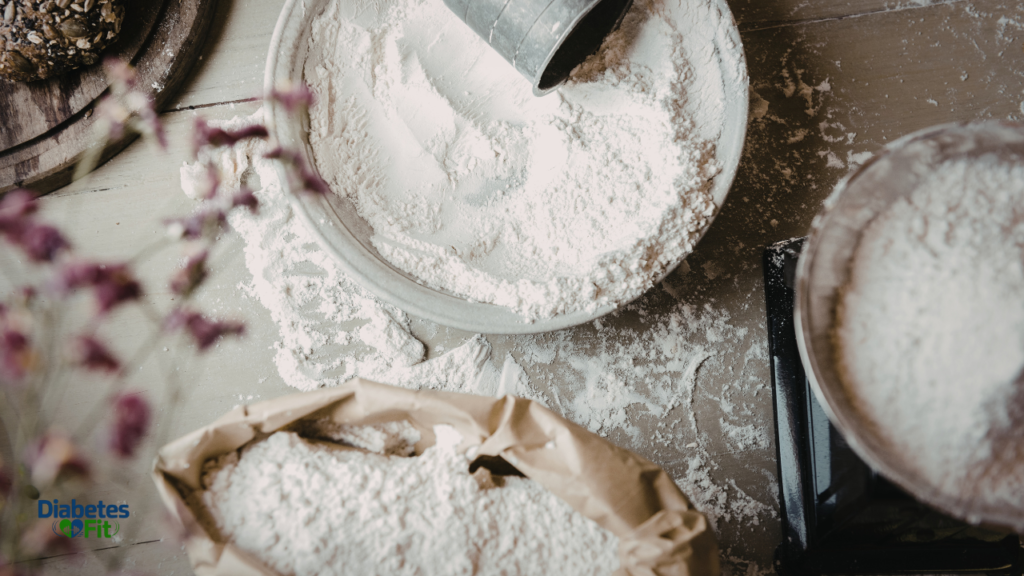
Think of refined flour as sugar in disguise. Your digestive system breaks it down into glucose within minutes of eating it. This rapid conversion means your blood sugar shoots up fast, often reaching dangerously high levels if you have diabetes.
The glycemic index of white bread (similar to pizza crust) is around 75 out of 100. That’s classified as high glycemic, meaning it raises blood sugar almost as quickly as pure glucose. When you eat two or three slices of pizza, you’re consuming a massive amount of refined carbohydrates all at once.
To make matters worse, pizza crust is often thick and doughy, especially in deep-dish or pan pizzas. A single slice can contain 30 to 40 grams of carbohydrates, and most people don’t stop at just one slice. Before you know it, you’ve consumed 90 to 120 grams of fast-acting carbs from the crust alone.
Your pancreas has to work overtime to produce enough insulin to handle this glucose flood. For people with type 2 diabetes who already have insulin resistance, the body simply can’t keep up. The result is a prolonged blood sugar spike that can last for hours.
How to Prevent It: Choose Whole-Grain, Almond Flour, or Cauliflower Crust Options
The good news is you have several alternatives that won’t spike your blood sugar nearly as much as traditional crust.
Whole-grain crust is your first option. Whole wheat pizza dough contains all parts of the wheat kernel, including the fiber-rich bran. This fiber significantly slows digestion and glucose absorption. While whole wheat isn’t as low-carb as some other options, it has a much lower glycemic index than white flour, usually around 50 to 55.
Almond flour crust is an excellent low-carb alternative. Almond flour contains healthy fats, protein, and fiber while being very low in carbohydrates. A slice of almond-flour pizza typically has only 5 to 8 grams of carbs, compared to 30 to 40 grams in a regular crust. The fats and proteins also help slow glucose absorption even further.
Cauliflower crust has become incredibly popular, and for good reason. It’s low in carbs, high in fiber, and provides vitamins and minerals that refined flour doesn’t have. A cauliflower crust slice usually contains 10 to 15 grams of carbs, which is significantly better than traditional crust. Plus, it adds an extra serving of vegetables to your meal.
When making or ordering pizza, ask specifically about crust options. Many restaurants now offer cauliflower or whole wheat crusts. If you’re making pizza at home, experiment with different low-carb crust recipes until you find one you love. You can also try using portobello mushroom caps or zucchini slices as a crust-free base.
2. High Glycemic Load from Cheese + Carbs Combo
While the crust is the main problem, the combination of cheese and carbohydrates creates a second challenge for blood sugar control. This might seem confusing since cheese itself is low in carbs, but the interaction between fat and carbohydrates affects your glucose in unexpected ways.
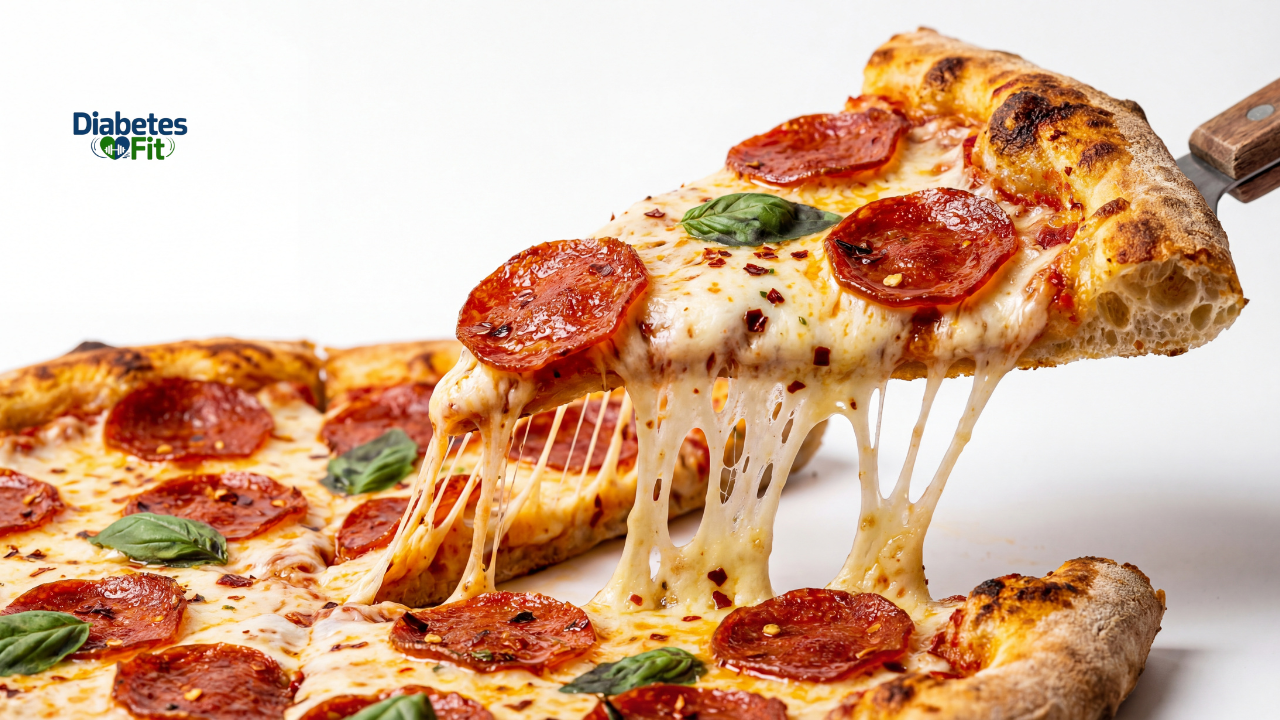
Pizza is loaded with cheese, usually mozzarella. While cheese doesn’t contain many carbs, it’s very high in saturated fat and calories. A typical pizza slice contains 10 to 15 grams of fat, mostly saturated. This fat doesn’t raise blood sugar immediately, but it does something else that’s problematic.
The glycemic load measures not just how quickly a food raises blood sugar, but also how much food you’re eating. Pizza has one of the highest glycemic loads of any common food. The combination of refined carbs from the crust plus the fat from cheese creates a perfect storm for blood sugar problems.
Here’s what happens: the fat from cheese slows down stomach emptying. This means the carbohydrates from the crust stay in your digestive system longer. While this might sound good, it actually causes problems. The carbs get released gradually over several hours, causing a prolonged elevation in blood sugar rather than a quick spike and drop.
For people with diabetes, this extended blood sugar elevation can be harder to manage than a quick spike. Your glucose might stay elevated for 4 to 6 hours after eating pizza, much longer than with other high-carb foods.
Additionally, the high fat content can worsen insulin resistance temporarily. Studies show that eating a high-fat meal can make your cells less responsive to insulin for several hours afterward. This means your body has a harder time clearing glucose from your bloodstream, even if you take diabetes medication.
How to Prevent It: Balance Your Pizza with Fiber-Rich Veggies and Lean Protein
The key to managing the cheese and carb combination is adding fiber and protein to your meal.
Start by loading your pizza with vegetables. Ask for double or triple vegetables as toppings. Great choices include spinach, mushrooms, peppers, onions, tomatoes, and broccoli. These vegetables add fiber, which slows down carbohydrate absorption and helps moderate blood sugar spikes.
Eat a large salad before you have your pizza. A big bowl of leafy greens with olive oil and vinegar dressing provides fiber that will slow down how quickly your body absorbs the pizza’s carbohydrates. Studies show that eating vegetables before carbohydrates can reduce the blood sugar spike by 20 to 30 percent.
Add lean protein toppings to your pizza. Grilled chicken, turkey, or even eggs are excellent choices. Protein helps slow digestion and provides satiety, so you’ll likely eat less pizza overall. Avoid processed meats like pepperoni and sausage, which add extra saturated fat without much protein benefit.
Consider reducing the amount of cheese on your pizza. Ask for light cheese or half the normal amount. You’ll still get the flavor, but with less fat that can interfere with insulin function. Some people even enjoy pizza with no cheese, just sauce and lots of vegetable toppings.
3. Hidden Sugars in Pizza Sauce
Most people don’t realize that pizza sauce is often loaded with added sugar. This hidden source of simple carbohydrates adds to the glucose spike you experience after eating pizza.
Commercial pizza sauces frequently contain added sugars to balance the acidity of tomatoes and enhance flavor. Some popular pizza chains add as much as 4 to 6 grams of sugar per serving of sauce. When you eat multiple slices, you could be getting 15 to 20 grams of added sugar just from the sauce.
Sugar in pizza sauce hits your bloodstream quickly because it’s already in a simple form that doesn’t need much digestion. This creates an immediate glucose spike on top of the slower rise from the refined flour crust.
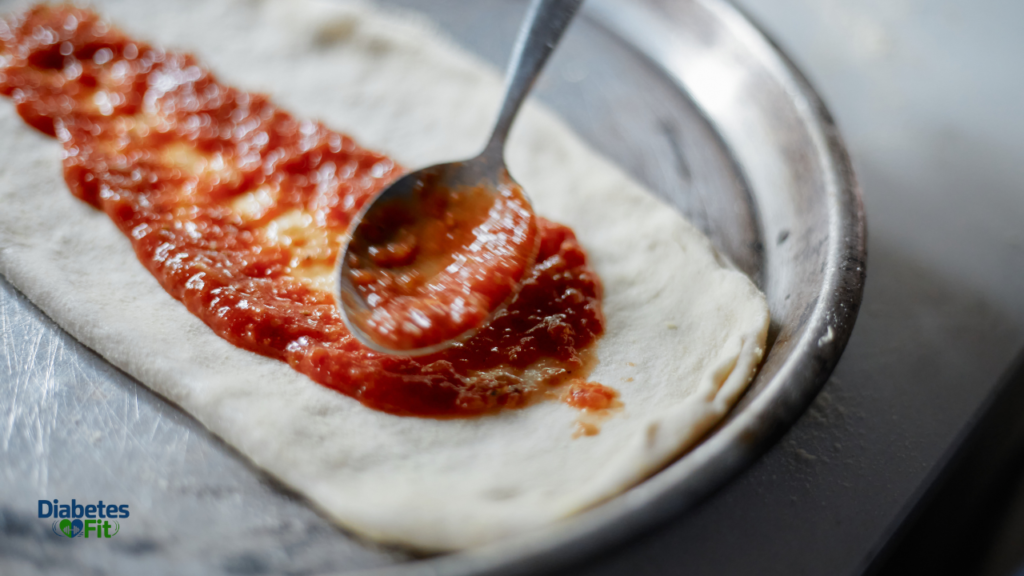
Many pizza restaurants also use tomato paste or concentrate rather than fresh tomatoes. These concentrated products often have higher natural sugar content, and manufacturers frequently add even more sugar during processing.
When you combine the sugar from the sauce with the refined carbs from the crust and the fat from the cheese, you have a triple threat for blood sugar control. The sugar spikes your glucose immediately, the refined flour raises it more over the next hour, and the fat keeps it elevated for hours.
How to Prevent It: Use Homemade or Low-Sugar Tomato Sauce
Making your own pizza sauce is easier than you think and gives you complete control over the sugar content.
Start with crushed tomatoes or tomato puree with no added sugar. Add Italian herbs like basil, oregano, and garlic for flavor instead of relying on sugar. A small amount of olive oil helps the flavors blend. You can add a tiny pinch of salt if needed, but skip the sugar entirely.
If making your own sauce isn’t practical, read labels carefully when buying jarred sauce. Look for options with 3 grams of sugar or less per serving. Remember that tomatoes naturally contain some sugar, so you won’t find a sauce with zero sugar, but you can avoid the ones with added sugars.
Many health food stores now carry low-sugar or no-sugar-added pizza sauces specifically designed for people watching their blood sugar. These products use herbs and spices to create flavor without relying on added sweeteners.
When ordering pizza from restaurants, don’t be afraid to ask about the sauce. Some places will let you request light sauce or even no sauce, allowing you to add your own if you’re taking the pizza home. You can also ask if they have a marinara sauce option, which sometimes has less sugar than their regular pizza sauce.
Consider alternative pizza bases that don’t require traditional tomato sauce. Pesto made from basil, olive oil, and nuts is a low-sugar option. White pizza with olive oil and garlic is another choice. Buffalo chicken pizza uses hot sauce instead of tomato sauce and can be lower in sugar if made properly.
4. Large Portion Sizes Lead to Rapid Glucose Spikes
One of the biggest reasons pizza causes such dramatic blood sugar spikes is simply how much people eat in one sitting. Pizza is designed to be shared and consumed in large quantities, which makes portion control extremely difficult.
A typical pizza slice from a restaurant contains 30 to 40 grams of carbohydrates. Most people eat at least two slices, and many consume three or four slices in a single meal. That’s 90 to 160 grams of carbohydrates, which is more than many diabetics should have in an entire day.
The problem gets worse when you factor in other items typically eaten with pizza. Breadsticks, garlic knots, and desserts add even more refined carbohydrates to the meal. A “complete” pizza meal at a restaurant can easily contain 200 grams of carbs or more.
Your body simply isn’t designed to handle that much glucose at once. Even if you take diabetes medication, there’s a limit to how much your body can process. The result is a massive blood sugar spike that can reach dangerous levels.
Large portions also mean you’re consuming more calories, fat, and sodium than your body needs. This creates additional health problems beyond blood sugar control, including weight gain, high blood pressure, and increased cholesterol levels.
The visual size of pizza makes portion control even harder. When you have a whole pizza in front of you, it’s psychologically difficult to stop at one or two slices. The combination of refined carbs and fat is also highly palatable, triggering cravings and making you want to eat more.
How to Prevent It: Control Portions and Pair Pizza with a Salad
Strict portion control is essential for managing blood sugar when eating pizza. Here are practical strategies that actually work.
Decide in advance how much you’ll eat. Before you start eating, put one or two slices on your plate and put the rest away or have someone else hold the box. This removes the temptation to keep eating just because the pizza is in front of you.
Use smaller plates. Research shows that eating from smaller plates tricks your brain into feeling satisfied with less food. A slice of pizza on a small plate looks like a full meal, while the same slice on a large plate looks small and unsatisfying.
Always pair pizza with a large salad. Make the salad your main dish and treat the pizza as a side. Fill up on leafy greens, vegetables, and a small amount of healthy dressing first. Then have one or two slices of pizza. You’ll feel full and satisfied while consuming far fewer carbohydrates.
Drink plenty of water throughout your meal. Sometimes thirst masquerades as hunger. Staying well-hydrated helps you feel full and can reduce the temptation to overeat.
Eat slowly and mindfully. Put your fork down between bites. Chew thoroughly. It takes about 20 minutes for your brain to register that you’re full. If you slow down your eating, you’ll naturally eat less before feeling satisfied.
Consider sharing a small pizza instead of ordering a large one. When there’s less pizza available, you’ll automatically eat less. You can supplement with healthy sides like grilled vegetables or a protein-rich appetizer.
If you’re eating at home, try the “pizza and veggie” approach. Have one slice of pizza alongside a large serving of roasted vegetables or a hearty vegetable soup. This gives you the pizza taste you’re craving while filling you up with low-carb, nutrient-dense foods.
5. High Saturated Fat Slows Insulin Response
The final reason pizza causes blood sugar problems is its extremely high saturated fat content. While fat doesn’t directly raise blood sugar as carbohydrates do, it significantly affects how your body handles glucose.
A typical slice of pizza contains 10 to 15 grams of total fat, with about half of that being saturated fat. When you eat two or three slices, you’re consuming 15 to 22 grams of saturated fat in a single meal. This is close to or exceeding the recommended daily limit for many people.
Saturated fat causes insulin resistance on a cellular level. Research shows that when you eat a meal high in saturated fat, your cells become temporarily less responsive to insulin. This effect can last for several hours after eating. For people with diabetes who already have insulin resistance, this makes blood sugar control even more challenging.
The high fat content also slows down stomach emptying, as we discussed earlier. This causes carbohydrates to be released into your bloodstream gradually over many hours. Instead of a quick blood sugar spike that comes back down, you experience a prolonged elevation that’s harder to manage.
Fat also interferes with insulin’s ability to move glucose into your cells, where it can be used for energy. Even if your pancreas produces enough insulin, that insulin can’t work effectively when there’s too much saturated fat circulating in your bloodstream.
Studies on people with diabetes show that high-fat meals like pizza can cause blood sugar to remain elevated for 6 to 8 hours or longer. This is much longer than with other high-carb foods that don’t contain as much fat.
How to Prevent It: Opt for Veggie Toppings and Reduce Cheese
Reducing the saturated fat in your pizza doesn’t mean sacrificing flavor. Here’s how to enjoy pizza while keeping fat content under control.
Load up on vegetable toppings. Vegetables add flavor, texture, and nutrients without adding saturated fat. Mushrooms, peppers, onions, spinach, tomatoes, and artichokes are all excellent choices. The more vegetables you add, the less you’ll miss the extra cheese and fatty meats.
Avoid processed meat toppings. Pepperoni, sausage, bacon, and ham are extremely high in saturated fat and sodium. If you want meat on your pizza, choose grilled chicken or turkey instead. These lean proteins provide flavor and satiety without the unhealthy fats.
Request light cheese or half the normal amount. You’ll be surprised how little you miss the extra cheese when your pizza is loaded with flavorful vegetables. Some artisanal pizzas use just a sprinkle of high-quality cheese for flavor, which is a much healthier approach than the thick layer found on typical pizzas.
Choose thin crust when possible. Thin-crust pizzas have less surface area for cheese and toppings, which naturally reduces fat content. They also have fewer carbohydrates overall.
Consider trying pizza with alternative cheeses. Some restaurants now offer pizzas made with part-skim mozzarella or even plant-based cheeses that are lower in saturated fat. While you still need to watch portions, these options are better for both blood sugar control and heart health.
After eating pizza, stay active. A 15 to 20-minute walk after your meal can help your body process the carbohydrates and fats more efficiently. Light physical activity improves insulin sensitivity and helps bring down elevated blood sugar levels.
Conclusion
Understanding the 5 reasons pizza causes glucose spikes and how to prevent them empowers you to make better choices about this popular food. Pizza doesn’t have to be completely off-limits for diabetics, but it does require careful planning and smart modifications.
The refined flour crust, high glycemic load from the cheese and carb combination, hidden sugars in the sauce, large portion sizes, and high saturated fat content all contribute to dangerous blood sugar spikes. However, by choosing alternative crusts, loading up on vegetables, using low-sugar sauce, controlling portions, and reducing saturated fat, you can enjoy pizza while keeping your glucose levels stable.
Remember that managing diabetes is about making informed choices, not about deprivation. When you understand what’s happening in your body and take steps to prevent problems, you can include foods like pizza in a healthy, balanced diet. Always monitor your blood sugar after eating pizza to see how your body responds, and adjust your strategies accordingly. Work with your healthcare team to develop a meal plan that includes the foods you love while keeping your diabetes well-controlled.
FAQs
How long after eating pizza will my blood sugar spike?
Pizza causes a complex blood sugar response that’s different from most foods. You’ll typically see an initial spike within 1 to 2 hours from the refined carbs and sugars in the crust and sauce. However, because of pizza’s high fat content, your blood sugar often continues rising and can stay elevated for 4 to 8 hours after eating. This is called a delayed or prolonged spike. For diabetics, this means you need to monitor your blood sugar for much longer than you would after eating other high-carb foods. Check your levels at 1 hour, 2 hours, and 4 hours after eating pizza to see the full impact. Some people even see their highest reading 5 to 6 hours after the meal.
Can diabetics ever eat regular pizza, or must it always be modified?
Diabetics can occasionally eat regular pizza, but it requires careful planning and portion control. If you choose to have traditional pizza, limit yourself to one or two slices maximum and pair it with a large salad eaten first. Take your diabetes medication as prescribed and monitor your blood sugar closely afterward. Consider increasing physical activity after the meal with a walk or light exercise. However, for regular pizza consumption, modified versions with alternative crusts and toppings are much safer and easier on your blood sugar. Save regular pizza for very occasional treats rather than weekly meals, and always test your blood sugar response to understand how your body specifically handles it.
What’s the best time of day for a diabetic to eat pizza?
The best time for diabetics to eat pizza is typically at lunch rather than dinner. Eating pizza earlier in the day gives you more time to manage any blood sugar spikes through physical activity. You’re also more active in the afternoon and evening, which helps your body process the carbohydrates and fats. Eating pizza late at night is problematic because you’ll be sleeping during the prolonged blood sugar elevation, making it harder to respond if your glucose gets too high. Additionally, your body’s insulin sensitivity is naturally lower at night, meaning pizza will have an even bigger impact on blood sugar in the evening. If you do eat pizza for dinner, do it at least 3 to 4 hours before bedtime and stay active afterward.
How does frozen pizza compare to restaurant pizza for blood sugar control?
Frozen pizzas vary widely, but many are actually worse for blood sugar than restaurant pizza. Frozen pizzas often contain more preservatives, added sugars, and processed ingredients. Some frozen pizza crusts have higher sodium content and more refined flour than fresh pizza dough. However, you have more control over portions with frozen pizza since you can buy a small personal size and eat just half of it. The key is reading nutrition labels carefully. Look for frozen pizzas with whole-grain crusts, lower carbohydrate counts (aim for under 30 grams per serving), minimal added sugars, and lower saturated fat content. Better yet, look for specialty frozen pizzas designed for diabetics or low-carb diets, which are now available at many grocery stores. These options often use cauliflower or almond flour crusts and have significantly less impact on blood sugar.

David Miller: I am a health and wellness writer focused on diabetes awareness, blood sugar control, and healthy living. I creates clear, practical content to help readers make better everyday health choices. I write evidence-based articles about diabetes, diet, and healthy living. My goal is to simplify complex health topics using trusted sources like WHO and medical journals.