Best Bread for Diabetics: What to Eat and What to Avoid
Managing blood sugar levels while still enjoying your favorite foods can feel like walking a tightrope — and bread is one of the trickiest foods to navigate when you have diabetes.
The best bread for diabetics is not just about cutting carbs; it’s about choosing the right kind of carbs, the right fiber content, and the right glycemic index to keep your glucose levels stable throughout the day.
If you’re living with type 1 or type 2 diabetes, or even prediabetes, this guide will walk you through everything you need to know about choosing bread wisely, understanding what makes certain breads diabetes-friendly, and which ones to leave on the shelf.
Wondering if grapes fit into a diabetic-friendly diet? Read here: Are grapes good for diabetics?
Why Bread Is a Concern for Diabetics
Bread is a staple food in most diets around the world, but for people with diabetes, not all bread is created equal. Most commercially produced white bread is made from refined flour, which is rapidly broken down into glucose in the body. This causes a quick spike in blood sugar — exactly what diabetics need to avoid.
The key metric to understand here is the glycemic index (GI). The glycemic index measures how quickly a food raises your blood sugar on a scale from 0 to 100. Foods with a high GI (above 70) are digested quickly and cause rapid spikes in blood sugar. Foods with a low GI (below 55) are digested slowly and result in a more gradual, manageable rise in blood sugar.
White bread typically has a GI of around 70–75, making it a poor choice for blood sugar management. But here’s the good news — several delicious, widely available bread options are far more diabetes-friendly.
The Best Bread for Diabetics
1. 100% Whole Grain Bread
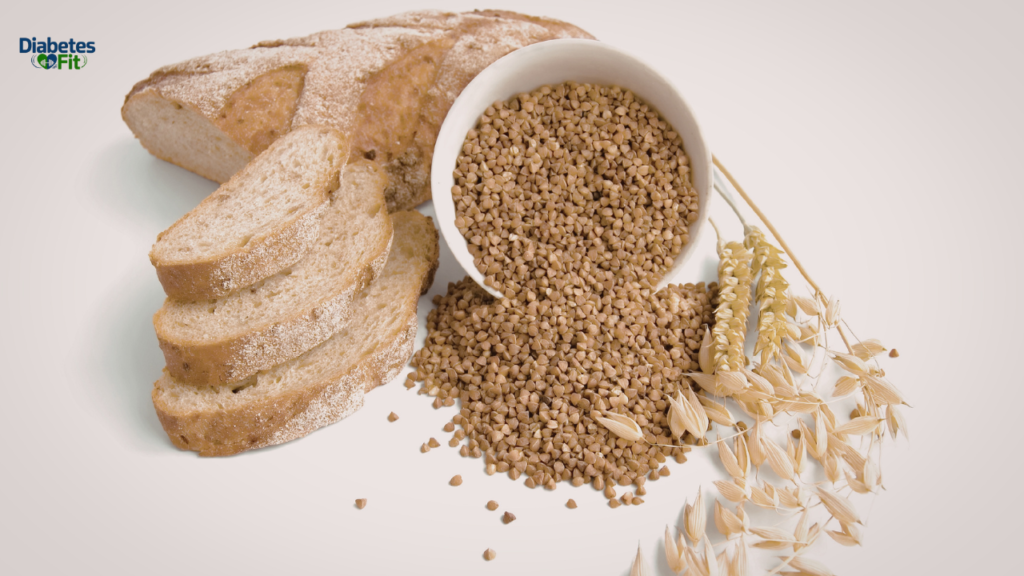
Whole-grain bread is one of the top recommendations for diabetics, and for good reason. Unlike white bread, whole grain bread retains all three parts of the grain — the bran, germ, and endosperm. This means it’s packed with fiber, vitamins, and minerals that support blood sugar control.
The fiber content in whole grain bread slows digestion and the absorption of sugar into the bloodstream, preventing those dangerous spikes. Look for bread that lists “100% whole grain” or “100% whole wheat” as the first ingredient. If the label just says “wheat bread” or “multigrain,” it may still contain a significant amount of refined flour.
A typical slice of 100% whole grain bread has a GI of around 50–58, making it a much smarter choice for diabetics than white bread.
2. Sourdough Bread
Sourdough bread has been having a major moment in the health world, and it turns out diabetics have real reason to embrace it. Traditional sourdough is made through a natural fermentation process using wild yeast and lactic acid bacteria. This fermentation breaks down some of the starches in the flour and lowers the bread’s glycemic index significantly.
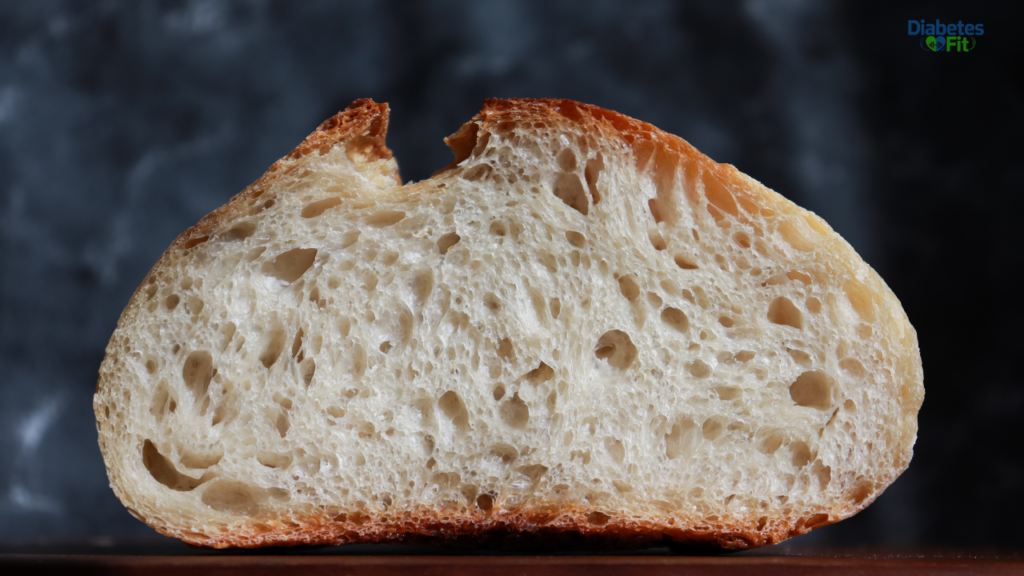
Studies have shown that sourdough bread made from white flour can have a GI as low as 53, comparable to some whole grain options. When sourdough is made with whole grain flour, the benefit is even greater. The organic acids produced during fermentation slow gastric emptying, which means your body absorbs glucose more slowly after eating it.
It’s worth noting that not all sourdoughs are the same. Many commercial sourdough breads are made with added vinegar for flavor rather than through true fermentation, which doesn’t carry the same blood sugar benefits. Look for authentic, traditionally fermented sourdough from a bakery or make your own at home.
3. Ezekiel Bread (Sprouted Grain Bread)
Ezekiel bread is one of the most praised breads for people with diabetes. It is made from sprouted whole grains and legumes — including wheat, barley, millet, lentils, soybeans, and spelt — without any added flour or sugar.
The sprouting process breaks down some of the starch in the grains, which lowers the overall carbohydrate content and glycemic impact. Sprouted grain bread is also higher in protein and fiber compared to conventional bread, two nutrients that are essential for blood sugar stability.
Ezekiel bread has a GI of around 36, making it one of the lowest glycemic breads available. It also contains all essential amino acids, making it a complete protein source — a rare quality in plant-based foods. You can find Ezekiel bread in the freezer section of most health food stores.
4. Rye Bread
Rye bread, particularly dense, dark varieties like pumpernickel, is another excellent choice for diabetics. Rye contains a type of fiber called arabinoxylan that has been shown to significantly reduce post-meal blood glucose and insulin responses.
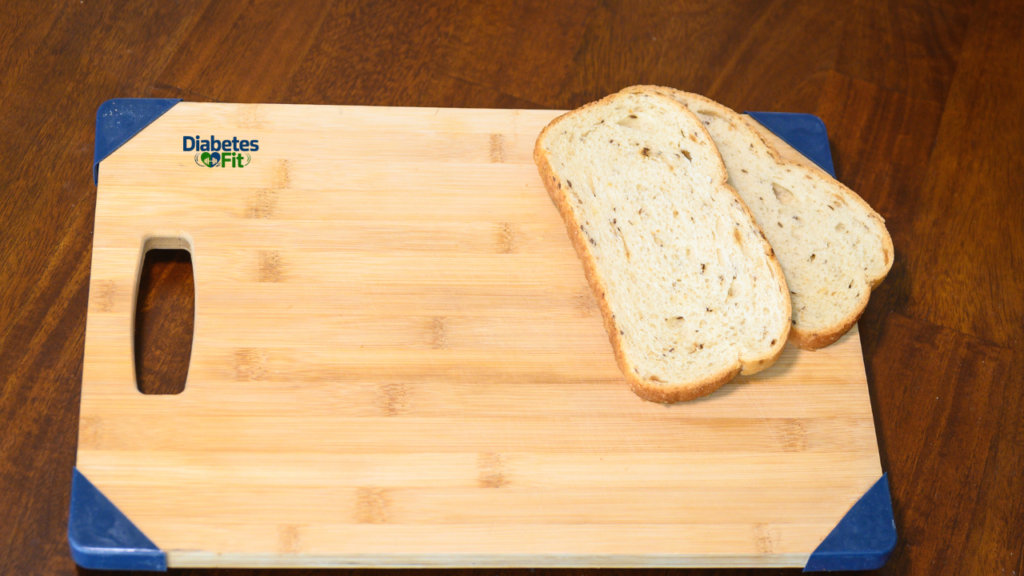
Pumpernickel bread, which is made with whole grain rye and a sourdough fermentation process, has one of the lowest glycemic indexes of any bread — sometimes as low as 41. It has a distinctive, slightly sour flavor that pairs well with savory toppings like avocado, smoked salmon, or nut butters.
Light rye bread is less effective than dark or whole grain rye because it contains more refined flour, so always opt for the darkest, densest rye bread you can find.
5. Almond Flour Bread
For those following a low-carb or ketogenic approach to managing diabetes, almond flour bread is a fantastic option. Almond flour is made from ground almonds and is naturally low in carbohydrates and high in healthy fats, protein, and fiber.
A slice of almond flour bread typically contains only 3–5 grams of net carbs, compared to 15–20 grams in a conventional slice. Because it has virtually no impact on blood sugar, it’s one of the most diabetic-friendly bread alternatives available.
Almond flour bread does have a different texture than regular bread — it’s denser and more moist — but many people find it satisfying and delicious. You can find almond flour bread at specialty stores or bake it yourself with just a few simple ingredients.
6. Flaxseed Bread
Flaxseeds are a powerhouse for diabetics. They’re rich in omega-3 fatty acids, lignans, and soluble fiber — particularly a type of fiber called mucilage, which forms a gel in the stomach that slows sugar absorption.
Flaxseed bread is extremely low in digestible carbohydrates and has a minimal effect on blood sugar. Including flaxseed bread in your diet may also help with cholesterol management, which is an important consideration since people with diabetes are at higher risk for cardiovascular disease.
What to Look for on the Label
When shopping for the best bread for diabetics, here are the key things to check on the nutrition label:
The ingredient list should start with a whole grain flour as the first ingredient. The fiber content should ideally be 3 grams or more per slice. The total carbohydrate count should be lower — aim for breads with 15 grams or fewer of carbs per slice. Avoid breads with added sugars listed in the first few ingredients. Look for breads with a shorter, cleaner ingredient list overall.
Breads Diabetics Should Avoid
Just as important as knowing what to eat is knowing what to skip. White bread, made from refined flour, should be avoided as much as possible because of its high glycemic index and low nutritional value. Flavored breads like cinnamon raisin, banana bread, or sweet Hawaiian rolls are loaded with added sugars. Commercially produced “wheat bread” that doesn’t specify “100% whole wheat” often contains more refined flour than it lets on. Bagels, although popular, are essentially the equivalent of eating four or five slices of white bread in one sitting.
Tips for Eating Bread with Diabetes
Even the healthiest bread can impact your blood sugar if eaten in large quantities or paired with the wrong foods. Here are some practical tips to help you enjoy bread while keeping your glucose levels in check.

Pair your bread with protein or healthy fat. Adding eggs, avocado, nut butter, or hummus to your bread slows digestion and reduces the glycemic impact significantly. Keep portion sizes in mind — one or two slices per meal is generally appropriate. Toast your bread. Interestingly, toasting bread lowers its glycemic index slightly by changing the starch structure. Monitor your blood sugar after eating new types of bread to understand how your body responds individually, as everyone’s glucose response can vary.
Conclusion
Finding the best bread for diabetics doesn’t mean giving up this beloved staple entirely — it means making smarter, more informed choices. Breads like 100% whole grain, sourdough, Ezekiel, rye, almond flour, and flaxseed are all excellent options that can be enjoyed without sending your blood sugar on a rollercoaster.
The foundation of a diabetes-friendly diet is about balance, fiber, and low glycemic choices. Always read your labels carefully, watch your portion sizes, and pair your bread with nutrient-rich foods that support stable glucose levels. When in doubt, speak with your dietitian or healthcare provider to find the bread choices that work best for your individual health plan.
You don’t have to eat cardboard to manage diabetes well — you just have to eat smarter.
Frequently Asked Questions
Is whole wheat bread good for diabetics?
Yes, 100% whole wheat bread is a good option for diabetics because it contains more fiber than white bread and has a lower glycemic index, helping to prevent rapid blood sugar spikes.
Can diabetics eat bread every day?
Yes, diabetics can eat bread daily as long as they choose low-glycemic, high-fiber varieties and stick to appropriate portion sizes. Monitoring blood sugar response is always recommended.
What is the lowest glycemic bread?
Ezekiel sprouted grain bread and pumpernickel rye bread are among the lowest glycemic breads available, with GI scores as low as 36–41.
Is sourdough bread safe for diabetics?
Yes, traditionally fermented sourdough bread is considered safer for diabetics than white bread because the fermentation process lowers its glycemic index and slows sugar absorption.
How many slices of bread can a diabetic eat per day?
Most dietitians recommend limiting bread to one to two slices per meal and factoring it into your total daily carbohydrate allowance. The specific amount depends on your individual blood sugar goals and meal plan.
Is gluten-free bread better for diabetics?
Not necessarily. Many gluten-free breads are made from refined rice flour or potato starch, which can be even higher on the glycemic index than regular white bread. Always check the fiber content and ingredients before assuming gluten-free means diabetes-friendly.

David Miller: I am a health and wellness writer focused on diabetes awareness, blood sugar control, and healthy living. I creates clear, practical content to help readers make better everyday health choices. I write evidence-based articles about diabetes, diet, and healthy living. My goal is to simplify complex health topics using trusted sources like WHO and medical journals.