Blood Sugar Levels After Eating: What You Need to Know
If you’ve ever felt tired, sluggish, or strangely hungry just an hour after eating a meal, your blood sugar levels might have something to do with it. Blood sugar is one of those things most people don’t think about until a doctor brings it up — but understanding how it works after eating can make a real difference in your energy, mood, weight, and long-term health.
Let’s walk through everything in simple, everyday language, so it actually makes sense.
Monitoring blood sugar after meals is important, and understanding how physical activity impacts these levels can help manage spikes — read more in our guide: Does Exercise Increase Blood Sugar?
What Are Blood Sugar Levels?
Blood sugar, also called blood glucose, is the amount of sugar present in your blood at any given time. Your body gets this sugar from the food you eat — especially carbohydrates like bread, rice, pasta, fruit, and sweets. Once you eat, your digestive system breaks food down into glucose, which enters your bloodstream and gives your body energy.
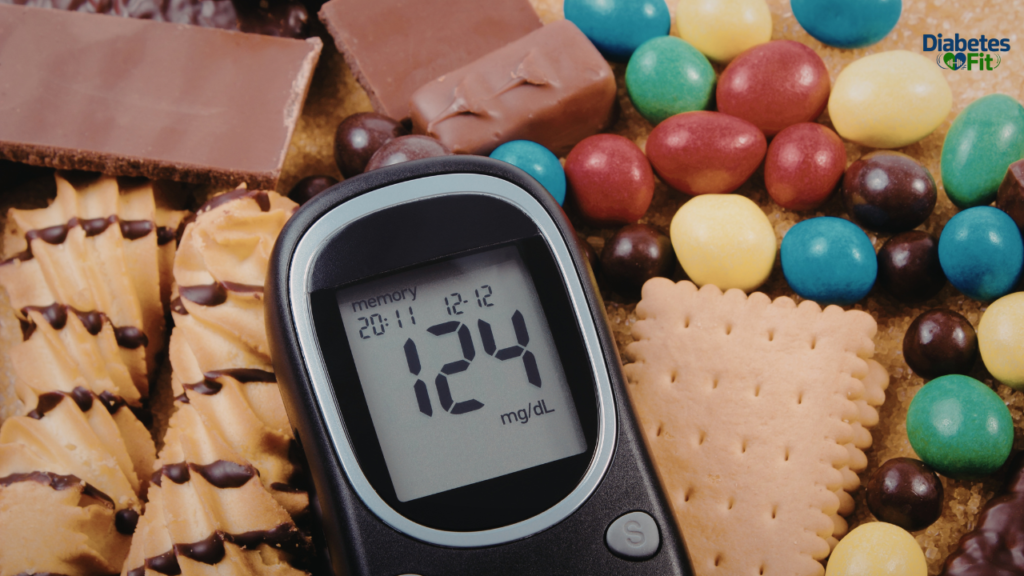
Your blood sugar is constantly changing throughout the day. It goes up after you eat and comes back down as your body processes it. This rise and fall is completely normal. The key is how high it goes, how fast it rises, and how quickly it returns to a healthy range.
What Happens to Blood Sugar After Eating?
When you eat a meal, your blood sugar starts to rise within 15 to 30 minutes. It usually reaches its peak level around one to two hours after eating. After that, it should gradually come back down to a normal range as your body does its job.
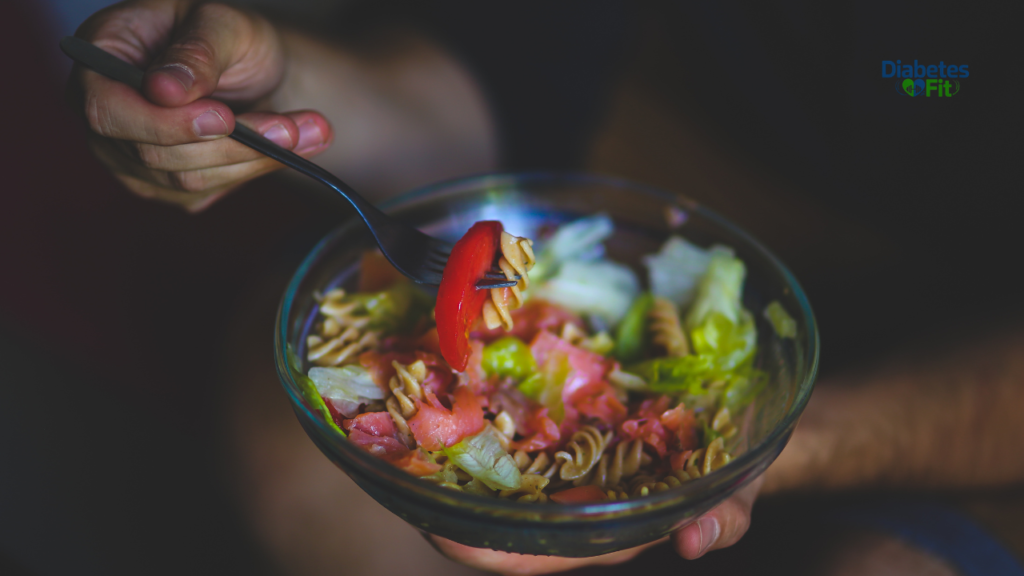
Here’s how it works. When glucose enters your bloodstream, your pancreas releases a hormone called insulin. Think of insulin as a key that unlocks your body’s cells so glucose can enter and be used for energy. Without insulin working properly, glucose just sits in the bloodstream and causes problems.
In a healthy person, this whole process runs smoothly. Blood sugar goes up, insulin is released, glucose enters the cells, and blood sugar comes back down. It’s a well-organized system when everything is working the way it should.
What Are Normal Blood Sugar Levels After Eating?
This is something a lot of people want to know, and the numbers are actually pretty straightforward. For most healthy adults, normal blood sugar levels after eating look like this.
Before eating, a normal fasting blood sugar level is generally between 70 and 99 mg/dL. One to two hours after eating, a normal level is usually below 140 mg/dL. If your blood sugar goes above 140 mg/dL after a meal, it may be a sign that your body is having trouble managing glucose. Levels consistently above 200 mg/dL after eating can indicate diabetes.
For people who already have diabetes, doctors usually recommend keeping post-meal blood sugar below 180 mg/dL, though targets can vary based on individual health situations.
These numbers give you a useful reference point, but always talk to your doctor about what’s right for your specific situation.
What Causes Blood Sugar to Spike After Eating?
Not all foods affect your blood sugar the same way. Some foods cause a quick, sharp spike while others lead to a slower, gentler rise. Understanding this can help you make smarter food choices every day.
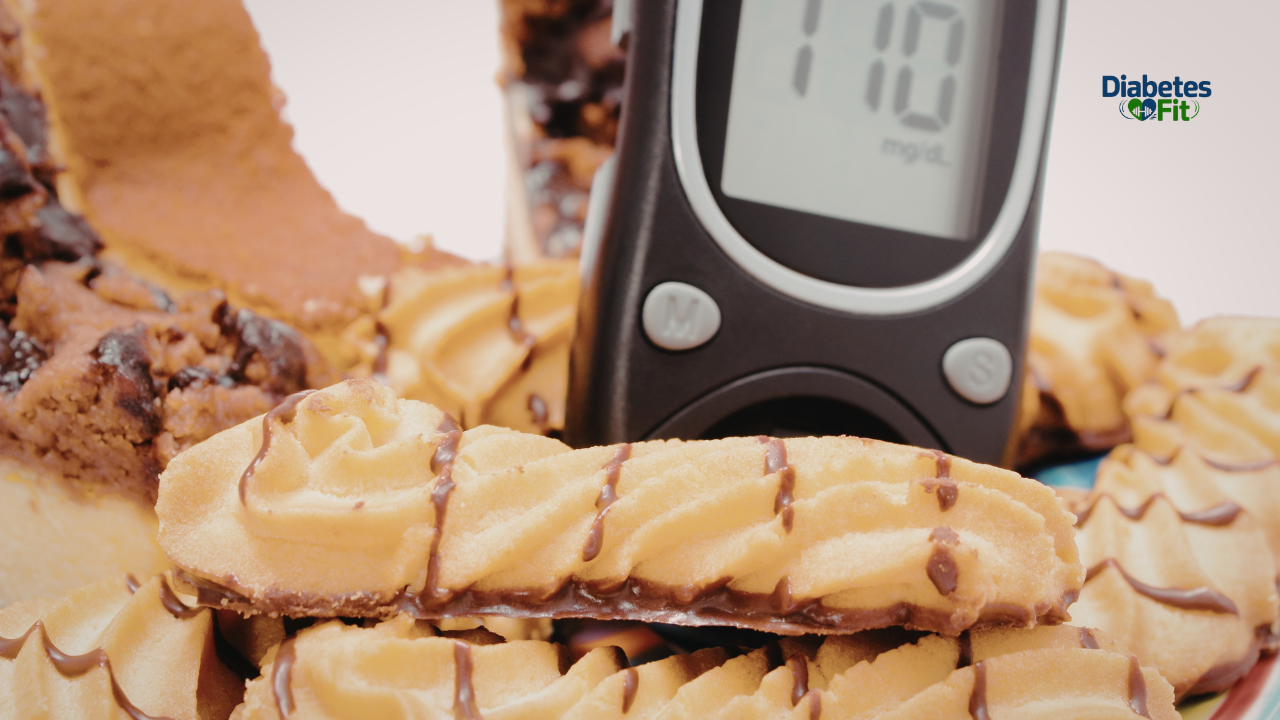
Foods that cause fast spikes are usually high in simple carbohydrates and low in fiber. Things like white bread, sugary drinks, candy, white rice, and pastries get digested quickly and flood your bloodstream with glucose fast. This is what people mean when they talk about a “sugar rush.”
Foods that cause a slower, steadier rise are usually high in fiber, protein, or healthy fats. Vegetables, whole grains, legumes, nuts, eggs, and lean meats digest more slowly and release glucose gradually. This keeps your blood sugar more stable and your energy more consistent throughout the day.
Portion size also matters. Even healthy foods can cause blood sugar to rise significantly if you eat a very large amount. Eating balanced meals with moderate portions is one of the simplest ways to keep your levels in check.
Signs That Your Blood Sugar May Be Too High After Eating
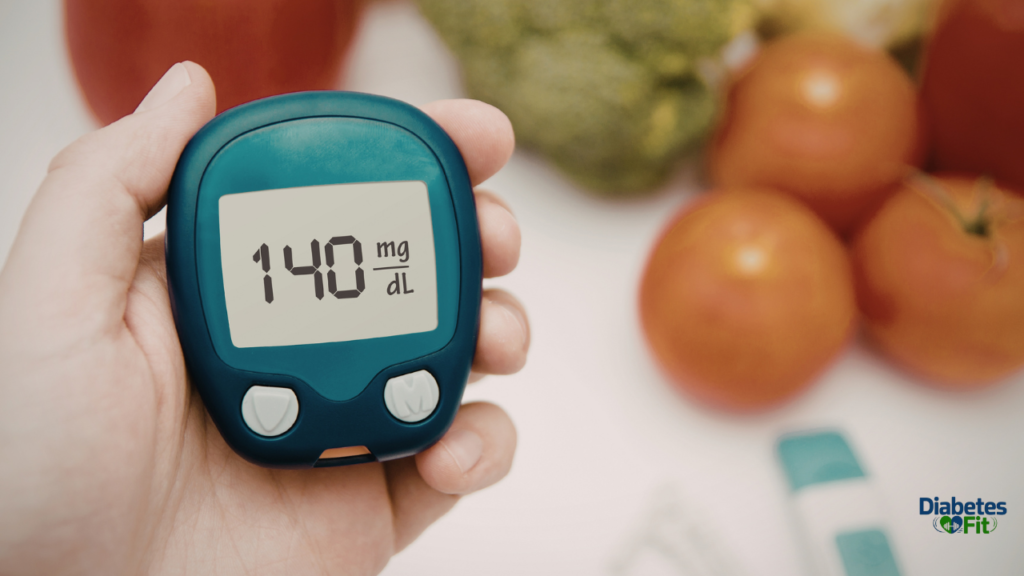
Your body often gives you clues when blood sugar is running high. Some common signs include feeling very tired or drowsy after meals, experiencing strong sugar cravings shortly after eating, feeling thirsty more than usual, having difficulty concentrating or feeling mentally foggy, and noticing frequent urination. If you experience these symptoms regularly, it’s worth speaking with a doctor and getting your blood sugar tested.
How to Keep Blood Sugar Stable After Eating
The good news is that there are simple, practical things you can do every day to help keep your blood sugar levels healthy after meals.
Eating more fiber is one of the most effective steps. Fiber slows down digestion and prevents rapid glucose spikes. Load your plate with vegetables, beans, lentils, and whole grains whenever possible.
Pairing carbohydrates with protein or fat also helps. Instead of eating bread alone, add some peanut butter or eggs. This combination slows digestion and keeps blood sugar more stable.
Going for a short walk after eating is surprisingly powerful. Even a 10 to 15-minute gentle walk after a meal can significantly lower post-meal blood sugar levels by helping your muscles use glucose more efficiently.
Avoiding sugary drinks is equally important. Liquid sugar from sodas, juices, and sweetened coffees hits your bloodstream very fast and causes sharp spikes with very little nutritional benefit.
Eating slowly and mindfully also makes a difference. Chewing your food thoroughly and taking your time gives your body a chance to process food more gradually.
Conclusion
Blood sugar levels after eating are a window into how well your body is managing energy. A healthy rise and fall after meals is completely normal, but consistent spikes that stay high for too long can lead to serious health problems over time, including type 2 diabetes, heart disease, and weight gain. The great news is that small, consistent changes to what you eat and how you live can make a big positive difference. Pay attention to your meals, move your body regularly, and don’t hesitate to get your blood sugar checked if something feels off.
Frequently Asked Questions
How long after eating should blood sugar return to normal?
For most healthy people, blood sugar returns to a normal range within two to three hours after eating.
What is a dangerous blood sugar level after eating?
A reading consistently above 200 mg/dL after meals can be a sign of diabetes and should be evaluated by a doctor.
Can stress raise blood sugar after eating?
Yes. Stress hormones like cortisol can raise blood sugar levels even without eating, and can make post-meal spikes worse.
Does drinking water help lower blood sugar?
Staying well hydrated helps your kidneys flush out excess glucose and can support healthier blood sugar levels overall.
What foods lower blood sugar quickly?
Foods high in fiber, like vegetables, legumes, and whole grains,s help manage blood sugar. Physical activity also brings levels down effectively.
Can you check blood sugar at home?
Yes. A simple device called a glucometer allows you to check your blood sugar at home using a small drop of blood from your fingertip.

David Miller: I am a health and wellness writer focused on diabetes awareness, blood sugar control, and healthy living. I creates clear, practical content to help readers make better everyday health choices. I write evidence-based articles about diabetes, diet, and healthy living. My goal is to simplify complex health topics using trusted sources like WHO and medical journals.