Is Apple Juice Good for Low Blood Sugar? Here’s What You Need to Know
Is apple juice good for low blood sugar? If you’ve ever felt that sudden dizziness, shakiness, or brain fog that comes out of nowhere, you already know how uncomfortable — and sometimes scary — a drop in blood sugar can be.
And if you’ve ever grabbed a glass of juice to bring yourself back to normal, you’re definitely not alone. Apple juice is one of the most commonly recommended quick fixes for hypoglycemia, but there’s more to the story than just “drink juice and feel better.” Let’s break it all down in a way that actually makes sense.
While apple juice can quickly raise low blood sugar, digestive issues like diarrhea can also affect glucose levels — learn more in our detailed guide: Can Diarrhea Cause Low Blood Sugar?
What Is Low Blood Sugar (Hypoglycemia)?
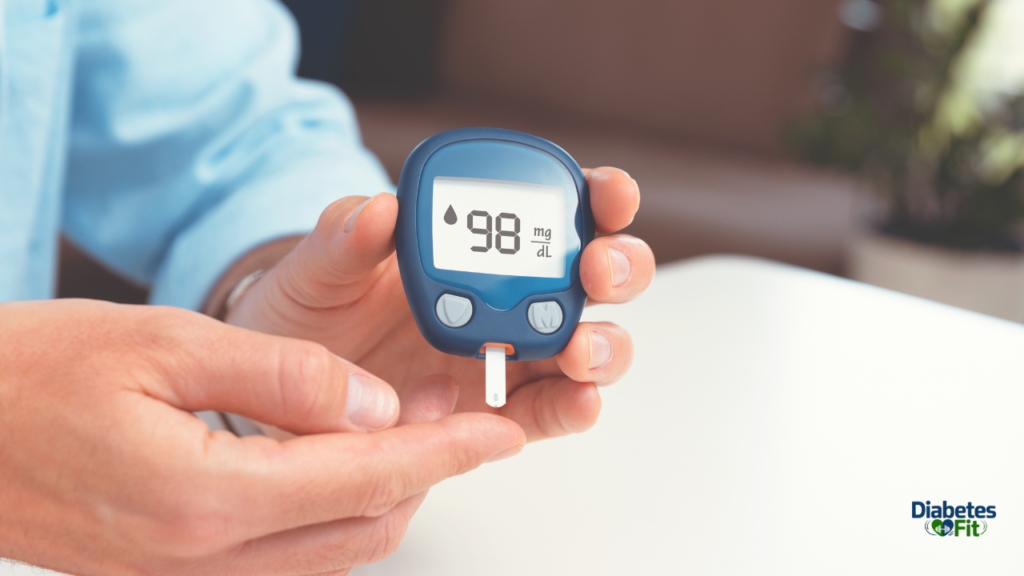
Before we get into apple juice specifically, it helps to understand what’s actually happening in your body during a low blood sugar episode. Hypoglycemia occurs when your blood glucose level drops below the normal range — generally below 70 mg/dL, though the exact threshold can vary depending on the person and their health condition.
Your brain and muscles rely heavily on glucose as their primary fuel source. When levels drop too low, your body starts sending out warning signals fast. These can include:
- Sudden shakiness or trembling
- Sweating for no apparent reason
- Rapid heartbeat
- Dizziness or lightheadedness
- Irritability or anxiety
- Difficulty concentrating
- Pale skin
- In severe cases, confusion or loss of consciousness
Low blood sugar is most commonly associated with people who have diabetes — particularly those on insulin or certain oral medications — but it can also occur in non-diabetics due to skipping meals, intense exercise, alcohol consumption, or underlying health conditions.
When it happens, the goal is simple: get glucose into your bloodstream quickly. That’s where apple juice comes in.
Is Apple Juice Good for Low Blood Sugar?
The short answer is yes — apple juice can be very effective for treating low blood sugar, especially in mild to moderate cases. Here’s why.
Apple juice contains a significant amount of simple sugars, primarily fructose and glucose. These sugars are rapidly absorbed into the bloodstream with very little digestive processing required. Unlike complex carbohydrates that take time to break down, the sugars in apple juice hit your system fast — which is exactly what you need when your blood sugar is crashing.
A standard 4-ounce (half cup) serving of apple juice contains roughly 13–15 grams of carbohydrates, mostly from these fast-acting sugars. This aligns perfectly with what medical guidelines recommend for treating a low blood sugar episode — typically 15 grams of fast-acting carbohydrates to bring levels back up to a safe range.
It’s easy to drink, widely available, and gentle on the stomach — all important qualities when you’re already feeling unwell.
How Apple Juice Compares to Other Low Blood Sugar Treatments
There’s a well-known concept in diabetes management called the “15-15 Rule.” The idea is to consume 15 grams of fast-acting carbohydrates, wait 15 minutes, check your blood sugar, and repeat if it’s still too low. Many foods and drinks qualify for this approach, so how does apple juice stack up?
Apple juice vs. orange juice: Both are effective. Orange juice has a slightly higher glycemic response due to its natural sugar content and composition, but apple juice works just as well and is often more tolerable for people with sensitive stomachs.
Apple juice vs. glucose tablets: Glucose tablets are specifically designed for hypoglycemia treatment and are the most precise option. However, apple juice is more accessible and easier for many people — especially children — to consume quickly during an episode.
Apple juice vs. regular soda: Regular soda (not diet) also raises blood sugar fast, but it contains high fructose corn syrup and additives that aren’t ideal. Apple juice is a cleaner, more natural option.
Apple juice vs. candy: Candy can work, but it varies widely in sugar content and absorption speed. Apple juice is more predictable and easier to portion accurately.
Overall, apple juice is one of the most practical and reliable options available for managing a low blood sugar episode at home.
The Right Amount of Apple Juice to Use
This is where a lot of people go wrong — they overdo it. When you’re feeling shaky and panicked, it’s tempting to gulp down a full glass of juice, but consuming too much can cause your blood sugar to spike too high, which creates a whole new set of problems.
The recommended amount is about 4 ounces — that’s roughly half a cup or a small juice box. This portion delivers approximately 15 grams of carbohydrates, which is the standard treatment dose for mild to moderate hypoglycemia.
After drinking it, give yourself about 15 minutes and then recheck your blood sugar if you have a glucometer. If you’re still below your target range, you can take another 4-ounce serving. Once your levels are back to normal, it’s a good idea to follow up with a small snack that contains both carbohydrates and protein — like crackers with peanut butter — to help stabilize things and prevent another dip.
Apple Juice for Low Blood Sugar in Children
For parents of children with diabetes or hypoglycemia, apple juice is often a go-to treatment — and with good reason. Kids tend to accept juice readily, especially during a scary low blood sugar moment when they may already be upset or confused.
A 4-ounce juice box is a convenient and perfectly portioned option that you can keep in a school bag, at a teacher’s desk, or in a sports bag. Apple juice is mild in flavor, easy to sip even when not feeling well, and widely familiar to kids.
Just be sure to follow up with a snack after the juice kicks in, and always have a plan in place with your child’s school or caregivers so they know what to do during a hypoglycemic episode.
Unsweetened vs. Sweetened Apple Juice — Does It Matter?
When you’re treating low blood sugar, the distinction between unsweetened and sweetened apple juice matters less than you might think, because both contain naturally occurring sugars that raise blood glucose effectively. However, from an overall health standpoint, 100% pure apple juice — with no added sugars or preservatives — is always the better choice.
Added sugars in some juice products can cause a more erratic blood sugar response and contribute unnecessary empty calories over time. Reading the label matters. Look for products that say “100% apple juice” with no added sugars listed in the ingredients.
Also, avoid apple juice drinks, nectars, or blends that are diluted with water and sweetened with artificial sweeteners — these won’t raise your blood sugar the way you need them to during a hypoglycemic episode.
Situations Where Apple Juice May Not Be Enough
Apple juice is great for mild to moderate hypoglycemia, but there are situations where it isn’t sufficient or appropriate.
If someone is unconscious or unable to swallow safely, do not attempt to give them juice or any liquid by mouth. This is a medical emergency that requires immediate help — call emergency services right away. In these cases, glucagon injections or intravenous glucose administered by medical professionals are the appropriate treatments.
For severe or recurring hypoglycemia, apple juice treats the symptom but doesn’t address the root cause. If you’re experiencing frequent drops in blood sugar, that’s a sign that your medication dosing, meal timing, or activity levels may need to be adjusted. A conversation with your doctor or endocrinologist is essential.
Can Non-Diabetics Use Apple Juice for Low Blood Sugar?
Yes, absolutely. Low blood sugar doesn’t only happen to people with diabetes. Non-diabetics can experience reactive hypoglycemia (a drop after eating), hypoglycemia from prolonged fasting, or exercise-induced low blood sugar.
In these cases, apple juice works the same way — it delivers fast-acting sugars that restore glucose levels quickly. The same 4-ounce guideline applies. If you find yourself regularly experiencing low blood sugar symptoms without a diabetes diagnosis, it’s worth talking to a healthcare provider to identify the underlying cause.
Tips for Using Apple Juice as a Low Blood Sugar Treatment
Getting the most out of apple juice during a hypoglycemic episode comes down to a few practical habits:
Keep it on hand. Small juice boxes are ideal — they’re pre-portioned, easy to store, and don’t require refrigeration before opening. Keep one in your bag, at your desk, in your car, and at your bedside if you’re prone to nighttime lows.
Don’t wait too long. As soon as you notice symptoms of low blood sugar, act quickly. The longer you wait, the worse the episode can become. Catching it early makes it much easier to manage.
Follow up with food. Juice raises blood sugar fast but doesn’t sustain it for long. Always follow up with a balanced snack containing protein and complex carbs to prevent a rebound dip.
Don’t overdrink. Stick to 4 ounces initially. More isn’t always better — overshooting your blood sugar target can leave you feeling just as bad, just in a different direction.
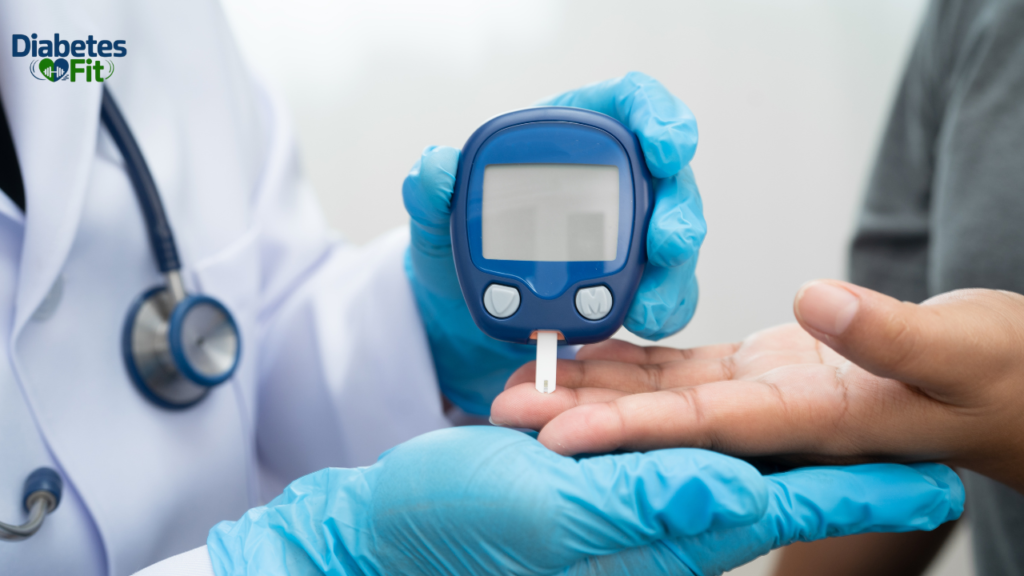
Pair with monitoring. If you have a glucometer, use it. Checking your levels before and 15 minutes after treatment gives you a clear picture of how your body is responding.
Conclusion
So, is apple juice good for low blood sugar? Without a doubt, yes — it’s one of the most accessible, fast-acting, and practical tools for managing a hypoglycemic episode. The natural sugars in apple juice are absorbed quickly into the bloodstream, making it an effective way to bring blood sugar levels back to a safe range within minutes. Whether you have diabetes, deal with reactive hypoglycemia, or just occasionally experience blood sugar dips from skipping meals or overexerting yourself, keeping a small carton of apple juice nearby is genuinely smart thinking.
That said, apple juice is a treatment for the symptom, not a solution to the underlying problem. If low blood sugar is something you deal with regularly, work with your healthcare provider to understand why it’s happening and how to prevent it. And always remember: in severe cases where someone is unresponsive, skip the juice and call for emergency help immediately.
Used correctly and in the right amount, apple juice is a simple, natural, and effective ally in managing low blood sugar. Sometimes the best solutions really are the simplest ones.
Frequently Asked Questions
Is apple juice good for low blood sugar in diabetics?
Yes, apple juice is widely recommended for diabetics experiencing mild to moderate hypoglycemia. A 4-ounce serving provides about 15 grams of fast-acting carbohydrates, which is the standard amount used to raise blood sugar quickly and safely.
How much apple juice should I drink for low blood sugar?
The standard recommendation is 4 ounces (about half a cup) of apple juice. This delivers roughly 15 grams of carbohydrates — enough to raise blood sugar without causing a dangerous spike. Wait 15 minutes and recheck your levels before taking more.
How quickly does apple juice raise blood sugar?
Apple juice typically begins raising blood sugar within 10–15 minutes of consumption because the natural sugars are absorbed quickly into the bloodstream with minimal digestion required.
Can children drink apple juice for low blood sugar?
Yes, apple juice is a very common and child-friendly treatment for hypoglycemia in kids. A small 4-ounce juice box is an ideal, pre-portioned option that’s easy to keep on hand at school, sports events, or at home.
Is unsweetened apple juice better for treating low blood sugar?
For treating an acute low blood sugar episode, both sweetened and unsweetened apple juice works. However, 100% pure unsweetened apple juice is generally the healthier choice for regular consumption, as it avoids unnecessary added sugars and artificial ingredients.
What should I eat after drinking apple juice for low blood sugar?
After your blood sugar stabilizes, follow up with a balanced snack containing both complex carbohydrates and protein — such as whole grain crackers with peanut butter or cheese and fruit. This helps sustain your blood sugar levels and prevents another drop.

David Miller: I am a health and wellness writer focused on diabetes awareness, blood sugar control, and healthy living. I creates clear, practical content to help readers make better everyday health choices. I write evidence-based articles about diabetes, diet, and healthy living. My goal is to simplify complex health topics using trusted sources like WHO and medical journals.