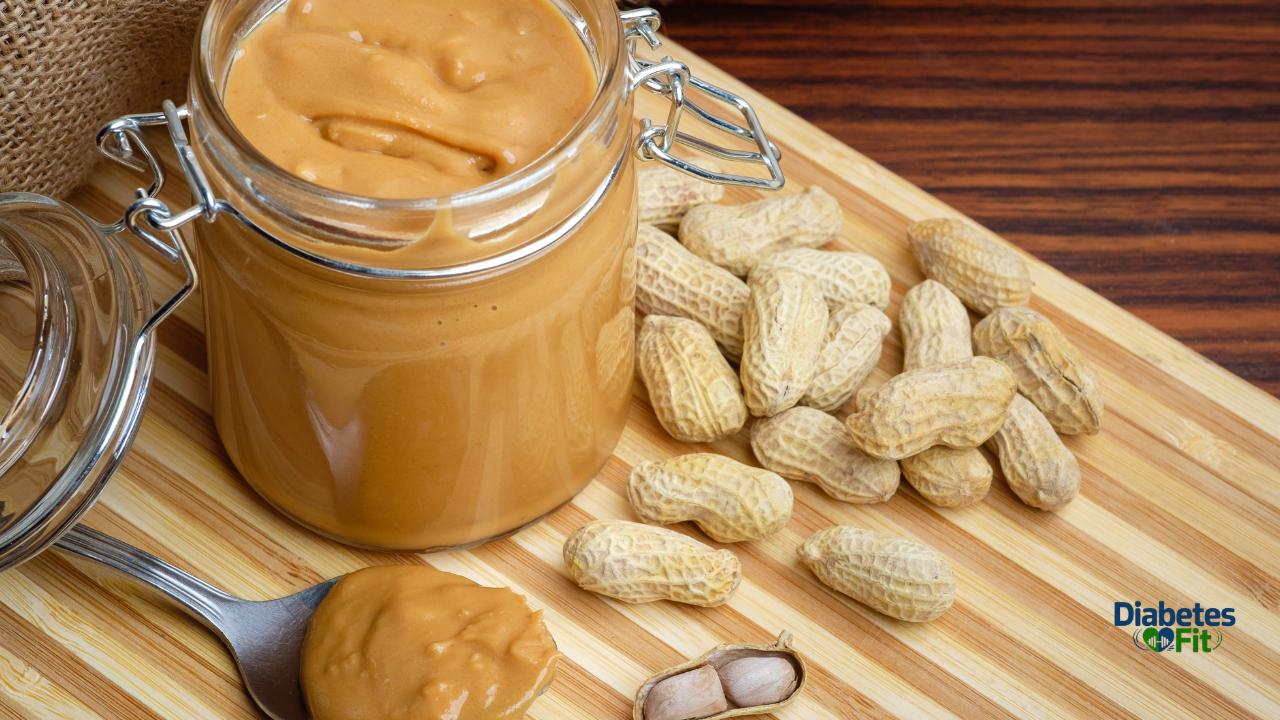
Does Peanut Butter Raise Blood Sugar? The Honest Answer You’ve Been Looking For
Does peanut butter raise blood sugar? It’s a question that comes up constantly — from people managing diabetes to fitness enthusiasts tracking their nutrition to anyone trying to make smarter food choices without giving up the foods they love.
Peanut butter is one of those foods that feels like it should be off-limits on a blood sugar-conscious diet, yet health experts and nutritionists keep recommending it. So what’s the real story? Let’s dig into the science, the nuance, and the practical truth about peanut butter and blood sugar — in plain, honest language that actually makes sense.
For quick sugar recovery, learn Is Apple Juice Good for Low Blood Sugar? and make smarter dietary decisions.
Understanding Blood Sugar and How Food Affects It
Before we get into peanut butter specifically, it’s worth taking a quick look at how blood sugar works, because it makes everything else easier to understand.
When you eat carbohydrates, your digestive system breaks them down into glucose, which enters your bloodstream. Your pancreas responds by releasing insulin, a hormone that helps your cells absorb glucose for energy. When this process works efficiently, blood sugar rises modestly after a meal and then returns to a normal range within a couple of hours.
Problems arise when blood sugar spikes too high, too quickly — which happens with foods that are high in refined carbohydrates and sugar. Over time, repeated spikes can lead to insulin resistance, weight gain, type 2 diabetes, and a host of related health issues.
This is where the glycemic index (GI) becomes a useful tool. The GI measures how quickly a food raises blood sugar on a scale of 0 to 100. Foods with a high GI — like white bread, sugary drinks, and processed snacks — cause rapid spikes. Foods with a low GI cause a slower, more gradual rise that’s much easier for the body to manage.
Does Peanut Butter Raise Blood Sugar?
Here’s the honest answer: peanut butter has a very low glycemic index — typically around 14, which is remarkably low. This means it causes only a minimal and slow rise in blood sugar when eaten on its own or in reasonable portions.

Why? Peanut butter is primarily composed of fat and protein, with a relatively small amount of carbohydrates. A standard two-tablespoon serving of natural peanut butter contains roughly:
- 7–8 grams of protein
- 16 grams of fat (mostly heart-healthy monounsaturated fat)
- 6–7 grams of carbohydrates
- About 2 grams of fiber
The net carbohydrate content — carbs minus fiber — is only around 4–5 grams per serving. That’s a very small amount, and because it’s paired with protein, fat, and fiber, the digestion process slows down significantly. The result is a gentle, gradual glucose response rather than a sharp spike.
So not only does peanut butter not raise blood sugar dramatically, it’s actually one of the better foods for blood sugar stability — when consumed in the right form and the right amount.
The Glycemic Load Factor
The glycemic index is useful, but it doesn’t tell the whole story. A more practical measurement is the glycemic load (GL), which takes into account both the GI of a food and the actual amount of carbohydrates in a typical serving.
Peanut butter’s glycemic load per two-tablespoon serving is approximately 1, which is considered very low. Anything under 10 is generally considered low, so peanut butter sits firmly in the “minimal blood sugar impact” category.
This is important because it means that even though you’re eating a food that contains some carbohydrates, the real-world effect on your blood sugar is very small — especially compared to foods like white rice (GL around 23), a bagel (GL around 25), or a sugary granola bar (GL that can easily exceed 20 or more).
Why Peanut Butter Is Actually Good for Blood Sugar Control
Beyond just having a low glycemic impact, peanut butter actively supports blood sugar stability in several meaningful ways.
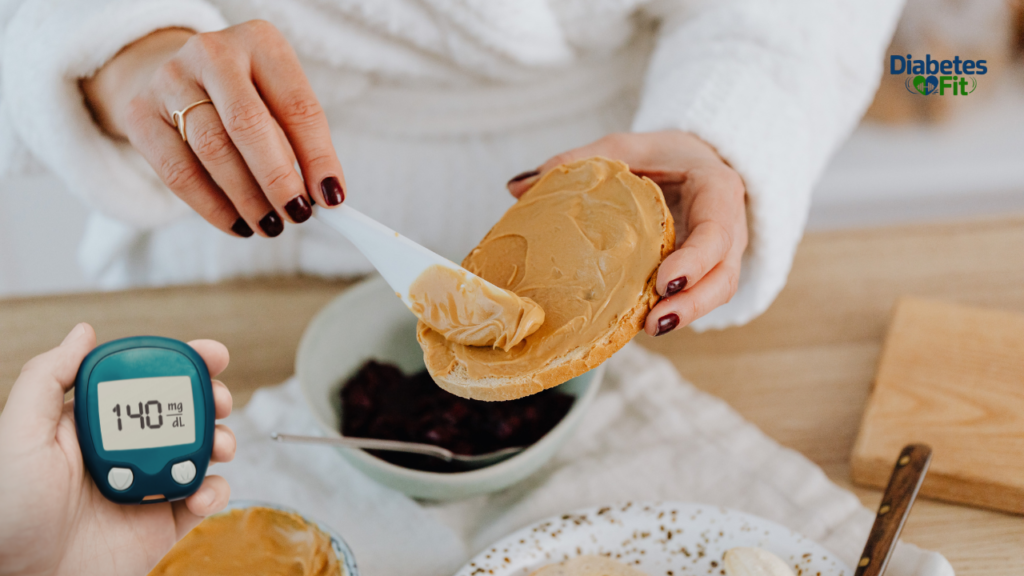
High protein content slows glucose absorption. Protein slows the rate at which carbohydrates are digested and converted to glucose. When you eat peanut butter alongside or as part of a meal, the protein content helps flatten the blood sugar curve from the entire meal — not just from the peanut butter itself. This is why pairing peanut butter with something like an apple or a piece of whole-grain toast is a smarter choice than eating either food alone.
Healthy fats improve insulin sensitivity. The monounsaturated fats found abundantly in peanut butter — the same type found in olive oil and avocados — have been shown to improve insulin sensitivity over time. Better insulin sensitivity means your body needs to produce less insulin to manage blood sugar effectively, which is great news for both diabetics and non-diabetics alike.
Magnesium supports glucose metabolism. Peanut butter is a decent source of magnesium, a mineral that plays a critical role in how the body processes and regulates blood sugar. Many people with type 2 diabetes are deficient in magnesium, and studies suggest that improving magnesium intake can help with blood sugar control.
Fiber slows digestion. While peanut butter isn’t extremely high in fiber, it does contain some, which contributes to slower digestion and a more gradual glucose response.
Research on Peanut Butter and Blood Sugar
The science actually backs up what the nutritional profile suggests. Several studies have looked at how peanut butter affects blood sugar, and the results are consistently encouraging.
One well-cited study published in the Journal of the American Medical Association found that women who consumed peanut butter or nuts five or more times per week had a significantly lower risk of developing type 2 diabetes compared to those who rarely ate them. The researchers attributed this to the favorable fat and protein profile, as well as the low glycemic impact of nuts and nut butters.
Another study found that eating peanut butter or peanuts with high-glycemic foods — like white bread or sugary oatmeal — actually blunted the blood sugar spike from those foods. In other words, peanut butter didn’t just avoid raising blood sugar; it actively helped reduce the blood sugar impact of other foods eaten at the same time.
This makes peanut butter not just a blood sugar-neutral food but a potentially protective one when included as part of a balanced meal or snack.
The Important Caveat: Not All Peanut Butter Is Created Equal
Here’s where things get a little more complicated — and why the type of peanut butter you choose matters quite a bit.
Natural peanut butter — the kind made with just peanuts and maybe a little salt — is what all of the above information applies to. It’s low in carbs, free from added sugars, and has the nutritional profile that makes it such a blood sugar-friendly food.
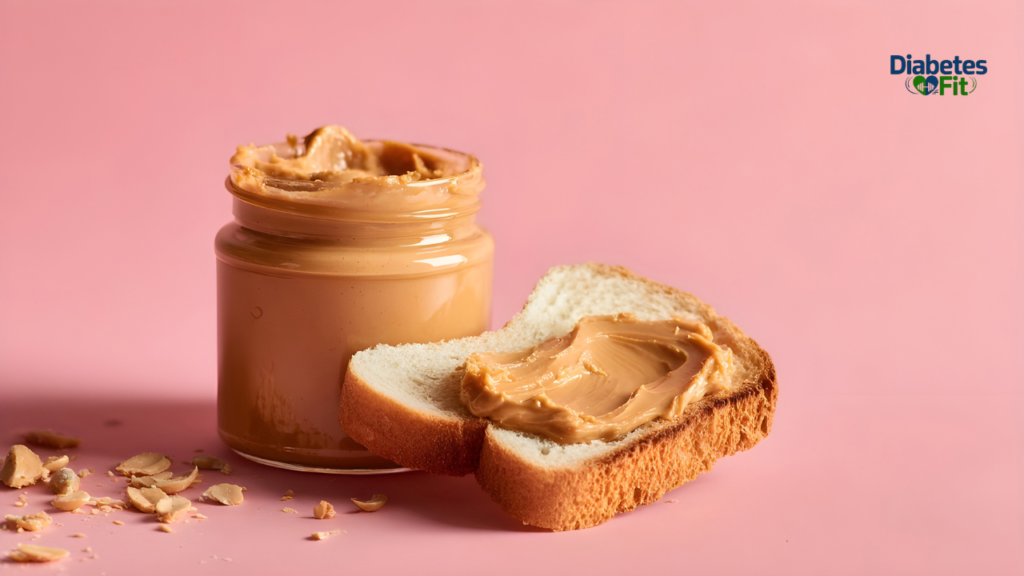
Many commercial peanut butter products, however, are a different story. They often contain:
- Added sugar — sometimes labeled as cane sugar, corn syrup, or molasses. Even small amounts of added sugar will increase the glycemic impact.
- Hydrogenated or partially hydrogenated oils — these are added to prevent separation but introduce trans fats, which are harmful to cardiovascular health and insulin sensitivity.
- High amounts of sodium — while not directly related to blood sugar, excess sodium contributes to other health concerns.
Brands like Jif and Skippy, in their regular formulations, typically contain added sugars and hydrogenated oils. Always check the ingredient list. The ideal peanut butter has two ingredients at most: peanuts and salt.
If the ingredient list is longer than that, look for another option.
How Much Peanut Butter Is Safe for Blood Sugar?
Portion control is still important, even with a food as blood sugar-friendly as peanut butter. Because it’s calorie-dense — about 190 calories per two tablespoons — eating large amounts can contribute to excess calorie intake, which over time affects weight and metabolic health.
For most people, one to two tablespoons per snack or meal is a reasonable and effective portion. This is enough to get the blood sugar-stabilizing benefits without overdoing the calories.
For people with diabetes, it’s also worth noting that individual responses to food can vary. While peanut butter has a very low glycemic impact for most people, it’s always a good idea to monitor your blood sugar response to any food if you’re managing a condition like diabetes.
Best Ways to Eat Peanut Butter for Blood Sugar Benefits
How you eat peanut butter matters as much as how much you eat. Here are some of the smartest ways to incorporate it for blood sugar stability:
Pair it with low-GI foods. Apple slices with peanut butter, celery sticks with peanut butter, or peanut butter on whole-grain crackers are all excellent combinations. The fiber from the fruit or vegetable complements the protein and fat from the peanut butter for a very balanced blood sugar response.
Add it to smoothies. A tablespoon of natural peanut butter added to a smoothie adds protein and healthy fat that helps prevent the blood sugar spike that fruit-heavy smoothies can sometimes cause.
Use it as a meal component. Peanut butter isn’t just a snack food. Adding it to oatmeal, stir-fry sauces, or whole-grain toast with banana makes for satisfying, blood sugar-friendly meals.
Eat it before exercise. Peanut butter before a workout provides sustained energy without causing blood sugar swings — a great alternative to sugary pre-workout snacks.
Have it as a bedtime snack. For people who experience overnight blood sugar dips, a small amount of peanut butter before bed can help stabilize levels through the night. This is something many diabetes educators actually recommend.
Who Should Be Careful With Peanut Butter?
While peanut butter is excellent for most people, a few groups should approach it with some thought:
People with peanut allergies obviously need to avoid them entirely. People with irritable bowel syndrome (IBS) may find that peanut butter triggers symptoms due to its fat content. And anyone watching their overall calorie intake should be mindful of portion sizes, since peanut butter is easy to overeat.
For people with diabetes, peanut butter is generally very safe and even beneficial — but it’s always worth discussing dietary choices with your healthcare provider or a registered dietitian, especially if you’re adjusting your medication or meal plan.
Final Thoughts
So, does peanut butter raise blood sugar? The evidence is clear: natural peanut butter has a minimal effect on blood sugar, thanks to its low carbohydrate content, high protein and healthy fat profile, and very low glycemic index and load. Not only is it unlikely to cause blood sugar spikes, but research actually suggests it can help stabilize blood sugar when eaten as part of a balanced diet.
The key is choosing the right kind — natural peanut butter with no added sugars or hydrogenated oils — and eating it in sensible portions. When you do that, peanut butter isn’t just a blood sugar-safe food. It’s a genuinely smart, satisfying, and nutritious choice for anyone who wants to manage their blood sugar more effectively.
Whether you have diabetes, are pre-diabetic, or simply want to make better food choices for long-term health, peanut butter deserves a place in your diet. Just keep it natural, watch your portions, and enjoy every spoonful without guilt.
Frequently Asked Questions
Does peanut butter raise blood sugar levels?
Natural peanut butter has very little effect on blood sugar. With a glycemic index of around 14 and a glycemic load of just 1 per serving, it causes only a minimal and gradual rise in blood glucose, making it one of the most blood sugar-friendly foods available.
Is peanut butter safe for diabetics?
Yes, natural peanut butter is generally considered safe and even beneficial for people with diabetes. Its high protein, healthy fat, and low carbohydrate content help stabilize blood sugar rather than spike it. Always choose varieties with no added sugar and consult your healthcare provider for personalized advice.
How much peanut butter can a diabetic eat per day?
Most people, including those with diabetes, can safely enjoy one to two tablespoons of natural peanut butter per day as part of a balanced diet. This portion delivers blood sugar-stabilizing nutrients without contributing excessive calories.
What type of peanut butter is best for blood sugar control?
Natural peanut butter made with just peanuts — and possibly salt — is the best choice. Avoid commercial brands with added sugars, corn syrup, or hydrogenated oils, as these ingredients increase the glycemic impact and reduce the health benefits.
Can peanut butter help lower blood sugar?
Peanut butter won’t dramatically lower blood sugar on its own, but studies show it can blunt blood sugar spikes when eaten alongside higher-glycemic foods. Its protein, fat, and fiber content slow digestion and improve the overall glycemic response of a meal.
Is it okay to eat peanut butter before bed if I have diabetes?
Yes, a small amount of natural peanut butter before bed can actually be helpful for some people with diabetes, particularly those who experience overnight blood sugar drops. It provides slow-digesting protein and fat that helps stabilize glucose levels through the night. Check with your doctor or dietitian for personalized guidance.

David Miller: I am a health and wellness writer focused on diabetes awareness, blood sugar control, and healthy living. I creates clear, practical content to help readers make better everyday health choices. I write evidence-based articles about diabetes, diet, and healthy living. My goal is to simplify complex health topics using trusted sources like WHO and medical journals.