
Normal Blood Sugar, but Still Dizzy? Real Reasons Explained
You checked your blood sugar. The reading looks perfectly fine — maybe 95 mg/dL or even 88. So why does your head feel like it’s spinning? Why do you still feel light-headed, unsteady, or just off? This brings us to the question: Normal Blood Sugar but Still Dizzy?
This is more common than most people realize, and it can be genuinely confusing — especially if you’ve been told that dizziness and blood sugar go hand in hand. The truth is, while blood sugar is one possible cause of dizziness, it’s far from the only one. And a “normal” number on your glucometer doesn’t automatically rule out a blood sugar-related issue either.
In this article, we’re going to break down the real reasons behind dizziness when your sugar is reading normal — from physiological quirks to overlooked lifestyle habits — so you can figure out what’s actually going on and do something about it.
Understanding the connection between a normal reading and dizziness can be essential for your health.
Sometimes dizziness can be a warning sign of abnormal glucose levels. To understand the risk, read our complete guide on what level of blood sugar is dangerous.
1. What “Normal” Blood Sugar Really Means — And Why It Can Mislead
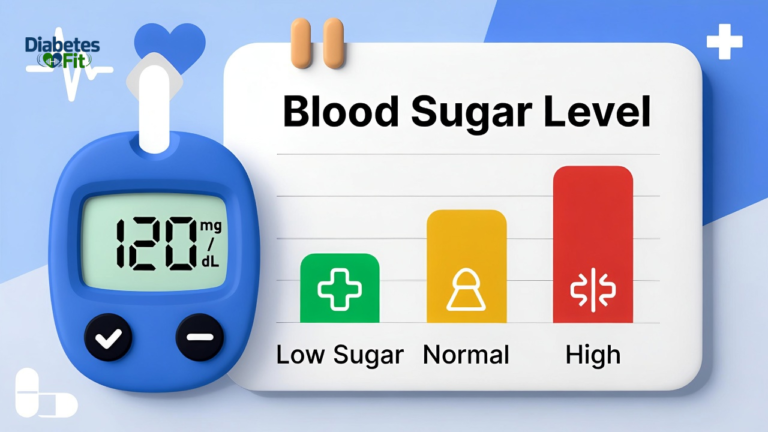
First, let’s establish something important: normal blood sugar is generally considered to be between 70–99 mg/dL when fasting, and under 140 mg/dL two hours after a meal. But “normal” is a snapshot in time, not a full story.
The issue with single readings: If you check your sugar during a calm, resting moment, it might read perfectly fine. But what happened 30 minutes earlier? Did it spike to 180 after that sugary coffee, then crash quickly? That rapid swing — even if both the high and low points seem “borderline acceptable” — is enough to make you feel dizzy, foggy, or nauseated.
This phenomenon is called glycemic variability, and it’s something continuous glucose monitors (CGMs) have revealed in full detail. A fasting glucose of 96 might look totally unremarkable, but if your blood sugar has been bouncing up and down all morning, your body has been on a metabolic rollercoaster.
✅ Tip: Keep a simple log — jot down what you ate, when you felt dizzy, and your blood sugar at that moment. Patterns often reveal themselves within a week.
2. Reactive Hypoglycemia — The Hidden Drop After the Spike
One of the most underdiagnosed causes of post-meal dizziness is reactive hypoglycemia. Here’s how it works: you eat something — let’s say a bowl of cereal with juice — your blood sugar climbs quickly, your pancreas releases a surge of insulin to handle it, and then overshoots. Your blood sugar drops lower than where it started, often within 2–4 hours of eating.
At that point, you might check your sugar and see 85 mg/dL — technically “normal” —, but your body is coming off a crash. The symptoms (dizziness, shakiness, mild confusion, sweating) are very real, even when the number looks fine.
Who’s at risk? People with pre-diabetes, insulin resistance, those who skip meals, or anyone who regularly consumes high-glycemic foods are most susceptible to this pattern.
✅ Tip: Eat balanced meals that combine protein, healthy fat, and fiber with your carbohydrates. This slows glucose absorption and prevents the spike-crash cycle.
3. Dehydration — The Most Overlooked Cause
Here’s a surprising fact: dehydration is one of the top causes of dizziness in adults, yet it often gets completely overlooked when someone is busy testing their blood sugar.
When your body doesn’t have enough fluids, your blood volume decreases. This means your heart has to work harder to pump blood to your brain. The result? Light-headedness, especially when you stand up quickly (a specific condition called orthostatic hypotension), blurred vision, and a foggy, disconnected feeling.
You can be dehydrated even if you’re not thirsty — especially in cold weather, air-conditioned spaces, or if you’ve been consuming a lot of caffeine or alcohol. Mild dehydration of just 1–2% of body weight has been shown in studies to impair cognitive function and cause physical symptoms that mimic other conditions.
✅ Tip: Before you reach for your glucometer the next time you feel dizzy, drink a large glass of water first and wait 10 minutes. If the dizziness improves, dehydration may have been the culprit.
4. Blood Pressure Fluctuations — Especially Orthostatic Hypotension
Normal blood sugar and dizziness when standing up is a classic presentation of orthostatic hypotension — a sudden, temporary drop in blood pressure when you change positions. It happens because gravity momentarily pulls blood toward your legs, and your body’s response isn’t quite fast enough to compensate.

This is especially common in people who are on blood pressure medications, have been on bed rest, are pregnant, are elderly, or have autonomic nervous system issues (which can also be linked to diabetes, even before a diagnosis is made).
Real-world example: Maria, a 42-year-old woman with borderline blood pressure, notices she gets dizzy every time she stands up from her desk chair. Her blood sugar checks out fine every time. The issue isn’t glucose — it’s a pressure regulation problem her body hasn’t fully compensated for.
✅ Tip: Rise from a seated or lying position slowly. Sit on the edge of the bed for 30 seconds before standing. Staying hydrated also helps maintain blood pressure stability.
5. Inner Ear Issues and Vestibular Disorders
The vestibular system in your inner ear is your body’s primary balance center. When something goes wrong here, dizziness is the defining symptom — and it has absolutely nothing to do with blood sugar.
Common vestibular conditions that cause dizziness include:
- Benign Paroxysmal Positional Vertigo (BPPV) — caused by tiny calcium crystals dislodging in the inner ear canals. Triggered by head movement, often described as the room spinning.
- Labyrinthitis or Vestibular Neuritis — inflammation of the inner ear, often following a viral illness. Can cause severe dizziness that lasts for days.
- Ménière’s Disease — a chronic condition involving pressure in the inner ear, with episodes of vertigo, tinnitus, and hearing changes.
If your dizziness is triggered by turning your head, looking up, or rolling over in bed, a vestibular cause is very likely. BPPV in particular can be corrected with a simple head-repositioning maneuver called the Epley maneuver — often done right in the clinic in minutes.
6. Anemia — When Your Cells Are Starved of Oxygen
Even with normal blood sugar, if your red blood cells aren’t carrying enough oxygen to your brain, dizziness is practically inevitable. This is the essence of anemia — and it affects a significant portion of the global population, particularly women of reproductive age.

Iron-deficiency anemia is the most common type. When your hemoglobin is low, your brain doesn’t get the oxygen-rich blood supply it needs. Symptoms include dizziness, fatigue, pallor, shortness of breath on exertion, and rapid heartbeat.
Key point: Anemia can exist alongside normal blood sugar, normal blood pressure, and even a normal physical appearance. You won’t know unless you’ve had a complete blood count (CBC) test.
✅ Tip: If you’re regularly tired, cold, or dizzy with no clear explanation, ask your doctor to check your CBC, ferritin, and B12/folate levels. These are simple, inexpensive blood tests.
7. Anxiety, Stress, and Hyperventilation
Anxiety is a remarkably physical condition. When you’re anxious, your body activates the fight-or-flight response — adrenaline floods your system, your heart rate rises, and you may begin breathing faster or more shallowly without even realizing it.
This rapid breathing (hyperventilation) lowers the carbon dioxide (CO2) levels in your blood. CO2 plays a crucial role in regulating blood flow to the brain. When CO2 drops, blood vessels constrict, and your brain gets less blood. The result is dizziness, tingling in the hands and face, and sometimes a feeling of unreality.
None of this involves blood sugar. You can have perfect glucose levels and still feel as if you’re about to faint simply because of an anxious mental state or a stressful event.
✅ Tip: Try slow, diaphragmatic breathing — inhale for 4 counts, hold for 2, exhale for 6. This helps restore CO2 balance and activates the parasympathetic nervous system.
8. Medication Side Effects
If you’re taking any medications — including those prescribed for blood sugar, blood pressure, depression, anxiety, or allergies — dizziness is a listed side effect for many of them. Common culprits include:
- Metformin (especially when starting or increasing dose)
- ACE inhibitors and diuretics (blood pressure medications)
- Antidepressants, especially SSRIs and tricyclics
- Antihistamines (drowsiness and dizziness often come together)
- Statins (some people report balance issues)
If your dizziness started or worsened around the time you began a new medication or had a dose change, that’s a significant clue. Never stop a prescribed medication without talking to your doctor — but absolutely bring it up at your next appointment.
9. Postprandial Hypotension — Dizziness After Eating
There’s a lesser-known phenomenon called postprandial hypotension — a drop in blood pressure after eating. When you eat, blood is redirected to your digestive system. In people whose autonomic nervous system doesn’t compensate quickly enough, blood pressure can drop enough to cause dizziness, especially in older adults.

Again, blood sugar might be perfectly normal. The issue is purely circulatory — triggered by digestion, not glucose levels.
✅ Tip: Eat smaller, more frequent meals rather than large ones. Avoid alcohol and high-carbohydrate meals if postprandial dizziness is a pattern for you. Sitting down for 30–60 minutes after eating can also help.
10. Sleep Deprivation and Fatigue
When you haven’t slept well, your brain is essentially operating under siege. Cognitive function drops, reaction times slow, and the physical symptom of fatigue can manifest very similarly to dizziness — a heavy, foggy feeling that makes you unsteady.
Chronic poor sleep also disrupts hormonal balance, raises cortisol, and can cause micro-fluctuations in blood sugar that don’t show up clearly on a single reading. Even if your glucometer says everything’s fine, your body may be struggling.
✅ Tip: Aim for 7–9 hours of sleep per night. If you regularly wake feeling unrefreshed, consider speaking to a doctor about possible sleep apnea, which is also independently linked to blood sugar dysregulation.
Practical Action Plan: What to Do When You’re Dizzy, but Blood Sugar Is Normal
Step 1 — Rule out the basics: Drink a full glass of water immediately. Sit or lie down and rest for 5–10 minutes. Have a light, balanced snack if you haven’t eaten in 3+ hours.
Step 2 — Track the pattern: Note the time, what you ate, your posture when it happened, and your recent sleep quality. Look for triggers: standing up, head movement, post-meal timing.
Step 3 — Check in with your body: Are you taking any new medications? Have you been under significant stress recently? Have you been ill or had a recent infection?
Step 4 — See a healthcare provider if: Dizziness is severe, sudden, or accompanied by chest pain, difficulty speaking, or facial drooping (call emergency services immediately). Episodes are frequent or worsening over time. Simple at-home remedies haven’t helped after a week.
Conclusion
Dizziness with normal blood sugar is not a mystery — it’s simply a reminder that the human body is a complex, interconnected system. Blood glucose is one variable among many that keep you feeling well and balanced.
Whether it’s a quiet case of dehydration, a blood pressure blip when you stand up too fast, inner ear crystals gone rogue, or even your nervous system’s response to stress — there’s almost always an explanation, and almost always something practical you can do about it.
The most empowering thing you can do is pay attention. Track your symptoms, notice the patterns, support your body with good sleep, hydration, and balanced nutrition, and work with your healthcare provider to investigate anything persistent.
Normal blood sugar is a good sign — it means one major concern is likely off the table. But don’t stop there. Your body is telling you something, and it deserves a thorough listen.
According to Healthline, high blood sugar can cause dizziness, fatigue, and blurred vision, even when glucose levels seem normal.
Frequently Asked Questions
Can blood sugar drop quickly and then normalize before I test it?
Yes, absolutely. This is called reactive hypoglycemia. Blood sugar can spike and then fall within 2–3 hours of eating, causing symptoms even when your next reading looks normal. A continuous glucose monitor (CGM) can capture these fluctuations much more accurately than finger-prick tests.
How do I know if my dizziness is serious or just minor?
Seek emergency care immediately if dizziness is sudden, severe, and accompanied by chest pain, slurred speech, sudden vision changes, or weakness on one side of the body — these could indicate a stroke or heart event. Otherwise, dizziness that comes and goes with lifestyle factors is typically benign but worth investigating.
Can anxiety cause dizziness even when I don’t feel anxious?
Yes. Anxiety doesn’t always feel like worry — it can manifest physically through muscle tension, altered breathing, and subtle nervous system activation. Many people experience physical symptoms of anxiety without recognizing them as such.
What tests should I ask my doctor for if I keep getting dizzy?
A good starting panel includes a full blood count (CBC), a metabolic panel, thyroid function tests (TSH, T3, T4), a sitting and standing blood pressure reading, and, depending on symptoms, referral to an ENT or neurologist for vestibular evaluation.
Is dizziness after eating always a blood sugar problem?
Not always. Postprandial hypotension (a drop in blood pressure after eating) can cause dizziness even when blood sugar is normal. This is particularly common in older adults. Eating smaller meals and resting after eating can reduce these episodes.
Can dehydration cause dizziness even in winter?
Absolutely. Cold air is dry, indoor heating is dehydrating, and people simply drink less water in cooler months. If you’re indoors a lot or consuming caffeine regularly, your fluid intake may be lower than you think — even in winter.

David Miller: I am a health and wellness writer focused on diabetes awareness, blood sugar control, and healthy living. I creates clear, practical content to help readers make better everyday health choices. I write evidence-based articles about diabetes, diet, and healthy living. My goal is to simplify complex health topics using trusted sources like WHO and medical journals.