

7 Key Tips: Is Eating Boiled Eggs Daily Safe for Diabetics?
If you have diabetes and love eggs, you’ve probably asked yourself: is boiled egg good for diabetics, or should I just avoid it? It’s a fair question — and you’re not alone. Millions of people with Type 1 and Type 2 diabetes wonder if this simple, affordable food is friend or foe. The good news? Science has a pretty clear answer, and it might surprise you: Is Eating Boiled Eggs Daily Safe for Diabetics?
Boiled eggs are not just safe for most diabetics — they can actually be one of the smartest foods you add to your daily plate. Let’s break it all down in plain English so you can make the best choice for your health.
By understanding the answer to Is Eating Boiled Eggs Daily Safe for Diabetics?, you can make informed decisions about your diet.
While boiled eggs are low in carbohydrates and generally do not spike blood sugar, it’s important to look at your overall diet. For example, some dairy products may affect glucose levels differently. If you’re unsure about yogurt and its impact, read our detailed guide on Does Yogurt Spike Blood Sugar? to understand which types are safer for diabetics.
What Makes Boiled Eggs Good for Diabetics?
Here’s the big picture first: a boiled egg has almost zero carbohydrates. For someone managing blood sugar, that’s a huge deal.
When you eat carbs, your blood sugar rises. Protein and fat barely move the needle. And eggs are mostly protein and healthy fat, which is exactly why so many dietitians and diabetes educators recommend them as a regular part of a diabetic meal plan.
Here’s what one large hard-boiled egg gives you:
| Nutrient | Amount Per Large Boiled Egg |
| Calories | 78 |
| Protein | 6.3g |
| Total Fat | 5.3g |
| Carbohydrates | 0.6g |
| Cholesterol | 186mg |
| Vitamin D | 6% Daily Value |
| Vitamin B12 | 9% Daily Value |
| Selenium | 15% Daily Value |
Less than 1 gram of carbs. For someone watching their glycemic index, this is practically a free food.
How Does a Boiled Egg Affect Blood Sugar?
Here’s the simple science. When you eat a boiled egg:
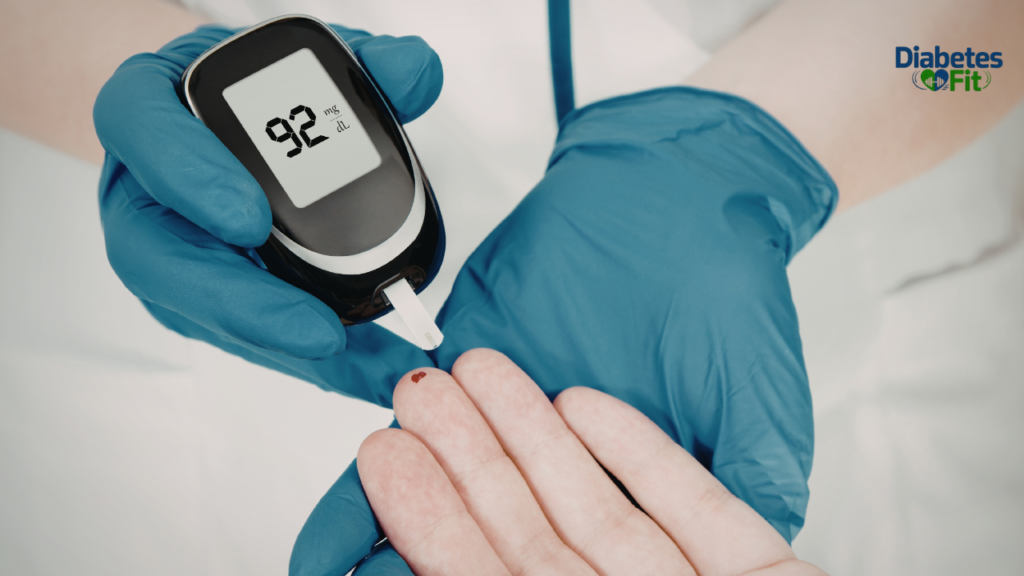
- Your blood glucose stays almost completely flat
- There’s no insulin spike as you’d get from bread or rice
- The protein slows digestion, which means other foods eaten alongside the egg are absorbed more slowly, too
This blood-sugar stabilizing effect is why eggs are a staple in low-carb and diabetic diets. Think of it this way: if someone eats toast alone for breakfast, blood sugar shoots up fast. But if they eat toast with a boiled egg, the rise is slower and gentler. The egg acts like a natural buffer.
Real-life example: Rashida, a 52-year-old with Type 2 diabetes, switched her breakfast from sugary cereal to two boiled eggs with avocado. Within three weeks, her morning fasting readings dropped noticeably. Results vary by person — but this kind of outcome is common when people make this swap.
Is a Boiled Egg Good for Diabetics — What Studies Show
Several credible studies have examined eggs and diabetes outcomes:
- Research published in the American Journal of Clinical Nutrition found that eating up to one egg per day was not linked to increased cardiovascular risk in people with diabetes when part of a healthy overall diet.
- A University of Sydney study found that eating up to 12 eggs per week for three months had no negative effects on blood sugar, cholesterol, or cardiovascular markers in people with pre-diabetes or Type 2 diabetes.
- Multiple studies show eggs improve satiety (fullness), helping diabetics avoid overeating and snacking on high-carb foods throughout the day.
The research conclusion is encouraging: moderate, regular egg consumption appears to be safe — and genuinely beneficial — for most people with diabetes.
6 Key Benefits of Eating Boiled Eggs for Diabetics

1. Keeps Blood Sugar Stable
Near-zero carbs means boiled eggs won’t cause glucose spikes. They’re one of the rare breakfast options that won’t start your morning with a blood sugar roller coaster.
2. High-Quality Protein Supports Muscle Health
Diabetes — especially long-term — can gradually affect muscle mass. Eggs contain all 9 essential amino acids your body needs to maintain and build muscle. Better muscle health also means better insulin sensitivity over time.
3. Helps With Weight Management
Many people with Type 2 diabetes are also managing their weight. Boiled eggs are filling, relatively low in calories, and reduce hunger for hours. A protein-rich morning meal consistently leads to lower calorie intake throughout the rest of the day.
4. Supports Eye Health
People with diabetes face a higher risk of diabetic retinopathy and macular degeneration. Egg yolks are naturally rich in lutein and zeaxanthin — two powerful antioxidants that specifically protect the eyes and may slow vision-related complications.
5. Supports Heart Health When Eaten Sensibly
Eggs contain healthy fats and choline, a nutrient important for brain and heart health. When not paired with processed meats or deep-fried sides, boiled eggs fit comfortably into a heart-healthy diabetic diet.
6. Cheap, Easy, and Practical
Boiled eggs cost very little, take minutes to prepare, and keep in the fridge for up to a week. Hard-boil a batch on Sunday — you have grab-and-go protein for the entire week. For diabetics on a budget, that practicality is genuinely valuable.
How Many Boiled Eggs Can a Diabetic Eat Per Day?
Here’s where nuance matters. Most health experts and registered dietitians suggest:
- 1 to 2 boiled eggs per day is the safe, healthy sweet spot for most diabetics
- Some research supports up to 7 eggs per week without negative effects
- People with both diabetes AND elevated LDL cholesterol should check with their doctor before eating eggs daily
Here’s a practical guide by situation:
| Type of Diabetic | Suggested Egg Intake |
| Type 2 (no cholesterol concerns) | 1–2 eggs/day |
| Type 1 (active, healthy lipids) | 1–2 eggs/day |
| Diabetic with high LDL | Consult a doctor; consider egg whites |
| Pre-diabetic | 1–2 eggs/day on a low-carb plan |
| Gestational diabetes | 1 egg/day — confirm with your OB |
Best Ways for Diabetics to Eat Boiled Eggs
Not all egg preparations are equal. Here’s why boiled stands out:

- No added oil or butter — unlike fried eggs
- No cream or additives — unlike many scrambled egg recipes
- Easy to pair with vegetables and other low-GI foods
- Fully portable — perfect as a take-anywhere snack
Smart Pairings for Diabetics:
- Boiled egg + cucumber slices + a small scoop of hummus
- Boiled egg + half an avocado + one small slice of whole grain bread
- A boiled egg sliced over a mixed greens salad with olive oil dressing
- A boiled egg stirred into a bowl of vegetable soup
- Boiled egg as a mid-morning snack instead of crackers or chips
What to Avoid Pairing:
- White bread, bagels, or white rice (high glycemic)
- Processed bacon or sausages (saturated fat + sodium overload)
- Ketchup or bottled sauces with added sugars
Any Risks? What Diabetics Should Watch For
Most diabetics can eat eggs freely, but a few things are worth knowing:
- Dietary cholesterol: Each egg yolk has about 186mg of cholesterol. While current research shows dietary cholesterol has much less impact on blood cholesterol than saturated fat does, people with high LDL should still be mindful.
- Cholesterol hyper-responders: A small percentage of people see their LDL rise when eating cholesterol-rich foods. A simple lipid panel from your doctor will tell you whether you’re in this group.
- How you cook them matters: The benefits described here apply to boiled eggs, not eggs drowning in butter, cream, or cheese. Cooking method changes everything.
- Egg allergy: Rare in adults but possible. If you notice symptoms like hives, stomach upset, or breathing changes after eating eggs, see your doctor.
Egg White vs. Whole Boiled Egg — Which Is Better for Diabetics?
| Egg White Only | Whole Boiled Egg | |
| Calories | 17 | 78 |
| Protein | 3.6g | 6.3g |
| Fat | 0g | 5.3g |
| Cholesterol | 0mg | 186mg |
| Lutein & Zeaxanthin | None | High |
| Vitamin D | None | Present |
| Choline | Very low | High |
Bottom line: For most diabetics, the whole boiled egg wins. The yolk is where most of the vitamins, antioxidants, and beneficial nutrients live. Egg whites are only the better choice if your doctor has specifically told you to limit dietary cholesterol.
Final Thoughts
So, is a boiled egg good for diabetics? Without question — yes. With virtually zero carbohydrates, exceptional protein quality, blood sugar-stabilizing properties, and a solid body of research behind them, boiled eggs are one of the most diabetic-friendly foods you can eat.
One to two boiled eggs a day is a smart, filling, and scientifically supported habit for most people managing Type 1 or Type 2 diabetes. Pair them with vegetables and healthy fats, keep the cooking method clean, and pay attention to how your own blood sugar responds.
Try this: For one week, replace your usual breakfast with two boiled eggs. Check your fasting blood sugar each morning and notice how long you feel full. Small food swaps often create bigger results than people expect — and this is one of the easiest ones you can make starting tomorrow.
Boiled eggs are low in carbohydrates and rich in protein, making them a popular choice for people with diabetes. According to experts at Healthline, eggs can be part of a balanced diabetic diet when eaten in moderation and paired with fiber-rich foods.
This article is for general informational purposes only. Always consult your doctor or a registered dietitian before making changes to your diabetes meal plan.
Frequently Asked Questions
Can a diabetic eat boiled eggs every day?
Yes. Most people with diabetes can safely enjoy 1–2 boiled eggs daily. They contain fewer than 1 gram of carbohydrates and have no meaningful effect on blood sugar. Those with elevated LDL cholesterol should check with their doctor first.
Do boiled eggs raise blood sugar?
No. Boiled eggs have virtually no carbohydrates, so they don’t cause a blood glucose spike. The protein in eggs can actually slow the absorption of other foods eaten at the same meal, helping to keep glucose levels more stable overall.
How many boiled eggs can a Type 2 diabetic eat per day?
Most guidelines and research suggest 1–2 eggs per day is a safe and healthy amount for Type 2 diabetics. Some studies have observed no negative effects from eating up to 12 eggs per week in people with diabetes or pre-diabetes.
Are boiled eggs good for diabetics trying to lose weight?
Yes, they’re an excellent choice. Boiled eggs are low in calories, high in protein, and highly satisfying. Eating a protein-rich breakfast consistently reduces hunger and calorie intake throughout the rest of the day, which supports healthy weight management.
Is it better for diabetics to eat egg whites or the whole egg?
The whole egg is generally the better choice for diabetics. The yolk contains vitamin D, choline, and powerful eye-protecting antioxidants that the white simply doesn’t have. Egg whites are appropriate only if your doctor has flagged a specific cholesterol concern.
When is the best time for a diabetic to eat a boiled egg?
Breakfast is the most effective time, since it helps stabilize morning blood sugar and keeps hunger at bay until lunch. A boiled egg also makes an excellent mid-morning snack to prevent energy dips and reduce the urge to reach for high-carb foods between meals.

David Miller: I am a health and wellness writer focused on diabetes awareness, blood sugar control, and healthy living. I creates clear, practical content to help readers make better everyday health choices. I write evidence-based articles about diabetes, diet, and healthy living. My goal is to simplify complex health topics using trusted sources like WHO and medical journals.