
7 Things You Must Know About How Long to Fast for Blood Work
Your doctor just ordered blood work. Simple enough — until you start wondering: do I need to fast? How long to fast for blood work? Can I drink coffee? What if I accidentally ate something? These are questions almost everyone has, and getting the answers wrong can mean inaccurate results, a wasted trip to the lab, or worse — a misdiagnosis based on faulty data. How long to fast for blood work depends entirely on which tests have been ordered, and the rules vary more than most people realize.
Some tests require strict 12-hour fasting. Others need only eight hours. And several common tests require no fasting at all. This guide covers everything clearly and completely — so you walk into your next blood draw fully prepared, get accurate results the first time, and never have to repeat the process unnecessarily.
If you’re looking for natural ways to support healthy blood sugar levels, check out our guide on13 Powerful Home Remedies for Diabetes.
Why Fasting Before Blood Work Matters
Before answering how long to fast for blood work, it helps to understand why fasting is required at all. This is not an arbitrary medical protocol — there is real science behind it.
When you eat, your digestive system breaks food down into glucose, fats, amino acids, and other compounds that enter your bloodstream directly. These substances temporarily alter the composition of your blood in ways that interfere with specific lab measurements.
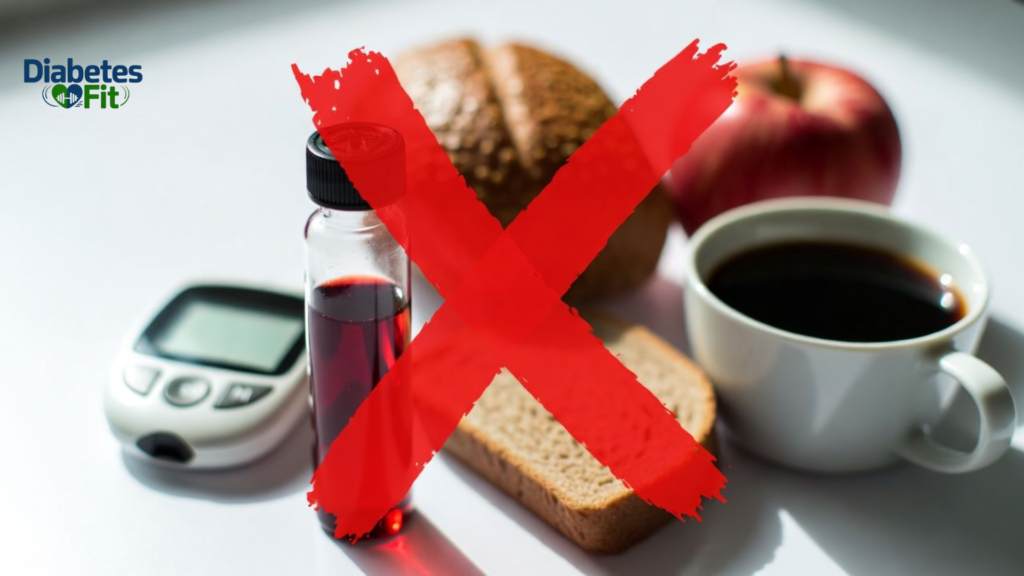
Here is what eating does to your blood within hours:
- Glucose rises sharply — a meal can raise blood glucose by 40–80 mg/dL above fasting levels for two to four hours
- Triglycerides spike — dietary fat causes a significant temporary increase in blood triglyceride levels for up to 12 hours after eating
- Insulin surges — in response to rising glucose, insulin levels increase dramatically after meals.
- Certain proteins change — some protein markers measured in metabolic panels are temporarily affected by recent food intake.
- Electrolyte levels shift — sodium, potassium, and other electrolytes fluctuate after eating and drinking certain beverages.s
If blood is drawn while these substances are elevated from a recent meal, the results will reflect your post-meal state rather than your true baseline, which is what your doctor needs to accurately assess your metabolic health.
This is the fundamental reason why knowing how long to fast for blood work is not just helpful — it is essential for getting results you can actually trust.
How Long to Fast for Blood Work: By Test Type
This is the core information most people need — and unfortunately, it is rarely explained clearly anywhere. Different blood tests have completely different fasting requirements.
Tests That Require 8–12 Hours of Fasting
Fasting Blood Glucose Test
Required fasting time: 8–12 hours
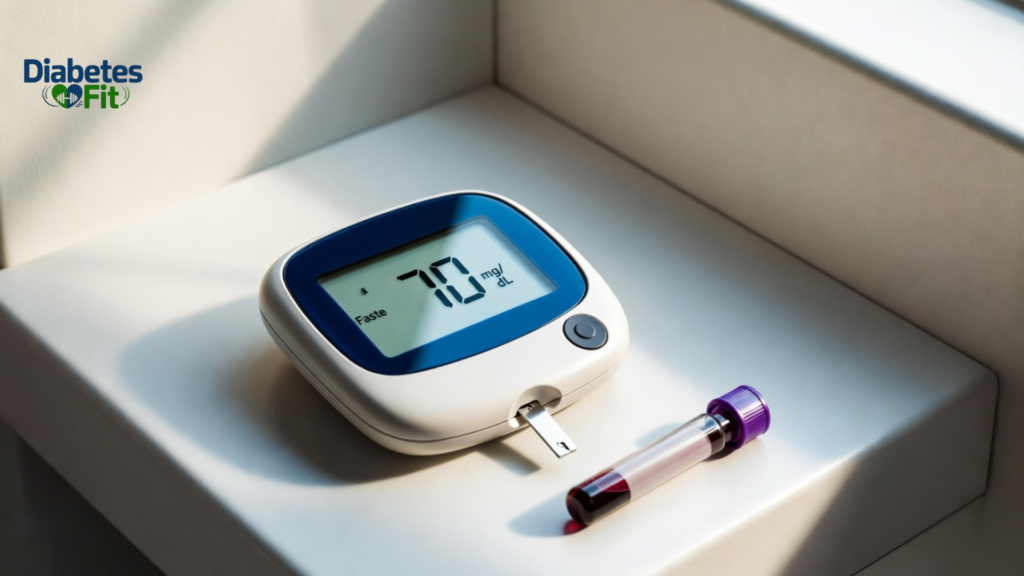
The fasting blood glucose test measures how much glucose is in your blood after an overnight fast. It is used to diagnose diabetes and prediabetes, and to monitor blood sugar management in people already diagnosed.
Eating before this test — even something small — can falsely elevate your glucose reading and lead to a misdiagnosis of prediabetes or diabetes when your true fasting level is actually normal.
- Eating a meal can raise blood glucose by 40–80 mg/dL for several hours
- Even a small snack two to three hours before the test can elevate readings
- The 8-hour minimum is designed to ensure your body has returned to a true fasting baseline
Target fasting glucose ranges:
- Normal: 70–99 mg/dL
- Prediabetes: 100–125 mg/dL
- Diabetes: 126 mg/dL or above
Lipid Panel (Cholesterol Test)
Required fasting time: 9–12 hours
The lipid panel measures total cholesterol, LDL (bad cholesterol), HDL (good cholesterol), and triglycerides. This is the test where fasting matters most — particularly for triglycerides.
Triglycerides are extremely sensitive to recent food intake. After a meal — especially one containing fat or carbohydrates — triglyceride levels can remain elevated for up to 12 hours. A non-fasting triglyceride reading can be 20–50% higher than your true fasting level, which could falsely indicate a serious condition called hypertriglyceridemia.
LDL cholesterol is typically calculated using a formula that includes triglycerides. If triglycerides are falsely elevated from a recent meal, your calculated LDL will also be inaccurate.
Fasting lipid panel targets:
- Total cholesterol: Below 200 mg/dL
- LDL: Below 100 mg/dL (below 70 for high cardiovascular risk)
- HDL: Above 40 mg/dL (men), above 50 mg/dL (women)
- Triglycerides: Below 150 mg/dL
Basic and Comprehensive Metabolic Panel (BMP/CMP)
Required fasting time: 8–12 hours
The metabolic panel measures glucose, electrolytes, kidney function markers (creatinine, BUN), liver enzymes, and protein levels. While some components of this panel are not dramatically affected by food, the glucose component requires fasting, and since these panels are ordered together, the full panel requires the same fasting period.
Insulin Level Test
Required fasting time: 8–12 hours
Insulin levels are used to assess insulin resistance and pancreatic function. Because insulin rises dramatically after eating — particularly after carbohydrate-containing meals — accurate fasting insulin measurement requires strict overnight fasting. A post-meal insulin reading can be five to ten times higher than a true fasting level.
Tests That Require Only 2–4 Hours of Fasting
Iron Studies
Required fasting time: 8 hours (some labs recommend 12 hours)
Iron levels in the blood fluctuate significantly after eating — particularly after consuming iron-rich foods. Iron studies typically include serum iron, ferritin, TIBC (total iron-binding capacity), and transferrin saturation. Morning fasting is standard for most labs.
Vitamin B12 and Folate
Required fasting time: 6–8 hours
Recent dietary intake can transiently affect B12 and folate levels. Most labs request morning fasting for these tests to ensure baseline accuracy.
Tests That Do NOT Require Fasting
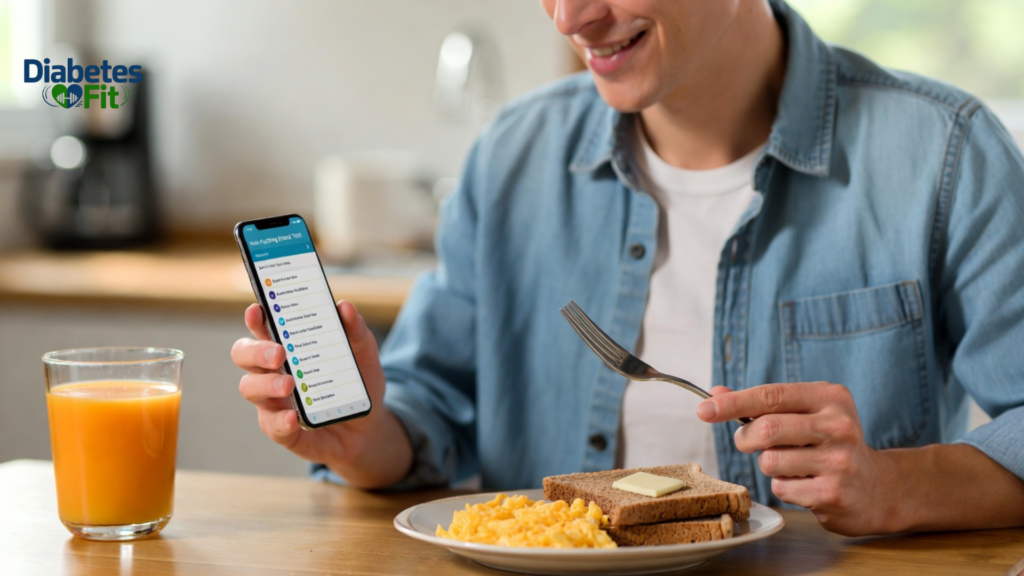
This is equally important — many people unnecessarily fast before tests that do not require it, or delay necessary blood work because they ate something.
| Blood Test | Fasting Required? | Notes |
| Complete Blood Count (CBC) | No | Measures red cells, white cells, and platelets |
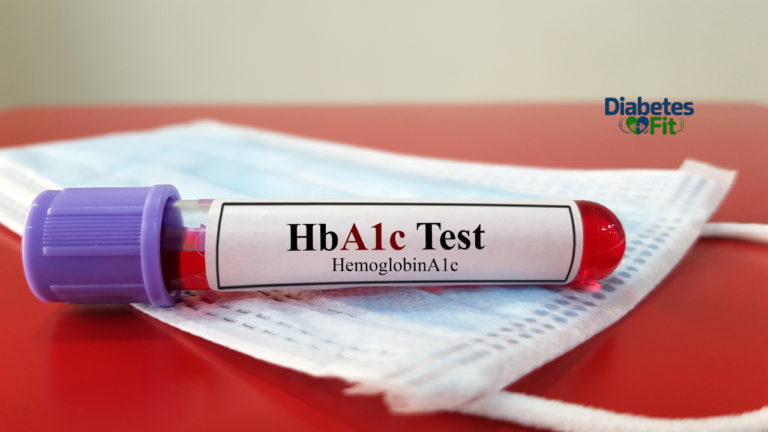
| HbA1c (A1C) | No | Reflects 3-month average — meal irrelevant |
| Thyroid Function (TSH, T3, T4) | No | Not affected by recent food intake |
| HIV Test | No | No dietary influence |
| Vitamin D | No | Not affected by food |
| C-Reactive Protein (CRP) | No | Inflammation marker — not food-sensitive |
| Kidney Function (creatinine alone) | No | Minimally affected by recent meals |
| Complete Metabolic Panel (non-glucose) | Partial | The glucose component requires fasting |
| PSA (Prostate-Specific Antigen) | No | No dietary influence |
| Hepatitis Panel | No | No dietary influence |
| Blood Type | No | No dietary influence |
The Official Fasting Time Guide: Quick Reference Table
| Blood Test | Fasting Time Required | Most Important Because |
| Fasting Blood Glucose | 8–12 hours | Food raises glucose dramatically |
| Lipid Panel | 9–12 hours | Triglycerides stay elevated for 12 hours |
| Comprehensive Metabolic Panel | 8–12 hours | Contains glucose measurement |
| Fasting Insulin | 8–12 hours | Insulin spikes 5–10x after meals |
| Iron Studies | 8–12 hours | Iron fluctuates with recent food |
| Vitamin B12/Folate | 6–8 hours | Dietary intake affects levels |
| HbA1c | None required | 3-month average not affected by meals |
| CBC | None required | Cell counts are unaffected by food |
| Thyroid Panel | None required | Hormones are unaffected by recent eating |
| Vitamin D | None required | Fat-soluble, stable measurement |
| Testosterone | Ideally morning | Levels are naturally highest in the morning |
What You Can and Cannot Have While Fasting for Blood Work
Knowing how long to fast for blood work is only part of the picture. What you consume during that fasting window matters just as much.
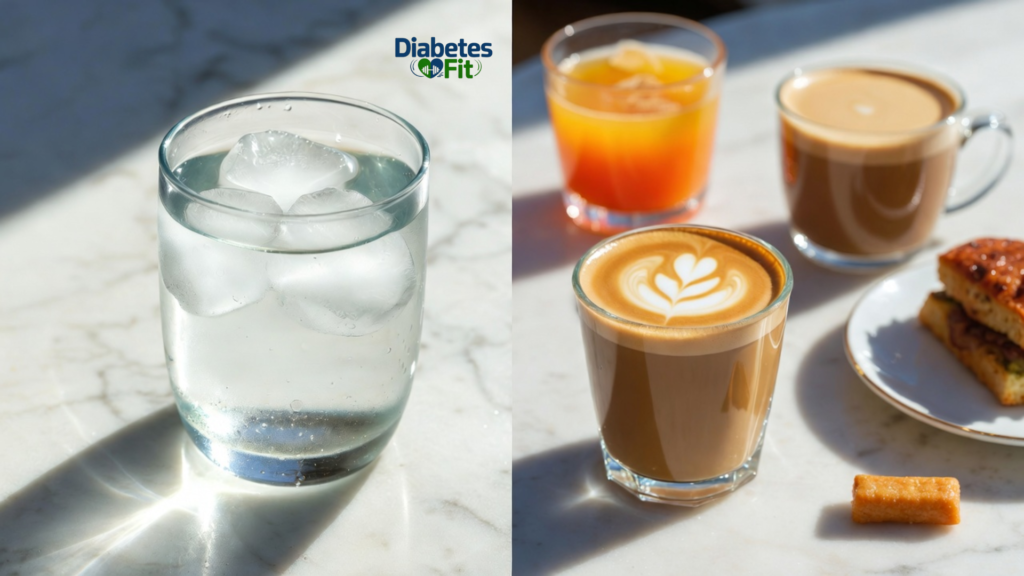
What You CAN Have During a Blood Work Fast
Plain water — drink freely: Water has zero effect on any blood test. In fact, staying well-hydrated before blood work is strongly recommended because dehydration:
- Thickens blood, making veins harder to find
- Can slightly concentrate certain blood markers
- Makes the blood draw more difficult and uncomfortable
Drink a full glass of water the morning of your blood draw — even before leaving the house.
Plain black coffee — complicated answer:
This is where most people get confused about how long to fast for blood work involving a lipid panel or glucose test.
Technically, black coffee with absolutely nothing added contains minimal calories and should not significantly affect most fasting blood tests. However:
- Coffee stimulates cortisol release, which raises blood glucose temporarily
- Coffee has a mild diuretic effect, affecting electrolyte concentrations slightly
- Individual responses vary significantly
The safe answer: If your lab instructions say nothing about coffee, call and ask specifically. Many labs and doctors say plain black coffee is acceptable for lipid panels but not for glucose or insulin tests. When in doubt — skip the coffee. Getting accurate results is worth 12 hours without caffeine.
Plain water with lemon — borderline: A slice of lemon or a squeeze of lemon juice in water adds minimal calories and should not significantly affect most tests. However, strictly speaking, purists recommend plain water only during a medical fast.
What You CANNOT Have During a Blood Work Fast
- Any food — even a small snack, a piece of fruit, or a handful of nuts breaks the fast and can affect results.
- Sweetened beverages — juice, soda, sweet tea, sports drinks, flavored water all contain sugar that raises glucose and insulin.
- Coffee with milk, cream, or sugar — dairy and sugar raise glucose, triglycerides, and insulin
- Alcohol — alcohol affects liver enzymes, triglycerides, and glucose significantly; avoid for at least 24 hours before any blood work
- Gum (sugar-containing) — even chewing sugar-free gum can stimulate digestive enzymes and mild insulin release.
- Vitamins and supplements — some supplements (particularly fat-soluble vitamins A, D, E, K; omega-3 fish oil; and biotin) can affect specific test results. Discuss with your doctor beforeyour draw.
- Smoking — nicotine raises blood glucose and affects cortisol; avoid smoking for at least 30 minutes beforea blood draw
Medications During a Blood Work Fast
This is a critical question that many people get wrong when figuring out how long to fast for blood work.
General rule: Take all prescription medications as scheduled unless your doctor specifically tells you otherwise.
Most medications do not affect fasting blood test accuracy. Skipping medications before a blood draw — particularly blood pressure medications, heart medications, and psychiatric medications — can be dangerous and is rarely medically necessary.
Exceptions to discuss with your doctor:
- Metformin and other diabetes medications — your doctor may advise timing around the fasting glucose or insulin test
- Statins (cholesterol medications) — take as scheduled; they do not affect lipid panel results in the short term
- Thyroid medications (levothyroxine) — some endocrinologists prefer thyroid labs drawn before the morning dose; ask specifically
- Biotin supplements — high-dose biotin (commonly found in hair/nail supplements, often 5,000–10,000 mcg) significantly interferes with thyroid tests and several other assays. Stop biotin supplements 48–72 hours before any blood work.
Practical Tips for Fasting Successfully Before Blood Work
Knowing how long to fast for blood work is most useful when combined with strategies that make the fast easy to complete and the blood draw successful.
Schedule Your Appointment for Early Morning
This is the single most practical piece of advice for anyone figuring out how long to fast for blood work. Scheduling your blood draw for 7 am–9 am means your fast overlaps entirely with sleep — you fast from 8 pm or 9 pm the night before, sleep through most of it, and arrive at the lab having barely noticed the restriction.
Trying to fast while awake and at work — watching colleagues eat lunch while you wait for a 2 pm appointment — is unnecessarily difficult and increases the risk of accidentally breaking the fast.
Eat a Balanced Meal Before Your Fast Starts
What you eat before beginning your fast matters. A meal rich in protein and healthy fat keeps you fuller longer and reduces hunger during the fasting window. Avoid a high-sugar or high-carbohydrate meal as your last meal before fasting — it may leave you hungrier and cause a rebound hunger effect overnight.
Good pre-fast dinner choices:
- Grilled chicken or fish with roasted vegetables
- Eggs with avocado and whole-grain toast
- Lentil soup with salad
- Greek yogurt with nuts and berries
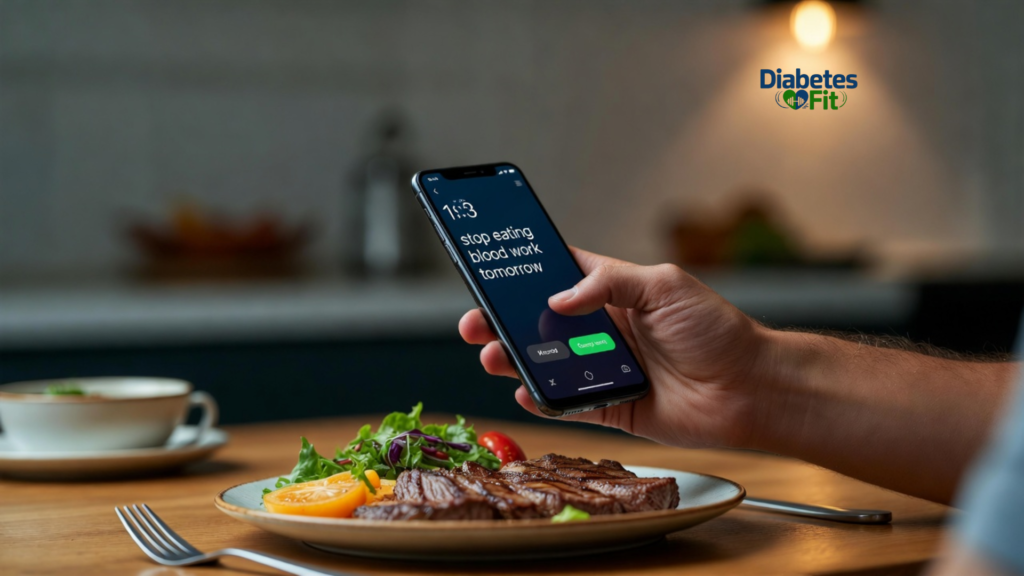
Set a Phone Reminder for Your Cutoff Time
Calculate exactly when to stop eating and set a reminder. If your appointment is at 8 am and you need a 12-hour fast, stop eating at 8 pm the previous evening. A simple phone alarm labeled “Stop Eating — Blood Work Tomorrow” eliminates the guesswork.
Drink Extra Water the Night Before
Proper hydration makes blood draws significantly easier. Dehydrated veins collapse and roll — making the phlebotomist’s job harder and the procedure more uncomfortable. Drink an extra glass or two of water the evening before your appointment and another glass when you wake up.
Tell the Lab If You Accidentally Ate Something
This happens to nearly everyone at some point. You forgot, grabbed a snack mindlessly, or misunderstood the instructions. If you accidentally broke your fast:
- Do not lie about it — inaccurate results can lead to misdiagnosis and incorrect treatment
- Tell the phlebotomist what you ate and when
- They will note it on your sample, allowing your doctor to interpret results accordingly
- In most cases, you will simply be asked to reschedule — a minor inconvenience compared to acting on wrong results
Real-Life Example
David, 48 years old, was ordered a fasting lipid panel and fasting glucose test. He scheduled his appointment at 7:30 am, stopped eating at 7:30 pm the night before, drank two glasses of water before bed, and another glass when he woke at 6:30 am. He arrived hydrated, his vein was found on the first attempt, and his results were clean and accurate — fasting triglycerides of 142 mg/dL and fasting glucose of 94 mg/dL. His doctor had clear data to work with. The 12-hour fast cost him nothing more than skipping his usual morning coffee for one day.
Special Situations: When Standard Fasting Rules Change
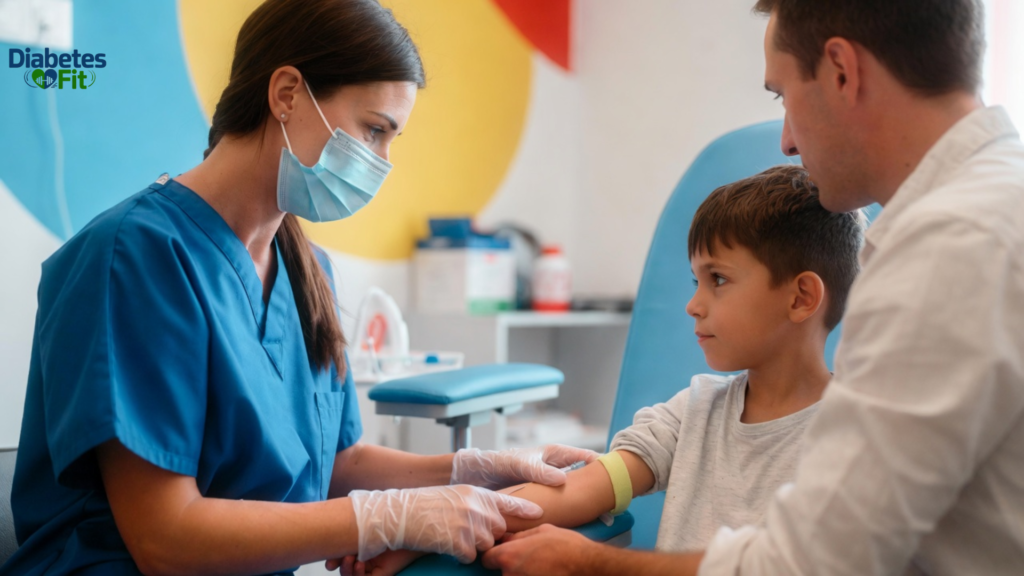
Children and Fasting for Blood Work
Children — particularly young children — may find extended fasting difficult and distressing. Pediatric labs often use modified fasting protocols:
- Children under 2 years: typically 4–6 hours fast maximum
- Children 2–10 years: typically 6–8 hours
- Teenagers: standard adult 8–12 hours
Always confirm the specific fasting requirement with your child’s pediatrician before the appointment.
Pregnant Women
Pregnant women should never fast for extended periods without medical guidance. Prolonged fasting during pregnancy can cause hypoglycemia and ketonemia, and is not safe for the developing baby. The gestational diabetes glucose tolerance test uses a specific modified protocol — your OB will provide exact instructions.
People With Diabetes
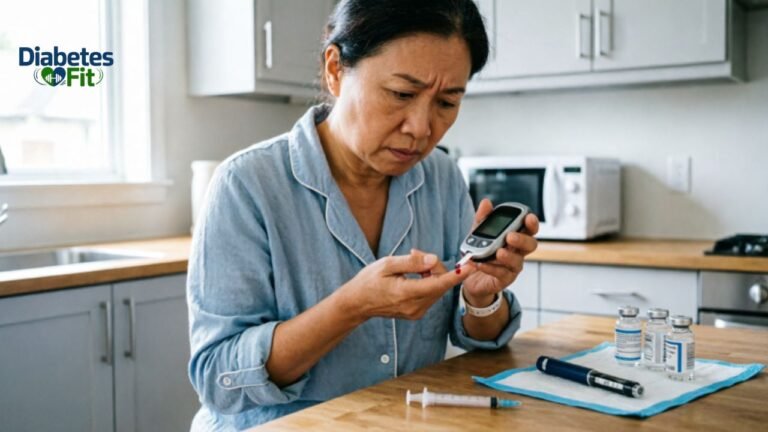
People with Type 1 or Type 2 diabetes face special considerations for fasting before blood work:
- Hypoglycemia risk is real — extended fasting can cause dangerously low blood sugar, especially for those on insulin or sulfonylureas
- Never skip insulin doses without medical guidance, even while fasting for blood work
- Schedule the earliest possible appointment to minimize fasting duration
- Bring fast-acting glucose (glucose tablets, juice) to the appointment in case blood sugar drops
- Discuss the fasting plan with your doctor before your appointment
People on Specific Medications
Some medications require specific timing considerations around blood work:
- Warfarin (blood thinner) — INR tests do not require fasting, but consistent timing relative to the dose matters
- Levothyroxine — some doctors want TSH drawn before the morning dose
- Metformin — generally safe to take as scheduled; discuss with your doctor
How Long to Fast for Blood Work: Common Mistakes to Avoid
These are the errors that most commonly cause inaccurate results or wasted blood draws:
- Eating a light breakfast, thinking it does not count — any food breaks the fast,t regardless of size
- Forgetting that juice and sweetened coffee count as food, liquid calories break the fast
- Taking high-dose biotin supplements right before the draw — interferes with multiple tests
- Drinking alcohol the night before affects liver enzymes, triglycerides, and glucose even after 8 hours
- Scheduling a late afternoon appointment — makes fasting unnecessarily difficult
- Not drinking enough water — dehydration makes blood draws harder and can affect certain results
- Assuming A1C requires fasting — it does not, and unnecessary fasting before an A1C test serves no purpose
Conclusion
Understanding exactly how long to fast for blood work is genuinely one of the most important things you can do to ensure your lab results are accurate and actionable. The information in this guide gives you everything you need — the specific fasting times by test type, what you can and cannot consume during the fast, medication guidance, and practical strategies to make the process as easy as possible.
The core rules are simple: for glucose and lipid tests, fast 8–12 hours with nothing but water; for A1C, CBC, and thyroid tests, no fasting is needed; schedule early morning appointments; and always drink plenty of water. Knowing how long to fast for blood work correctly means your doctor gets the accurate data needed to make genuinely informed decisions about your health.
How long to fast for blood work is not a complicated question once you have the right information. And now you do.
If you are unsure about your specific test requirements, call your lab or doctor’s office the day before your appointment. A two-minute phone call is all it takes to confirm you are prepared correctly.
For more detailed guidance on preparing for a fasting blood test, you can read this helpful guide fromMedlinePlus.
Frequently Asked Questions
How long to fast for blood work for a basic metabolic panel?
A basic metabolic panel (BMP) requires 8–12 hours of fasting because it includes a fasting blood glucose measurement. The comprehensive metabolic panel (CMP) has the same requirement. Plain water is always permitted during the fast. Schedule your appointment first thing in the morning so the fast overlaps with sleep.
Can I drink water while fasting for blood work?
Yes — absolutely. Plain water does not affect any blood test and should be consumed freely during a medical fast. Staying hydrated makes veins easier to access, and the blood draw more comfortable. Drink a full glass of water before leaving for the lab. Only plain water counts — flavored, sweetened, or carbonated water with additives should be avoided.
What happens if I accidentally eat before fastingfor blood work?
Tell your phlebotomist or lab technician immediately and be honest about what you ate and when. They will note it on the sample so your doctor can interpret results in context. In most cases, you will be asked to reschedule for a proper fasting draw. Never hide accidental eating — inaccurate results can lead to misdiagnosis and inappropriate treatment changes.
Does coffee break a fast for blood work?
Technically, plain black coffee contains minimal calories and may not significantly affect most fasting blood tests. However, coffee raises cortisol (which elevates glucose), has diuretic effects, and individual responses vary. The safest approach is to skip coffee entirely before any fasting blood draw — particularly for glucose and insulin tests. When in doubt, call your lab to confirm their specific policy.
How long to fast for blood work for a cholesterol test?
A cholesterol test (lipid panel) requires 9–12 hours of fasting, with 12 hours being the most commonly recommended duration. Triglycerides are particularly sensitive to recent food intake and can remain elevated for up to 12 hours after eating. An inaccurate triglyceride reading also affects the LDL calculation, making proper fasting essential for a reliable lipid panel.
Does the A1C test require fasting?
No — the HbA1c test does not require any fasting. A1C measures the percentage of hemoglobin with glucose attached, which reflects your average blood sugar over the past two to three months. A single meal has no meaningful effect on this measurement. You can eat and drink normally before an A1C test and take it at any time of day.
How long to fast for blood work when you have diabetes?
People with diabetes should fast for the standard 8–12 hours for glucose, lipid, and metabolic panel tests — but with important precautions. Schedule the earliest possible morning appointment to minimize fasting duration. Never skip diabetes medications without a doctor’s guidance. Bring fast-acting glucose in case blood sugar drops during the fast. Always discuss your specific fasting plan with your diabetes care team before the appointment.

David Miller: I am a health and wellness writer focused on diabetes awareness, blood sugar control, and healthy living. I creates clear, practical content to help readers make better everyday health choices. I write evidence-based articles about diabetes, diet, and healthy living. My goal is to simplify complex health topics using trusted sources like WHO and medical journals.