Can You Eat Salmon Every Day? 9 Surprising Truths That Will Change How You Think
Salmon is one of the most nutritious foods on the planet — rich in omega-3 fatty acids, high-quality protein, vitamin D, and a dozen other nutrients your body genuinely needs. So it makes sense that many health-conscious people wonder: can you eat salmon every day without any downsides? The short answer is yes — for most people, eating salmon daily is safe, beneficial, and one of the smartest dietary choices you can make. But the full answer involves understanding which type of salmon, how much is ideal, how you prepare it, and whether certain health conditions change the picture. Can you eat salmon every day without worrying about mercury? Can you eat salmon every day and actually see measurable health improvements? This guide answers every question clearly — with the science, the practical guidelines, and the real-world tips to make daily salmon work for you.
To learn more about how watermelon affects blood sugar levels, check out our detailed guide Is Watermelon Good for Diabetes?
Why Salmon Is Considered One of the Healthiest Foods on Earth
Before answering, can you eat salmon every day in dep? It helps to understand exactly why salmon occupies such a unique position in nutrition science.
Salmon is not just a good protein source. It is one of the few foods that delivers an exceptional concentration of multiple hard-to-get nutrients in a single serving.
Complete Nutritional Profile of Salmon (Per 100g Cooked)
| Nutrient | Wild Salmon | Farmed Salmon | Daily Value % |
| Calories | 182 kcal | 206 kcal | — |
| Protein | 25g | 22g | 44–50% |
| Total fat | 8g | 13g | — |
| Omega-3 (EPA+DHA) | 1,800mg | 2,200mg | 120–180% DV |
| Vitamin D | 447 IU | 245 IU | 56–112% DV |
| Vitamin B12 | 3.2 mcg | 2.8 mcg | 133% DV |
| Selenium | 36 mcg | 28 mcg | 65% DV |
| Niacin (B3) | 8.6mg | 7.7mg | 54% DV |
| Phosphorus | 274mg | 252mg | 39% DV |
| Potassium | 490mg | 384mg | 10% DV |
| Astaxanthin | 1–4mg | , | |
| Mercury (per 100g) | 0.014 ppm | 0.05 ppm | Well below the FDA limit |
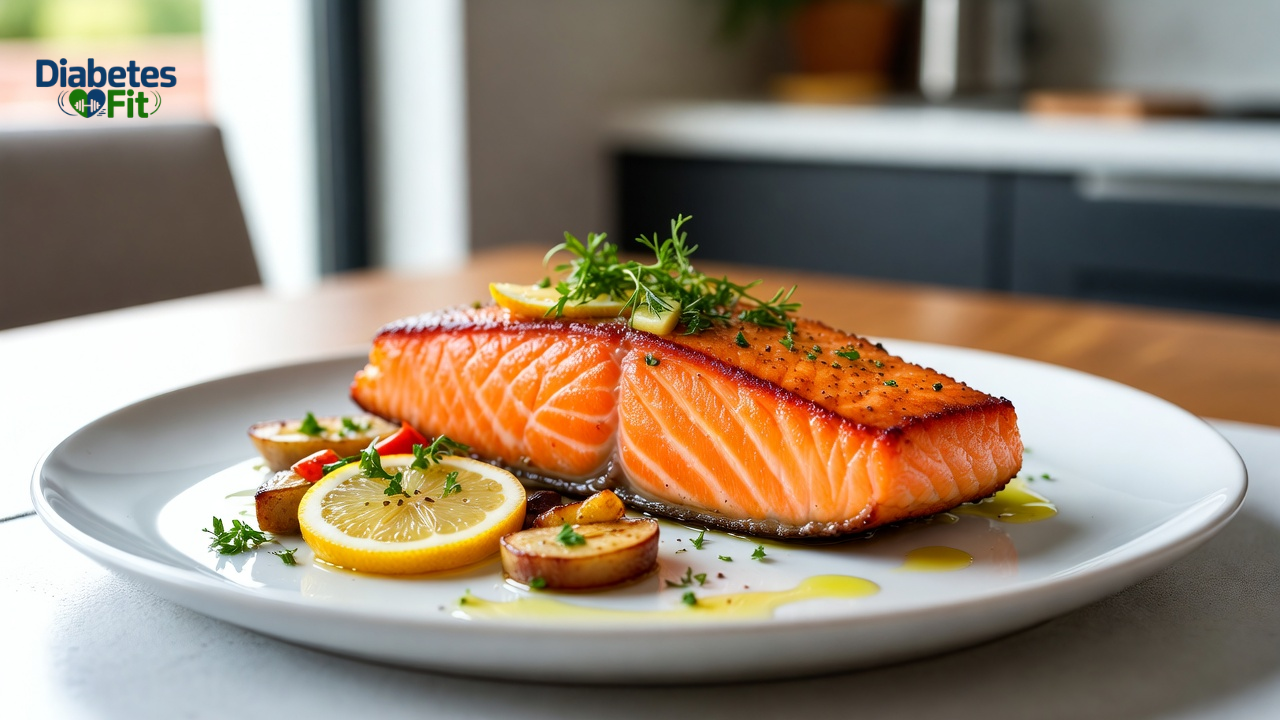
Salmon provides complete protein with all essential amino acids, a massive dose of omega-3 fatty acids, more vitamin D than almost any other food, and a suite of B vitamins and minerals — all in approximately 180–200 calories.
This extraordinary nutritional density is exactly why so many researchers, cardiologists, and nutritionists actively recommend salmon as a cornerstone food in a healthy diet.
Can You Eat Salmon Every Day? What the Science Says
The answer to can you eat salmon everyday depends on several factors — but the overall scientific consensus is clearly supportive of frequent, even daily, salmon consumption for most people.
What Major Health Organizations Say
American Heart Association (AHA): Recommends eating fatty fish like salmon at least twice per week. The AHA has never set an upper safe limit for salmon consumption specifically — their guidance focuses on a minimum, not a maximum.
FDA and EPA (United States): Salmon is classified as a “best choice” fish — the lowest mercury category. The FDA recommends two to three servings (eight to twelve ounces) of best choice fish per week for adults, and explicitly includes salmon on the list of fish safe for pregnant women and young children.
World Health Organization: Recommends regular fatty fish consumption as part of a heart-healthy dietary pattern, with no specific upper limit for low-mercury species like salmon.
The absence of an upper daily limit from major health authorities is itself meaningful — these organizations are cautious by nature. The fact that none of them warn against eating salmon daily reflects the genuinely favorable safety profile of regular salmon consumption.
9 Powerful Health Benefits of Eating Salmon Every Day
Benefit 1: Dramatically Improves Heart Health
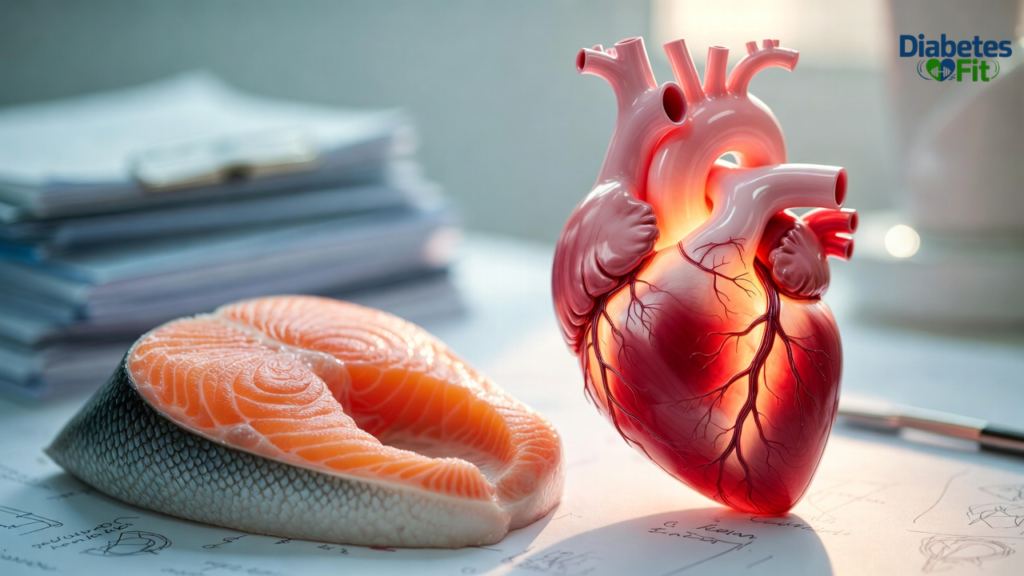
Can you eat salmon every day for your heart? Absolutely — and the evidence is among the strongest in nutritional science.
The EPA (eicosapentaenoic acid) and DHA (docosahexaenoic acid) omega-3 fatty acids in salmon produce multiple simultaneous cardiovascular benefits:
- Reduces triglycerides by 15–30% — one of the most consistent effects of omega-3 consumption in clinical trials
- Lowers blood pressure — a meta-analysis of 70 randomized trials found omega-3s significantly reduced both systolic and diastolic blood pressur..e
- Reduces arterial inflammation — omega-3s directly reduce the production of inflammatory cytokines that damage arterial walls
- Improves HDL cholesterol — increases the “good” cholesterol that removes LDL from arteries
- Reduces blood clotting — omega-3s make platelets less sticky, reducing the risk of arterial clots.
A large Harvard study following over 40,000 healthcare professionals found that people eating fatty fish two or more times per week had a 36% lower risk of fatal heart attacks. Daily consumption provides an even more consistent supply of these protective compounds.
Benefit 2: Supports Brain Health and Mental Clarity
Can you eat salmon every day for your brain? Yes — and the neurological benefits are profound.
DHA is not just beneficial for the brain — it is structurally essential. Approximately 60% of the dry weight of the brain is fat, and DHA is the most abundant omega-3 fatty acid in brain tissue.
What DHA does for the brain:
- Maintains the fluidity and function of neuronal cell membranes
- Supports the production of neurotransmitters,s including serotonin and dopamine
- Reduces neuroinflammation — a primary driver of cognitive decline
- Supports the growth of new brain cells (neurogenesis) in the hippocampus
Research findings:
- Higher blood DHA levels are consistently associated with lower rates of Alzheimer’s disease and dementia
- A study in the Journal of Alzheimer’s Disease found that people with the highest omega-3 intake had significantly greater brain volume in regions associated with memory and learning.
- Multiple studies show omega-3 supplementation reduces symptoms of depression and anxiety — effects attributable to salmon’s DHA and EPA conten..t
Benefit 3: Provides Exceptional High-Quality Protein
Can you eat salmon every days your primary protein source? Absolutely — salmon’s protein quality is among the highest of any food.
A 100g serving of salmon provides 22–25g of complete protein — meaning it contains all nine essential amino acids in the ratios your body needs for:
- Building and repairing muscle tissue
- Producing enzymes, hormones, and antibodies
- Supporting immune function
- Maintaining skin, hair, and nail structure
Salmon protein vs other sources:
| Protein Source | Protein per 100g | Complete? | Digestibility Score |
| Salmon | 25g | ✅ Yes | 97% |
| Chicken breast | 31g | ✅ Yes | 95% |
| Beef (lean) | 26g | ✅ Yes | 94% |
| Eggs | 13g | ✅ Yes | 97% |
| Tofu | 8g | ✅ Yes | 91% |
| Lentils | 9g | ❌ Incomplete | 84% |
| Black beans | 9g | ❌ Incomplete | 78% |
Salmon’s protein digestibility score of 97% means your body absorbs and uses almost every gram of protein it contains — making it one of the most bioavailable protein sources available.
Benefit 4: Delivers Vitamin D That Most People Are Deficient In
Can you eat salmon every day to fix a vitamin D deficiency? Yes — and this is one of salmon’s most underappreciated benefits.
Vitamin D deficiency affects an estimated one billion people globally. Unlike most nutrients, vitamin D is found in very few foods in meaningful amounts — salmon is one of the rare exceptions.
A 100g serving of wild salmon provides 447 IU of vitamin D, 56–112% of the daily recommended intake depending on which guidelines you follow. Farmed salmon provides approximately 245 IU.
Why vitamin D matters:
- Essential for calcium absorption and bone density
- Critical for immune system function — vitamin D deficiency significantly increases susceptibility to infections
- Supports muscle function and reduces fall risk in older adults
- Linked to reduced risk of multiple sclerosis, type 2 diabetes, and several cancers in observational studies
- Influences mood regulation — vitamin D deficiency is strongly associated with seasonal depression
For people who live at high latitudes, work indoors, or have darker skin tones — all groups at high risk of deficiency — daily salmon consumption can meaningfully contribute to maintaining adequate vitamin D levels year-round.
Benefit 5: Powerful Anti-Inflammatory Effects
Chronic inflammation is the underlying driver of virtually every major chronic disease — heart disease, Type 2 diabetes, cancer, Alzheimer’s, and autoimmune conditions. Can you eat salmon every day to fight inflammation? The evidence says yes.
Salmon’s omega-3 fatty acids are among the most potent natural anti-inflammatory compounds known to nutritional science.
How omega-3s reduce inflammation:
- Compete with omega-6 fatty acids for the same enzymes, reducing production of pro-inflammatory eicosanoids
- Are converted to resolvins and protectins — specialized molecules that actively resolve inflammation
- Directly reduce levels of C-reactive protein (CRP), interleukin-6, and TNF-alpha — the primary inflammatory markers
Astaxanthin — salmon’s secret weapon: Salmon contains astaxanthin, a carotenoid antioxidant that gives salmon its characteristic pink color. Astaxanthin is:
- 6,000 times more potent than vitamin C as an antioxidant
- 800 times more potent than CoQ10
- 550 times more potent than vitamin E
Research shows astaxanthin reduces oxidative stress markers, improves skin elasticity, and protects against UV-induced skin damage. Wild salmon contains significantly more astaxanthin than farmed salmon.
Benefit 6: Supports Eye Health and Prevents Macular Degeneration
DHA is one of the primary structural fats in the retina — the light-sensitive tissue at the back of the eye. Regular DHA intake from daily salmon consumption supports:

- Retinal structure and function
- Protection against age-related macular degeneration (AMD) — the leading cause of blindness in adults over 50
- Reduced dry eye symptoms
- Lower intraocular pressure (relevant for glaucoma risk)
A large cohort study found that people eating fatty fish once or more per week had a 42% lower risk of AMD compared to those eating fish less than once per month.
Benefit 7: Supports Healthy Pregnancy and Fetal Development
Can you eat salmon eevery dayyduring pregnancy? Yes — in fact, many obstetricians actively encourage it within safe guidelines.
DHA is critical for fetal brain and eye development — particularly during the third trimester when fetal brain growth is most rapid. Women who eat adequate DHA during pregnancy have children with:
- Better cognitive development and IQ scores
- Better visual acuity
- Lower rates of ADHD and developmental delays
The FDA specifically lists salmon as a “best choice” fish safe during pregnancy and recommends two to three servings per week — more than the general adult recommendation.
Benefit 8: Improves Skin Health and Appearance
Can you eat salmon every day for better skin? Many dermatologists say yes.
Salmon’s combination of omega-3s, astaxanthin, and vitamin D delivers measurable skin benefits:
- Omega-3s reduce inflammatory skin conditions — eczema, psoriasis, acne — by reducing systemic inflammation
- Astaxanthin reduces UV-induced skin damage and improves skin elasticity and moisture
- Vitamin D supports skin cell turnover and repair
- Protein provides the amino acids (particularly glycine, proline, and hydroxyproline) needed for collagen synthesis
A clinical study found that astaxanthin supplementation for eight weeks significantly improved skin moisture, elasticity, and roughness in healthy women — effects attributable to regular salmon consumption.
Benefit 9: Supports Healthy Weight Management
Can you eat salmon every day as part of a weight management strategy? Absolutely — and it may be one of the best weight management foods available.
Salmon supports a healthy weight through multiple mechanisms:
- High protein satiety: Protein is the most satiating macronutrient. A salmon meal keeps you full significantly longer than a comparable carbohydrate meal.
- Omega-3 effect on appetite hormones: Research shows omega-3s improve leptin sensitivity — the hormone that signals fullness to the brain
- Reduces inflammation-related weight gain: Chronic inflammation impairs insulin sensitivity and promotes fat storage; salmon’s anti-inflammatory effects help counteract this
- Replaces high-calorie options: A salmon dinner at 180–200 calories per 100g is far lower calorie than an equivalent-protein portion of processed meat or cheese
Mercury in Salmon: Is Daily Consumption Safe?
This is the most common concern when asking can you eat salmon everyday — and the answer is reassuring.
Salmon’s Mercury Content Compared to Other Fish
| Fish Type | Mercury Level (ppm) | FDA Category | Safe Frequency |
| Shark | 0.979 ppm | Avoid | Never |
| Swordfish | 0.995 ppm | Avoid | Never |
| King mackerel | 0.730 ppm | Avoid | Never |
| Tuna (bigeye) | 0.689 ppm | Avoid | Rarely |
| Tuna (albacore/canned) | 0.350 ppm | Good choice | 1x/week |
| Tuna (light/canned) | 0.128 ppm | Best choice | 2–3x/week |
| Wild salmon | 0.014 ppm | Best choice | Daily safe |
| Farmed salmon | 0.050 ppm | Best choice | Daily safe |
| Sardines | 0.013 ppm | Best choice | Daily safe |
| Shrimp | 0.009 ppm | Best choice | Daily safe |
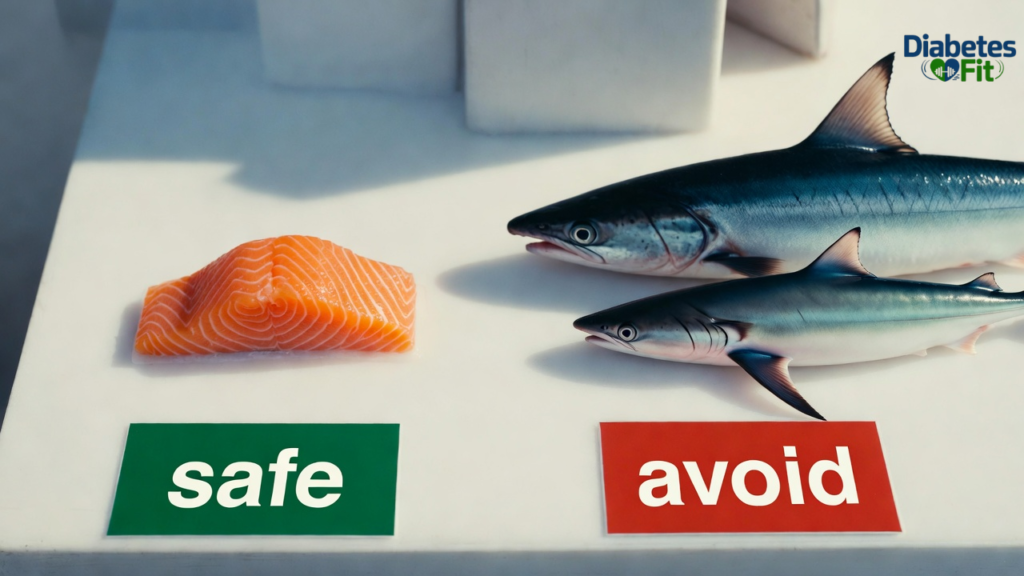
Wild salmon’s mercury level of 0.014 ppm is among the lowest of any seafood — more than 70 times lower than swordfish and 25 times lower than albacore tuna. Even at daily consumption, mercury accumulation from salmon is negligible for the vast majority of people.
Wild vs Farmed Salmon: Which Is Better for Daily Eating?
Can you eat salmon every day regardless of whether it is wild or farmed? Yes — but the differences are worth knowing.
| Factor | Wild Salmon | Farmed Salmon |
| Omega-3 content | 1,800mg per 100g | 2,200mg per 100g |
| Vitamin D | Higher (447 IU) | Lower (245 IU) |
| Astaxanthin | Higher (natural) | Lower (synthetic in most) |
| Mercury | Very low (0.014 ppm) | Very low (0.050 ppm) |
| PCBs/contaminants | Lower | Slightly higher |
| Calories | Slightly lower | Slightly higher |
| Cost | Higher | Lower |
| Availability | Seasonal/limited | Year-round |
| Best for | Maximum nutrition | Affordable daily eating |
Practical recommendation: Wild salmon (particularly Alaskan sockeye or pink salmon) is nutritionally superior — higher vitamin D, more natural astaxanthin, lower contaminant exposure. However, farmed Atlantic salmon remains a genuinely excellent food and is perfectly safe for daily consumption. Eating farmed salmon daily is far better than eating wild salmon occasionally.
How to Eat Salmon Every Day: Practical Tips
Can you eat salmon every day without getting bored or spending a fortune? Yes — with these practical strategies:

Best Preparation Methods (Healthiest to Least Healthy)
| Cooking Method | Preserves Omega-3s | Calories Added | Best For |
| Steaming | ✅ Excellent | None | Maximum nutrition |
| Poaching | ✅ Excellent | None | Gentle, moist |
| Baking (350–400°F) | ✅ Very good | Minimal | Easy weeknight meals |
| Grilling | ✅ Good | Minimal | Flavor development |
| Pan-searing (olive oil) | ✅ Good | 40–60 cal | Quick, crispy skin |
| Air frying | ✅ Good | Minimal | Fast and convenient |
| Deep frying | ❌ Damages omega-3s | 150–300 cal | Avoid eating daily |
Budget-Friendly Daily Salmon Ideas
- Canned wild salmon — dramatically cheaper than fresh, identical nutrition, zero preparation time. Use in salads, rice bowls, sandwiches, and pasta
- Frozen salmon fillets — typically 40–60% cheaper than fresh, fully preserved nutrition. Defrost overnight in the refrigerator
- Salmon burgers — canned or frozen salmon patties, easy weekly batch preparation
- Salmon and egg breakfast scramble — canned salmon, eggs, spinach, onion — complete protein breakfast in five minutes
7-Day Daily Salmon Meal Ideas
| Day | Meal | Preparation |
| Monday | Baked salmon with roasted vegetables | Oven 20 min |
| Tuesday | Canned salmon rice bowl with avocado | No cook |
| Wednesday | Salmon and spinach omelet | Pan 10 min |
| Thursday | Grilled salmon with sweet potato | Grill 15 min |
| Friday | Salmon pasta with olive oil and capers | Stovetop 20 min |
| Saturday | Salmon avocado salad | No cook |
| Sunday | Salmon curry with cauliflower rice | Stovetop 25 min |
Who Should Be More Careful About Daily Salmon
Can you eat salmon every day if you have specific health conditions? Most people can — but a few groups should be aware of additional considerations:
People on blood thinners (warfarin/Coumadin): High omega-3 intake has mild blood-thinning effects. People on prescription anticoagulants should discuss significant increases in salmon consumption with their doctor.
People with gout: Salmon is moderately high in purines. People with active gout or very high uric acid levels should moderate portion sizes and discuss frequency with their physician.
People with certain fish allergies: Salmon allergy, while less common than shellfish allergy, exists. People with known fish allergies should avoid salmon entirely.
Pregnant women — specific guidance: Can you eat salmonevery dayy during pregnancy? Two to three servings per week is the FDA recommendation specifically for pregnant women, not necessarily every single day. This is a precautionary guideline, not because salmon has been shown to harm pregnancy, but because variety in protein sources is beneficial during pregnancy.
Real-Life Example
Sarah, 42, a schoolteacher, had high triglycerides (285 mg/dL), borderline vitamin D deficiency, and complained of persistent brain fog and afternoon fatigue. Her doctor recommended increasing fatty fish consumption significantly.
Sarah began eating salmon five to six days per week — baked, canned, or pan-seared — replacing her previous lunch of sandwiches and packaged food.
After three months:
- Triglycerides: dropped from 285 mg/dL to 187 mg/dL — a 34% reduction
- Vitamin D level: rose from 22 ng/mL to 41 ng/mL — into the optimal range
- Self-reported brain fog: significantly improved by week six
- Energy levels: noticeably better by week four
- Skin: colleagues commented that it looked clearer and more hydrated
Sarah had not changed any other aspect of her diet or lifestyle. The daily salmon was the single intervention, and the results were measurable across multiple health markers within 90 days.
Conclusion
Can you eat salmon every day?B ased on everything the science shows — yes, absolutely, for most people. Can you eat salmon every day safely without worrying about mercury? Yes — salmon’s mercury content is among the lowest of any seafood. Can you eat salmon every day and see real health improvements? The evidence is clear: regular daily salmon consumption improves cardiovascular health, brain function, inflammation markers, vitamin D status, skin health, and weight management.
Can you eat salmon every day affordably? Yes — canned and frozen salmon make daily consumption practical and economical. Can you eat salmon every day without getting bored? With the variety of preparation methods and recipes available, absolutely.
Can you eat salmon every day as the single most impactful dietary change for long-term health? Many nutrition researchers would say yes. The combination of omega-3s, complete protein, vitamin D, astaxanthin, and B12 in a single low-calorie, low-mercury food is genuinely unmatched in the food supply.
The answer to can you eat salmon everyday is a resounding, science-backed yes.
Start this week — replace one meal per day with salmon, prepared simply with olive oil, lemon, and herbs. Give it four weeks and pay attention to how your energy, focus, and how you feel overallbegins to change.
If you want to learn more about why salmon is considered one of the healthiest fish, this expert guide from EatingWell explains its nutritional benefits.
Frequently Asked Questions
Can you eat salmon every day without mercury poisoning?
Yes — salmon is classified as a “best choice” fish by the FDA, with one of the lowest mercury levels of any seafood at 0.014 ppm for wild salmon. Even eating salmon daily would produce mercury intake far below any level of concern. Mercury accumulation risk comes from high-mercury fish like swordfish, shark, and king mackerel — not from salmon. The FDA has no upper frequency limit specifically for salmon and lists it as safe for pregnant women and children.
How much salmon per day is healthy?
A serving of 100–150g (3.5–5oz) of salmon daily is a reasonable and healthy amount for most adults. This provides approximately 25–37g of protein, 1,800–2,700mg of omega-3 fatty acids, and significant amounts of vitamin D and B12. There is no established harmful upper limit for salmon specifically, but eating a variety of protein sources alongside salmon ensures nutritional diversity and prevents any theoretical accumulation of trace contaminants.
Is it better to eat wild or farmed salmon every day?
Both are excellent choices for daily consumption. Wild salmon has higher vitamin D, more natural astaxanthin, and slightly lower contaminant levels. Farmed Atlantic salmon has slightly higher total omega-3 content due to its fat-rich feed. The practical recommendation is to choose wild when affordable (particularly canned wild Alaskan sockeye or pink salmon) and farmed Atlantic salmon when it makes daily consumption economically sustainable. Either choice is dramatically beneficial compared to not eating salmon regularly.
Can eating salmon every day help you lose weight?
Yes — salmon supports weight loss through multiple mechanisms. Its high protein content is the most satiating of all macronutrients, significantly reducing hunger between meals. Omega-3s improve leptin sensitivity — the fullness hormone — reducing overall calorie intake. At approximately 180–200 calories per 100g serving, salmon is a low-calorie, high-nutrition food that replaces more calorie-dense protein options. Multiple studiesshow thatt higher fish consumption is associated with lower body weight and reduced waist circumference.
Does the cooking method affect salmon’s health benefits?
Yes — significantly. Baking, steaming, poaching, and grilling preserve omega-3 fatty acids well and add minimal calories. Deep frying damages heat-sensitive omega-3s, adds 150–300 calories per serving from oil absorption, and produces harmful oxidized fats. For daily consumption, baking at 350–400°F, pan-searing in olive oil, air frying, or eating canned salmon without cooking are the optimal approaches for preserving maximum nutritional benefit.
Can you eat canned salmon every day instead of fresh?
Absolutely — canned salmon is nutritionally equivalent to fresh, often more affordable, and requires zero preparation time. Canned wild Alaskan pink or sockeye salmon retains its omega-3s, protein, vitamin D, and selenium through the canning process. The main differences are texture and the sodium content of some canned varieties — choose low-sodium or no-salt-added versions where possible. Canned salmon with bones (which are soft and edible) also provides an excellent source of calcium.
Can children eat salmon every day?
The FDA recommends children eat two to three servings of best-choice fish like salmon per week — not necessarily every day. For children, two to three servings weekly of salmon provides optimal omega-3 levels for brain development, immune function, and bone health without excess. Daily consumption is not harmful given salmon’s very low mercury content, but variety in diet is generally recommended for children’s overall nutritional development.

David Miller: I am a health and wellness writer focused on diabetes awareness, blood sugar control, and healthy living. I creates clear, practical content to help readers make better everyday health choices. I write evidence-based articles about diabetes, diet, and healthy living. My goal is to simplify complex health topics using trusted sources like WHO and medical journals.