Is Honey Better Than Sugar? 9 Proven Facts That Settle the Debate Once and For All
Walk into any health food store, and you will find honey positioned as the natural, wholesome alternative to refined sugar. But is honey better than sugar in any meaningful, scientifically supported way — or is this just clever marketing wrapped around a product that is essentially the same thing? This is one of the most googled nutrition questions for good reason — millions of people genuinely want to know whether making the switch from sugar to honey is worth it.
Is honey better than sugar for your blood sugar levels? Is honey better than sugar for weight management? Is honey better than sugar when it comes to actual nutritional value? The answers are more nuanced than a simple yes or no — but the science does reveal a clear winner in most categories. This guide settles the debate with facts, not opinions.
Choosing healthier alternatives isn’t just about sweeteners—read our post Can You Eat Salmon Every Day? to learn about another nutritious food option.
What Honey and Sugar Actually Are
Before answering whether honey is better than sugar in specific health contexts, it is important to understand what each substance actually is at a chemical and biological level, because this explains everything that follows.
What Is White Sugar?
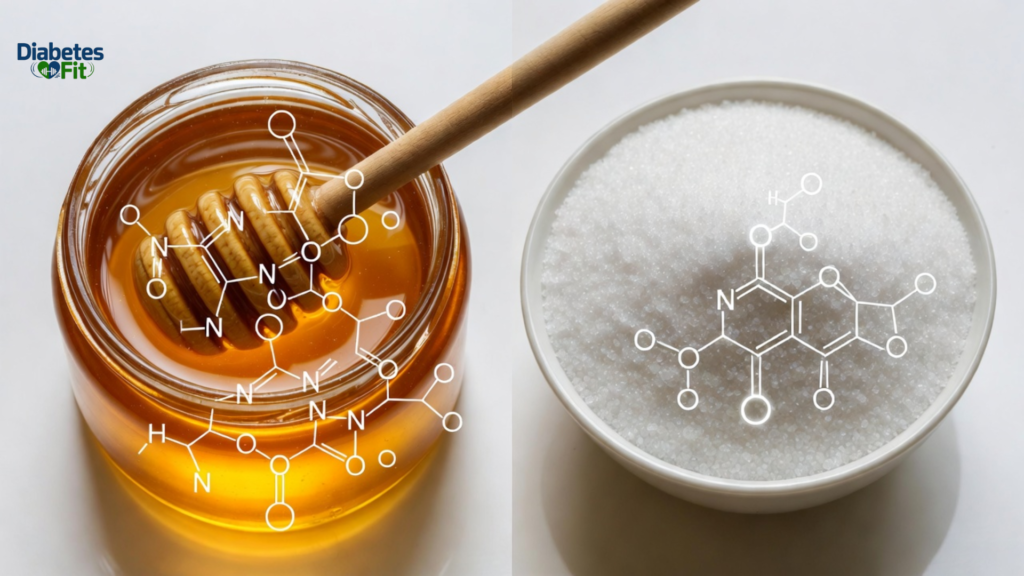
White table sugar is pure sucrose — a disaccharide molecule made of one glucose unit bonded to one fructose unit. It is extracted from sugar cane or sugar beet, then refined and processed until virtually everything except the sucrose molecule is removed.
The eesult is chemically pure, nutritionally empty, and metabolically straightforward:
- Your digestive system splits sucrose into glucose and fructose almost instantly
- Glucose enters the bloodstream immediately, spiking blood sugar
- Fructose is processed entirely by the liver
- No vitamins, minerals, enzymes, antioxidants, or bioactive compounds survive the refining process
What Is Honey?
Honey is a complex biological substance produced by bees from flower nectar. Bees collect nectar, enzymatically transform it in their bodies, and deposit the result in a honeycomb where water evaporates to produce the thick, sweet liquid we know as honey.
Unlike sugar, honey is:
- A mixture of fructose (~38%), glucose (~31%), water (~17%), and other sugars (~9%)
- Rich in enzymes — diastase, invertase, glucose oxidase, catalase
- Containing over 200 identified bioactive compounds, including flavonoids, phenolic acids, and carotenoids
- A source of trace minerals — potassium, calcium, magnesium, phosphorus, zinc
- Naturally antimicrobial through multiple mechanisms
This fundamental difference in composition is the starting point for understanding whether honey is better than sugar in health terms.
Is Honey Better Than Sugar: Complete Side-by-Side Comparison
Nutritional Comparison Table
| Property | Honey (1 tbsp/21g) | White Sugar (1 tbsp/12g) | Brown Sugar (1 tbsp/13g) |
| Calories | 64 kcal | 49 kcal | 52 kcal |
| Carbohydrates | 17.3g | 12.6g | 13.5g |
| Fructose | 8.6g | 6.3g | 6.5g |
| Glucose | 7.5g | 6.3g | 6.5g |
| Protein | 0.06g | 0g | 0g |
| Fiber | 0g | 0g | 0g |
| Glycemic Index | 55–65 | 65–80 | 64–65 |
| Antioxidants | High | None | Trace |
| Vitamins | B2, B3, B5, B6, C (traces) | None | Molasses traces |
| Minerals | K, Ca, Mg, P, Zn (traces) | None | Minimal |
| Enzymes | Active enzymes present | None | None |
| Antimicrobial | Yes | No | No |
| Prebiotic | Yes | No | No |
| Water content | 17% | 0% | 1% |
The first thing most people notice is that honey has more calories per tablespoon than sugar. This is true, but it is also misleading, because honey is denser and sweeter, and you need significantly less of it to achieve the same level of sweetness. When compared by sweetness equivalent, honey often comes in at equal or fewer calories than sugar for the same taste impact.
Is Honey Better Than Sugar: 9 Proven Facts
Fact 1: Honey Has a Lower Glycemic Index Than Sugar
Is honey better than sugar for blood sugar control? On the glycemic index metric — yes, meaningfully so.
Glycemic Index Comparison:
- White sugar (sucrose): GI of 65–80
- Honey: GI of 55–65 (varies by floral source)
- Raw wildflower honey: GI as low as 50–55
- Acacia honey: GI of approximately 35–50 (lowest of all honey types)
A lower glycemic index means blood glucose rises more slowly and less steeply after consuming honey compared to sugar. This produces a smaller, more controlled insulin response.
Why this matters:
- Smaller insulin spikes mean less fat storage signaling
- More stable blood sugar means fewer energy crashes and rebound cravings
- Lower chronic insulin levels over time are associated with reduced risk of Type 2 diabetes, better insulin sensitivity, and easier weight management.
The research: A clinical study comparing the glycemic responses of honey and sugar in healthy adults found that honey produced a significantly lower peak blood glucose and a lower insulin response — despite similar carbohydrate content — attributable to honey’s unique fructose-to-glucose ratio and bioactive compounds that slow glucose absorption.
Fact 2: Honey Contains Powerful Antioxidants — Sugar Contains None
Is honey better than sugar for fighting oxidative stress and inflammation? Without question, this is perhaps the most clear-cut difference between the two.
White sugar contains zero antioxidants. Not trace amounts — zero. The refining process removes every bioactive compound.
Raw honey, by contrast, is rich in multiple classes of polyphenol antioxidants:
Key antioxidants in honey:
- Flavonoids: Quercetin, kaempferol, chrysin, luteolin, apigenin
- Phenolic acids: Caffeic acid, p-coumaric acid, ellagic acid, ferulic acid
- Carotenoids: Beta-carotene and related compounds
- Ascorbic acid (Vitamin C): In small but measurable amounts
What these antioxidants do:
- Neutralize free radicals that damage cells, DNA, and blood vessels
- Reduce chronic inflammation — the underlying driver of heart disease, Type 2 diabetes, cancer, and Alzheimer’s disease
- Protect LDL cholesterol from oxidation — the critical first step in arterial plaque formation
- Support immune system function
A study published in the Journal of the American College of Nutrition found that consuming honey increased antioxidant capacity in the blood of healthy adults — a direct biological effect measurable in the bloodstream within hours of consumption. Sugar produced no such effect.
The antioxidant content of honey varies significantly by type:
| Honey Type | Antioxidant Level | Color Indicator |
| Buckwheat honey | Very high | Dark brown/black |
| Manuka honey | Very high | Dark amber |
| Raw wildflower honey | High | Medium amber |
| Raw clover honey | Moderate | Light golden |
| Acacia honey | Low-moderate | Very pale yellow |
| Commercial processed honey | Low | Pale (filtered) |
General rule: Darker honey = higher antioxidant content.
Fact 3: Honey Is Sweeter Than Sugar — So You Use Less
Is honey better than sugar from a calorie management perspective? Yes, because of its superior sweetness intensity.
Honey is approximately 25–50% sweeter than white sugar per gram. This means you need significantly less honey to achieve the same sweetness level in any food or drink.
Practical calorie comparison for equivalent sweetness:
| Application | Sugar Used | Calories | Honey Used | Calories | Saving |
| Cup of tea | 1 tsp (4g) | 16 cal | ½ tsp (3.5g) | 11 cal | 5 cal |
| Morning coffee | 2 tsp (8g) | 32 cal | 1 tsp (7g) | 21 cal | 11 cal |
| Bowl of oatmeal | 1 tbsp (12g) | 49 cal | 2 tsp (14g) | 42 cal | 7 cal |
| Salad dressing | 1 tbsp (12g) | 49 cal | 2 tsp (14g) | 42 cal | 7 cal |
| Baking (per recipe) | 1 cup (200g) | 800 cal | ¾ cup (255g) | 816 cal | Similar |
For beverages and direct use — where most people add sweetener — honey provides equivalent or greater sweetness at equal or lower calories, while delivering antioxidants, enzymes, and a lower glycemic response.
Fact 4: Honey Supports Gut Health — Sugar Disrupts It
Is honey better than sugar for gut health? Significantly, ane gut health is connected to overall wellness.
How honey supports gut health:
Prebiotic effect: Raw honey contains oligosaccharides — complex carbohydrates that the human digestive system cannot break down, but that beneficial gut bacteria use as fuel. Honey selectively feeds beneficial species, including Lactobacillus acidophilus and Bifidobacterium — the same bacteria found in probiotic supplements.
Antimicrobial properties: Honey’s natural antimicrobial mechanisms — hydrogen peroxide production, low pH, osmotic effect, and methylglyoxal (in Manuka honey) — inhibit harmful bacterial species, including Helicobacter pylori, E. coli, and Staphylococcus aureus, while sparing beneficial bacteria.
How sugar disrupts gut health:
- Refined sugar feeds harmful gut bacteria and yeast — particularly Candida species
- High sugar intake reduces microbial diversity — consistently linked to poor health outcomes
- Sugar promotes intestinal permeability (“leaky gut”) — allowing bacterial toxins to enter the bloodstream
- Disrupts the Firmicutes/Bacteroidetes ratio associated with healthy body weight
A healthy gut microbiome is associated with better immune function, improved mental health, lower inflammation, better nutrient absorption, and healthier body weight. Is honey better than sugar for gut health? The evidence is clearly yes.
Fact 5: Honey Has Genuine Medicinal Properties — Sugar Has None
Is honey better than sugar as a functional food with health benefits beyond nutrition? Without comparison — yes.
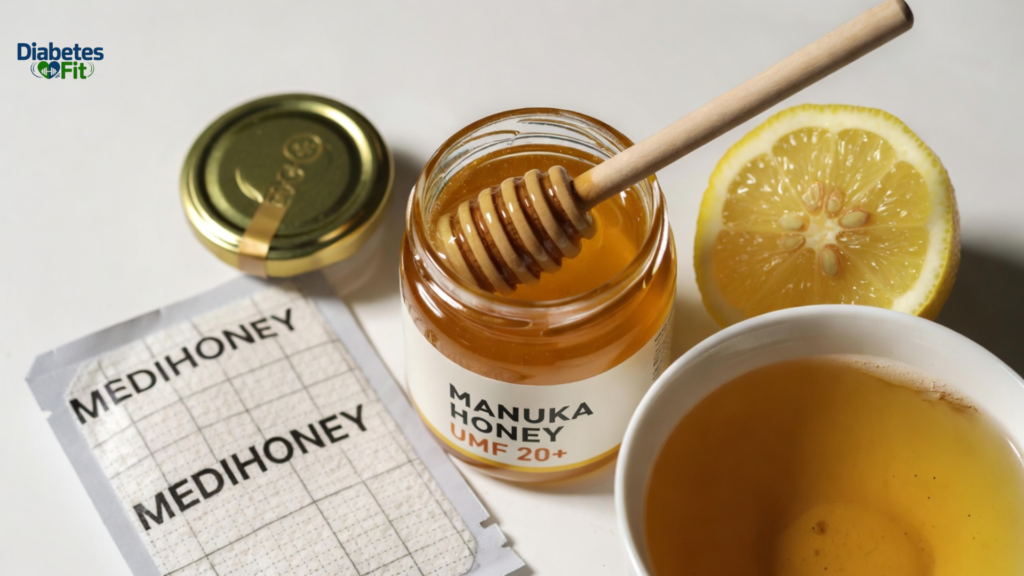
Honey has been used medicinally for over 8,000 years — and modern science has validated many traditional applications:
Evidence-based medicinal properties of honey:
- Wound healing: Medical-grade honey (particularly Manuka) is used in clinical settings for treating diabetic wounds, burns, and surgical wounds. Its osmotic, antimicrobial, and anti-inflammatory properties create optimal healing conditions.
- Cough suppression: A Cochrane review found honey to be as effective as dextromethorphan (common cough medicine) for suppressing nighttime cough in children, and safer
- Sore throat relief: Honey’s viscosity coats throat tissue, its antimicrobial properties fight infection, and its osmotic effect draws out inflammatory fluid
- H. pylori inhibition: Multiple studies show that honey inhibits the stomach bacterium responsible for most peptic ulcers
- Allergy reduction: Local raw honey contains trace amounts of local pollen — regular consumption may help desensitize the immune system to local allergens over time
- Sleep improvement: Honey’s gentle glucose supply to the liver during sleep reduces cortisol-disrupting hypoglycemia, improving sleep quality
Sugar has none of these properties. It is nutritionally inert beyond its caloric content.
Fact 6: Is Honey Better Than Sugar for Weight Management?
The relationship between whether honey is better than sugar and body weight is nuanced but generally favorable for honey.
Why honey may support weight management:
- Lower glycemic index produces less insulin, which means less fat storage signaling
- Honey’s fructose content stimulates leptin (fullness hormone) production, supporting appetite regulation
- Honey’s greater sweetness intensity means fewer calories for equivalent sweetness
- Anti-inflammatory compounds may improve insulin sensitivity over time
- Prebiotic effects support gut bacteria associated with healthy body weight
The honest caveat: Honey is still caloric — 64 calories per tablespoon. Eating large amounts of honey will cause weight gain just like eating large amounts of sugar. The advantage of honey over sugar for weight management is:
- A better hormonal response per calorie consumed
- Better appetite signaling
- Meaningful additional health benefits alongside the calories
Is honey better than sugar for weight management? Yes, but neither is a weight-loss. Honey is a better sweetener choice within a calorie-controlled diet.
Fact 7: Honey Provides Trace Nutrients — Sugar Provides Zero
Is honey better than sugar nutritionally? Yes — though the differences are modest and should not be overstated.
A tablespoon of honey provides:
- Potassium: 11mg (helps regulate blood pressure)
- Calcium: 1mg (bone health)
- Magnesium: 0.4mg (insulin sensitivity, muscle function)
- Phosphorus: 1mg (bone and energy metabolism)
- Zinc: 0.04mg (immune function, insulin storage)
- Iron: 0.09mg (red blood cell production)
- B vitamins: Traces of B2, B3, B5, B6
These amounts are small — honey is not a significant source of any micronutrient. But they represent a categorical advantage over sugar, which contains absolutely nothing. When you consume honey instead of sugar every day for years, the cumulative trace nutrient contribution is not irrelevant.
Fact 8: Raw Honey Has Enzyme Activity — Sugar Has None
Is honey better than sugar because of its enzyme content? For digestive health — yes.
Raw honey contains several active enzymes:
- Diastase (amylase): Helps break down starch into simpler sugars — the presence of active diastase is actually used as a quality indicator for raw honey
- Invertase (sucrase): Breaks down sucrose into glucose and fructose — facilitates easier digestion
- Glucose oxidase: Produces hydrogen peroxide (a natural antimicrobial) when honey comes into contact with water or wound fluid
- Catalase: Protects cells from hydrogen peroxide accumulation
- Peroxidase: Additional antimicrobial and antioxidant activity
Critical note: These enzymes are destroyed by heat above 40°C (104°F). Commercial honey processing — which typically involves heating to 70°C or higher — destroys enzyme activity completely. Only raw, unheated honey retains active enzymes.
This is why the raw vs processed distinction matters enormously when asking if honey is better than sugar. Processed commercial honey has minimal active enzymes and reduced antioxidant content — it is closer to sugar in health impact than raw honey is.
Fact 9: Honey Has a Lower Impact on Dental Health Than Sugar
Is honey better than sugar for your teeth? Marginally — though both should be used in moderation for dental health.
Both honey and sugar can contribute to dental caries (cavities) through bacterial fermentation, producing lactic acid. However:
- Honey’s antimicrobial properties inhibit Streptococcus mutans — the primary cavity-causing bacterium — to a degree that sugar does not
- Honey’s lower pH may slightly reduce bacterial fermentation rate
- Honey’s hydrogen peroxide content has mild antimicrobial activity in the oral cavity
- Honey’s viscosity means it stays in contact with teeth longer, which partially offsets the antimicrobial benefits
Bottom line: Neither honey nor sugar is good for dental health in large amounts. But honey’s antimicrobial properties give it a modest advantage, and raw honey used in beverages (where it is diluted) poses less dental risk than sticky sweets made with refined sugar.
When Sugar Is Actually the Better Choice
Is honey better than sugar in every situation? Honestly — no. There are specific contexts where sugar is the more practical or even preferable choice:
High-heat baking: When baking at temperatures above 180°C (356°F), honey’s antioxidants, enzymes, and bioactive compounds are destroyed. The health advantages disappear, but honey still affects texture, moisture, and browning differently than sugar, which can be desirable or problematic depending on the recipe.
Precise recipe measurements: Sugar has consistent, predictable properties in baking — crystal size, caramelization point, and moisture retention. Honey’s variable water content (17–20%) and higher sweetness intensity require recipe adjustments that not every baker wants to manage.
Infant feeding: Raw honey should NEVER be given to infants under 12 months due to the risk of infant botulism from Clostridium botulinum spores that may be present. For infant foods, sugar may actually be safer — though ideally, neither is added to infant food.
Cost consideration: Quality raw honey costs significantly more than refined sugar. For people on tight food budgets, the health premium of honey may not be economically practical for all uses.
Practical Guide: Making the Switch From Sugar to Honey
Is honey better than sugar in your daily life, practically? Here is exactly how to make the transition:
Substitution Guide
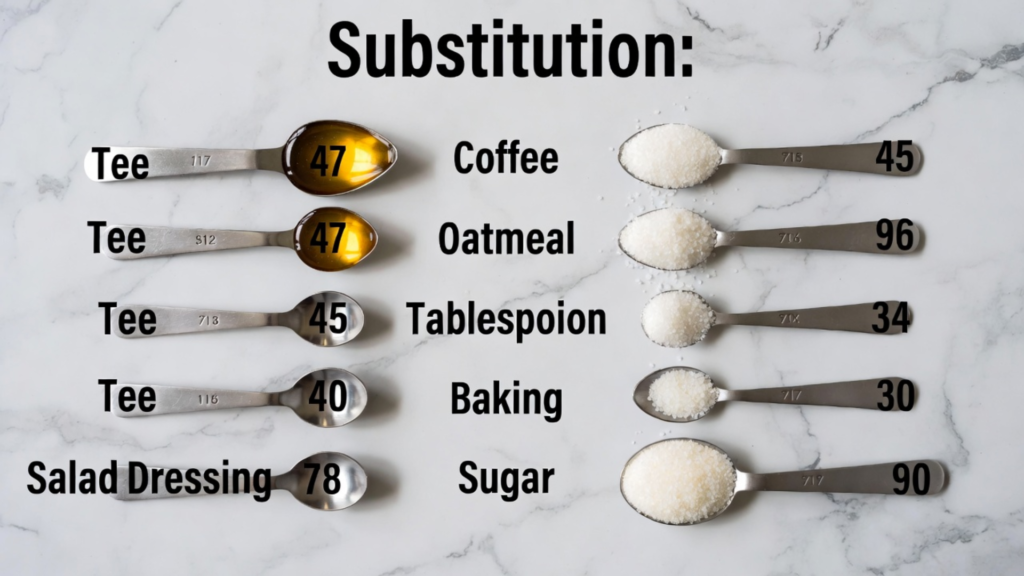
| Use | Sugar Amount | Honey Amount | Notes |
| Tea or coffee | 1 tsp | ½ tsp | Add to a warm, not boiling drink |
| Oatmeal | 1 tbsp | 2 tsp | Stir in after cooking |
| Salad dressing | 1 tbsp | 2 tsp | Whisk with olive oil + vinegar |
| Smoothies | 1 tbsp | 1–2 tsp | Add last, blend briefly |
| Yogurt | 2 tsp | 1 tsp | Drizzle on top |
| Baking (cakes) | 1 cup | ¾ cup | Reduce liquid by 3 tbsp per cup |
| Baking (cookies) | ½ cup | ⅓ cup | Add ¼ tsp baking soda |
| Marinades | 1 tbsp | 1 tbsp | Equivalent in savory applications |
How to Choose the Right Honey
For maximum health benefit when making the switch, choose:
- Raw, unfiltered honey — retains all enzymes, antioxidants, and pollen
- Darker varieties — buckwheat, wildflower, Manuka — higher antioxidant content
- Local honey — potential allergy benefits, fresher, supports local beekeepers
- Certified organic — reduces pesticide residue exposure
- Glass jar packaging — avoids potential BPA leaching from plastic
Avoid:
- Commercial honey labeled only as “pure honey” without a raw designation
- Honey blends containing high-fructose corn syrup or additives
- Ultra-filtered honey with no pollen or visible particles
Real-Life Example
James, 44, had been adding two teaspoons of white sugar to his morning coffee, a tablespoon of sugar to his oatmeal, and regularly reached for sugary snacks throughout the day. His fasting blood glucose was 108 mg/dL — borderline prediabetes range.
His nutritionist suggested replacing all refined sugar with raw wildflower honey, using slightly less honey for equivalent sweetness.
Changes made:
- Two teaspoons of sugar in coffee → one teaspoon of raw honey
- One tablespoon of sugar on oatmeal → two teaspoons of raw honey
- Sugary afternoon snack → plain Greek yogurt with one teaspoon of honey
After 12 weeks with no other dietary changes:
- Fasting blood glucose: dropped from 108 to 97 mg/dL — back to normal range
- Weight: down 1.8 kg (primarily from reduced insulin-driven fat storage)
- Energy levels: more stable throughout the day — no afternoon crashes
- Reported: less craving for sweet foods by week six
James had not gone on a diet. He had simply answered is honey better than sugar with a practical experiment — and his blood work confirmed the answer was yes.
Conclusion
Is honey better than sugar? After examining nine categories of scientific evidence, the answer is clearly yes — in most meaningful health contexts, honey is the superior sweetener choice. Is honey better than sugar for glycemic control? Yes — lower GI, smaller insulin response. Is honey better than sugar for antioxidant intake? Dramatically, yes — honey has hundreds of antioxidant compounds, sugar has zero. Is honey better than sugar for gut health? Yes — honey feeds beneficial bacteria and inhibits harmful ones while sugar does the opposite.
Is honey better than sugar for weight management? Yes — when used in appropriate amounts as a sugar replacement, honey’s hormonal advantages and superior satiety signaling support better body composition outcomes. Is honey better than sugar nutritionally? Yes — trace minerals and vitamins versus absolute zero. Is honey better than sugar for medicinal purposes? Without comparison, honey has genuine, evidence-backed therapeutic properties that sugar simply does not possess.
Is honey better than sugar in every single context? No — high-heat baking destroys honey’s advantages, and the calorie difference is minimal. But for everyday sweetening of beverages, breakfasts, dressings, and snacks, is honey better than sugar? The science says yes, and the practical benefits are real and measurable.
Is honey better than sugar enough to make the switch worthwhile? If you value lower glycemic impact, antioxidant intake, gut health support, and the cumulative long-term metabolic benefits — absolutely yes.
Make one change this week: replace the sugar in your morning drink with half the amount of raw honey. Do this for 30 days and notice the difference in your energy, cravings, and how you feel.
If you want to understand the key differences between honey and sugar, this detailed article from Medical News Today explains their nutritional impact.
Frequently Asked Questions
Is honey better than sugar for diabetics?
Honey has a lower glycemic index than sugar (55–65 vs 65–80) and produces a smaller insulin response, which makes it a marginally better choice than refined sugar for people with diabetes. However, honey still raises blood glucose and must be counted as a carbohydrate in a diabetic meal plan. People with diabetes should limit honey to small amounts — half to one teaspoon — monitor their glucose response individually, and always consult their diabetes care team before making dietary changes. Neither honey nor sugar is freely permitted in a diabetic diet.
Does honey have fewer calories than sugar?
Per tablespoon, honey (64 calories) actually has more calories than sugar (49 calories) because honey is denser and heavier. However, honey is 25–50% sweeter than sugar, meaning you need significantly less honey to achieve the same sweetness. When compared by equivalent sweetness level rather than equivalent volume, honey and sugar provide approximately similar calories, with honey often coming in slightly lower in practice because less is used. The health advantage of honey over sugar is not primarily caloric but metabolic and nutritional.
Is raw honey better than regular honey?
Yes — significantly. Raw honey retains all active enzymes, antioxidants, pollen, and bioactive compounds that make honey healthier than sugar. Commercial processed honey is typically heated to 70°C or higher, which destroys enzyme activity and reduces antioxidant content by 30–50%. Ultra-filtered commercial honey may have antioxidant levels similar to sugar. When choosing honey for health benefits, always select raw, unfiltered honey — ideally from a local beekeeper or a brand that explicitly states the honey is raw and unheated.
Can you replace sugar with honey in all recipes?
Yes, with adjustments. The general substitution ratio is ¾ cup of honey for every 1 cup of sugar, and you reduce other liquids by approximately 3 tablespoons per cup of honey used. Add a small amount of baking soda (¼ teaspoon per cup) to balance honey’s natural acidity. Reduce oven temperature by 15°C (25°F) as honey causes faster browning. For beverages, dressings, and uncooked applications, simply use approximately half the amount of honey compared to sugar for equivalent sweetness, adjusting to taste.
Is honey better than sugar for weight loss?
Honey is a better sweetener choice than sugar within a weight loss diet, for several reasons: lower glycemic index producing smaller insulin response, greater sweetness per calorie requiring less product, antioxidant compounds that reduce inflammation and improve insulin sensitivity, and better appetite hormone signaling through leptin. However, honey is not a weight-loss food — it is still caloric and still contains sugar. The advantage is relative, not absolute. Using small amounts of raw honey instead of sugar within an overall calorie-controlled diet is a genuinely beneficial strategy.
Is honey better than sugar for skin health?
Honey has direct skin benefits that sugar does not — applied topically, honey’s antimicrobial, anti-inflammatory, and wound-healing properties make it an effective natural skin treatment for acne, dry skin, and minor wounds. Consumed internally, honey’s antioxidants protect skin cells from oxidative damage and UV stress. Sugar consumed internally increases glycation — a process where sugar molecules attach to skin collagen, reducing elasticity and contributing to premature aging (wrinkles). From both a topical and internal perspective, honey is significantly better than sugar for skin health.
How much honey per day is healthy as a sugar replacement?
For general healthy adults, replacing sugar, one to three teaspoons (7–21g) of raw honey daily is a reasonable and health-supporting amount — providing 21–64 calories, meaningful antioxidant intake, and prebiotic gut health benefits without excessive sugar load. People actively managing weight should aim for one to two teaspoons maximum. People with diabetes should limit their intake to half a teaspoon and monitor their blood glucose. Consuming more than two tablespoons (approximately 130 calories) of honey daily is excessive for most health goals and can cause weight gain and elevated blood sugar despite honey’s advantages over sugar.

David Miller: I am a health and wellness writer focused on diabetes awareness, blood sugar control, and healthy living. I creates clear, practical content to help readers make better everyday health choices. I write evidence-based articles about diabetes, diet, and healthy living. My goal is to simplify complex health topics using trusted sources like WHO and medical journals.