How to Lose Belly Fat: 10 The Honest, Science-Backed Guide That Actually Works
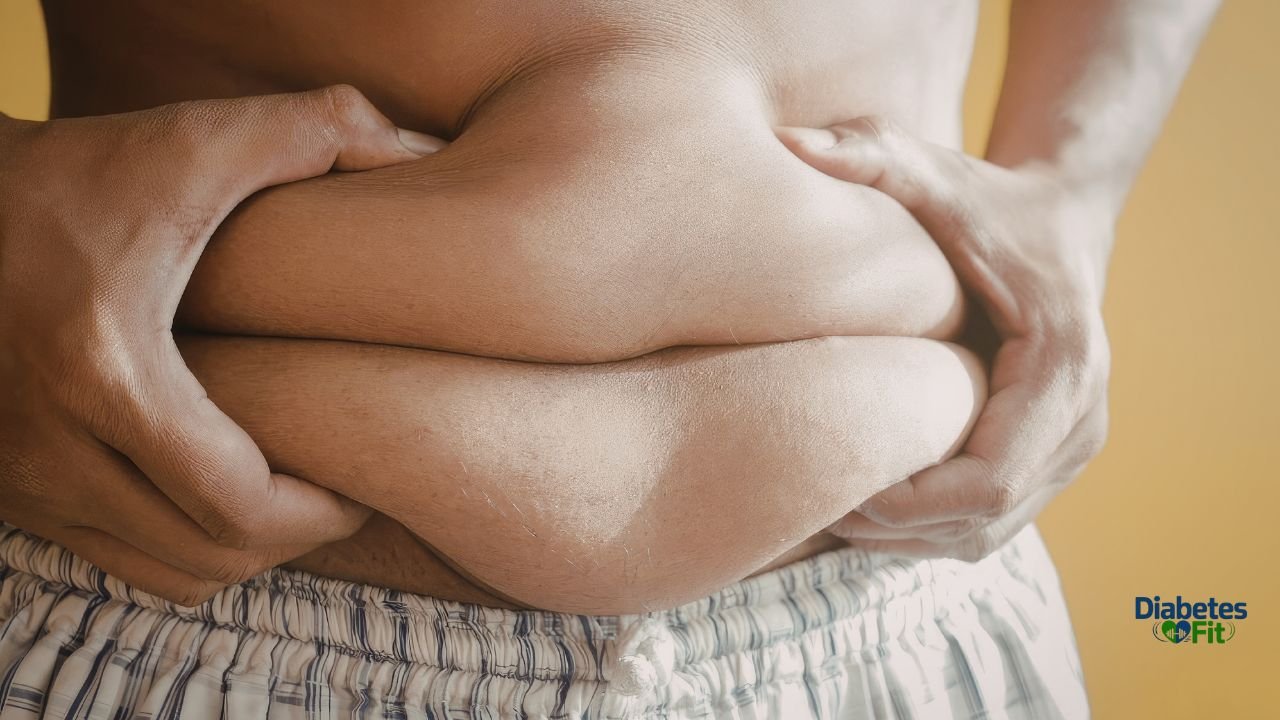
You are not alone if you have been attempting to figure out how to reduce abdominal fat. One of the most prevalent and stubborn health and fitness issues in the world is belly obesity. If you are not looking at the wider picture, you can perform hundreds of crunches every day and yet not see benefits.
The majority of individuals are unaware that decreasing abdominal fat involves more than just improving their appearance. Heart disease, type 2 diabetes, and metabolic syndrome are among the major health hazards that are directly associated with excess fat around your stomach, particularly the deep visceral fat that surrounds your organs.
The good news is that appropriate lifestyle modifications can effectively reduce belly fat. This article will teach you how to lose belly fat using tried-and-true methods supported by actual science; there will not be any gimmicks, crash diets, or deceptive claims.
Understanding Belly Fat: Two Types You Need to Know
Knowing what type of fat you have is helpful before learning how to lose abdominal fat. There are different types of abdominal fat.
1. Fat under the skin
You may pinch this soft fat right beneath the skin. It is the fat that is most noticeable from the outside and rests atop your abdominal muscles. It can have an impact on looks, but compared to the second type, it presents a lower immediate health risk.
2. Fat in the Viscera
This type is hazardous. Deep within your abdomen, visceral fat encircles your intestines, pancreas, and liver. Although it is not visible or palpable, it is the fat most closely associated with:
High blood pressure and heart disease
Insulin resistance and type 2 diabetes
Metabolic diseases and inflammation
An increased risk of specific types of cancer
Both types of fat are targeted by the tactics in this guide, but visceral fat is particularly well-responsive to dietary, activity, and lifestyle modifications.
Why Belly Fat Is So Hard to Lose

Many people have trouble losing belly fat because they do not understand why it accumulates in the first place,e or because they focus on the incorrect things.
Typical causes of abdominal fat accumulation include:
- High sugar and refined carb intake — spikes insulin, promoting fat storage in the abdomen
- Chronic stress — raises cortisol levels, which directly causes belly fat to accumulate
- Poor sleep disrupts hunger hormones and slows metabolism
- Sedentary lifestyle — too much sitting with too little movement
- Alcohol consumption is high in empty calories and promotes fat storage around the midsection
- Hormonal changes — especially in women during menopause, when estrogen drops and fat shifts to the abdomen
- Genetics — some people are more predisposed to storing fat in the belly
Understanding these root causes is the first step in knowing how to lose belly fat effectively and permanently.
How to Lose Belly Fat: 10 Proven Strategies
1. Create a Calorie Deficit — But Don’t Starve Yourself
The most basic rule of fat loss is that you need to burn more calories than you take in. We refer to this as a calorie deficit.
The crucial point is that the deficit should be moderate rather than severe. Severe calorie restriction or crash dieting:
- Slows your metabolism
- Causes muscle loss (which slows fat burning further)
- Increases cortisol (which promotes belly fat storage)
- Is nearly impossible to sustain
The sweet spot: A deficit of 300–500 calories per day leads to sustainable fat loss of 0.5–1 kg per week — without destroying your metabolism or muscle mass.
2. Cut Sugar and Refined Carbohydrates
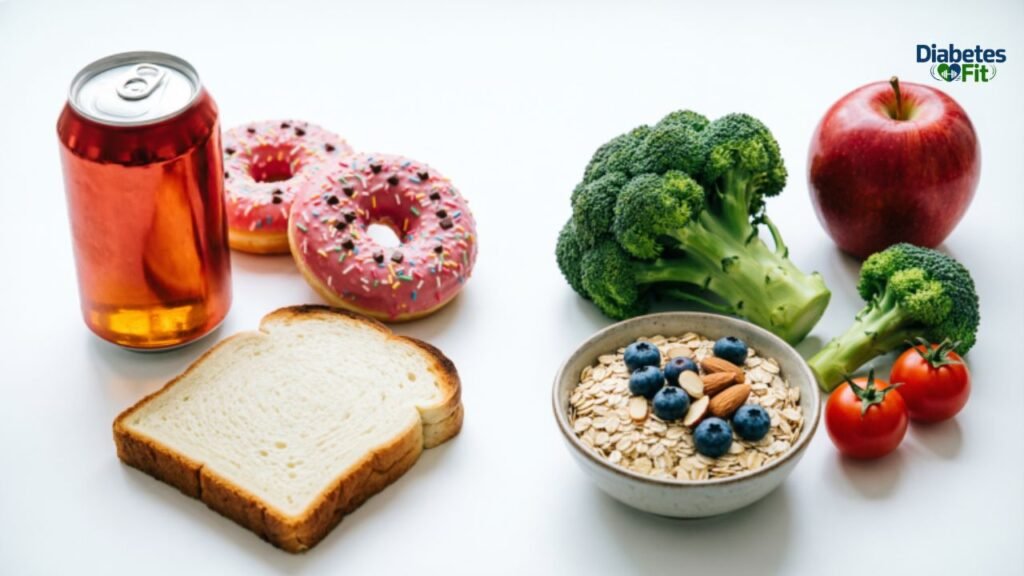
This is the most significant dietary adjustment you can make if you want to learn how to quickly lose abdominal fat.
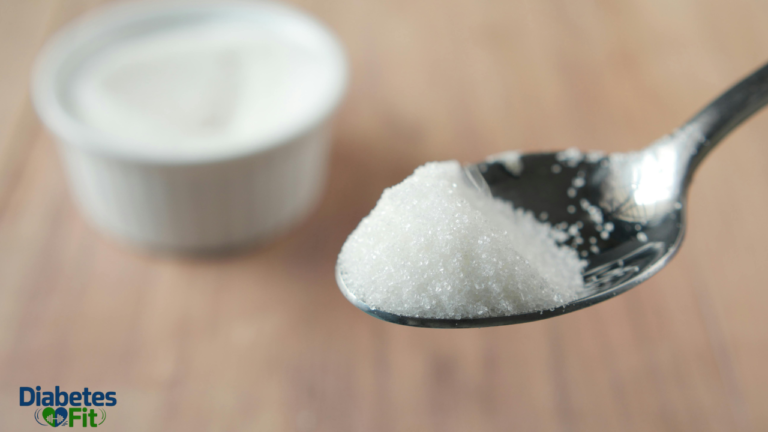
The liver breaks down sugar, particularly fructose from added sugars and sugar-filled beverages. Your liver turns extra fructose into fat when you eat more than it can process. The abdomen is where this fat is mainly deposited.
Foods to reduce or eliminate:
- Sugary drinks — soda, fruit juice, energy drinks, sweetened coffee
- White bread, white rice, and refined pasta
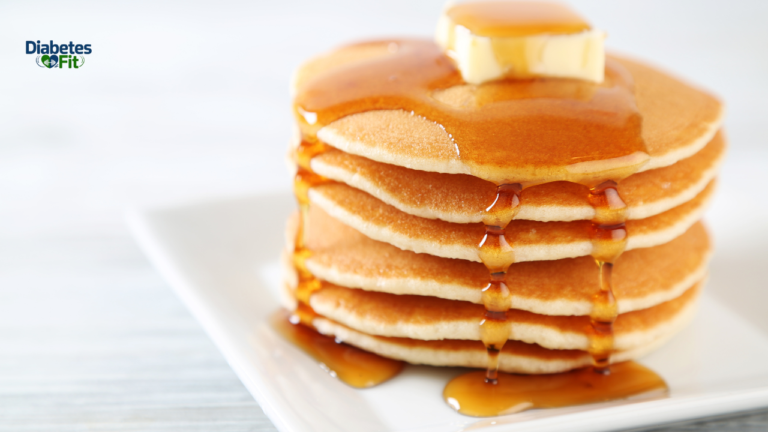
- Candy, cookies, cakes, and pastries
- Breakfast cereals with added sugar
- Flavouredd yogurts and sweetened dairy products
Replace them with:
- Water, sparkling water, or unsweetened tea
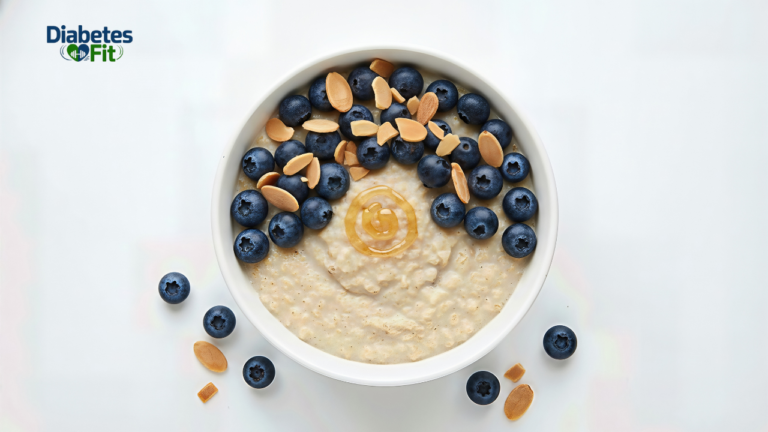
- Whole grains — oats, brown rice, quinoa
- Vegetables and legumes
- Plain yogurt with fresh fruit
- Whole fruit instead of fruit juice
According to a study that was published in the American Journal of Clinical Nutrition, even when total calorie consumption was identical, persons who cut back on added sugar lost a lot more belly fat than those who merely cut calories.
3. Eat More Protein
Protein is the most powerful macronutrient for losing belly fat. Here’s why:
- It keeps you fuller for longer, reducing overall calorie intake
- It has a high thermic effect — your body burns more calories digesting protein than carbs or fat
- It preserves and builds lean muscle, which raises your resting metabolic rate
- It helps regulate hunger hormones like ghrelin
Best protein sources:
- Eggs
- Chicken, turkey, and lean meats
- Fish and seafood
- Greek yogurt and cottage cheese
- Legumes and lentils
- Tofu and tempeh
Aim for 1.6–2.2 grams of protein per kilogram of body weight per day. One of the methods for reducing belly fat that has received the most consistent support from research is a high-protein diet.
4. Add Soluble Fibre to Every Meal
Fibre, particularly soluble fibre, is an effective way to reduce belly fat. In your stomach, soluble fibre creates a thick gel by absorbing water. This decreases hunger, slows digestion, and nourishes good gut flora.
Belly fat decreased by 3.7% over five years with every 10g increase in daily soluble fibre consumption, even in the absence of other alterations, according to a seminal study published in Obesity.
Best sources of soluble fibre:
- Oats and oat bran
- Flaxseeds and chia seeds
- Beans, lentils, and chickpeas
- Apples, pears, and citrus fruits
- Carrots and sweet potatoes
- Avocado
5. Do Cardio Exercise Consistently

One of the best methods to reduce belly fat, especially the harmful visceral fat surrounding your organs, is aerobic activity, or cardio.
Running marathons is not necessary. Over the course of eight to twelve weeks, research consistently demonstrates that moderate-intensity cardio performed four to five days a week results in significant reductions in belly fat.
Effective cardio options:
- Brisk walking (30–45 minutes daily)
- Jogging or running
- Cycling (outdoor or stationary)
- Swimming
- Jump rope
- Dance or aerobics classes
Aerobic exercise decreased visceral fat by up to 7% over the course of eight months without requiring dietary adjustments, according to a study published in the American Journal of Physiology.
6. Add Strength Training to Your Routine
When studying how to lose belly fat, many people just concentrate on cardio, ignoring the benefits of strength training.
Your resting metabolic rate (RMR), or how many calories your body burns when at rest, increases when you gain muscle. Having more muscle means burning more calories all day long, even while you are asleep.
Additionally, strength training increases insulin sensitivity, which directly lowers the storage of belly fat.
Effective strength exercises:
- Squats and lunges
- Push-ups and rows
- Deadlifts and hip hinges
- Planks and core work
- Resistance band exercises
Aim for 2–3 strength training sessions per week alongside your cardio.
7. Reduce Stress — It’s Directly Linked to Belly Fat
Not enough attention is paid to this one. One of the main causes of abdominal fat gain is chronic stress.
Stress causes your body to release cortisol, a hormone that tells your body to accumulate fat, especially in the abdomen. Appetite and cravings for comfort foods high in calories are also increased by high cortisol.
Evidence-based stress reduction strategies:
- Daily meditation or mindfulness (even 10 minutes helps)
- Regular physical exercise (doubles as belly fat reduction)
- Deep breathing exercises
- Time in nature
- Reducing overcommitment and setting healthy boundaries
- Social connection and talking to people you trust
No matter how clean your food is, you may find it difficult to lose belly fat if you are doing everything else correctly but not controlling your stress.
8. Prioritize Sleep — It’s Not Optional
One of the most underappreciated causes of abdominal obesity is inadequate sleep. People who slept less than five hours a night had much higher visceral fat than those who slept seven to eight hours, according to research published in SLEEP.
What occurs when you do not get enough sleep is as follows:
- Ghrelin (hunger hormone) increases — you feel hungrier
- Leptin (fullness hormone) decreases — you feel less satisfied after eating
- Cortisol rises — belly fat storage increases
- Metabolism slows — you burn fewer calories at rest
Tips for better sleep:
- Go to bed and wake up at the same time every day
- Keep your bedroom cool, dark, and quiet
- Avoid screens for 1 hour before bed
- Limit caffeine after 2 p.m.
- Avoid large meals within 2 hours of bedtime..
Getting 7–9 hours of quality sleep per night is not laziness — it’s one of the most important things you can do to lose belly fat.
9. Cut Back on Alcohol
The term “liquid belly fat” is frequently applied to alcohol, and with good reason. It has a lot of empty calories, interferes with fat metabolism, and causes the liver to digest alcohol instead of burning fat.
Particularly problematic are sugary cocktails and beer. Regular alcohol use is strongly associated with extra belly fat, especially deep visceral fat, according to numerous studies.
Although you do not have to give up completely, drastically reducing your intake can considerably lower your levels of belly fat in a matter of weeks.
10. Be Patient and Stay Consistent
The most crucial tactic is the one that most people overlook. Neither the accumulation nor the disappearance of belly fat happens overnight.
According to research, it usually takes 8–12 weeks of constant effort to get significant reductions in belly fat. While some people experience effects more quickly, others take longer. It is important to be present every single week.
Tracking progress tips:
- Measure your waist circumference weekly (more accurate than scale weight for belly fat)
- Take progress photos every 2–4 weeks
- Track energy levels, sleep quality, and how your clothes fit
- Don’t let one bad day derail a week of good choices
Best Foods to Lose Belly Fat
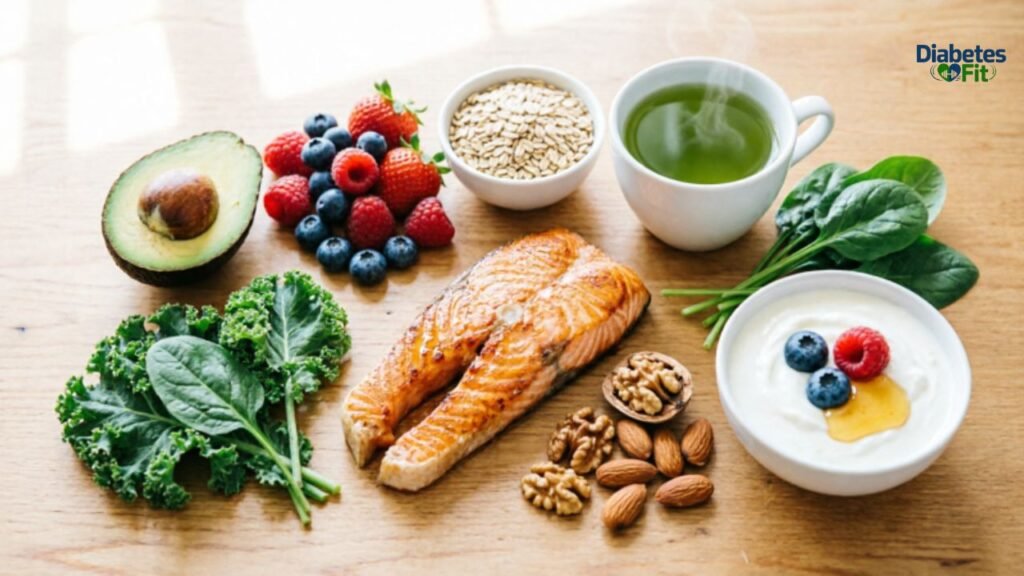
| Food | Why It Helps |
| Eggs | High protein keeps you full, supports muscle |
| Avocado | Healthy fats, fiber, reduces inflammation |
| Oats | Soluble fifibrestabilizes blood sugar |
| Salmon and fatty fish | Omega-3s reduce inflammation and visceral fat |
| Greek yogurt | Protein + probiotics support gut health |
| Berries | Antioxidants, fibre, low in sugar |
| Green tea | Catechins boost metabolism and fat burning |
| Low-calorie | |
| Beans and lentils | Protein + fibre combo reduces belly fat |
| Nuts and seeds | Healthy fats reduce hunger, anti-inflammatory |
Worst Foods for Belly Fat
| Food | Why It’s Harmful |
| Sugary drinks | Spikes insulin, promotes visceral fat storage |
| White bread and pasta | Refined carbs cause blood sugar spikes |
| Alcohol | Empty caloriesdisrupts fat metabolism |
| Fried foods | High calorie, inflammatory, promotes fat storage |
| Packaged snacks | Added sugars, refined carbs, trans fats |
| Flavored yogurt | Often as sugary as dessert |
| Fruit juice | High sugar, lacks fiber of whole fruit |
| Margarine and trans fats | Directly linked to increased belly fat |
How Long Does It Take to Lose Belly Fat?
| Effort Level | Expected Timeline | Weekly Loss |
| Moderate (diet + light cardio) | 12–16 weeks for visible change | 0.3–0.5 kg/week |
| Consistent (diet + cardio + strength) | 8–12 weeks for visible change | 0.5–1 kg/week |
| Intensive (full lifestyle overhaul) | 6–8 weeks for visible change | 0.7–1.2 kg/week |
Individual results vary based on starting body fat, genetics, age, hormones, and consistency.
Frequently Asked Questions
What is the fastest way to lose belly fat?
The fastest sustainable approach combines reducing sugar and refined carbs, eating more protein and fiber, doing daily cardio, adding strength training, improving sleep, and managing stress. There are no true shortcuts — but this combination produces results faster than any single strategy alone.
Can I lose belly fat by walking every day?
Yes. Brisk walking for 30–45 minutes daily is one of the most effective and sustainable ways to reduce belly fat — especially visceral fat. It’s low impact, accessible to everyone, and research consistently shows it reduces abdominal fat over time when combined with a healthy diet.
Does drinking water help lose belly fat?
Yes, indirectly. Staying well hydrated supports metabolism, reduces water retention and bloating, helps control appetite, and supports liver function in processing and mobilizing fat. Replacing sugary drinks with water has a direct impact on calorie intake and belly fat reduction.
Are crunches effective for losing belly fat?
Crunches strengthen and tone the abdominal muscles, but they do not directly burn belly fat. Spot reduction is a myth. To lose belly fat, you need to reduce overall body fat through diet, cardio, and strength training — then your toned abs will become visible as fat decreases.
Does stress cause belly fat?
Yes. Chronic stress raises cortisol levels, which directly promote fat storage in the abdominal area. Managing stress through exercise, meditation, sleep, and lifestyle changes is an essential part of any effective plan for how to lose belly fat.
Is belly fat dangerous to health?
Yes — especially visceral fat (deep belly fat around organs). It is strongly linked to heart disease, type 2 diabetes, insulin resistance, inflammation, and certain cancers. Losing belly fat improves not just appearance but overall metabolic health and longevity.
How do I know if I’m losing belly fat?
The best way to track belly fat loss is to measure your waist circumference weekly with a tape measure (at the level of your belly button). A waist measurement under 94cm for men and under 80cm for women is generally considered a healthy target. Scale weight alone doesn’t always reflect belly fat changes accurately.
Conclusion
Finding the ideal diet or the secret workout is not the key to learning how to reduce abdominal fat. It is about doing the correct things regularly: eating less sugar, getting more protein and ffibre exercising every day, getting enough sleep, and controlling your stress.
This guide’s tactics are all supported by science. They are not all excessive. When you work them regularly, they are all effective.
The key to reducing belly fat is to generate a small calorie deficit, reduce sugar and refined carbohydrates, eat more healthy foods, exercise frequently, get adequate sleep, and be patient. You will see effects if you do these activities for eight to twelve weeks.
The next step is easy for you. Choose two or three tactics from this manual and get going right now. Cut one sugar-filled beverage. Take a half-hour stroll. Tonight, go to bed thirty minutes early. Belly fat can be permanently eliminated by making little, regular modifications.
For more science-backed information on belly fat and overall health, we recommend visiting Healthline’s guide on belly fat and the Harvard T.H. Chan School of Public Health for research-based nutrition and fitness advice. The American Heart Association also provides excellent resources on how excess belly fat affects your heart health and what you can do about it. These trusted sources can help you go deeper into the science behind everything covered in this article.

David Miller: I am a health and wellness writer focused on diabetes awareness, blood sugar control, and healthy living. I creates clear, practical content to help readers make better everyday health choices. I write evidence-based articles about diabetes, diet, and healthy living. My goal is to simplify complex health topics using trusted sources like WHO and medical journals.