
Ice Cream for Diabetics: Yes, You Can Still Enjoy It — Here’s How to Do It Safely
One of the hardest things about living with diabetes is feeling like your favorite foods are completely off-limits. And for many people, ice cream sits right at the top of that “forbidden” list. But here’s the truth — ice cream for diabetics doesn’t have to be a guilty dream or a health disaster. With the right choices, the right portions, and a little know-how, people with diabetes can absolutely enjoy frozen treats without sending their blood sugar through the roof.
This isn’t about pretending sugar doesn’t matter. It absolutely does. But blanket rules like “never eat ice cream again” miss the nuance of how different ingredients, portion sizes, and eating habits affect blood sugar differently for each person.
In this guide, you’ll learn exactly what to look for when choosing ice cream as a diabetic, which brands are safest, what to avoid, how to make blood-sugar-friendly versions at home, and how to enjoy them without regret.
If you want to reverse prediabetes with diet, read our post on diet to reverse prediabetes.
Why Ice Cream Is Tricky for Diabetics
Before we talk about the best ice cream for diabetics, it’s worth understanding why traditional ice cream is a challenge in the first place.
Standard ice cream is made from a combination of:
- Whole milk or cream — high in saturated fat and calories
- Sugar — the primary blood sugar concern
- Flavoring agents — often including more sugar in syrups, mix-ins, and coatings
A typical half-cup serving of regular vanilla ice cream contains around 15–20 grams of carbohydrates — almost all from sugar. Many premium or flavored varieties have 30–40+ grams per serving. And let’s be honest: very few people stop at half a cup.
For someone with diabetes, a large carbohydrate load — especially from refined sugar — causes a fast, sharp rise in blood glucose. This strains the pancreas, can worsen insulin resistance over time, and makes blood sugar management much harder.
But here’s the thing: not all ice cream is the same. And how you eat it matters just as much as what you eat.
What to Look for When Choosing Ice Cream for Diabetics
Knowing how to read labels is the single most important skill for any diabetic choosing ice cream. Here’s exactly what to look for:

1. Total Carbohydrates Per Serving
This is your most important number. As a general guide:
- Under 15g carbs per serving — good choice
- 15–20g carbs per serving — manageable with careful portion control
- Over 25g carbs per serving — avoid or treat as a very occasional indulgence
Always check the serving size listed. A “serving” is often just ½ cup — much smaller than most people actually eat.
2. Added Sugar vs. Total Sugar
Look at the “Added Sugars” line on the nutrition label, not just total sugars. Some natural sugars come from dairy (lactose), which has a lower glycemic impact than added cane sugar, corn syrup, or glucose syrup.
Aim for ice creams with:
- 5g or fewer added sugars per serving
- No high-fructose corn syrup
- No glucose syrup or maltodextrin (these spike blood sugar rapidly)
3. Sugar Substitutes and Sweeteners
Many diabetic-friendly ice creams use alternative sweeteners instead of sugar. Understanding these is key:
| Sweetener | Blood Sugar Impact | Notes |
| Erythritol | Minimal (GI = 0) | Best option — well tolerated |
| Stevia | None | Natural, safe for diabetics |
| Monk fruit | None | Natural, no blood sugar effect |
| Allulose | Very low | Doesn’t count toward net carbs |
| Xylitol | Low (GI = 13) | Safe but causes digestive issues in large amounts |
| Maltitol | Moderate (GI = 36) | Still raises blood sugar — use caution |
| Sorbitol | Low-moderate | Can cause GI discomfort |
Best choices: Erythritol, stevia, monk fruit, and allulose are the gold-standard sweeteners for ice cream for diabetics.
Watch out for: Maltitol — it’s commonly used in “sugar-free” ice creams and still raises blood sugar more than most people expect. Many “no sugar added” products use maltitol, so always check the label carefully.
4. Protein Content
Protein slows the absorption of glucose and blunts blood sugar spikes. Ice cream with higher protein content — from added protein, Greek yogurt, or cottage cheese bases — is better for blood sugar than pure cream-based products.
Look for ice creams with 5g or more protein per serving.
5. Fiber Content
Dietary fiber slows digestion and reduces the glycemic impact of a meal. Some diabetic-friendly ice creams add fiber (often chicory root or inulin). This is a genuine plus.
Check for ice creams with 2g or more of fiber per serving.
6. Fat Content
Fat also slows glucose absorption, which is why full-fat dairy ice cream actually has a gentler blood sugar impact than low-fat or fat-free versions (which often have more sugar to compensate for flavor). Don’t be afraid of moderate fat content in diabetic-friendly ice cream.
Best Ice Cream Brands for Diabetics
Here are some of the most diabetes-friendly commercially available ice cream options, based on their ingredients, sweeteners, carbohydrate content, and overall nutritional profile:

Top Recommended Brands
1. Halo Top
- Sweetened with stevia and erythritol
- Around 5–7g net carbs per serving
- 5–6g protein per serving
- Widely available and comes in many flavors
- A solid everyday option for diabetic ice cream lovers
2. Enlightened
- Uses erythritol, stevia, and monk fruit
- 5–8g net carbs per serving
- Up to 8g protein per serving
- Good fiber content from added chicory root
- One of the cleanest labels in the diabetic ice cream category
3. Rebel Ice Cream
- Specifically marketed toward keto and low-carb lifestyles
- Uses erythritol and stevia
- Only 1–5g net carbs per serving (subtracting fiber and erythritol)
- High fat content for a slow, stable energy release
- Excellent choice for diabetics who follow a low-carb approach
4. Breyers Carb Smart
- Sweetened with maltitol and sorbitol (note: still some blood sugar effect)
- Around 9–12g carbs per serving
- More widely available in mainstream grocery stores
- A reasonable choice, but not as blood-sugar-friendly as erythritol-based options
5. So Delicious (No Sugar Added)
- Dairy-free option sweetened with erythritol and stevia
- Good for diabetics who are also lactose intolerant
- Around 6–10g net carbs per serving
- Made with a coconut milk base — good, healthy fat profile
6. Arctic Zero
- Very low-calorie and low-carb
- Sweetened with monk fruit and chicory root fiber
- Around 6–8g carbs per serving
- Good protein content
- Lighter texture than traditional ice cream
Diabetic Ice Cream Comparison Table
| Brand | Net Carbs/Serving | Sweetener Used | Protein | Dairy-Free Option |
| Rebel | 1–5g | Erythritol, Stevia | 2–3g | No |
| Enlightened | 5–8g | Erythritol, Monk fruit | 6–8g | Some flavors |
| Halo Top | 5–7g | Erythritol, Stevia | 5–6g | Some flavors |
| So Delicious (NSA) | 6–10g | Erythritol, Stevia | 1–2g | Yes |
| Arctic Zero | 6–8g | Monk fruit | 3–4g | No |
| Breyers CarbSmart | 9–12g | Maltitol, Sorbitol | 2–3g | No |
What to Absolutely Avoid: Ice Cream That’s Worst for Diabetics
Not all “diet” or “light” ice creams are safe for diabetics. And some regular ice creams are particularly dangerous. Watch out for:
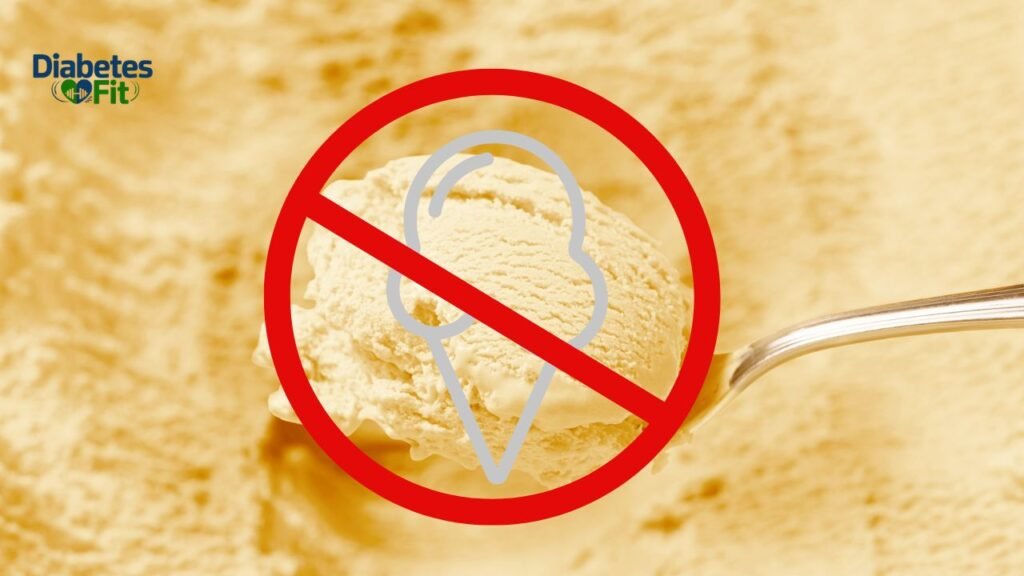
- Soft-serve ice cream — typically made with lower fat content and more sugar than hard ice cream; large portions are the norm
- Ice cream sundaes with toppings — hot fudge, caramel sauce, and whipped cream add 20–40g extra carbs on top of the base
- Milkshakes and blended coffee ice cream drinks can contain 70–100+ grams of sugar in a single serving
- Ice cream bars with chocolate coatings — the chocolate shell adds significant carbs and often contains maltodextrin
- “Fat-free” ice creams — usually higher in sugar than full-fat versions to compensate for flavor loss
- Tropical flavors with mango, banana, or pineapple — these fruits are higher in natural sugar and can significantly raise the carb count
- Premium ice creams (Ben & Jerry’s, Häagen-Dazs) — typically 25–35g carbs or more per ½ cup serving
The general rule: the more ingredients listed (especially syrups, inclusions, ribbons, and mix-ins), the higher the carb count.
Healthier Alternatives to Traditional Ice Cream for Diabetics
Sometimes the best ice cream for diabetics isn’t technically ice cream at all. These alternatives satisfy the same craving with far fewer carbohydrates:
Nice Cream (Frozen Banana-Free Version)
Traditional “nice cream” is made with frozen bananas, which are still relatively high in sugar. A better version:
- Freeze a can of full-fat coconut milk overnight, then whip it into a creamy base
- Add unsweetened cocoa powder, vanilla, or berries for flavor
- Sweeten with stevia or monk fruit drops
- Result: Rich, creamy, under 5g net carbs per serving
Frozen Greek Yogurt Bark
- Spread plain Greek yogurt on a parchment-lined tray
- Top with fresh berries, crushed almonds, and a drizzle of nut butter
- Freeze for 3–4 hours, then break into pieces
- Around 8–10g carbs per serving with 10–12g protein
- Much more blood-sugar-friendly than regular ice cream
Avocado Chocolate Ice Cream
Sounds unusual, but avocado creates an incredibly creamy base:
- Blend 2 ripe avocados with 3 tbsp unsweetened cocoa powder
- Add 3–4 tbsp almond milk and sweetener to taste (stevia or erythritol)
- Add a pinch of salt and a splash of vanilla extract
- Freeze for 2 hours, then blend again for a smooth texture
- Very low in carbs, rich in healthy fats, and surprisingly delicious
Cottage Cheese Ice Cream
A viral trend that’s genuinely diabetic-friendly:
- Blend 1 cup of full-fat cottage cheese until completely smooth
- Add frozen berries and sweetener to taste
- Blend again until creamy
- Freeze for 1–2 hours
- Around 8–10g carbs, 15–18g protein per serving
- Protein content makes this one of the best blood-sugar-stable options
How to Eat Ice Cream as a Diabetic Without Spiking Blood Sugar
Choosing the right ice cream for diabetics is important — but how you eat it matters just as much. These strategies help blunt the blood sugar impact:
Eat It After a Balanced Meal, Not as a Standalone Snack
Eating ice cream on an empty stomach causes a faster, more dramatic blood sugar spike. When eaten after a meal rich in protein, fiber, and fat, the glucose from ice cream is absorbed much more slowly.
Keep Portions Strictly in Check
Use a proper measuring cup. Eat exactly half a cup. Put the container back in the freezer before you sit down. This simple habit prevents the “just one more scoop” spiral that turns a reasonable treat into a blood sugar disaster.
Pair It with Protein or Fat
Adding a tablespoon of almond butter or a small handful of nuts alongside your ice cream further slows glucose absorption. The fat and protein create a buffer that blunts the spike.
Walk After Eating
A 10–15 minute walk immediately after eating ice cream (or any higher-carb food) can reduce post-meal blood sugar by 20–30%. Your muscles absorb glucose directly during movement, independent of insulin.
Check Your Blood Sugar
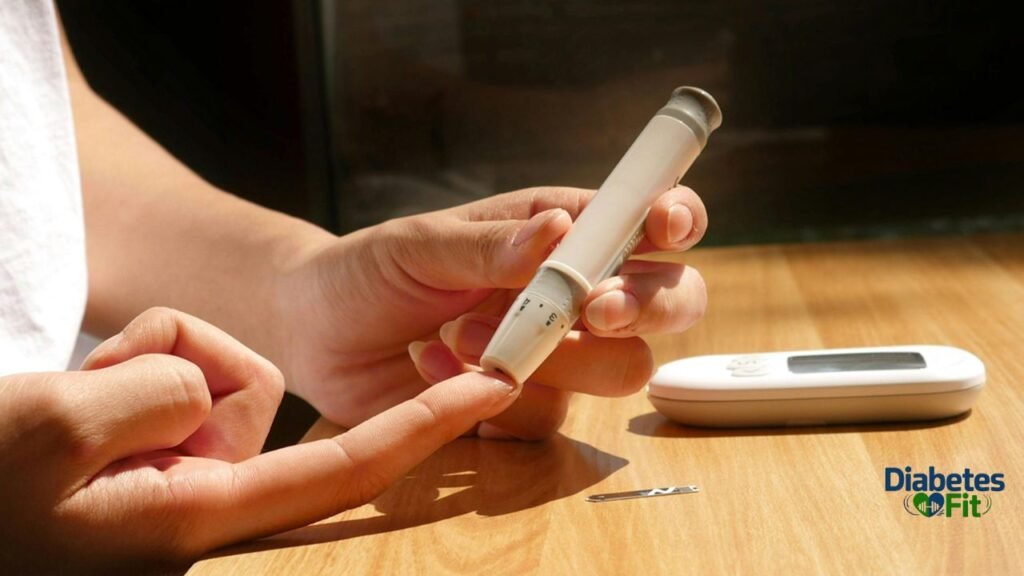
Everyone responds differently to different ice creams and sweeteners. Testing your blood glucose 1–2 hours after eating a new product tells you exactly how your body responds — far more useful than any general guideline.
Choose Evenings Wisely
Many diabetics find their insulin sensitivity is lower in the evening, making blood sugar spikes more pronounced. If possible, enjoy ice cream as an afternoon treat rather than a late-night snack.
Homemade Diabetic-Friendly Ice Cream Recipes
Making your own ice cream gives you complete control over ingredients. Here are two simple, tested recipes:

Recipe 1: Vanilla Almond Milk Ice Cream
Ingredients:
- 2 cups unsweetened almond milk
- 1 cup heavy cream
- 3 tbsp erythritol or allulose
- 1 tsp vanilla extract
- Pinch of salt
Instructions:
- Whisk all ingredients together until the sweetener dissolves
- Pour into an ice cream maker and churn according to the manufacturer’s directions (about 20–25 minutes)
- Transfer to a container and freeze for 2 hours for a firmer texture
- Serve in ½ cup portions
Per serving: approximately 4g net carbs, 8g fat, 1g protein
Recipe 2: Chocolate Peanut Butter Protein Ice Cream
Ingredients:
- 1 cup plain Greek yogurt (full-fat)
- ½ cup unsweetened almond milk
- 2 tbsp natural peanut butter (no added sugar)
- 2 tbsp unsweetened cocoa powder
- 2–3 tbsp allulose or stevia blend to taste
- 1 tsp vanilla extract
Instructions:
- Blend all ingredients until smooth
- Pour into a loaf pan or container
- Freeze for 3–4 hours, stirring once at the halfway mark
- Scoop and serve
Per serving: approximately 7g net carbs, 10g protein, 9g fat — excellent macros for diabetic ice cream
Tips for Talking to Your Doctor About Ice Cream
Here are some crucial things to talk about with your healthcare provider if you are using insulin or medicine to manage your diabetes:
- Find out how many carbohydrates you spend on each snack; this changes based on your type of diabetes, medication, and blood sugar regulation.
- Talk about how sweeteners like erythritol and allulose affect your personal reaction; while most individuals can tolerate them quite well, individual responses can vary.
- Ask about accounting for the carbohydrates in ice cream when calculating your dose if you need insulin; even low-carb alternatives have some carbohydrates that must be taken into consideration.
- Request a referral to a licensed dietitian with expertise in diabetes; they may design a completely customized food plan that allows for indulgences like diabetic-friendly ice cream.
Frequently Asked Questions
Can diabetics eat ice cream at all?
Yes — diabetics can eat ice cream in moderation, especially when choosing varieties that are low in added sugar and carbohydrates. The key is selecting products sweetened with blood-sugar-neutral sweeteners like erythritol, stevia, or monk fruit, controlling portion sizes strictly (½ cup), and eating ice cream after a balanced meal rather than on its own. With the right approach, enjoying ice cream as a diabetic is genuinely possible without dangerous blood sugar spikes.
What is the best ice cream for type 2 diabetics?
The best ice cream options for type 2 diabetics are those sweetened with erythritol, stevia, or monk fruit — such as Rebel Ice Cream, Enlightened, and Halo Top. These brands have 5g or fewer net carbs per serving, contain no high-fructose corn syrup or maltodextrin, and often include added protein and fiber that further blunt blood sugar impact. Homemade versions using Greek yogurt or cottage cheese as a base are also excellent choices.
Is sugar-free ice cream safe for diabetics?
“Sugar-free” doesn’t automatically mean safe for diabetics. Many sugar-free ice creams are sweetened with maltitol — a sugar alcohol that still raises blood sugar, just more slowly than regular sugar. Always read the full ingredient list. True diabetic-friendly ice cream uses erythritol, stevia, allulose, or monk fruit — sweeteners with little to no effect on blood glucose. Check the nutrition label, not just the “sugar-free” claim on the front of the package.
How much ice cream can a diabetic eat per day?
A safe guideline for most diabetics is one serving (½ cup or about 65–70g) of a low-carb, diabetic-friendly ice cream — ideally no more than 3–4 times per week as part of a balanced diet. Daily consumption is possible with very low-carb options like Rebel Ice Cream, but moderation and blood sugar monitoring are always important. Your individual carb tolerance should guide your portion, and checking your blood glucose response to a new product is the most accurate way to set your personal limit.
Does ice cream raise blood sugar a lot?
Regular ice cream raises blood sugar significantly — a standard serving can spike blood glucose by 40–60 mg/dL or more in people with diabetes. However, diabetic-friendly ice creams made with erythritol and stevia cause minimal blood sugar impact. The fat content in ice cream actually slows glucose absorption somewhat compared to other sugary foods. Eating ice cream after a protein and fiber-rich meal, and walking afterward, can further reduce the blood sugar impact.
Is frozen yogurt better than ice cream for diabetics?
Not necessarily — and sometimes it’s worse. Regular frozen yogurt is often marketed as a healthier option, but many commercial versions contain more sugar than ice cream. They’re also lower in fat, which means glucose is absorbed faster. Plain Greek yogurt frozen at home is an excellent diabetic-friendly option because of its high protein content. Commercial frozen yogurt should be treated the same as regular ice cream — read the label carefully and stick to small portions.
Can ice cream be part of a diabetic meal plan?
Yes — when chosen carefully and eaten in appropriate portions, ice cream for diabetics can be part of a sustainable, enjoyable meal plan. Treating it as an occasional, planned treat — rather than a daily staple — works best. A registered dietitian can help you build a diabetes meal plan that includes room for foods you love, including low-carb frozen desserts, so that healthy eating feels sustainable long-term rather than restrictive and miserable.
Conclusion
Diabetes does not imply a life devoid of enjoyment at the dinner table or in the dessert bowl. If you know what you are searching for, which brands to trust, which ingredients to avoid, and how to consume it so that your blood sugar stays constant, you can definitely have ice cream for diabetics.
The most crucial lessons are to choose ice cream sweetened with erythritol, stevia, or monk fruit, limit quantities to half a cup, eat it after a well-balanced meal, and then take a short walk. With diabetes, these easy practices transform what seems like a banned indulgence into an occasional, truly joyful aspect of your life.
You are worthy of eating. At a summer BBQ or a birthday celebration, you deserve to feel normal. You never have to feel totally excluded from life’s little, delightful moments if you choose the correct ice cream for diabetics or make your own at home.
This week, choose one low-carb brand from our recommendations, measure out a suitable piece, and check your blood sugar response. You might be surprised to learn that knowledge is power.
Also, read this post from EatingWell for more detailed information.

David Miller: I am a health and wellness writer focused on diabetes awareness, blood sugar control, and healthy living. I creates clear, practical content to help readers make better everyday health choices. I write evidence-based articles about diabetes, diet, and healthy living. My goal is to simplify complex health topics using trusted sources like WHO and medical journals.