- Home/
- Buy Seroquel in Online Pharmacy for United States Users
Seroquel in the United States: An Expert Medical Guide (2026 Update)
Direct Answer: Seroquel (quetiapine) is a prescription-only medication in the United States. Purchasing Seroquel without a valid prescription is illegal and potentially dangerous. Always obtain Seroquel through a licensed healthcare provider and a certified pharmacy.
Key Takeaways: Seroquel at a Glance
- Active Ingredient: Quetiapine fumarate
- Prescription Status (USA): Prescription only; not available over-the-counter or without a doctor’s approval
- Main Uses: Schizophrenia, Bipolar Disorder (I & II), Adjunct in Major Depressive Disorder
- Common Formulations: Immediate-release (IR) and extended-release (XR) tablets
- Onset of Action: Typically within days for acute agitation; several weeks for mood stabilization
- Notable Risks: Black Box Warning for increased mortality in elderly with dementia-related psychosis, and risk of suicidal thoughts in young people
- Typical US Price: $10–$20 per 100 mg (generic), $25–$50 per 100 mg (brand)
How Does Seroquel Work? (Mechanism of Action Explained)
Seroquel (quetiapine) is classified as an atypical antipsychotic. It primarily works by blocking several neurotransmitter receptors in the brain, including:
- Serotonin 5-HT2A receptors: High affinity blockade, thought to reduce psychotic symptoms and improve mood stability.
- Dopamine D2 receptors: Moderate blockade, which helps control hallucinations, delusions, and agitation.
- Histamine H1 receptors: Strong blockade, contributing to sedative and sleep-promoting effects.
- Alpha-1 adrenergic receptors: Blockade causes blood pressure lowering, sometimes leading to dizziness or orthostatic hypotension.
Unlike some older antipsychotics, quetiapine’s lower affinity for D2 receptors results in fewer movement-related side effects (like tremors). The drug is metabolized in the liver, mainly by the CYP3A4 enzyme, and excreted through the urine.
Metaphor: Think of Seroquel as a switchboard operator who carefully turns down the volume on certain brain circuits (serotonin, dopamine), while also dimming the lights (histamine, alpha-1) to help with sleep and calmness.
- Absorption: Peak plasma levels 1.5 hours (IR) or 6 hours (XR) after ingestion
- Half-life: Approximately 6–7 hours (may be prolonged in elderly or liver impairment)
- Metabolism: Hepatic, via CYP3A4
- Elimination: Renal (urine), with minor fecal excretion
Bottom line: Seroquel acts on multiple neurotransmitter systems, which explains its broad effects—but also its varied side effect profile.
- Myth: Seroquel works instantly.
- Reality: While sedation can begin within hours, full antipsychotic or mood-stabilizing effects can take days to weeks.
Expert Commentary from doctor
In my clinical experience, one of the most common issues with Seroquel is misunderstanding its intended use and dosing. Many patients expect rapid improvement in mood or sleep, but quetiapine’s benefits for psychiatric conditions often take time. I’ve also seen patients self-adjust their dose seeking immediate sedation, which can increase side effects without added benefit. Adherence drops when patients aren’t counseled on this. It’s crucial to communicate that Seroquel is not a “sleeping pill” and should be part of a broader treatment plan, including therapy and lifestyle support. Finally, I remind patients to report new symptoms early, such as excessive drowsiness, palpitations, or muscle stiffness, which may signal adverse effects requiring prompt adjustment.
How Should Seroquel Be Taken? (Dosage & Instructions)
Seroquel is only to be taken as prescribed by your doctor. Dosage varies by diagnosis, age, and other health factors. Here’s an overview of standard regimens (always individualized by a healthcare professional):
- Schizophrenia (Adults):
-
- Start: 50 mg twice daily (immediate-release) or 300 mg once daily (XR)
- Typical maintenance: 300–400 mg daily (divided doses or once daily XR)
- Maximum: 800 mg daily
- Bipolar Disorder (Manic/Mixed):
-
- Start: 50 mg twice daily (IR), titrated up to 400–800 mg/day
- Bipolar Depression:
-
- Start: 50 mg once daily (XR), titrated up to 300 mg once daily
- Major Depressive Disorder (Adjunct):
-
- Start: 50 mg once daily (XR), up to 150–300 mg/day for augmentation
Special Populations:
- Elderly: Start lower—typically 25 mg daily, titrate slowly due to increased sensitivity
- Liver Impairment: Start at 25 mg/day, titrate with caution
- Pediatric Use: Approved for some indications; doses vary significantly and require specialist oversight
Peak effect: Sedation may occur within hours, but psychiatric stabilization can take 1–6 weeks, depending on the condition.
Duration: Effects last 6–12 hours for IR and up to 24 hours for XR formulations.
Tablet splitting: Standard immediate-release Seroquel tablets can be split, but extended-release tablets must not be cut, chewed, or crushed.
Never exceed the maximum prescribed dose (usually 800 mg per day) due to risk of severe side effects and toxicity.
How Does Food, Alcohol, or Lifestyle Affect Seroquel?
| Product | Can It Be Combined? | Possible Consequences |
|---|---|---|
| Fatty Meals | Yes (with caution) | May delay absorption of IR; less effect on XR |
| Grapefruit Juice | NO | Inhibits CYP3A4; increases Seroquel blood levels and side effects |
| Alcohol | NO | Increases sedation, risk of respiratory depression and falls |
| Caffeine | Yes | May blunt sedative effects; minimal direct interaction |
| Other CNS depressants (e.g., benzodiazepines) | NO (unless directed by doctor) | Risk of severe sedation, respiratory depression |
Key advice:
- Take Seroquel with or without food; XR should be taken once daily, preferably in the evening.
- Avoid grapefruit juice—it can cause dangerously high drug levels.
- Do not drink alcohol while taking Seroquel—combining these can lead to severe drowsiness, impaired judgment, and increased accident risk.
- If you regularly consume large amounts of caffeine, notify your doctor; it may affect how sedation is experienced.
Driving and machinery: Seroquel often causes drowsiness and slowed reaction time. Do not drive or operate heavy machinery until you know how Seroquel affects you.
Who Should Never Take Seroquel? (Absolute and Relative Contraindications)
- Absolute Contraindications
-
- Known allergy or hypersensitivity to quetiapine or any excipients
- Concurrent use with strong CYP3A4 inhibitors (e.g., ketoconazole, clarithromycin) — unless under specialist supervision
- Children and adolescents for certain indications (age restrictions vary by condition)
- Relative Contraindications (Use With Extreme Caution)
-
- History of cardiovascular disease, especially arrhythmias (risk of QT prolongation, sudden death)
- Severe liver impairment
- Diabetes or high risk for metabolic syndrome (Seroquel can cause weight gain and worsen glucose control)
- History of seizures
- Prostate enlargement or urinary retention
- Pregnancy and breastfeeding (only if benefits clearly outweigh risks)
- History of low white blood cell counts
- Special note: Seroquel carries a Black Box Warning for increased risk of death in elderly patients with dementia-related psychosis.
- Seroquel can disrupt heart electrical activity, increasing the risk of serious arrhythmias—especially when combined with other QT-prolonging drugs or in those with heart disease.
- It can worsen metabolic parameters, so those with diabetes or high cholesterol must be closely monitored.
- Drug interactions can lead to dangerously high levels of Seroquel, dramatically increasing toxicity risks.
After a heart attack: Seroquel may be considered after stabilization and careful evaluation of cardiac rhythm—this typically requires a waiting period and specialist oversight.
What Side Effects Are Most Common with Seroquel?
| Frequency | Side Effect | Mechanism/Notes |
|---|---|---|
| Very Common >1 in 10 |
Drowsiness, dry mouth, dizziness, weight gain | Antihistaminic, antimuscarinic, metabolic effects |
| Common 1 in 100–10 |
Constipation, rapid heartbeat, low blood pressure, increased appetite | Alpha-1/anticholinergic effects |
| Uncommon/Rare 1 in 1,000–10,000 |
High blood sugar, cholesterol changes, abnormal liver tests, seizures, tremor | Metabolic disruption, CNS effects |
| Very Rare <1 in 10,000 |
Severe allergic reactions, neuroleptic malignant syndrome, priapism (prolonged erection), agranulocytosis (dangerous drop in white blood cells) | Immune, autonomic, hematological |
Mechanisms behind frequent side effects: Sedation is usually from histamine receptor blockade; weight gain and metabolic changes are due to serotonin and histamine receptor effects; dry mouth, constipation, and blurred vision are anticholinergic.
- If you experience: High fever, muscle stiffness, confusion, irregular heartbeat, jaundice, or severe rash—stop Seroquel and seek emergency care immediately.
- Mild side effects: Often can be managed by dose adjustment or timing changes—report to your prescriber as soon as possible.
What to do if side effects persist: Never stop Seroquel abruptly; always consult your doctor for safe tapering or switching plans.
Common Patient Mistakes Observed by doctor
- Stopping Seroquel suddenly: Abrupt discontinuation can cause withdrawal symptoms (insomnia, nausea, return of psychiatric symptoms). How to avoid: Always consult your doctor before making any changes.
- Self-adjusting the dose: Increasing or decreasing the dose without medical guidance can cause side effects or loss of symptom control. How to avoid: Follow the prescribed schedule and communicate concerns promptly.
- Using alcohol to “boost” sedative effects: This significantly increases risk of accidents and dangerous sedation. How to avoid: Avoid alcohol completely while on Seroquel.
- Taking XR tablets with food that alters absorption: Some patients mistakenly take XR with high-fat meals, potentially altering absorption. How to avoid: Take XR at the same time daily, with or without light food as directed.
- Not checking interactions with new prescriptions or supplements: CYP3A4 inhibitors (like some antibiotics or antifungals) can dangerously increase Seroquel levels. How to avoid: Inform every doctor and pharmacist that you’re on Seroquel.
- Misunderstanding generics: Some patients fear generics are inferior. How to avoid: Generics are FDA-approved and equivalent—report any new symptoms but don’t dismiss them outright.
How Does Seroquel Compare with Alternatives?
| Medication | Main Indications | Starting Dose (Adult) | Onset of Effect | Duration | Common Side Effects | US Price per 100mg (2026) |
|---|---|---|---|---|---|---|
| Seroquel (quetiapine) | Schizophrenia, Bipolar I/II, Depression Adjunct | 50 mg | Hours–days (sedation), weeks (psychiatric) | 6–12h (IR); 24h (XR) | Drowsiness, weight gain, metabolic effects | $10–$20 (generic) $25–$50 (brand) |
| Risperdal (risperidone) | Schizophrenia, Bipolar, Autism Irritability | 1 mg | Days (psychosis), weeks (mood) | 24h | Movement disorders, weight gain, increased prolactin | $8–$18 (generic) $28–$40 (brand) |
| Abilify (aripiprazole) | Schizophrenia, Bipolar, Depression Adjunct | 10 mg | Days–weeks | 75h half-life | Restlessness, insomnia, nausea, lower risk weight gain | $15–$30 (generic) $40–$60 (brand) |
- Seroquel: Preferred if sedation is desired or if movement disorder risk is high; higher risk of weight gain/metabolic issues.
- Risperdal: More potent at lower doses, but higher risk of movement problems and hormonal changes.
- Abilify: Less sedating, lower metabolic risk, but can be activating (restlessness).
Insurance note: Most generic antipsychotics, including Seroquel, are covered by commercial and government insurers in the US. Out-of-pocket costs vary by plan and region (e.g., New York, Los Angeles, Chicago).
Questions Frequently Asked to doctor
- Can I drink alcohol at all while taking Seroquel?
- I strongly advise against any alcohol use during Seroquel therapy. Even small amounts can worsen drowsiness and coordination, increasing accident risk. If you have a special occasion, ask your prescriber first.
- What if I miss a dose of Seroquel?
- If you remember within a few hours, take it as soon as possible. If it’s nearly time for your next dose, skip the missed dose—do not double up. Missing doses may worsen symptoms, so aim for consistency.
- Is long-term use of Seroquel safe?
- Many patients take Seroquel for years, but regular monitoring is essential. We track weight, glucose, cholesterol, and movement symptoms at each visit. The benefits must always be weighed against side effect risks.
- Can Seroquel be taken with antidepressants or mood stabilizers?
- Yes, in many cases—especially for bipolar depression or treatment-resistant depression. However, drug interactions need careful review. Always inform every provider about all your medications.
- Can children or elderly use Seroquel?
- Seroquel is sometimes prescribed to children and adolescents for specific diagnoses, but dosing is different and side effect risk is higher. Elderly patients, especially those with dementia, face increased risks and require cautious, specialist-managed use.
- Will Seroquel affect my ability to work or drive?
- It may cause drowsiness, especially when starting therapy or increasing the dose. Do not drive or operate machinery until you know how you react. If sedation is severe, discuss dose timing or alternatives.
- What about pregnancy and breastfeeding?
- Seroquel should only be continued during pregnancy or breastfeeding if the benefits clearly outweigh risks. Discuss any plans to become pregnant with your doctor in advance—sometimes a change in medication is advised.
Seroquel Quick Reference Table
| Parameter | Value |
| Active Ingredient | Quetiapine fumarate |
| Available Formulations | IR, XR tablets: 25 mg–400 mg |
| Prescription Required? | Yes (US law, 2026) |
| Main Indications | Schizophrenia, Bipolar I & II, MDD Adjunct |
| Peak Onset | 1.5h (IR), 6h (XR) |
| Common Side Effects | Drowsiness, dry mouth, weight gain |
| Metabolism | Liver (CYP3A4) |
| Excretion | Urine (main), feces (minor) |
| Half-life | 6–7 hours |
| US Price (2026) | $10–$20 (generic/100mg) |
How to Obtain Seroquel Legally in the United States: Step-by-Step
- Step 1: Schedule a consultation with a licensed provider (psychiatrist, primary care, or telemedicine service). Telehealth is widely accepted for psychiatric evaluations in most states.
- Step 2: Complete a full assessment, including your mental health history, current medications, and physical exam if in-person.
- Step 3: If indicated, your provider will discuss risks, benefits, alternatives, and monitoring plans, then issue an electronic prescription.
- Step 4: Fill your prescription at a licensed US pharmacy (local or certified online pharmacy). Prices vary; check insurance coverage and state-specific discounts.
- Step 5: Attend regular follow-ups for monitoring of side effects, symptom improvement, and lab work.
- Buying Seroquel without a prescription or from unlicensed websites is illegal and carries significant health and legal risks.
- Look for US pharmacies certified by the National Association of Boards of Pharmacy (NABP) (look for the Digital Pharmacy Accreditation).
- Be wary of any website offering Seroquel “no prescription needed”—these are likely illegal and may supply counterfeit products.
How Can I Spot Counterfeit Seroquel?
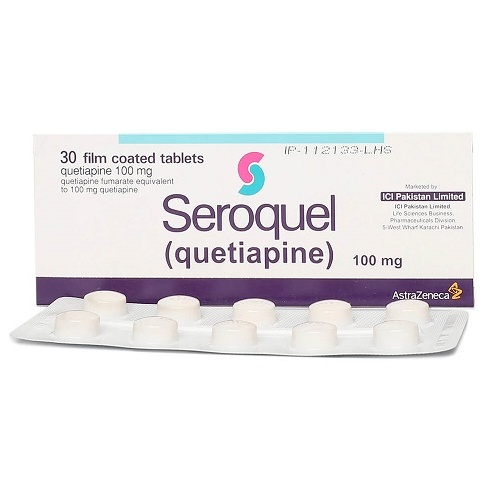
- Original Seroquel packaging: Should list AstraZeneca (or Teva, Lupin, or other FDA-approved generic manufacturer), clear US NDC (National Drug Code), lot number, and expiration date. Color, font, and shape are consistent. Packaging often includes a tamper-evident seal or hologram.
- Tablet appearance:
- IR tablets: round, biconvex, white to off-white, engraved with dose (e.g., “SEROQUEL 100” or “93 832” for Teva generic 100 mg).
- XR tablets: capsule-shaped, colored per dose (e.g., yellow, peach, white), marked accordingly.
- Generics: FDA-approved generics contain the same active ingredient and are clinically equivalent, but shape/color may differ. All must be labeled with the FDA NDC and manufacturer imprint.
- Warning signs of counterfeits: Misspelled labels, missing NDC, unfamiliar manufacturer, non-standard tablet shape/color, unusually low prices, or absence of tamper-evident features.
- What are excipients? Inactive ingredients used as binders, fillers, or coloring agents—some people may have rare allergies to these; check the package insert for details.
Never purchase Seroquel from non-licensed sources. If in doubt, your pharmacist can verify authenticity using US drug databases.
What Should I Do If I Take Too Much Seroquel?
- Stop taking Seroquel immediately.
- Call 911 or your local emergency services (in the United States) without delay.
- Provide information on the drug name, dose taken, and time of ingestion.
- Do not try to induce vomiting unless instructed by Poison Control (1-800-222-1222).
- Keep the medication packaging for healthcare providers to reference.
- Signs of overdose: Extreme drowsiness, rapid heartbeat, low blood pressure, seizures, loss of consciousness. These can be life-threatening—urgent care is critical.
Living with Mental Health Conditions: You’re Not Alone
Mental health struggles, including bipolar disorder and schizophrenia, are common and treatable conditions. You are not alone in facing these challenges. Many people benefit from a combination of medication, psychotherapy, and social support. Discussing your concerns with a trusted clinician or loved one can be the first step to better health.
Professional Opinion of doctor
In my experience, Seroquel is most beneficial for individuals struggling with schizophrenia, bipolar disorder, or as an adjunct for certain depressive disorders where other treatments have failed. Its sedative profile can be an advantage for those with severe agitation or insomnia, though the same property can be a drawback for others, leading to daytime drowsiness. I always weigh the benefit of symptom reduction against significant risks—especially metabolic changes, weight gain, and the rare but serious heart or blood disorders. For patients with high metabolic or cardiac risk, or those who are particularly sensitive to side effects, alternatives like aripiprazole or risperidone may be preferable. Seroquel is not a general-purpose sleep aid and should be reserved for its approved indications. In all cases, a personalized approach, ongoing monitoring, and shared decision-making are crucial to maximize benefit and minimize harm.
FAQ: Seroquel in the United States
- Is Seroquel available without a prescription in the US?
- No. Seroquel requires a valid prescription from a licensed provider in the United States.
- Can Seroquel be delivered to my home?
- Yes, but only from certified US pharmacies with a valid prescription. Never use sites that offer delivery without a prescription.
- How long does it take for Seroquel to start working?
- Sedation may begin within hours, but full antipsychotic or mood effects often take 1–6 weeks.
- Is generic quetiapine as effective as brand-name Seroquel?
- Yes, FDA-approved generics are therapeutically equivalent to the brand-name product.
- Can I use Seroquel just for sleep?
- No. Seroquel is not approved as a sleep aid and should only be used for diagnosed psychiatric conditions.
- What monitoring do I need while taking Seroquel?
- Regular checks of weight, blood sugar, cholesterol, blood pressure, and sometimes EKG are standard.
- Are there withdrawal symptoms if I stop Seroquel?
- Yes. Sudden discontinuation can cause insomnia, nausea, agitation, and return of symptoms. Always taper under medical supervision.
- Does insurance cover Seroquel in the US?
- Most health plans cover generic quetiapine; coverage specifics depend on your insurer and location.
- Can Seroquel cause dependence?
- Seroquel is not considered habit-forming, but abrupt cessation can lead to withdrawal symptoms. Take only as prescribed.
Sources & References
- FDA. Drug Safety Communication: Information about using Seroquel. Accessed 2026. https://www.fda.gov/drugs
- Mayo Clinic. Quetiapine (Oral Route) Description and Brand Names. Accessed 2026. https://www.mayoclinic.org/drugs-supplements/quetiapine-oral-route/description/drg-20066912
- PubMed. Recent studies on quetiapine (2022–2024). Accessed 2026. https://pubmed.ncbi.nlm.nih.gov
- National Alliance on Mental Illness (NAMI). Quetiapine (Seroquel). Accessed 2026. https://www.nami.org
- ClinicalTrials.gov. Quetiapine in psychiatric disorders. Accessed 2026. https://clinicaltrials.gov
- AstraZeneca (Seroquel manufacturer). US package insert. Accessed 2026. https://www.astrazeneca-us.com
Bottom line: Seroquel is an effective, widely prescribed medication for several severe mental health conditions. Its use requires ongoing medical supervision, a valid prescription, and careful attention to side effects and drug interactions. For any concerns or questions, consult a qualified mental health professional in your area.
