Are Bananas Good for Diabetics? Stop Avoiding Them Until You Read This
Bananas are one of the most loved fruits in the world — cheap, filling, and naturally sweet. But if you have diabetes, you’ve probably been told to avoid them. Maybe your doctor mentioned the sugar content. Maybe you read somewhere that bananas spike blood sugar. So you stand in the produce aisle wondering: are bananas good for diabetics, or should I just walk past them every time?
The honest answer is more encouraging than you might expect. Bananas are not the forbidden fruit for diabetics that many people believe. Like most foods, the truth lies in the details — ripeness, portion size, timing, and what you eat alongside them. This article gives you the full, medically accurate picture so you can make a smart, confident decision about bananas and your diabetes management.
While bananas contain natural sugars, they can still be enjoyed in moderation by many people with diabetes. If you notice unusual symptoms after eating sugary foods, read Is Feeling Sick After Eating Sugar a Sign of Diabetes? for more insights.
Are Bananas Good for Diabetics? Let’s Look at the Nutrition First
Before making any judgment, it’s worth understanding exactly what a banana contains. Because when people say “bananas are full of sugar,” they’re only telling half the story.
Here’s the full nutritional profile of a medium banana (approximately 118g):
| Nutrient | Amount |
| Calories | 105 |
| Total Carbohydrates | 27g |
| Natural Sugars | 14g |
| Dietary Fiber | 3.1g |
| Resistant Starch (unripe) | Up to 6g |
| Protein | 1.3g |
| Fat | 0.4g |
| Potassium | 422mg (12% DV) |
| Vitamin B6 | 0.4mg (25% DV) |
| Vitamin C | 10.3mg (11% DV) |
| Magnesium | 31.9mg (8% DV) |
Yes, bananas contain carbohydrates and natural sugars. But they also contain fiber, resistant starch, potassium, magnesium, and vitamin B6 — all nutrients that matter significantly for people managing diabetes.
The glycemic index (GI) of a banana ranges from 42 to 62, depending on ripeness. That puts ripe bananas in the low-to-medium GI range — lower than white bread (75), white rice (72), and many breakfast cereals (70+). So the idea that bananas are a high-sugar disaster for diabetics doesn’t hold up when you look at the actual data.
The Ripeness Factor: This Changes Everything for Diabetics
Here’s something most people don’t know — and it’s genuinely one of the most important facts about bananas and blood sugar.
The riper the banana, the higher its glycemic index.
When a banana is unripe (still slightly green), most of its carbohydrates exist as resistant starch — a type of carbohydrate your body cannot fully digest. Resistant starch behaves more like fiber than sugar. It passes through your digestive system slowly, barely raises blood sugar, and actually feeds beneficial gut bacteria.
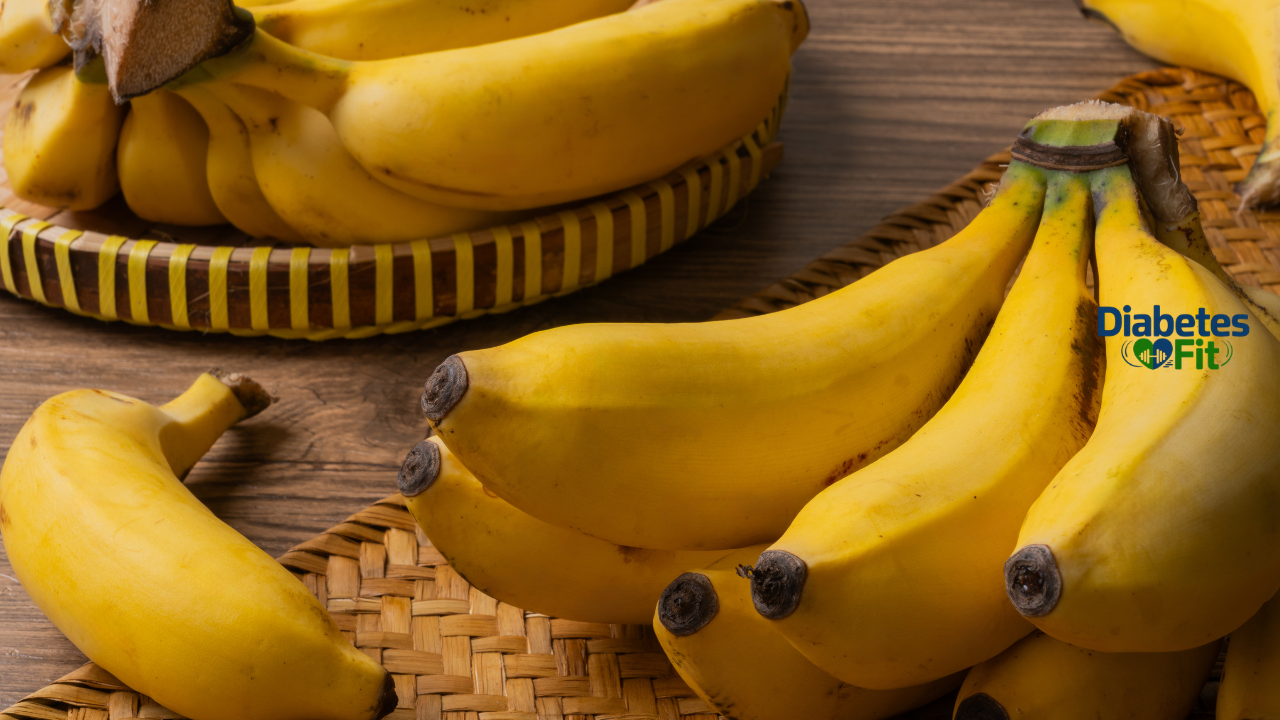
As a banana ripens and turns yellow, then speckled, then fully brown, that resistant starch gradually converts into simple sugars. The banana gets sweeter, softer, and faster-digesting — which means a quicker, higher blood sugar response.
Here’s how ripeness affects the glycemic index:
| Banana Ripeness | Appearance | Glycemic Index | Best for Diabetics? |
| Unripe | Mostly green | ~42 (Low) | Yes — best choice |
| Slightly ripe | Yellow with green tips | ~48 (Low) | Yes — good choice |
| Fully ripe | All yellow | ~57 (Medium) | Yes — in moderation |
| Very ripe | Yellow with brown spots | ~62 (Medium) | Eat a smaller portion |
| Overripe | Mostly brown | ~65–70 (Medium-High) | Limit or avoid |
Practical takeaway: For diabetics, a slightly underripe or just-ripe banana is a significantly better choice than a soft, overripe one. Choose bananas with a little green still on the peel when possible.
How Are Bananas Good for Diabetics? The Real Benefits
People ask if bananas are good for diabetics, mostly out of concern, but the real question should also include the potential benefits bananas offer people managing blood sugar. And those benefits are genuine.
1. Resistant Starch Improves Insulin Sensitivity
Unripe and slightly ripe bananas are one of the best natural sources of resistant starch in a typical diet. Multiple studies have shown that resistant starch improves insulin sensitivity — meaning your body needs less insulin to manage the same amount of glucose. For people with Type 2 diabetes, this is a meaningful benefit.
2. Fiber Slows Glucose Absorption
Even ripe bananas contain about 3 grams of dietary fiber per medium fruit. Fiber slows down how quickly sugar enters the bloodstream, creating a gentler, more gradual glucose rise rather than a sharp spike. This buffering effect is exactly what diabetics need from their food.
3. Potassium Supports Kidney and Heart Health
People with diabetes face a significantly higher risk of kidney disease and cardiovascular disease. Bananas are one of the richest everyday sources of potassium — a mineral that helps regulate blood pressure, supports proper kidney function, and protects heart health. One medium banana provides about 12% of your daily potassium needs.
4. Magnesium Helps Blood Sugar Regulation
Magnesium is a mineral that plays a direct role in insulin function and glucose metabolism. Research has consistently found that people with Type 2 diabetes tend to have lower magnesium levels than people without diabetes. Bananas provide a meaningful amount of magnesium per serving, making them a useful dietary source for pdeficient people
5. Vitamin B6 Supports Nerve Health
Diabetic neuropathy — nerve damage caused by long-term high blood sugar — is one of the most common and uncomfortable complications of diabetes. Vitamin B6 supports healthy nerve function and is involved in over 100 enzyme reactions in the body. One medium banana provides 25% of your daily B6 needs.
6. Natural Energy Without Processed Sugar
Many diabetics struggle with energy management — blood sugar dips leave them reaching for quick fixes that often make things worse. A small banana with some protein (like a handful of almonds or a spoonful of peanut butter) provides a controlled, natural energy source without the artificial ingredients, preservatives, or added sugars found in most packaged snacks.
What the Research Actually Says About Bananas and Diabetes
So, are bananas good for diabetics according to science? Let’s look at what studies show:
- A study published in Nutrition & Metabolism found that daily consumption of resistant starch (the kind abundant in unripe bananas) improved insulin sensitivity in people with metabolic syndrome — a condition closely linked to Type 2 diabetes.
- Research from the Diabetes Care journal has repeatedly confirmed that low-to-medium GI foods — which include bananas — are associated with better long-term blood sugar control compared to high-GI diets.
- A large review published in BMJ found that higher fruit consumption overall — including tropical fruits like bananas — was associated with a reduced risk of developing Type 2 diabetes, not an increased one.
- Studies specifically looking at resistant starch and gut health show that it promotes the growth of beneficial gut bacteria, which play an emerging role in blood sugar regulation and metabolic health.
The consistent message from research is clear: bananas, eaten in appropriate portions, do not worsen diabetes outcomes — and in several ways, they actively support better metabolic health.
Portion Size: The Most Important Variable for Diabetics
Here’s where many diabetics go wrong — not with whether they eat bananas, but how much they eat at once.
A large banana can contain 35–40 grams of carbohydrates. For someone carefully managing blood sugar, eating a whole large banana as a snack on an empty stomach is very different from eating half a small banana with a protein-rich meal.
Portion guidelines for diabetics:
- Small banana (6 inches, ~100g): ~23g carbs — generally safe for most diabetics as a snack
- Medium banana (7–8 inches, ~118g): ~27g carbs — fine with protein or fat alongside
- Large banana (9+ inches, ~136g): ~31g carbs — better split into two portions
- Half a medium banana: ~13g carbs — excellent option for stricter blood sugar management
A helpful rule of thumb: one small to medium banana per sitting, paired with a protein source, is the sweet spot for most people with well-managed Type 2 diabetes. People with Type 1 diabetes or those on insulin should monitor their individual response carefully.
The Best Ways for Diabetics to Eat Bananas
Are bananas good for diabetics when eaten alone? They can be — but pairing strategies dramatically improve the blood sugar outcome.
Smart Pairing Ideas:
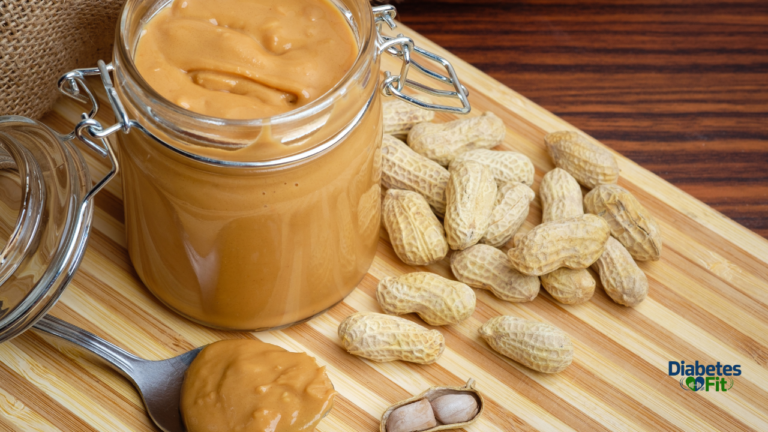
- Banana + peanut butter — the protein and fat in peanut butter slow glucose absorption significantly
- Banana + Greek yogurt — protein-rich, filling, and the probiotics support gut health
- Banana + a small handful of walnuts or almonds — healthy fats buffer the sugar response
- Banana in a smoothie with spinach, protein powder, and almond milk — fiber, protein, and fat dilute the glycemic impact
- Half a banana sliced over oatmeal — the beta-glucan fiber in oats plus banana fiber creates excellent blood sugar stability
What to Avoid:
- Eating a large ripe banana alone as a standalone snack on an empty stomach
- Combining bananas with other high-sugar foods (banana + juice + sweetened yogurt = blood sugar disaster)
- Using overripe bananas in baked goods sweetened with additional sugar
- Banana chips — these are often fried and contain added sugar, making them far worse than fresh banana
Timing Matters: When Should Diabetics Eat Bananas?
When you eat a banana can affect how your blood sugar responds just as much as how much you eat.
Best times for diabetics to eat bananas:
- Before exercise: A small banana 30–60 minutes before physical activity provides controlled energy. Exercise itself helps muscles absorb glucose, reducing the blood sugar impact.
- With breakfast: Pairing half a banana with eggs, Greek yogurt, or oatmeal creates a balanced morning meal with controlled glucose release.
- As a mid-morning snack with protein: Better than processed snacks, and the mid-morning timing means you have the rest of the day to metabolize the glucose.
Times to be more cautious:
- Late evening as a standalone snack — metabolism slows at night and physical activity is reduced, making blood sugar management harder
- Immediately after a high-carb meal, adding banana sugars on top of an already high glucose load isn’t ideal
- First thing in the morning on an empty stomach — for some diabetics, the dawn phenomenon (naturally higher morning blood sugar) makes this timing more problematic.
Real-Life Example: How One Diabetic Made Bananas Work
Fatima, a 55-year-old with Type 2 diabetes, gave up bananas completely when she was first diagnosed. She missed them terribly — they were her go-to morning fruit for 30 years.
After working with a registered dietitian, she learned a smarter approach. She started buying bananas while still slightly green, eating half a medium banana with a tablespoon of almond butter and a boiled egg each morning. She checked her blood sugar two hours after eating and was surprised to find it barely moved from her baseline.
Today, Fatima eats half a banana with protein almost every morning. Her HbA1c has remained well controlled, and she’s no longer white-knuckling it past the fruit aisle. The difference wasn’t the banana — it was the approach.
Which Fruits Are Better or Worse Than Bananas for Diabetics?
To put bananas in a proper context, here’s how they compare to other common fruits:
| Fruit | Glycemic Index | Carbs per Serving | Fiber | Diabetic-Friendliness |
| Cherries | 20 | 12g (1 cup) | 1.6g | Excellent |
| Grapefruit | 25 | 13g (half) | 2g | Excellent |
| Apple | 36 | 25g (medium) | 4.4g | Very Good |
| Pear | 38 | 27g (medium) | 5.5g | Very Good |
| Banana (unripe) | 42 | 23g (small) | 3.1g | Good |
| Mango | 51 | 25g (1 cup) | 2.6g | Moderate |
| Grapes | 53 | 28g (1 cup) | 1.4g | Moderate |
| Pineapple | 59 | 20g (1 cup) | 2.3g | Use caution |
| Watermelon | 72 | 11g (1 cup) | 0.6g | Limit |
| Dates | 103 | 18g (2 dates) | 1.6g | Limit |
Bananas sit comfortably in the middle — better than many fruits people don’t think twice about, and far better than dried fruits, fruit juices, or dates commonly eaten as “natural” alternatives.
Common Myths About Bananas and Diabetes — Debunked
Myth 1: “Diabetics should never eat bananas.” False. Bananas have a low-to-medium glycemic index and contain fiber, resistant starch, and essential nutrients. Eaten in appropriate portions with protein or fat, they fit comfortably into a diabetic meal plan.
Myth 2: “The sugar in bananas is just as bad as table sugar.” False. The natural sugars in bananas come packaged with fiber, resistant starch, vitamins, and minerals that significantly slow absorption and provide nutritional value. Table sugar offers none of these benefits.
Myth 3: “Brown bananas are toxic for diabetics.” False — but they are higher GI. Overripe bananas have more simple sugars and less resistant starch. They’re not dangerous, but diabetics should eat smaller portions and pair them carefully.
Myth 4: “Banana chips are a safer alternative.” False. Banana chips are typically deep-fried and often coated with added sugar or honey. They have far more calories, fat, and a higher glycemic impact than a fresh banana.
Myth 5: “Fruit sugar (fructose) doesn’t affect blood sugar.” Partially false. While fructose doesn’t directly raise blood glucose the way glucose does, excess fructose is processed by the liver and can contribute to metabolic issues. However, the amounts in one banana are well within safe limits for most diabetics.
Conclusion
So, are bananas good for diabetics? Yes — with the right approach, they absolutely are. A slightly underripe or just-ripe small-to-medium banana, paired with protein or healthy fat, eaten at the right time of day, is a nutritious, satisfying, and blood-sugar-friendly food for most people managing diabetes.
Are bananas good for diabetics who eat them carelessly — large, overripe, alone, on an empty stomach, multiple times a day? Probably not. But that’s true of almost any carbohydrate-containing food, including “health foods” like whole-grain bread or brown rice.
The bottom line is this: Are bananas good for diabetics when eaten smartly? The research says yes, nutrition science says yes, and real-world experience from millions of people managing diabetes successfully while enjoying bananas says yes, too.
Try this: Next time you’re at the store, pick up a bunch of bananas that still have some green on the peel. Eat half a small banana with a tablespoon of peanut butter as your afternoon snack this week. Check your blood sugar two hours later. You may be pleasantly surprised by what you find.
Bananas contain natural sugars but also provide fiber and important nutrients that may help slow sugar absorption. According to Healthline, bananas can still be enjoyed by people with diabetes when eaten in moderation and as part of a balanced diet.
Frequently Asked Questions
Are bananas good for diabetic,s or should they be avoided completely?
Bananas are good for diabetics when eaten in appropriate portions and paired with protein or healthy fat. They have a low-to-medium glycemic index, contain fiber and resistant starch, and provide important nutrients like potassium, magnesium, and vitamin B6. Total avoidance is unnecessary for most people with well-managed diabetes.
How many bananas can a diabetic eat per day?
Most diabetics can safely eat one small to medium banana per day — ideally slightly underripe and paired with a protein source. People with stricter blood sugar targets may prefer half a banana per sitting. Always monitor your individual blood sugar response, as everyone’s glucose reaction varies.
Which is better for diabetics — ripe or unripe bananas?
Unripe or slightly ripe bananas are better for diabetics. They contain more resistant starch, which behaves like fiber in the body and causes a much smaller blood sugar rise. As bananas ripen, resistant starch converts to simple sugars, raising the glycemic index from around 42 to over 60.
Do bananas raise blood sugar quickly?
A slightly ripe banana has a low glycemic index of around 42–48, meaning it raises blood sugar slowly and moderately. Overripe bananas have a higher GI and raise blood sugar faster. Pairing any banana with protein or fat slows glucose absorption further, reducing the overall blood sugar impact.
What is the best time for a diabetic to eat a banana?
The best times are before exercise, with breakfast as part of a balanced meal, or as a mid-morning snack with protein. Avoid eating bananas late at night as a standalone snack or immediately after another high-carbohydrate meal when blood sugar is already elevated.
Are bananas good for diabetics with high blood pressure too?
Yes — bananas are particularly beneficial for diabetics who also have high blood pressure, which is a very common combination. Bananas are one of the richest everyday sources of potassium, a mineral that directly helps lower blood pressure by counteracting the effects of sodium and relaxing blood vessel walls.

David Miller is a health and wellness writer focused on diabetes awareness, blood sugar control, and healthy living. He creates clear, practical content to help readers make better everyday health choices.