Are Blueberries Good for Diabetics? 9 The Sweet Truth That Could Change Your Diet
If you have diabetes, every food choice matters — and you’ve probably wondered: are blueberries good for diabetics? With their natural sweetness, it’s easy to assume they might spike blood sugar. But the science tells a very different and surprisingly positive story.
Blueberries are one of the most researched fruits in the world for metabolic health. Study after study shows that these small, dark berries don’t just fail to harm blood sugar — they actively improve insulin sensitivity, reduce inflammation, support cardiovascular health, and may even help prevent the progression of type 2 diabetes.
Blueberries can be beneficial for diabetics due to their low glycemic index and high antioxidant content. They may help improve insulin sensitivity and lower blood sugar levels. It’s generally safe for diabetics to consume about ½ to 1 cup of blueberries a day, preferably paired with a meal to minimize blood sugar spikes. Incorporate them into smoothies, salads, or as a snack. Always consult with a healthcare provider for personalized advice.
In this article, we answer the question of whether blueberries are good for diabetics with real science, clear facts, and practical guidance. You’ll learn exactly what blueberries do to blood sugar, how many to eat, when to eat them, and how to incorporate them safely into a diabetic diet. Let’s get started.
Lifestyle habits also play a big role in blood sugar control—read our guide Does Vaping Affect Blood Sugar? to understand its impact.
What Makes Blueberries Special? A Nutritional Overview
Before delving into the specifics of whether or not blueberries are beneficial for diabetics, it is helpful to know what makes these berries so potent.
For their calorie content, blueberries are incredibly nutrient-dense. A serving of one cup (148g) includes:
| Nutrient | Amount per 1 Cup (148g) | % Daily Value |
| Calories | 84 kcal | — |
| Carbohydrates | 21.4g | 7% |
| Fiber | 3.6g | 13% |
| Natural Sugar | 14.7g | — |
| Protein | 1.1g | 2% |
| Fat | 0.5g | 1% |
| Vitamin C | 14.4mg | 16% |
| Vitamin K | 28.6mcg | 24% |
| Manganese | 0.5mg | 22% |
| Vitamin E | 0.8mg | 5% |
| Anthocyanins | 163–400mg | — |
| Glycemic Index | 53 (Low) | — |
| Glycemic Load | 6 (Very Low) | — |
The most important numbers for diabetics are the glycemic index (53 — low) and glycemic load (6 — very low). Despite containing natural sugar, blueberries have a minimal impact on blood sugar when eaten in normal portions — largely because of their fiber and anthocyanin content.
Are Blueberries Good for Diabetics? What the Science Says
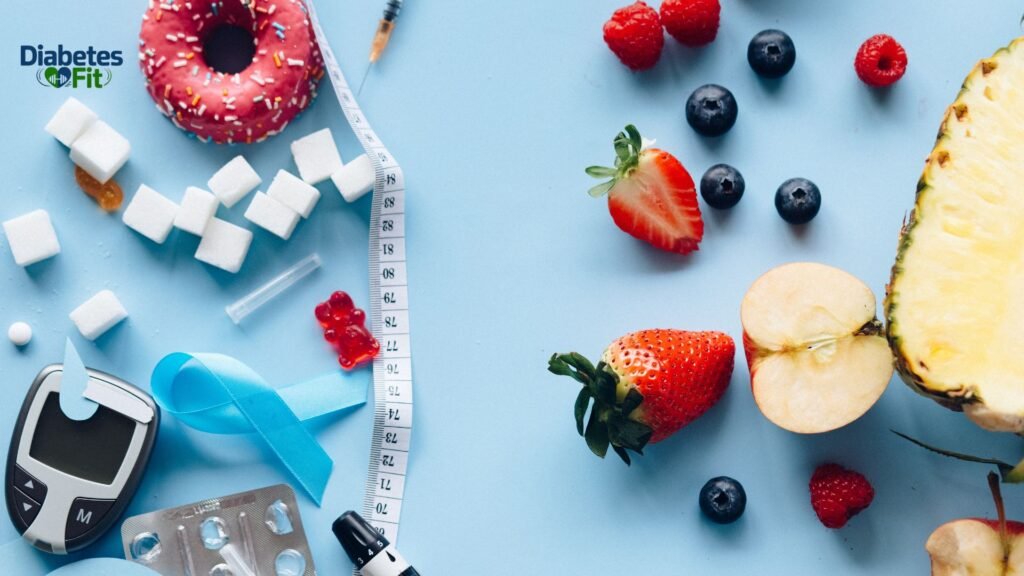
Yes — blueberries are genuinely good for diabetics, and the evidence is robust. Here’s a detailed breakdown of every way blueberries benefit people with diabetes:
1. Blueberries Have a Low Glycemic Index and Glycemic Load
The glycemic index (GI) measures how quickly a food raises blood sugar. The glycemic load (GL) accounts for how much of that food you actually eat — making it a more practical measure.
- Blueberries GI: 53 — classified as low (under 55)
- Blueberries GL: 6 — classified as very low (under 10)
For comparison:
| Food | Glycemic Index | Glycemic Load |
| Blueberries | 53 | 6 |
| White bread | 75 | 20 |
| White rice | 73 | 29 |
| Banana | 51 | 12 |
| Watermelon | 72 | 5 |
| Apple | 36 | 6 |
| Grapes | 59 | 11 |
| Orange | 43 | 5 |
Almost every other food that is frequently consumed is inferior to blueberries. They are among the safest fruits for diabetics to eat because of their low glycemic load, which results in only a slight, tolerable increase in blood sugar after a typical serving.
This provides a crucial response to the question, “Are blueberries helpful for diabetics?” because their glycemic profile is really diabetes-friendly.
2. Anthocyanins Dramatically Improve Insulin Sensitivity
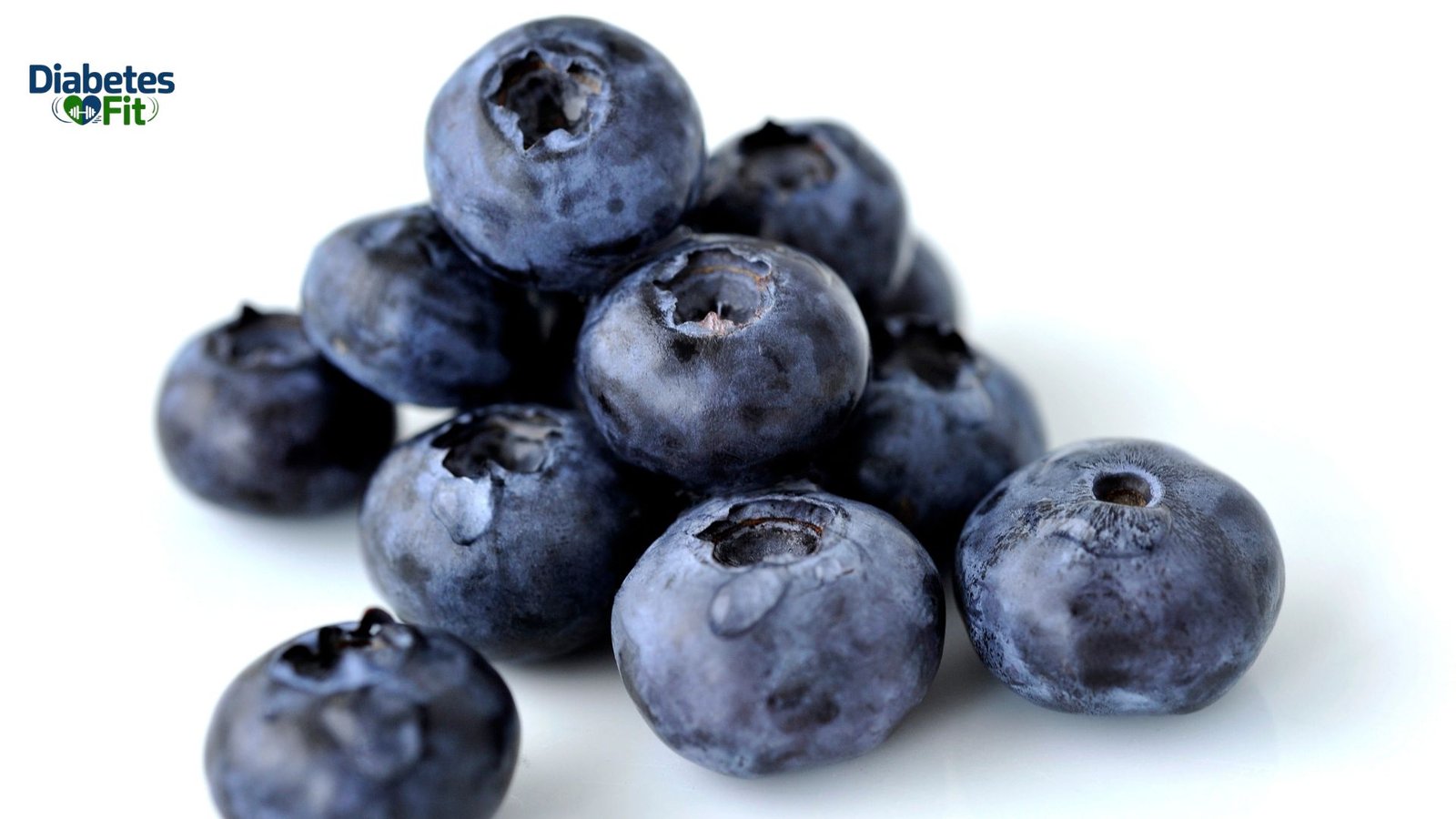
This is the most important reason are blueberries good for diabetics — the anthocyanins. Anthocyanins are the pigments that give blueberries their deep blue-purple color. They are among the most powerful plant compounds ever studied for metabolic health.
Research has consistently shown that anthocyanins:
- Improve insulin sensitivity — making cells more responsive to insulin so less of it is needed to manage blood sugar
- Reduce insulin resistance — the core mechanism driving type 2 diabetes
- Enhance glucose transporter function — helping cells absorb glucose more efficiently
- Reduce inflammation in fat tissue and the liver — two key sites of insulin resistance
Adults with insulin resistance who were obese were given blueberry smoothies twice a day for six weeks in a seminal study that was published in the Journal of Nutrition. Without making any other dietary adjustments, the outcome was a 22% increase in insulin sensitivity when compared to the placebo group.
According to a different study published in Nutrients, women with type 2 diabetes who ate blueberries every day for eight weeks significantly improved their fasting blood glucose and HbA1c levels when compared to a control group.
This study clarifies if blueberries are beneficial for people with diabetes. They actively enhance the disease in addition to being safe.
3. Fiber Content Slows Blood Sugar Rise
A cup of blueberries has 3.6g of dietary fiber, which is a significant amount for a fruit. Blueberries are beneficial to diabetics in a number of ways because of their fiber.
- Slows digestion — fiber delays the absorption of sugars into the bloodstream, flattening the blood sugar curve after eating
- Forms a gel in the gut — soluble fiber creates a viscous gel that slows glucose absorption from the entire meal, not just the blueberries themselves
- Feeds beneficial gut bacteria — the fiber in blueberries acts as a prebiotic, nourishing gut bacteria that produce short-chain fatty acids linked to improved insulin sensitivity
- Reduces post-meal blood sugar spikes — multiple studies show that meals containing fiber-rich foods like blueberries produce significantly lower post-meal glucose responses
The fiber in blueberries essentially acts as a natural blood sugar buffer — another powerful reason are blueberries good for diabetics is confirmed by their nutritional composition.
4. Blueberries Reduce Chronic Inflammation
One of the most significant—and often disregarded—causes of type 2 diabetes and insulin resistance is chronic low-grade inflammation. Inflammatory indicators such as C-reactive protein (CRP), interleukin-6 (IL-6), and tumor necrosis factor-alpha (TNF-α) are persistently higher in individuals with diabetes.
- One of the foods that has been shown to have the most anti-inflammatory properties is blueberries:
- Free radicals that initiate inflammatory signaling pathways are neutralized by anthocyanins.
- Numerous studies have demonstrated the potent anti-inflammatory properties of pterostilbene, a chemical specific to blueberries.
- Blueberries’ vitamins C and E offer extra antioxidant defense against oxidative stress.
- Clinical studies have demonstrated that regular ingestion of blueberries can lower CRP levels by as much as 25%.
Blueberries are not only safe to consume but also truly beneficial for individuals with diabetes since they help address one of the underlying reasons of insulin resistance by lowering systemic inflammation.
5. Blueberries Support Cardiovascular Health — Critical for Diabetics
Compared to people without diabetes, those with diabetes have a two to four times higher risk of cardiovascular disease. The most common cause of mortality for diabetics is heart disease. Because of this, one of the most crucial dietary goals for diabetics is cardiovascular protection, which blueberries effectively provide.
Studies reveal that consistent eating of blueberries:
- Reduces LDL cholesterol oxidation — oxidized LDL is the form that deposits in artery walls; blueberry antioxidants prevent this process
- Lowers blood pressure — a meta-analysis in Journal of Gerontology found that daily blueberry consumption reduced systolic blood pressure by an average of 5–6 mmHg
- Improves arterial flexibility — anthocyanins improve endothelial function, making blood vessels more elastic and reducing cardiovascular risk
- Reduces triglycerides — elevated triglycerides are common in type 2 diabetes and strongly linked to heart disease; blueberries have been shown to reduce them
- Reduces the risk of heart attack — a Harvard study following 93,000 women found that those who ate the most blueberries had a 32% lower risk of heart attack
For diabetics wondering are blueberries good for diabetics beyond just blood sugar — the cardiovascular benefits make them especially valuable.
6. Blueberries May Prevent Type 2 Diabetes Progression
Blueberries may actually decrease or stop the growth of prediabetes or early-stage type 2 diabetes.
- A comprehensive study that was published in BMJ examined data from more than 187,000 individuals and discovered that:
- Compared to people who ate blueberries infrequently, those who consumed two or more servings per week had a 23% decreased risk of type 2 diabetes.
- More than any other fruit examined, blueberries had the strongest protective impact.
- Even after adjusting for other lifestyle characteristics, the benefit remained.
According to this research, the benefits of blueberries for diabetics go beyond treating pre-existing diabetes; they may even help prevent the disease from ever occurring.
7. Blueberries Support Healthy Weight Management

The most potent modifiable risk factor for type 2 diabetes is excess body weight, especially visceral belly fat. Insulin sensitivity and blood sugar regulation are significantly enhanced by maintaining a healthy weight.
Blueberries support healthy weight in several ways:
- Low calorie density — 84 calories per cup is very low for such a filling, satisfying food
- High water content — about 84% water, contributing to fullness without calories
- Fiber-driven satiety — 3.6g of fiber per cup slows digestion and keeps you fuller longer
- Reduced fat cell formation — anthocyanins have been shown to inhibit the differentiation of pre-adipocytes (fat cell precursors) into mature fat cells
- Improved fat metabolism — pterostilbene in blueberries activates genes involved in fat oxidation
A study published in the Journal of Nutritional Biochemistry found that blueberry supplementation significantly reduced abdominal fat, triglycerides, and total cholesterol in obese subjects compared to a placebo group.
8. Blueberries Protect Kidney Health in Diabetics
About 40% of patients with diabetes have diabetic nephropathy, which is the most common cause of kidney failure globally.
Blueberries’ antioxidants, especially their anthocyanins and vitamin C, shield kidney cells from inflammation and oxidative stress, two major causes of diabetic kidney damage.
Research on animals has demonstrated that blueberry extract lowers kidney damage markers in diabetic models. Blueberries’ potent anti-inflammatory and antioxidant profile makes them a meal that supports kidney health in diabetics, even if additional human study is specifically needed on the subject of diabetic nephropathy.
9. Blueberries Support Brain Health and Cognitive Function
Due in part to the detrimental effects of persistently high blood sugar on brain cells and blood vessels, people with type 2 diabetes have a markedly increased risk of dementia and cognitive impairment.
- In all of nutritional neuroscience, there is some of the best research on blueberries and brain health:
- Anthocyanins directly shield neurons from oxidative injury by passing across the blood-brain barrier.
- Numerous clinical research have demonstrated that regular blueberry eating enhances memory, concentration, and processing speed.
- Higher blueberry consumption was linked to slower cognitive decline, or 2.5 years of younger brain age, according to a study published in the Annals of Neurology.
- Blueberries increase cerebral blood flow, which helps brain cells receive oxygen and glucose.
The brain-protective properties of blueberries give diabetics who are more likely to experience cognitive impairment another reason to consume them on a regular basis.
How Many Blueberries Can a Diabetic Eat Per Day?
Portion control matters for all carbohydrate-containing foods in a diabetic diet — but blueberries are remarkably forgiving due to their low glycemic load.
| Portion | Carbs | Sugar | GL | Blood Sugar Impact |
| ½ cup (74g) | 10.7g | 7.4g | 3 | Minimal |
| 1 cup (148g) | 21.4g | 14.7g | 6 | Low |
| 1.5 cups (222g) | 32g | 22g | 9 | Low-Moderate |
| 2 cups (296g) | 42.8g | 29.4g | 12 | Moderate |
Recommended daily amount for diabetics:
- Safe daily serving: ¾ to 1 cup (110–148g)
- Maximum daily serving: 1.5 cups (222g) — for active individuals with good blood sugar control
- Best starting point: Begin with ½ cup and monitor blood sugar response 1–2 hours after eating
Everyone responds differently to carbohydrates. Testing your blood sugar before and 2 hours after eating blueberries helps you understand your personal response and find your optimal portion size.
Best Ways for Diabetics to Eat Blueberries
Are blueberries good for diabetics in all forms? Here’s how different preparations compare:
| Form | Blood Sugar Impact | Recommendation |
| Fresh whole blueberries | Lowest | Best choice — fiber intact |
| Frozen blueberries (unsweetened) | Lowest | Excellent — nutrients preserved |
| Blueberries with Greek yogurt | Very low | Ideal — protein + fat reduce GL further |
| Blueberries with nuts | Very low | Great — healthy fat slows absorption |
| Blueberry smoothie (whole fruit) | Low | Good — keep portions controlled |
| Blueberry juice | Moderate-High | Avoid — fiber removed, sugar concentrated |
| Dried blueberries | High | Limit — highly concentrated sugar |
| Blueberry jam/preserves | Very High | Avoid — loaded with added sugar |
| Blueberry muffins/baked goods | Very High | Avoid — refined carbs + sugar |
The key principle: are blueberries good for diabetics is most true when they’re eaten whole and fresh, ideally paired with protein or healthy fat to further reduce the glycemic impact.
Best Diabetic-Friendly Ways to Include Blueberries in Your Diet
Here are practical, delicious ways to incorporate blueberries into a diabetes-friendly diet:
- Breakfast bowl: ¾ cup blueberries over plain Greek yogurt with a tablespoon of chia seeds and a handful of walnuts — protein and fat slow glucose absorption significantly
- Oatmeal topping: Add ½ cup fresh blueberries to plain steel-cut oats instead of sugar or syrup
- Smoothie: Blend ¾ cup frozen blueberries with unsweetened almond milk, a scoop of protein powder, and a tablespoon of almond butter
- Salad addition: Toss fresh blueberries into a spinach salad with feta cheese, walnuts, and olive oil dressing
- Post-workout snack: A small bowl of fresh blueberries after exercise — when muscles are most insulin-sensitive and will absorb the glucose efficiently
- With cottage cheese: ½ cup blueberries with ½ cup cottage cheese makes a protein-rich, blood-sugar-friendly snack
- Frozen as a treat: Freeze blueberries for a healthy, low-calorie alternative to ice cream
Blueberries vs. Other Fruits for Diabetics
| Fruit | GI | GL (per serving) | Anthocyanins | Diabetic Friendliness |
| Blueberries | 53 | 6 | Very High | ⭐⭐⭐⭐⭐ |
| Strawberries | 41 | 3 | High | ⭐⭐⭐⭐⭐ |
| Raspberries | 32 | 3 | Moderate | ⭐⭐⭐⭐⭐ |
| Blackberries | 25 | 4 | Very High | ⭐⭐⭐⭐⭐ |
| Cherries | 22 | 6 | High | ⭐⭐⭐⭐ |
| Apple | 36 | 6 | Low | ⭐⭐⭐⭐ |
| Pear | 38 | 4 | Low | ⭐⭐⭐⭐ |
| Orange | 43 | 5 | Low | ⭐⭐⭐⭐ |
| Grapes | 59 | 11 | Moderate | ⭐⭐⭐ |
| Banana | 51 | 12 | Very Low | ⭐⭐ |
| Mango | 60 | 14 | Very Low | ⭐⭐ |
| Pineapple | 66 | 6 | Very Low | ⭐⭐⭐ |
| Watermelon | 72 | 5 | Very Low | ⭐⭐ |
Blueberries rank among the very best fruits for diabetics — their combination of low glycemic load and very high anthocyanin content is unmatched by most other commonly available fruits.
Are Blueberries Good for Diabetics With Specific Concerns?
For People with Type 1 Diabetes
Blueberries are safe for people with type 1 diabetes. Insulin dosage is predictable due to their low glycemic load. A small change in insulin dosage is usually needed for a serving of ¾ to 1 cup. Keep an eye on your personal reaction and talk to your endocrinologist about carb counting.
For People with Type 2 Diabetes
Because their anthocyanins specifically target insulin resistance, the primary cause of type 2 diabetes, blueberries are very helpful for those with the condition. Over time, regular consumption (under medical supervision) may lower the requirement for medication and improve HbA1c.
Regarding Prediabetes
In particular, studies indicate that blueberries lower the chance of developing type 2 diabetes from prediabetes. For those who have prediabetes, regular ingestion is highly advised.
Regarding Gestational Diabetes
Because of their high nutrient richness and low glycemic load, blueberries are generally safe and helpful during gestational diabetes. For individualized portion recommendations, always speak with your obstetrician or gestational diabetes dietician.
Frequently Asked Questions
Q: Are blueberries good for diabetics to eat every day? A: Yes — blueberries are good for diabetics to eat daily. Their low glycemic index of 53 and glycemic load of just 6 mean a normal serving of ¾ to 1 cup has minimal impact on blood sugar. More importantly, their anthocyanins actively improve insulin sensitivity with regular consumption. Daily blueberry intake is supported by multiple clinical studies as beneficial for blood sugar control, cardiovascular health, and overall diabetes management.
Q: Do blueberries raise blood sugar? A: Blueberries cause only a modest, manageable rise in blood sugar when eaten in normal portions — much less than most other carbohydrate-containing foods. Their low glycemic load of 6 per cup, combined with 3.6g of fiber and blood-sugar-lowering anthocyanins, makes their blood sugar impact minimal and well within safe range for most diabetics. Individual responses vary — testing blood sugar 1–2 hours after eating helps confirm your personal response.
Q: How many blueberries can a diabetic eat per day? A: Most diabetics can safely eat ¾ to 1 cup (110–148g) of fresh blueberries daily. This provides a glycemic load of approximately 4–6 — very low and well-tolerated by most people with diabetes. Pairing blueberries with protein (Greek yogurt, nuts) or healthy fat further reduces their blood sugar impact. Start with ½ cup if you’re cautious and monitor your blood sugar response.
Q: Are frozen blueberries as good as fresh for diabetics? A: Yes — frozen blueberries are equally good for diabetics as fresh. The freezing process preserves virtually all of their anthocyanins, fiber, vitamins, and minerals. In fact, some studies show frozen blueberries may have slightly higher anthocyanin content than fresh blueberries that have been stored for several days. Always choose unsweetened frozen blueberries with no added sugar or syrups.
Q: Can blueberries help lower HbA1c? A: Research suggests yes. Clinical studies have found that regular blueberry consumption — particularly daily intake over 8 weeks or more — is associated with measurable improvements in HbA1c levels in people with type 2 diabetes. The anthocyanins in blueberries improve insulin sensitivity and reduce chronic inflammation, both of which contribute to lower long-term blood glucose averages reflected in HbA1c.
Q: Are blueberries better than other berries for diabetics? A: All berries are excellent choices for diabetics due to their low glycemic loads and high antioxidant content. Blueberries are particularly well-studied for diabetes-specific benefits — especially their anthocyanin-driven improvements in insulin sensitivity. Strawberries, raspberries, and blackberries are equally diabetes-friendly and have their own unique health benefits. Rotating between different berries provides the broadest range of protective compounds.
Q: Can blueberries replace diabetes medication? A: No — blueberries cannot and should not replace prescribed diabetes medication. However, regular blueberry consumption as part of a healthy diet may support better blood sugar control and potentially allow for medication adjustments under medical supervision over time. Always work with your doctor or endocrinologist before making any changes to your medication regimen. Think of blueberries as a powerful dietary complement to your diabetes management plan — not a replacement for it.
Conclusion: Are Blueberries Good for Diabetics? Absolutely Yes
The answer to the question, “Are blueberries beneficial for diabetics?” is unquestionably yes, and the advantages go well beyond just being “safe to eat.”
Through their potent anthocyanins, blueberries actively increase insulin sensitivity, lower chronic inflammation that causes insulin resistance, support cardiovascular health that shields diabetics from their highest risk complications, help maintain a healthy weight, safeguard kidney and brain function, and may even slow the progression of type 2 diabetes.
Can people with diabetes eat blueberries on a daily basis? According to the research, for the best blood sugar control, consume portions of ¾ to 1 cup daily together with protein or healthy fat.
Blueberries are a very positive development in a world when managing diabetes frequently feels constrictive. They are sweet, tasty, incredibly nourishing, and scientifically shown to help you achieve your diabetes control objectives rather than impede them.
If you want to understand the benefits of blueberries for diabetes, this expert article from Healthline explains it clearly.

David Miller is a health and wellness writer focused on diabetes awareness, blood sugar control, and healthy living. He creates clear, practical content to help readers make better everyday health choices.