
7 Best Alcohols for Diabetics That Surprisingly Won’t Spike Your Blood Sugar
Living with diabetes does not mean you have to sit with sparkling water at every party while everyone else celebrates. Millions of people with diabetes enjoy an occasional drink — safely and responsibly. But choosing the right drink matters enormously. The best alcohol for diabetics is not the same as the most popular drink at the bar. Sugary cocktails, sweet wines, and beer can send blood sugar soaring.
But certain alcohol choices — made carefully and consumed in the right amount — have a minimal impact on blood glucose and can fit into a diabetic lifestyle without derailing your management. This guide covers exactly which drinks qualify as the best alcohol for diabetics, why some drinks are dangerous, what the science says about alcohol and blood sugar, and the practical rules that keep you safe while allowing you to enjoy life socially.
When choosing drinks, it’s important to understand how alcohol can affect your insulin levels—learn more in our post What Is a Normal Insulin Level for a Woman.
How Alcohol Affects Blood Sugar in Diabetics
Before identifying the best alcohol for diabetics, understanding the biology of alcohol and blood sugar is essential, because alcohol does something most people do not expect.
The Hypoglycemia Risk — The Biggest Danger Most People Miss
Most people assume alcohol raises blood sugar. In reality, alcohol can cause dangerously low blood sugar — particularly in people taking insulin or sulfonylureas.
Here is why:
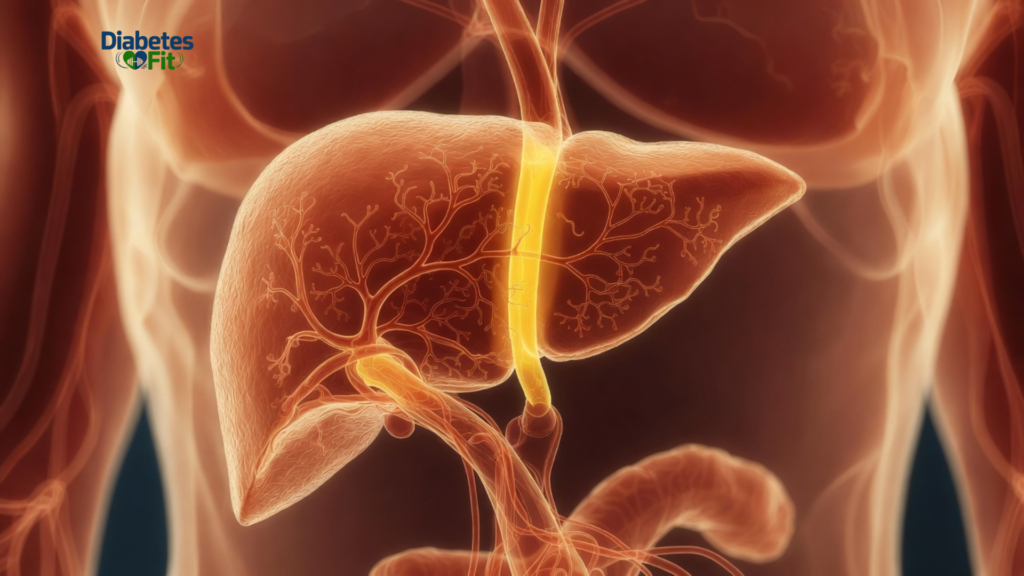
Your liver has two important jobs related to blood sugar:
- Producing glucose and releasing it into the bloodstream when blood sugar drops (gluconeogenesis)
- Metabolizing alcohol when you drink
Here is the critical problem: the liver cannot do both at the same time. When alcohol is present, your liver prioritizes breaking it down and essentially stops producing glucose. This means the normal safety mechanism that prevents your blood sugar from dropping too low is disabled for as long as it takes your liver to clear the alcohol.
For someone on insulin or blood sugar-lowering medication, this creates a significant window of hypoglycemia risk — potentially lasting four to twelve hours after drinking, including while you sleep.
This is why diabetics can have hypoglycemia the morning after drinking — even if they felt fine the night before.
The Hyperglycemia Risk — The More Obvious Problem
Many alcoholic drinks are loaded with sugar, carbohydrates, and rapidly digestible calories that spike blood glucose directly:
- Beer: 10–20g of carbohydrates per serving
- Sweet wines: 15–30g of sugar per glass
- Cocktails with juice or soda: 30–60g of sugar per drink
- Liqueurs and cream-based drinks: 20–40g of sugar per serving
For diabetics, these drinks cause the same glucose spike as eating a large piece of cake — but without the satiety of food to slow absorption.
The Calorie and Weight Problem
Alcohol provides 7 calories per gram — almost as calorie-dense as fat. It offers zero nutritional value and promotes fat storage because the body prioritizes metabolizing alcohol over burning fat. For diabetics, where weight management is often central to treatment, regular alcohol consumption can significantly undermine progress.
Best Alcohol for Diabetics: The Top 7 Choices
1. Dry Red Wine — The Best Overall Choice
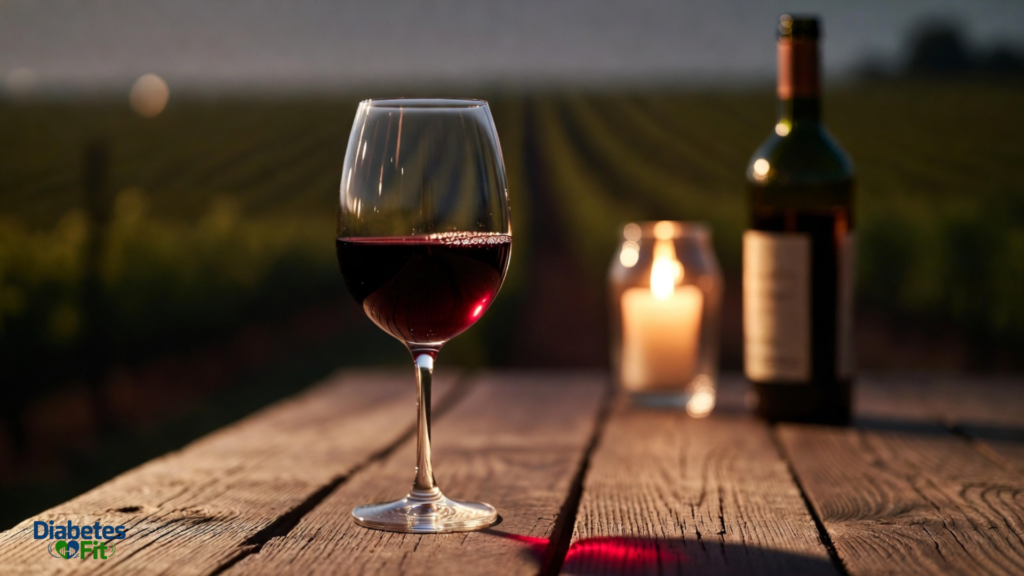
Dry red wine consistently tops research-backed lists of the best alcohol for diabetics — and the evidence supporting it is genuinely impressive.
Why red wine works for diabetics:
- Very low in residual sugar (typically 1–4g per 5oz glass)
- Contains resveratrol — a polyphenol with demonstrated insulin-sensitizing effects
- Contains quercetin and anthocyanins — antioxidants that reduce inflammation and may improve glucose metabolism
- Has a glycemic index of approximately zero — it does not directly raise blood sugar when consumed without food.d
The research: A landmark randomized controlled trial published in the Annals of Internal Medicine (the DIRECT trial) assigned people with Type 2 diabetes to drink either water, white wine, or red wine with dinner for two years. The red wine group showed significant improvements in cardiovascular risk markers and modest improvements in glucose metabolism, particularly in those who were slow alcohol metabolizers.
Best red wine choices for diabetics:
- Pinot Noir (lowest sugar among reds)
- Cabernet Sauvignon
- Merlot
- Malbec
- Shiraz/Syrah
Safe serving: On a 5-oz glass (148ml). Maximum two glasses for women, two to three for men on any occasion.
Carbs per 5oz glass: 3–4g Calories: ~125
2. Dry White Wine — Close Second
Dry white wine is another excellent entry among the best alcoholic beverages for diabetics. Like red wine, properly selected dry white wines have minimal residual sugar and a negligible glycemic impact.
Best dry white wine choices:
- Pinot Grigio — extremely dry, crisp, typically under 3g carbs per glass
- Sauvignon Blanc — dry, herbaceous, low sugar
- Chardonnay (unoaked) — drier than sweeter styles
- Albariño — refreshing, low sugar
What to avoid in white wine:
- Riesling (sweet varieties can have 15–30g sugar per glass)
- Moscato (very sweet, typically 10–20g sugar)
- Gewürztraminer (often sweet)
- Any wine labeled “off-dry” or “sweet.”
Carbs per 5oz glass: 2–4g Calories: ~120
3. Champagne and Dry Sparkling Wine — For Celebrations
The best alcohol for diabetics at celebrations does not have to be non-alcoholic. Brut and Extra Brut champagne and sparkling wines are genuinely low in sugar.
What the labels mean:
| Label | Sugar Content | Diabetic Suitability |
| Extra Brut / Brut Nature | 0–6g/L (very dry) | ✅ Excellent |
| Brut | 6–12g/L | ✅ Good |
| Extra Dry | 12–17g/L | ⚠️ Moderate |
| Dry (Sec) | 17–32g/L | ❌ Avoid |
| Demi-Sec | 32–50g/L | ❌ Avoid |
| Doux | 50+g/L | ❌ Avoid |
Stick to Brut or Extra Brut varieties. A standard 4oz pour of Brut champagne contains approximately 1–2g of sugar — completely acceptable for most diabetics.
Carbs per 4oz glass: 1–3g Calories: ~90
4. Spirits — Vodka, Gin, Rum, Tequila (Unflavored, Unsweetened)
Pure distilled spirits are the best alcohol for diabetics from a blood sugar perspective because distillation removes virtually all carbohydrates. Pure vodka, gin, whiskey, tequila, and rum contain essentially zero carbohydrates.
Carbohydrate content of pure spirits:
| Spirit | Carbs per 1.5oz Shot | Calories |
| Vodka | 0g | 97 |
| Gin | 0g | 97 |
| Tequila (100% agave) | 0g | 97 |
| Rum (white, unflavored) | 0g | 97 |
| Whiskey/Bourbon | 0g | 105 |
| Scotch | 0g | 97 |
The critical caveat: Spirits are only the best alcohol for diabetics when consumed neat, on the rocks, or with zero-calorie mixers. The moment you add a mixer, everything changes:
Mixer comparison:
| Mixer | Carbs | Blood Sugar Impact |
| Club soda / sparkling water | 0g | None |
| Diet tonic water | 0g | None |
| Regular tonic water | 22g per serving | High |
| Cola | 26g per serving | Very high |
| Orange juice | 26g per serving | Very high |
| Cranberry juice | 34g per serving | Very high |
| Ginger beer | 29g per serving | Very high |
| Lemon juice (small amount) | 2–3g | Minimal |
Best spirit + mixer combinations for diabetics:
- Vodka + sparkling water + lime juice
- Gin + diet tonic + cucumber
- Tequila + sparkling water + lime (essentially a sugar-free margarita)
- Whiskey on the rocks
- Rum + diet cola (very occasionally)
5. Light Beer — The Best Beer Option
Beer is generally one of the worst choices for diabetics due to its high carbohydrate content, but light beer is tasignificant exception that makes it potentially the best alcohol for diabetics who specifically enjoy beer.
Beer carbohydrate comparison:
| Beer Type | Carbs per 12oz | Calories |
| Regular lager | 13g | 150 |
| IPA | 15–20g | 180–220 |
| Stout (Guinness) | 10g | 125 |
| Wheat beer | 15–18g | 160–180 |
| Light beer (Bud Light) | 6.6g | 110 |
| Ultra light (Michelob Ultra) | 2.6g | 95 |
| Non-alcoholic beer | 15–20g | 70–90 |
Ultra-light beers like Michelob Ultra (2.6g carbs) are among the lowest glycemic alcoholic beverages available. However, even light beer should be limited to one to two servings, and the moderate carbohydrate content should be accounted for in your meal plan.
Important: Non-alcoholic beer is actually worse than light beer for blood sugar — it typically contains 15–20g of carbohydrates per serving with most of the alcohol removed, leaving concentrated malt sugars.
6. Hard Seltzers (Unsweetened) — The Modern Option
Hard seltzers — sparkling water with alcohol and natural flavoring — have become one of the most diabetes-friendly modern drink options and deserve a place among the best alcoholic drinks for diabetics.
Why hard seltzers work:
- Typically 2–4g carbohydrates per 12oz can
- 90–110 calories
- No sugar added in quality brands
- Light, refreshing, and socially very acceptable
Best hard seltzer brands for diabetics:
- White Claw (2g carbs, 100 cal)
- Truly (2g carbs, 100 cal)
- Bon & Viv (0–1g carbs, 90 cal)
- Corona Hard Seltzer (2g carbs, 90 cal)
What to check: Some flavored hard seltzers add sugar or juice — always check the nutrition label. Look for brands with zero added sugar and under 5g total carbohydrates.
7. Dry Rosé Wine
Dry rosé is an often-overlooked entry among the best alcoholic beverages for diabetics. When properly selected (dry, not sweet), rosé wine has a similar profile to dry white wine — low in residual sugar and moderate in carbohydrates.
What to look for:
- Dry Provence-style rosé (very dry, pale pink)
- Dry Spanish rosado
- Dry Italian rosato
What to avoid:
- Sweet California white zinfandel (often 8–15g sugar per glass)
- Blush wines are labeled sweet or semi-sweet
- Pink Moscato (extremely sweet)
Carbs per 5oz glass: 3–5g Calories: ~120–130
Worst Alcohol Choices for Diabetics
Understanding the best alcohol for diabetics also means knowing what to completely avoid:
| Drink | Why It’s Problematic | Blood Sugar Impact |
| Margarita (traditional) | 30–40g sugar from the mix | Very high spike |
| Pina Colada | 40–50g sugar | Extreme spike |
| Daiquiri (sweet) | 25–35g sugar | Very high spike |
| Mojito | 25–30g sugar | High spike |
| Sangria | 20–30g sugar from fruit | High spike |
| Sweet wine (Moscato, Riesling) | 15–30g sugar per glass | High spike |
| Baileys / cream liqueur | 15–20g sugar per shot | Moderate-high spike |
| Hard lemonade | 30–40g sugar | Very high spike |
| Cocktails with juice | 25–40g sugar | Very high spike |
| Regular beer (IPA, craft) | 15–20g carbs | Moderate-high spike |
Safety Rules for Diabetics Who Drink
Identifying the best alcohol for diabetics is only part of the equation. How you drink matters as much as what you drink.
Rule 1: Never Drink on an Empty Stomach
This is the most critical safety rule for diabetics. Drinking without food dramatically accelerates alcohol absorption and severely magnifies the hypoglycemia risk.
Always eat a balanced meal containing protein, fat, and complex carbohydrates before or while drinking. The food slows alcohol absorption and provides a glucose buffer while your liver is occupied metabolizing alcohol.
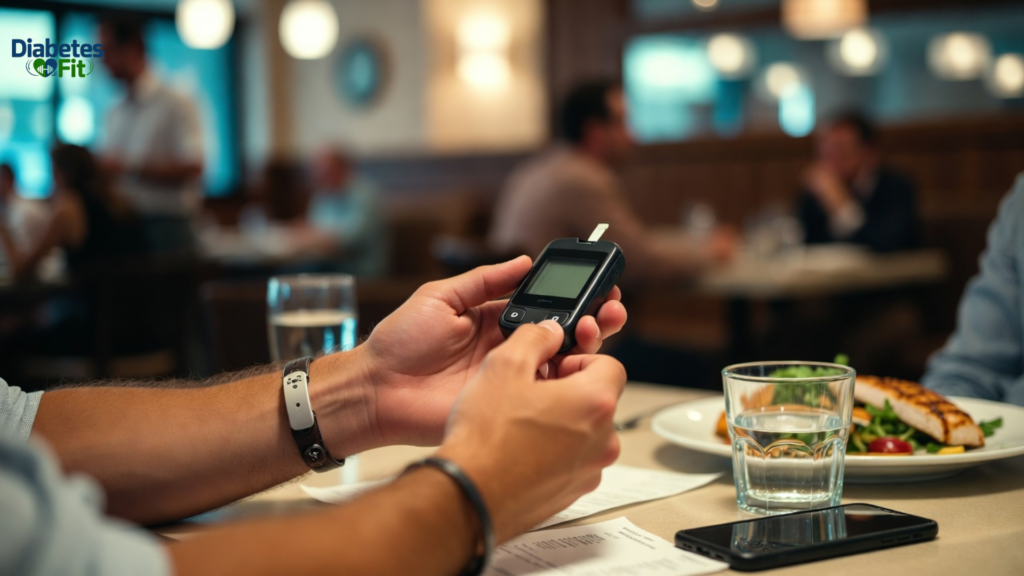
Rule 2: Check Blood Sugar Before, During, and After
- Before drinking: Check blood sugar. Do not drink if your blood sugar is already low (below 100 mg/dL)
- During drinking: Check every hour or two if drinking multiple servings
- Before bed: Check blood sugar and eat a small protein and complex carbohydrate snack if below 120 mg/dL
- The next morning: Check fasting blood sugar — alcohol-induced hypoglycemia can occur during sleep and into the morning
Rule 3: Inform Someone
If you take insulin or sulfonylureas, make sure someone you are with knows you have diabetes. Alcohol intoxication and hypoglycemia have remarkably similar symptoms — confusion, slurred speech, and unsteadiness. Emergency responders may not recognize hypoglycemia if they assume you are simply drunk.
Consider wearing a medical ID bracelet that identifies you as a diabetic.
Rule 4: Stay Hydrated
Alcohol is dehydrating. Dehydration concentrates blood glucose and amplifies the metabolic effects of alcohol. Alternate each alcoholic drink with a glass of plain water.
Rule 5: Know Your Medication Interactions
Several diabetes medications interact significantly with alcohol:
| Medication | Alcohol Interaction |
| Insulin | Significantly increases hypoglycemia risk |
| Sulfonylureas (glipizide, glimepiride) | Serious hypoglycemia risk |
| Metformin | Lactic acidosis risk with heavy drinking |
| SGLT2 inhibitors | Increased dehydration + DKA risk |
| GLP-1 agonists | Generally low interaction risk |
| DPP-4 inhibitors | Generally low interaction risk |
Rule 6: Avoid Sweet Mixers Absolutely
Even the best alcohol for diabetics — pure spirits — becomes problematic the moment you add juice, regular soda, or sugar-sweetened mixers. A vodka and orange juice is not a diabetic-friendly drink, regardless of how pure the vodka is.
Rule 7: Follow Recommended Limits
The American Diabetes Association recommends:
- Women with diabetes: No more than one standard drink per day
- Men with diabetes: No more than two standard drinks per day
One standard drink equals:
- 5oz (148ml) of wine (12% ABV)
- 12oz (355ml) of regular beer (5% ABV)
- 1.5oz (44ml) of spirits (40% ABV)
Real-Life Example
David, 52, with well-controlled Type 2 diabetes managed by metformin and dietary changes, attended his nephew’s wedding. Knowing about the best alcohol for diabetics in advance, he ate a full dinner with protein, vegetables, and moderate carbohydrates. He chose two 5-oz glasses of dry Pinot Noir over four hours, alternating with sparkling water. He checked his blood sugar before bed — it was 118 mg/dL — and had a small snack of Greek yogurt and a few almonds before sleeping. His morning fasting glucose was 102 mg/dL — completely normal. He enjoyed the celebration fully without compromising his diabetes management.
Compare this to the previous year, when he drank two cocktails (rum and cola) on an empty stomach. His blood sugar hit 240 mg/dL by midnight, he felt terrible, and his next morning fasting glucose was 178 mg/dL.
Same person, same occasion — completely different outcomes based entirely on choosing the best alcohol for diabetics and following safety rules.
Final Thoughts
The best alcohol for diabetics is not a contradiction in terms — it is a matter of knowledge, preparation, and smart choices. Dry red wine, dry white wine, brut champagne, pure spirits with sugar-free mixers, light beer, hard seltzers, and dry rosé all represent legitimate options that can fit into a carefully managed diabetic lifestyle.
The best alcohol for diabetics is always consumed with food, in moderation, with blood sugar monitoring, and with awareness of your specific medications and their interactions. The worst choices — sugary cocktails, sweet wines, regular beer, and liqueurs — can derail blood sugar control for 24 hours from a single occasion.
Understanding what constitutes the best alcohol for diabetics gives you the social freedom to participate in celebrations, dinners, and events without sacrificing your health. It is not about being deprived — it is about being informed. The best alcohol for diabetics is the drink that you choose deliberately, enjoy responsibly, and account for properly in your overall diabetes management plan.
Before making any changes to your alcohol consumption, discuss them with your doctor or diabetes care team — especially if you take insulin or other blood sugar-lowering medications.
If you want to learn which alcoholic beverages may have less impact on blood sugar, this article from Healthline explains it clearly.
Frequently Asked Questions
What is the best alcohol for diabetics to drink safely?
Dry red wine — particularly Pinot Noir — is consistently ranked as the best alcohol for diabetics due to its very low sugar content, beneficial polyphenols like resveratrol, and evidence of modest cardiovascular and metabolic benefits in research. Pure spirits like vodka or gin with sparkling water are also excellent choices with zero carbohydrates. The key principle is choosing dry, unsweetened options and avoiding sugary mixers entirely.
Can diabetics drink alcohol at all?
Yes — most people with Type 2 diabetes can drink alcohol in moderation with proper precautions. The American Diabetes Association states that moderate alcohol consumption — one drink daily for women, two for men — is acceptable for most diabetics who have well-controlled blood sugar, no complications contraindicating alcohol, and no medication interactions. People with Type 1 diabetes can also drink but face a higher hypoglycemia risk requiring closer monitoring.
Does alcohol raise or lower blood sugar in diabetics?
Both — and this is the critical nuance. Sugary alcoholic drinks (cocktails, sweet wines, beer) directly raise blood sugar through their carbohydrate content. Meanwhile, alcohol simultaneously suppresses the liver’s ability to produce glucose, increasing hypoglycemia risk — particularly in people on insulin or sulfonylureas. This is why diabetics can experience high blood sugar during drinking and low blood sugar hours later or the next morning.
What is the worst alcohol for diabetics?
The worst choices for diabetics include sweet cocktails (margaritas, piña coladas, daiquiris), sweet wines (Moscato, sweet Riesling), hard lemonade, cream liqueurs, and regular beer — particularly craft IPAs and wheat beers. These drinks combine high sugar and carbohydrate content with alcohol’s blood-sugar-suppressing liver effects, creating a significant risk of both immediate hyperglycemia and delayed hypoglycemia.
Can diabetics drink beer?
Regular beer is generally a poor choice for diabetics due to its carbohydrate content (10–20g per serving). However, ultra-light beers like Michelob Ultra (2.6g carbs per 12oz) are among the lowest-carbohydrate alcoholic beverages available and can be consumed occasionally in moderation. Non-alcoholic beer is counterintuitively worse than light beer — it retains the malt sugars but removes most of the alcohol.
How does wine affect blood sugar in diabetics?
Dry wine has a negligible direct effect on blood sugar due to its very low residual sugar content (1–4g per glass). The alcohol in wine simultaneously suppresses liver glucose production, which can cause delayed hypoglycemia in people on insulin or sulfonylureas. Dry wine consumed with a meal and in moderation is generally safe for most Type 2 diabetics. Sweet wines (Moscato, Riesling, white zinfandel) are a completely different story — their sugar content directly raises blood glucose significantly.
What should diabetics eat when drinking alcohol?
Always eat before and while drinking — never drink on an empty stomach. The ideal pre-drinking meal includes protein (chicken, fish, eggs, legumes), healthy fat (avocado, olive oil, nuts), and complex carbohydrates (sweet potato, whole grains, lentils) to slow alcohol absorption and maintain stable glucose. Before bed, after drinking, check your blood sugar and eat a small snack containing protein and complex carbohydrates if your reading is below 120 mg/dL to prevent overnight hypoglycemia.

David Miller is a health and wellness writer focused on diabetes awareness, blood sugar control, and healthy living. He creates clear, practical content to help readers make better everyday health choices.