7 Blood Sugar Level Chart Facts With No Guesswork That Could Save Your Life
Most people have no idea what their blood sugar numbers actually mean. You get a lab result, see a number, and have no clue if it is good, bad, or somewhere in between. That confusion is dangerous — because blood sugar that stays too high or too low for too long causes serious, permanent damage to your kidneys, eyes, nerves, and heart. A blood sugar level chart eliminates that confusion.
It gives you a clear reference point so you know exactly where you stand and what action to take. Whether you have diabetes, prediabetes, or you are simply being proactive about your health, understanding your numbers is the single most important thing you can do. This guide explains everything in plain, simple language — no medical degree required.
If you’re wondering how certain foods affect blood sugar, check out our detailed postIs Sweet Potato Good for Diabetes?.
What Is Blood Sugar and Why Does It Matter?
Blood sugar — also called blood glucose — is the amount of glucose circulating in your bloodstream at any given moment. Glucose is your body’s primary fuel source. Every cell in your body runs on it, especially your brain.
When you eat carbohydrates, your digestive system breaks them down into glucose. That glucose enters the bloodstream, triggering your pancreas to release insulin. Insulin acts like a key — it unlocks your cells so glucose can enter and be used for energy.
When this system works properly, blood sugar rises after eating and returns to a normal range within a couple of hours. When it does not work properly — either because the pancreas makes too little insulin or because cells stop responding to it — glucose builds up in the blood. That buildup, over time, is what causes the damage associated with diabetes.
This is exactly why a blood sugar level chart matters so much. It tells you whether your glucose is being managed properly or whether something is going wrong.
Blood Sugar Level Chart: Complete Reference Guide
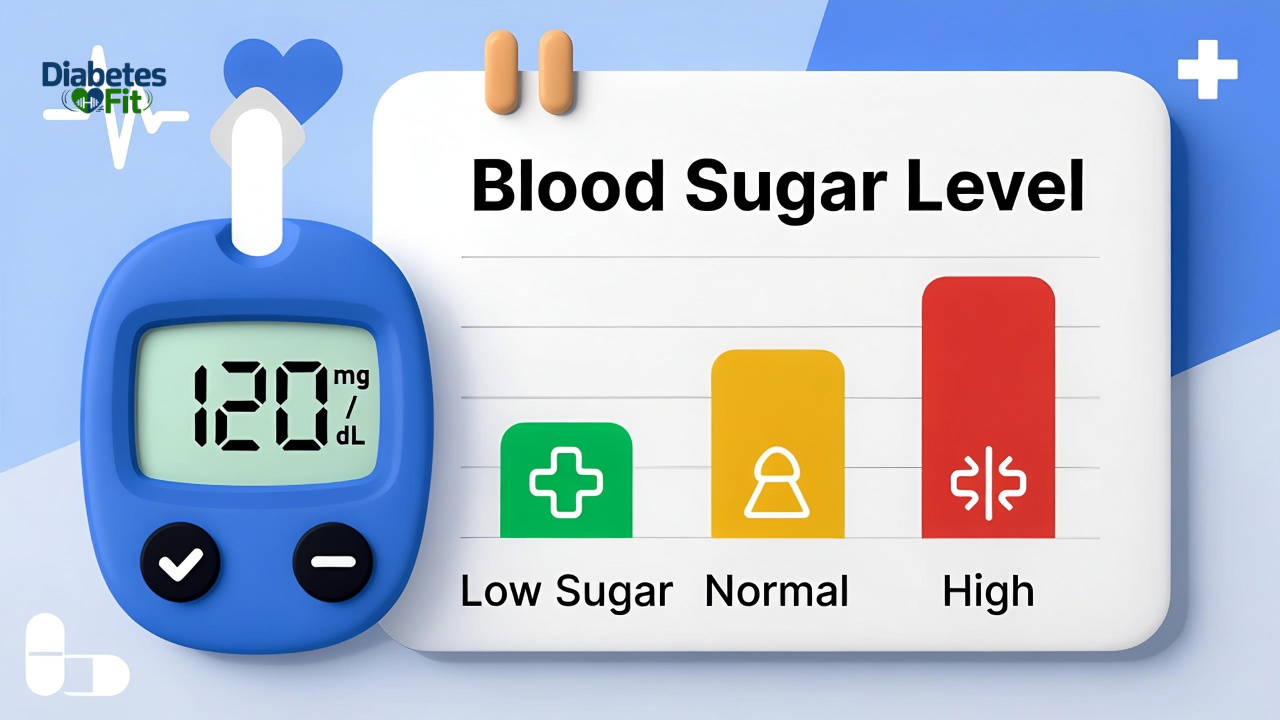
Here is the standard blood sugar level chart used by doctors and the American Diabetes Association (ADA). These numbers apply to most non-pregnant adults.
Fasting Blood Sugar (No food for at least 8 hours)
| Category | Blood Sugar Level (mg/dL) | Blood Sugar Level (mmol/L) |
| Normal | 70 – 99 mg/dL | 3.9 – 5.5 mmol/L |
| Prediabetes | 100 – 125 mg/dL | 5.6 – 6.9 mmol/L |
| Diabetes | 126 mg/dL or above | 7.0 mmol/L or above |
| Hypoglycemia (Low) | Below 70 mg/dL | Below 3.9 mmol/L |
Post-Meal Blood Sugar (2 hours after eating)
| Category | Blood Sugar Level (mg/dL) | Blood Sugar Level (mmol/L) |
| Normal | Below 140 mg/dL | Below 7.8 mmol/L |
| Prediabetes | 140 – 199 mg/dL | 7.8 – 11.0 mmol/L |
| Diabetes | 200 mg/dL or above | 11.1 mmol/L or above |
Random Blood Sugar (Any time of day)
| Category | Blood Sugar Level (mg/dL) |
| Normal range | 70 – 140 mg/dL |
| Concern zone | 140 – 199 mg/dL |
| Diabetes indicator | 200 mg/dL or above with symptoms |
Blood Sugar Level Chart by Age Group
This is where it gets more nuanced. Blood sugar targets are not identical for everyone. Age, health status, and individual risk factors all affect what your doctor considers an acceptable range.
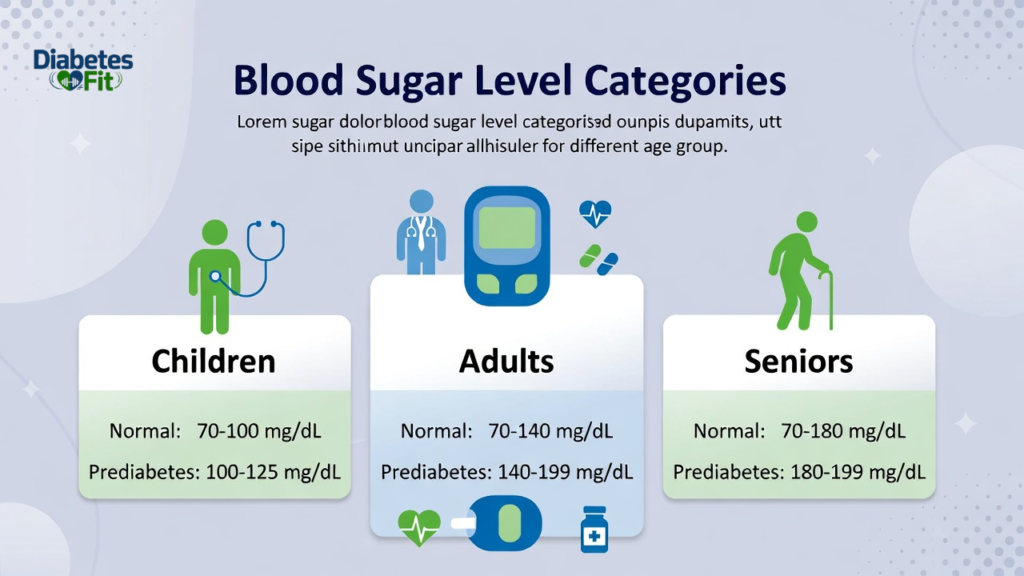
Children and Teenagers (Under 18)
| Time of Testing | Target Range (mg/dL) |
| Before meals | 90 – 130 mg/dL |
| After meals (1–2 hrs) | Below 180 mg/dL |
| Bedtime | 90 – 150 mg/dL |
Children with Type 1 diabetes often have slightly higher targets to reduce the risk of dangerous nighttime hypoglycemia.
Adults (18–59 years)
| Time of Testing | Target Range (mg/dL) |
| Fasting / Before meals | 80 – 130 mg/dL |
| After meals (2 hrs) | Below 180 mg/dL |
| Bedtime | 100 – 140 mg/dL |
Older Adults (60 years and above)
| Time of Testing | Target Range (mg/dL) |
| Fasting / Before meals | 80 – 140 mg/dL |
| After meals (2 hrs) | Below 200 mg/dL |
| Bedtime | 100 – 160 mg/dL |
Older adults have slightly relaxed targets because the risk of hypoglycemia — which can cause falls, confusion, and cardiac events — is higher and more dangerous in this age group.
HbA1c Chart: The 3-Month Blood Sugar Average
A single blood sugar reading only tells you what is happening right now. The HbA1c test tells you what your average blood sugar has been over the past 2–3 months. It is one of the most important tests for diagnosing and managing diabetes.
| HbA1c Level | What It Means | Estimated Average Glucose |
| Below 5.7% | Normal | Below 117 mg/dL |
| 5.7% – 6.4% | Prediabetes | 117 – 137 mg/dL |
| 6.5% or above | Diabetes | 140 mg/dL or above |
| Below 7.0% | Well-controlled diabetes | Below 154 mg/dL |
| 7.0% – 8.0% | Acceptable (some patients) | 154 – 183 mg/dL |
| Above 8.0% | Poorly controlled — action needed | Above 183 mg/dL |
Most doctors aim for an HbA1c below 7.0% in diabetic patients. However, for older adults or those with frequent hypoglycemia, a target of 7.5–8.0% may be more appropriate.
What Happens When Blood Sugar Goes Too High?
High blood sugar — called hyperglycemia — does not always feel dramatic in the short term. That is what makes it so dangerous. Many people walk around with elevated glucose for months or years without obvious symptoms.
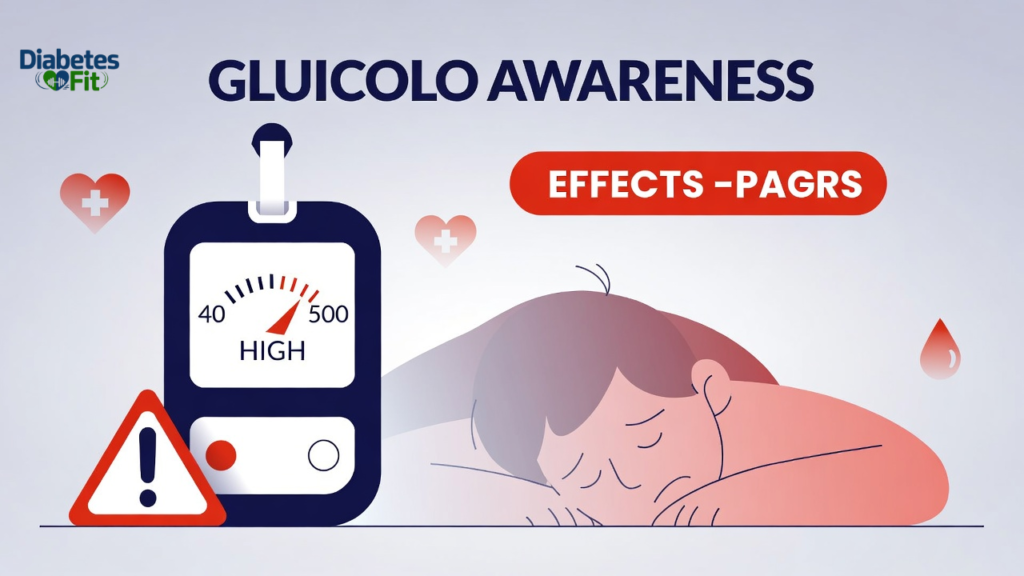
Short-term signs of high blood sugar:
- Frequent urination, especially at night
- Intense thirst that water does not seem to fix
- Blurry vision
- Fatigue and sluggishness
- Slow-healing cuts or bruises
- Headaches
Long-term damage from chronically high blood sugar:
- Diabetic neuropathy — nerve damage causing tingling, numbness, or pain in the feet and hands
- Retinopathy — damage to blood vessels in the eyes, leading to vision loss
- Nephropathy — kidney damage that can progress to kidney failure
- Cardiovascular disease — high glucose damages artery walls, dramatically increasing heart attack and stroke risk
- Diabetic foot complications — poor circulation and nerve damage that can lead to amputations in severe cases
A real-life example: James, a 52-year-old office worker, had a fasting blood sugar of 138 mg/dL for two years but felt completely fine. He skipped follow-up appointments. By the time he was properly diagnosed with Type 2 diabetes, early-stage kidney damage had already begun. Regular monitoring of a blood sugar level chart could have caught this years earlier.
What Happens When Blood Sugar Goes Too Low?
Low blood sugar — called hypoglycemia — is defined as a blood sugar reading below 70 mg/dL. Unlike high blood sugar, hypoglycemia causes immediate, noticeable symptoms that demand quick action.
Symptoms of hypoglycemia:
- Shakiness or trembling
- Sweating
- Rapid heartbeat
- Dizziness or lightheadedness
- Sudden intense hunger
- Confusion or difficulty concentrating
- Pale skin
- In severe cases — seizures or loss of consciousness
The 15-15 Rule for treating mild hypoglycemia:
- Eat or drink 15 grams of fast-acting carbohydrates (4 glucose tablets, half a cup of fruit juice, or 3–4 hard candies)
- Wait 15 minutes
- Recheck your blood sugar
- If still below 70 mg/dL, repeat
Always follow up with a small snack containing protein and complex carbs to stabilize your levels.
How to Use a Blood Sugar Level Chart in Real Life
Knowing the numbers on a blood sugar level chart is only useful if you act on them. Here is a practical system that works:
Step 1: Know When to Test
- Fasting test: First thing in the morning, before eating or drinking anything except water
- Pre-meal test: 5–10 minutes before eating
- Post-meal test: Exactly 2 hours after the first bite of food
- Bedtime test: Before going to sleep, especially if on insulin
Step 2: Record Every Reading
Keep a simple log — a notebook, a phone app, or a spreadsheet. Write down the time, what you ate, and your reading. Patterns emerge quickly. You will start seeing which foods spike your glucose and which keep it stable.
Step 3: Know Your Personal Targets
Your doctor may give you targets that differ slightly from the standard blood sugar level chart — especially if you are elderly, pregnant, or managing another health condition. Always work from your personalized targets.
Step 4: Act on Abnormal Readings
- One high reading — not usually a crisis; check what you ate and monitor closely
- Two or more high readings in a row — contact your doctor
- Consistently high readings over a week — medication adjustment may be needed
- Any reading below 70 mg/dL — treat immediately with the 15-15 rule
Factors That Affect Blood Sugar Readings
Even with perfect monitoring, blood sugar does not follow a perfectly predictable script. Here are common factors that move the numbers:
Things that raise blood sugar:
- Eating high-carb or high-sugar foods
- Physical or emotional stress (cortisol raises glucose)
- Illness or infection
- Certain medications (steroids, some antidepressants)
- Dehydration
- Poor sleep (even one bad night raises fasting glucose)
Things that lower blood sugar:
- Physical exercise (muscles absorb glucose without insulin)
- Fasting or skipping meals
- Alcohol (especially on an empty stomach)
- Diabetes medications and insulin
- Hot weather or hot baths (increases insulin absorption)
Practical Tips to Keep Your Blood Sugar in the Healthy Range
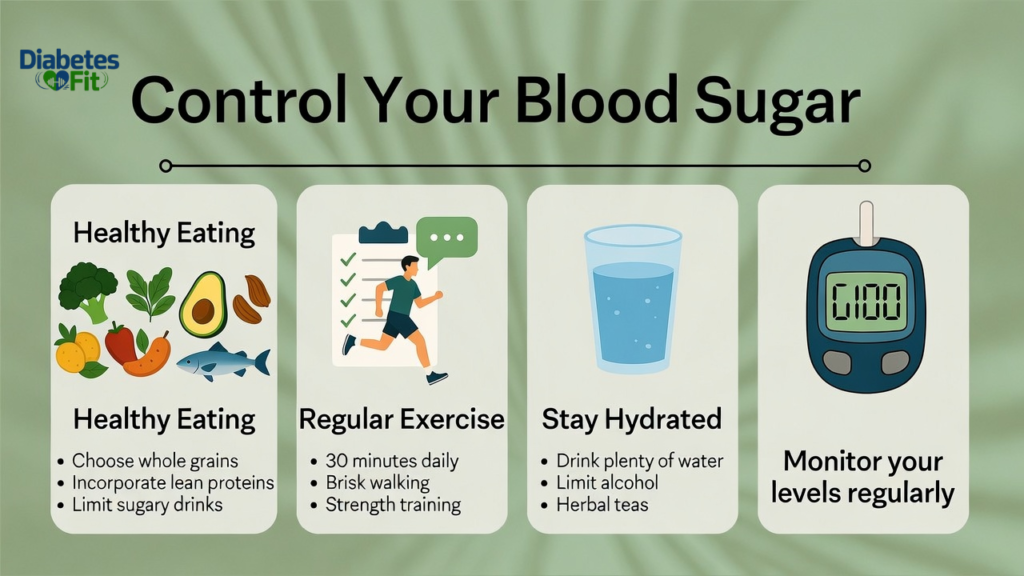
- Eat fiber first — start every meal with vegetables or a salad; fiber slows glucose absorption dramatically
- Walk after meals — a 10-minute walk after eating reduces post-meal blood sugar spikes by up to 22%, according to research in Sports Medicine.e
- Stay hydrated — dehydration concentrates blood glucose; aim for 8 glasses of water per day
- Sleep 7–9 hours — poor sleep raises cortisol and growth hormone, both of which elevate blood sugar
- Manage stress actively — meditation, deep breathing, and regular exercise all reduce cortisol, and help stabilize glucose.
- Eat smaller, more frequent meals — large meals cause larger glucose spikes; spreading food intake across the day smooths the curve.e
- Limit refined carbs — white bread, white rice, sugary drinks, and pastries cause the fastest, highest glucose spik.es
Conclusion
A blood sugar level chart is not just a tool for diabetics. It is a roadmap for anyone who wants to understand their metabolic health, catch problems early, and take action before damage occurs. The numbers on a blood sugar level chart are not just data points — they are early warning signals that your body is sending you.
Whether your fasting glucose is 95 or 115, whether your HbA1c is 5.4% or 6.8%, knowing where you stand gives you the power to do something about it. Regular monitoring, combined with smart lifestyle choices, is how millions of people successfully manage blood sugar every single day.
Do not wait for symptoms. Do not wait for a crisis. Check your numbers, understand your blood sugar level chart, and take one small action today — whether that is a post-meal walk, a dietary swap, or simply booking that overdue check-up.
Your numbers tell a story. Make sure it is one with a good ending.
For a more detailed breakdown of normal blood sugar ranges by age, you can also check this helpful guide on Healthline.
Frequently Asked Questions
What is a normal blood sugar level chart reading for a healthy adult?
For a healthy adult, a normal fasting blood sugar is between 70 and 99 mg/dL. Two hours after eating, it should be below 140 mg/dL. An HbA1c below 5.7% confirms long-term normal glucose regulation.
What blood sugar level is considered dangerous?
A blood sugar above 300 mg/dL is considered dangerously high and requires immediate medical attention. Below 54 mg/dL is a severe hypoglycemic emergency. Both extremes can be life-threatening without prompt treatment.
What is a good blood sugar level in the morning?
A healthy fasting blood sugar in the morning is between 70–99 mg/dL for non-diabetics. For people managing diabetes, most doctors target 80–130 mg/dL before breakfast.
How often should I check my blood sugar?
It depends on your condition. People with Type 1 diabetes may test 4–10 times daily. Type 2 diabetics on medication often test 1–2 times daily. Those monitoring for prediabetes may only need weekly checks. Ask your doctor for a personalized schedule.
Can stress affect blood sugar readings?
Yes, significantly. Physical and emotional stress triggers the release of cortisol and adrenaline, both of which raise blood glucose. A stressful day at work can raise fasting blood sugar by 20–40 mg/dL in some people.
What is the difference between fasting and random blood sugar?
Fasting blood sugar is measured after at least 8 hours without food and gives a baseline reading. Random blood sugar can be measured at any time and is used when diabetes symptoms are present — a reading above 200 mg/dL with symptoms strongly indicates diabetes.
Can I lower my blood sugar naturally without medication?
In early prediabetes, yes. Regular exercise, a low-glycemic diet, weight loss of even 5–7% of body weight, and improved sleep have all been shown to bring prediabetic blood sugar levels back into the normal range without medication. However, established diabetes usually requires medical treatment alongside lifestyle changes.

David Miller is a health and wellness writer focused on diabetes awareness, blood sugar control, and healthy living. He creates clear, practical content to help readers make better everyday health choices.