How to Boost Immune System Naturally: 5 strategies that actually work
My grandmother never took a single vitamin supplement in her life. She lived to 91, rarely got sick, and swore by three things: sleeping early, eating real food, and not worrying too much. I used to laugh it off as old-person wisdom. Then I hit my early 30s, started getting sick every other month, and realized she might have been onto something.
The immune system is one of those things we completely ignore until it fails us. Then we panic, grab every orange-labeled supplement at the pharmacy, and hope for the best. The truth is, supporting your immune system isn’t complicated. It’s just inconvenient, because it requires consistent habits rather than a quick fix.
Let me walk you through what the science says—and what real experience confirms.
If you’re looking at ways to strengthen your immune system through diet, check out our post Is Honey Better Than Sugar? for tips on natural sweeteners.
First, Let’s Clear Something
You’ve probably seen ads promising to “supercharge” or “turbocharge” your immune system. That language sounds great, but it doesn’t mean much biologically. Your immune system isn’t a car engine that runs faster with premium fuel. It’s more like a finely tuned orchestra—every section needs to be playing at the right volume, at the right time.
The goal isn’t to make your immune system more aggressive. It’s to keep it functioning the way it was designed to. An overactive immune system attacks the body’s own tissue—that’s what happens in conditions like rheumatoid arthritis or lupus. So when we talk about “boosting” immunity, we really mean maintaining balance, removing obstacles, and giving the body what it needs to defend itself.
With that in mind, let’s get into what actually moves the needle.
Sleep More Than You Need To
If you could only do one thing for your immune health, this would be it. Sleep is when your body does the majority of its repair work—producing cytokines (proteins that regulate immune response), consolidating immune memory, and reducing inflammation.
A landmark study out of Carnegie Mellon found that people who got less than six hours of sleep were significantly more likely to catch a cold after direct virus exposure compared to those sleeping seven hours or more. Not a little more likely. Dramatically more likely.
Here’s the part most people miss: the damage from poor sleep isn’t just about that one night. Chronic sleep deprivation — even sleeping six hours regularly when your body needs seven or eight — creates a low-grade immune deficit that builds over time. You don’t notice it until you’re the person in the office who gets every bug that goes around.
How to Actually Fix Your Sleep
- Go to bed and wake up at the same time every day — yes, weekends too. Your immune system doesn’t take days off, and neither does your circadian rhythm.
- Make your room cold and dark. Most people sleep better around 65–68°F. Darkness tells your brain to produce melatonin.
- Stop caffeine by early afternoon. Caffeine has a half-life of about five to six hours. That 3 pm coffee is still partially in your system at 9 pm.
- Don’t drink alcohol as a sleep aid. It helps you fall asleep but wrecks the deep stages, which is exactly where immune repair happens.
Feed Your Gut as It Matters—Because It Does
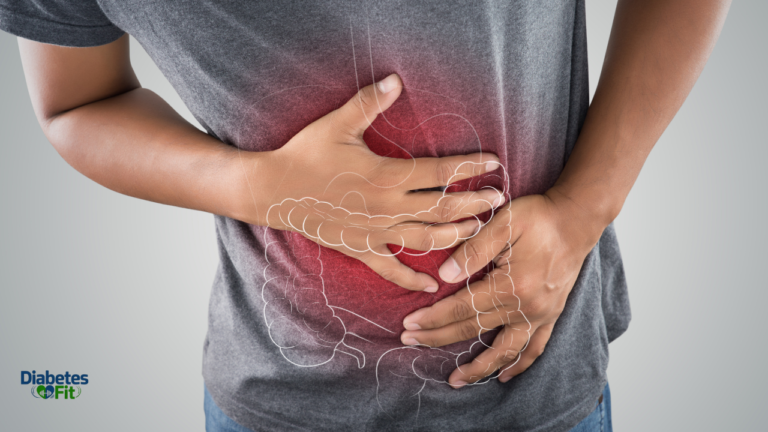
About 70% of your immune system lives in your gut. Not near your gut. In it. The lining of your intestinal wall is packed with immune tissue, and the bacteria living in your digestive tract are in constant conversation with those immune cells.
When your gut microbiome is healthy and diverse, your immune system gets better information, responds more appropriately to threats, and creates less unnecessary inflammation. When it’s disrupted by a poor diet, antibiotics, or chronic stress, immune function suffers.
This isn’t fringe science anymore. A 2021 Stanford study found that people who ate a diet high in fermented foods showed significant increases in immune cell diversity and decreases in inflammatory markers, compared to people eating high-fiber diets. That was a surprising finding — fermented foods outperforming fiber. The researchers think it’s because fermented foods directly seed the gut with beneficial bacteria.
Foods That Help
Fermented foods are your best friends here:
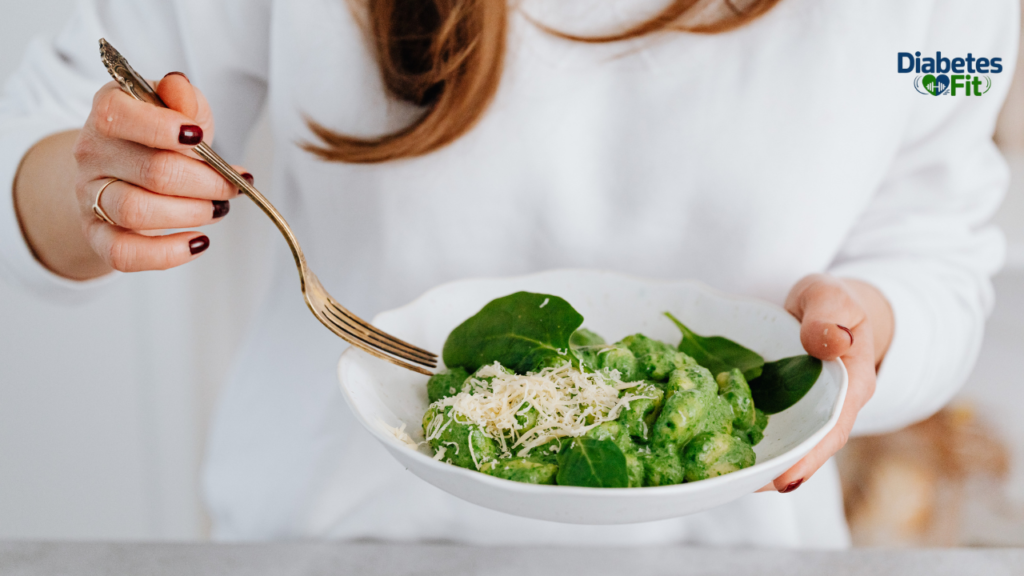
- Yogurt with live cultures (check the label — not all yogurts qualify)
- Kefir—more potent than yogurt and easier to drink than it sounds
- Kimchi, sauerkraut, miso, tempeh
- Kombucha (lower sugar versions)
Colorful produce matters because different pigments represent different antioxidants, and antioxidants reduce oxidative stress on immune cells:
- Dark leafy greens for folate and iron
- Orange and yellow vegetables for beta-carotene
- Berries for anthocyanins
- Citrus for vitamin C (though probably not as much as you think — more on that below)
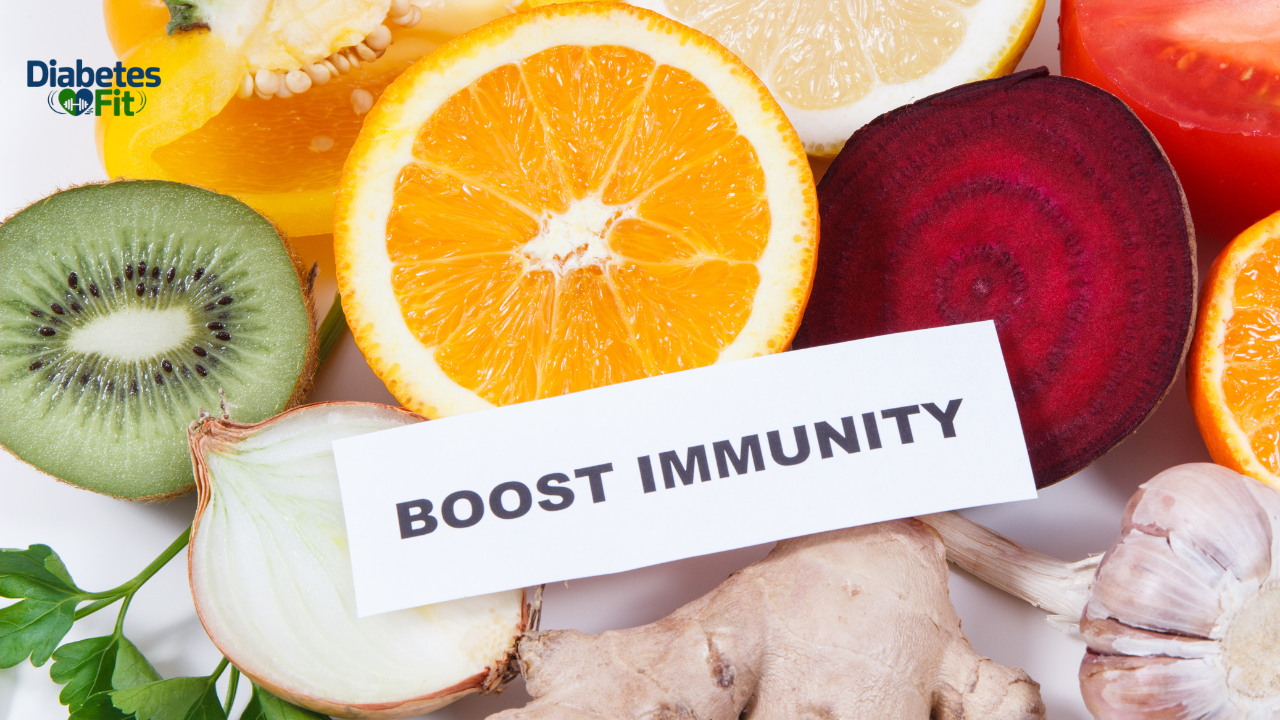
Protein often gets left out of immune conversations, but your immune cells are made from it. Chronic low protein intake impairs antibody production and slows recovery from illness. Eggs, legumes, fish, meat, tofu — whichever sources work for your diet.
Garlic and ginger deserve a special mention. Both have genuine antimicrobial and anti-inflammatory compounds (allicin in garlic and gingerols in ginger) and have been studied more rigorously than most “superfoods.” They’re not miracle cures, but they’re nothing either.
What to avoid
- Ultra-processed food disrupts gut microbiome diversity — consistently, across multiple studies.
- Added sugar in high amounts impairs white blood cell function temporarily after consumption.
- Alcohol—even moderate drinking—impacts the gut lining and immune cell behavior. This doesn’t mean never drink; it means don’t pretend it’s neutral.
Move Your Body — But Don’t Do This Very Much
Exercise has a nuanced relationship with immunity. Moderate, consistent physical activity genuinely improves immune surveillance — the process by which immune cells patrol the body looking for threats. People who exercise regularly tend to get fewer respiratory infections and recover faster when they do.
But there’s a catch. Very intense exercise, especially without adequate recovery, temporarily suppresses immune function. Marathon runners and elite athletes often get sick right after major events—this is the “open window” phenomenon, where heavy exertion creates a brief period of immune vulnerability.
For the rest of us, the risk is the opposite: sitting too much. Sedentary behavior is consistently linked to chronic low-grade inflammation, which is both a symptom of and a contributor to immune dysfunction.
The sweet spot? About 150 minutes of moderate activity per week. Brisk walking, cycling, light jogging, swimming — whatever fits your life. The word “moderate” is doing real work here. You should be able to hold a conversation but feel like you’re actually moving.
I personally started walking 25–30 minutes after dinner most evenings. Not for weight loss, just to move. After about six weeks, I noticed I was sleeping better, feeling less anxious, and—this is harder to quantify—seemed to be getting sick less often. Whether the walking directly drove that or whether better sleep from the walking did, I genuinely don’t know. Probably both.
Manage your stress just like your health depends on it.
Stress is perhaps the most underestimated immune suppressor in modern life. Not because the stress itself is dangerous, but because most of us live in a state of low-level chronic stress that we’ve normalized entirely.
Here’s the basic biology: stress triggers the release of cortisol. Cortisol, in the short term, actually helps modulate immune response. But when cortisol stays elevated for weeks — because of a difficult job, a hard relationship, financial worry, or just the general noise of modern life — it begins to suppress lymphocyte production and impair the immune system’s ability to mount effective responses.
You’ve probably experienced this: you power through a brutal stretch at work, hold it together, then collapse with a terrible cold the week things finally slow down. That’s not a coincidence. The sustained cortisol suppressed your immune response just long enough for something to slip through.
What Helps With Stress
Not all stress management advice is equal. Bubble baths aren’t going to fix a chronically overloaded nervous system. What the research supports:
- Mindfulness-based practices—even 10–15 minutes of focused breathwork or meditation daily—show measurable reductions in cortisol and inflammatory markers within weeks.
- Social connection—loneliness raises inflammatory markers. Real connection (not scrolling, actual conversation and presence) has biological benefits.
- Shinrin-yoku (forest bathing) — Japanese researchers have documented increases in natural killer cell activity following time spent in forested environments. Something about trees specifically seems to help. Maybe it’s the phytoncides (compounds released by plants); maybe it’s just the absence of screens and noise.
- Protecting your “off” time—this one’s harder but more important than it sounds. If your nervous system never truly downshifts, it never fully recovers. Saying no to things you don’t need to do is an immune health decision.
Check your vitamin D levels
This is the supplement conversation, and I want to be precise here because there’s a lot of noise.
Most immune supplements are either overhyped, weakly evidenced, or only useful for specific people in specific situations. But vitamin D is a genuine exception—and the reason is that deficiency is very common and deficiency genuinely impairs immune function.
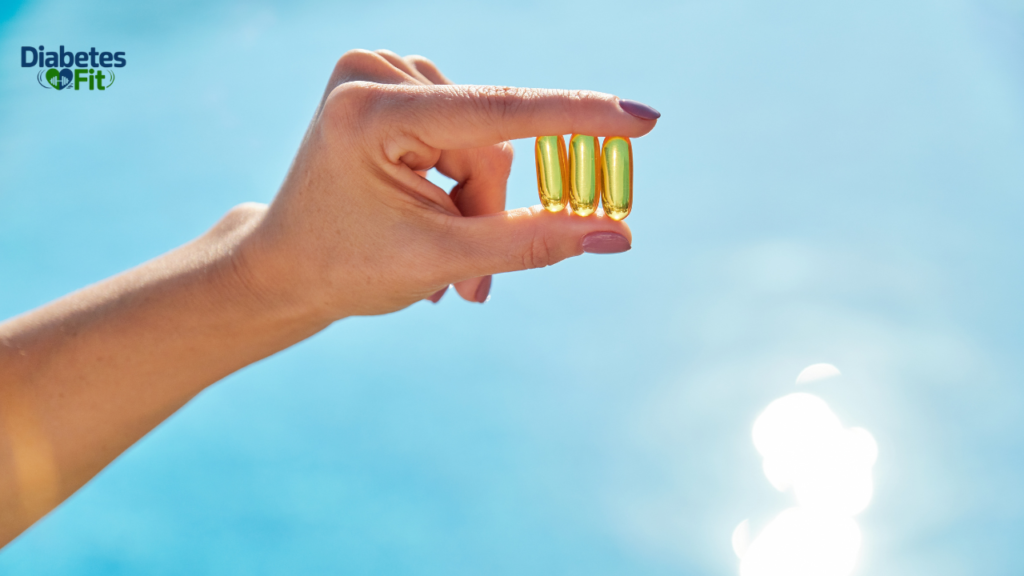
Vitamin D isn’t technically a vitamin—it’s a hormone precursor. Your skin produces it from sunlight, but if you live at a high latitude, work indoors, or have darker skin, you may not be getting enough even in summer. Many people are walking around deficient without knowing it.
Low vitamin D is associated with higher rates of respiratory infection, slower recovery from illness, and, in some studies, more severe outcomes. The research on supplementation is strongest in deficient populations — if your levels are already fine, taking more probably doesn’t help.
Get a blood test. It’s simple and often covered by insurance. If you’re deficient, supplementing (usually 1,000–2,000 IU daily, though your doctor may suggest more) can make a real difference.
Other Supplements Worth Knowing About
- Zinc: Solid evidence for reducing cold duration if taken within the first 24 hours — specifically as lozenges. Long-term high-dose use can deplete copper, so don’t take megadoses indefinitely.
- Probiotics: Useful after antibiotic use and potentially helpful generally, but strain matters enormously. Look for Lactobacillus rhamnosus GG or Saccharomyces boulardii specifically.
- Elderberry: Modest, real evidence for reducing cold and flu duration. Not a miracle, but probably worth having around.
- Vitamin C: More nuanced than its reputation. It won’t prevent colds in most people, but it may modestly shorten duration. Getting it from food is fine; megadosing is probably unnecessary.
- Echinacea: Mixed evidence. Some preparations seem to help slightly; many don’t. Not worth prioritizing.
The Basics that Nobody Talks About
Some of the most effective immune interventions are almost embarrassingly simple — which is probably why the wellness industry ignores them in favor of selling something more interesting.
Handwashing remains one of the single most effective infection-prevention tools available. Twenty seconds with plain soap before eating and after public contact stops more illness than most supplements combined. Boring? Yes. Effective? Absolutely.
Staying hydrated supports mucous membrane function — those membranes in your nose, mouth, and throat are literal physical barriers to pathogens. When you’re dehydrated, they dry out and become less effective. Lymphatic fluid also needs water to move properly; your immune cells travel through it.
Vaccinations train your adaptive immune system in advance. This isn’t controversial biology — it’s the most well-studied, most effective immune intervention in human history. Annual flu shots, staying current on boosters — these aren’t separate from immune health. They are immune to health.
Quitting smoking (if applicable) is one of the highest-impact changes a person can make. Smoking damages the cilia in your airways—the tiny hairs that physically sweep pathogens up and out. Once those are compromised, pathogens reach deeper tissue more easily. Quitting improves immune function measurably within months.
Conclusion
Here’s what I’d tell a friend who came to me genuinely wanting to stop getting sick all the time: there’s no single thing that fixes this. But there are a handful of things that, done consistently, genuinely shift the baseline.
Sleep is first. Always sleep first. Then look at your diet—not to be perfect, but to add more real food and cut back on the stuff that actively disrupts your gut. Move your body regularly, manage stress with more intention than you probably currently do, and get your vitamin D checked.
The supplement aisle is the last place to start, not the first. Real, lasting immune resilience is built through habits, not bottles.
My grandmother didn’t know anything about cytokines or gut microbiomes. She just lived well, rested properly, ate real food, and kept people she loved close. Turns out that’s not old-fashioned advice. That’s just biology.
For more expert tips on strengthening your immune system, you can read this detailed guide from Harvard Health.
Frequently Asked Questions
Can you actually boost your immune system, or is that just marketing language?
Technically, the word “boost” is misleading. You can’t simply turn up your immune system like a volume dial—and you wouldn’t want to, because an overstimulated immune system causes autoimmune disease. What you can do is support and maintain optimal immune function by removing obstacles (poor sleep, chronic stress, nutritional deficiencies) and giving your body what it needs. The result might look like “boosted” immunity, but what’s actually happening is the system working as it was designed to.
How long does it take to see improvements in immune health after changing habits?
It depends on where you’re starting from. Sleep improvements can show results within days — your body starts recovering almost immediately. Gut microbiome changes from dietary shifts take roughly 2–4 weeks to show measurable effects. Stress-related immune suppression takes longer to resolve because the nervous system adapts slowly. Most people who make consistent changes across multiple areas notice a real difference within 6–12 weeks.
Is vitamin C actually useful for preventing colds?
For most people, taking vitamin C supplements doesn’t prevent colds. The evidence on that is fairly consistent—it doesn’t work as a preventive measure unless you’re in an extreme-stress situation (like marathon runners or soldiers in harsh conditions, where it does seem to help). Where vitamin C may help is in shortening cold duration if you’re getting it regularly. Getting it from food—citrus, kiwi, bell peppers, broccoli—is perfectly sufficient for most people.
Does stress really make you more likely to get sick?
Yes, and this is one of the most well-established findings in psychoneuroimmunology (the study of how the mind and immune system interact). Chronic psychological stress raises cortisol, which, over time, suppresses lymphocyte production and reduces the immune system’s ability to mount effective responses. The post-stress illness so many people experience—getting sick right after finishing a big project or stressful period—is a real and documented phenomenon, not just a coincidence.
Are there foods that actively harm immune function?
Yes. Heavily processed foods consistently disrupt gut microbiome diversity. High sugar intake temporarily impairs white blood cell function — research suggests this effect kicks in even with a moderately sugary meal and lasts a few hours. Alcohol disrupts gut lining integrity and interferes with how immune cells function. None of this means you can never eat these things, but treating them as neutral is a mistake if you’re trying to genuinely support immune health.
Is it possible to have an immune system that’s too active?
Absolutely — and this is why “boosting” your immune system without nuance is bad advice. Autoimmune diseases like lupus, rheumatoid arthritis, multiple sclerosis, and type 1 diabetes are all conditions where the immune system is overactive, attacking the body’s own tissue. Severe allergic reactions and anaphylaxis are also immune overreactions. The goal of immune support should always be balance and optimal function — not maximum aggression.

David Miller is a health and wellness writer focused on diabetes awareness, blood sugar control, and healthy living. He creates clear, practical content to help readers make better everyday health choices.