
12 Best Breakfasts for Diabetics That Powerfully Stabilize Blood Sugar All Morning
Most people with diabetes dread breakfast. Not because they are not hungry — but because almost every convenient, quick breakfast option seems to be exactly the wrong thing to eat. Cereal spikes blood sugar. Toast alone is not enough. Fruit juice is basically liquid sugar. Orange juice and a bagel — which sounds perfectly normal — can push blood sugar above 200 mg/dL before 9 am.
If you have been struggling to figure out what a genuinely good breakfast for diabetics looks like, this guide is for you. You are going to find real meals, real ingredients, practical tips, and the science behind why certain breakfasts work and others do not. No vague advice. No boring food. Just breakfasts that keep your glucose stable, your energy steady, and your mornings actually enjoyable.
Starting your day with the right foods can help keep blood sugar stable—learn more practical tips in our guide on How to Lower Your A1C.
Why Breakfast Matters More for Diabetics Than Anyone Else
Breakfast is not just a meal — it sets the metabolic tone for your entire day. For people managing blood sugar, this matters enormously.
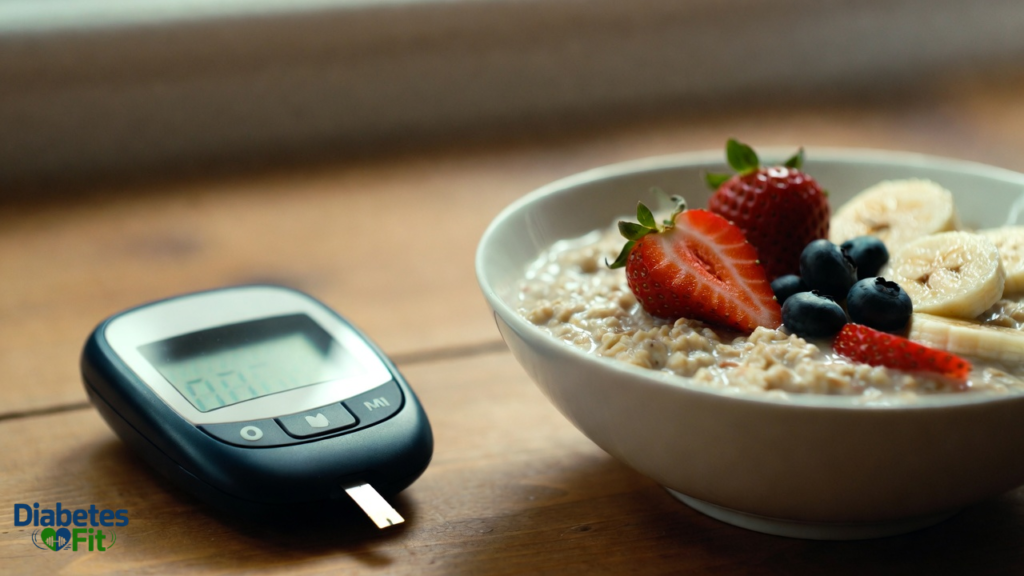
Here is what happens physiologically in the morning. After a night of fasting, your liver releases stored glucose into the bloodstream to provide your body with energy as you wake up and function. This is called the dawn phenomenon — and it naturally raises blood sugar in the early morning hours, typically between 4 am and 8 am, even before you eat a single thing.
For people without diabetes, the pancreas quietly releases a small amount of insulin to handle the morning glucose release. For people with Type 1 or Type 2 diabetes, this automatic correction either does not happen or does not happen efficiently enough. The result: blood sugar is already elevated when you sit down to breakfast.
If you then eat a high-carbohydrate, low-protein breakfast — sugary cereal, white toast, a muffin, fruit juice — you are adding a large glucose surge on top of an already elevated baseline. That is when blood sugar climbs into dangerous territory.
A well-designed breakfast for diabetics counters the dawn phenomenon by:
- Providing protein to slow glucose absorption
- Including fiber to blunt blood sugar spikes
- Minimizing refined carbohydrates that digest too quickly
- Incorporating healthy fat to extend satiety and slow gastric emptying
Get breakfast right, and your blood sugar is easier to manage for the rest of the day. Get it wrong, and you spend the morning chasing elevated numbers.
The Worst Breakfast Choices for Diabetics (And Why)
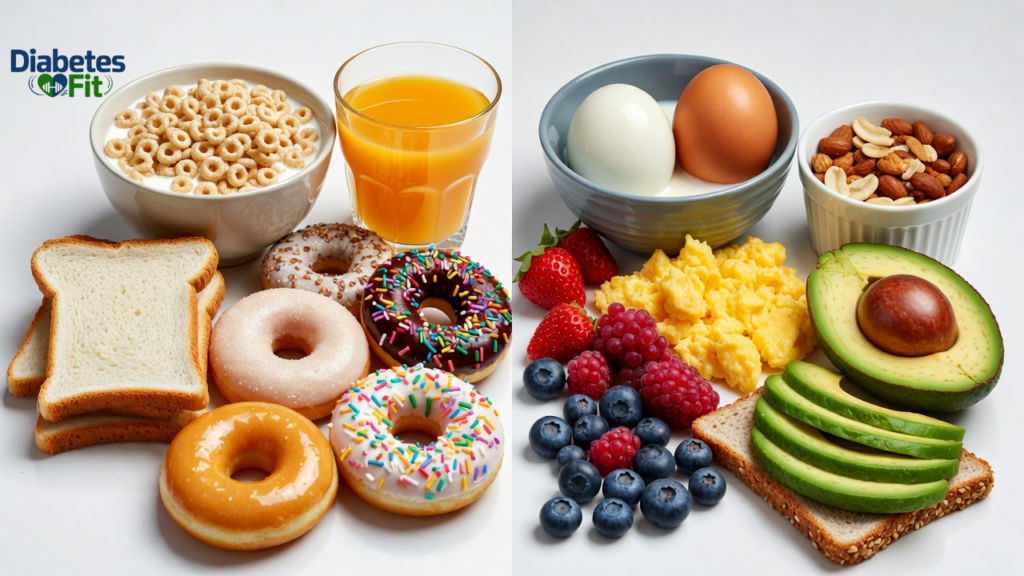
Before covering what works, it helps to understand what does not — and why so many common breakfast foods are problematic for blood sugar management.
| Breakfast Item | Problem | Blood Sugar Impact |
| Fruit juice (8oz) | 26g sugar, zero fiber | Very high spike |
| White bagel | 55g refined carbs, low protein | High spike |
| Sweetened cereal | 30–40g sugar, high GI | Very high spike |
| Flavored yogurt | 20–28g added sugar | High spike |
| Instant oatmeal (flavored) | High GI, added sugar | Moderate-high spike |
| White toast + jam | Refined carbs + sugar | High spike |
| Granola bar | Often 25–35g carbs, high GI | Moderate-high spike |
| Pancakes with syrup | 80–100g carbs, low protein | Very high spike |
| Muffin (commercial) | 40–60g refined carbs | High spike |
| Banana alone | 27g carbs, no protein/fat | Moderate-high spike |
The pattern is clear. The worst breakfasts share three characteristics: high in refined carbohydrates and added sugar, and low in protein or fiber to slow digestion.
What Makes a Perfect Breakfast for Diabetics?
A good breakfast for diabetics is built on three pillars:
Pillar 1: Adequate Protein (15–25g)
Protein is the most important breakfast nutrient for blood sugar control. It does not raise blood sugar directly, and it slows the absorption of whatever carbohydrates you eat alongside it. It also suppresses ghrelin — the hunger hormone — keeping you full until lunch without the energy crash that follows a high-sugar breakfast.
Target: at least 15 grams of protein at breakfast. Ideally, 20–25 grams.
Pillar 2: Meaningful Fiber (5g or more)
Fiber slows digestion, blunts post-meal glucose spikes, and feeds beneficial gut bacteria that improve insulin sensitivity over time. Most Americans eat only 10–15g of fiber daily — about half the recommended 25–38g. Breakfast is an important opportunity to close that gap.
Target: at least 5 grams of fiber at breakfast. More is better.
Pillar 3: Low Refined Carbohydrates (Under 30–45g total carbs)
Carbohydrates raise blood sugar. That is not a reason to eliminate them — complex carbohydrates from whole food sources digest slowly and provide important nutrients. But refined carbohydrates (white flour, sugar, processed grains) digest almost instantly, flooding the bloodstream with glucose.
Target: keep total breakfast carbohydrates between 30–45 grams, and choose the lowest glycemic index sources available.
12 Best Breakfast Ideas for Diabetics
1. Scrambled Eggs with Spinach and Avocado
This is one of the simplest, fastest, and most blood-sugar-friendly breakfasts available. Two to three eggs scrambled with a handful of baby spinach and half a sliced avocado on the side — that is a complete, satisfying meal that barely moves the glucose needle.
Why it works: Eggs provide high-quality protein (6g per egg) and fat. Spinach contributes fiber and micronutrients with almost zero carbohydrates. Avocado adds monounsaturated fat and potassium.
- Calories: ~380
- Protein: 18g
- Fiber: 5g
- Carbs: 7g
- Blood sugar impact: Very low
Practical tip: Prep spinach and dice avocado the night before to make this a five-minute breakfast.
2. Plain Greek Yogurt with Berries and Chia Seeds
Plain Greek yogurt is one of the best breakfast foods for diabetics that most people underutilize. It is high in protein (15–20g per cup), low in carbohydrates (6–8g), and rich in probiotics that improve gut health and insulin sensitivity.
Build it right:
- 1 cup plain full-fat or 2% Greek yogurt (never flavored — flavored varieties contain 15–28g added sugar)
- ½ cup fresh blueberries or strawberries
- 1 tablespoon chia seeds
- ¼ teaspoon cinnamon
Why it works: The protein and fat in yogurt slow the absorption of the natural sugars in berries. Chia seeds add 5g of fiber per tablespoon and expand in the stomach, extending satiety. Cinnamon improves insulin sensitivity.
- Calories: ~280
- Protein: 18g
- Fiber: 7g
- Carbs: 24g
- Blood sugar impact: Low
3. Veggie Egg Muffins (Meal Prep Friendly)
These are mini frittatas baked in a muffin tin — portable, protein-packed, and perfect for busy mornings. Make a batch on Sunday, and breakfast for diabetics is solved for the entire week.
Basic recipe (makes 12):
- 8 large eggs + 4 egg whites
- 1 cup diced bell peppers
- 1 cup chopped spinach
- ½ cup diced mushrooms
- ¼ cup crumbled feta or shredded reduced-fat cheese
- Salt, pepper, garlic powder
Mix, pour intoa greased muffin tin, and bake at 375°F for 20–22 minutes. Three muffins = one serving.
- Calories: ~220
- Protein: 22g
- Fiber: 2g
- Carbs: 5g
- Blood sugar impact: Very low
4. Overnight Oats (Made the Right Way)
Regular oats have a moderate glycemic index, but when prepared as overnight oats — soaked cold rather than cooked with heat — they develop more resistant starch, which raises blood sugar more slowly. The key is building the recipe correctly.
The right overnight oats for diabetics:
- ½ cup rolled oats (not instant — instant oats have a higher GI)
- ½ cup unsweetened almond milk
- ¼ cup plain Greek yogurt
- 1 tablespoon chia seeds
- ½ teaspoon cinnamon
- ½ cup fresh berries (added in the morning)
- 1 tablespoon chopped walnuts (added in the morning)
Refrigerate overnight. Add toppings in the morning.
- Calories: ~310
- Protein: 14g
- Fiber: 9g
- Carbs: 38g
- Blood sugar impact: Low-moderate
Important: Skip the honey, maple syrup, and flavored protein powders with added sugar. The berries provide all the sweetness you need.
5. Smoked Salmon and Cream Cheese on Whole Grain Rye
This is the breakfast for diabetics that feels indulgent but is actually exceptionally blood-sugar-friendly. Smoked salmon is rich in protein and omega-3 fatty acids. Cream cheese adds satisfying fat. Rye bread has a significantly lower glycemic index than white or whole wheat bread.
Build it:
- 2 slices whole grain rye bread (look for rye as the first ingredient)
- 2 tablespoons plain cream cheese or labneh
- 2–3 oz smoked salmon
- Thinly sliced red onion, capers, and cucumber slices
- Black pepper and lemon juice
- Calories: ~340
- Protein: 22g
- Fiber: 4g
- Carbs: 28g
- Blood sugar impact: Low
6. Cottage Cheese Bowl with Vegetables
Cottage cheese is underrated and underused. Half a cup contains 14g of protein and only 4g of carbohydrates — it is one of the most protein-dense, low-carb foods available. It works both sweet and savory.
Savory version (excellent for blood sugar):
- ½ cup full-fat cottage cheese
- Sliced cherry tomatoes
- Sliced cucumber
- Fresh dill or chives
- Black pepper and olive oil drizzle
Sweet version:
- ½ cup cottage cheese
- ½ cup fresh strawberries, sliced
- 1 tablespoon flaxseed
- ¼ teaspoon cinnamon
- Calories: ~180–220
- Protein: 16g
- Fiber: 2–4g
- Carbs: 8–14g
- Blood sugar impact: Very low
7. Nut Butter on Whole Grain Toast with Eggs
If you are going to eat toast, this is how to do it for blood sugar control. Two key adjustments make all the difference: choosing the right bread and adding protein and fat.
What to choose:
- Bread: Sprouted grain bread (Ezekiel bread) or 100% rye bread — both have significantly lower glycemic indexes than standard whole wheat
- Nut butter: Natural almond butter or peanut butter — ingredients should be only nuts and salt, nothing else
- Plus: One or two hard-boiled eggs on the side
- Calories: ~380
- Protein: 20g
- Fiber: 5g
- Carbs: 28g
- Blood sugar impact: Low-moderate
What to avoid: Commercial nut butters with hydrogenated oil and added sugar. Jelly, jam, or honey on top. Standard whole wheat or white bread.
8. Tofu Scramble with Vegetables (Plant-Based Option)
For vegetarians or those reducing animal products, a tofu scramble is an excellent breakfast for diabetics. Firm tofu crumbled and cooked with turmeric, garlic, and vegetables mimics scrambled eggs beautifully.
How to make it:
- ½ block firm tofu, crumbled
- ½ cup diced bell peppers, onion, mushrooms
- ½ teaspoon turmeric (gives color and reduces inflammation)
- ½ teaspoon garlic powder
- Salt and pepper
- 1 tablespoon nutritional yeast (optional, adds B vitamins and cheesy flavor)
- Cook in olive oil for 8–10 minutes.
- Calories: ~220
- Protein: 16g
- Fiber: 3g
- Carbs: 9g
- Blood sugar impact: Very low
9. Chia Seed Pudding
Made the night before, chia pudding is one of the easiest breakfasts for diabetics that also happens to be one of the most nutrient-dense. Chia seeds are exceptionally high in fiber (10g per ounce) and omega-3 fatty acids.
Basic recipe:
- 3 tablespoons chia seeds
- 1 cup unsweetened almond or coconut milk
- ½ teaspoon vanilla extract
- Pinch of cinnamon
Stir, refrigerate overnight. In the morning, top with ½ cup berries and 1 tablespoon chopped almonds.
- Calories: ~250
- Protein: 9g
- Fiber: 12g
- Carbs: 20g
- Blood sugar impact: Low
10. Vegetable Omelet
A three-egg omelet loaded with vegetables is a classic breakfast for diabetics that never gets old when you rotate the fillings.
Excellent fillings for blood sugar control:
- Spinach and feta
- Mushroom and Swiss
- Bell pepper, onion, and jalapeño
- Tomato and basil with goat cheese
- Broccoli and cheddar (small amount of cheese)
Add a side of sliced avocado or a few cherry tomatoes to round out the meal.
- Calories: ~320
- Protein: 22g
- Fiber: 3g
- Carbs: 6g
- Blood sugar impact: Very low
11. Lentil Breakfast Bowl
This one surprises people — but lentils for breakfast is common in many cultures and genuinely one of the most blood-sugar-friendly breakfast choices possible. Lentils have a glycemic index of just 32 and contain 16g of fiber and 18g of protein per cup.
Simple breakfast lentil bowl:
- ½ cup cooked green or red lentils (can be prepared on Sunday for the week)
- 1 poached or fried egg on top
- Handful of sautéed spinach
- Sliced cherry tomatoes
- Drizzle of olive oil, salt, cumin, lemon
- Calories: ~310
- Protein: 22g
- Fiber: 10g
- Carbs: 28g
- Blood sugar impact: Low
12. Smoothie (Built for Blood Sugar Control)
Most smoothies are blood sugar disasters — loaded with fruit, juice, and sweetened yogurt with nothing to slow glucose absorption. A properly built smoothie is a different story entirely.
The diabetic-friendly smoothie formula:
- Protein base: ½ cup plain Greek yogurt + 1 scoop unsweetened protein powder
- Fiber: 1 tablespoon chia seeds + 1 tablespoon flaxseed
- Low-GI fruit: ½ cup frozen berries (not mango, pineapple, or banana alone)
- Greens: 1 large handful of spinach (you will not taste it)
- Liquid: 1 cup unsweetened almond milk — never fruit juice
- Optional: ¼ teaspoon cinnamon, ½ teaspoon vanilla extract
- Calories: ~280
- Protein: 22g
- Fiber: 9g
- Carbs: 24g
- Blood sugar impact: Low
Complete Breakfast Comparison Table for Diabetics
| Breakfast | Calories | Protein | Fiber | Carbs | Blood Sugar Impact |
| Scrambled Eggs + Avocado | ~380 | 18g | 5g | 7g | Very Low |
| Greek Yogurt + Berries | ~280 | 18g | 7g | 24g | Low |
| Veggie Egg Muffins (3) | ~220 | 22g | 2g | 5g | Very Low |
| Overnight Oats | ~310 | 14g | 9g | 38g | Low-Moderate |
| Smoked Salmon on Rye | ~340 | 22g | 4g | 28g | Low |
| Cottage Cheese Bowl | ~200 | 16g | 3g | 10g | Very Low |
| Nut Butter Toast + Eggs | ~380 | 20g | 5g | 28g | Low-Moderate |
| Tofu Scramble | ~220 | 16g | 3g | 9g | Very Low |
| Chia Seed Pudding | ~250 | 9g | 12g | 20g | Low |
| Vegetable Omelet | ~320 | 22g | 3g | 6g | Very Low |
| Lentil Breakfast Bowl | ~310 | 22g | 10g | 28g | Low |
| Diabetic Smoothie | ~280 | 22g | 9g | 24g | Low |
Practical Tips to Make Diabetic Breakfasts Work Every Day
Knowing what to eat is only half the battle. Here is how to make it actually happen:

Meal Prep on Sundays
- Hard-boil 6–8 eggs for the week
- Make a batch of veggie egg muffins (12 at once)
- Prepare overnight oats in 3–4 mason jars
- Cook a cup of lentils and store them in the fridge
- Portion out nuts and chia seeds into small containers
With 60–90 minutes of Sunday prep, breakfast for diabetics every weekday morning becomes a two-minute process.
Always Eat Breakfast Within 1–2 Hours of Waking
Skipping breakfast does not improve blood sugar control for most people with diabetes. Research shows that skipping breakfast leads to larger post-lunch glucose spikes and more erratic blood sugar throughout the day. The dawn phenomenon means your blood sugar is already rising in the early morning — eating a protein and fiber-rich breakfast helps stabilize it.
Eat Protein First
When you sit down to eat, eat the protein component of your breakfast first. Research shows that eating protein before carbohydrates in the same meal reduces the post-meal glucose spike by up to 37% compared to eating carbohydrates first. Eat your eggs before your toast. Eat your yogurt before your fruit.
Monitor and Learn
Test your blood sugar two hours after breakfast for a week. This tells you exactly how your body responds to each breakfast choice. Different people respond differently — some handle oats perfectly well, others see significant spikes. Your post-meal glucose data is the most useful tool you have for personalizing your breakfast choices.
Watch Hidden Sugar in “Healthy” Products
- Granola: often 15–25g of sugar per serving
- Acai bowls: can exceed 60g of sugar in commercial versions
- Flavored instant oatmeal: 12–18g added sugar per packet
- Protein bars for breakfast: read labels carefully — many are essentially candy bars
- “Natural” fruit smoothies: can contain 50–70g of sugar with minimal protein or fiber
Real-Life Example: How One Breakfast Change Made a Difference
David, a 55-year-old with Type 2 diabetes, started every morning with a large glass of orange juice, two slices of white toast with jam, and a banana. His morning blood sugar was consistently above 190 mg/dL two hours after breakfast.

His dietitian suggested switching to two scrambled eggs with spinach, half an avocado, and one slice of whole-grain rye bread. Two weeks later, his two-hour post-breakfast blood sugar averaged 138 mg/dL — a reduction of over 50 mg/dL from one single change. Three months later, his A1C had dropped by 0.6%.
Same person. Same medications. One breakfast change.
Conclusion
Finding the right breakfast for diabetics is not about eating food you do not enjoy. It is about understanding which breakfast choices work with your body rather than against it — and then building habits around those choices.
The best breakfast for diabetics is the one that is high in protein, rich in fiber, low in refined carbohydrates, and one that you will actually eat consistently. Whether that is scrambled eggs and avocado, a Greek yogurt bowl, overnight oats, or veggie egg muffins — the options are genuinely delicious and satisfying.
Start simple. Pick one breakfast from this list. Try it for a week. Check your two-hour post-meal blood sugar. See how your energy and hunger hold through the morning. Then build from there.
Breakfast is one meal, but when you get it right as a diabetic, it changes your numbers, your energy, and your confidence in managing your health for the rest of the day.
Choose one breakfast from this list and start tomorrow morning. One meal, one week, one real step toward better blood sugar control.
For more healthy breakfast swap ideas that can support better blood sugar control, you can explore this helpful guide on Diabetes UK.
Frequently Asked Questions
What is the best breakfast for diabetics to keep blood sugar stable?
The best breakfasts for diabetics combine high protein (15–25g), adequate fiber (5g or more), and minimal refined carbohydrates. Top choices include scrambled eggs with vegetables and avocado, plain Greek yogurt with berries and chia seeds, vegetable omelets, and cottage cheese bowls. These meals prevent the large post-meal blood sugar spikes caused by typical high-carbohydrate breakfasts.
Can diabetics eat oatmeal for breakfast?
Yes, but the preparation method matters significantly. Steel-cut or rolled oats prepared as overnight oats have a lower glycemic impact than instant flavored oatmeal. Always use plain oats, add protein (Greek yogurt, protein powder, nuts), include chia seeds or flaxseed for fiber, and top with low-GI fruit like berries rather than banana or dried fruit. Avoid flavored instant oatmeal packets, which often contain 12–18g of added sugar.
Should diabetics eat breakfast every morning?
For most people with diabetes, yes. Skipping breakfast leads to larger post-lunch blood sugar spikes, more erratic glucose patterns throughout the day, and increased hunger that drives poor food choices later. The dawn phenomenon means blood sugar is already rising in the early morning — a balanced protein and fiber-rich breakfast helps stabilize it. Some people with diabetes following specific intermittent fasting protocols under medical supervision may do well without breakfast, but this should be individualized with a healthcare provider.
How many carbs should a diabetic eat at breakfast?
Most diabetes guidelines recommend 30–45 grams of total carbohydrates per meal for people with diabetes, though individual targets vary based on body size, activity level, medication, and blood sugar response. The type of carbohydrate matters as much as the amount — 40g of carbohydrates from lentils and berries behaves very differently in the body than 40g from white toast and orange juice. Always choose low glycemic index carbohydrate sources.
Are eggs good for breakfast for diabetics?
Yes — eggs are one of the best breakfast foods for diabetics. They contain virtually zero carbohydrates, approximately 6g of high-quality protein per egg, and a combination of fat and protein that significantly slows post-meal blood sugar rise. Multiple studies show that eggs do not raise cardiovascular risk in people with diabetes when consumed as part of a balanced diet. Two to three eggs at breakfast is appropriate for most people.
What should diabetics avoid at breakfast?
The most problematic breakfast choices for diabetics include: fruit juice (all types), sweetened cereals, white bread and bagels, flavored yogurts with added sugar, commercial granola, flavored instant oatmeal, pastries and muffins, and sweetened coffee drinks. These foods share the characteristics of high refined carbohydrates, added sugar, and low protein and fiber — the combination that produces the largest blood sugar spikes.
Can diabetics drink coffee at breakfast?
Plain black coffee has a minimal direct effect on blood sugar and may actually improve insulin sensitivity in regular consumers. The problem is what goes into the coffee — sugar, flavored syrups, sweetened creamers, and large amounts of milk can add significant carbohydrates and calories. Plain black coffee, coffee with unsweetened almond milk, or coffee with a small amount of whole milk is generally fine for most people with diabetes. Avoid commercial sweetened coffee drinks, frappuccinos, and flavored lattes, which can contain 40–60g of sugar.

David Miller is a health and wellness writer focused on diabetes awareness, blood sugar control, and healthy living. He creates clear, practical content to help readers make better everyday health choices.