
Can Alcohol Cause Diabetes: Understanding the Complex Relationship Between Drinking and Blood Sugar
Whether alcohol can cause diabetes is a question that concerns many people who enjoy an occasional drink or worry about their drinking habits. The relationship between alcohol consumption and diabetes is more complicated than a simple yes or no answer.
While moderate alcohol intake doesn’t directly cause diabetes in most people, heavy or chronic drinking can significantly increase your risk of developing type 2 diabetes through various mechanisms. Understanding how alcohol affects your body, blood sugar, and metabolism helps you make informed decisions about drinking and protect your long-term health.
Excessive alcohol consumption can negatively impact blood sugar control, so it’s important to understand your long-term glucose levels — learn more about the normal HbA1c range here.
Understanding the Alcohol-Diabetes Connection
When exploring whether alcohol can alcohol cause diabetes, it’s essential to understand how alcohol affects your body’s ability to manage blood sugar. Your liver plays a crucial role in regulating blood glucose levels by storing and releasing glucose as needed. When you drink alcohol, your liver prioritizes processing that alcohol over its other functions, including blood sugar regulation.
This shift in liver function can cause blood sugar levels to drop dangerously low, especially if you drink without eating. At the same time, many alcoholic beverages contain significant amounts of sugar and carbohydrates that can spike blood sugar levels. This creates a confusing situation where alcohol can cause both high and low blood sugar, depending on various factors.
The relationship between alcohol and diabetes also involves weight gain, insulin resistance, inflammation, and damage to the pancreas – all factors that contribute to type 2 diabetes development. Heavy drinking over time can seriously impair your body’s ability to produce and respond to insulin, the hormone that helps cells absorb glucose from your bloodstream.
How Alcohol Affects Blood Sugar Levels
To fully answer whether alcohol can alcohol cause diabetes, we need to understand alcohol’s immediate and long-term effects on blood sugar. When you drink, alcohol is absorbed quickly into your bloodstream and reaches your liver, where it’s broken down and removed from your body. This process takes priority over everything else your liver does.
Normally, your liver releases stored glucose into your bloodstream to maintain stable blood sugar levels, especially between meals and during sleep. But when your liver is busy processing alcohol, it can’t release glucose effectively. This can cause blood sugar to drop, sometimes to dangerously low levels, particularly if you haven’t eaten or if you drink heavily.
The timing matters too. Blood sugar might drop several hours after drinking, even while you’re sleeping. This delayed hypoglycemia (low blood sugar) can be dangerous, especially for people taking diabetes medications. You might wake up with symptoms like sweating, shakiness, confusion, or a rapid heartbeat.
On the flip side, many alcoholic drinks contain sugars and carbohydrates that raise blood sugar initially. Beer, sweet wines, and mixed drinks with soda or juice can cause significant blood sugar spikes. Regular consumption of these high-sugar drinks contributes to weight gain and insulin resistance over time.
Heavy Drinking and Type 2 Diabetes Risk
The question can alcohol can cause diabetes becomes clearer when we look at heavy drinking patterns. Heavy alcohol consumption – defined as more than three drinks per day for women or four for men – significantly increases type 2 diabetes risk through multiple pathways.
Chronic heavy drinking damages the pancreas, the organ that produces insulin. Alcohol causes inflammation and can lead to pancreatitis, which impairs the pancreas’s ability to make insulin properly. Without adequate insulin production, blood sugar levels rise, eventually leading to diabetes.
Heavy drinking also promotes insulin resistance, where your cells stop responding effectively to insulin. Even if your pancreas produces enough insulin, it can’t do its job if your cells are resistant to it. This forces your pancreas to work harder, producing more and more insulin until it eventually can’t keep up, resulting in type 2 diabetes.
Weight gain from alcohol consumption is another major factor. Alcoholic beverages are calorie-dense but provide little nutritional value. These “empty calories” contribute to obesity, particularly dangerous belly fat that strongly correlates with insulin resistance and diabetes risk. A single beer contains about 150 calories, and mixed drinks can have 300 calories or more. Regular heavy drinking easily adds thousands of extra calories weekly.
The Role of Alcoholic Fatty Liver Disease
When considering whether alcohol can alcohol cause diabetes, we can’t ignore the liver damage that chronic drinking causes. Alcoholic fatty liver disease occurs when fat builds up in liver cells due to alcohol consumption. This condition is surprisingly common among heavy drinkers and directly contributes to diabetes risk.
A fatty liver becomes less efficient at regulating blood sugar and processing nutrients. It also becomes more resistant to insulin, requiring higher insulin levels to manage blood sugar. This creates a vicious cycle where liver damage worsens blood sugar control, and poor blood sugar control causes more liver damage.
Studies show that people with non-alcoholic fatty liver disease (often caused by obesity and poor diet) have a higher diabetes risk, and alcoholic fatty liver disease carries a similar or even greater risk. The liver inflammation and scarring that can develop from continued drinking make diabetes increasingly likely and harder to manage.
Moderate Drinking: A Different Story
Interestingly, when asking if alcohol causes diabetes, research shows that light to moderate drinking might actually have a different effect than heavy drinking. Some studies suggest that moderate alcohol consumption – defined as up to one drink per day for women or two for men – might slightly reduce type 2 diabetes risk in some people.
This protective effect appears to stem from alcohol’s ability to improve insulin sensitivity when consumed in small amounts. Moderate drinking might help cells respond better to insulin, improving blood sugar control. Some alcoholic beverages, particularly red wine, contain antioxidants that may provide additional health benefits.
However, this doesn’t mean non-drinkers should start drinking to prevent diabetes. The potential benefits of moderate drinking are small and don’t outweigh the risks for everyone. Other factors like family history, weight, diet, and exercise play much larger roles in diabetes prevention. Plus, even moderate drinking carries other health risks, including increased cancer risk and potential for addiction.
The keyword is moderation. The line between moderate and heavy drinking is easier to cross than many people think, and individual factors like body size, genetics, and medications affect how alcohol impacts you personally.
Binge Drinking and Metabolic Damage
Binge drinking – consuming four or more drinks for women or five or more for men within about two hours – is particularly harmful when considering cwhether alcohol an alcohol causes diabetes. Even if you don’t drink daily, regular binge drinking causes significant metabolic damage.
Binge drinking creates dramatic swings in blood sugar levels, stresses the pancreas, promotes inflammation throughout the body, and contributes to weight gain. Young adults who binge drink regularly show signs of insulin resistance years before they might develop diabetes, setting the stage for future metabolic problems.
The damage from binge drinking accumulates over time. Weekend binge drinking, even if you’re abstinent during the week, still increases diabetes risk and can cause liver damage. Your body doesn’t get a “free pass” just because you’re not drinking every day.
Alcohol’s Effect on Weight and Metabolism
Part of answering whether alcohol can alcohol cause diabetes involves understanding how alcohol affects your weight and metabolism. Alcohol contains seven calories per gram, almost as many as pure fat (which has nine calories per gram). These calories add up quickly and contribute to weight gain, especially around the abdomen.
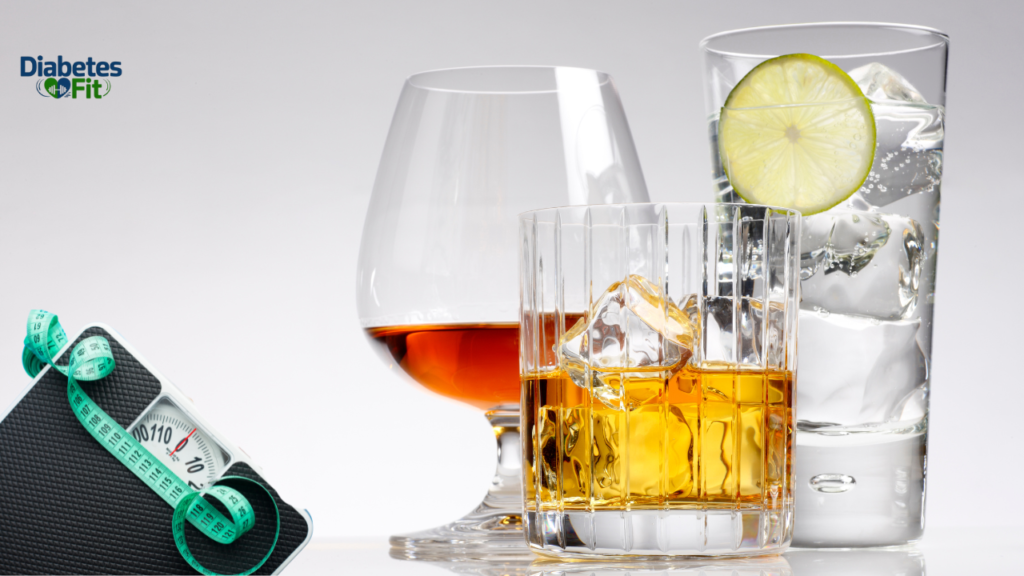
Alcohol also affects your metabolism in ways that promote fat storage. When your liver processes alcohol, it produces compounds that interfere with fat burning. Your body essentially pauses its normal fat-burning processes to deal with alcohol first. This means the calories from food and the alcohol itself are more likely to be stored as fat.
Drinking also affects your food choices and eating patterns. Alcohol lowers inhibitions and impairs judgment, making you more likely to overeat or choose unhealthy foods. Late-night eating after drinking adds extra calories and disrupts your metabolism. Many people consume their largest calorie loads during drinking occasions when they eat bar food, pizza, or other high-calorie fare.
The hangover effect impacts metabolism, too. After heavy drinking, you’re less likely to exercise, more likely to crave fatty or sugary foods, and may disrupt your sleep patterns – all factors that contribute to weight gain and diabetes risk over time.
Alcohol and Existing Diabetes
For people who already have diabetes, can alcohol cause diabetes, or can alcohol worsen diabetes? The answer is definitely yes if not managed carefully. Alcohol poses several challenges for diabetics that require careful attention and planning.
The blood sugar-lowering effect of alcohol is particularly dangerous for people taking insulin or certain diabetes medications. Drinking without eating, or drinking heavily, can cause severe hypoglycemia that might not show up until hours later. This can be life-threatening, especially during sleep when symptoms might go unnoticed.
Alcohol also interferes with diabetes medications and can make them less effective or cause dangerous interactions. It impairs your judgment, making it harder to monitor blood sugar, count carbohydrates, or recognize warning signs of blood sugar problems. Hangovers feel similar to high or low blood sugar, making it difficult to know what’s happening.
Chronic drinking worsens diabetes complications. It damages nerves (neuropathy), contributes to eye problems (retinopathy), harms kidneys (nephropathy), and increases heart disease risk – all conditions that diabetes already makes more likely. Managing diabetes successfully requires keeping alcohol consumption low or avoiding it entirely.
Other Risk Factors to Consider
When asking if alcohol can alcohol cause diabetes, remember that alcohol is just one of many risk factors. Family history plays a significant role – if your parents or siblings have type 2 diabetes, your risk is much higher, regardless of alcohol consumption. Genetics influences both how your body processes alcohol and your diabetes.
Obesity is the strongest modifiable risk factor for type 2 diabetes. Physical inactivity, poor diet, age, ethnicity, and certain medical conditions like polycystic ovary syndrome or sleep apnea also increase risk. Alcohol often works together with these other factors rather than causing diabetes by itself.
For example, someone who drinks heavily while also being overweight, eating poorly, and not exercising faces a much higher diabetes risk than someone who only has one of these risk factors. The combination creates a perfect storm for metabolic dysfunction.
Making Healthier Choices
If you’re concerned about whether alcohol can alcohol cause diabetes in your situation, several strategies can help protect your health. The most effective approach is moderating your alcohol intake. Stick to recommended limits – no more than one drink daily for women or two for men. Many experts suggest having several alcohol-free days each week.
Choose your drinks wisely. Light beer, dry wines, and spirits mixed with calorie-free mixers contain fewer calories and carbohydrates than sweet cocktails, regular beer, or dessert wines. Avoid sugary mixed drinks that combine alcohol’s effects with blood sugar spikes from added sugars.

Never drink on an empty stomach. Eating food, especially foods with protein and healthy fats, slows alcohol absorption and helps maintain stable blood sugar. It also reduces the total amount you’re likely to drink.
Stay hydrated by alternating alcoholic drinks with water. This helps you drink more slowly, reduces overall alcohol consumption, and prevents dehydration that can worsen blood sugar control.
If you have risk factors for diabetes – family history, overweight, prediabetes – be extra cautious with alcohol. Consider cutting back more than general guidelines suggest or eliminating alcohol. The combination of risk factors multiplies your danger.
Get regular health screenings, including blood sugar testing. Catching prediabetes early allows you to make changes before diabetes develops. Monitor your weight, exercise regularly, eat a balanced diet rich in vegetables and whole foods, and manage stress. These lifestyle factors matter more than alcohol alone.
When to Seek Help
If you’re wonderingif alcohol can alcohol cause diabetes because you’re concerned about your drinking habits, it might be time to seek help. Signs that your drinking is problematic include drinking more than intended, being unable to cut back despite wanting to, spending lots of time drinking or recovering from drinking, craving alcohol, or continuing to drink despite health or relationship problems.
Alcohol use disorder is a medical condition that requires professional treatment. If you’re concerned about your drinking, talk to your doctor honestly. Many effective treatments exist, from counseling and support groups to medications that reduce cravings. Getting help not only reduces diabetes risk but also improves your overall health and quality of life.
Conclusion
So, can alcohol cause diabetes? The answer is nuanced. Heavy or chronic alcohol consumption significantly increases type 2 diabetes risk through multiple pathways, including pancreatic damage, insulin resistance, weight gain, and liver disease. Binge drinking, even if infrequent, also contributes to metabolic dysfunction that can lead to diabetes over time.
However, light to moderate drinking doesn’t appear to directly cause diabetes and might even offer slight protective effects in some people. The key is understanding what “moderate” truly means and honestly assessing your drinking patterns. For many people, what feels moderate is actually heavy by medical standards.
The relationship between alcohol and diabetes reminds us that our bodies are complex systems where multiple factors interact. Alcohol doesn’t exist in isolation – it affects weight, liver function, pancreatic health, and insulin sensitivity, all while interacting with diet, exercise, genetics, and other lifestyle factors.
If you enjoy drinking, you don’t necessarily need to quit entirely to protect yourself from diabetes. But being mindful about how much and how often you drink, combined with maintaining a healthy weight, eating well, and exercising regularly, gives you the best chance of preventing diabetes. For those already at high risk or living with diabetes, working closely with healthcare providers to determine safe alcohol limits is essential. Your health is worth protecting, and making informed choices about alcohol consumption is an important part of that protection.
Frequently Asked Questions
How much alcohol increases diabetes risk?
Heavy drinking – more than three drinks daily for women or four for men – significantly increases type 2 diabetes risk. Binge drinking (4+ drinks in two hours for women, 5+ for men) also raises risk even if infrequent. Light to moderate drinking (1 drink daily for women, 2 for men) doesn’t appear to increase risk and might slightly reduce it.
Can occasional drinking cause diabetes?
Occasional, moderate drinking doesn’t typically cause diabetes in otherwise healthy people. However, even occasional binge drinking can contribute to weight gain, insulin resistance, and metabolic problems over time. Your overall pattern of drinking, combined with other risk factors, determines your diabetes risk.
What type of alcohol is worst for diabetes risk?
Sugary mixed drinks, sweet wines, and regular beer pose the greatest risk because they combine alcohol’s effects with high sugar and carbohydrate content. These drinks promote weight gain and blood sugar spikes. Beer consumption specifically is associated with increased diabetes risk in several studies.
Can quitting alcohol reverse prediabetes?
If heavy drinking contributed to your prediabetes, quitting or significantly reducing alcohol can help reverse it, especially when combined with weight loss, healthy eating, and regular exercise. Many people successfully return blood sugar to normal ranges through comprehensive lifestyle changes,s including alcohol reduction.
Is wine better than beer for preventing diabetes?
Red wine contains antioxidants that might offer slight health benefits, but any potential advantages are small. What matters most is total alcohol consumption and calories. Dry wines have fewer carbs than beer, but drinking excessive amounts of any alcohol increases diabetes risk.
Can diabetics ever drink alcohol safely?
Many diabetics can drink moderately if they take precautions: never drink on an empty stomach, monitor blood sugar before and after drinking, avoid sweet drinks, stay within recommended limits, and be aware that alcohol can cause delayed low blood sugar. Always discuss alcohol use with your healthcare provider.

David Miller is a health and wellness writer focused on diabetes awareness, blood sugar control, and healthy living. He creates clear, practical content to help readers make better everyday health choices.