
Can Blood Sugar Make You Dizzy? Understanding the Connection
Have you ever stood up too quickly and felt the room spin, or experienced a sudden wave of lightheadedness that made you grab onto something for support? While dizziness can stem from various causes, one of the most common yet often overlooked culprits is fluctuating blood sugar levels. Understanding the relationship between blood sugar and dizziness, including the question of whether Can Blood Sugar Make You Dizzy, can help you take control of your health and prevent these unsettling episodes.
Blood sugar, or glucose, serves as your body’s primary energy source. When these levels swing too high or too low, your brain and body struggle to function properly, often resulting in dizziness, lightheadedness, or vertigo. Whether you have diabetes, prediabetes, or simply experience occasional blood sugar fluctuations, recognizing the warning signs is vital to answering the question: Can Blood Sugar Make You Dizzy, and it can make a significant difference in your daily life.
What Causes Blood Sugar Levels to Affect Your Balance
Your brain depends almost entirely on glucose for fuel. Unlike other organs that can use alternative energy sources, your brain requires a constant, steady supply of sugar to maintain optimal function. When blood sugar levels deviate from the normal range of 70-100 mg/dL (fasting), your brain is among the first organs to feel the impact.
The connection between blood sugar and dizziness involves several physiological mechanisms. When glucose levels drop too low, your brain experiences an energy crisis. This triggers a cascade of symptoms as your body attempts to protect itself and restore balance. Your nervous system goes into overdrive, releasing stress hormones like adrenaline and cortisol, which can cause shakiness, anxiety, and that familiar dizzy sensation.
On the flip side, when blood sugar climbs too high, it affects your body’s fluid balance. High glucose levels cause your kidneys to work overtime, producing more urine to flush out excess sugar. This process leads to dehydration, which reduces blood volume and can make you feel lightheaded or dizzy, especially when standing up quickly.
The vestibular system in your inner ear, responsible for maintaining balance, also relies on proper glucose metabolism. When blood sugar fluctuates dramatically, this delicate system can malfunction, sending confusing signals to your brain about your body’s position in space. The result? That unsettling spinning sensation or feeling of unsteadiness.
Additionally, blood sugar imbalances affect your cardiovascular system. Both extremely low and high blood sugar can impact blood pressure regulation, causing orthostatic hypotension—a sudden drop in blood pressure when you stand up that makes you feel dizzy or faint.
Low Blood Sugar (Hypoglycemia) and Dizziness Symptoms

Hypoglycemia, defined as blood sugar below 70 mg/dL, is particularly notorious for causing dizziness and related symptoms. This condition can develop quickly, sometimes within minutes, catching you off guard.
The early warning signs of low blood sugar often include dizziness or lightheadedness accompanied by other telltale symptoms. You might notice sudden shakiness or trembling in your hands, intense hunger that feels almost desperate, or cold, clammy sweats that appear without physical exertion. Many people describe feeling anxious or irritable for no apparent reason, and some experience rapid heartbeat or palpitations.
As hypoglycemia worsens, the symptoms become more severe. Confusion and difficulty concentrating are common, making even simple tasks feel overwhelming. Your vision might become blurred, and you may develop a persistent headache. Some people experience weakness in their legs or a general feeling of being uncoordinated.
The dizziness associated with low blood sugar often intensifies when you change positions, particularly when standing up from sitting or lying down. This happens because your already compromised system struggles even harder to maintain adequate blood flow to your brain during positional changes.
If left untreated, severe hypoglycemia can lead to dangerous complications including seizures, loss of consciousness, or even coma. This is why recognizing the early symptoms, including dizziness, is crucial for anyone at risk of low blood sugar episodes.
Certain situations increase your vulnerability to hypoglycemic dizziness. Skipping meals, engaging in intense physical activity without adequate nutrition, drinking alcohol on an empty stomach, or taking certain medications (particularly diabetes medications) can all trigger these episodes.
High Blood Sugar (Hyperglycemia) and Feeling Lightheaded
While low blood sugar gets more attention for causing acute dizziness, high blood sugar (hyperglycemia) can be equally problematic, though its effects often develop more gradually. When blood glucose levels exceed 180 mg/dL, various mechanisms can lead to lightheadedness and balance problems.

Dehydration is the primary culprit behind hyperglycemia-related dizziness. As your blood sugar rises, your kidneys attempt to eliminate excess glucose through urine, a process called osmotic diuresis. This leads to frequent urination, which depletes your body’s fluid reserves. As you become dehydrated, your blood volume decreases, making it harder for your cardiovascular system to maintain adequate blood pressure, especially when you’re standing.
You might notice increased thirst accompanying the dizziness—your body’s way of signaling that it needs more fluids. Other symptoms of hyperglycemia include excessive urination, fatigue that doesn’t improve with rest, blurred vision that comes and goes, and difficulty concentrating.
Chronic high blood sugar also affects your blood vessels and nerves over time. Diabetic neuropathy, or nerve damage caused by prolonged hyperglycemia, can impact the autonomic nervous system that regulates blood pressure and heart rate. This damage can cause orthostatic hypotension, making you feel dizzy when you stand up.
Furthermore, high blood sugar thickens your blood, making it more difficult for your circulatory system to deliver oxygen and nutrients efficiently to your brain. This sluggish circulation contributes to feelings of lightheadedness, mental fog, and physical fatigue.
Unlike the rapid onset of hypoglycemic dizziness, hyperglycemic symptoms typically develop over hours or days. However, this doesn’t make them less serious. Persistently high blood sugar can lead to diabetic ketoacidosis (in Type 1 diabetes) or hyperosmolar hyperglycemic state (in Type 2 diabetes), both life-threatening conditions that require immediate medical attention.
Who Is at Risk of Blood Sugar-Related Dizziness?
Understanding your risk factors for blood sugar-related dizziness helps you take proactive steps to prevent these episodes. While anyone can experience temporary blood sugar fluctuations, certain groups face higher risks.

People with diabetes, both Type 1 and Type 2, top the list of those susceptible to blood sugar-related dizziness. If you take insulin or certain diabetes medications like sulfonylureas, you’re at increased risk of hypoglycemia, particularly if you misjudge your carbohydrate intake, skip meals, or exercise more than usual.
Those with prediabetes often experience blood sugar swings as their body’s glucose regulation system becomes less efficient. You might have prediabetes without knowing it, especially if you’re overweight, lead a sedentary lifestyle, or have a family history of diabetes.
Older adults face heightened vulnerability for several reasons. Age-related changes in metabolism, multiple medications that interact with blood sugar, decreased awareness of hypoglycemic symptoms, and reduced thirst sensation (increasing dehydration risk with hyperglycemia) all contribute to this increased risk.
Pregnant women, particularly those with gestational diabetes, may experience blood sugar-related dizziness. Pregnancy itself causes significant metabolic changes, and the added challenge of managing blood sugar can lead to fluctuations that cause dizziness.
People who follow extreme diets or irregular eating patterns put themselves at risk. Skipping meals, severely restricting carbohydrates, or following fad diets can trigger blood sugar crashes that lead to dizziness and other symptoms.
Athletes and very active individuals sometimes experience exercise-induced hypoglycemia, especially if they don’t fuel properly before, during, or after intense workouts. Your muscles consume glucose rapidly during exercise, and if you haven’t eaten adequately, blood sugar can plummet.
Individuals taking certain medications beyond diabetes drugs should also be aware. Beta-blockers, certain antidepressants, and even aspirin in high doses can affect blood sugar levels and contribute to dizziness.
When to See a Doctor for Blood Sugar-Related Dizziness
While occasional dizziness might not warrant immediate concern, certain situations demand medical attention. Knowing when to seek help can prevent serious complications and help you get the right diagnosis.
Seek emergency care immediately if you experience severe dizziness accompanied by confusion, inability to wake up or stay awake, seizures, chest pain or pressure, severe headache with stiff neck, high fever, or loss of consciousness. These symptoms could indicate a medical emergency.
Schedule an appointment with your healthcare provider soon if you notice frequent episodes of dizziness (several times per week), dizziness that interferes with daily activities or work, symptoms that persist despite eating or drinking, unexplained weight loss alongside dizziness, or if you have diabetes and experience more frequent low or high blood sugar episodes.
You should also consult your doctor if you’re experiencing dizziness along with other concerning symptoms such as excessive thirst and urination, persistent fatigue that doesn’t improve with rest, blurred vision, slow-healing cuts or bruises, or tingling or numbness in your hands or feet.
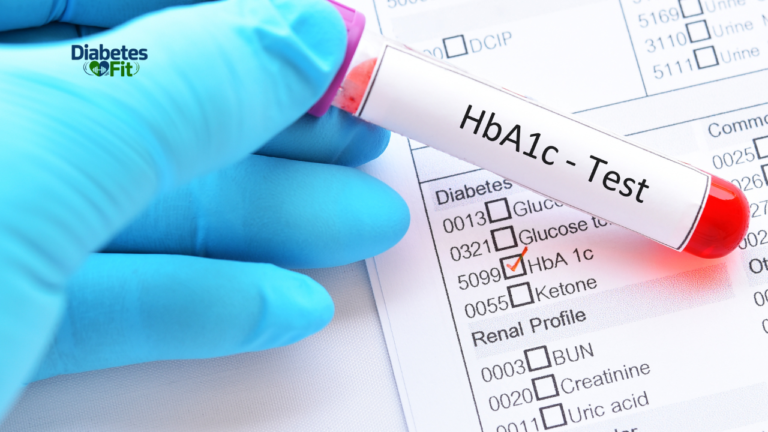
If you haven’t been diagnosed with diabetes but suspect blood sugar issues might be causing your dizziness, talk to your doctor about screening tests. The hemoglobin A1C test, fasting blood glucose test, and oral glucose tolerance test can reveal whether you have diabetes, prediabetes, or other glucose metabolism issues.
For those already managing diabetes, report any changes in your dizziness patterns to your healthcare team. If you’re experiencing more frequent hypoglycemic episodes, your medication dosage might need adjustment. Similarly, if hyperglycemia-related dizziness becomes common, your treatment plan may need modification.
Don’t hesitate to seek help if dizziness affects your quality of life, even if it seems “minor.” Frequent dizziness can increase your fall risk, limit your activities, and signal underlying health issues that need attention.
Tips to Prevent Dizziness Caused by Blood Sugar Fluctuations

Prevention is your best defense against blood sugar-related dizziness. By adopting healthy habits and staying mindful of your body’s signals, you can minimize episodes and maintain better overall glucose control.
Eat Regular, Balanced Meals
Never skip meals, especially breakfast. Aim for three balanced meals plus healthy snacks if needed, spacing them evenly throughout the day. Each meal should include complex carbohydrates (whole grains, vegetables), lean protein (chicken, fish, beans, tofu), and healthy fats (nuts, avocado, olive oil). This combination slows glucose absorption and prevents sudden spikes or drops.
Monitor Your Blood Sugar
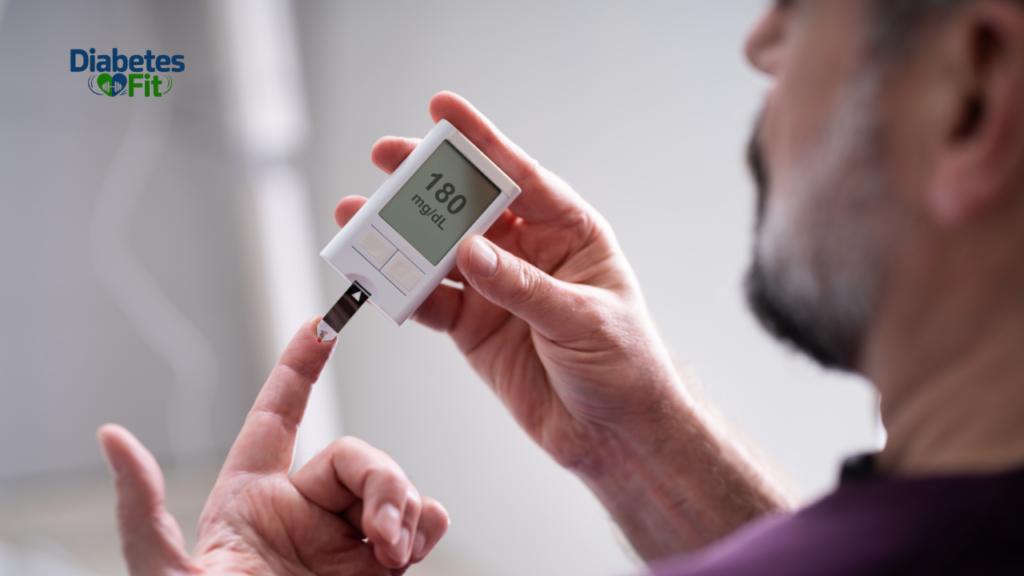
If you have diabetes or prediabetes, regular monitoring helps you understand how your body responds to different foods, activities, and medications. Check your blood sugar according to your healthcare provider’s recommendations, and keep a log of readings along with notes about what you ate, your activity level, and any symptoms experienced.
Stay Properly Hydrated
Drink water consistently throughout the day, aiming for at least eight glasses. Don’t wait until you feel thirsty, as thirst is a late indicator of dehydration. Proper hydration helps prevent hyperglycemia-related dizziness and supports overall health.
Choose Smart Carbohydrates
Opt for complex carbohydrates with a low glycemic index: whole grain bread instead of white bread, brown rice instead of white rice, and steel-cut oats instead of instant oatmeal. Add fiber-rich foods like vegetables, fruits, and legumes to slow sugar absorption.
Exercise Wisely
Physical activity improves blood sugar control, but timing matters. Don’t exercise on an empty stomach if you’re prone to hypoglycemia. Check your blood sugar before and after workouts, and keep fast-acting carbohydrates handy during exercise. If you take diabetes medications, discuss exercise timing with your doctor.
Manage Stress
Chronic stress raises cortisol levels, which can elevate blood sugar. Practice stress-reduction techniques like deep breathing, meditation, yoga, or activities you enjoy. Adequate sleep (7-9 hours nightly) also helps regulate stress hormones and blood sugar.
Limit Alcohol Consumption
Alcohol can cause delayed hypoglycemia, sometimes hours after drinking. If you choose to drink, never do so on an empty stomach, limit intake to moderate levels, and monitor your blood sugar more frequently.
Keep Emergency Supplies
Always carry fast-acting carbohydrates like glucose tablets, juice boxes, or hard candies to treat low blood sugar quickly. Wear medical identification jewelry if you have diabetes.
Stand Up Slowly
To minimize orthostatic dizziness, take your time when changing positions. Sit on the edge of your bed for a moment before standing, and pause after standing before walking.
Conclusion
So, can blood sugar make you dizzy? Absolutely. Both hypoglycemia and hyperglycemia can trigger dizziness, lightheadedness, and balance problems through various mechanisms affecting your brain, nervous system, and cardiovascular function. Understanding this connection empowers you to take control of your health and prevent these unsettling episodes.
Whether you have diabetes, prediabetes, or simply want to maintain stable blood sugar for optimal health, the strategies outlined above can help you minimize dizziness and feel more energetic and balanced throughout your day. Remember that your body sends signals for a reason—pay attention to dizziness and other symptoms, as they might be telling you that your blood sugar needs attention.
If you’re experiencing frequent or severe dizziness, don’t dismiss it as a minor inconvenience. Consult with your healthcare provider to rule out serious conditions, get properly diagnosed, and develop a personalized management plan. With the right approach, you can maintain stable blood sugar levels and enjoy life without the constant worry of dizzy spells.
Frequently Asked Questions
Dizziness from low blood sugar can develop within 15-30 minutes of your glucose levels dropping below 70 mg/dL. The speed depends on how rapidly your blood sugar falls and your individual sensitivity to hypoglycemia. Some people, especially those with well-controlled diabetes, may not notice symptoms until levels drop even lower, a condition called hypoglycemia unawareness.
Yes, you can experience blood sugar-related dizziness without having diabetes. Reactive hypoglycemia, which occurs after eating (especially high-carbohydrate meals), can cause dizziness in non-diabetics. Skipping meals, extreme dieting, excessive alcohol consumption, or certain medications can also trigger blood sugar fluctuations that lead to dizziness in otherwise healthy individuals.
When experiencing hypoglycemic dizziness, follow the “15-15 rule”: consume 15 grams of fast-acting carbohydrates, wait 15 minutes, then recheck your blood sugar. Good options include 4 glucose tablets, 4 ounces (1/2 cup) of fruit juice, 5-6 pieces of hard candy, or 1 tablespoon of honey. Once your blood sugar stabilizes, eat a small snack with protein to prevent another drop.
Dizziness from high blood sugar typically persists until your glucose levels return to normal range and you rehydrate properly. This can take several hours to a full day, depending on how elevated your blood sugar is and your treatment approach. Drinking water, light physical activity (if cleared by your doctor), and following your diabetes management plan can help resolve symptoms faster.

David Miller is a health and wellness writer focused on diabetes awareness, blood sugar control, and healthy living. He creates clear, practical content to help readers make better everyday health choices.