Can Diarrhea Cause Low Blood Sugar? Everything You Need to Know
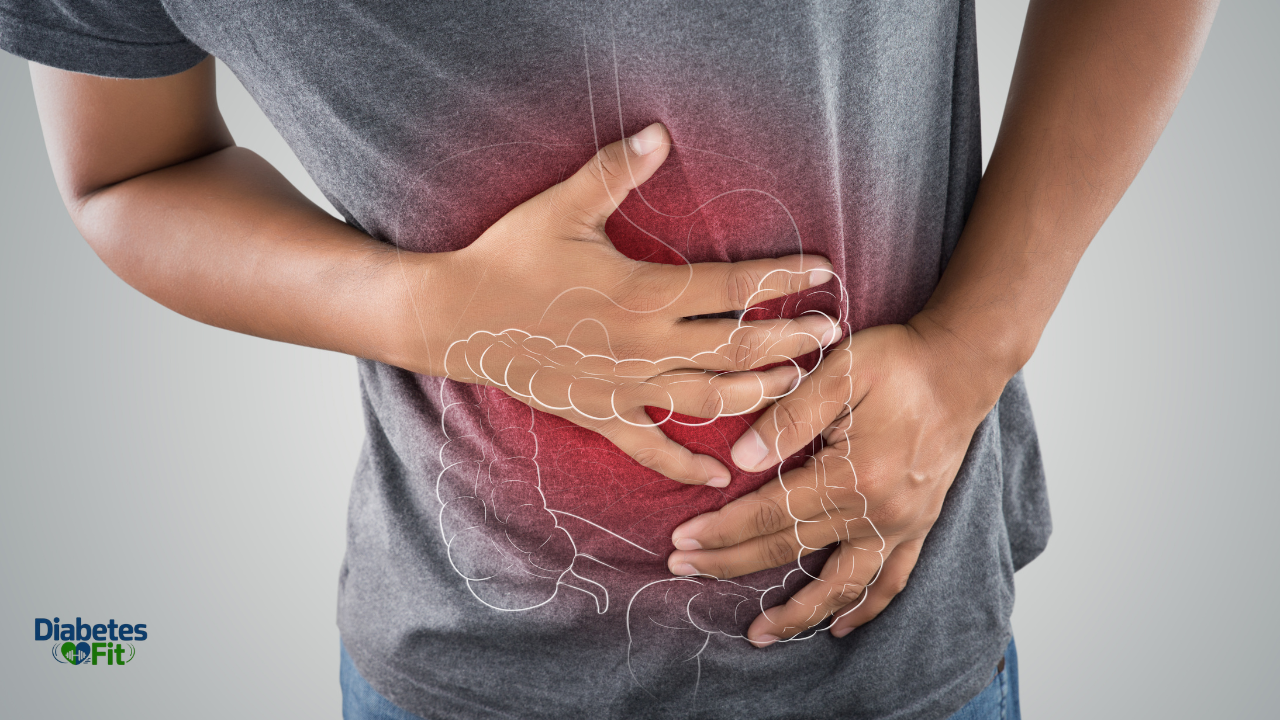
Can diarrhea cause low blood sugar? This is a question that many people dealing with digestive issues or diabetes have asked, and the answer is more connected than you might think.
The relationship between diarrhea and blood sugar levels is a real physiological phenomenon that deserves closer examination — especially if you manage diabetes, take certain medications, or simply want to understand how your body works.
In this article, we’ll walk you through the science behind this connection, who’s most at risk, what symptoms to watch for, and what you can do about it.
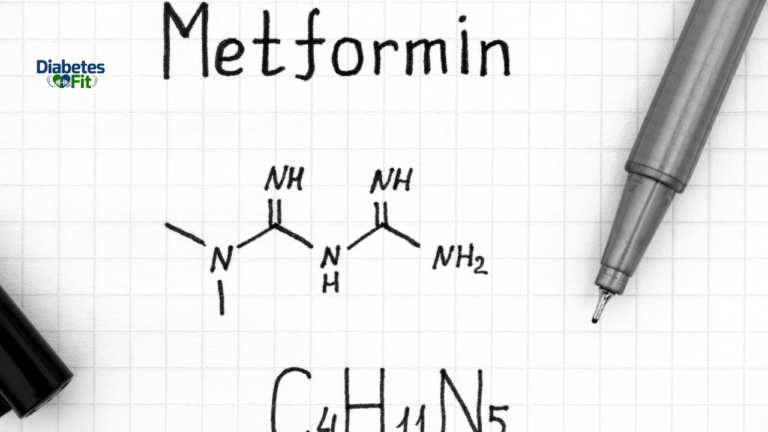
If you are taking diabetes medication, you may also wonder if metformin causes hypoglycemia. Understanding how medicines affect blood sugar is important, especially during illnesses like diarrhea.
The Connection Between Diarrhea and Blood Sugar
To understand how diarrhea can affect your blood sugar, you first need to understand how your body normally absorbs glucose. When you eat food, your digestive system breaks down carbohydrates into glucose, which then gets absorbed through the walls of the small intestine and enters your bloodstream. This is what raises your blood sugar after a meal.
Now imagine what happens when diarrhea enters the picture. Diarrhea speeds up the movement of food through your digestive tract — sometimes dramatically. This means food passes through your intestines so quickly that your body doesn’t have enough time to absorb the nutrients properly, including glucose. Less glucose absorbed means less sugar entering the bloodstream, which can lead to a drop in blood sugar levels, also known as hypoglycemia.
So yes, diarrhea can absolutely cause low blood sugar, and for certain groups of people, this can become a serious concern.
Who Is Most at Risk?
Not everyone who gets diarrhea will experience low blood sugar. Most healthy individuals have enough glucose stored in the liver (in the form of glycogen) that their blood sugar stays relatively stable even during a bout of stomach trouble. But for some people, the risk is much higher.
People with diabetes are the most vulnerable group. If you take insulin or certain oral diabetes medications like sulfonylureas, your body is already being pushed toward lower blood sugar levels. When you add diarrhea to the mix — especially if you’ve recently taken your medication after a meal that your body never properly absorbed — you can end up with dangerously low blood sugar without even realizing why.
Children and infants are also at higher risk because they have smaller glycogen reserves and their bodies can become depleted more quickly during illness. A sick child with diarrhea can develop hypoglycemia faster than an adult would.
People who are malnourished or have very low body weight may also be at risk since their glycogen stores are already limited. The same applies to people recovering from prolonged illness or surgery.
Athletes and highly active individuals who develop diarrhea mid-training or during a race can experience blood sugar crashes because they’re burning through glucose rapidly while simultaneously failing to absorb new glucose from food or sports drinks.
The Role of Dehydration

One aspect of diarrhea that often gets overlooked in this conversation is dehydration. When you have diarrhea, your body loses a significant amount of fluid very quickly. Dehydration has its own complicated relationship with blood sugar — in some cases, it can actually cause blood sugar to appear higher because the sugar in your blood becomes more concentrated. But in people taking diabetes medications or insulin, dehydration combined with poor food intake can contribute to blood sugar instability and, ultimately, hypoglycemia.
Dehydration also affects kidney function and circulation, which can interfere with the way your body manages glucose. So it’s not just the malabsorption of glucose at play here — it’s a whole-body response that can tip the scales toward low blood sugar.
Symptoms of Low Blood Sugar to Watch For
If you’re dealing with diarrhea and start to feel some of the following symptoms, low blood sugar could be the culprit:
Shakiness or trembling is one of the earliest signs. You might notice your hands feel unsteady or you feel a bit wobbly on your feet. Sweating, particularly cold sweats that don’t seem related to temperature, is another classic warning sign. You might feel suddenly dizzy, lightheaded, or confused. Some people describe it as a foggy feeling, like they can’t quite think straight.
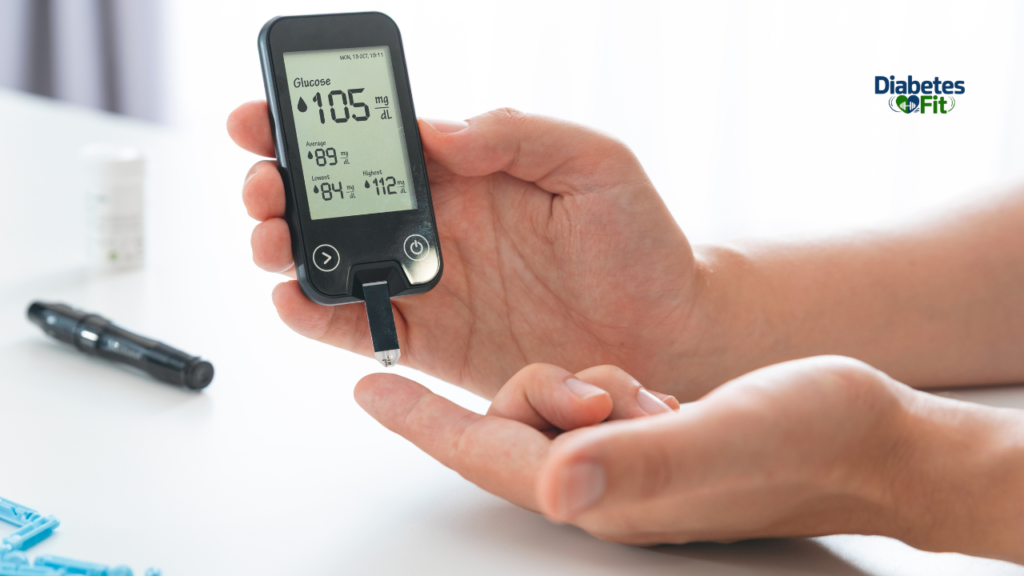
Hunger — especially a sudden and intense hunger — can also signal that your blood sugar is dropping. Your body is essentially screaming for fuel. In more severe cases, a person might experience heart palpitations, weakness, irritability, or even fainting.
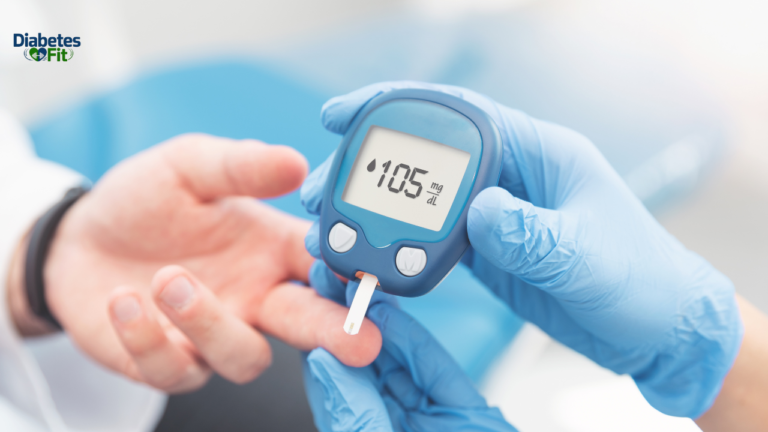
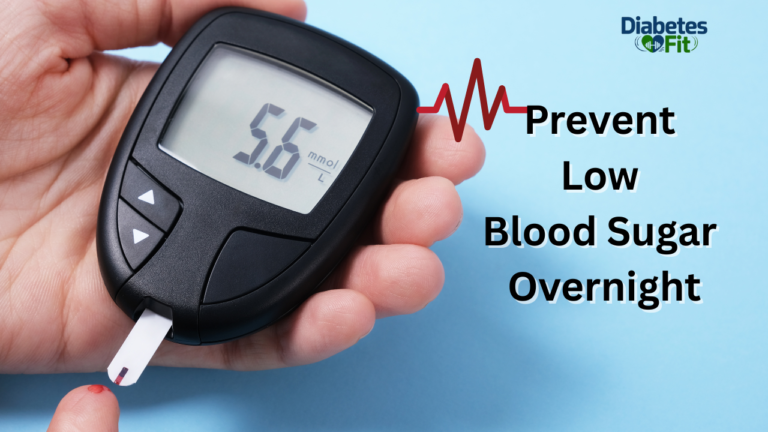
If you have diabetes and experience these symptoms during or after a bout of diarrhea, don’t ignore them. Check your blood sugar if you have a glucose meter available and treat it accordingly.
What You Should Do
If you’re dealing with diarrhea and are concerned about low blood sugar, there are several practical steps you can take to protect yourself.
Stay hydrated. This is the first and most important step. Drink water, clear broths, or electrolyte solutions like oral rehydration salts. Avoid sugary sodas or juices in large quantities, but small amounts of fruit juice can actually help raise blood sugar if you’re experiencing hypoglycemia.
Eat small, frequent meals. Even if your stomach doesn’t feel great, try to take in small amounts of easily digestible carbohydrates — things like crackers, toast, bananas, or rice. These foods are gentle on the stomach and can help maintain your blood sugar levels while your gut is recovering.
If you have diabetes, talk to your doctor about medication adjustments. This is really important. During illness, especially when diarrhea is involved, your usual medication routine may need to be temporarily adjusted. Some people need to reduce their insulin dose; others may need guidance on what to do if they can’t keep food down. Never adjust your diabetes medication without professional guidance, but do reach out to your healthcare provider when illness strikes.
Monitor your blood sugar more frequently. If you’re diabetic, checking your levels more often than usual during illness can help you catch a drop before it becomes dangerous.
Rest and recover. Your body needs energy to fight off whatever is causing the diarrhea. Give it the rest it needs and avoid strenuous activity, which can further deplete your glucose stores.
When to Seek Medical Help
Most cases of diarrhea resolve on their own within a day or two, and for healthy individuals without diabetes, low blood sugar is unlikely to become a serious problem. However, you should seek medical attention if your diarrhea lasts more than two days, if you notice blood in your stool, if you’re unable to keep any fluids down, or if you’re experiencing severe symptoms of low blood sugar like confusion, seizures, or loss of consciousness.

For people with diabetes, it’s a good idea to have a sick day plan in place that you’ve discussed with your doctor in advance, so you know exactly what to do when illness disrupts your normal routine.
Conclusion
So, can diarrhea cause low blood sugar? Absolutely — and the connection is both real and important to understand. Diarrhea disrupts the normal absorption of glucose in the intestines, and when combined with factors like diabetes medications, dehydration, or limited glycogen stores, it can lead to hypoglycemia. The people most at risk are those with diabetes, young children, and anyone with limited nutritional reserves. The good news is that with proper hydration, careful food choices, and awareness of the symptoms, you can manage this risk effectively. If you have diabetes, always communicate with your healthcare provider during illness so your treatment plan can be adjusted appropriately. Your health is too important to leave to guesswork.
Frequently Asked Questions
Can diarrhea cause low blood sugar in people without diabetes?
Yes, it can, though it’s less common. Severe or prolonged diarrhea that prevents proper nutrient absorption can cause blood sugar to drop in anyone, especially children and those with poor nutritional stores.
How quickly can diarrhea lead to low blood sugar?
It depends on the individual. In people with diabetes who have taken insulin or medication, blood sugar can drop within a few hours of diarrhea onset if food intake is insufficient.
What foods help raise blood sugar during diarrhea?
Small amounts of easily digestible carbohydrates like bananas, white rice, toast, or diluted fruit juice can help raise blood sugar without further upsetting the stomach.
Should I skip my diabetes medication if I have diarrhea?
Never skip or adjust diabetes medication without consulting your doctor first. Your healthcare provider can guide you on how to manage your medication during illness.
Is low blood sugar a sign that my diarrhea is serious?
Not necessarily, but it’s a signal that your body is under stress. If low blood sugar symptoms are severe or persistent, seek medical attention.
Can dehydration from diarrhea make low blood sugar worse?
Yes. Dehydration disrupts the body’s ability to regulate blood sugar and can worsen hypoglycemia, particularly in people taking diabetes medications.

David Miller is a health and wellness writer focused on diabetes awareness, blood sugar control, and healthy living. He creates clear, practical content to help readers make better everyday health choices.