< Blog -

Category: Blog

  • Swollen Foot in Diabetes: Causes, Symptoms, and Treatment

    Swollen Foot in Diabetes: Causes, Symptoms, and Treatment

    Foot swelling is a common yet often overlooked complication among people living with diabetes. This condition, medically known as edema, can range from mild discomfort to a serious medical concern requiring immediate attention. Understanding the relationship between diabetes and foot swelling is crucial for maintaining optimal health and preventing potentially severe complications. This comprehensive guide explores the causes, symptoms, treatment options, and preventive measures for managing swollen feet in diabetic patients.

    Understanding Swollen Foot in Diabetes

    Swollen feet in diabetic patients occur when excess fluid accumulates in the tissues of the lower extremities. This condition is particularly prevalent among individuals with diabetes due to the complex interplay between blood sugar levels, circulation, and nerve function. Diabetes affects the body’s ability to regulate fluid balance and compromises blood vessel integrity, making foot swelling more likely.
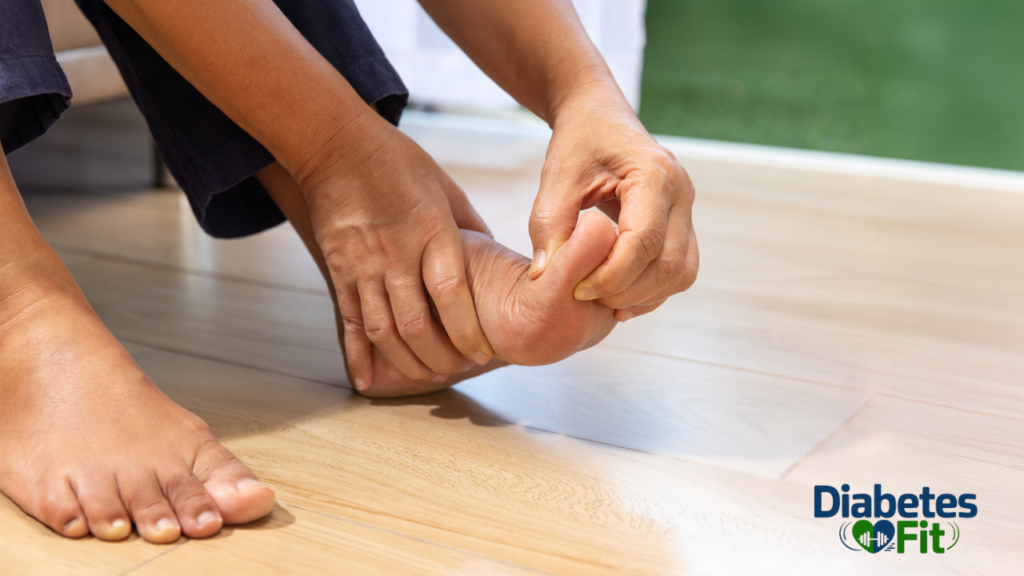
    The connection between diabetes and foot swelling is multifaceted. High blood sugar levels over extended periods can damage blood vessels and nerves throughout the body, particularly in the extremities. This damage affects the circulatory system’s ability to efficiently pump blood back from the feet to the heart, causing fluid to pool in the lower legs and feet. Additionally, diabetic neuropathy, or nerve damage, can prevent individuals from noticing early signs of swelling or injury, allowing the condition to worsen before being addressed.

    Foot swelling in diabetes should never be ignored, as it can indicate underlying complications such as poor circulation, infection, or heart problems. Early recognition and appropriate management are essential for preventing more serious health issues, including ulcers, infections, and in severe cases, amputation.

    Common Causes of Foot Swelling in Diabetic Patients

    Several factors contribute to foot swelling in people with diabetes, and understanding these causes is the first step toward effective management.

    Poor Blood Circulation: Diabetes can lead to peripheral arterial disease, where narrowed blood vessels reduce blood flow to the extremities. This impaired circulation makes it difficult for the body to remove excess fluid from the feet, resulting in swelling.

    Diabetic Neuropathy: Nerve damage caused by prolonged high blood sugar levels can affect the autonomic nerves that regulate blood flow and fluid distribution. This disruption can lead to fluid accumulation in the feet and ankles.

    Kidney Problems: The kidneys play a vital role in maintaining fluid balance. Diabetes is a leading cause of chronic kidney disease, and when kidney function is compromised, the body retains more sodium and fluid, leading to swelling in various parts of the body, particularly the feet.

    Medication Side Effects: Certain diabetes medications, including some insulin types and oral medications like pioglitazone, can cause fluid retention as a side effect. Blood pressure medications and anti-inflammatory drugs may also contribute to swelling.

    Heart Conditions: Diabetes increases the risk of cardiovascular disease. Heart problems can prevent the efficient circulation of blood, causing fluid to back up in the legs and feet.

    Infections: Diabetic individuals are more susceptible to foot infections due to compromised immune function and reduced sensation. Infections can cause localized swelling, redness, and warmth in the affected area.

    Prolonged Standing or Sitting: Maintaining the same position for extended periods can cause gravity-induced fluid accumulation in the lower extremities, a problem that’s often more pronounced in diabetic patients.

    Symptoms to Watch for in a Swollen Diabetic Foot

    Swollen Foot in Diabetes

    Recognizing the symptoms of foot swelling early can prevent complications and ensure timely treatment. Diabetic patients should regularly inspect their feet and watch for the following signs:

    Visible Swelling: The most obvious symptom is noticeable puffiness in the feet, ankles, or lower legs. The swelling may be symmetrical in both feet or more pronounced in one foot.

    Skin Changes: The skin over swollen areas may appear stretched, shiny, or discolored. In some cases, pressing on the swollen area leaves a temporary indentation, known as pitting edema.

    Tightness and Discomfort: Shoes that previously fit comfortably may feel tight or restrictive. There may be a sensation of heaviness or aching in the feet and legs.

    Reduced Range of Motion: Swelling can limit ankle and foot flexibility, making it difficult to walk or move comfortably.

    Temperature Changes: The swollen foot may feel warmer or cooler than usual, which could indicate circulation problems or infection.

    Skin Breaks or Ulcers: In severe cases, excessive swelling can lead to skin breakdown, creating open wounds or ulcers that are slow to heal.

    Pain or Tenderness: While diabetic neuropathy may reduce sensation, some individuals experience pain, throbbing, or tenderness in swollen areas.

    Red Streaks or Discoloration: These symptoms may indicate infection and require immediate medical attention.

    Home Remedies to Reduce Swelling

    For mild to moderate foot swelling without signs of infection or severe complications, several home remedies can provide relief:

    Elevation: Raising your feet above heart level for 15-30 minutes several times daily helps gravity assist in draining excess fluid back toward the heart.

    Compression Stockings: These specially designed socks apply gentle pressure to the legs and feet, promoting better circulation and reducing fluid buildup. Consult your healthcare provider for proper fitting and compression level.

    Regular Movement: Avoid sitting or standing for prolonged periods. Take short walks or perform ankle rotations and leg exercises every hour to stimulate circulation.

    Reduce Salt Intake: Limiting sodium consumption helps prevent fluid retention. Aim for less than 2,300 milligrams of sodium daily, or as recommended by your doctor.

    Stay Hydrated: Drinking adequate water paradoxically helps reduce swelling by supporting kidney function and preventing the body from retaining excess fluid.

    Gentle Massage: Light massage of the feet and legs in an upward direction can help move fluid back toward the heart. Be gentle to avoid injuring sensitive skin.

    Cold Compress: Applying a cold compress for 15-20 minutes can reduce inflammation and provide temporary relief. Never apply ice directly to the skin.

    Comfortable Footwear: Wear well-fitting, supportive shoes that don’t constrict blood flow. Avoid tight socks with elastic bands that leave marks on your legs.

    Medical Treatments for Swollen Foot in Diabetes

    When home remedies are insufficient or when swelling indicates a more serious underlying condition, medical intervention becomes necessary:
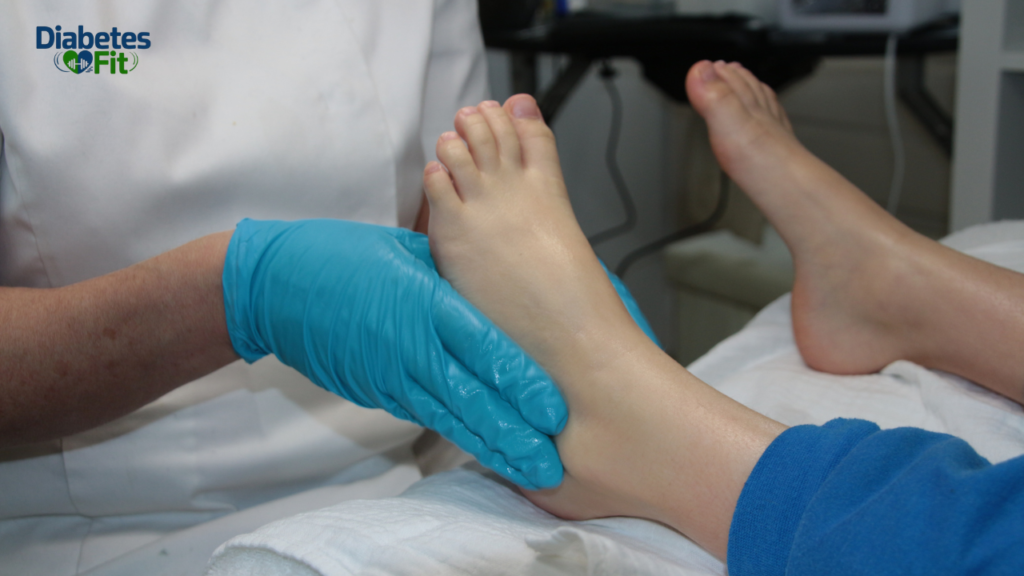
    Swollen Foot in Diabetes

    Diuretics: These medications help the kidneys eliminate excess fluid through increased urination. They must be carefully monitored in diabetic patients to prevent electrolyte imbalances.

    Improved Diabetes Control: Optimizing blood sugar management through medication adjustments, insulin therapy, or lifestyle modifications can address the root cause of many circulation and nerve problems.

    Treatment of Underlying Conditions: Addressing heart disease, kidney problems, or infections that contribute to swelling requires targeted medical therapy.

    Wound Care: For swollen feet with ulcers or skin breakdown, professional wound care including debridement, specialized dressings, and infection management is essential.

    Physical Therapy: A physical therapist can design an exercise program to improve circulation, strengthen muscles, and reduce swelling.

    Vascular Procedures: In cases of severe arterial blockage, procedures such as angioplasty or bypass surgery may be necessary to restore blood flow.

    Preventing Foot Swelling with Proper Diabetes Management

    Prevention is always better than treatment when it comes to diabetic foot complications:

    Blood Sugar Control: Maintaining target blood glucose levels is the cornerstone of preventing diabetic complications. Regular monitoring and adherence to your treatment plan are essential.

    Regular Foot Examinations: Inspect your feet daily for any changes, including swelling, cuts, blisters, or color changes. Use a mirror or ask someone for help if you have difficulty seeing all areas.

    Proper Foot Hygiene: Wash your feet daily with lukewarm water and mild soap, dry thoroughly especially between toes, and apply moisturizer to prevent cracking.

    Exercise Regularly: Physical activity improves circulation, helps control blood sugar, and maintains a healthy weight, all of which reduce the risk of foot swelling.

    Maintain a Healthy Weight: Excess weight puts additional pressure on your feet and can worsen circulation problems.

    Quit Smoking: Smoking damages blood vessels and significantly worsens circulation problems in diabetic patients.

    Regular Medical Check-ups: Schedule routine appointments with your healthcare provider and podiatrist to monitor your diabetes and foot health.

    When to See a Doctor

    While mild foot swelling may be manageable at home, certain situations require immediate medical attention:

    Swollen Foot in Diabetes

    Seek emergency care if you experience sudden, severe swelling accompanied by chest pain, shortness of breath, or confusion, as these may indicate serious heart or kidney problems. Consult your doctor promptly if you notice swelling accompanied by fever, red streaks spreading from the foot, warmth and redness indicating possible infection, or pain that doesn’t improve with home treatment.

    Additionally, see your healthcare provider if swelling persists for more than a few days despite home remedies, you develop open sores or ulcers on swollen feet, or you experience significant changes in sensation or color in your feet. If you notice swelling in only one foot rather than both, this asymmetry could indicate a blood clot or localized infection requiring immediate evaluation.

    Conclusion

    Swollen feet in diabetes are a manageable condition when approached with knowledge, vigilance, and appropriate care. Understanding the causes—from poor circulation and nerve damage to medication side effects and underlying health conditions—empowers diabetic patients to take proactive steps in managing their foot health. By recognizing symptoms early, implementing effective home remedies, seeking timely medical treatment, and maintaining proper diabetes management, individuals can significantly reduce the risk of serious complications.

    Remember that your feet are your foundation for mobility and independence. Regular foot care, blood sugar control, and open communication with your healthcare team are essential components of living well with diabetes. Never hesitate to seek medical advice when concerns arise, as early intervention can prevent minor issues from becoming major complications.

    Frequently Asked Questions

    While swollen feet alone don’t directly cause amputation, they can indicate underlying problems like poor circulation or infection that, if left untreated, may lead to ulcers and tissue damage. Proper management and prompt treatment of swelling and associated symptoms significantly reduce this risk.

    The timeline varies depending on the cause and severity. Mild swelling from prolonged standing may resolve within hours with elevation and rest, while swelling caused by medication or circulation problems may take days to weeks to improve with appropriate treatment.

    Gentle exercise like walking or swimming can actually help reduce swelling by improving circulation. However, avoid high-impact activities if swelling is severe or painful, and always consult your healthcare provider before starting a new exercise program.

    Yes, adequate hydration supports kidney function and helps your body regulate fluid balance more effectively. Drinking water doesn’t directly cause swelling despite seeming counterintuitive; dehydration can actually cause fluid retention.

  • 8 Simple Snacks to Eat for Low Blood Sugar

    8 Simple Snacks to Eat for Low Blood Sugar

    1. Apple Slices with Peanut Butter

    Snacks to Eat for Low Blood Sugar

    This classic combination is one of the most reliable snacks to eat for low blood sugar. The apple provides natural sugars and easily digestible carbohydrates that work quickly to raise blood glucose levels. Meanwhile, the peanut butter adds protein and healthy fats that slow down digestion and provide staying power.

    What makes this pairing so effective is the synergy between its components. The fruit’s natural sugars hit your bloodstream relatively quickly, addressing the immediate problem. The protein in peanut butter—roughly 4 grams per tablespoon—helps stabilize those levels over the next hour or two. This prevents the rollercoaster effect where you feel better briefly, only to crash again.

    To prepare this snack, simply slice a medium apple and pair it with one to two tablespoons of peanut butter. If you’re sensitive to peanuts, almond butter or cashew butter work just as well. For an extra touch, sprinkle a few raisins on top for additional quick-acting carbohydrates during more severe low blood sugar episodes.

    2. Greek Yogurt with Berries and Honey

    Greek yogurt stands out among snacks to eat for low blood sugar because it delivers an impressive protein punch—typically around 15-20 grams per serving—while still providing carbohydrates for immediate energy. The addition of fresh berries and a drizzle of honey creates a perfect trifecta of quick sugars, sustained energy, and valuable nutrients.

    Snacks to Eat for Low Blood Sugar

    Berries like strawberries, blueberries, or raspberries contain natural sugars alongside fiber, which helps moderate the speed at which those sugars enter your bloodstream. The honey provides fast-acting glucose when you need it most. Meanwhile, the thick, creamy Greek yogurt digests more slowly, keeping your blood sugar stable long after the initial spike.

    This snack is incredibly versatile and portable. You can prepare it fresh or pack it in a small container for on-the-go situations. A serving size of about three-quarters cup of yogurt with a handful of berries and one teaspoon of honey hits that sweet spot between effective and not overdoing the sugar intake.

    3. Whole Grain Crackers with Cheese

    Snacks to Eat for Low Blood Sugar

    When you need something savory, whole grain crackers paired with cheese rank among the most satisfying snacks to eat for low blood sugar. The crackers provide complex carbohydrates that break down into glucose, while cheese delivers protein and fat to extend the benefits of your snack.

    Choose crackers made from whole grains rather than refined white flour. Whole grains contain more fiber and nutrients, which means they provide more sustained energy without causing dramatic blood sugar fluctuations. Look for options with at least 2-3 grams of fiber per serving.

    As for cheese, variety is your friend. Cheddar, mozzarella, Swiss, or even cream cheese all work beautifully. A serving of about 6-8 crackers with one to two ounces of cheese provides roughly 15-20 grams of carbohydrates and 7-10 grams of protein—an excellent ratio for managing low blood sugar effectively.

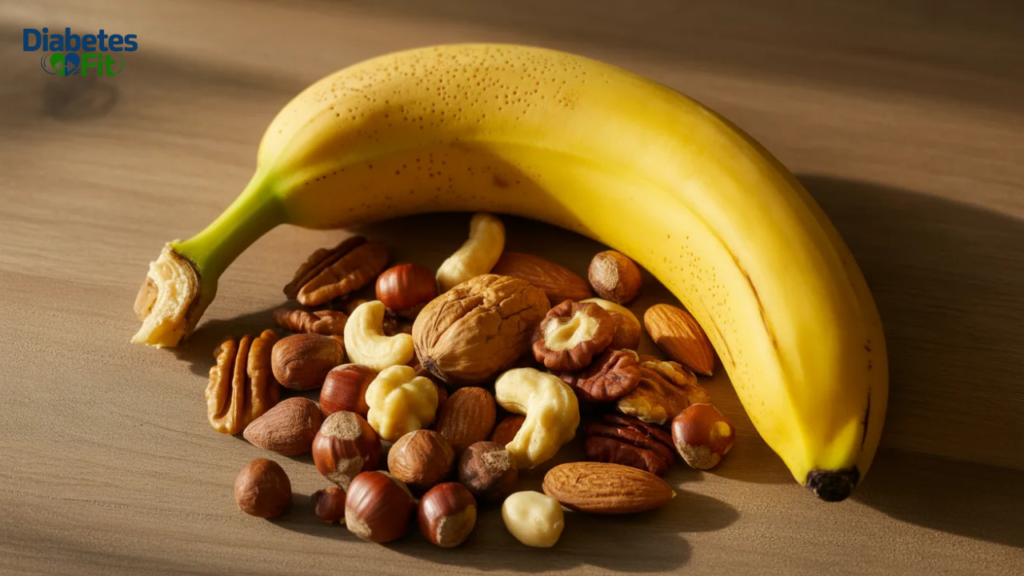
    4. Banana with a Handful of Nuts

    Snacks to Eat for Low Blood Sugar

    Bananas are nature’s fast-acting fuel source, making them excellent snacks to eat for low blood sugar emergencies. A medium banana contains about 27 grams of carbohydrates, including natural sugars that your body can quickly convert to energy. The fruit also provides potassium, which supports proper muscle and nerve function.

    Eating a banana alone might cause a rapid spike followed by another drop, which is where nuts come in. Almonds, walnuts, cashews, or mixed nuts add protein, healthy fats, and a satisfying crunch that rounds out this snack beautifully. Just a small handful—about one ounce or roughly 23 almonds—provides enough protein and fat to stabilize your blood sugar.

    This combination is incredibly convenient because it requires zero preparation. Keep bananas on your counter and a small container of nuts in your bag, car, or desk drawer. When low blood sugar strikes, you’ll have an effective solution within arm’s reach.

    5. Hummus with Vegetable Sticks

    Snacks to Eat for Low Blood Sugar

    Hummus with fresh vegetable sticks offers a nutrient-dense option among snacks to eat for low blood sugar. While vegetables alone won’t raise blood sugar quickly enough during a severe drop, the chickpeas in hummus provide both carbohydrates and plant-based protein that work together effectively.

    Carrots, bell peppers, cucumber, and celery all make excellent dipping vehicles. If you’re experiencing a particularly low blood sugar episode, include vegetables that contain more natural sugars, like baby carrots or bell peppers, which can help raise glucose levels more quickly than options like celery.

    A serving of about one-third cup of hummus with a generous portion of vegetables provides approximately 15-20 grams of carbohydrates along with fiber and protein. This snack also delivers vitamins, minerals, and antioxidants that support overall health. It’s filling enough to tide you over until your next meal while addressing the immediate concern of low blood sugar.

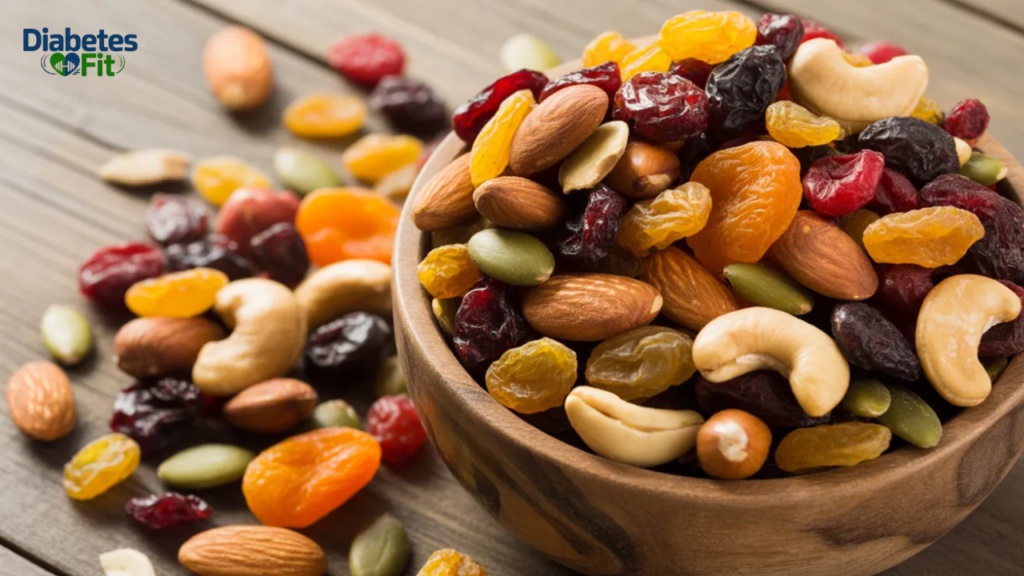
    6. Trail Mix with Dried Fruit

    Snacks to Eat for Low Blood Sugar

    Homemade or store-bought trail mix ranks highly among snacks to eat for low blood sugar because it combines multiple effective ingredients in one convenient package. The dried fruit—raisins, cranberries, apricots, or dates—provides concentrated natural sugars for quick energy. Nuts add protein and healthy fats, while optional additions like dark chocolate chips or coconut flakes make this snack genuinely enjoyable.

    The beauty of trail mix is its portability and shelf stability. You can portion it into small bags or containers and stash them everywhere—your purse, glove compartment, office drawer, or gym bag. When low blood sugar catches you off guard, you’ll have an immediate solution ready.

    Be mindful of portion sizes, though. Because dried fruit is more concentrated than fresh fruit, it’s easy to consume more sugar than intended. A quarter cup serving typically provides the right balance—enough carbohydrates to address low blood sugar without overdoing it.

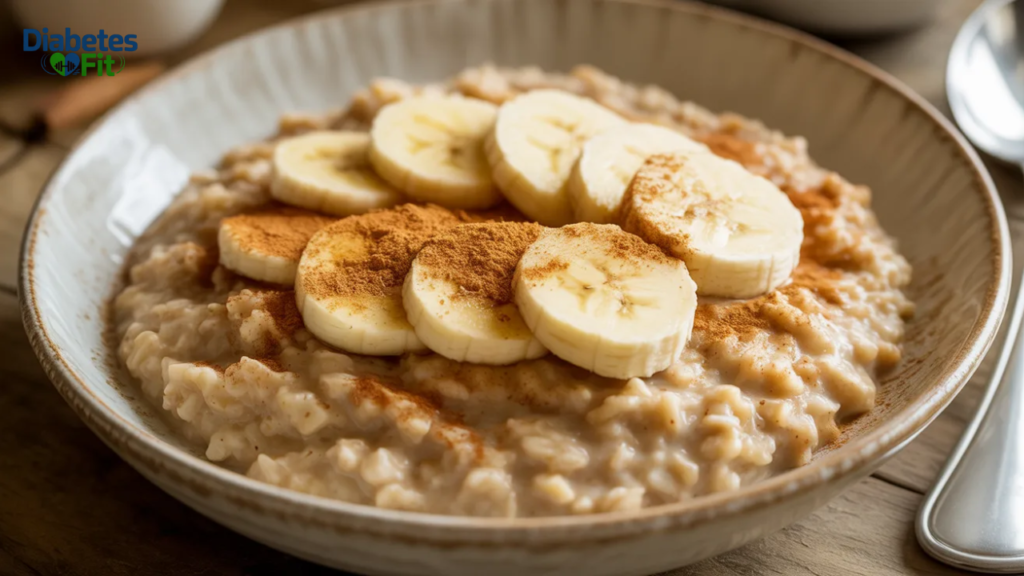
    7. Oatmeal with Sliced Banana and Cinnamon

    Snacks to Eat for Low Blood Sugar

    While oatmeal takes a few minutes to prepare, it’s worth considering among snacks to eat for low blood sugar, especially if you’re at home or have access to a microwave. Instant oatmeal works in a pinch, but traditional rolled oats offer more fiber and nutrients.

    The oats provide complex carbohydrates that digest gradually, offering sustained energy. Adding sliced banana increases the quick-acting carbohydrate content for immediate relief. Cinnamon not only enhances flavor but some research suggests it may help improve insulin sensitivity and glucose metabolism.

    For a half-cup serving of cooked oatmeal with half a banana, you’re looking at about 30-35 grams of carbohydrates. If you need extra protein, stir in a tablespoon of peanut butter or sprinkle some chopped nuts on top. This transforms your oatmeal into a more complete snack that addresses both immediate and long-term blood sugar stability.

    8. Orange Juice with a Protein Bar

    Snacks to Eat for Low Blood Sugar

    Sometimes you need the fastest-acting solution possible, and that’s where orange juice comes in. As one of the quickest snacks to eat for low blood sugar, a small glass of orange juice—about 4 to 6 ounces—can raise blood glucose levels within 15 minutes. The natural fruit sugars require minimal digestion and enter your bloodstream rapidly.

    However, juice alone will likely cause another crash within an hour or so. Pairing it with a protein bar that contains at least 5-10 grams of protein creates a more balanced approach. The juice handles the emergency while the protein bar provides sustained energy.

    Choose protein bars carefully, as many contain excessive added sugars or artificial ingredients. Look for options with whole food ingredients, reasonable sugar content (under 15 grams), and adequate protein. Keep a couple of these bars in locations where low blood sugar might catch you unprepared.

    Understanding Your Body’s Signals

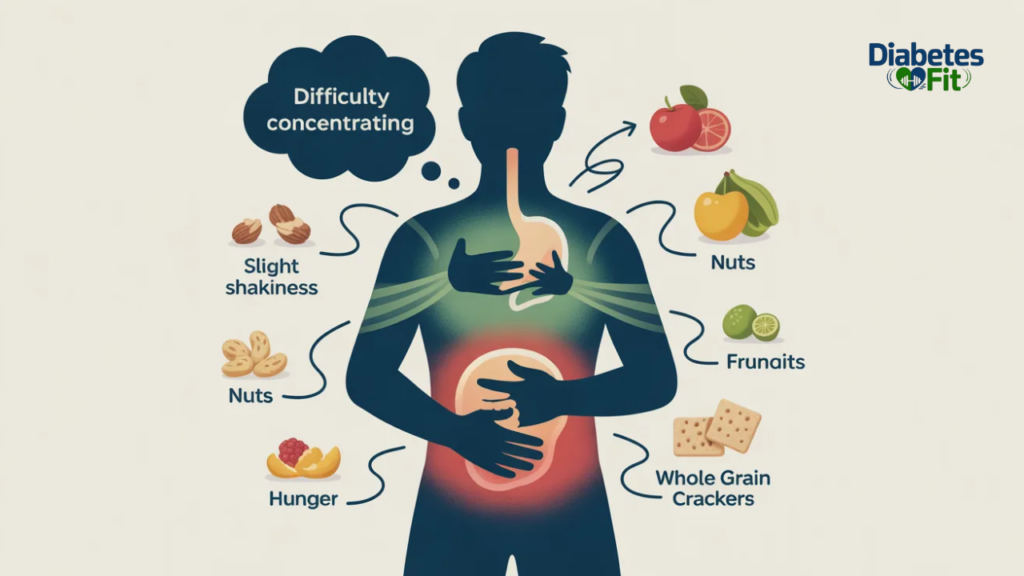
    Learning which snacks to eat for low blood sugar is important, but equally crucial is recognizing when your blood sugar is dropping before it becomes a serious problem. Early symptoms include hunger, slight shakiness, mild anxiety, or difficulty concentrating. Addressing low blood sugar at this stage is much easier and safer than waiting until symptoms become severe.

    Snacks to Eat for Low Blood Sugar

    Everyone’s body responds differently to various foods, so pay attention to which of these snacks work best for you. Some people find that protein-heavy options work better, while others need more immediate carbohydrates. Keep a simple log of what you eat and how you feel afterward to identify your most effective options.

    Remember that these snacks are meant to address occasional low blood sugar episodes. If you’re experiencing frequent drops in blood glucose, consult with your healthcare provider to address the underlying cause. Proper meal planning, medication management, and lifestyle adjustments can often reduce the frequency of these episodes significantly.

    Having the right snacks to eat for low blood sugar readily available gives you peace of mind and helps you manage your health proactively. Stock your kitchen, office, and travel bags with these simple options, and you’ll always be prepared when your blood sugar needs a boost.

    Conclusion

    Managing low blood sugar doesn’t have to be complicated or stressful when you’re equipped with the right knowledge and snacks. The eight simple snacks to eat for low blood sugar we’ve explored—from apple slices with peanut butter to orange juice paired with a protein bar—offer practical, accessible solutions that you can incorporate into your daily routine with ease.

    The common thread among all these options is balance. Effective low blood sugar management isn’t just about consuming sugar quickly; it’s about choosing snacks that provide immediate relief while also preventing another crash shortly afterward. By combining fast-acting carbohydrates with protein, healthy fats, or fiber, you create a sustained energy release that keeps your blood glucose levels stable for hours.

    Remember that preparation is your greatest ally. Keeping these snacks readily available in your home, workplace, car, and bag means you’ll never be caught off guard by a sudden drop in blood sugar. The few minutes you spend preparing small portions or assembling these simple combinations can make the difference between a minor inconvenience and a serious health episode.

    Beyond just having snacks on hand, listening to your body’s signals is essential. The more attuned you become to the early warning signs of low blood sugar, the more effectively you can intervene before symptoms become severe. This awareness, combined with smart snack choices, empowers you to maintain better control over your health and wellbeing.

    If you find yourself reaching for snacks to eat for low blood sugar frequently throughout the day, it’s worth having a conversation with your healthcare provider. Persistent hypoglycemia may indicate that adjustments to your medication, meal timing, or overall treatment plan are necessary. These snacks are valuable tools for occasional management, but they shouldn’t become a constant necessity.

    Ultimately, managing low blood sugar successfully is about finding what works for your unique body, lifestyle, and preferences. Experiment with these eight options, pay attention to how your body responds, and build a personalized toolkit of go-to snacks that you can rely on. With the right strategies in place, you can navigate low blood sugar episodes with confidence and get back to enjoying your day without disruption.

    Frequently Asked Questions

    Most snacks to eat for low blood sugar should begin raising your glucose levels within 15 minutes, though the exact timing depends on the snack’s composition. Options with simple sugars like orange juice or bananas work fastest, often showing effects in 10-15 minutes. Snacks with more protein and fat, like cheese and crackers, may take 20-30 minutes to fully impact your blood sugar but provide longer-lasting stability. After consuming a snack for low blood sugar, wait 15 minutes and recheck your levels if possible. If you’re still experiencing symptoms and your blood sugar hasn’t risen adequately, consume another small portion of fast-acting carbohydrates. The key is not to overeat in panic, as this can lead to blood sugar that swings too high.

    Absolutely. These snacks to eat for low blood sugar are appropriate for people with diabetes who experience hypoglycemia, which can occur due to medication, delayed meals, or increased physical activity. In fact, people with diabetes often need to be more vigilant about treating low blood sugar promptly. However, portion control becomes especially important when you have diabetes. The goal is to raise your blood sugar into a safe range—typically 70-100 mg/dL—without causing it to spike too high. Start with the recommended portions mentioned for each snack, check your blood sugar after 15 minutes, and adjust accordingly. Always follow your healthcare provider’s specific recommendations for treating low blood sugar, as individual needs can vary based on medications and overall health status.

    Severe low blood sugar is a medical emergency that requires immediate attention. If you’re experiencing confusion, inability to eat or drink, loss of consciousness, or seizures, you need emergency medical care—call emergency services right away. For severe symptoms where you can still swallow safely, prioritize the fastest-acting options among snacks to eat for low blood sugar: 4-6 ounces of fruit juice, glucose tablets (if available), or honey can work more quickly than solid foods. Skip the protein and fat in these critical moments—those can be added after your blood sugar stabilizes. Once you’ve consumed fast-acting carbohydrates, sit or lie down safely and wait 15 minutes before rechecking. After your blood sugar returns to normal, follow up with a more balanced snack containing protein to prevent another drop.

    The standard recommendation is to consume about 15 grams of carbohydrates initially, which is often called the “15-15 rule”—eat 15 grams of carbs, wait 15 minutes, then recheck your blood sugar. Among the snacks to eat for low blood sugar we’ve discussed, this translates to approximately one small apple with one tablespoon of peanut butter, one small banana, or 6-8 whole grain crackers with cheese. Resist the urge to overeat when you’re feeling the uncomfortable symptoms of low blood sugar. Consuming too much can cause your blood sugar to swing too high, which brings its own set of problems and may lead to another crash later. Measure or portion your snacks ahead of time when possible, so you’re not guessing during an episode when you might not be thinking clearly.

    While you might crave certain foods when your blood sugar drops, some choices are less effective than others. Avoid snacks that are purely fat or protein without any carbohydrates—like plain cheese or hard-boiled eggs alone—because they won’t raise your blood sugar quickly enough. Similarly, candy bars or baked goods that are high in fat may seem appealing, but the fat content actually slows down how quickly the sugar reaches your bloodstream. Foods with excessive fiber can also delay absorption when you need quick relief. Additionally, avoid caffeinated beverages as your primary treatment, as caffeine can sometimes mask symptoms of low blood sugar or cause shakiness that mimics hypoglycemia. The best snacks to eat for low blood sugar contain easily digestible carbohydrates paired with moderate amounts of protein or healthy fats, rather than extremes of any single macronutrient.

  • 8 tips to Prevent Low Blood Sugar Overnight

    8 tips to Prevent Low Blood Sugar Overnight

    Waking up in the middle of the night drenched in sweat, with your heart racing and feeling shaky, is a frightening experience. For people managing diabetes or those prone to hypoglycemia, nighttime low blood sugar—also known as nocturnal hypoglycemia—is more than just an inconvenience. It can disrupt sleep, affect next-day energy levels, and in severe cases, pose serious health risks.

    The good news is that preventing overnight low blood sugar is entirely possible with the right strategies. Understanding why it happens and implementing practical solutions can help you sleep soundly through the night while maintaining stable blood glucose levels.

    Understanding Nocturnal Hypoglycemia

     Prevent Low Blood Sugar Overnight

    Before diving into prevention strategies, it’s important to understand what’s happening in your body. Blood sugar naturally fluctuates throughout the day and night based on various factors including food intake, physical activity, stress levels, and hormone production. During sleep, your body continues to use glucose for essential functions, but you’re not eating to replenish those stores.

    For people taking insulin or certain diabetes medications, the risk increases significantly. Your medication continues working while you sleep, but without food intake to balance it out, blood sugar can drop too low. This typically happens between 2 AM and 4 AM when insulin sensitivity is at its peak.

    The tricky part about nighttime lows is that you might not wake up when they occur. Your body’s warning signals—shakiness, sweating, confusion—can be dulled during sleep, making nocturnal hypoglycemia particularly dangerous.

    Check Your Blood Sugar Before Bed

    The foundation of preventing overnight lows starts with knowing where your blood sugar stands before you go to sleep. Make it a non-negotiable habit to check your glucose levels right before bed, ideally aiming for a target range between 100-140 mg/dL. If your reading is below 100 mg/dL, you’re at higher risk for a nighttime drop.

     Prevent Low Blood Sugar Overnight

    Consider investing in a continuous glucose monitor (CGM) if possible. These devices track your glucose levels throughout the night and can alert you when levels are dropping, giving you the chance to intervene before a severe low occurs. Many people find that CGMs provide peace of mind and significantly improve their ability to manage overnight blood sugar.

    The Bedtime Snack Strategy

    One of the most effective ways to prevent nocturnal hypoglycemia is eating a strategic bedtime snack. But this isn’t about grabbing any food from your pantry. The key is choosing the right combination of nutrients that will provide sustained energy release throughout the night.

     Prevent Low Blood Sugar Overnight

    The ideal bedtime snack combines complex carbohydrates with protein and healthy fats. This combination slows down digestion and provides a steady stream of glucose into your bloodstream over several hours. Think of options like whole grain crackers with cheese, apple slices with peanut butter, a small bowl of Greek yogurt with nuts, or half a sandwich on whole wheat bread.

    Avoid simple sugars or high-glycemic foods before bed. While they’ll raise your blood sugar quickly, they’ll also cause it to crash just as fast, potentially leading to the exact problem you’re trying to prevent. Skip the cookies, candy, or sugary cereals as bedtime snacks.

    The timing matters too. Eat your snack about 30 minutes to an hour before you plan to sleep. This gives your body time to start processing the food while you’re still awake to monitor how you’re feeling.

    Review Your Medication Timing and Dosage

     Prevent Low Blood Sugar Overnight

    Your medication regimen plays a crucial role in overnight blood sugar stability. If you’re experiencing frequent nighttime lows, it’s time to have a conversation with your healthcare provider about your dosing schedule.

    Long-acting insulin taken in the evening might be causing overnight drops. Your doctor might suggest adjusting the timing—perhaps taking it in the morning instead—or reducing the dose slightly. Never make these changes on your own; always work with your healthcare team.

    For those on rapid-acting insulin with dinner, ensure you’re calculating your doses correctly based on your carbohydrate intake. Overestimating carbs or underestimating insulin needs can lead to too much medication in your system overnight.

    Some oral diabetes medications, particularly sulfonylureas, can increase the risk of nighttime hypoglycemia. Your doctor might recommend switching to alternatives with lower hypoglycemia risk.

    Monitor Your Evening Exercise

    Physical activity is wonderful for blood sugar management, but exercising too close to bedtime can cause delayed hypoglycemia. When you exercise, your muscles use glucose for energy, and they continue to replenish their stores for hours afterward, pulling sugar from your bloodstream.

     Prevent Low Blood Sugar Overnight

    If you prefer evening workouts, finish at least three to four hours before bedtime. This gives your body time to stabilize. After exercising in the evening, check your blood sugar more frequently and consider eating a slightly larger bedtime snack to compensate for the increased glucose usage.

    You might also notice that different types of exercise affect your blood sugar differently. High-intensity interval training can sometimes cause blood sugar to spike initially before dropping hours later, while steady-state cardio might cause more immediate decreases. Pay attention to patterns in your own body.

    Limit Alcohol Consumption

     Prevent Low Blood Sugar Overnight

    Alcohol deserves special attention when it comes to overnight blood sugar management. When you drink alcohol, your liver prioritizes metabolizing the alcohol over maintaining blood sugar levels through gluconeogenesis (the production of new glucose). This can lead to hypoglycemia several hours after drinking, often coinciding with sleep time.

    If you choose to drink, do so in moderation and never on an empty stomach. Always eat food with alcohol, and check your blood sugar before bed. If you’ve been drinking, you’ll likely need a more substantial bedtime snack than usual, and you should set an alarm to check your blood sugar during the night.

    Remember that alcohol’s effects on blood sugar can last for up to 12 hours, so even afternoon drinking can impact overnight levels.

    Address the Dawn Phenomenon Carefully

     Prevent Low Blood Sugar Overnight

    Some people experience high blood sugar in the early morning hours due to the dawn phenomenon, where hormones cause blood sugar to rise. In response, they might take extra insulin at bedtime or before dawn, which can then cause hypoglycemia in the hours before the dawn phenomenon kicks in.

    If you’re dealing with both overnight lows and morning highs, work with your healthcare provider to find the right balance. You might need different insulin types or an insulin pump that can deliver varying rates throughout the night.

    Set Up Safety Nets

    Even with the best prevention strategies, occasional overnight lows can still happen. Prepare yourself by keeping fast-acting glucose sources on your nightstand—glucose tablets, juice boxes, or regular soda. If you wake up feeling symptomatic, you can treat immediately without having to navigate to the kitchen in a confused state.

    Consider telling family members or roommates about nocturnal hypoglycemia and what signs to look for. In severe cases, they might need to help you treat a low or call for medical assistance.

    Conclusion

    Preventing low blood sugar overnight requires a multifaceted approach combining careful monitoring, strategic eating, appropriate medication management, and lifestyle adjustments. By checking your blood sugar before bed, eating balanced bedtime snacks, timing your exercise appropriately, and working closely with your healthcare team to optimize your medications, you can significantly reduce your risk of nocturnal hypoglycemia.

    Remember that everyone’s body responds differently, so what works for someone else might not work exactly the same for you. Keep detailed records of your overnight patterns, bedtime snacks, and morning blood sugar readings to identify what strategies are most effective for your unique situation. With patience and attention to these preventive measures, you can achieve more restful nights and wake up feeling energized rather than recovering from a nighttime low.

    Frequently Asked Questions

    1. What blood sugar level is considered too low to go to sleep safely?

    Generally, if your blood sugar is below 100 mg/dL at bedtime, you should eat a snack before sleeping. Anything below 70 mg/dL requires immediate treatment with fast-acting glucose, followed by a balanced snack once your levels stabilize. Most experts recommend aiming for a bedtime glucose level between 100-140 mg/dL to provide a buffer against overnight drops.

    2. How do I know if I’ve had low blood sugar during the night if I didn’t wake up?

    Common signs include waking up with a headache, feeling unusually tired despite adequate sleep, having damp sheets from night sweats, or experiencing vivid nightmares. Your morning blood sugar might also be unusually high due to a rebound effect. If you suspect nocturnal hypoglycemia, set an alarm to check your blood sugar at 2-3 AM for several nights, or consider using a continuous glucose monitor.

    3. Can stress or anxiety cause overnight low blood sugar?

    Stress typically raises blood sugar rather than lowers it due to the release of stress hormones like cortisol and adrenaline. However, if stress is causing you to skip meals, exercise excessively, or forget medication doses, it could indirectly contribute to blood sugar fluctuations. Chronic stress can also disrupt sleep patterns, making you more aware of mild hypoglycemic symptoms you might otherwise sleep through.

    4. Is it safe to sleep alone if I’m prone to nighttime low blood sugar?

    While many people with diabetes who experience occasional overnight lows sleep alone safely, it’s important to take precautions. Use a continuous glucose monitor with alarms, keep emergency glucose by your bedside, wear a medical alert bracelet, and ensure someone knows to check on you if you don’t respond to morning communications. If you experience severe nocturnal hypoglycemia with loss of consciousness, discuss safety plans with your doctor.

    5. What’s the best bedtime snack to prevent low blood sugar overnight?

    The best bedtime snack combines complex carbohydrates, protein, and healthy fats for sustained glucose release. Good options include whole grain crackers with cheese (about 15-20g carbs total), Greek yogurt with a handful of nuts, half a turkey sandwich on whole wheat bread, or apple slices with peanut butter. Aim for around 15-30 grams of carbohydrates paired with protein and fat, adjusting based on your individual needs and patterns.

    6. Should I reduce my insulin dose if I keep having overnight lows?

    Never adjust your insulin doses without consulting your healthcare provider first. However, frequent nocturnal hypoglycemia definitely indicates that your treatment plan needs modification. Your doctor might reduce your long-acting insulin dose, change the timing of when you take it, adjust your insulin-to-carb ratios for dinner, or switch you to different insulin types. Keep detailed records of your overnight lows to share with your healthcare team so they can make informed adjustments.

  • Does Oatmeal Spike Blood Sugar? The Complete Truth About This Popular Breakfast

    Does Oatmeal Spike Blood Sugar? The Complete Truth About This Popular Breakfast

    I’ve lost count of how many times people have asked me about oatmeal and blood sugar. It’s one of those foods that sits in a weird gray area—everyone knows it’s “healthy,” but if you’re watching your glucose levels, you start to wonder if that morning bowl is doing more harm than good.

    Let me get straight to the point: yes, oatmeal can spike blood sugar, but the story is way more nuanced than a simple yes or no. Understanding how different types of oatmeal affect your glucose levels can completely change your breakfast game.

    Understanding How Oatmeal Affects Your Blood Sugar

    Oatmeal is a carbohydrate, and all carbs break down into glucose eventually. That’s just basic biology. But not all oatmeal is created equal, and that’s where things get interesting.

    Does Oatmeal Spike Blood Sugar

    Steel-cut oats, rolled oats, instant oats—they’re all from the same grain, but your body processes them completely differently. The more processed the oat, the faster it hits your bloodstream. Think of it like this: instant oatmeal has already been partially broken down during processing, so your digestive system doesn’t have to work as hard. That means the glucose enters your bloodstream much faster.

    Steel-cut oats are the whole oat groat chopped into pieces. Your body has to work harder to break them down, which means a slower, more gradual release of glucose into your bloodstream. Rolled oats fall somewhere in the middle—they’ve been steamed and flattened, so they’re easier to digest than steel-cut but not as quick as instant.

    The difference isn’t just academic. It can mean the gap between a gentle rise in blood sugar and a sharp spike that leaves you hungry and tired an hour later.

    The Glycemic Index Factor

    Does Oatmeal Spike Blood Sugar

    Here’s something that surprises most people: steel-cut oats have a glycemic index around 55, which puts them in the medium range. Instant oatmeal can shoot up to 83, which is firmly in the high category. That’s almost the same as eating white bread.

    But the glycemic index is only part of the equation. What really matters is your glycemic load—how much of that carbohydrate you’re actually eating. A typical serving of oatmeal has about 27 grams of carbs, which means even steel-cut oats will raise your blood sugar to some degree.

    The glycemic load takes into account both the quality of the carbohydrate and the quantity. A small serving of instant oatmeal might actually have a lower impact than a huge bowl of steel-cut oats, even though steel-cut is the “better” choice. Portion control matters just as much as the type of oat you choose.

    What Makes the Difference in Blood Sugar Response

    Does Oatmeal Spike Blood Sugar

    I’ve noticed that people who struggle with oatmeal usually make one crucial mistake: they eat it plain or loaded with sugar and dried fruit. That’s a recipe for a blood sugar roller coaster that’ll have you raiding the snack drawer by 10 AM.

    The secret is in what you add to your bowl. Protein and healthy fats are your best friends here. A tablespoon of almond butter, some chia seeds, a handful of nuts, or a scoop of protein powder—these additions slow down how quickly your body absorbs those carbs. The fiber in oatmeal helps too, but you need to give it backup.

    Fat and protein delay gastric emptying, which is just a fancy way of saying they keep food in your stomach longer. This means the carbohydrates trickle into your small intestine more slowly, leading to a gentler blood sugar rise instead of a sharp spike.

    I’ve seen people transform their oatmeal response just by adding two tablespoons of ground flaxseed and a handful of walnuts. Same oats, completely different blood sugar curve.

    The Fiber Connection

    Oatmeal does have one thing going for it: beta-glucan fiber. This is a specific type of soluble fiber that’s been shown to improve insulin sensitivity and slow down carbohydrate absorption. A serving of oats contains about 4 grams of fiber, with a good portion of that being beta-glucan.

    Does Oatmeal Spike Blood Sugar

    But here’s the reality check—4 grams of fiber against 27 grams of carbs isn’t enough to prevent a blood sugar rise on its own. It helps, definitely, but it’s not a magic shield. You still need to be smart about your portion sizes and what else is in that bowl.

    Some people boost their oatmeal’s fiber content by adding psyllium husk or extra ground flaxseed. This can help further slow the glucose response, but again, it’s not a free pass to eat unlimited amounts.

    For People with Diabetes

    If you’re diabetic or prediabetic, oatmeal isn’t necessarily off the table, but you need to be strategic about it. Start with a smaller portion—maybe a third to half a cup of dry oats instead of a full cup. Always choose steel-cut or rolled oats over instant varieties. And never, ever eat oatmeal by itself.

    Does Oatmeal Spike Blood Sugar

    I’ve talked to people who had to give up oatmeal completely because their blood sugar would jump 60 or 70 points after eating it, even when they did everything “right.” But I’ve also talked to people who manage it perfectly fine by pairing it with eggs or Greek yogurt on the side.

    The truth is that individual responses vary wildly. Your friend with diabetes might handle oatmeal just fine while you struggle, or vice versa. Genetics, insulin resistance levels, gut bacteria, and even stress levels all play a role in how your body processes carbohydrates.

    The Timing Question Nobody Talks About

    Does Oatmeal Spike Blood Sugar

    When you eat oatmeal matters more than you might think. Having it first thing in the morning on an empty stomach can cause a bigger spike than eating it after some protein. Your body’s in a fasted state, your liver’s been pumping out glucose all night, and then you dump a bowl of carbs on top of that.

    Some people do better having oatmeal as a mid-morning snack rather than breakfast. They’ll eat eggs and avocado first thing, then have a smaller portion of oatmeal a couple hours later when their metabolism has shifted gears.

    Your body’s insulin sensitivity is different throughout the day. For most people, it’s highest in the morning, which theoretically makes breakfast the best time for carbs. But everyone’s different, and the only way to know for sure is to test your blood sugar and see how you personally respond.

    There’s also the phenomenon called the “dawn phenomenon” where people with diabetes experience higher blood sugar in the early morning hours. If that’s you, morning oatmeal might not be your best choice regardless of how you prepare it.

    The Role of Exercise

    Does Oatmeal Spike Blood Sugar

    Here’s something interesting: if you eat oatmeal before a workout, your muscles will soak up a lot of that glucose for fuel. This can significantly reduce the blood sugar spike you’d normally see. Some athletes intentionally eat oatmeal an hour before training for exactly this reason.

    On the flip side, if you’re sitting at a desk all morning after eating oatmeal, that glucose has nowhere to go except your bloodstream. A 15-minute walk after breakfast can make a noticeable difference in how your body handles those carbs.

    I’ve seen people get frustrated with oatmeal on weekends when they’re lounging around, not realizing that the same breakfast works fine on weekday mornings when they’re rushing around getting ready for work.

    Alternatives and Modifications That Actually Work

    If traditional oatmeal just doesn’t work for you, there are legitimate workarounds. Some people do well with a smaller portion of oats mixed heavily with hemp hearts, flax seeds, and nuts to completely change the macronutrient ratio. You’re essentially using oatmeal as a flavoring rather than the main ingredient.

    Others switch to grain-free “oatmeal” made from coconut flour, almond flour, and ground nuts. It has the texture and warmth of oatmeal without the same carbohydrate load. These alternatives typically have around 10-15 grams of carbs per serving compared to oatmeal’s 27.

    You could also try savory oatmeal—sounds weird, but hear me out. Cooking your oats with bone broth instead of water and topping them with a fried egg, avocado, and some sautéed vegetables completely changes the blood sugar equation. The carbs are still there, but the meal’s overall impact is much gentler because of all the fat, protein, and fiber surrounding it.

    What About Overnight Oats?

    Does Oatmeal Spike Blood Sugar

    Overnight oats have become trendy, and people often ask if they’re better for blood sugar than cooked oatmeal. The answer is: not really. You’re still eating the same amount of carbohydrates, and soaking doesn’t significantly change the glycemic response.

    What can help is the fact that overnight oats are usually eaten cold, and resistant starch forms when oatmeal cools down. This resistant starch acts more like fiber and is digested more slowly. But the effect is modest—not enough to turn overnight oats into a low-glycemic food.

    The bigger issue with overnight oats is that people tend to add sweeteners, honey, maple syrup, and loads of dried fruit. By the time you’re done, you’ve got what’s essentially a dessert masquerading as a healthy breakfast.

    Reading Your Body’s Signals

    Beyond the numbers on a glucose meter, your body gives you clues about how oatmeal affects you. Do you feel energized after eating it, or do you crash an hour later? Are you hungry again quickly, or does it hold you over until lunch?

    These subjective experiences matter. If oatmeal leaves you shaky and ravenous by mid-morning, that’s your body telling you it’s not working, even if your blood sugar numbers look acceptable. The goal isn’t just to avoid dangerous spikes—it’s to find foods that give you stable, lasting energy.

    Some people notice brain fog, irritability, or intense cravings after eating oatmeal. These can all be signs of blood sugar instability, even if you’re not diabetic and haven’t tested your glucose levels.

    Practical Strategies for Better Blood Sugar Control

    Does Oatmeal Spike Blood Sugar

    If you love oatmeal and want to make it work, here are the strategies that actually move the needle:

    Start with steel-cut or rolled oats, never instant. Keep your portion to one-third to one-half cup of dry oats. Add at least 15 grams of protein—Greek yogurt, protein powder, or eggs on the side work great. Include healthy fats like nuts, seeds, nut butter, or coconut oil. Consider adding cinnamon, which may help improve insulin sensitivity. Eat some vegetables on the side or mix them into savory oatmeal. Take a 10-15 minute walk after eating.

    These aren’t just good ideas—they’re the difference between a blood sugar spike and a gentle rise that keeps you satisfied and energized.

    Conclusion

    So, does oatmeal spike blood sugar? The honest answer is yes, it can and often does. But whether it spikes your blood sugar to problematic levels depends on dozens of factors—the type of oats, portion size, what you eat with it, when you eat it, your activity level, and your individual metabolism.

    Oatmeal isn’t inherently bad, and it isn’t a superfood either. It’s a carbohydrate-rich food that requires some thought and planning if you’re concerned about blood sugar. For some people, especially those with well-controlled blood sugar and good insulin sensitivity, a properly prepared bowl of steel-cut oats with protein and fat can be a reasonable breakfast choice.

    For others, particularly those with diabetes, prediabetes, or insulin resistance, oatmeal might need to be eaten in very small amounts, paired strategically with other foods, or avoided altogether in favor of lower-carb breakfast options.

    The key is being honest about how your body responds and making choices based on that reality, not on what health magazines or well-meaning friends say you should eat. Test your blood sugar, pay attention to how you feel, and adjust accordingly. Your body is giving you feedback constantly—you just need to listen to it.

    If oatmeal works for you when prepared thoughtfully, great. If it doesn’t, there are plenty of other nutritious breakfast options that might serve you better. There’s no shame in acknowledging that a particular food doesn’t work for your unique biology.

    Frequently Asked Questions

    How long after eating oatmeal does blood sugar spike?

    Blood sugar typically peaks 30 to 60 minutes after eating oatmeal, though this can vary based on the type of oats and what else you ate with them. Instant oatmeal tends to spike faster, around 30 minutes, while steel-cut oats might not peak until 60 to 90 minutes after eating. Testing at both one and two hours gives you the most complete picture.

    Is oatmeal OK for diabetics?

    Oatmeal can be okay for some diabetics in controlled portions, but it’s not a one-size-fits-all answer. Many diabetics need to limit portion sizes to one-third cup of dry oats or less and always pair it with protein and fat. Some diabetics find that oatmeal raises their blood sugar too much regardless of preparation and choose to avoid it. Personal testing is essential.

    What type of oatmeal is best for blood sugar control?

    Steel-cut oats are the best choice for blood sugar control because they’re the least processed and have the lowest glycemic index. Rolled oats are a decent second choice. Avoid instant oatmeal and flavored packets, which are highly processed and often contain added sugars that will spike blood sugar significantly.

    Can I eat oatmeal every day if I have prediabetes?

    If you have prediabetes, eating oatmeal every day might not be the best strategy, even with proper preparation. Variety in your breakfast choices can help prevent blood sugar fatigue and gives your body different nutrients. Consider rotating oatmeal with eggs, Greek yogurt, or other lower-carb options. If you do eat it daily, keep portions small and monitor your glucose levels regularly.

    Does adding cinnamon to oatmeal help control blood sugar?

    Cinnamon may help improve insulin sensitivity and slightly lower blood sugar responses, but the effect is modest and shouldn’t be relied upon as a primary strategy. It’s a helpful addition but won’t cancel out the carbohydrates in oatmeal. Think of it as a minor bonus, not a solution.

    Why do I feel hungry shortly after eating oatmeal?

    Feeling hungry soon after eating oatmeal usually indicates a blood sugar spike followed by a crash. When your blood sugar rises rapidly, your body releases insulin to bring it back down, sometimes overshooting and leaving you with low blood sugar and intense hunger. Adding more protein and fat to your oatmeal can help prevent this roller coaster effect.

    Are overnight oats better for blood sugar than cooked oatmeal?

    Overnight oats aren’t significantly better for blood sugar control than cooked oatmeal. While cold oats contain slightly more resistant starch, the difference in blood sugar response is minimal. The bigger concern with overnight oats is that they’re often prepared with sweeteners and dried fruit that can make the blood sugar impact worse than plain cooked oatmeal.

    How much oatmeal should I eat to avoid a blood sugar spike?

    For most people concerned about blood sugar, one-third to one-half cup of dry oats is a reasonable portion. This provides about 15 to 20 grams of carbohydrates. Anything beyond half a cup significantly increases the likelihood of a problematic blood sugar spike, especially if eaten without adequate protein and fat alongside it.

  • 60-Second Exercise to Lower Blood Sugar Naturally: A Complete Guide

    60-Second Exercise to Lower Blood Sugar Naturally: A Complete Guide

    Managing blood sugar levels doesn’t have to mean spending hours at the gym or following complicated workout routines. A simple 60 second exercise to lower blood sugar can be performed anywhere, anytime, and may be one of the most effective natural strategies for controlling glucose levels. This revolutionary approach to diabetes management is changing how people think about exercise and metabolic health.

    In this comprehensive guide, we’ll explore how a 60 second exercise to lower blood sugar works, which exercises are most effective, and how you can incorporate them into your daily routine for maximum benefits.

    Understanding Blood Sugar and Exercise

    60-Second Exercise to Lower Blood Sugar

    Before diving into the 60-second solution, it’s important to understand how blood sugar works in your body. When you eat, your body breaks down carbohydrates into glucose, which enters your bloodstream. Your pancreas then releases insulin to help cells absorb this glucose for energy.

    However, when blood sugar levels remain consistently high, it can lead to insulin resistance, type 2 diabetes, and various health complications. Exercise acts as a natural blood sugar regulator by helping muscles absorb glucose without requiring as much insulin.

    The 60-Second Blood Sugar-Lowering Exercises

    Here are several effective 60-second exercises you can perform anywhere, anytime:

    Chair Squats

    60-Second Exercise to Lower Blood Sugar

    This simple movement engages your quadriceps, hamstrings, and glutes – some of the largest muscle groups in your body. Stand in front of a chair with feet shoulder-width apart. Lower yourself as if sitting down, barely touching the chair, then stand back up. Repeat this movement continuously for 60 seconds. The constant engagement of these major muscles creates significant glucose demand.

    Wall Push-Ups

    60-Second Exercise to Lower Blood Sugar

    Perfect for people of all fitness levels, wall push-ups activate your chest, shoulders, and arms. Stand arm’s length from a wall, place your palms flat against it at shoulder height, and perform push-ups by bending and straightening your elbows. The repetitive muscle contraction helps shuttle glucose out of your bloodstream and into working muscles.

    High Knees in Place

    60-Second Exercise to Lower Blood Sugar

    This cardiovascular exercise gets your heart pumping while engaging your core and leg muscles. March in place while lifting your knees as high as comfortable, alternating quickly between legs. The increased heart rate combined with muscle activation creates a powerful blood sugar-lowering effect.

    Calf Raises

    60-Second Exercise to Lower Blood Sugar

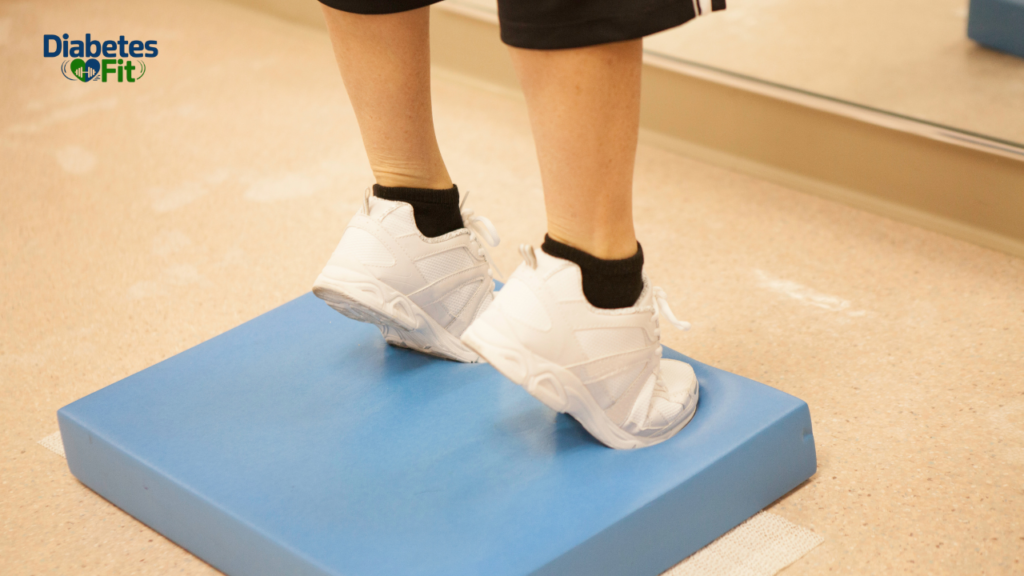
    Stand with feet hip-width apart and slowly rise onto your toes, then lower back down. This targets your calf muscles and can be done while waiting for coffee to brew, standing in line, or during any brief pause in your day. The simplicity makes it easy to repeat multiple times throughout the day.

    Desk or Counter Push-Offs

    60-Second Exercise to Lower Blood Sugar

    Place your hands on a desk or kitchen counter, step back so your body forms an angle, and perform push-ups against the elevated surface. This variation is easier than floor push-ups but still effectively engages multiple muscle groups to absorb blood glucose.

    When to Perform These Exercises

    Timing matters when using exercise to manage blood sugar. The most effective times to perform your 60-second exercises are:

    After Meals: Blood sugar typically peaks 30 to 90 minutes after eating. Performing a quick exercise session during this window can blunt the glucose spike significantly. Many people find that a 60-second exercise routine immediately after finishing a meal becomes a helpful habit.

    Mid-Morning and Mid-Afternoon: These times often coincide with energy dips and potential blood sugar fluctuations. A quick exercise burst can stabilize levels and provide an energy boost without reaching for sugary snacks.

    Before Bed: A brief exercise session before sleep can help prevent the dawn phenomenon, where blood sugar rises in early morning hours due to hormonal changes.

    Creating Your Daily Routine

    The key to success with 60-second exercises is consistency and frequency. Rather than viewing exercise as a single daily event, think of it as multiple opportunities scattered throughout your day.

    60-Second Exercise to Lower Blood Sugar

    Start by identifying natural triggers in your routine. Perhaps you do calf raises every time you wash your hands, wall push-ups during commercial breaks, or chair squats while waiting for your computer to boot up. By anchoring these exercises to existing habits, you’re more likely to maintain the practice long-term.

    Consider setting gentle reminders on your phone for the first few weeks. Aim for at least five to six 60-second exercise sessions throughout the day. This totals just five to six minutes of exercise but provides cumulative benefits that rival longer workout sessions.

    Important Considerations and Safety Tips

    60-Second Exercise to Lower Blood Sugar

    Before beginning any 60 second exercise to lower blood sugar program, consult your healthcare provider, especially if you have diabetes, heart disease, or other medical conditions. Your doctor can help you understand how exercise might interact with your medications.

    If you take insulin or certain diabetes medications, be aware that a 60 second exercise to lower blood sugar can significantly reduce glucose levels, potentially causing hypoglycemia. Monitor closely when starting and keep fast-acting carbohydrates nearby.

    Start gently if you’re new to exercise. Your first 60 second exercise to lower blood sugar doesn’t need to be performed at maximum intensity. Begin with comfortable movements and gradually increase pace and effort as your fitness improves.

    Measuring Your Success

    To truly understand the impact of these 60-second exercises, track your blood sugar levels before and after implementing this routine. Many people notice improvements within days, though individual results vary based on factors like current fitness level, diet, medication, and overall health status.

    60-Second Exercise to Lower Blood Sugar

    Keep a simple log noting when you exercise and your blood sugar readings. This information becomes valuable for identifying patterns and optimizing your routine. You might discover that certain exercises or specific timing works better for your unique physiology.

    Conclusion

    The 60-second exercise approach to lowering blood sugar naturally represents a practical, accessible solution for anyone looking to improve their metabolic health. By breaking free from the notion that exercise requires lengthy gym sessions, you can harness the power of brief, frequent movement throughout your day.

    These simple exercises work because they activate your body’s natural glucose-regulating mechanisms, helping muscles absorb sugar from your bloodstream efficiently. Combined with proper nutrition, adequate sleep, and stress management, this approach can contribute significantly to better blood sugar control and overall wellness.

    Remember, consistency trumps intensity when it comes to these brief exercises. The person who performs six 60-second exercises daily will likely see better results than someone who occasionally completes a longer workout. Start today with just one 60-second exercise, and gradually build from there. Your blood sugar levels – and your overall health – will thank you for it.

    Frequently Asked Questions

    How quickly will I see results in my blood sugar levels?

    Most people notice immediate effects within 30 to 90 minutes after performing these 60-second exercises, especially when done after meals. You might see a reduction of 10 to 30 points in your blood sugar reading compared to not exercising at all. However, the long-term benefits become more pronounced with consistent practice over weeks. After 2 to 4 weeks of regularly performing these exercises throughout the day, many individuals report more stable overall blood sugar levels, reduced post-meal spikes, and better fasting glucose readings. Keep in mind that individual results vary based on factors like current fitness level, diet, medication, and the severity of insulin resistance. For the most accurate picture of your progress, test your blood sugar before and after exercises, and track patterns over time rather than focusing on single readings.
    Can I do these exercises if I have mobility issues or joint pain?

    Absolutely. One of the greatest advantages of 60-second exercises is their adaptability to various fitness levels and physical limitations. If you have knee problems, skip the squats and high knees, focusing instead on upper body movements like wall push-ups or seated arm exercises. For those with limited mobility, even seated exercises can be effective—try seated marches where you lift your knees while sitting, or arm circles and shoulder movements. The key is engaging your muscles, not the specific exercise itself. Chair-based exercises, resistance band movements, and gentle range-of-motion activities all help muscles absorb glucose from the bloodstream. If you’re dealing with arthritis or chronic pain, start very gently and consider performing exercises in warm water if you have access to a pool. Always listen to your body and stop if you experience sharp pain. Consulting with a physical therapist can help you identify safe, effective movements tailored to your specific limitations.

    Should I still do these exercises if I’m already taking diabetes medication?

    Yes, but with important precautions. Exercise works synergistically with diabetes medications, which means combining them can be very effective for blood sugar control—but it also means your levels might drop more than expected. If you take insulin or medications like sulfonylureas that can cause hypoglycemia, monitor your blood sugar closely when starting this routine. You may need to adjust your medication dosages as your body becomes more efficient at using glucose, so work closely with your healthcare provider during this transition. Check your blood sugar before exercising, especially in the beginning, and keep fast-acting carbohydrates like glucose tablets or juice nearby in case of low blood sugar. Many people find that regular exercise allows them to reduce medication over time under medical supervision, but never adjust your medications without consulting your doctor first. The good news is that these brief exercises are generally safer than prolonged intense workouts because they’re less likely to cause dramatic blood sugar drops, making them an excellent option for people on medication.

  • Sleepiness After Eating: Could High Blood Sugar Make You Tired?

    Sleepiness After Eating: Could High Blood Sugar Make You Tired?

    Do you often wonder why you feel sluggish after eating certain foods or feel sleepy all of the time? Believe it or not, your blood sugar may be to blame.

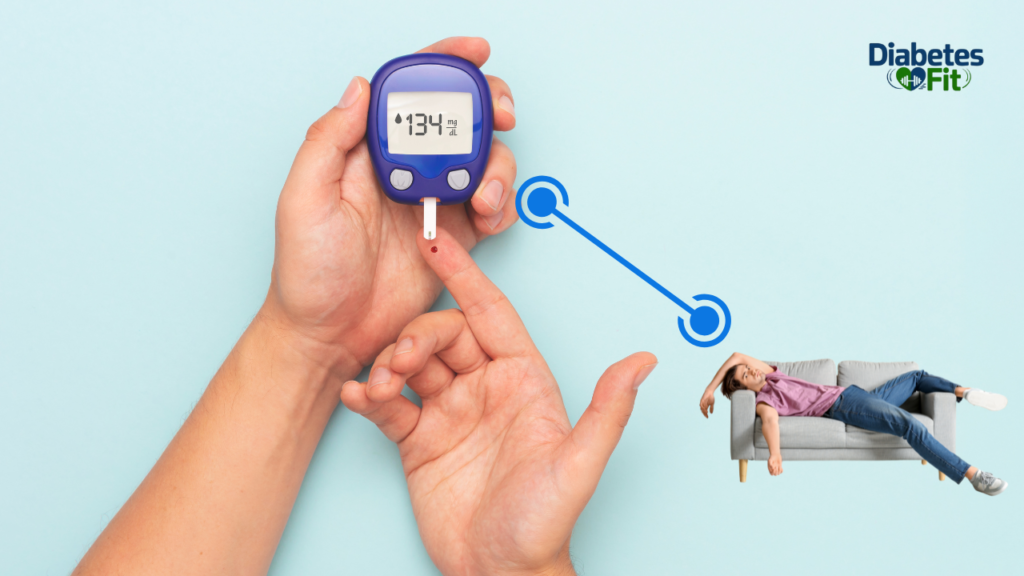
    Blood sugar can certainly make you tired if it’s high. In fact, fatigue may be one of the few signals your body gives you that something isn’t right.

    If you’ve been struggling with unusual fatigue lately, your body might be trying to tell you that your blood sugar is too high.

    But before you go racing to the doctor’s office, know that high blood sugar can have other subtle symptoms you might be ignoring, too.

    Constant Fatigue: A Common Symptom of High Blood Sugar 

    High Blood Sugar Make You Sleepy

    You know how tired you feel after eating a huge Thanksgiving dinner. Now imagine feeling that way every day! 

    Diabetes is a serious health condition that affects many Americans, but high blood sugar doesn’t have to equal a diabetes diagnosis.

    Fatigue is just one of many symptoms of high blood sugar that people tend to ignore. Constant tiredness and sleepiness are sure signs that your blood sugar may be too high.

    While blood sugar symptoms like frequent urination and increased thirst get most of the attention, many people don’t realize that excessive tiredness could be signaling high blood sugar.

    You might wonder how blood sugar could make you tired.

    Why Blood Sugar Makes You Feel Tired and Fatigued

    Believe it or not, blood sugar can definitely make you tired. When your blood sugar spikes, your body goes through a series of events that make you want to crawl into bed and take a nap.

    How does this happen? 

    Normally, when you eat food, your body breaks it down into glucose, which is your body’s main source of energy. Every cell in your body needs glucose to function properly.

    However, when you have high blood sugar, it means there is too much glucose in your bloodstream.

    But your cells are still being deprived of energy because the glucose is unable to enter them.

    The reason glucose can’t get into your cells is either because there is not enough insulin available or your cells are resistant to insulin.

    Insulin is what allows glucose to enter your cells and provide you with energy.

    When there isn’t enough insulin to send glucose to your cells, or your cells are resistant to insulin, you’re left feeling tired and drained.

    How Blood Sugar Causes You to Feel Fatigued

    You might be familiar with reactive hypoglycemia. When you eat foods that cause your blood sugar to spike (aka sugar), you might suddenly feel tired and weak.

    When your blood sugar stays high for long periods of time, several things happen in your body.

    When you have high blood sugar, your kidneys have to work overtime to filter all of the excess glucose from your blood.

    They do this by pulling extra water from your tissues, which then flushes out sugar through urination.

    This makes you dehydrated, which causes fatigue. You may find yourself feeling very thirsty even if you are drinking plenty of water.

    Your body is trying to trap all of the water it can to dilute your high blood sugar levels.
    Not only will being dehydrated leave you feeling tired, but high blood sugar causes inflammation throughout your body.

    Inflammation itself taxes your energy levels as your body works to heal itself.

    Warning Signs and Symptoms You Shouldn’t Ignore 

    Sleepiness and fatigue aren’t necessarily reasons to run to your doctor for a blood sugar test.

    However, if you’re experiencing tiredness along with some of the following symptoms, you may have high blood sugar.

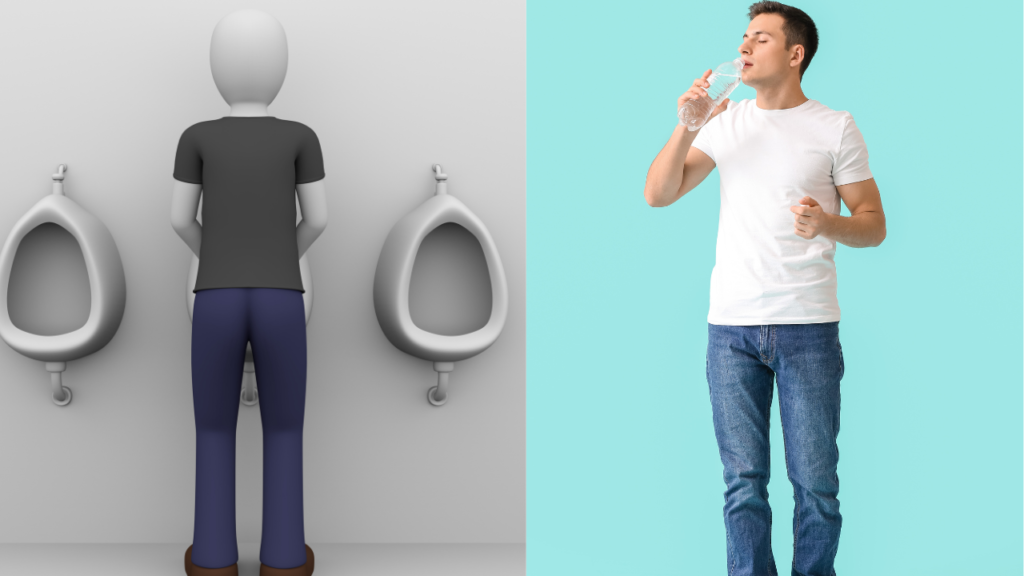
    Extreme thirst and frequent urination 

    Does High Blood Sugar Make You Sleepy

    If you’re drinking water every few minutes but still find yourself thirsty and running to the bathroom all day and night, you may have high blood sugar.

    Blurry vision

    Have you noticed your vision is blurry throughout the day? High blood sugar can cause fluid to build up in your eyes, causing the lens to swell.

    You may notice your vision is blurry throughout the day or seems to change when you’re experiencing high blood sugar levels.
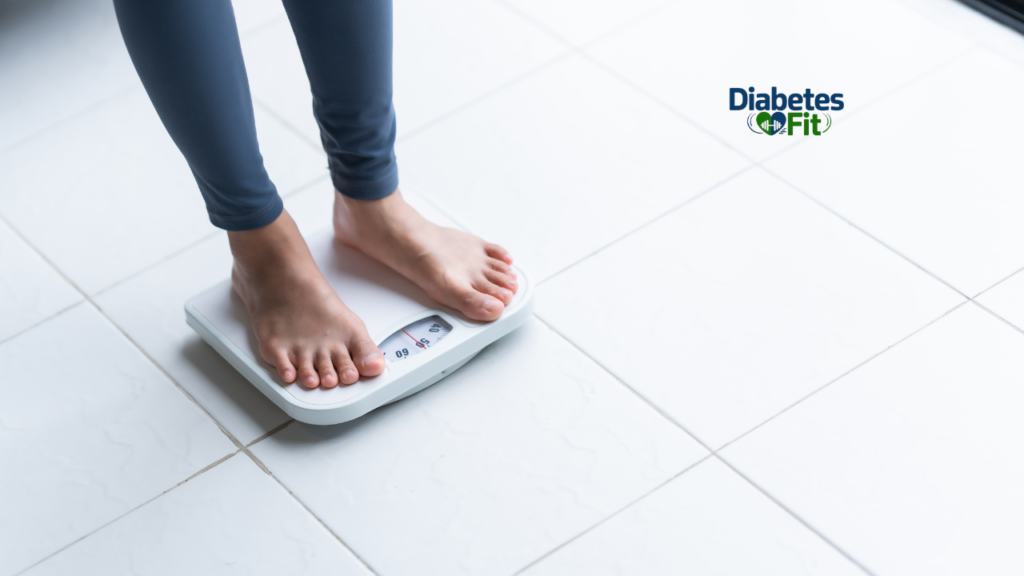
    Unexplained Weight Loss

    Does High Blood Sugar Make You Sleepy

    Many people dream of losing weight, but you shouldn’t expect to drop pounds if your eating habits haven’t changed.

    If your blood sugar is high, your body is not able to utilize glucose properly.

    Instead of burning glucose for energy, your body will burn fat and muscle tissue, which causes weight loss.

    Slow-healing wounds 

    Does High Blood Sugar Make You Sleepy

    Do you find that cuts and bruises take forever to heal? High blood sugar levels cause poor circulation and a weakened immune system.

    You may notice even small cuts take a long time to heal or become irritated.

    Constant hunger

    Did you just eat and already feel hungry again? If your cells aren’t receiving glucose, you’ll feel hungry even if you just ate a large meal.

    Types of Blood Sugar-Related Fatigue 

    Sometimes you might feel extremely tired after eating. This is called reactive hypoglycemia. 

    You may experience reactive hypoglycemia if you eat foods that send your blood sugar through the roof.

    Although this type of fatigue goes away after a while, it still may leave you feeling exhausted.

    Other times you may feel tired all of the time. You wake up tired, go to bed tired, and never feel rested.

    If you experience this type of ongoing fatigue, it could be because your blood sugar has been high for too long.

    Who is At Risk for High Blood Sugar Symptoms?

    Does High Blood Sugar Make You Sleepy

    While many people struggle with high blood sugar, you’re at a greater risk if you’re overweight, sedentary, have a family history of diabetes, are over the age of 45, or have conditions such as polycystic ovary syndrome.

    In addition, African Americans, Hispanic/Latino Americans, Native Americans, and Asian Americans are at a higher risk for diabetes and prediabetes.

    Treating Blood Sugar Symptoms and Fatigue 

    If you experience excessive thirst, fatigue, frequent urination, sudden weight loss, or any of the other symptoms mentioned above, you should see your doctor to get checked out.

    Your doctor can order a fasting blood glucose test, an A1C test, and a prediabetes/diabetes screening to see if your blood sugar is indeed too high.

    In the meantime, you can help stabilize your blood sugar by eating balanced meals that include protein, fat, and fiber instead of just refined carbohydrates.

    Exercise after meals can help as well. Something as simple as a 15-minute walk can help your body burn off excess glucose.

    Drinking water, instead of sugary drinks and juices, will also help. Practice good stress management techniques and aim to get seven to nine hours of sleep every night.

    Conclusion

    High blood sugar can make you sleepy, cranky, and tired of feeling tired all of the time.

    But excess fatigue rarely occurs without other symptoms telling you that something isn’t right.

    If you experience extreme tiredness along with excessive thirst, blurry vision, frequent urination, sudden weight loss, constant hunger, and slow-healing wounds, pay attention.

    These could be signs that your blood sugar is too high and you should see your doctor as soon as possible.

    High blood sugar doesn’t have to kill your energy and make you tired all of the time.

    With proper medical treatment, lifestyle changes, and monitoring, most people can control their blood sugar levels.

    Don’t settle for feeling tired all of the time. It’s not normal and definitely isn’t something you just have to deal with!

    Frequently Asked Questions

    How long after drinking sugar will I feel tired?

    Symptoms of high blood sugar can occur within minutes to hours after consuming sugar, depending on how sensitive you are to changes in your blood sugar.

    Will drinking lots of water lower my blood sugar?

    Drinking water can help your kidneys flush out excess glucose and prevent dehydration; however, it will not directly lower your blood sugar.

    Should I take a nap if I feel tired after eating?

    If you only feel tired after eating certain foods or you experience reactive hypoglycemia, taking a nap is okay.

    If you feel tired after every meal or you experience extreme fatigue throughout the day, try to avoid napping. Go for a walk or do something that gets you moving.

    Can stress cause high blood sugar and fatigue?

    Yes! Stress can cause your body to release cortisol and adrenaline, which can raise your blood sugar levels.

    Can high blood sugar cause headaches? 

    Yes, when your blood sugar is high, it can cause headaches as well as migraines.

    How long will it take to start feeling better once my blood sugar comes down?

    Some people start to feel better in a matter of days while others take a few weeks. If you’ve had high blood sugar for years, it can take months for you to feel normal again.