< Diet plan -

Category: Diet plan

  • Does Sucralose Raise Blood Sugar? Truth Every Diabetic Must Know (2026 Guide)

    Does Sucralose Raise Blood Sugar? Truth Every Diabetic Must Know (2026 Guide)

    Does sucralose raise blood sugar? This is one of the most common questions people with diabetes ask when they’re looking for sugar alternatives.

     If you’re managing diabetes, you want to enjoy sweet foods without worrying about dangerous blood sugar spikes. The answer to this question isn’t as straightforward as you might think, and understanding the truth could make a real difference in your health.

    In this guide, we’ll explore everything you need to know about sucralose and blood sugar. We’ll look at what science tells us, how your body processes this artificial sweetener, and whether it’s truly safe for diabetics. Let’s dive into the facts so you can make informed choices about your diet.

    Many everyday foods can unexpectedly raise glucose levels. Check out these foods that secretly spike blood sugar to stay better informed.

    What Is Sucralose and How Does It Work in the Body?

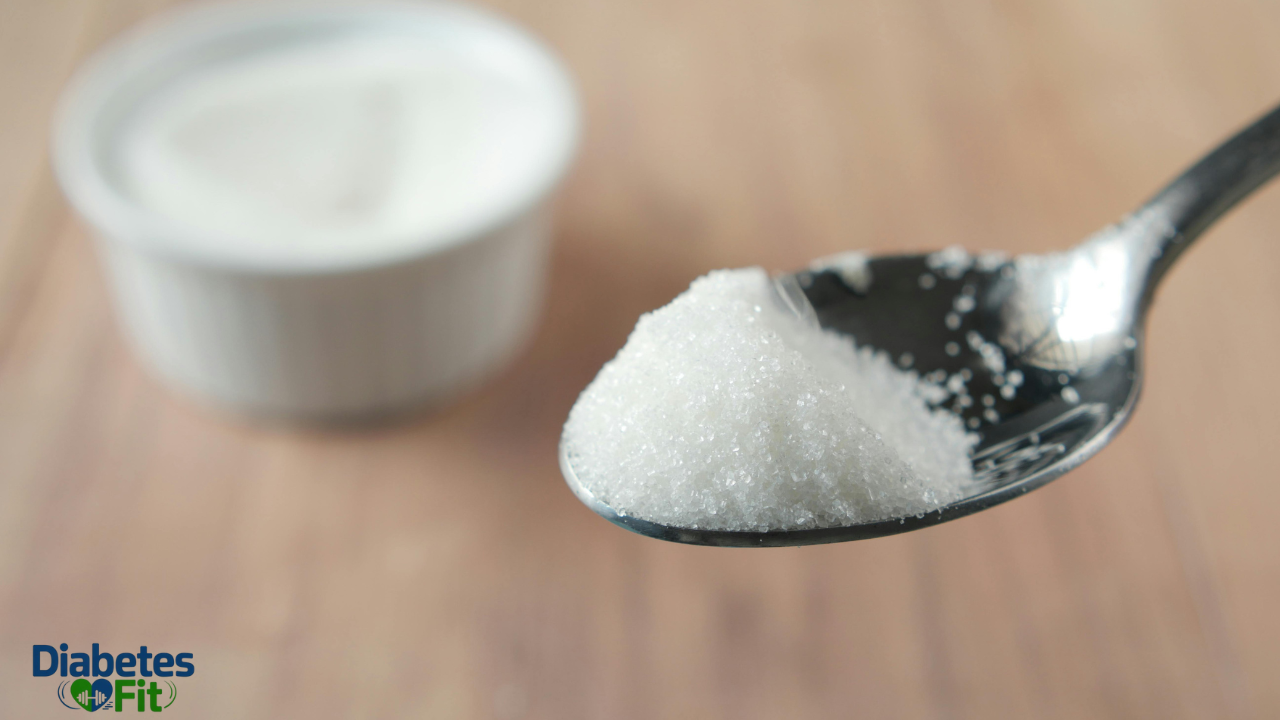
    Sucralose is an artificial sweetener that’s incredibly popular around the world. You probably know it by its brand name, Splenda. It’s about 600 times sweeter than regular table sugar, which means you need only a tiny amount to get that sweet taste.

    Scientists make sucralose by modifying regular sugar molecules. They replace three specific parts of the sugar molecule with chlorine atoms. This chemical change makes sucralose taste sweet, but your body can’t break it down the way it breaks down regular sugar.

    When you eat or drink something with sucralose, it travels through your digestive system mostly unchanged. About 85% of the sucralose you consume passes straight through your body without being absorbed. The small amount that does get absorbed doesn’t get broken down for energy. Instead, your body eliminates it through urine within 24 hours.

    This is why sucralose has zero calories. Your body doesn’t recognize it as food and doesn’t use it for fuel. In theory, this means it shouldn’t affect your blood sugar levels at all. But as we’ll see, the real story is more complicated.

    You’ll find sucralose in thousands of products today. It’s in diet sodas, sugar-free puddings, protein shakes, yogurt, chewing gum, and even some medicines. Many diabetics choose it because they think it’s a safe way to enjoy sweetness without the carbs.

    Does Sucralose Raise Blood Sugar Levels in Diabetics?

    Here’s where we get to the heart of the matter. Does sucralose raise blood sugar in people with diabetes?

    Most research shows that pure sucralose by itself doesn’t directly raise blood sugar levels. Since your body doesn’t break it down into glucose, it shouldn’t spike your blood sugar the way regular sugar does.
    Does Sucralose Raise Blood Sugar?

    However, there’s an important catch. When you buy Splenda at the grocery store, you’re not getting pure sucralose. The product contains bulking agents called dextrose and maltodextrin. These ingredients help the sweetener pour and measure like regular sugar, but they’re actually forms of sugar themselves.

    Dextrose is pure glucose, and maltodextrin breaks down into glucose very quickly in your body. Both have a high glycemic index, meaning they can raise blood sugar fast. Each packet of Splenda contains about 0.9 grams of carbohydrates from these fillers.

    If you use one packet in your coffee, this probably won’t cause a noticeable spike. But if you’re using several packets throughout the day, or measuring out tablespoons for baking, those carbs add up quickly. This is especially important for diabetics who count every carb carefully.

    Some people with diabetes report seeing small increases in their blood sugar after using products with sucralose. Others notice no change at all. Your individual response depends on several factors, including how sensitive you are to insulin, what else you’re eating, and the state of your gut health.

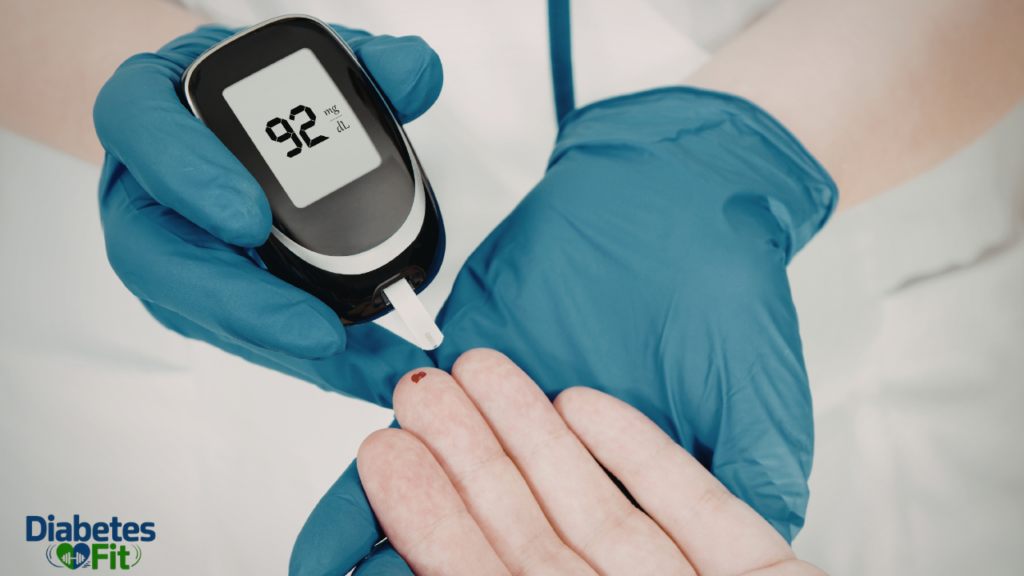
    The best way to know how sucralose affects you personally is to test your blood sugar before and after consuming it. Use your glucose meter to check at 30 minutes, one hour, and two hours after eating or drinking something with sucralose. Do this several times to see if there’s a pattern.

    Can Sucralose Spike Insulin Without Raising Blood Sugar?

    This is where things get really interesting. Even if sucralose doesn’t raise your blood sugar directly, it might still affect your insulin levels.

    Your body is incredibly smart. When you taste something sweet, your brain sends signals to your pancreas to get ready for incoming sugar. This is called the cephalic phase insulin response. Your body releases a small amount of insulin in anticipation of the glucose it thinks is coming.

    Several studies have found that artificial sweeteners, including sucralose, can trigger this insulin response in some people. Your taste buds sense sweetness, your brain prepares for sugar, and your pancreas releases insulin, even though no actual sugar is arriving.

    For healthy people without diabetes, this small insulin release usually isn’t a problem. But for people with diabetes, especially those with insulin resistance, it could potentially cause issues. If your body releases insulin when there’s no glucose to process, your blood sugar might actually drop too low, causing hypoglycemia.

    Research on this topic shows mixed results. Some studies find a clear insulin response to sucralose, while others don’t. The difference might depend on individual factors like your gut bacteria composition, your metabolic health, and how much sucralose you consume.

    There’s also evidence that regular consumption of artificial sweeteners might make your body less sensitive to insulin over time. When you constantly expose your body to sweet tastes without actual calories, it might start ignoring the signals. This could lead to higher blood sugar levels and worse diabetes control in the long run.

    What Do Scientific Studies Say About Sucralose and Blood Sugar?

    Let’s look at what the research actually tells us about sucralose and blood sugar control.

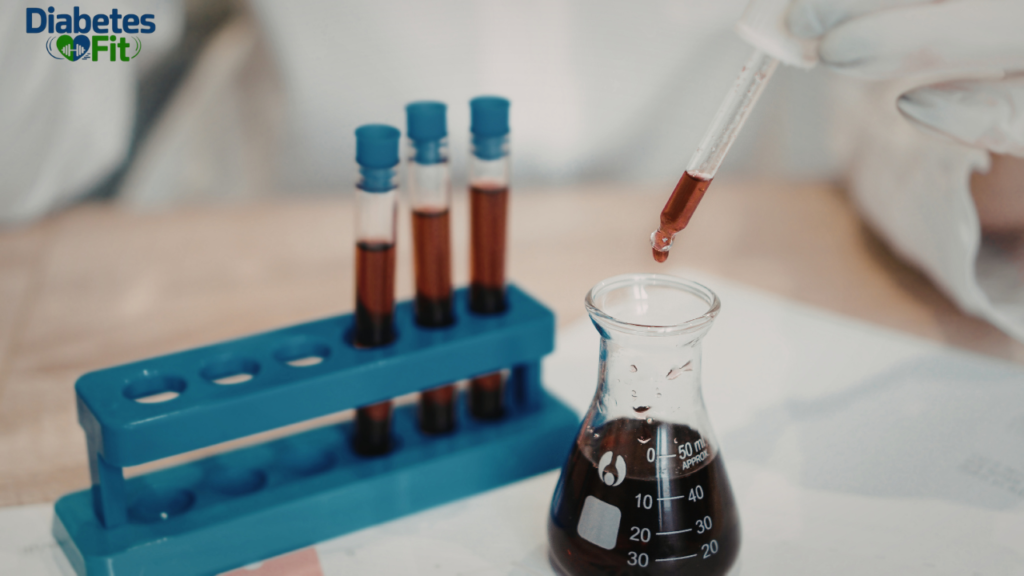
    A major review of studies published in 2024 examined dozens of research papers on artificial sweeteners and diabetes. The review found that most short-term studies show sucralose doesn’t significantly raise blood sugar in healthy people or diabetics. However, longer-term studies paint a more complicated picture.
    Does Sucralose Raise Blood Sugar?

    One important study from 2024 followed people with prediabetes who used sucralose regularly for 10 weeks. Researchers found that sucralose changed the composition of gut bacteria in these participants. These changes were linked to reduced insulin sensitivity and slightly higher blood sugar levels over time.

    Another study published in early 2025 looked specifically at people with type 2 diabetes. When these participants consumed sucralose before eating a meal, they showed a greater blood sugar spike from the meal compared to when they didn’t use sucralose. This suggests that sucralose might affect how your body handles real sugar when it arrives.

    Research from 2023 found that sucralose could interfere with glucose transporters in your intestines. These are the proteins that move glucose from your digestive system into your bloodstream. When sucralose affects these transporters, it might change how your body absorbs and processes carbohydrates.

    It’s important to note that not all studies agree. Some research shows no negative effects from sucralose use, even over several months. The differences between studies might be due to varying doses, different populations tested, or how long the studies lasted.

    What scientists do agree on is that we need more long-term research. Most studies on sucralose last only a few weeks or months. We don’t have good data on what happens when someone uses sucralose every single day for years or decades.

    Is Sucralose Safe for People with Type 2 Diabetes?

    The safety of sucralose for diabetics is a question that depends on how you define “safe.”

    From a regulatory standpoint, sucralose is approved by the FDA, the European Food Safety Authority, and health agencies in over 80 countries. These organizations have reviewed the available research and concluded that sucralose is safe for the general population, including people with diabetes.

    However, “approved as safe” doesn’t necessarily mean “optimal for health.” The approval process focuses mainly on whether something causes immediate harm or toxicity. It doesn’t always capture subtle long-term effects on metabolism or gut health.

    For most people with type 2 diabetes, occasional use of sucralose is unlikely to cause serious problems. Having a diet soda at a restaurant or using a packet of Splenda in your coffee probably won’t derail your diabetes management.

    The concern comes with regular, heavy use. If you’re consuming sucralose multiple times every day in various products, you might experience cumulative effects that single servings wouldn’t cause. These could include changes to your gut bacteria, alterations in how your body responds to insulin, and increased cravings for sweet foods.

    Some diabetes experts recommend caution with all artificial sweeteners, including sucralose. They point out that relying on artificial sweetness doesn’t help you retrain your taste buds to appreciate less sweet foods. It might actually make you crave more sweetness overall, which could lead to overeating or choosing less healthy foods.

    If you have type 2 diabetes and want to use sucralose, here’s what healthcare professionals typically recommend: Use it sparingly, not as your primary sweetening strategy. Monitor your blood sugar carefully to see how your body responds. Pay attention to the rest of your diet, not just the sweetener. And work with your doctor or dietitian to create a comprehensive plan for blood sugar control.

    Does Sucralose Affect Gut Health and Glucose Metabolism?

    Your gut is home to trillions of bacteria that play a huge role in your overall health, including blood sugar control. Recent research shows that sucralose can significantly affect these important microorganisms.

    Studies from 2024 and 2025 have found that sucralose changes the composition of gut bacteria in both animals and humans. It can reduce the diversity of bacterial species in your gut and decrease the number of beneficial bacteria. These changes happen even at doses that regulatory agencies consider safe.

    Why does this matter for blood sugar? Your gut bacteria help process the food you eat and affect how your body responds to insulin. When sucralose disrupts your gut bacteria, it can make your body less effective at controlling blood sugar.

    Research shows that people with healthier, more diverse gut bacteria tend to have better blood sugar control. They’re also less likely to develop type 2 diabetes in the first place. When artificial sweeteners harm gut bacteria, they might indirectly worsen blood sugar control, even if they don’t raise glucose directly.

    Some studies have found that sucralose can make the intestinal lining more permeable. This is sometimes called “leaky gut.” When your intestinal barrier becomes more permeable, it allows substances that should stay in your digestive system to pass into your bloodstream. This can trigger inflammation and insulin resistance, both of which make blood sugar harder to control.

    Interestingly, the effects of sucralose on gut bacteria seem to vary from person to person. Some people’s gut bacteria are more sensitive to artificial sweeteners than others. This might explain why some diabetics see blood sugar changes with sucralose while others don’t.

    The good news is that these effects might be reversible. When people stop consuming sucralose, their gut bacteria can gradually recover. However, this recovery takes time, sometimes several weeks or months.

    Sucralose vs Sugar: Which Is Better for Blood Sugar Control?

    When it comes to managing blood sugar, how does sucralose compare to regular sugar?

    Regular sugar (sucrose) definitely raises blood sugar. It breaks down quickly into glucose and fructose, both of which enter your bloodstream and increase blood sugar levels. For diabetics, sugar is something to limit and count carefully.

    Sucralose, in its pure form, doesn’t raise blood sugar the same way. It provides sweetness without the immediate glucose spike. From this perspective, sucralose seems like the clear winner for blood sugar control.

    However, the comparison isn’t that simple. While sugar’s effects on blood sugar are immediate and obvious, sucralose’s effects might be more subtle and long-term. Sugar raises your blood sugar right away, but you can see it happening and take action. Sucralose’s potential effects on insulin sensitivity and gut health might sneak up on you over time.

    There’s also the question of quantity. A small amount of real sugar in your diet, especially from whole foods like fruit, comes packaged with fibre, vitamins, and minerals. These nutrients help slow down sugar absorption and provide real health benefits. Sucralose provides only sweetness with no nutritional value at all.

    Some diabetes experts suggest that occasionally having a small amount of real sugar might be better than relying heavily on artificial sweeteners. The key is moderation and context. A piece of fruit with natural sugar is very different from a candy bar.

    For blood sugar control, the best approach is probably to reduce your overall desire for intense sweetness, whether from sugar or artificial sweeteners. Train your taste buds to appreciate less sweet foods. Enjoy naturally sweet foods like berries in moderation. Save both sugar and artificial sweeteners for occasional treats rather than daily staples.

    Possible Side Effects of Sucralose You Should Know

    Beyond blood sugar concerns, sucralose can cause other side effects that diabetics should know about.

    Digestive issues are among the most common complaints. Some people experience bloating, gas, diarrhea, or stomach cramps after consuming sucralose. These symptoms might be related to how sucralose affects gut bacteria or to the bulking agents in commercial products.

    Headaches and migraines have been reported by some sucralose users. While not everyone experiences this, people who are sensitive to artificial sweeteners might find that sucralose triggers headaches.

    Some research suggests that sucralose might affect your body’s ability to regulate blood sugar over time, even if it doesn’t cause immediate spikes. This could potentially worsen insulin resistance with long-term use.

    There’s also concern about how sucralose behaves when heated. Some studies have found that cooking or baking with sucralose at high temperatures might create harmful compounds. While more research is needed, it’s something to consider if you’re using sucralose in recipes.

    Allergic reactions to sucralose are rare but possible. Symptoms might include skin rash, itching, swelling, or difficulty breathing. If you experience these symptoms after consuming sucralose, stop using it and talk to your doctor.

    Weight management is another consideration. Some studies have found that people who regularly use artificial sweeteners don’t lose weight and might even gain weight over time. This could be because artificial sweeteners increase cravings for sweet foods or interfere with your body’s natural ability to regulate calorie intake.

    How Much Sucralose Is Safe to Consume Daily?

    The FDA has established an Acceptable Daily Intake (ADI) for sucralose of 5 milligrams per kilogram of body weight. For a person weighing 150 pounds (about 68 kilograms), this works out to about 340 milligrams per day.

    To put this in perspective, one packet of Splenda contains about 12 milligrams of sucralose. This means a 150-pound person could theoretically have about 28 packets per day and still be within the FDA’s safe limit.

    However, just because something is “acceptable” doesn’t mean it’s optimal, especially for people with diabetes. Many health experts recommend consuming much less than the maximum allowable amount.

    It’s also important to remember that sucralose is in many processed foods beyond what you add yourself. If you drink diet soda, eat sugar-free desserts, use protein powders, and add Splenda to your coffee, you could be consuming more sucralose than you realize.

    For diabetics, a more conservative approach might be better. Instead of maximizing your sucralose intake up to the FDA limit, consider using it occasionally and sparingly. This gives you the benefits of sweetness when you really want it without the potential risks of heavy, daily consumption.

    Pay attention to how your body responds. If you notice any digestive issues, headaches, or changes in your blood sugar patterns that seem related to sucralose, reduce your intake or stop using it altogether.

    Best Natural Sweetener Alternatives for Stable Blood Sugar
    Does Sucralose Raise Blood Sugar?

    If you’re concerned about sucralose and looking for alternatives, several natural sweeteners might be better choices for blood sugar control.

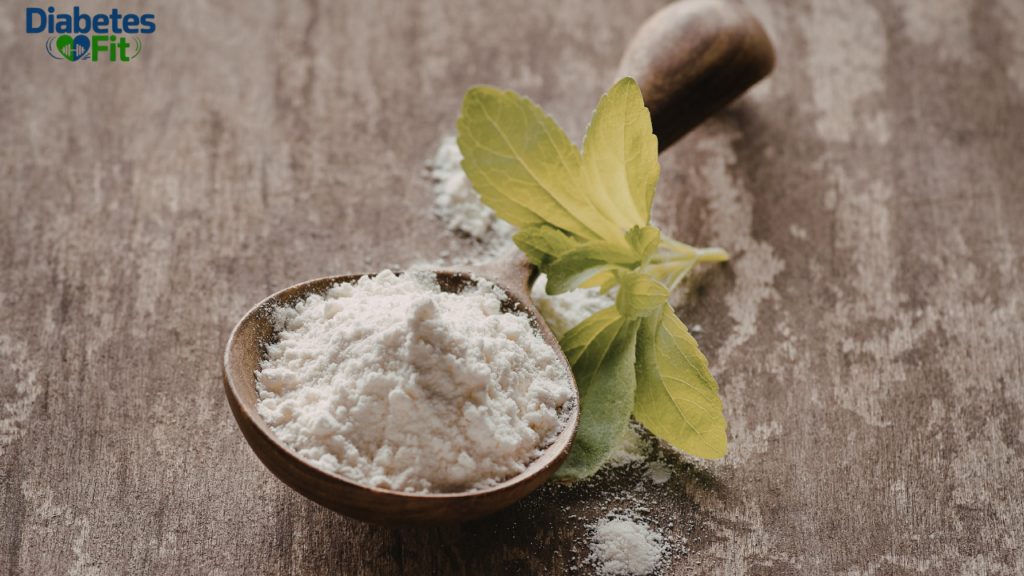
    Stevia comes from the leaves of the stevia plant. It’s much sweeter than sugar but contains no calories or carbs. Most studies show that stevia doesn’t raise blood sugar or insulin levels. Some research even suggests it might have beneficial effects on blood sugar control. The main downside is that some people don’t like its slightly bitter aftertaste.

    Monk fruit sweetener comes from a small melon grown in Asia. Like stevia, it’s very sweet but has no calories or carbs. Early research suggests it doesn’t negatively affect blood sugar and might even have antioxidant benefits. It has a taste that’s more similar to regular sugar than stevia, which many people prefer.

    Allulose is a rare sugar that occurs naturally in small amounts in some fruits. It tastes almost exactly like regular sugar but has minimal impact on blood sugar or insulin. Your body doesn’t absorb most of the allulose you eat. Studies show it’s well-tolerated and might even help with blood sugar control. The main downside is that it can be expensive.

    Erythritol is a sugar alcohol that occurs naturally in some fruits. It has about 70% of the sweetness of sugar but only 6% of the calories. Most importantly, it doesn’t raise blood sugar or insulin levels. Unlike other sugar alcohols, erythritol doesn’t usually cause digestive issues because your body absorbs it before it reaches your colon.

    Each of these alternatives has pros and cons. The best choice depends on your taste preferences, how you plan to use it, and how your body responds. Many people find that combining sweeteners gives the best taste while minimizing any aftertaste or side effects.

    Conclusion

    So, does sucralose raise blood sugar? The answer is nuanced. Pure sucralose doesn’t directly spike blood sugar the way regular sugar does. However, commercial products containing sucralose often include bulking agents that can affect glucose levels. More importantly, emerging research suggests that sucralose might impact blood sugar control indirectly through effects on gut bacteria, insulin sensitivity, and glucose metabolism.

    For people with diabetes, the decision to use sucralose should be personal and informed. Occasional use is unlikely to cause problems for most people, but relying on it heavily might not be the best strategy for long-term blood sugar control. Testing your individual response and considering natural alternatives like stevia or monk fruit might give you better results.

    Remember that no sweetener, artificial or natural, is a magic solution for diabetes management. The foundation of good blood sugar control remains a balanced diet rich in whole foods, regular physical activity, stress management, and working closely with your healthcare team. Sweeteners of any kind should be just a small part of your overall strategy, not the main focus.

    FAQs

    Does sucralose break a fast or affect ketosis?

    Pure sucralose shouldn’t break a fast or kick you out of ketosis since it contains no calories or carbs. However, commercial products like Splenda contain small amounts of dextrose and maltodextrin that add about 1 gram of carbs per packet. If you’re doing strict fasting or maintaining ketosis, these carbs can add up if you use multiple packets. Liquid sucralose without bulking agents is a better choice for fasting or keto. Some people also report that the sweet taste of sucralose triggers hunger or cravings during fasting, even without raising blood sugar, so individual response varies.

    Can sucralose cause weight gain in diabetics?

    Surprisingly, research shows that artificial sweeteners like sucralose don’t consistently help with weight loss and might even contribute to weight gain in some people. This seems contradictory since sucralose has no calories, but several factors might explain it. Sucralose may increase cravings for sweet foods, leading you to eat more overall. It might also interfere with your body’s natural ability to regulate calorie intake based on sweetness. Additionally, if sucralose affects gut bacteria and insulin sensitivity, this could make weight management harder. For diabetics, maintaining a healthy weight is crucial for blood sugar control, so monitor your weight patterns if you use sucralose regularly.

    Is liquid sucralose better than powdered Splenda for blood sugar?

    Yes, liquid sucralose is generally better for blood sugar control than powdered Splenda. Liquid sucralose contains pure sucralose without the bulking agents (dextrose and maltodextrin) found in powdered products. This means it truly has zero carbs and won’t raise blood sugar at all. Powdered Splenda contains about 0.9 grams of carbs per packet from these fillers, which can add up if you use multiple servings. If you want to use sucralose while minimizing any potential blood sugar impact, liquid versions are your best bet. Just remember that even liquid sucralose might still affect insulin response and gut bacteria.

    How long does it take for gut bacteria to recover after stopping sucralose?

    Research suggests that gut bacteria can begin to recover within a few weeks after you stop consuming sucralose, but full recovery might take several months. The exact timeline varies depending on how much sucralose you were consuming, how long you used it, your overall diet, and your individual gut microbiome. To support gut bacteria recovery after stopping sucralose, eat plenty of fibre-rich foods, include fermented foods like yogurt or sauerkraut, and consider a probiotic supplement after discussing it with your doctor. Improving your gut health can help with blood sugar control, so giving your gut bacteria time to recover from artificial sweetener use is worthwhile for long-term diabetes management.

  • 7 Everyday Foods That Secretly Spike Blood Sugar (Most People Ignore)

    7 Everyday Foods That Secretly Spike Blood Sugar (Most People Ignore)

    Think you’re eating healthy? These 7 Everyday Foods That Secretly Spike Blood Sugar Levels Without You Realizing It. You carefully avoid desserts, skip the soda, and choose “healthier” options at the grocery store.

     Yet your energy crashes mid-afternoon, your weight won’t budge, and those sugar cravings keep coming back stronger than ever.

    The truth is, some of the most innocent-looking foods sitting in your kitchen right now are causing your blood glucose to skyrocket. These aren’t obvious culprits like candy bars or ice cream.

     They’re foods that have earned a reputation for being nutritious, wholesome, and even diet-friendly. But behind their healthy facade lies a different story—one that could be sabotaging your health goals without you ever suspecting a thing.

    Here areseven surprising foods that diabetics and health-conscious people should watch out for, along with practical solutions to keep your blood sugar stable throughout the day.

    1. Coffee Beverages That Cause Hidden Sugar Spikes

     Foods That Secretly Spike Blood Sugar

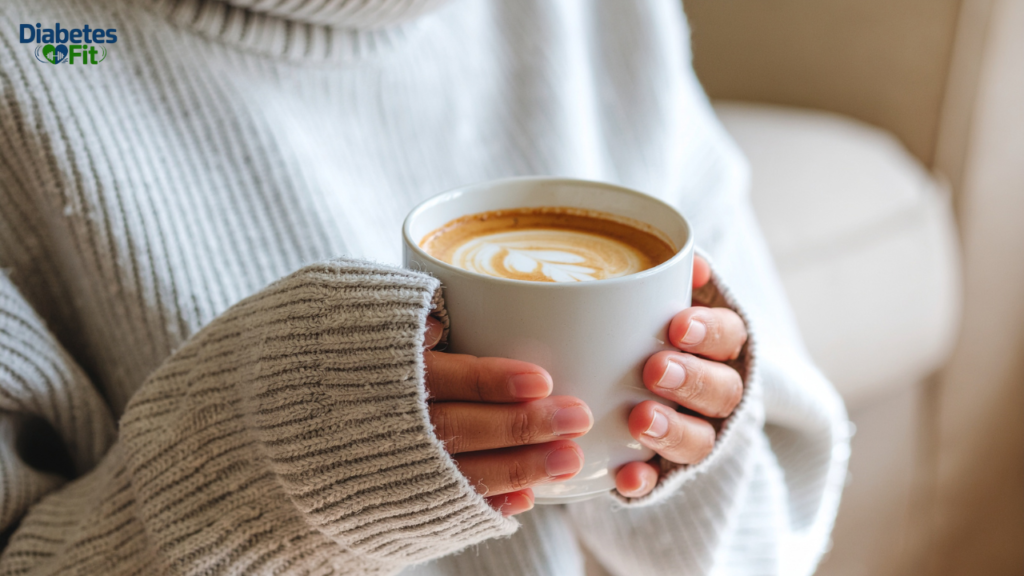
    Your morning coffee ritual might be doing more harm than good. While that familiar aroma brings comfort and the caffeine provides an energy boost, many popular coffee drinks are loaded with hidden sugars that send your glucose levels on a wild ride before you’ve even started your workday.

    Why Black Coffee Is Safe but Flavored Coffee Isn’t

    Plain black coffee actually has minimal impact on blood sugar and may even improve insulin sensitivity over time. The problem starts when we transform this simple beverage into a dessert in disguise. A medium caramel macchiato from a popular coffee chain can contain upwards of 30 grams of sugar—that’s more than a glazed donut. Even those innocent-sounding vanilla lattes pack around 35 grams of sugar in a grande size.

    The flavored syrups, whipped cream, chocolate drizzle, and milk alternatives all contribute to the sugar load. What’s particularly troublesome is how quickly liquid sugar enters your bloodstream compared to solid food. Your body doesn’t register the same fullness signals, so you’re getting a massive glucose spike without any of the satisfaction that comes from actually eating something.

    Pre-made bottled coffee drinks are often even worse offenders. That convenient cold brew from the refrigerated section might seem like a smart choice, but check the label. Many contain 20-40 grams of added sugar per bottle, cleverly marketed as “lightly sweetened” or “naturally flavored.”

    Best Low-Glycemic Coffee Options

    You don’t have to give up your beloved morning coffee. Choose unsweetened black coffee, espresso, or americano as your base. If you need some flavor, add a splash of unsweetened almond milk or heavy cream, which won’t spike your blood sugar. Cinnamon is a fantastic addition that helps regulate blood sugar while providing natural sweetness and warmth.

    For those who can’t handle bitter coffee, use a small amount of stevia or monk fruit sweetener instead of sugar or artificial sweeteners. These natural options don’t trigger the same insulin response. Consider cold brew coffee, which tends to be naturally sweeter and less acidic than hot-brewed coffee, making it easier to enjoy with minimal additions.

    2. Low-Fat Yogurt That Raises Blood Sugar

     Foods That Secretly Spike Blood Sugar

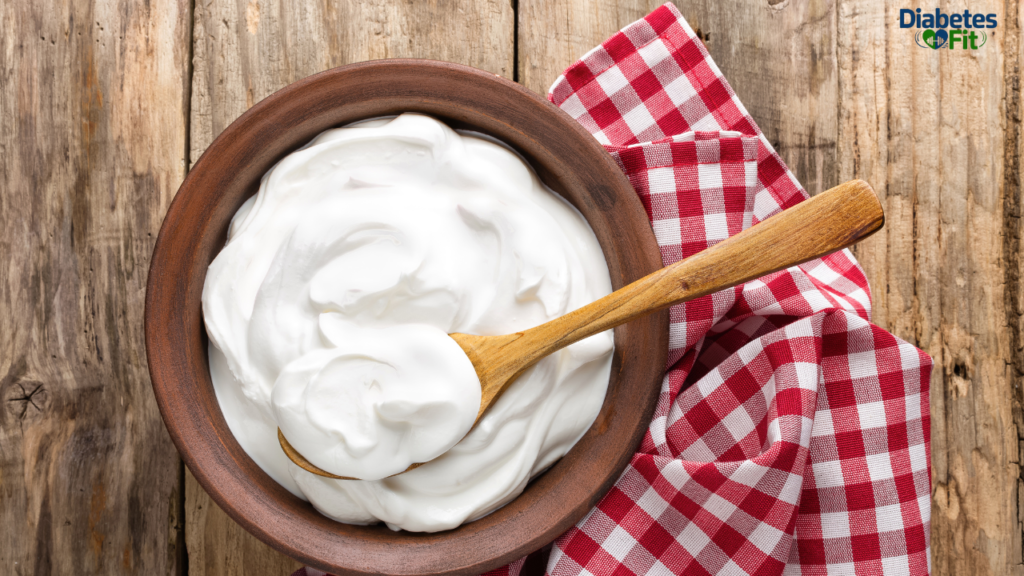
    The low-fat craze of the past few decades did us no favors, especially when it comes to yogurt. Walk down any supermarket dairy aisle, and you’ll find rows upon rows of fat-free and low-fat yogurt options marketed as healthy breakfast choices or snacks. The reality? Most of them are sugar bombs disguised as health food.

    How Fat-Free Yogurt Adds Extra Sugar

    When manufacturers remove fat from yogurt, they remove flavor and texture. To compensate, they add sugar—lots of it. A typical container of fruit-flavored low-fat yogurt contains anywhere from 15 to 30 grams of sugar. That’s comparable to eating several cookies for breakfast.

    The problem goes beyond just the added sugar. Fat serves an important purpose in dairy products: it slows down the absorption of sugar into your bloodstream. When you eat full-fat yogurt, the fat content helps stabilize your blood sugar response. Remove that fat, and the sugar hits your system fast and hard, causing a sharp spike followed by an inevitable crash that leaves you hungry and craving more sugar within an hour or two.

    Even yogurts labeled “fruit on the bottom” or with “real fruit pieces” are problematic. Those fruit additions are typically preserved in heavy syrup, adding even more sugar to an already sweet product. And don’t be fooled by “honey” flavored varieties—honey is still sugar, and it affects your blood glucose just the same.

    Healthier Yogurt Choices for Stable Blood Sugar

    Choose plain, full-fat Greek yogurt or regular yogurt. Yes, full-fat. The fat content will keep you satisfied longer and prevent blood sugar spikes. Greek yogurt also provides more protein than regular yogurt, which further helps stabilize glucose levels.

    If plain yogurt tastes too tart for you, add your own fresh berries, which are lower in sugar than most fruits. A handful of blueberries or sliced strawberries provides natural sweetness plus fiber that slows sugar absorption. Sprinkle in some nuts or seeds for healthy fats and satisfying crunch. A drizzle of vanilla extract or unsweetened cocoa powder can add flavor without adding sugar.

    Look for yogurt brands that contain live active cultures and no added sugars. Some Icelandic-style yogurts and certain European brands prioritize quality and minimal processing over sweetness.

    3. Breakfast Cereals Marketed as “Healthy.”

     Foods That Secretly Spike Blood Sugar

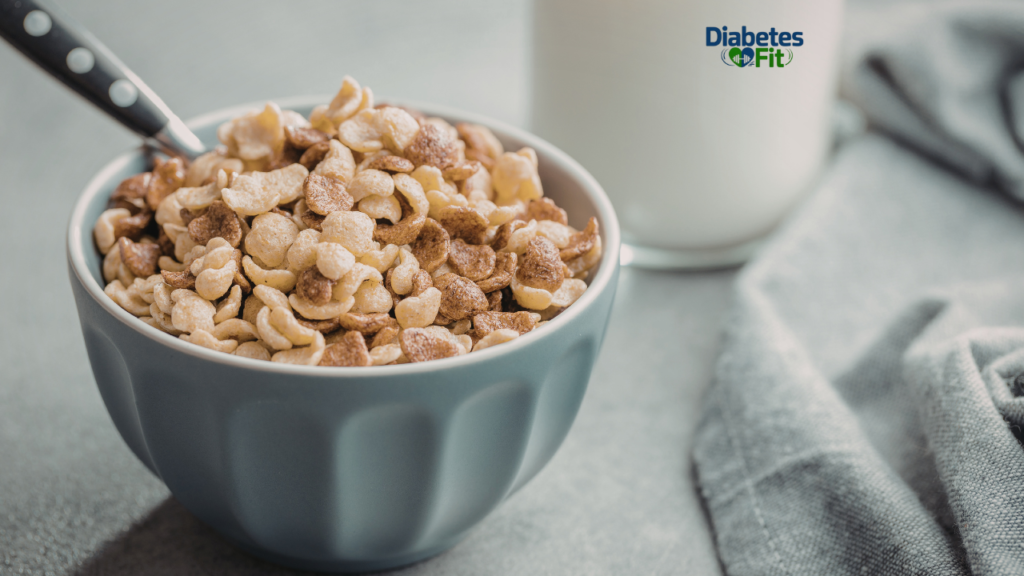
    This is the one most people ignore, and it might be the most damaging item on this entire list. Breakfast cereal has been marketed as a wholesome, convenient way to start your day for generations. The boxes feature wholesome imagery—wheat fields, happy families, promises of fiber and vitamins. But flip that box over and look at the nutrition label. You’ll often find that your “healthy” breakfast choice has more sugar per serving than a bowl of ice cream.

    Why Most Cereals Cause Rapid Glucose Spikes

    Even cereals that seem virtuous—like granola, bran flakes, or multi-grain options—are often heavily processed and contain significant amounts of added sugar. Many popular “healthy” cereals contain 10-15 grams of sugar per serving, and let’s be honest, most people pour themselves far more than the suggested serving size.

    The bigger issue is that most breakfast cereals are made from refined grains stripped of their natural fiber and nutrients, then fortified with synthetic vitamins. Your body breaks down these refined carbohydrates almost as quickly as pure sugar. Even cereals without added sugar can cause blood glucose spikes if they’re made from refined flour.

    Granola deserves special mention because it’s often perceived as a health food. Store-bought granola is typically held together with honey, brown sugar, or maple syrup, making it extremely calorie-dense and sugar-heavy. A small serving can easily contain 12-20 grams of sugar.

    Best Low-Sugar Cereal Alternatives

    If you love cereal, look for options with less than 5 grams of sugar per serving and at least 3-5 grams of fiber. Better yet, choose cereals made from whole grains that haven’t been processed into flour—things like steel-cut oats, puffed quinoa, or unsweetened puffed rice.

    Consider making your own granola at home, where you control the sweetness level. Use nuts, seeds, coconut flakes, and just a touch of natural sweetener. Or try alternatives like chia pudding made with unsweetened almond milk, which you can prepare the night before and top with nuts and berries.

    For a truly blood-sugar-friendly breakfast, consider moving away from traditional cereal altogether. Eggs with vegetables, last night’s dinner leftovers, or a smoothie made with protein powder, spinach, and half an avocado will provide sustained energy without the glucose rollercoaster.

    4. Dried Fruits: Small Size, Big Sugar Impact

     Foods That Secretly Spike Blood Sugar

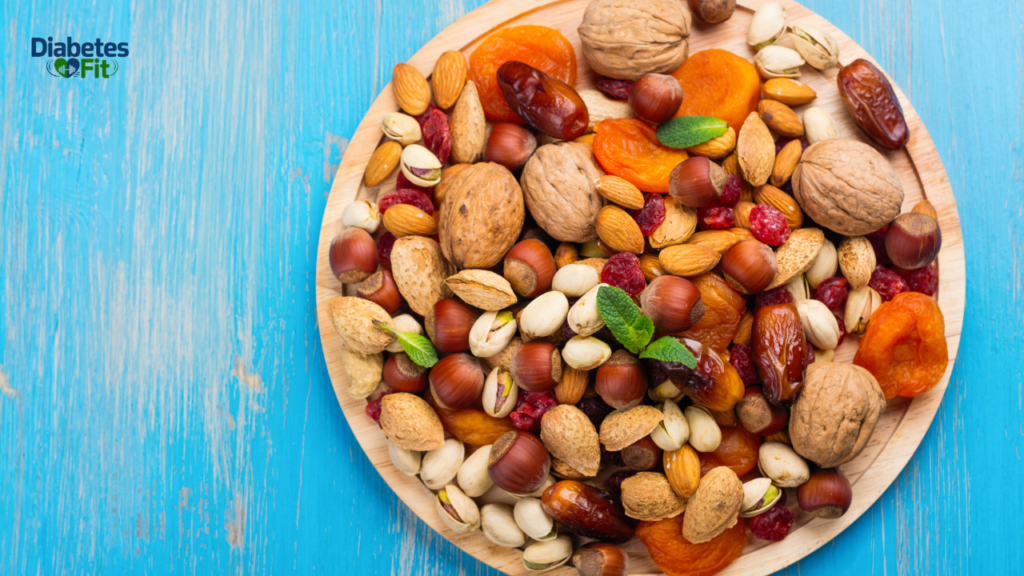
    Dried fruits seem like the perfect healthy snack. They’re natural, portable, and don’t require refrigeration. Parents give them to kids as a nutritious treat. Hikers pack them for quick energy on the trail. But what many people don’t realize is that the drying process concentrates the sugar content dramatically, turning what was once a reasonable portion of fruit into a sugar-dense snack that can spike blood glucose surprisingly fast.

    Why Dried Fruit Spikes Sugar Faster Than Fresh Fruit

    When fruit is dried, the water is removed, but all the natural sugars remain concentrated in a much smaller package. A single cup of grapes contains about 15 grams of sugar. Dry those grapes into raisins, and that same cup now contains around 100 grams of sugar. You’d never sit down and eat four cups of grapes in one sitting, but it’s easy to mindlessly munch through a cup of raisins.

    The removal of water also removes the feeling of fullness you’d get from eating fresh fruit. Fresh fruit has a high water content that contributes to satiety and slows down how quickly you eat. With dried fruit, you can consume far more in a shorter time, leading to a much larger sugar load.

    Many commercially dried fruits have even more problems. Manufacturers often add extra sugar during processing to enhance flavor and preserve color. Dried cranberries, for instance, are almost always sweetened because cranberries are naturally very tart. Some dried fruits are also treated with sulfites to maintain their bright color, which can cause reactions in sensitive individuals.
    Smart Portion Control Tips

    You don’t have to eliminate dried fruit, but you need to treat it more like candy than like health food. Limit portions to a small handful—about a tablespoon or two. Pair dried fruit with sources of protein and fat, like a handful of raw almonds or a piece of cheese, which will slow the absorption of sugar.

    Choose dried fruits that haven’t been sweetened further, and read labels carefully. Look for products that list only the fruit itself as an ingredient, with no added sugars or syrups. Dates and figs are naturally very sweet and don’t typically need additional sugar.

    Consider rehydrating dried fruit before eating it. Soaking raisins or apricots in warm water for a few minutes makes them plumper and more satisfying, closer to their fresh counterpart, and you’ll naturally eat less.

    Better yet, choose fresh fruit when possible, particularly berries, which are lower in sugar than most other fruits and packed with fiber and antioxidants that benefit blood sugar control.

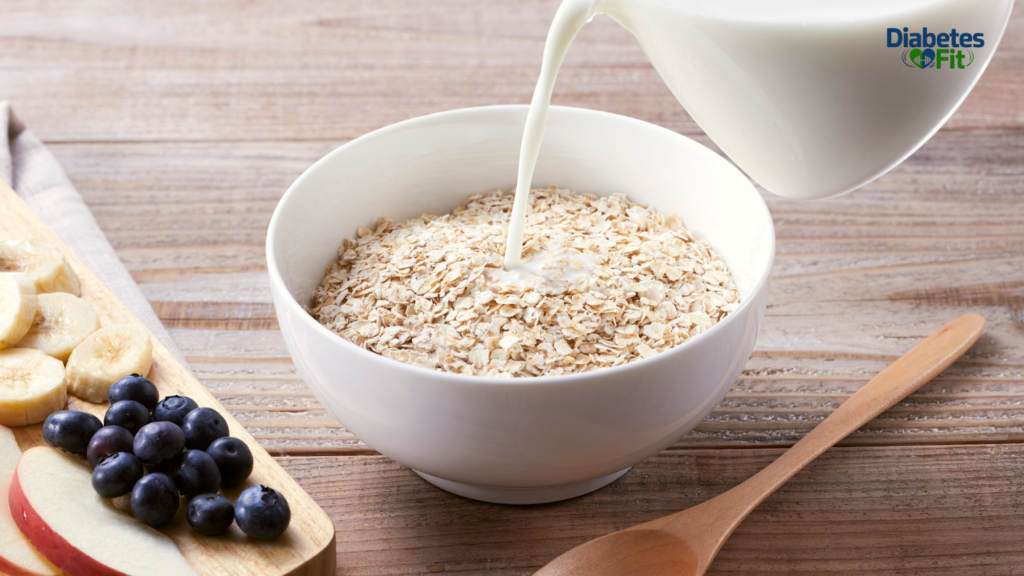
    5. Oatmeal & Oat Milk – Not Always Blood-Sugar Friendly

     Foods That Secretly Spike Blood Sugar

    Oats have long been touted as a heart-healthy breakfast choice, and oat milk has become the trendy dairy alternative of choice at coffee shops everywhere. While oats do offer nutritional benefits, not all oat products are created equal when it comes to blood sugar management.

    Instant Oats vs Steel-Cut Oats

    The level of processing makes a massive difference. Instant oatmeal is made from oat groats that have been cut into tiny pieces, pre-cooked, dried, and sometimes flaked. This processing makes them cook quickly, but it also means your body can break them down and convert them to glucose very rapidly. Instant oatmeal often has a glycemic index comparable to white bread.

    Those convenient instant oatmeal packets are particularly problematic. Most flavored varieties contain 10-15 grams of added sugar per packet, plus the rapid-digesting carbohydrates from the oats themselves. Even “plain” instant oats spike blood sugar faster than less-processed versions.

    Steel-cut oats, on the other hand, are simply oat groats that have been chopped into a few pieces. They take longer to cook and longer to digest, resulting in a much gentler blood sugar response. Old-fashioned rolled oats fall somewhere in the middle—they’re more processed than steel-cut but less processed than instant.

    Oat milk presents another challenge. To make oat milk, manufacturers blend oats with water and strain out the fiber. What remains is primarily the starchy carbohydrate component of the oat, which converts quickly to sugar in your body. Many oat milk brands also add oils and sweeteners. A cup of oat milk can contain 15-20 grams of carbohydrates with minimal fiber, protein, or fat to slow digestion.

    Best Way to Eat Oats Without Sugar Spikes

    Choose steel-cut oats or old-fashioned rolled oats and prepare them without added sugar. Add flavor with cinnamon, vanilla extract, or a small amount of fresh berries. Cook your oats with extra water or unsweetened almond milk to make them more voluminous and satisfying without adding calories or sugar.

    Here’s the real secret: add fat and protein to your oatmeal. Stir in a spoonful of almond butter, sprinkle on some chopped walnuts, or add a scoop of protein powder. Top with a dollop of plain Greek yogurt. These additions slow the digestion of the carbohydrates and prevent the blood sugar spike that plain oatmeal would cause.

    For oat milk, if you enjoy it in your coffee, measure your portion and choose unsweetened varieties. Better alternatives for blood sugar control include unsweetened almond milk, coconut milk, or even half-and-half, which have minimal impact on glucose levels.
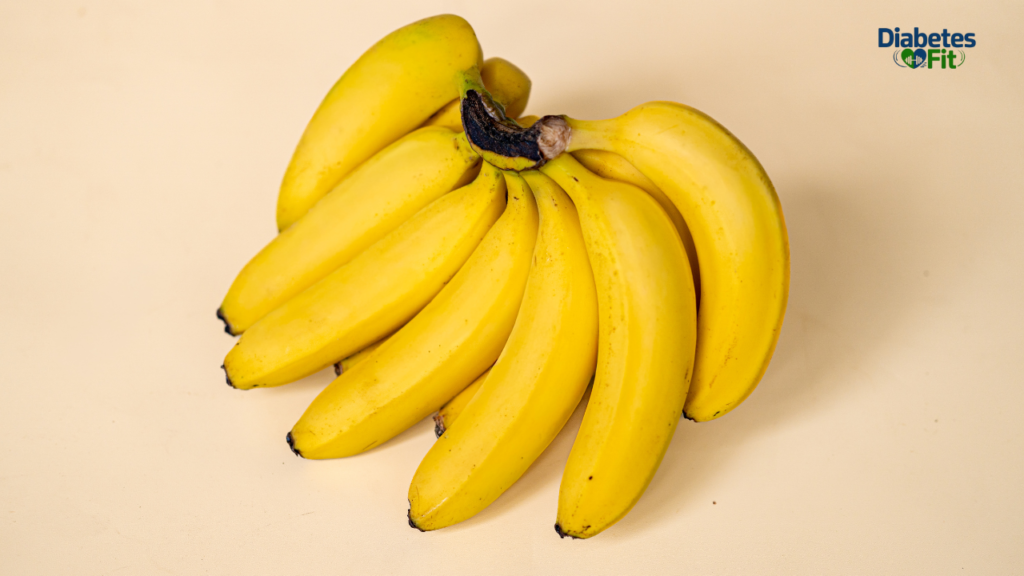
    6. Ripe Bananas and Blood Sugar Surges

     Foods That Secretly Spike Blood Sugar

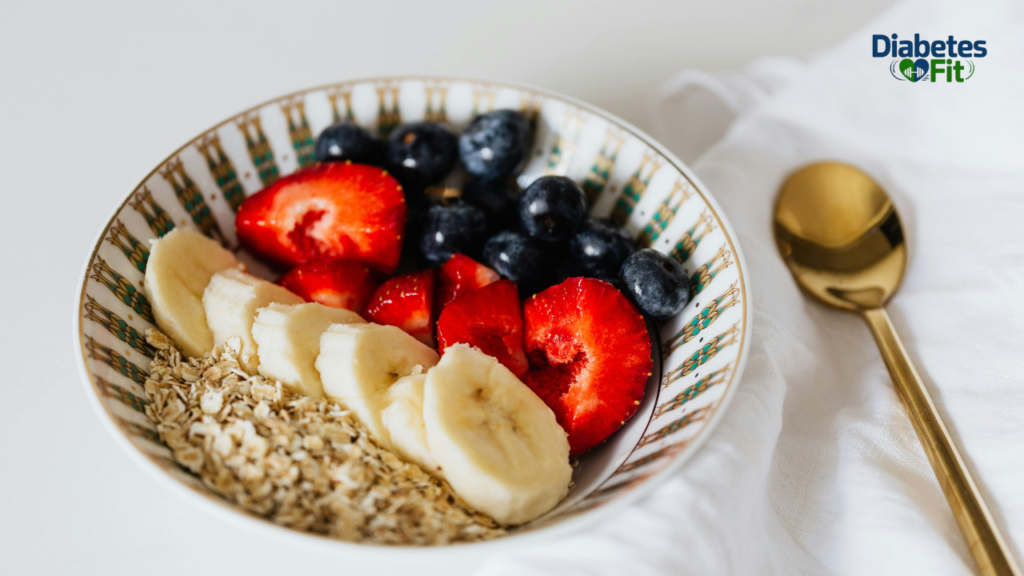
    Bananas are nature’s convenience food—pre-packaged, portable, and packed with potassium. They’re a staple in lunch boxes and gym bags around the world. But if you’re watching your blood sugar, the ripeness of your banana matters more than you might think.

    Why Riper Bananas Raise Sugar Faster

    As bananas ripen, their starch content converts to sugar. An unripe, greenish banana is high in resistant starch, which your body digests slowly. As spots appear and the banana turns fully yellow, and especially when those spots darken to brown, the resistant starch has largely converted to simple sugars that your body absorbs quickly.

    A fully ripe, spotted banana can contain over 20 grams of sugar and have a glycemic index of around 60, placing it in the medium-high range for blood sugar impact. For someone with diabetes or insulin resistance, eating a very ripe banana on an empty stomach can cause a significant glucose spike.

    The problem is compounded by the fact that bananas lack significant protein or fat to slow digestion. They’re primarily carbohydrate, making them a less-than-ideal choice for stable blood sugar.

    How to Eat Bananas Safely for Diabetics

    Choose bananas that are still slightly green or just turning yellow, before they develop many spots. These less-ripe bananas have more resistant starch and will have a gentler impact on your blood sugar.

    Never eat a banana alone as a snack. Always pair it with a source of protein or healthy fat. Spread some almond butter on your banana slices, or eat it alongside a handful of nuts. This combination slows digestion and prevents the rapid sugar spike.

    Consider portion control—eat half a banana instead of a whole one, especially if you’re particularly sensitive to blood sugar swings. Use the other half in a protein smoothie with Greek yogurt and spinach, where the other ingredients will balance out the sugar content.

    If you love very ripe bananas for their sweetness, save them for post-workout when your body is primed to use that quick-acting sugar to replenish glycogen stores rather than spiking your blood glucose inappropriately.

    7. Sugar-Free Packaged Foods That Still Spike Glucose

     Foods That Secretly Spike Blood Sugar

    The “sugar-free” label seems like a safe choice for anyone watching their blood sugar. These products line the diet food aisle, promising guilt-free indulgence. But the reality is far more complicated, and many sugar-free foods can still wreak havoc on your glucose levels.

    Hidden Carbs & Artificial Sweeteners Explained

    Food manufacturers can’t create tasty products out of thin air. When they remove sugar, they have to replace it with something. Often, that something is other forms of carbohydrates that still impact blood sugar, or artificial sweeteners that may trigger other metabolic responses.

    Sugar alcohols like maltitol, sorbitol, and xylitol are common sugar substitutes in “sugar-free” products. While they’re lower in calories than regular sugar and have a smaller impact on blood glucose, they still contain carbohydrates and can raise blood sugar, especially in larger amounts. A sugar-free candy bar might still contain 20-30 grams of carbohydrates from sugar alcohols and other ingredients.

    Additionally, some artificial sweeteners, despite containing no calories, may still trigger an insulin response in certain individuals. They can also maintain your taste preference for sweet foods, making it harder to adjust to naturally less sweet options over time.

    Sugar-free baked goods often compensate with refined flour, which spikes blood sugar almost as quickly as pure sugar. A sugar-free cookie made with white flour is still a blood sugar nightmare.

    Better Snack Options for Blood Sugar Control

    Instead of reaching for processed sugar-free snacks, choose whole foods that are naturally low in sugar. Raw vegetables with hummus or guacamole, a small handful of nuts, cheese with whole-grain crackers, hard-boiled eggs, or sliced turkey wrapped around cucumber sticks—these real-food options provide nutrients without blood sugar spikes.

    If you want something sweet, try berries with whipped coconut cream, dark chocolate (85% cacao or higher), or homemade treats sweetened with small amounts of stevia or monk fruit. When you make food yourself, you control exactly what goes into it.

    Learn to read nutrition labels carefully. Look at total carbohydrates, not just sugar. Check the ingredient list for refined flours, starches, and multiple types of sweeteners. Often, the “healthier” choice is to enjoy a small portion of the real thing rather than a larger serving of a processed sugar-free alternative that’s full of questionable ingredients.

    Best Foods That Keep Blood Sugar Stable

    Now that we’ve covered the surprising culprits, let’s talk about what you should be eating. The best foods for stable blood sugar share common characteristics: they’re high in fiber, contain quality protein or healthy fats, and are minimally processed.

    Non-starchy vegetables should form the foundation of your diet. Leafy greens, broccoli, cauliflower, bell peppers, zucchini, and mushrooms are all excellent choices that provide nutrients and volume without spiking glucose. You can eat these abundantly.

    Quality protein sources help stabilize blood sugar by slowing digestion and providing sustained energy. Wild-caught fish, pasture-raised eggs, grass-fed meats, and poultry are all excellent options. Plant-based proteins like lentils, chickpeas, and black beans also provide fiber that further benefits blood sugar control.

    Healthy fats are your friends. Avocados, olive oil, nuts, seeds, and fatty fish like salmon provide satiety and help moderate the blood sugar impact of any carbohydrates you eat alongside them.

    When you do eat carbohydrates, choose whole food sources that come packaged with fiber. Quinoa, wild rice, sweet potatoes, and legumes all provide carbohydrates in a form that your body processes slowly and steadily.

    Daily Habits to Prevent Sudden Sugar Spikes

    Managing blood sugar isn’t just about what you eat—it’s also about how and when you eat, plus other lifestyle factors that influence glucose metabolism.

    Never skip breakfast. Starting your day with a balanced meal that includes protein and healthy fat sets the tone for stable blood sugar all day long. People who skip breakfast often experience more intense cravings and energy crashes later in the day.

    Eat regular meals at consistent times. Your body thrives on routine, and regular meal timing helps regulate insulin production and blood sugar levels. Going too long between meals can lead to crashes followed by compensatory spikes when you finally eat.

    Stay hydrated throughout the day. Dehydration can affect blood sugar levels and make you more prone to confusing thirst with hunger, leading to unnecessary snacking.

    Move your body regularly, especially after meals. A 10-15 minute walk after eating helps your muscles absorb glucose from your bloodstream, lowering blood sugar naturally. You don’t need intense exercise—gentle movement is enough to make a difference.

    Manage stress through practices like meditation, deep breathing, or yoga. Stress hormones like cortisol directly raise blood sugar levels, so chronic stress can contribute to persistently elevated glucose.

    Prioritize quality sleep. Poor sleep or insufficient sleep disrupts hunger hormones and insulin sensitivity, making it harder to maintain stable blood sugar the next day. Aim for 7-9 hours nightly.

    Conclusion

    Managing your blood sugar doesn’t have to feel like navigating a minefield of forbidden foods. The real secret isn’t about deprivation or following some restrictive diet that leaves you miserable and hungry. It’s about awareness, understanding how different foods affect your body, and making small, sustainable adjustments that add up to meaningful change.

    The seven foods we’ve explored today—flavored coffee drinks, low-fat yogurt, “healthy” breakfast cereals, dried fruits, certain oat products, ripe bananas, and sugar-free packaged foods—share a common thread. They’ve all been marketed as healthy, convenient, or harmless choices, yet they can significantly impact your blood glucose in ways that work against your health goals. The good news? Now that you know what to watch for, you can make better choices without feeling deprived.

    FAQ 

    What happens during a blood sugar spike?

    When you eat foods high in simple carbohydrates or sugar, your blood glucose rises rapidly. Your pancreas releases insulin to move that glucose into your cells. Frequent spikes can lead to insulin resistance over time, where your cells stop responding effectively to insulin, potentially leading to type 2 diabetes.

    How quickly can food affect blood sugar?

    Simple carbohydrates and sugars can begin affecting blood sugar within 15 minutes of eating, with peak levels typically occurring 30-60 minutes after a meal. Complex carbohydrates paired with protein and fat take longer to digest, resulting in a more gradual rise over several hours.

    What are the symptoms of a blood sugar spike?

    Common symptoms include sudden fatigue or energy crashes, increased thirst, frequent urination, difficulty concentrating, irritability, and intense cravings for more carbohydrates or sugar. Some people also experience headaches or blurred vision during significant spikes.

    Can I eat fruit if I’m watching my blood sugar?

    Yes, but choose wisely. Berries, green apples, and citrus fruits are lower in sugar and higher in fiber, making them better choices. Always pair fruit with protein or healthy fat to slow sugar absorption, and watch portion sizes with higher-sugar fruits like bananas and tropical varieties.

    How can I prevent blood sugar spikes naturally?

    Never eat carbohydrates alone—always pair them with protein or healthy fat. Stay hydrated, take a 10-15 minute walk after meals, manage stress, get 7-9 hours of sleep, and choose whole foods over processed options. These simple habits make a significant difference in maintaining stable blood sugar throughout the day.

  • Do Dates Spike Blood Sugar? A Simple Guide to Understanding This Sweet Fruit

    Do Dates Spike Blood Sugar? A Simple Guide to Understanding This Sweet Fruit

    Do dates spike blood sugar? If you’re watching your glucose levels or just trying to eat healthier, this question probably crosses your mind when you reach for these sweet, chewy fruits. The short answer is yes, dates do raise blood sugar, but there’s much more to the story than just a simple yes or no.

    Dates are nature’s candy. They’re packed with natural sweetness, making them a popular snack and ingredient in many recipes. But this sweetness comes from sugar, and like any food containing sugar, dates will affect your blood sugar levels when you eat them.

    Let’s start with the basics. When you eat a date, your body breaks it down during digestion. The natural sugars inside are released into your bloodstream, which raises your blood sugar. This is completely normal and happens with almost every food you eat, especially those containing carbohydrates.

    Understanding What’s Inside a Date

    One medium-sized Medjool date contains about 16 grams of sugar. That might sound like a lot, and it is quite sweet. But here’s where dates become interesting compared to other sugary foods. They don’t just contain sugar. They also have fiber, and this makes a big difference.

    Fiber is like a helpful friend that slows things down. When you eat dates, the fiber content helps slow the release of sugar into your bloodstream. Instead of getting a quick, sharp spike like you would from drinking soda or eating candy, the sugar from dates enters your blood more gradually. Think of it as the difference between pouring water from a bucket all at once versus letting it drip slowly through a small hole.

    Do Dates Spike Blood Sugar

    Each date contains roughly 1.6 grams of fiber. This might not seem like much, but it’s enough to make a real difference in how your body handles the sugar. The fiber creates a buffering effect that prevents rapid spikes in blood sugar that can leave you feeling shaky or tired later.

    The Glycemic Index Tells an Important Story

    Scientists use something called the glycemic index to measure how quickly foods raise blood sugar. Foods are scored on a scale from 0 to 100, with pure glucose at 100 being the fastest. Dates typically score between 42 and 55, depending on the type. This puts them in the low to medium category, which is actually pretty good for such a sweet fruit.

    To put this in perspective, white bread scores around 75, and regular table sugar is about 65. So even though dates taste very sweet, they actually raise your blood sugar more slowly than many common foods you might not think twice about eating.

    What This Means for Your Daily Life

    But the real question is: what does this mean for you? Should you avoid dates, or can you enjoy them? For most healthy people, eating a few dates is perfectly fine. Your body is designed to handle the natural sugars in fruit, and the fiber and nutrients in dates make them a much better choice than processed sweets. However, the amount you eat matters a lot.

    Eating one or two dates as a snack is very different from eating five or six. The more you eat, the more sugar enters your system, and the higher your blood sugar will rise. If you’re concerned about blood sugar, portion control is key. Start small and see how you feel.

    Special Considerations for People with Diabetes

    People with diabetes need to be more careful. Everyone’s body responds differently to food, and what works for one person might not work for another. Some people with diabetes can enjoy dates in moderation without problems, while others might see bigger increases in their blood sugar. The best approach is to check your blood sugar before eating dates and then check again after about two hours to see your personal response.

    Smart Ways to Enjoy Dates

    There are smart ways to enjoy dates while minimizing their impact on blood sugar. One of the best strategies is to pair them with other foods. When you eat dates along with protein or healthy fats, you slow down digestion even more. The sugar gets released into your bloodstream even more gradually.

    Do Dates Spike Blood Sugar

    Try these combinations: eat a date with a handful of almonds, spread some almond butter on a date, or chop dates into Greek yogurt. You can also add them to oatmeal or mix them with cheese. These pairings not only taste great but also help keep your blood sugar more stable.

    Timing matters too. Eating dates on an empty stomach can cause a quicker rise in blood sugar. But when you eat them as part of a balanced meal or snack that includes protein and fat, the overall effect is much gentler on your system.

    Different Types of Dates

    Another consideration is the type of date. Medjool dates are larger and sweeter than Deglet Noor dates. Different varieties might have slightly different effects on your blood sugar, though the difference usually isn’t huge. What matters most is how many you eat and what you eat with them.

    The Nutritional Benefits Beyond Sugar

    It’s also worth mentioning that dates aren’t just sugar. They contain important nutrients like potassium, magnesium, vitamin B6, and antioxidants. These nutrients support your overall health. You’re not just eating empty calories like you would with candy or cookies. You’re getting real nutritional value along with the sweetness.

    For athletes or very active people, dates can actually be a helpful energy source. The natural sugars provide quick fuel, and if you’re exercising, your muscles will use that sugar for energy instead of it just sitting in your bloodstream. Many athletes eat dates before or after workouts for this exact reason.

    Finding the Right Balance

    The key takeaway here is balance and awareness. Dates do raise blood sugar, but they do it in a more controlled way than many other sweet foods. They offer nutritional benefits that make them worth including in your diet if you enjoy them. Just be mindful of portions and consider pairing them with protein or fat for the best results.

    If you’re new to monitoring how foods affect your blood sugar, dates are actually a good learning opportunity. You can test your blood sugar before eating a date or two, then test again after an hour or two to see exactly how your body responds. This personal data is much more valuable than general guidelines because everyone’s metabolism is different.

    Remember that managing blood sugar isn’t about being perfect or eliminating all sweet foods. It’s about making informed choices and understanding how different foods work in your body. Dates can absolutely be part of a healthy diet for most people when eaten thoughtfully.

    Conclusion

    Do dates spike blood sugar? They do raise blood sugar levels because of their natural sugar content, but they don’t cause the dramatic spikes associated with processed sweets. Thanks to their fiber content and moderate glycemic index, dates release sugar more gradually into your bloodstream. For most people, enjoying dates in moderation as part of a balanced diet is a healthy choice. Pay attention to portion sizes, consider pairing dates with protein or healthy fats, and if you have diabetes, monitor your individual response. Dates can be a nutritious way to satisfy your sweet tooth when eaten mindfully.

    FAQs

    How many dates can I safely eat in one day? For most people, 2-3 dates per day is a reasonable amount that won’t cause problematic blood sugar spikes. If you have diabetes or blood sugar concerns, start with just one date and monitor how your body responds before eating more. Remember that dates are calorie-dense, so moderation is important for overall health too.

    What’s the best time of day to eat dates? There’s no single “best” time, but eating dates with a meal or as part of a balanced snack is better than eating them alone on an empty stomach. Some people enjoy them in the morning with breakfast, while others prefer them as an afternoon energy boost paired with nuts or yogurt.

    Can diabetics eat dates at all? Yes, most diabetics can eat dates in moderation, but individual responses vary. It’s essential to monitor your blood sugar levels to see how dates affect you personally. Always eat them as part of a balanced meal with protein and healthy fats, and consult your doctor or dietitian about incorporating them into your meal plan.

    Do dried dates affect blood sugar differently from fresh dates? Dried and fresh dates have similar effects on blood sugar. Dried dates are more concentrated since water has been removed, so they’re smaller but contain the same amount of sugar. The key is portion control, regardless of whether they’re fresh or dried.

    What should I pair with dates to prevent blood sugar spikes? The best pairings include protein and healthy fats such as nuts (almonds, walnuts), nut butter, cheese, or Greek yogurt. These foods slow digestion and sugar absorption, creating a more stable blood sugar response. Eating dates as part of a meal rather than alone also helps minimize spikes.

  • Is Green Beans Good for Diabetes? What You Need to Know

    Is Green Beans Good for Diabetes? What You Need to Know

    If you’re managing diabetes, you’ve probably spent hours staring at food labels and wondering what’s actually safe to eat. I get it—the nutrition information online can be confusing, and everyone seems to have a different opinion about what belongs on your plate. So, is Green Beans Good for Diabetes?

    So let’s talk about green beans. These crunchy vegetables show up in casseroles, stir-fries, and side dishes everywhere. But are they actually a smart choice when you’re watching your blood sugar? Many people wonder: is Green Beans Good for Diabetes?

    The short answer: absolutely. Green beans are one of the best vegetables you can eat if you have diabetes. But there’s more to the story than just a simple yes or no. This leads us to the question: is Green Beans Good for Diabetes?

    Why Green Beans Work So Well for Blood Sugar Control

    Here’s the thing about green beans that makes them stand out. They’re what nutritionists call a non-starchy vegetable, which basically means they won’t send your blood sugar on a rollercoaster ride.

    Green Beans Good for Diabetes

    When you eat a cup of green beans, you’re only getting about 7 grams of carbohydrates. Compare that to a cup of corn (which has around 27 grams) or a medium potato (about 37 grams), and you’ll see why green beans are such a safe bet.

    What really matters is something called the glycemic index. Without getting too technical, this measures how quickly a food raises your blood sugar. Green beans have a low glycemic index of around 15. Foods under 55 are considered low, so green beans barely make a dent in your glucose levels.

    I remember talking to a friend who was newly diagnosed with type 2 diabetes. She was terrified to eat anything because she didn’t want her numbers to spike. When her dietitian told her she could eat green beans pretty much freely, she almost cried with relief. Sometimes it’s the small wins that matter most.

    The Fiber Factor You Can’t Ignore

    Let’s talk about fiber for a minute, because this is where green beans really shine.

    Green Beans Good for Diabetes

    A cup of cooked green beans gives you about 4 grams of fiber. That might not sound like much, but fiber is your secret weapon when you have diabetes. It slows down how quickly your body absorbs sugar from food, which keeps your blood sugar more stable.

    Think of fiber like a speed bump for glucose. Without it, sugar rushes into your bloodstream all at once. With it, everything moves at a gentler, more controlled pace.

    The fiber in green beans does something else that’s pretty great—it helps you feel full. When you’re trying to manage your weight (which often goes hand-in-hand with diabetes management), filling up on high-fiber, low-calorie foods like green beans means you’re less likely to reach for that cookie jar later.

    Nutrients That Support Your Overall Health

    Diabetes doesn’t just affect your blood sugar. It impacts your whole body, which is why what you eat matters beyond just carb counts.

    Green beans pack in vitamin C, which supports your immune system. When you have diabetes, you’re more vulnerable to infections, so keeping your immune system strong isn’t just nice—it’s necessary.

    Green Beans Good for Diabetes

    They also contain vitamin K, which helps with blood clotting and bone health. Vitamin A supports your vision, something that’s especially important since diabetes can affect your eyes over time.

    Then there’s folate, manganese, and potassium. Potassium is particularly helpful because it can support healthy blood pressure, and many people with diabetes also struggle with high blood pressure.

    The best part? All these nutrients come wrapped up in a vegetable that contains almost no fat and only about 30 calories per cup. You’d be hard-pressed to find a more nutrient-dense food that’s also diabetes-friendly.

    How to Prepare Green Beans Without Sabotaging Your Health

    Here’s where people sometimes mess up. Green beans themselves are fantastic for diabetes, but the way you cook them can completely change the story.

    Green Beans Good for Diabetes

    That classic green bean casserole everyone loves at Thanksgiving? The one with cream of mushroom soup and fried onions on top? Yeah, that’s not doing your blood sugar any favors. You’ve just taken a healthy vegetable and loaded it with sodium, saturated fat, and extra calories.

    Instead, try these preparation methods:

    Steaming or blanching keeps green beans crisp and preserves most of their nutrients. Add a squeeze of lemon juice and a sprinkle of garlic powder, and you’ve got a side dish that tastes fresh and bright.

    Roasting brings out a slightly sweet, caramelized flavor. Toss them with a tiny bit of olive oil, some minced garlic, and black pepper, then roast at 425°F for about 15-20 minutes.

    Stir-frying works great if you want something quick. Use a small amount of healthy oil, throw in some ginger and garlic, maybe add other low-carb veggies like bell peppers or mushrooms.

    A woman in my diabetes support group shared her favorite trick: she keeps a bag of frozen green beans in her freezer at all times. When she needs a quick side dish, she steams them in the microwave for a few minutes, then tosses them with a bit of butter and everything bagel seasoning. Simple, tasty, and blood sugar friendly.

    What About Portion Sizes?

    Green Beans Good for Diabetes

    One of the beautiful things about green beans is that you don’t need to be super strict about portions. Since they’re so low in carbs and calories, you can eat a generous serving without worry.

    Most diabetes educators suggest filling half your plate with non-starchy vegetables like green beans. That’s a pretty sizable portion—usually about 1-2 cups—and it’s perfectly fine for blood sugar management.

    Of course, everyone’s body responds a little differently to foods. If you want to be extra cautious when you’re first adding green beans to your diet, check your blood sugar about two hours after eating them. You’ll probably see that they have minimal impact, which will give you confidence to include them regularly.

    Fresh, Frozen, or Canned?

    You might be wondering which type of green beans is best. Honestly, they’re all good options with slight differences.

    Green Beans Good for Diabetes

    Fresh green beans have a satisfying crunch and bright flavor. They’re great when they’re in season at your local farmers market.

    Frozen green beans are just as nutritious as fresh—sometimes even more so, since they’re frozen right after harvest. They’re convenient, last longer, and are usually cheaper.

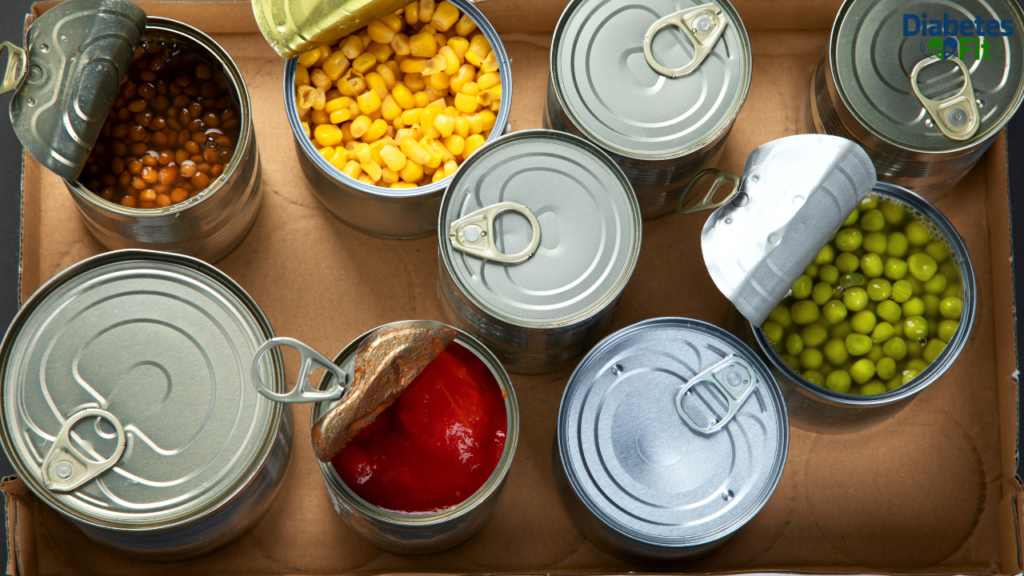
    Canned green beans work in a pinch, but watch the sodium content. Many canned vegetables are packed with added salt. Look for “no salt added” versions, or rinse them well before cooking to wash away some of the sodium.

    Building Balanced Meals Around Green Beans

    Green beans shouldn’t be your only vegetable, but they make an excellent foundation for balanced, diabetes-friendly meals.

    Pair them with a lean protein like grilled chicken, baked fish, or tofu. Add a moderate portion of complex carbs—maybe a small sweet potato or a half-cup of brown rice. This combination gives you protein for satiety, fiber for blood sugar control, and enough carbs for energy without going overboard.

    My neighbor who has type 1 diabetes makes what she calls “sheet pan dinners” once a week. She roasts green beans alongside salmon and cherry tomatoes, everything seasoned with herbs and lemon. One pan, minimal cleanup, and perfectly balanced for her blood sugar goals.

    Conclusion

    Green beans deserve a permanent spot on your diabetes-friendly grocery list. They’re low in carbs, loaded with fiber, and won’t mess with your blood sugar levels. Whether you steam them, roast them, or toss them in a quick stir-fry, you’re getting a vegetable that works with your body, not against it.

    The best part? You don’t need to overthink portions or worry every time you add them to your plate. They’re one of those rare foods where you can relax a little and just enjoy eating something nutritious and delicious.

    Start simple. Grab a bag this week and experiment with different seasonings until you find what you love. Your diabetes management journey gets a whole lot easier when you find foods you can count on.

    Frequently Asked Questions

    Can I eat green beans every day if I have diabetes?

    Yes, you can safely eat green beans daily. They’re low in carbs and high in fiber, making them an excellent choice for regular consumption. Just vary your preparation methods and pair them with different proteins to keep meals interesting.

    Do green beans raise blood sugar quickly?

    No, green beans have a low glycemic index of around 15, which means they cause a very slow, minimal rise in blood sugar. This makes them one of the safest vegetables for diabetes management.

    Are canned green beans as good as fresh for diabetics?

    Canned green beans have similar nutritional value, but watch out for added sodium. Choose “no salt added” versions or rinse them thoroughly before cooking to reduce sodium content while maintaining their diabetes-friendly benefits.

    How many carbs are in a cup of green beans?

    A cup of cooked green beans contains approximately 7 grams of carbohydrates, with about 4 grams coming from fiber. This makes the net carb count very low and manageable for blood sugar control.

    Can green beans help lower blood sugar levels?

    While green beans won’t actively lower existing blood sugar, their high fiber content helps prevent spikes and promotes better overall blood sugar stability when included as part of a balanced, diabetes-friendly diet.

  • 8 Simple Snacks to Eat for Low Blood Sugar

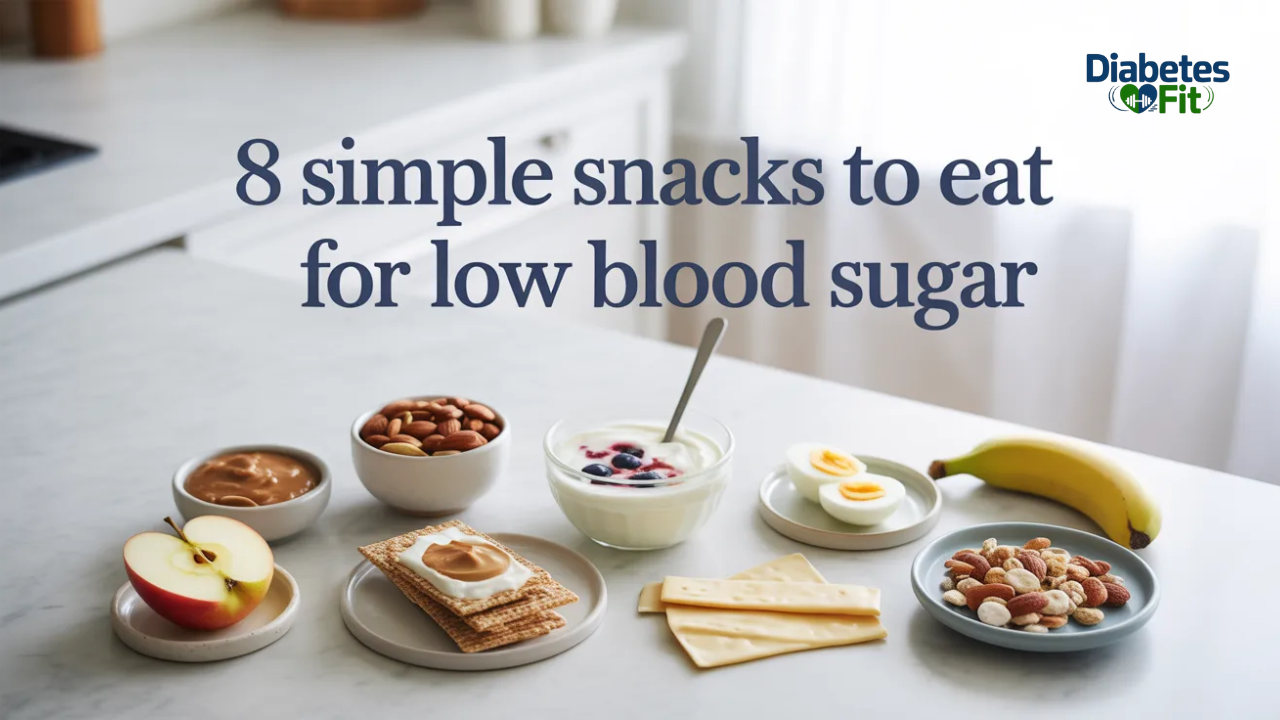
    8 Simple Snacks to Eat for Low Blood Sugar

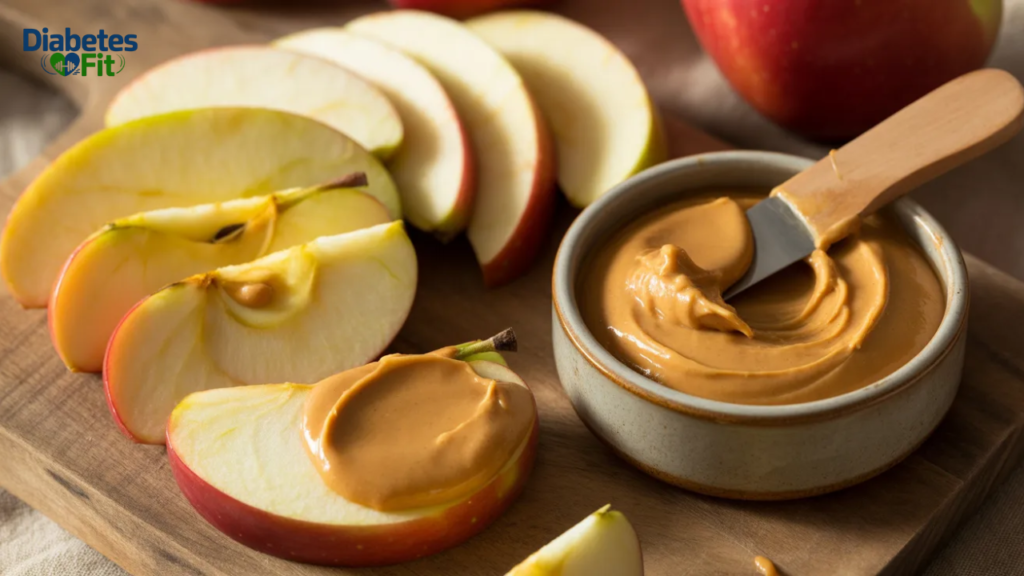
    1. Apple Slices with Peanut Butter

    Snacks to Eat for Low Blood Sugar

    This classic combination is one of the most reliable snacks to eat for low blood sugar. The apple provides natural sugars and easily digestible carbohydrates that work quickly to raise blood glucose levels. Meanwhile, the peanut butter adds protein and healthy fats that slow down digestion and provide staying power.

    What makes this pairing so effective is the synergy between its components. The fruit’s natural sugars hit your bloodstream relatively quickly, addressing the immediate problem. The protein in peanut butter—roughly 4 grams per tablespoon—helps stabilize those levels over the next hour or two. This prevents the rollercoaster effect where you feel better briefly, only to crash again.

    To prepare this snack, simply slice a medium apple and pair it with one to two tablespoons of peanut butter. If you’re sensitive to peanuts, almond butter or cashew butter work just as well. For an extra touch, sprinkle a few raisins on top for additional quick-acting carbohydrates during more severe low blood sugar episodes.

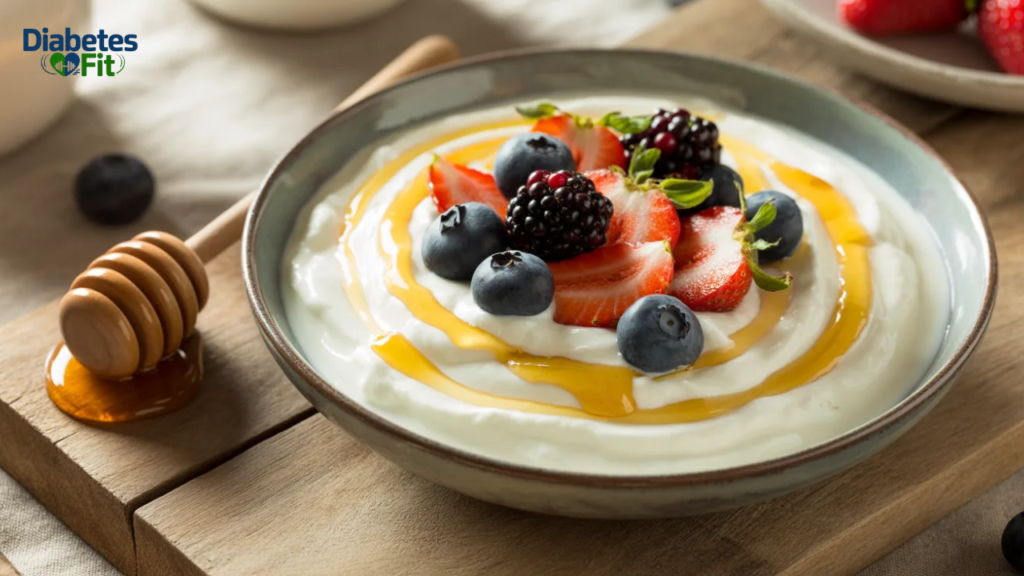
    2. Greek Yogurt with Berries and Honey

    Greek yogurt stands out among snacks to eat for low blood sugar because it delivers an impressive protein punch—typically around 15-20 grams per serving—while still providing carbohydrates for immediate energy. The addition of fresh berries and a drizzle of honey creates a perfect trifecta of quick sugars, sustained energy, and valuable nutrients.

    Snacks to Eat for Low Blood Sugar

    Berries like strawberries, blueberries, or raspberries contain natural sugars alongside fiber, which helps moderate the speed at which those sugars enter your bloodstream. The honey provides fast-acting glucose when you need it most. Meanwhile, the thick, creamy Greek yogurt digests more slowly, keeping your blood sugar stable long after the initial spike.

    This snack is incredibly versatile and portable. You can prepare it fresh or pack it in a small container for on-the-go situations. A serving size of about three-quarters cup of yogurt with a handful of berries and one teaspoon of honey hits that sweet spot between effective and not overdoing the sugar intake.

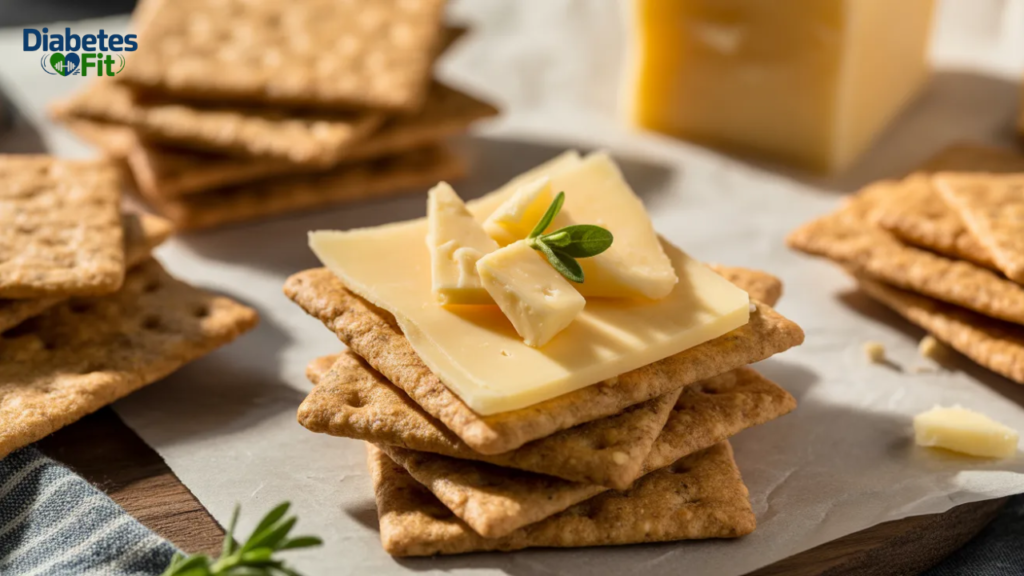
    3. Whole Grain Crackers with Cheese

    Snacks to Eat for Low Blood Sugar

    When you need something savory, whole grain crackers paired with cheese rank among the most satisfying snacks to eat for low blood sugar. The crackers provide complex carbohydrates that break down into glucose, while cheese delivers protein and fat to extend the benefits of your snack.

    Choose crackers made from whole grains rather than refined white flour. Whole grains contain more fiber and nutrients, which means they provide more sustained energy without causing dramatic blood sugar fluctuations. Look for options with at least 2-3 grams of fiber per serving.

    As for cheese, variety is your friend. Cheddar, mozzarella, Swiss, or even cream cheese all work beautifully. A serving of about 6-8 crackers with one to two ounces of cheese provides roughly 15-20 grams of carbohydrates and 7-10 grams of protein—an excellent ratio for managing low blood sugar effectively.

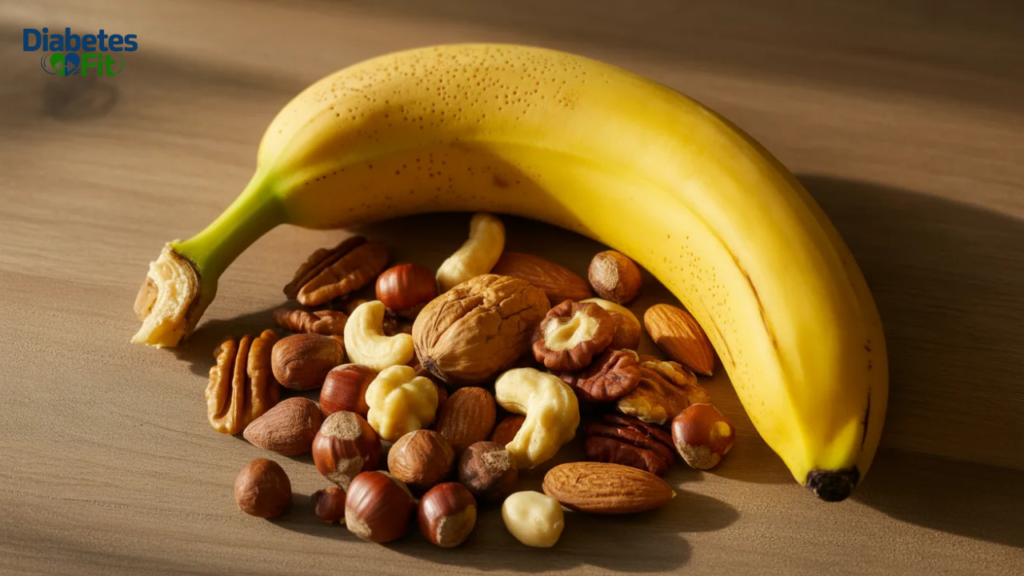
    4. Banana with a Handful of Nuts

    Snacks to Eat for Low Blood Sugar

    Bananas are nature’s fast-acting fuel source, making them excellent snacks to eat for low blood sugar emergencies. A medium banana contains about 27 grams of carbohydrates, including natural sugars that your body can quickly convert to energy. The fruit also provides potassium, which supports proper muscle and nerve function.

    Eating a banana alone might cause a rapid spike followed by another drop, which is where nuts come in. Almonds, walnuts, cashews, or mixed nuts add protein, healthy fats, and a satisfying crunch that rounds out this snack beautifully. Just a small handful—about one ounce or roughly 23 almonds—provides enough protein and fat to stabilize your blood sugar.

    This combination is incredibly convenient because it requires zero preparation. Keep bananas on your counter and a small container of nuts in your bag, car, or desk drawer. When low blood sugar strikes, you’ll have an effective solution within arm’s reach.

    5. Hummus with Vegetable Sticks

    Snacks to Eat for Low Blood Sugar

    Hummus with fresh vegetable sticks offers a nutrient-dense option among snacks to eat for low blood sugar. While vegetables alone won’t raise blood sugar quickly enough during a severe drop, the chickpeas in hummus provide both carbohydrates and plant-based protein that work together effectively.

    Carrots, bell peppers, cucumber, and celery all make excellent dipping vehicles. If you’re experiencing a particularly low blood sugar episode, include vegetables that contain more natural sugars, like baby carrots or bell peppers, which can help raise glucose levels more quickly than options like celery.

    A serving of about one-third cup of hummus with a generous portion of vegetables provides approximately 15-20 grams of carbohydrates along with fiber and protein. This snack also delivers vitamins, minerals, and antioxidants that support overall health. It’s filling enough to tide you over until your next meal while addressing the immediate concern of low blood sugar.

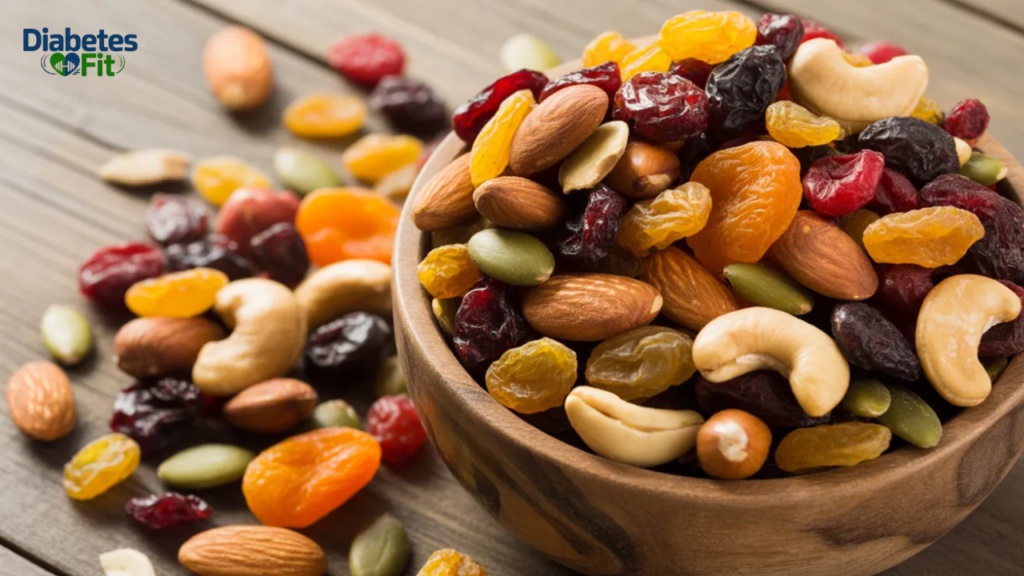
    6. Trail Mix with Dried Fruit

    Snacks to Eat for Low Blood Sugar

    Homemade or store-bought trail mix ranks highly among snacks to eat for low blood sugar because it combines multiple effective ingredients in one convenient package. The dried fruit—raisins, cranberries, apricots, or dates—provides concentrated natural sugars for quick energy. Nuts add protein and healthy fats, while optional additions like dark chocolate chips or coconut flakes make this snack genuinely enjoyable.

    The beauty of trail mix is its portability and shelf stability. You can portion it into small bags or containers and stash them everywhere—your purse, glove compartment, office drawer, or gym bag. When low blood sugar catches you off guard, you’ll have an immediate solution ready.

    Be mindful of portion sizes, though. Because dried fruit is more concentrated than fresh fruit, it’s easy to consume more sugar than intended. A quarter cup serving typically provides the right balance—enough carbohydrates to address low blood sugar without overdoing it.

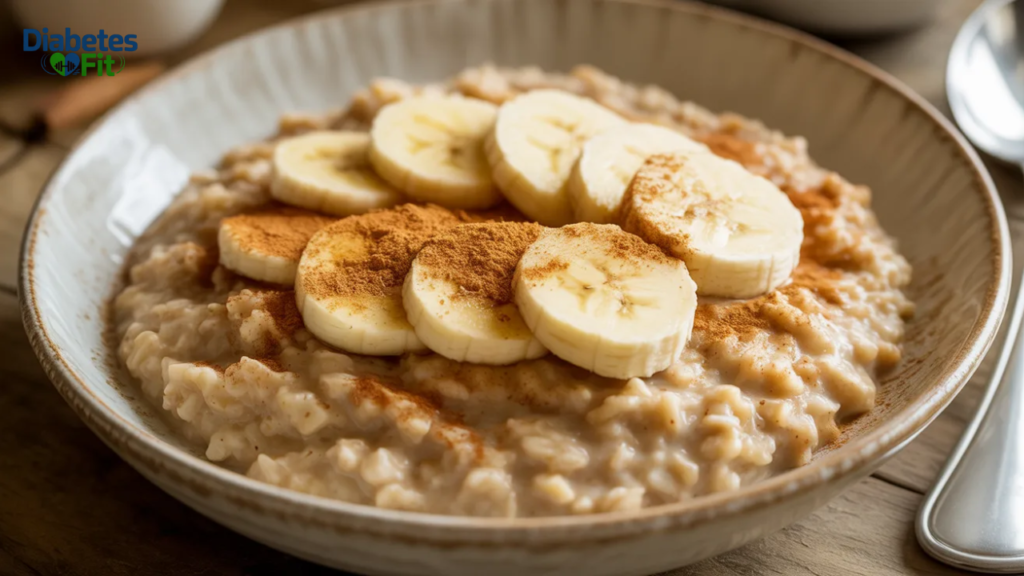
    7. Oatmeal with Sliced Banana and Cinnamon

    Snacks to Eat for Low Blood Sugar

    While oatmeal takes a few minutes to prepare, it’s worth considering among snacks to eat for low blood sugar, especially if you’re at home or have access to a microwave. Instant oatmeal works in a pinch, but traditional rolled oats offer more fiber and nutrients.

    The oats provide complex carbohydrates that digest gradually, offering sustained energy. Adding sliced banana increases the quick-acting carbohydrate content for immediate relief. Cinnamon not only enhances flavor but some research suggests it may help improve insulin sensitivity and glucose metabolism.

    For a half-cup serving of cooked oatmeal with half a banana, you’re looking at about 30-35 grams of carbohydrates. If you need extra protein, stir in a tablespoon of peanut butter or sprinkle some chopped nuts on top. This transforms your oatmeal into a more complete snack that addresses both immediate and long-term blood sugar stability.

    8. Orange Juice with a Protein Bar

    Snacks to Eat for Low Blood Sugar

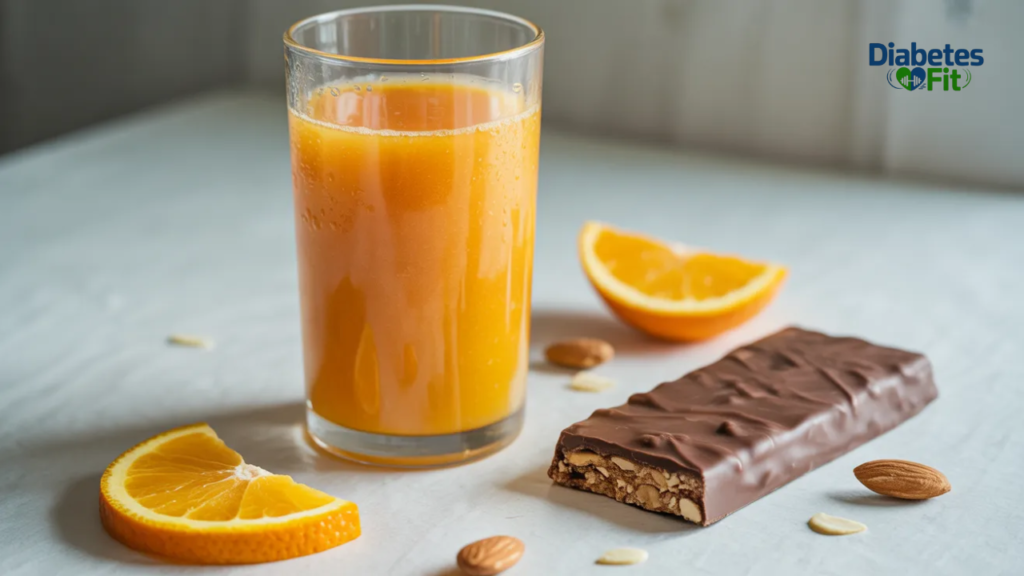
    Sometimes you need the fastest-acting solution possible, and that’s where orange juice comes in. As one of the quickest snacks to eat for low blood sugar, a small glass of orange juice—about 4 to 6 ounces—can raise blood glucose levels within 15 minutes. The natural fruit sugars require minimal digestion and enter your bloodstream rapidly.

    However, juice alone will likely cause another crash within an hour or so. Pairing it with a protein bar that contains at least 5-10 grams of protein creates a more balanced approach. The juice handles the emergency while the protein bar provides sustained energy.

    Choose protein bars carefully, as many contain excessive added sugars or artificial ingredients. Look for options with whole food ingredients, reasonable sugar content (under 15 grams), and adequate protein. Keep a couple of these bars in locations where low blood sugar might catch you unprepared.

    Understanding Your Body’s Signals

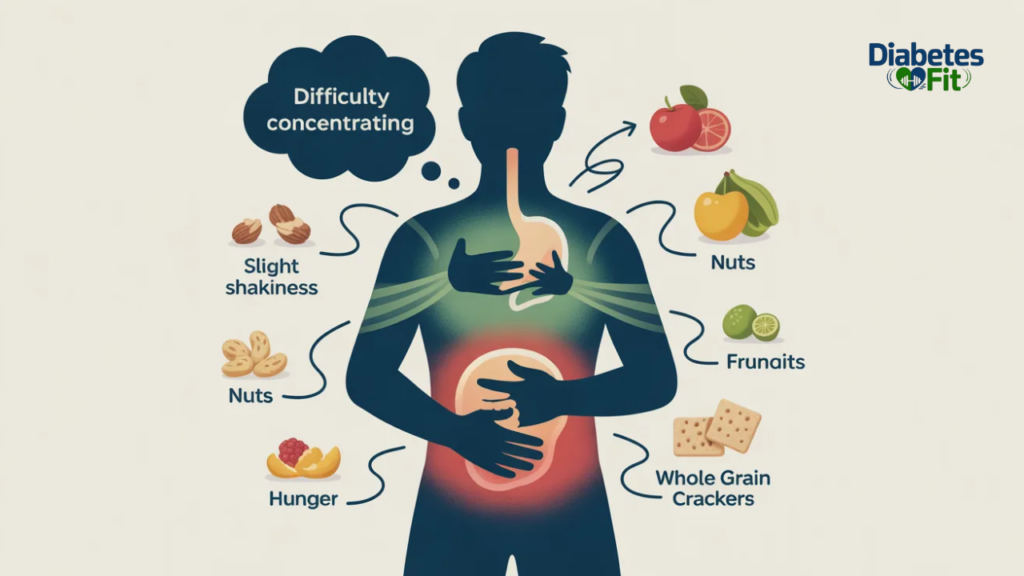
    Learning which snacks to eat for low blood sugar is important, but equally crucial is recognizing when your blood sugar is dropping before it becomes a serious problem. Early symptoms include hunger, slight shakiness, mild anxiety, or difficulty concentrating. Addressing low blood sugar at this stage is much easier and safer than waiting until symptoms become severe.

    Snacks to Eat for Low Blood Sugar

    Everyone’s body responds differently to various foods, so pay attention to which of these snacks work best for you. Some people find that protein-heavy options work better, while others need more immediate carbohydrates. Keep a simple log of what you eat and how you feel afterward to identify your most effective options.

    Remember that these snacks are meant to address occasional low blood sugar episodes. If you’re experiencing frequent drops in blood glucose, consult with your healthcare provider to address the underlying cause. Proper meal planning, medication management, and lifestyle adjustments can often reduce the frequency of these episodes significantly.

    Having the right snacks to eat for low blood sugar readily available gives you peace of mind and helps you manage your health proactively. Stock your kitchen, office, and travel bags with these simple options, and you’ll always be prepared when your blood sugar needs a boost.

    Conclusion

    Managing low blood sugar doesn’t have to be complicated or stressful when you’re equipped with the right knowledge and snacks. The eight simple snacks to eat for low blood sugar we’ve explored—from apple slices with peanut butter to orange juice paired with a protein bar—offer practical, accessible solutions that you can incorporate into your daily routine with ease.

    The common thread among all these options is balance. Effective low blood sugar management isn’t just about consuming sugar quickly; it’s about choosing snacks that provide immediate relief while also preventing another crash shortly afterward. By combining fast-acting carbohydrates with protein, healthy fats, or fiber, you create a sustained energy release that keeps your blood glucose levels stable for hours.

    Remember that preparation is your greatest ally. Keeping these snacks readily available in your home, workplace, car, and bag means you’ll never be caught off guard by a sudden drop in blood sugar. The few minutes you spend preparing small portions or assembling these simple combinations can make the difference between a minor inconvenience and a serious health episode.

    Beyond just having snacks on hand, listening to your body’s signals is essential. The more attuned you become to the early warning signs of low blood sugar, the more effectively you can intervene before symptoms become severe. This awareness, combined with smart snack choices, empowers you to maintain better control over your health and wellbeing.

    If you find yourself reaching for snacks to eat for low blood sugar frequently throughout the day, it’s worth having a conversation with your healthcare provider. Persistent hypoglycemia may indicate that adjustments to your medication, meal timing, or overall treatment plan are necessary. These snacks are valuable tools for occasional management, but they shouldn’t become a constant necessity.

    Ultimately, managing low blood sugar successfully is about finding what works for your unique body, lifestyle, and preferences. Experiment with these eight options, pay attention to how your body responds, and build a personalized toolkit of go-to snacks that you can rely on. With the right strategies in place, you can navigate low blood sugar episodes with confidence and get back to enjoying your day without disruption.

    Frequently Asked Questions

    Most snacks to eat for low blood sugar should begin raising your glucose levels within 15 minutes, though the exact timing depends on the snack’s composition. Options with simple sugars like orange juice or bananas work fastest, often showing effects in 10-15 minutes. Snacks with more protein and fat, like cheese and crackers, may take 20-30 minutes to fully impact your blood sugar but provide longer-lasting stability. After consuming a snack for low blood sugar, wait 15 minutes and recheck your levels if possible. If you’re still experiencing symptoms and your blood sugar hasn’t risen adequately, consume another small portion of fast-acting carbohydrates. The key is not to overeat in panic, as this can lead to blood sugar that swings too high.

    Absolutely. These snacks to eat for low blood sugar are appropriate for people with diabetes who experience hypoglycemia, which can occur due to medication, delayed meals, or increased physical activity. In fact, people with diabetes often need to be more vigilant about treating low blood sugar promptly. However, portion control becomes especially important when you have diabetes. The goal is to raise your blood sugar into a safe range—typically 70-100 mg/dL—without causing it to spike too high. Start with the recommended portions mentioned for each snack, check your blood sugar after 15 minutes, and adjust accordingly. Always follow your healthcare provider’s specific recommendations for treating low blood sugar, as individual needs can vary based on medications and overall health status.

    Severe low blood sugar is a medical emergency that requires immediate attention. If you’re experiencing confusion, inability to eat or drink, loss of consciousness, or seizures, you need emergency medical care—call emergency services right away. For severe symptoms where you can still swallow safely, prioritize the fastest-acting options among snacks to eat for low blood sugar: 4-6 ounces of fruit juice, glucose tablets (if available), or honey can work more quickly than solid foods. Skip the protein and fat in these critical moments—those can be added after your blood sugar stabilizes. Once you’ve consumed fast-acting carbohydrates, sit or lie down safely and wait 15 minutes before rechecking. After your blood sugar returns to normal, follow up with a more balanced snack containing protein to prevent another drop.

    The standard recommendation is to consume about 15 grams of carbohydrates initially, which is often called the “15-15 rule”—eat 15 grams of carbs, wait 15 minutes, then recheck your blood sugar. Among the snacks to eat for low blood sugar we’ve discussed, this translates to approximately one small apple with one tablespoon of peanut butter, one small banana, or 6-8 whole grain crackers with cheese. Resist the urge to overeat when you’re feeling the uncomfortable symptoms of low blood sugar. Consuming too much can cause your blood sugar to swing too high, which brings its own set of problems and may lead to another crash later. Measure or portion your snacks ahead of time when possible, so you’re not guessing during an episode when you might not be thinking clearly.

    While you might crave certain foods when your blood sugar drops, some choices are less effective than others. Avoid snacks that are purely fat or protein without any carbohydrates—like plain cheese or hard-boiled eggs alone—because they won’t raise your blood sugar quickly enough. Similarly, candy bars or baked goods that are high in fat may seem appealing, but the fat content actually slows down how quickly the sugar reaches your bloodstream. Foods with excessive fiber can also delay absorption when you need quick relief. Additionally, avoid caffeinated beverages as your primary treatment, as caffeine can sometimes mask symptoms of low blood sugar or cause shakiness that mimics hypoglycemia. The best snacks to eat for low blood sugar contain easily digestible carbohydrates paired with moderate amounts of protein or healthy fats, rather than extremes of any single macronutrient.

  • Does Oatmeal Spike Blood Sugar? The Complete Truth About This Popular Breakfast

    Does Oatmeal Spike Blood Sugar? The Complete Truth About This Popular Breakfast

    I’ve lost count of how many times people have asked me about oatmeal and blood sugar. It’s one of those foods that sits in a weird gray area—everyone knows it’s “healthy,” but if you’re watching your glucose levels, you start to wonder if that morning bowl is doing more harm than good.

    Let me get straight to the point: yes, oatmeal can spike blood sugar, but the story is way more nuanced than a simple yes or no. Understanding how different types of oatmeal affect your glucose levels can completely change your breakfast game.

    Understanding How Oatmeal Affects Your Blood Sugar

    Oatmeal is a carbohydrate, and all carbs break down into glucose eventually. That’s just basic biology. But not all oatmeal is created equal, and that’s where things get interesting.

    Does Oatmeal Spike Blood Sugar

    Steel-cut oats, rolled oats, instant oats—they’re all from the same grain, but your body processes them completely differently. The more processed the oat, the faster it hits your bloodstream. Think of it like this: instant oatmeal has already been partially broken down during processing, so your digestive system doesn’t have to work as hard. That means the glucose enters your bloodstream much faster.

    Steel-cut oats are the whole oat groat chopped into pieces. Your body has to work harder to break them down, which means a slower, more gradual release of glucose into your bloodstream. Rolled oats fall somewhere in the middle—they’ve been steamed and flattened, so they’re easier to digest than steel-cut but not as quick as instant.

    The difference isn’t just academic. It can mean the gap between a gentle rise in blood sugar and a sharp spike that leaves you hungry and tired an hour later.

    The Glycemic Index Factor

    Does Oatmeal Spike Blood Sugar

    Here’s something that surprises most people: steel-cut oats have a glycemic index around 55, which puts them in the medium range. Instant oatmeal can shoot up to 83, which is firmly in the high category. That’s almost the same as eating white bread.

    But the glycemic index is only part of the equation. What really matters is your glycemic load—how much of that carbohydrate you’re actually eating. A typical serving of oatmeal has about 27 grams of carbs, which means even steel-cut oats will raise your blood sugar to some degree.

    The glycemic load takes into account both the quality of the carbohydrate and the quantity. A small serving of instant oatmeal might actually have a lower impact than a huge bowl of steel-cut oats, even though steel-cut is the “better” choice. Portion control matters just as much as the type of oat you choose.

    What Makes the Difference in Blood Sugar Response

    Does Oatmeal Spike Blood Sugar

    I’ve noticed that people who struggle with oatmeal usually make one crucial mistake: they eat it plain or loaded with sugar and dried fruit. That’s a recipe for a blood sugar roller coaster that’ll have you raiding the snack drawer by 10 AM.

    The secret is in what you add to your bowl. Protein and healthy fats are your best friends here. A tablespoon of almond butter, some chia seeds, a handful of nuts, or a scoop of protein powder—these additions slow down how quickly your body absorbs those carbs. The fiber in oatmeal helps too, but you need to give it backup.

    Fat and protein delay gastric emptying, which is just a fancy way of saying they keep food in your stomach longer. This means the carbohydrates trickle into your small intestine more slowly, leading to a gentler blood sugar rise instead of a sharp spike.

    I’ve seen people transform their oatmeal response just by adding two tablespoons of ground flaxseed and a handful of walnuts. Same oats, completely different blood sugar curve.

    The Fiber Connection

    Oatmeal does have one thing going for it: beta-glucan fiber. This is a specific type of soluble fiber that’s been shown to improve insulin sensitivity and slow down carbohydrate absorption. A serving of oats contains about 4 grams of fiber, with a good portion of that being beta-glucan.

    Does Oatmeal Spike Blood Sugar

    But here’s the reality check—4 grams of fiber against 27 grams of carbs isn’t enough to prevent a blood sugar rise on its own. It helps, definitely, but it’s not a magic shield. You still need to be smart about your portion sizes and what else is in that bowl.

    Some people boost their oatmeal’s fiber content by adding psyllium husk or extra ground flaxseed. This can help further slow the glucose response, but again, it’s not a free pass to eat unlimited amounts.

    For People with Diabetes

    If you’re diabetic or prediabetic, oatmeal isn’t necessarily off the table, but you need to be strategic about it. Start with a smaller portion—maybe a third to half a cup of dry oats instead of a full cup. Always choose steel-cut or rolled oats over instant varieties. And never, ever eat oatmeal by itself.

    Does Oatmeal Spike Blood Sugar

    I’ve talked to people who had to give up oatmeal completely because their blood sugar would jump 60 or 70 points after eating it, even when they did everything “right.” But I’ve also talked to people who manage it perfectly fine by pairing it with eggs or Greek yogurt on the side.

    The truth is that individual responses vary wildly. Your friend with diabetes might handle oatmeal just fine while you struggle, or vice versa. Genetics, insulin resistance levels, gut bacteria, and even stress levels all play a role in how your body processes carbohydrates.

    The Timing Question Nobody Talks About

    Does Oatmeal Spike Blood Sugar

    When you eat oatmeal matters more than you might think. Having it first thing in the morning on an empty stomach can cause a bigger spike than eating it after some protein. Your body’s in a fasted state, your liver’s been pumping out glucose all night, and then you dump a bowl of carbs on top of that.

    Some people do better having oatmeal as a mid-morning snack rather than breakfast. They’ll eat eggs and avocado first thing, then have a smaller portion of oatmeal a couple hours later when their metabolism has shifted gears.

    Your body’s insulin sensitivity is different throughout the day. For most people, it’s highest in the morning, which theoretically makes breakfast the best time for carbs. But everyone’s different, and the only way to know for sure is to test your blood sugar and see how you personally respond.

    There’s also the phenomenon called the “dawn phenomenon” where people with diabetes experience higher blood sugar in the early morning hours. If that’s you, morning oatmeal might not be your best choice regardless of how you prepare it.

    The Role of Exercise

    Does Oatmeal Spike Blood Sugar

    Here’s something interesting: if you eat oatmeal before a workout, your muscles will soak up a lot of that glucose for fuel. This can significantly reduce the blood sugar spike you’d normally see. Some athletes intentionally eat oatmeal an hour before training for exactly this reason.

    On the flip side, if you’re sitting at a desk all morning after eating oatmeal, that glucose has nowhere to go except your bloodstream. A 15-minute walk after breakfast can make a noticeable difference in how your body handles those carbs.

    I’ve seen people get frustrated with oatmeal on weekends when they’re lounging around, not realizing that the same breakfast works fine on weekday mornings when they’re rushing around getting ready for work.

    Alternatives and Modifications That Actually Work

    If traditional oatmeal just doesn’t work for you, there are legitimate workarounds. Some people do well with a smaller portion of oats mixed heavily with hemp hearts, flax seeds, and nuts to completely change the macronutrient ratio. You’re essentially using oatmeal as a flavoring rather than the main ingredient.

    Others switch to grain-free “oatmeal” made from coconut flour, almond flour, and ground nuts. It has the texture and warmth of oatmeal without the same carbohydrate load. These alternatives typically have around 10-15 grams of carbs per serving compared to oatmeal’s 27.

    You could also try savory oatmeal—sounds weird, but hear me out. Cooking your oats with bone broth instead of water and topping them with a fried egg, avocado, and some sautéed vegetables completely changes the blood sugar equation. The carbs are still there, but the meal’s overall impact is much gentler because of all the fat, protein, and fiber surrounding it.

    What About Overnight Oats?

    Does Oatmeal Spike Blood Sugar

    Overnight oats have become trendy, and people often ask if they’re better for blood sugar than cooked oatmeal. The answer is: not really. You’re still eating the same amount of carbohydrates, and soaking doesn’t significantly change the glycemic response.

    What can help is the fact that overnight oats are usually eaten cold, and resistant starch forms when oatmeal cools down. This resistant starch acts more like fiber and is digested more slowly. But the effect is modest—not enough to turn overnight oats into a low-glycemic food.

    The bigger issue with overnight oats is that people tend to add sweeteners, honey, maple syrup, and loads of dried fruit. By the time you’re done, you’ve got what’s essentially a dessert masquerading as a healthy breakfast.

    Reading Your Body’s Signals

    Beyond the numbers on a glucose meter, your body gives you clues about how oatmeal affects you. Do you feel energized after eating it, or do you crash an hour later? Are you hungry again quickly, or does it hold you over until lunch?

    These subjective experiences matter. If oatmeal leaves you shaky and ravenous by mid-morning, that’s your body telling you it’s not working, even if your blood sugar numbers look acceptable. The goal isn’t just to avoid dangerous spikes—it’s to find foods that give you stable, lasting energy.

    Some people notice brain fog, irritability, or intense cravings after eating oatmeal. These can all be signs of blood sugar instability, even if you’re not diabetic and haven’t tested your glucose levels.

    Practical Strategies for Better Blood Sugar Control

    Does Oatmeal Spike Blood Sugar

    If you love oatmeal and want to make it work, here are the strategies that actually move the needle:

    Start with steel-cut or rolled oats, never instant. Keep your portion to one-third to one-half cup of dry oats. Add at least 15 grams of protein—Greek yogurt, protein powder, or eggs on the side work great. Include healthy fats like nuts, seeds, nut butter, or coconut oil. Consider adding cinnamon, which may help improve insulin sensitivity. Eat some vegetables on the side or mix them into savory oatmeal. Take a 10-15 minute walk after eating.

    These aren’t just good ideas—they’re the difference between a blood sugar spike and a gentle rise that keeps you satisfied and energized.

    Conclusion

    So, does oatmeal spike blood sugar? The honest answer is yes, it can and often does. But whether it spikes your blood sugar to problematic levels depends on dozens of factors—the type of oats, portion size, what you eat with it, when you eat it, your activity level, and your individual metabolism.

    Oatmeal isn’t inherently bad, and it isn’t a superfood either. It’s a carbohydrate-rich food that requires some thought and planning if you’re concerned about blood sugar. For some people, especially those with well-controlled blood sugar and good insulin sensitivity, a properly prepared bowl of steel-cut oats with protein and fat can be a reasonable breakfast choice.

    For others, particularly those with diabetes, prediabetes, or insulin resistance, oatmeal might need to be eaten in very small amounts, paired strategically with other foods, or avoided altogether in favor of lower-carb breakfast options.

    The key is being honest about how your body responds and making choices based on that reality, not on what health magazines or well-meaning friends say you should eat. Test your blood sugar, pay attention to how you feel, and adjust accordingly. Your body is giving you feedback constantly—you just need to listen to it.

    If oatmeal works for you when prepared thoughtfully, great. If it doesn’t, there are plenty of other nutritious breakfast options that might serve you better. There’s no shame in acknowledging that a particular food doesn’t work for your unique biology.

    Frequently Asked Questions

    How long after eating oatmeal does blood sugar spike?

    Blood sugar typically peaks 30 to 60 minutes after eating oatmeal, though this can vary based on the type of oats and what else you ate with them. Instant oatmeal tends to spike faster, around 30 minutes, while steel-cut oats might not peak until 60 to 90 minutes after eating. Testing at both one and two hours gives you the most complete picture.

    Is oatmeal OK for diabetics?

    Oatmeal can be okay for some diabetics in controlled portions, but it’s not a one-size-fits-all answer. Many diabetics need to limit portion sizes to one-third cup of dry oats or less and always pair it with protein and fat. Some diabetics find that oatmeal raises their blood sugar too much regardless of preparation and choose to avoid it. Personal testing is essential.

    What type of oatmeal is best for blood sugar control?

    Steel-cut oats are the best choice for blood sugar control because they’re the least processed and have the lowest glycemic index. Rolled oats are a decent second choice. Avoid instant oatmeal and flavored packets, which are highly processed and often contain added sugars that will spike blood sugar significantly.

    Can I eat oatmeal every day if I have prediabetes?

    If you have prediabetes, eating oatmeal every day might not be the best strategy, even with proper preparation. Variety in your breakfast choices can help prevent blood sugar fatigue and gives your body different nutrients. Consider rotating oatmeal with eggs, Greek yogurt, or other lower-carb options. If you do eat it daily, keep portions small and monitor your glucose levels regularly.

    Does adding cinnamon to oatmeal help control blood sugar?

    Cinnamon may help improve insulin sensitivity and slightly lower blood sugar responses, but the effect is modest and shouldn’t be relied upon as a primary strategy. It’s a helpful addition but won’t cancel out the carbohydrates in oatmeal. Think of it as a minor bonus, not a solution.

    Why do I feel hungry shortly after eating oatmeal?

    Feeling hungry soon after eating oatmeal usually indicates a blood sugar spike followed by a crash. When your blood sugar rises rapidly, your body releases insulin to bring it back down, sometimes overshooting and leaving you with low blood sugar and intense hunger. Adding more protein and fat to your oatmeal can help prevent this roller coaster effect.

    Are overnight oats better for blood sugar than cooked oatmeal?

    Overnight oats aren’t significantly better for blood sugar control than cooked oatmeal. While cold oats contain slightly more resistant starch, the difference in blood sugar response is minimal. The bigger concern with overnight oats is that they’re often prepared with sweeteners and dried fruit that can make the blood sugar impact worse than plain cooked oatmeal.

    How much oatmeal should I eat to avoid a blood sugar spike?

    For most people concerned about blood sugar, one-third to one-half cup of dry oats is a reasonable portion. This provides about 15 to 20 grams of carbohydrates. Anything beyond half a cup significantly increases the likelihood of a problematic blood sugar spike, especially if eaten without adequate protein and fat alongside it.