

Causes of Hyperglycemia in Non Diabetics
Causes of hyperglycemia in non diabetics is a topic that many people search for, especially when they suddenly notice high blood sugar levels despite not having diabetes. Hyperglycemia means having higher-than-normal blood glucose (sugar) levels. While this condition is commonly associated with diabetes, it can also occur in people who do not have diabetes.
Many factors, such as stress, illness, poor diet, lack of sleep, certain medications, and hormonal changes, can temporarily or repeatedly increase blood sugar levels. Understanding the causes of hyperglycemia in non diabetics is very important because early awareness can help prevent serious health problems in the future.
In this detailed guide, we will explore what hyperglycemia is, why it happens in non-diabetics, common triggers, symptoms, risks, prevention tips, and treatment options. This article is written in a natural, easy-to-read, and fully human style to help readers clearly understand the topic.
One common cause of hyperglycemia in non-diabetics is abnormal blood sugar spikes after meals — to understand this better, read our detailed guide on Blood Sugar Levels After Eating.
What Is Hyperglycemia?
Hyperglycemia is a condition where blood sugar levels rise above the normal range. For most healthy people, normal fasting blood sugar levels range between 70 and 99 mg/dL, while after meals, levels should stay below 140 mg/dL.
When blood sugar levels stay consistently above these limits, the condition is called hyperglycemia. Although it is a major symptom of diabetes, non-diabetics can also experience temporary or recurring hyperglycemia due to various lifestyle, medical, and emotional factors.
Normal Blood Sugar Levels in Non Diabetics
To better understand hyperglycemia, it is helpful to know what normal blood sugar levels look like:
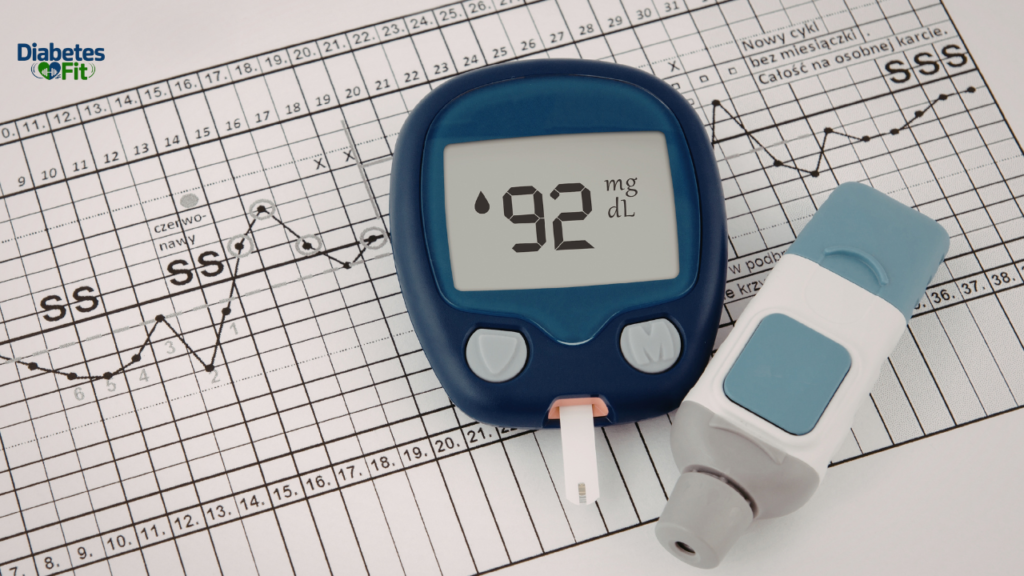
- Fasting blood sugar: 70–99 mg/dL
- After eating (2 hours): Less than 140 mg/dL
- Random blood sugar: Usually below 140 mg/dL
If your levels are higher than these ranges, even without diabetes, it could indicate temporary hyperglycemia or a warning sign of future health issues.
Main Causes of Hyperglycemia in Non Diabetics
Let’s explore the most common causes of hyperglycemia in non diabetics in detail.
1. Stress and Emotional Pressure
Stress is one of the most common and overlooked causes of high blood sugar in non-diabetic individuals.
When you are stressed, anxious, or emotionally overwhelmed, your body releases stress hormones such as cortisol and adrenaline. These hormones signal the liver to release stored glucose into the bloodstream for quick energy.
This biological response is helpful during emergencies, but chronic stress can lead to persistently high blood sugar levels, even in healthy individuals.
Examples of stress triggers:
- Work pressure
- Relationship problems
- Financial worries
- Exams and deadlines
- Emotional trauma
2. Poor Diet and Excess Sugar Intake
Diet plays a huge role in blood sugar control. Eating too many refined carbohydrates and sugary foods can cause sharp spikes in blood glucose levels.
Foods that may cause hyperglycemia include:
- Sugary drinks
- Cakes and pastries
- White bread and white rice
- Fast food
- Processed snacks
- Sweet desserts
In non-diabetics, the body usually balances sugar levels efficiently. However, frequent overeating, large portion sizes, and unhealthy food choices can overwhelm the system, leading to temporary or repeated hyperglycemia.
3. Lack of Physical Activity
A sedentary lifestyle is another major cause of hyperglycemia in non diabetics.
Physical activity helps muscles absorb glucose from the bloodstream, lowering blood sugar levels naturally. When you do not exercise regularly, your body becomes less efficient at using insulin, leading to insulin resistance and elevated blood glucose levels.
Low activity levels can result in:
- Poor glucose metabolism
- Weight gain
- Increased insulin resistance
- Higher fasting blood sugar
4. Acute Illness and Infections
During illness, your body experiences physical stress. In response, it releases stress hormones, which raise blood sugar levels.
Common illnesses linked to hyperglycemia include:
- Fever
- Flu
- Pneumonia
- Urinary tract infections (UTIs)
- COVID-19
- Severe injuries
Even healthy individuals can experience temporary hyperglycemia during illness, especially when the immune system is under pressure.
5. Certain Medications
Some medications can increase blood sugar levels as a side effect, even in non-diabetic individuals.
Common drugs that may cause hyperglycemia include:
- Corticosteroids (e.g., prednisone)
- Certain asthma medications
- Diuretics
- Antidepressants
- Hormonal contraceptives
- Antipsychotic drugs
If you notice high blood sugar while taking medication, always consult your doctor instead of stopping the medicine on your own.
6. Hormonal Imbalances
Hormones control many processes in the body, including blood sugar regulation. Any hormonal imbalance can disturb glucose levels.
Common hormonal conditions that cause hyperglycemia include:
- Cushing’s syndrome
- Polycystic Ovary Syndrome (PCOS)
- Thyroid disorders
- Growth hormone disorders
Hormonal fluctuations during pregnancy, menopause, or puberty can also trigger short-term hyperglycemia.
7. Dehydration
When the body lacks enough fluids, blood sugar concentration increases, leading to elevated readings.
Dehydration reduces the kidneys’ ability to flush out excess glucose through urine, causing higher blood sugar levels.
Drinking enough water daily is essential for maintaining a healthy glucose balance.
8. Poor Sleep and Irregular Sleep Patterns
Sleep deprivation affects insulin sensitivity and hormone balance. Lack of sleep increases cortisol levels, which raises blood sugar.
People who:
- Sleep less than 6 hours
- Have irregular sleep schedules
- Work night shifts
are more likely to experience temporary hyperglycemia, even without diabetes.
9. Excessive Caffeine and Energy Drinks
Caffeine stimulates the release of stress hormones, which can increase blood sugar levels temporarily.
Energy drinks and high-caffeine beverages often contain hidden sugars, making the effect even stronger.
10. Underlying Health Conditions
Certain health problems can raise blood sugar levels in non-diabetics, including:
- Pancreatic disorders
- Liver disease
- Kidney problems
- Heart conditions
- Severe trauma or surgery
These conditions may interfere with insulin production or glucose metabolism, leading to hyperglycemia.
Symptoms of Hyperglycemia in Non Diabetics
Some people may not notice symptoms at first, but common signs include:
- Frequent urination
- Increased thirst
- Fatigue
- Blurred vision
- Headaches
- Dry mouth
- Difficulty concentrating
Ignoring these symptoms may lead to long-term complications.
Health Risks of Untreated Hyperglycemia
If hyperglycemia continues without treatment, it can increase the risk of:
- Prediabetes
- Type 2 diabetes
- Heart disease
- Nerve damage
- Kidney problems
- Vision issues
Early detection and lifestyle changes can prevent serious complications.
How to Prevent Hyperglycemia in Non Diabetics
Prevention is always better than treatment. Here are some effective strategies:

1. Eat a Balanced Diet
Focus on whole foods, fiber-rich vegetables, lean proteins, and healthy fats.
2. Exercise Regularly
Aim for at least 30 minutes of physical activity daily.
3. Manage Stress
Practice meditation, yoga, deep breathing, or hobbies.
4. Stay Hydrated
Drink 8–10 glasses of water daily.
5. Sleep Well
Maintain 7–9 hours of quality sleep every night.
6. Regular Health Checkups
Monitor blood sugar levels if you have risk factors.
Treatment Options for Non-Diabetic Hyperglycemia
Treatment depends on the underlying cause and may include:
- Lifestyle changes
- Dietary improvements
- Weight management
- Stress reduction
- Medication adjustments
- Treating underlying illnesses
Medical consultation is recommended for persistent high blood sugar.
When to See a Doctor?

You should consult a healthcare professional if:
- Blood sugar stays high for several days
- Symptoms worsen
- You experience dizziness, confusion, or weakness
- You have a family history of diabetes
Early medical advice can prevent long-term damage.
Conclusion
Understanding the causes of hyperglycemia in non diabetics is essential for maintaining long-term health. While diabetes is the most common cause of high blood sugar, non-diabetics can also experience hyperglycemia due to stress, poor diet, lack of exercise, illness, medications, hormonal imbalances, dehydration, and poor sleep.
The good news is that in most cases, hyperglycemia in non-diabetics is reversible with healthy lifestyle changes, proper nutrition, regular physical activity, stress management, and adequate hydration. By staying informed and proactive, you can protect your body, prevent future health risks, and enjoy a healthier life.
FAQs
Can stress cause high blood sugar in non diabetics?
Yes, stress releases hormones that increase blood glucose levels, even in healthy individuals.
Can lack of sleep increase blood sugar?
Yes, poor sleep disrupts insulin function and raises cortisol, leading to higher blood sugar.
Can dehydration cause hyperglycemia?
Yes, dehydration concentrates glucose in the blood, increasing sugar levels.
Is temporary hyperglycemia dangerous?
Occasional spikes are usually harmless, but repeated episodes increase the risk of diabetes.
Can diet alone cause hyperglycemia in non diabetics?
Yes, excessive sugar and refined carbs can cause sharp blood sugar spikes.
How can I quickly lower high blood sugar naturally?
Drink water, take a short walk, reduce sugar intake, and manage stress.

David Miller is a health and wellness writer focused on diabetes awareness, blood sugar control, and healthy living. He creates clear, practical content to help readers make better everyday health choices.