
7 Surprising Facts About Dehydration and Low Blood Sugar
You feel dizzy, shaky, tired, and your head is pounding. You assume it’s low blood sugar, so you grab a snack. But nothing gets better. What if dehydration and low blood sugar are both hitting you at the same time, and you don’t even realize it? This happens more often than most people think, and it’s one of the most overlooked reasons people feel awful without knowing why.
The connection between these two conditions is real, backed by science, and surprisingly easy to miss. Whether you have diabetes, are physically active, or just don’t drink enough water during the day, understanding how dehydration and low blood sugar interact could genuinely change how you feel — starting today.
Dehydration can affect blood sugar levels, so staying properly hydrated is essential. To learn more about natural drinks and their impact, read our article: Does Green Tea Lower Blood Sugar?
What Is Dehydration and Why Does It Matter for Blood Sugar?
Dehydration happens when your body loses more fluid than it takes in. Most people think of dehydration as just feeling thirsty. But by the time you feel thirsty, your body is already mildly dehydrated — and things are already starting to go wrong internally.
Here’s what most people don’t know: water plays a direct role in how your body regulates blood sugar.
When you’re well hydrated, your blood has a normal volume and concentration. Glucose (sugar) is diluted properly throughout your bloodstream. But when you’re dehydrated, your blood volume shrinks. The same amount of glucose is now concentrated in less fluid, which can actually make blood sugar readings appear higher than they really are.
On the flip side, dehydration can also trigger the release of a hormone called vasopressin (also called ADH — antidiuretic hormone). Vasopressin tells your kidneys to hold onto water. But it also signals the liver to release more glucose into the bloodstream. For someone already dealing with blood sugar issues, this hormonal cascade makes an already tricky situation even harder to manage.
The Link Between Dehydration and Low Blood Sugar Explained Simply
Here’s where it gets a little nuanced — and really important.
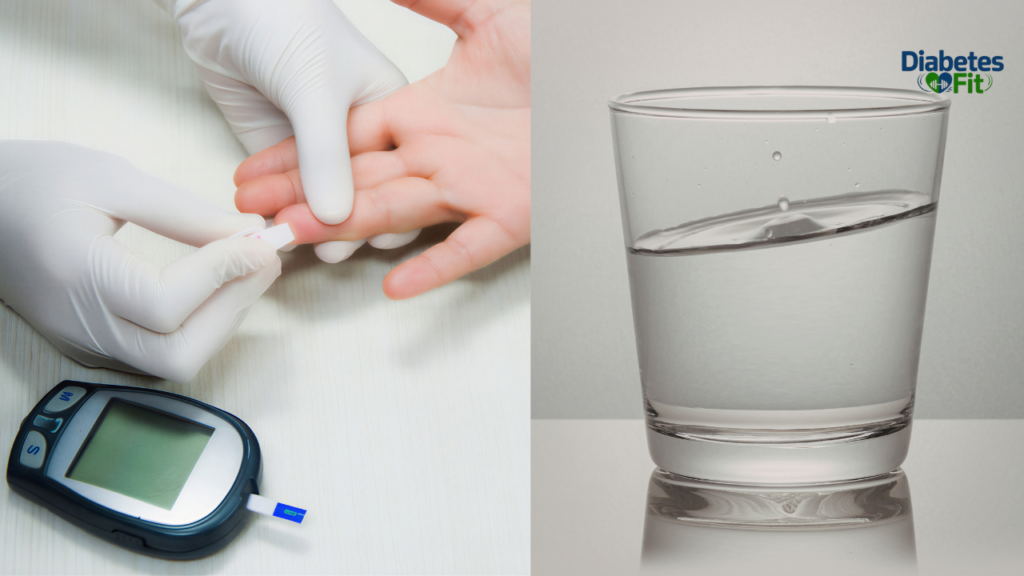
Dehydration doesn’t always cause low blood sugar directly. But it creates the conditions that make low blood sugar more likely, harder to detect, and more dangerous when it does happen.
Think of it like this: imagine your blood is a river. Normally, the river flows steadily, carrying glucose to your brain, muscles, and organs at a stable pace. When you’re dehydrated, that river becomes a shallow, sluggish stream. The flow is disrupted. Glucose delivery becomes unpredictable.
This is especially critical for:
- People with Type 1 or Type 2 diabetes taking insulin or blood sugar-lowering medications
- Athletes and active people who sweat heavily and deplete both fluids and energy simultaneously
- Older adults whose thirst signals are naturally less reliable
- Children who are highly active but rarely drink enough water
How Dehydration and Low Blood Sugar Share the Same Symptoms
This is where things get genuinely confusing — and potentially dangerous.
Look at this comparison:
| Symptom | Dehydration | Low Blood Sugar (Hypoglycemia) |
|---|---|---|
| Dizziness | ✅ Yes | ✅ Yes |
| Headache | ✅ Yes | ✅ Yes |
| Fatigue/weaknesss | ✅ Yes | ✅ Yes |
| Difficulty concentrating | ✅ Yes | ✅ Yes |
| Irritability | ✅ Yes | ✅ Yes |
| Nausea | ✅ Yes | ✅ Yes |
| Shakiness/trembling | ❌ Less common | ✅ Yes |
| Sweating | ❌ Less common | ✅ Yes |
| Rapid heartbeat | ✅ Yes | ✅ Yes |
| Pale skin | ❌ Rare | ✅ Yes |
| Dry mouth | ✅ Yes | ❌ Less common |
The overlap is striking. If you’re feeling dizzy, tired, and foggy, you genuinely cannot tell from symptoms alone whether you’re dehydrated, hypoglycemic, or both.
Real-life example: James, a 34-year-old recreational runner with pre-diabetes, went for a long morning run without eating or drinking enough water. Midway through, he felt shaky and confused. He ate a granola bar, thinking his blood sugar had dropped — but he barely improved. The real problem was that he was severely dehydrated and his blood sugar was low at the same time. One snack wasn’t enough. He needed water just as badly as he needed glucose.
Can Dehydration Cause Low Blood Sugar Directly?
This is one of the most Googled questions on this topic — and the answer is: not always directly, but yes, indirectly and significantly.
Here’s how the chain reaction works:
In People Without Diabetes:
Severe dehydration can lead to reduced food intake, disrupted digestion, and impaired glucose production in the liver. When the liver is stressed by dehydration, it may not release glucose efficiently — which can nudge blood sugar lower, especially after exercise or during illness.
In People With Diabetes:
The risk is much higher. Here’s why:
- Dehydration concentrates blood → blood sugar readings look falsely high. A person takes extra insulin or medication to correct what looks like high blood sugar
- Blood sugar drops too low → hypoglycemia sets in
- Meanwhile, they’re still dehydrated → symptoms are amplified and harder to treat
This dangerous cycle happens in real life more than most people realize. It’s a genuine medical risk, not just a hypothetical.
In Athletes and Active People:
Heavy sweating depletes both fluids and electrolytes. Low electrolytes — especially sodium and potassium — interfere with how cells absorb glucose. You can eat sugar, but if your cells can’t use it properly because of an electrolyte imbalance from dehydration, you’ll still feel terrible.
Warning Signs You Have Both Dehydration and Low Blood Sugar
If you experience several of these together, take it seriously:
- You feel dizzy and shaky, but also have a dry mouth and dark urine
- You ate recently,y but still feel weak and foggy
- You drank alcohol the night before (alcohol both dehydrates you and lowers blood sugar)
- You’ve been sweating heavily from exercise, heat, or fever
- You’re sick with vomiting or diarrhea (both deplete fluids and disrupt glucose balance)
- You’ve been skipping meals while also not drinking enough water
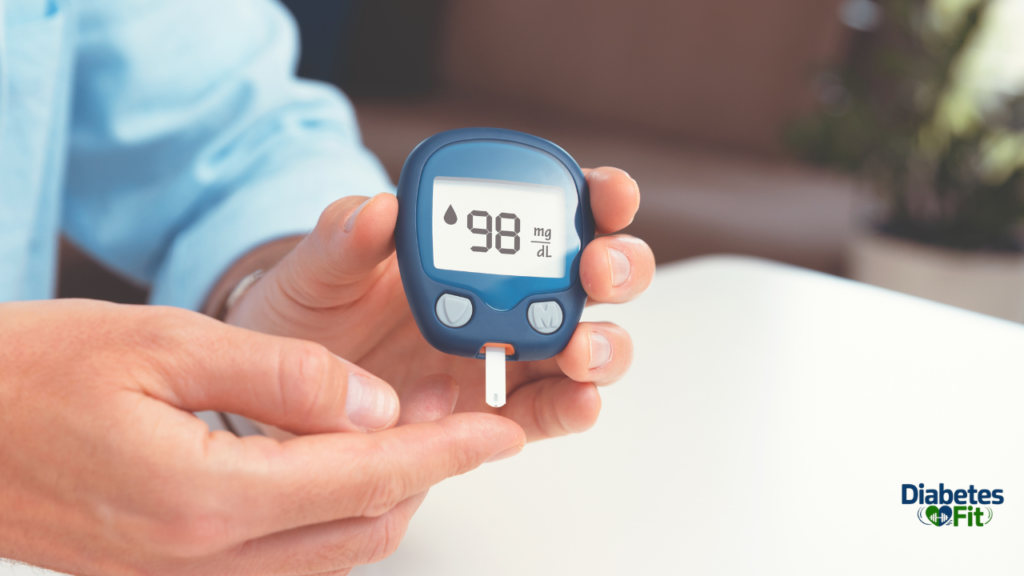
- Your blood sugar meter reads normal, but you still feel awful
That last point is important. If your blood glucose reads in the normal range but you still feel hypoglycemic, dehydration could be the missing piece. Dehydrated blood doesn’t flow or carry nutrients the same way properly hydrated blood does.
How Dehydration Affects Blood Sugar Levels: A Closer Look
Let’s go a bit deeper into the physiology — still in plain English.
The Vasopressin Effect
When you’re dehydrated, your pituitary gland releases vasopressin. This hormone tells the kidneys to retain water. But research has also linked high vasopressin levels to increased liver glucose production and poorer insulin function. In simple terms,s: dehydration makes your body worse at managing blood sugar on both ends — too much glucose can be released, and insulin becomes less effective at clearing it.
The Kidney Connection
Your kidneys filter blood and regulate both hydration and glucose. When you’re dehydrated, your kidneys work harder to concentrate urine and conserve water. This extra workload can disrupt the balance of blood sugar regulation, especially in people who already have impaired kidney function (common in diabetics).
Cortisol — The Stress Hormone
Dehydration also raises cortisol, your body’s primary stress hormone. Elevated cortisol causes the liver to dump glucose into the bloodstream. Ironically, while this might raise blood sugar temporarily, it also causes a compensatory crash — especially if you’re on medication that lowers blood sugar. The cortisol spike → glucose dump → medication response → blood sugar crash cycle is a known but underappreciated pathway.
Who Is Most at Risk for Dehydration and Low Blood Sugar Together?
Some groups need to be especially careful:
| Group | Why They’re at Risk |
| People with Type 1 diabetes | Insulin use + poor fluid intake = dangerous drops |
| Type 2 diabetics on medications | Certain drugs (like SGLT2 inhibitors) increase the risk of urination and dehydration |
| Elderly individuals | Weakened thirst sensation + reduced kidney function |
| Athletes and gym-goers | Sweat losses + energy expenditure deplete both water and glucose |
| People with eating disorders | Restricted intake affects both hydration and blood sugar simultaneously |
| Those with fever or illness | Fluid loss from sweating + reduced eating disrupts balance |
| Pregnant women | Higher fluid needs + hormonal changes affect blood sugar regulation |
Practical Tips: How to Prevent Dehydration and Low Blood Sugar Together
You don’t need to overthink this. A few consistent habits make a big difference.
For Daily Life:
- Drink water consistently throughout the day — don’t wait until you’re thirsty. Aim for 8–10 glasses (about 2–2.5 litres) unless your doctor has advised otherwise.
- Eat regular meals and snacks — skipping meals while also under-drinking is a double risk.
- Check your urine color — pale yellow means you’re well hydrated. Dark yellow or amber is a warning sign.
- Don’t rely on coffee alone in the morning — caffeine is mildly diuretic. Start your day with a glass of water before coffee.
For People With Diabetes:
- Check blood sugar AND drink water when you feel symptomatic — treat both possibilities at once rather than guessing which is the issue.
- Be extra careful with SGLT2 inhibitor medications (like canagliflozin or dapagliflozin) — these drugs cause your kidneys to excrete glucose through urine, which also pulls water out of your body and raises dehydration risk significantly.
- Carry both water and a fast-acting glucose source when you exercise or spend time outdoors.
- Talk to your doctor if you’re sick — illness combined with diabetes medications is one of the highest-risk scenarios for dehydration and blood sugar crashes together.
During and After Exercise:
- Drink water before you start, not just when you’re thirsty mid-workout
- For sessions longer than 60 minutes, consider an electrolyte drink (low-sugar versions are better for diabetics)
- Have a small balanced snack within 30 minutes after intense exercise
- Don’t skip meals on heavy training days, thinking it’ll help with weight — it dramatically increases the risk of both conditions hitting simultaneously
In Hot Weather or During Illness:
- Increase fluid intake proactively — don’t wait for symptoms
- If vomiting or diarrhea is involved, use an oral rehydration solution (ORS) to replace both fluids and electrolytes
- Monitor blood sugar more frequently when you’re unwell
- Contact your healthcare provider if you can’t keep fluids down — this can become a medical emergency quickly for diabetics
What to Do When You Think You Have Both at the Same Time
Here’s a simple action plan:
- Sit down and stay calm — both conditions worsen with physical stress
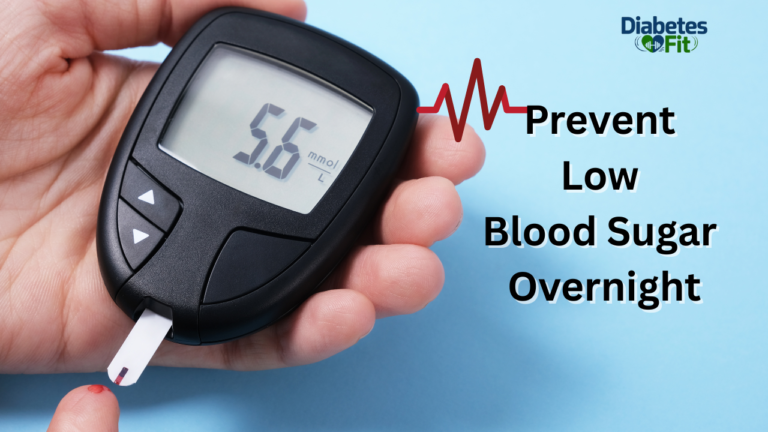
- Check your blood sugar if you have a glucometer available
- Drink a glass of water immediately, regardless of what your reading shows
- If blood sugar is below 70 mg/dL (3.9 mmol/L) — follow the 15-15 rule: consume 15 grams of fast-acting carbs, wait 15 minutes, recheck
- Continue drinking water after treating blood sugar — rehydrating helps the glucose treatment work better.r
- Eat a balanced snack (protein + complex carbs) once you’re stable
- Seek medical help if symptoms don’t improve within 15–20 minutes
Final Thoughts
The connection between dehydration and low blood sugar is real, clinically significant, and surprisingly easy to overlook. These two conditions don’t just share symptoms — they actively worsen each other in ways that can spiral quickly, especially in people with diabetes, older adults, and those who are physically active.
The most important takeaway? Don’t treat just one when you might have both. If you feel dizzy, shaky, foggy, or unwell, drink water and check your blood sugar — don’t choose between the two. Your body needs both glucose and hydration to function, and neglecting one while fixing the other often leaves you feeling only halfway better.
Start building the habit of regular hydration today. Keep water nearby, eat regular meals, and if you manage diabetes, talk to your doctor about how your specific medications interact with fluid balance. A few simple, consistent changes can prevent what might otherwise become a genuinely scary medical situation.
This article is for informational purposes only. Always consult a qualified healthcare provider for personal medical advice, especially if you have diabetes or a chronic health condition.
Dehydration can affect blood sugar levels, especially for people managing diabetes. For more detailed information, you can read this helpful guide on How Dehydration Can Spike Your Blood Sugar
Frequently Asked Questions
Can dehydration cause low blood sugar?
Dehydration doesn’t always directly cause low blood sugar, but it creates conditions that make hypoglycemia more likely — especially in people with diabetes. Dehydration concentrates blood, triggers hormone changes, and can cause falsely high glucose readings that lead to over-medication and subsequent blood sugar crashes.
What are the signs of dehydration and low blood sugar at the same time?
Common overlapping signs include dizziness, headache, fatigue, irritability, and difficulty concentrating. If you also have dry mouth, dark urine, shakiness, and sweating together, you may be dealing with both conditions simultaneously.
How much water should a diabetic drink per day?
Most adults, including diabetics, should aim for 8–10 glasses (about 2–2.5 litres) of water daily. People on certain diabetes medications like SGLT2 inhibitors may need more, as these drugs increase fluid loss through urine.
Does drinking water help raise low blood sugar?
Water alone won’t raise blood sugar, since it contains no glucose. However, drinking water when you’re hypoglycemic helps your blood volume normalize, which allows glucose (from food or drinks) to circulate more effectively and reach your cells faster.
Can dehydration cause a falsely low blood sugar reading?
Yes, though more commonly dehydration causes falsely high readings by concentratingthe blood. However, severe dehydration can also affect the accuracy of glucose meters, and the physical symptoms of dehydration can closely mimic hypoglycemia even when blood sugar is technically normal.
Is it dangerous to have dehydration and low blood sugar together?
Yes, it can be. Together, these conditions can cause severe dizziness, confusion, fainting, and in serious cases, loss of consciousness. For people with diabetes, this combination can escalate quickly and may require emergency medical attention if not treated promptly.

David Miller is a health and wellness writer focused on diabetes awareness, blood sugar control, and healthy living. He creates clear, practical content to help readers make better everyday health choices.