
Does Exercise Increase Blood Sugar? Everything You Need to Know
If you have diabetes or you are simply trying to keep your blood sugar levels healthy, you have probably asked this question at some point: Does exercise increase blood sugar? It is a great question, and honestly, the answer is a little more interesting than just a simple yes or no.
Exercise affects your blood sugar in different ways depending on the type of workout you do, how long you exercise, and even what you eat before hitting the gym.
In this article, we are going to break it all down in simple, easy-to-understand language. No complicated medical terms, no confusing charts — just clear, honest information that can actually help you make better decisions about your health and fitness.
To better manage blood sugar, learn how to choose the right bread here: Best Bread for Diabetics.
First, Let’s Understand How Blood Sugar Works
Before we talk about exercise, it helps to understand what blood sugar actually is and why it matters. Blood sugar, also called blood glucose, is the main source of energy for your body. When you eat food — especially carbohydrates — your digestive system breaks it down into glucose. That glucose then enters your bloodstream and travels to your cells to give them energy.
Your pancreas produces a hormone called insulin that helps move glucose from your blood into your cells. When this system works well, your blood sugar stays in a healthy range. But when it does not work properly — as in the case of type 1 or type 2 diabetes — blood sugar can rise too high or drop too low, causing serious health problems.
Now, where does exercise fit into all of this? That is where things get really interesting.
So, Does Exercise Increase Blood Sugar?
The short answer is — it depends. Exercise can both raise and lower blood sugar levels, and it all comes down to what kind of exercise you are doing.
Let us look at both sides of this.
How Exercise Can Lower Blood Sugar
For most people, especially those with type 2 diabetes, regular exercise is one of the best natural ways to lower blood sugar. Here is why.

When you exercise, your muscles need energy. To get that energy, they start using up glucose, which means they pull sugar out of your bloodstream. This process happens even without insulin, which is great news for people whose insulin is not working as well as it should.
During moderate-intensity exercise like brisk walking, swimming, or cycling, your muscles absorb glucose at a much higher rate than when you are sitting still. This causes your blood sugar levels to drop during and after the workout. In fact, the effects of exercise on blood sugar can last for up to 24 hours after you finish working out. That is why regular exercise is so powerful for managing diabetes and overall health.
Regular exercise also makes your body more sensitive to insulin over time. This means your cells respond better to insulin and absorb glucose more efficiently. Better insulin sensitivity means lower blood sugar levels overall — even on days when you do not work out.
How Exercise Can Raise Blood Sugar
Now here is the part that surprises many people — yes, certain types of exercise can actually raise your blood sugar, at least temporarily.
This usually happens with high-intensity exercise like sprinting, heavy weightlifting, or intense interval training. When you push your body really hard, it sees it as a form of stress. In response to that stress, your body releases hormones like adrenaline and cortisol. These stress hormones signal your liver to release stored glucose into your bloodstream to give you a quick burst of energy.
The result? Your blood sugar can spike during or right after intense exercise — even if you did not eat anything beforehand.
This does not mean high-intensity exercise is bad for you. It just means you need to be aware of it, especially if you have diabetes. In most cases, the blood sugar rise from intense exercise is temporary. Once your body calms down and starts recovering, your blood sugar usually comes back down — and often drops lower than it was before you started working out.
The Dawn Phenomenon and Morning Workouts

Another reason some people notice higher blood sugar during exercise — especially morning workouts — is something called the dawn phenomenon. In the early morning hours, your body naturally releases hormones like cortisol and growth hormone to help you wake up and get going. These hormones can cause your blood sugar to rise even before you eat anything.
If you exercise in the morning, this natural rise in hormones, combined with the stress response from exercise, can push your blood sugar up temporarily. Again, this is not dangerous for most healthy people, but it is something to watch if you are managing diabetes.
Different Types of Exercise and Their Effect on Blood Sugar
Understanding how different workouts affect your blood sugar can help you plan smarter. Here is a simple breakdown.
Aerobic Exercise (Low to Moderate Intensity) This includes walking, jogging, cycling, dancing, and swimming. These activities generally lower blood sugar during and after exercise. They are great for people with diabetes and for anyone wanting to improve their overall blood sugar control. The longer you do aerobic exercise, the more glucose your muscles burn.
Anaerobic Exercise (High Intensity) This includes sprinting, heavy lifting, HIIT workouts, and competitive sports. These activities can cause a temporary spike in blood sugar because of the stress hormones your body releases. However, after the workout, your blood sugar often drops as your muscles work to recover and refuel.
Resistance Training (Weightlifting) Strength training has a mixed effect on blood sugar. During the workout, blood sugar might rise slightly. But over time, building muscle is incredibly beneficial for blood sugar control because muscle tissue uses more glucose than fat tissue — even at rest.
Yoga and stretching:g These gentle forms of exercise typically have a mild lowering effect on blood sugar. They also reduce stress hormones, which indirectly helps keep blood sugar more stable.
Tips for Managing Blood Sugar During Exercise
Whether you have diabetes or just want to keep your blood sugar balanced, these practical tips can help you exercise safely and effectively.

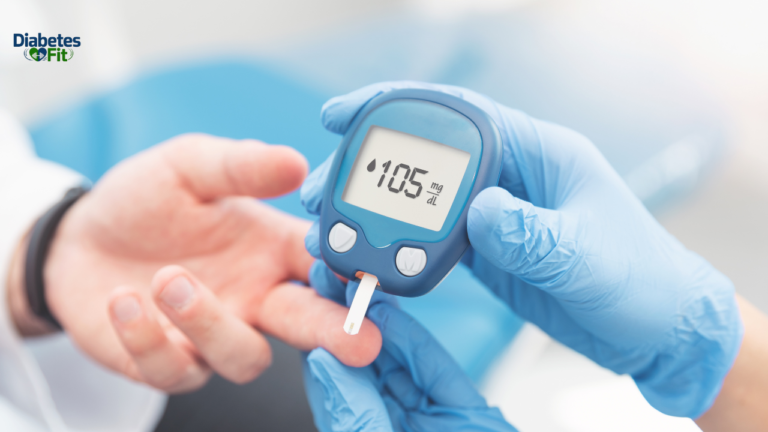
Check Your Blood Sugar Before and After. er If you have diabetes, always check your blood sugar before you start exercising. If it is too low (below 100 mg/dL), have a small snack first. If it is very high (above 250 mg/dL), it might be better to wait and bring it down before working out. After exercise, check again to see how your body responded.
Stay Hydrated Dehydration can cause blood sugar to rise. Drink plenty of water before, during, and after your workout. Avoid sugary sports drinks unless your blood sugar is actually low and you need a quick boost.
Eat the Right Snack Before Exercise. A small snack with a mix of carbohydrates and protein about 30 minutes before exercise can help keep your blood sugar stable during the workout. Thinkof a banana with peanut butter or a small handful of nuts with a piece of fruit.
Do Not Skip Meals. Exercising on an empty stomach can cause blood sugar to drop too low, especially if you are on diabetes medication. Eating a balanced meal a couple of hours before exercise gives your body the fuel it needs.
Cool Down Properly. A proper cool-down after intense exercise helps your body transition more smoothly and can prevent sudden blood sugar drops. Spend five to ten minutes doing light walking or stretching after every workout.
Talk to Your Doctor.r If you have diabetes, always work with your healthcare provider to understand how your body responds to different types of exercise. They can help you adjust your medication or meal plan around your workouts.
Exercise Is Still One of the Best Things You Can Do
Even though exercise can sometimes cause temporary blood sugar spikes, the long-term benefits are absolutely worth it. Regular physical activity helps you maintain a healthy weight, reduces belly fat (which is directly linked to insulin resistance), lowers blood pressure, improves cholesterol, and boosts your overall mood and energy.
For people with type 2 diabetes, exercise is often considered one of the most powerful tools available — sometimes even more effective than medication for improving blood sugar control over time. And for people without diabetes, staying active is one of the best ways to prevent blood sugar problems from developing in the first place.
The key is to find a type of exercise you enjoy, stay consistent, and pay attention to how your body responds. Everyone is different, and your blood sugar may react differently to exercise than someone else’s. That is completely normal.
Conclusion
So, does exercise increase blood sugar? The answer is — sometimes, temporarily, yes. High-intensity exercise can cause a short-term spike in blood sugar due to stress hormones. But in the bigger picture, regular exercise is one of the most effective and natural ways to lower blood sugar, improve insulin sensitivity, and protect your long-term health.
The type of exercise you do matters, your timing matters, and what you eat around your workouts matters. But most importantly, staying active matters. Do not let the fear of a temporary blood sugar change stop you from enjoying the incredible benefits that exercise brings to your body and mind.
Start slow, stay consistent, listen to your body — and always work with your doctor if you have any concerns about managing your blood sugar during exercise. You are making a smart choice by learning about this, and that is already a great first step.
Frequently Asked Questions
Can exercise cause blood sugar to spike?
Yes, high-intensity exercise like sprinting or heavy weightlifting can cause a temporary blood sugar spike. This happens because your body releases stress hormones that tell the liver to release stored glucose. The spike is usually short-lived, and blood sugar often drops back down after recovery.
What type of exercise is best for lowering blood sugar?
Moderate-intensity aerobic exercise, like brisk walking, cycling, or swimming, is generally the best for lowering blood sugar. These activities help your muscles absorb glucose directly from your bloodstream without needing a big insulin response.
How long does exercise affect blood sugar?
Exercise can affect your blood sugar for up to 24 hours after your workout. This is why staying active consistently — even just going for a daily walk — can have a powerful impact on your overall blood sugar control.
Should I exercise if my blood sugar is high?
If your blood sugar is mildly elevated, light to moderate exercise can actually help bring it down. However, if it is very high — above 250 mg/dL — you should check for ketones and consult your doctor before exercising, as intense activity in that state can make things worse.
Can exercise lower blood sugar too much?
Yes, this is called hypoglycemia, or low blood sugar. It is more common in people with type 1 diabetes or those taking certain diabetes medications. To prevent this, eat a small snack before exercise and monitor your blood sugar before and after workouts.
Is it safe for diabetics to exercise every day?
For most people with diabetes, daily exercise is not only safe but highly recommended. Even 30 minutes of light activity each day can make a big difference in blood sugar control. Always talk to your healthcare provider to create an exercise plan that is right for your specific situation.

David Miller is a health and wellness writer focused on diabetes awareness, blood sugar control, and healthy living. He creates clear, practical content to help readers make better everyday health choices.