
Does High Blood Sugar Make You Sleepy? Signs You Shouldn’t Ignore
Have you ever wondered why you feel so exhausted after a heavy meal or why that afternoon slump hits you so hard?
The answer might be hiding in your blood sugar levels. If you’ve been feeling unusually tired lately, your body could be sending you an important message about your glucose levels.
High blood sugar doesn’t just affect your lab reports — it can quietly impact how you feel every day. One common but often ignored symptom is constant tiredness or sleepiness, even after a full night’s rest.
Understanding the Connection Between Blood Sugar and Fatigue
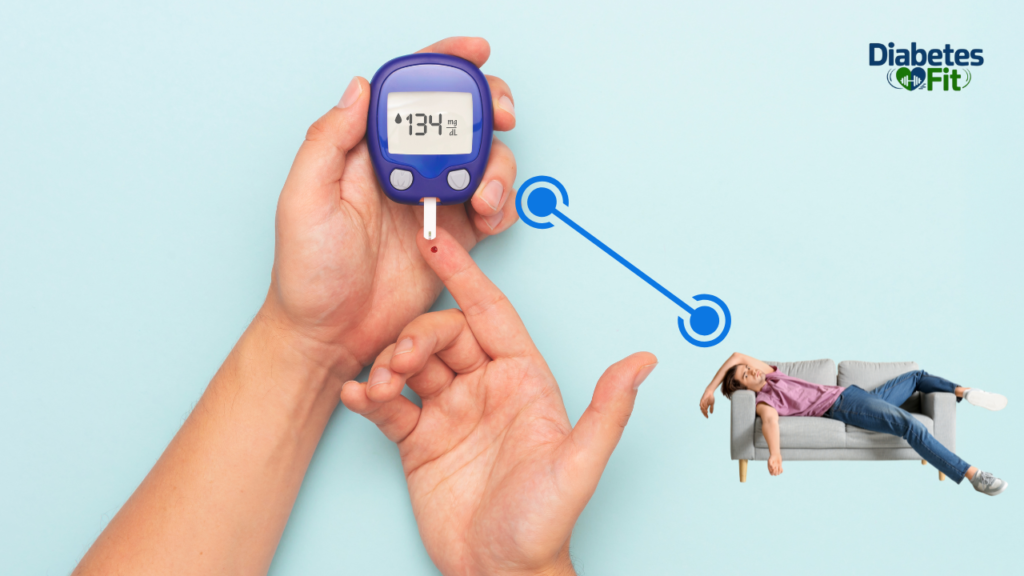
Yes, high blood sugar can absolutely make you feel sleepy and drained. When your blood glucose levels spike, your body goes through a complex process that often leaves you feeling like you need a nap. But why does this happen?
Think of your cells like tiny engines that need fuel to run. Glucose is that fuel. When you have high blood sugar, it means there’s plenty of glucose floating around in your bloodstream, but here’s the catch: it’s not getting into your cells where it’s actually needed. It’s like having a full gas tank but a clogged fuel line. Your cells are essentially starving for energy even though your blood is swimming in sugar.
This happens because insulin, the hormone that acts like a key to unlock your cells and let glucose in, either isn’t working properly or isn’t being produced in sufficient amounts. The result? You feel exhausted, foggy-headed, and desperately in need of rest.
The Science Behind Blood Sugar Fatigue

When your blood sugar remains elevated for extended periods, several things happen in your body that contribute to that overwhelming tiredness. First, your kidneys kick into overdrive trying to filter out the excess glucose. They do this by pulling extra water from your tissues and flushing the sugar out through urination.
This process leads to dehydration, which is a major energy zapper on its own. You might find yourself constantly thirsty, drinking water, but still feeling parched. The dehydration compounds your fatigue, creating a cycle that’s hard to break without addressing the root cause.
Additionally, high blood sugar triggers inflammation throughout your body. This inflammatory response requires energy to manage, further depleting your already limited resources. Your body is essentially fighting a battle it didn’t ask for, and you feel the exhaustion from that internal struggle.
Warning Signs You Should Never Ignore
While feeling sleepy occasionally is normal, certain combinations of symptoms alongside fatigue could indicate that high blood sugar is the culprit. Here are the key signs to watch for:
Excessive Thirst and Frequent Urination

If you’re drinking water constantly but still feel thirsty, and you’re making multiple trips to the bathroom throughout the day and night, this is a classic red flag. Your body is trying to dilute and eliminate excess glucose, leading to this uncomfortable cycle.
Blurred or Changing Vision
High glucose levels can cause fluid to shift in and out of your eyes, affecting the lens and making it difficult to focus. If you notice your vision seems blurry or keeps changing throughout the day, don’t brush it off as just needing new glasses.
Unexplained Weight Loss

This might sound like a dream come true, but losing weight without trying when you’re eating normally or even more than usual is concerning. It means your body isn’t processing glucose properly and is breaking down fat and muscle tissue for energy instead.
Wounds That Won’t Heal

Have you noticed that small cuts or bruises seem to take forever to heal? High blood sugar impairs circulation and weakens your immune system, making it harder for your body to repair itself. Even minor injuries can become problematic.
Constant Hunger Despite Eating
You just finished a meal, but you’re already hungry again. When glucose can’t enter your cells properly, your body sends hunger signals even though you’ve eaten plenty. It’s frustrating and confusing, but it’s your body’s way of saying something isn’t working right.
Different Types of Fatigue Related to Blood Sugar
Not all blood sugar-related tiredness feels the same. Sometimes you might experience a sudden crash after eating, especially if you’ve consumed a lot of refined carbohydrates or sugary foods. This reactive hypoglycemia happens when your blood sugar spikes dramatically and then plummets, leaving you feeling shaky and exhausted.
Other times, the fatigue is more chronic and persistent. You wake up tired, stay tired all day, and go to bed exhausted. This ongoing exhaustion often indicates that your blood sugar has been elevated for an extended period, and your body is struggling to cope.
Who Is at Risk?
While anyone can experience high blood sugar, certain factors increase your risk. If you’re overweight, live a sedentary lifestyle, have a family history of diabetes, are over 45, or have conditions like polycystic ovary syndrome, you’re more susceptible to developing blood sugar problems.
Additionally, certain ethnic groups including African Americans, Hispanic/Latino Americans, Native Americans, and Asian Americans have higher rates of diabetes and prediabetes.
What You Can Do About It
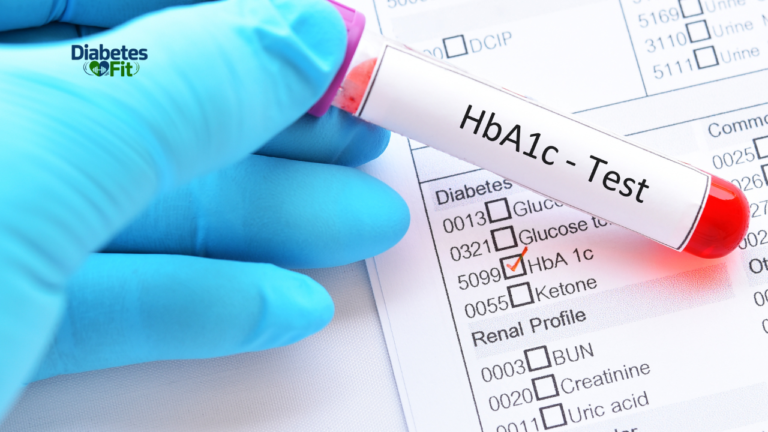
If you’re experiencing these symptoms, the first step is to see a healthcare provider for proper testing. They can check your fasting blood glucose, HbA1c levels, and determine if you have prediabetes, diabetes, or another condition affecting your blood sugar.
In the meantime, some lifestyle changes can help stabilize your blood sugar levels. Focus on eating balanced meals with protein, healthy fats, and fiber rather than refined carbohydrates alone. Regular physical activity, even just a 15-minute walk after meals, can help your body use glucose more effectively.
Stay hydrated with water rather than sugary drinks, manage stress through relaxation techniques, and prioritize getting seven to nine hours of quality sleep each night. These steps won’t replace medical treatment if needed, but they can support healthier blood sugar levels.
When to Seek Immediate Medical Attention
While fatigue itself isn’t usually an emergency, certain situations require prompt medical care. If you’re experiencing extreme thirst, confusion, rapid breathing, fruity-smelling breath, severe abdominal pain, or if you’re unable to keep fluids down, seek emergency care immediately. These could be signs of diabetic ketoacidosis, a serious complication.
Conclusion
High blood sugar can definitely make you sleepy, but it rarely travels alone. If you’re experiencing persistent fatigue along with other warning signs like excessive thirst, frequent urination, blurred vision, or slow-healing wounds, your body is trying to tell you something important. Don’t ignore these signals.
The good news is that high blood sugar is manageable when caught early. With proper medical care, lifestyle modifications, and monitoring, most people can successfully control their blood sugar levels and regain their energy. Remember, fatigue isn’t something you just have to live with, and feeling tired all the time isn’t normal. Listen to your body, pay attention to the warning signs, and don’t hesitate to reach out to a healthcare professional.
Your health is worth the effort, and addressing blood sugar issues early can prevent serious complications down the road. Take that first step today—your future self will thank you for it.
Frequently Asked Questions
How quickly can high blood sugar make you feel tired?
It depends on how high your blood sugar is and how sensitive your body is to these changes. Some people feel tired within an hour or two of eating a high-sugar meal, while others experience more chronic, ongoing fatigue when their blood sugar is consistently elevated over days or weeks.
Can drinking water help if my blood sugar is high?
Yes, drinking water can help your kidneys flush out excess glucose and prevent dehydration, which contributes to fatigue. However, water alone won’t solve high blood sugar issues—you’ll need to address the underlying cause with proper medical care and lifestyle changes.
Is it normal to feel sleepy after every meal?
Feeling slightly relaxed after eating is normal, but extreme sleepiness after meals, especially if accompanied by other symptoms, could indicate blood sugar problems. If you consistently need to nap after eating or struggle to stay awake, it’s worth getting checked out.
Can stress cause high blood sugar and fatigue?
Absolutely. Stress triggers the release of hormones like cortisol and adrenaline that can raise blood sugar levels. Chronic stress can contribute to both elevated glucose and persistent fatigue, creating a difficult cycle to break.
How long does it take to feel better after lowering blood sugar?
Many people start feeling more energetic within a few days to a couple of weeks of getting their blood sugar under control. However, if you’ve had elevated blood sugar for a long time, it might take several weeks or months to fully recover your energy levels.

David Miller is a health and wellness writer focused on diabetes awareness, blood sugar control, and healthy living. He creates clear, practical content to help readers make better everyday health choices.