Does Metformin Cause Hypoglycemia? The Truth You Need to Know
Does metformin cause hypoglycemia? This is one of the most common questions asked by people who have recently been prescribed this medication or are considering it as part of their diabetes management plan. It’s a fair question, and understanding the answer could genuinely impact how you manage your health and your relationship with this widely used drug.
Metformin has been around for decades and remains one of the most prescribed medications for type 2 diabetes worldwide. Doctors trust it, researchers have studied it extensively, and millions of people take it every single day. But like any medication, it comes with questions — and the fear of low blood sugar, or hypoglycemia, deserves a clear and honest answer.
Curious how popcorn impacts blood sugar? Read more here: Does Popcorn Raise Blood Sugar?
What Is Metformin and How Does It Work?
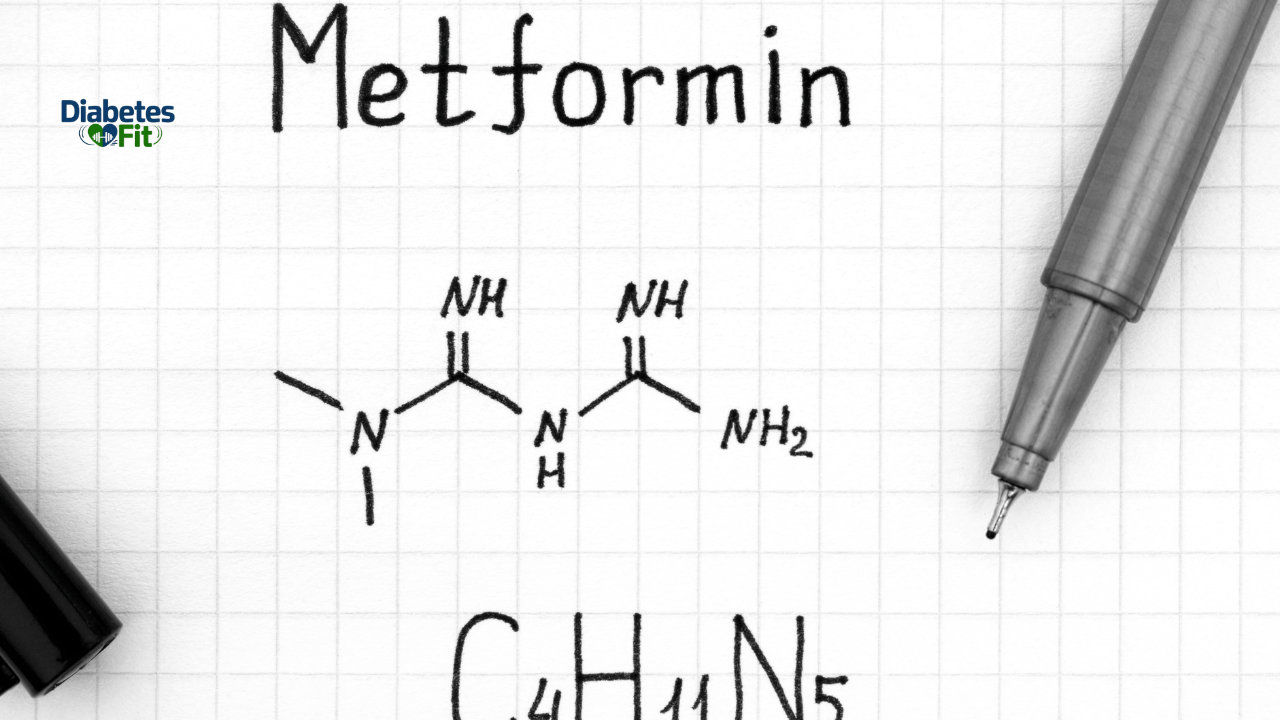
Before we answer whether metformin causes hypoglycemia, it helps to understand what this medication actually does inside your body. Metformin belongs to a class of drugs called biguanides. It works primarily by reducing the amount of glucose your liver releases into your bloodstream. Your liver has a habit of producing and dumping glucose into your blood even when you don’t really need it — metformin tells it to slow down.
On top of that, metformin improves your body’s sensitivity to insulin, meaning your cells become better at using the insulin that’s already there. It also slows down the absorption of glucose from your gut after meals. The result is a more stable blood sugar level throughout the day without dramatic spikes or crashes.
Here’s the key thing to understand: metformin does not stimulate your pancreas to produce more insulin. This is a crucial distinction, and it’s the main reason why metformin behaves very differently from other diabetes medications when it comes to hypoglycemia risk.
What Is Hypoglycemia?
Hypoglycemia refers to abnormally low blood sugar levels — generally defined as blood glucose falling below 70 mg/dL (3.9 mmol/L). When blood sugar drops too low, the body doesn’t have enough fuel to function properly, and this can cause a range of symptoms, including shakiness, sweating, dizziness, confusion, rapid heartbeat, and in severe cases, loss of consciousness.
Hypoglycemia is a real concern for people with diabetes, especially those taking insulin or certain other medications that directly stimulate insulin secretion. The fear of a hypoglycemic episode can be genuinely frightening and can seriously affect quality of life. So it makes complete sense that anyone starting a new diabetes medication would want to know whether it carries this risk.
Does Metformin Cause Hypoglycemia on Its Own?
The short and reassuring answer is: no, metformin does not typically cause hypoglycemia when taken alone. Because metformin works by reducing excess glucose production and improving insulin sensitivity — rather than by pushing the pancreas to pump out more insulin — it doesn’t create the conditions that lead to dangerously low blood sugar.
When blood sugar levels are already within a normal range, metformin essentially steps back. It doesn’t keep lowering glucose beyond what’s appropriate. This makes it one of the safest diabetes medications in terms of hypoglycemia risk, and it’s one of the main reasons doctors prefer it as a first-line treatment for type 2 diabetes.
This is a huge advantage over medications like sulfonylureas (for example, glipizide or glyburide), which actively stimulate insulin production and carry a much higher risk of causing hypoglycemia. With metformin, you get the blood sugar-lowering benefits without that particular danger lurking in the background.
When Can Metformin Be Associated with Low Blood Sugar?
While metformin alone rarely causes hypoglycemia, the situation changes when it is combined with other medications. This is an important nuance that every patient should understand clearly.
If you are taking metformin alongside insulin injections, the combination significantly increases the risk of hypoglycemia. Insulin directly lowers blood sugar, and when you add metformin’s glucose-reducing effects into the mix, blood sugar can drop lower than intended — especially if your insulin dose isn’t carefully calibrated.
Similarly, taking metformin with sulfonylureas raises the hypoglycemia risk considerably. Sulfonylureas force the pancreas to produce more insulin regardless of what your blood sugar level is, and when combined with metformin, this can sometimes push blood glucose too low.
Other factors that can increase the chance of experiencing low blood sugar while on metformin include skipping meals or eating far less than usual, doing more intense physical activity than your body is used to, drinking alcohol — especially on an empty stomach, and being in a calorie-restricted state for extended periods.
In all of these scenarios, it’s not really metformin itself causing the hypoglycemia — it’s the interaction between metformin and other variables that tips the balance.
Symptoms to Watch Out For
Even though metformin alone is unlikely to cause hypoglycemia, it’s always smart to know the warning signs so you can act quickly if your blood sugar does drop for any reason. The most common symptoms of low blood sugar include sudden shakiness or trembling, feeling unusually anxious or nervous, sweating more than normal, a rapid or pounding heartbeat, sudden intense hunger, pale skin, difficulty concentrating or feeling confused, and lightheadedness or dizziness.
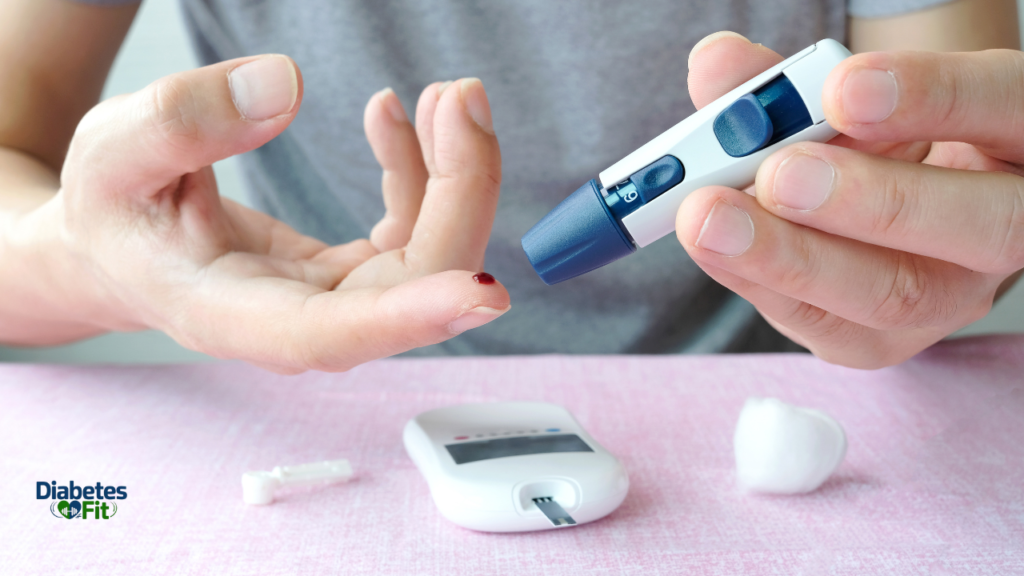
If you experience any of these symptoms, checking your blood sugar with a glucometer is the best first step. If your reading confirms low blood sugar, consuming 15 to 20 grams of fast-acting carbohydrates — like glucose tablets, fruit juice, or regular soda — and rechecking after 15 minutes is the standard recommended approach.
Metformin and Other Side Effects
Since hypoglycemia is rarely a concern with metformin, it’s worth briefly addressing the side effects that are actually common with this medication, so you’re not caught off guard. The most frequently reported side effects are gastrointestinal in nature — nausea, diarrhea, stomach upset, and a metallic taste in the mouth. These tend to be most noticeable when you first start taking the medication and usually improve significantly after the first few weeks as your body adjusts.
Taking metformin with food rather than on an empty stomach can help reduce these digestive side effects considerably. Starting at a low dose and gradually increasing it, as many doctors recommend, also helps the body adapt more comfortably.
A rare but serious condition associated with long-term metformin use is vitamin B12 deficiency. Metformin can interfere with B12 absorption over time, which is why many healthcare providers recommend monitoring B12 levels periodically and supplementing if necessary.
Who Should Be Extra Careful?
Certain groups of people need to be more vigilant about blood sugar management while taking metformin, even though the drug itself is low-risk for hypoglycemia. Elderly patients, people with kidney disease, those on multiple diabetes medications, and individuals who frequently skip meals or follow very restrictive diets should maintain regular blood sugar monitoring and stay in close contact with their healthcare provider.

People with kidney problems need special attention because metformin is processed through the kidneys, and reduced kidney function can lead to a buildup of the drug in the body, which can increase the risk of a rare but dangerous condition called lactic acidosis.
Tips for Safe Metformin Use
Managing your health on metformin doesn’t have to be complicated. Eating regular, balanced meals and avoiding going long periods without food helps keep your blood sugar stable. If you exercise regularly, monitoring how physical activity affects your glucose levels is a smart habit to develop. Limiting alcohol, particularly on an empty stomach, reduces the chances of unexpected blood sugar dips. Always inform your doctor about every medication you’re taking, including over-the-counter drugs and supplements, so they can identify any potential interactions. And if your doctor prescribes a new medication alongside metformin, ask specifically about the impact on your blood sugar levels.
Final Thoughts
Does metformin cause hypoglycemia? The honest answer is that on its own, metformin is one of the least likely diabetes medications to cause low blood sugar. Its unique mechanism of action — reducing liver glucose output and improving insulin sensitivity without stimulating excess insulin production — makes it fundamentally different from medications that carry a real hypoglycemia risk.
That said, no medication exists in a vacuum. When metformin is combined with insulin, sulfonylureas, or other glucose-lowering agents, the risk picture changes. Lifestyle factors like skipping meals, heavy exercise, and alcohol consumption also play a role. The key is staying informed, monitoring your blood sugar as recommended by your doctor, and never making changes to your medication regimen without professional guidance.
Metformin has an impressive safety record built over many decades of widespread use. For most people with type 2 diabetes, it remains an effective, well-tolerated, and relatively safe cornerstone of treatment. Understanding how it works and what to watch for empowers you to use it confidently and responsibly.
If you ever feel uncertain about your medications, your blood sugar patterns, or any symptoms you’re experiencing, your doctor or pharmacist is always the best resource. Your health decisions should always be guided by professional medical advice tailored specifically to your situation.
Frequently Asked Questions
Can metformin cause low blood sugar by itself?
No, metformin alone rarely causes hypoglycemia because it does not stimulate extra insulin production. It only lowers blood sugar that is already elevated.
What medications combined with metformin increase the risk?
Insulin and sulfonylureas like glipizide or glyburide, when combined with metformin, significantly increase the risk of low blood sugar episodes.
What should I eat to avoid low blood sugar on metformin?
Eating regular, balanced meals with a mix of complex carbohydrates, protein, and healthy fats helps maintain stable blood sugar levels while on metformin.
Can alcohol cause hypoglycemia while taking metformin?
Yes, drinking alcohol — especially on an empty stomach — can lower blood sugar and increase the risk of hypoglycemia, particularly when combined with other diabetes medications.
Is metformin safer than other diabetes drugs regarding hypoglycemia?
Yes, compared to insulin and sulfonylureas, metformin carries a much lower risk of causing hypoglycemia, making it a preferred first-line treatment for type 2 diabetes.
Should I monitor my blood sugar regularly while taking metformin?
Yes, regular blood sugar monitoring is always recommended, especially if you are taking metformin alongside other diabetes medications or making changes to your diet or exercise routine.

David Miller is a health and wellness writer focused on diabetes awareness, blood sugar control, and healthy living. He creates clear, practical content to help readers make better everyday health choices.