Does Oatmeal Spike Blood Sugar? The Complete Truth About This Popular Breakfast
I’ve lost count of how many times people have asked me about oatmeal and blood sugar. It’s one of those foods that sits in a weird gray area—everyone knows it’s “healthy,” but if you’re watching your glucose levels, you start to wonder if that morning bowl is doing more harm than good.
Let me get straight to the point: yes, oatmeal can spike blood sugar, but the story is way more nuanced than a simple yes or no. Understanding how different types of oatmeal affect your glucose levels can completely change your breakfast game.
Understanding How Oatmeal Affects Your Blood Sugar
Oatmeal is a carbohydrate, and all carbs break down into glucose eventually. That’s just basic biology. But not all oatmeal is created equal, and that’s where things get interesting.
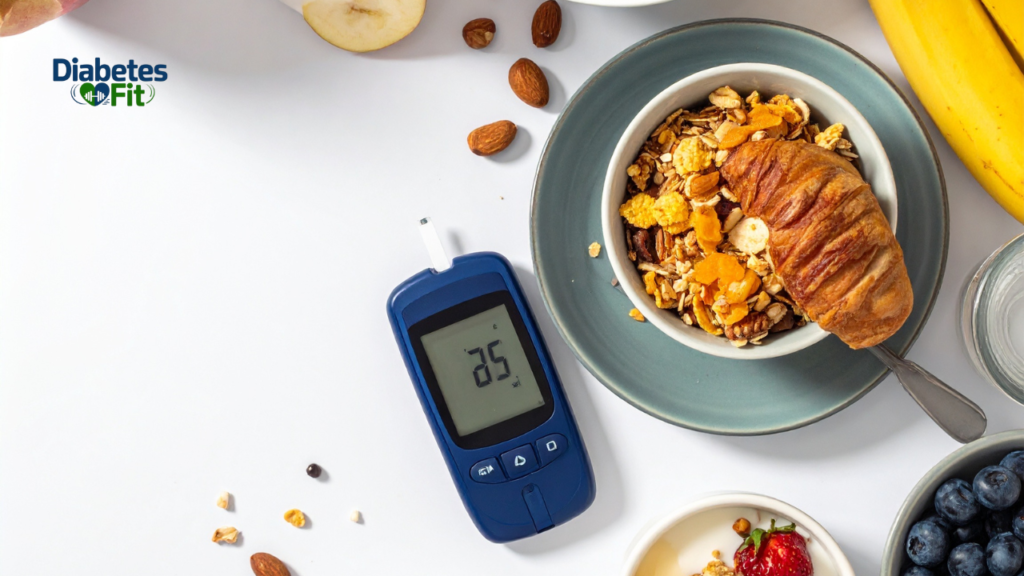
Steel-cut oats, rolled oats, instant oats—they’re all from the same grain, but your body processes them completely differently. The more processed the oat, the faster it hits your bloodstream. Think of it like this: instant oatmeal has already been partially broken down during processing, so your digestive system doesn’t have to work as hard. That means the glucose enters your bloodstream much faster.
Steel-cut oats are the whole oat groat chopped into pieces. Your body has to work harder to break them down, which means a slower, more gradual release of glucose into your bloodstream. Rolled oats fall somewhere in the middle—they’ve been steamed and flattened, so they’re easier to digest than steel-cut but not as quick as instant.
The difference isn’t just academic. It can mean the gap between a gentle rise in blood sugar and a sharp spike that leaves you hungry and tired an hour later.
The Glycemic Index Factor
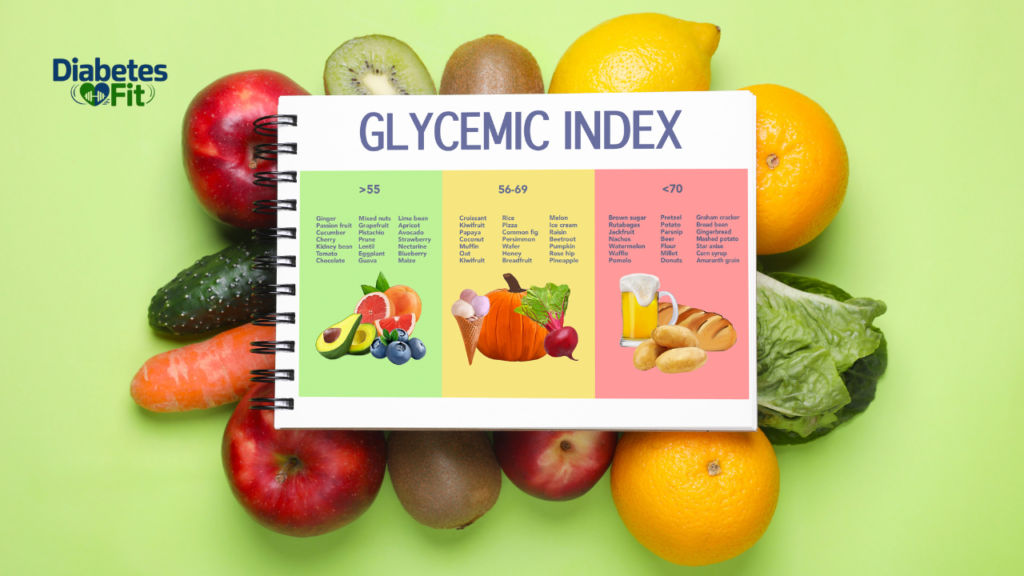
Here’s something that surprises most people: steel-cut oats have a glycemic index around 55, which puts them in the medium range. Instant oatmeal can shoot up to 83, which is firmly in the high category. That’s almost the same as eating white bread.
But the glycemic index is only part of the equation. What really matters is your glycemic load—how much of that carbohydrate you’re actually eating. A typical serving of oatmeal has about 27 grams of carbs, which means even steel-cut oats will raise your blood sugar to some degree.
The glycemic load takes into account both the quality of the carbohydrate and the quantity. A small serving of instant oatmeal might actually have a lower impact than a huge bowl of steel-cut oats, even though steel-cut is the “better” choice. Portion control matters just as much as the type of oat you choose.
What Makes the Difference in Blood Sugar Response
I’ve noticed that people who struggle with oatmeal usually make one crucial mistake: they eat it plain or loaded with sugar and dried fruit. That’s a recipe for a blood sugar roller coaster that’ll have you raiding the snack drawer by 10 AM.
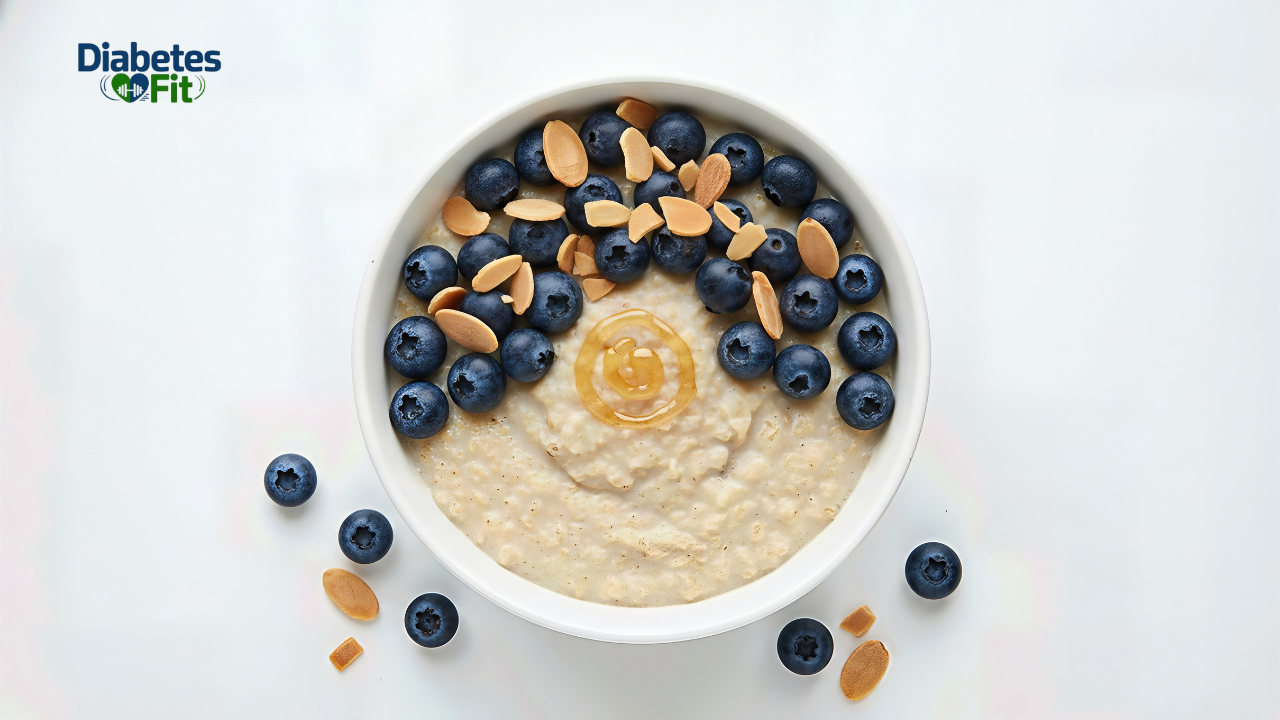
The secret is in what you add to your bowl. Protein and healthy fats are your best friends here. A tablespoon of almond butter, some chia seeds, a handful of nuts, or a scoop of protein powder—these additions slow down how quickly your body absorbs those carbs. The fiber in oatmeal helps too, but you need to give it backup.
Fat and protein delay gastric emptying, which is just a fancy way of saying they keep food in your stomach longer. This means the carbohydrates trickle into your small intestine more slowly, leading to a gentler blood sugar rise instead of a sharp spike.
I’ve seen people transform their oatmeal response just by adding two tablespoons of ground flaxseed and a handful of walnuts. Same oats, completely different blood sugar curve.
The Fiber Connection
Oatmeal does have one thing going for it: beta-glucan fiber. This is a specific type of soluble fiber that’s been shown to improve insulin sensitivity and slow down carbohydrate absorption. A serving of oats contains about 4 grams of fiber, with a good portion of that being beta-glucan.
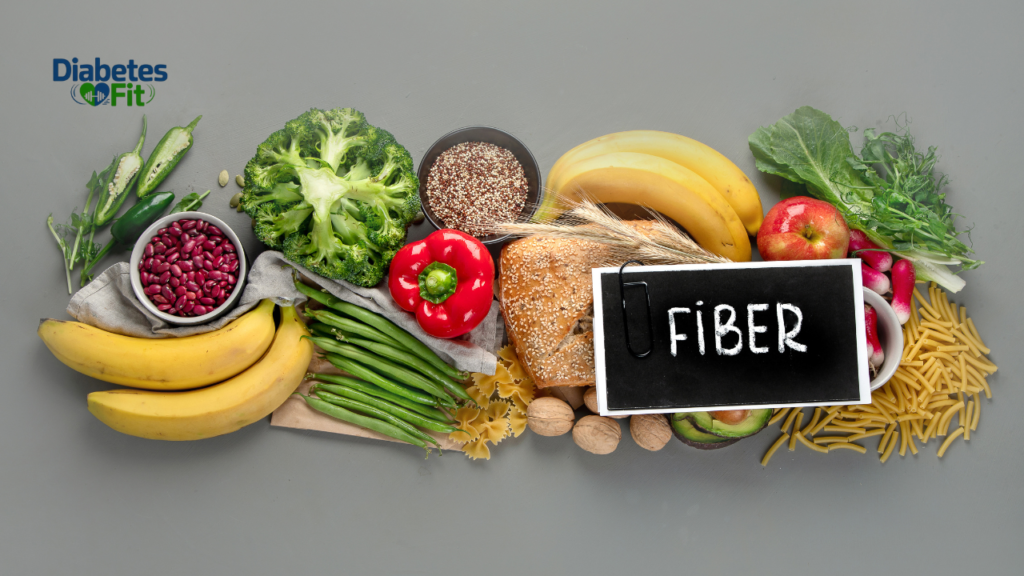
But here’s the reality check—4 grams of fiber against 27 grams of carbs isn’t enough to prevent a blood sugar rise on its own. It helps, definitely, but it’s not a magic shield. You still need to be smart about your portion sizes and what else is in that bowl.
Some people boost their oatmeal’s fiber content by adding psyllium husk or extra ground flaxseed. This can help further slow the glucose response, but again, it’s not a free pass to eat unlimited amounts.
For People with Diabetes
If you’re diabetic or prediabetic, oatmeal isn’t necessarily off the table, but you need to be strategic about it. Start with a smaller portion—maybe a third to half a cup of dry oats instead of a full cup. Always choose steel-cut or rolled oats over instant varieties. And never, ever eat oatmeal by itself.
I’ve talked to people who had to give up oatmeal completely because their blood sugar would jump 60 or 70 points after eating it, even when they did everything “right.” But I’ve also talked to people who manage it perfectly fine by pairing it with eggs or Greek yogurt on the side.
The truth is that individual responses vary wildly. Your friend with diabetes might handle oatmeal just fine while you struggle, or vice versa. Genetics, insulin resistance levels, gut bacteria, and even stress levels all play a role in how your body processes carbohydrates.
The Timing Question Nobody Talks About
When you eat oatmeal matters more than you might think. Having it first thing in the morning on an empty stomach can cause a bigger spike than eating it after some protein. Your body’s in a fasted state, your liver’s been pumping out glucose all night, and then you dump a bowl of carbs on top of that.
Some people do better having oatmeal as a mid-morning snack rather than breakfast. They’ll eat eggs and avocado first thing, then have a smaller portion of oatmeal a couple hours later when their metabolism has shifted gears.
Your body’s insulin sensitivity is different throughout the day. For most people, it’s highest in the morning, which theoretically makes breakfast the best time for carbs. But everyone’s different, and the only way to know for sure is to test your blood sugar and see how you personally respond.
There’s also the phenomenon called the “dawn phenomenon” where people with diabetes experience higher blood sugar in the early morning hours. If that’s you, morning oatmeal might not be your best choice regardless of how you prepare it.
The Role of Exercise
Here’s something interesting: if you eat oatmeal before a workout, your muscles will soak up a lot of that glucose for fuel. This can significantly reduce the blood sugar spike you’d normally see. Some athletes intentionally eat oatmeal an hour before training for exactly this reason.
On the flip side, if you’re sitting at a desk all morning after eating oatmeal, that glucose has nowhere to go except your bloodstream. A 15-minute walk after breakfast can make a noticeable difference in how your body handles those carbs.
I’ve seen people get frustrated with oatmeal on weekends when they’re lounging around, not realizing that the same breakfast works fine on weekday mornings when they’re rushing around getting ready for work.
Alternatives and Modifications That Actually Work
If traditional oatmeal just doesn’t work for you, there are legitimate workarounds. Some people do well with a smaller portion of oats mixed heavily with hemp hearts, flax seeds, and nuts to completely change the macronutrient ratio. You’re essentially using oatmeal as a flavoring rather than the main ingredient.
Others switch to grain-free “oatmeal” made from coconut flour, almond flour, and ground nuts. It has the texture and warmth of oatmeal without the same carbohydrate load. These alternatives typically have around 10-15 grams of carbs per serving compared to oatmeal’s 27.
You could also try savory oatmeal—sounds weird, but hear me out. Cooking your oats with bone broth instead of water and topping them with a fried egg, avocado, and some sautéed vegetables completely changes the blood sugar equation. The carbs are still there, but the meal’s overall impact is much gentler because of all the fat, protein, and fiber surrounding it.
What About Overnight Oats?
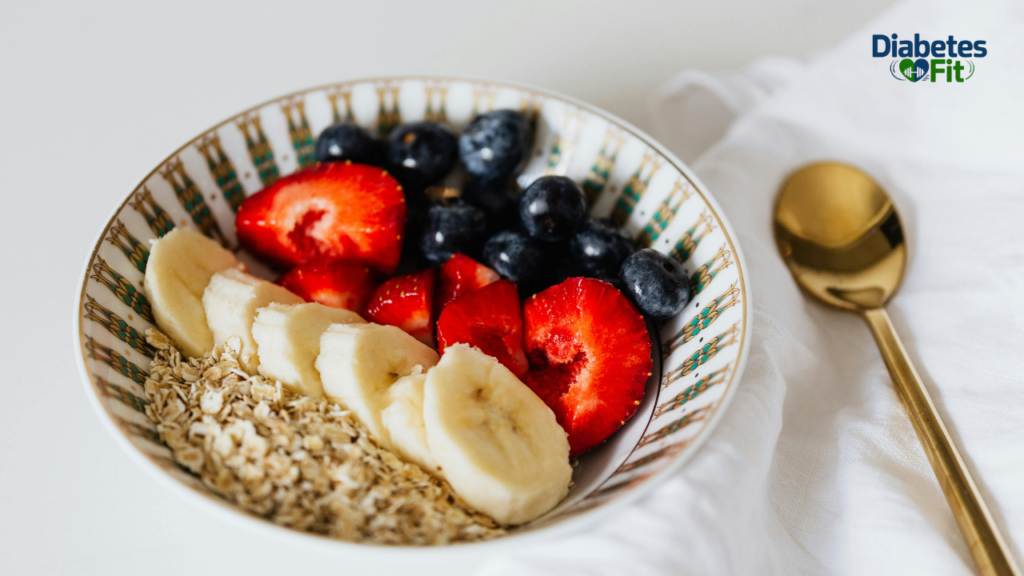
Overnight oats have become trendy, and people often ask if they’re better for blood sugar than cooked oatmeal. The answer is: not really. You’re still eating the same amount of carbohydrates, and soaking doesn’t significantly change the glycemic response.
What can help is the fact that overnight oats are usually eaten cold, and resistant starch forms when oatmeal cools down. This resistant starch acts more like fiber and is digested more slowly. But the effect is modest—not enough to turn overnight oats into a low-glycemic food.
The bigger issue with overnight oats is that people tend to add sweeteners, honey, maple syrup, and loads of dried fruit. By the time you’re done, you’ve got what’s essentially a dessert masquerading as a healthy breakfast.
Reading Your Body’s Signals
Beyond the numbers on a glucose meter, your body gives you clues about how oatmeal affects you. Do you feel energized after eating it, or do you crash an hour later? Are you hungry again quickly, or does it hold you over until lunch?
These subjective experiences matter. If oatmeal leaves you shaky and ravenous by mid-morning, that’s your body telling you it’s not working, even if your blood sugar numbers look acceptable. The goal isn’t just to avoid dangerous spikes—it’s to find foods that give you stable, lasting energy.
Some people notice brain fog, irritability, or intense cravings after eating oatmeal. These can all be signs of blood sugar instability, even if you’re not diabetic and haven’t tested your glucose levels.
Practical Strategies for Better Blood Sugar Control

If you love oatmeal and want to make it work, here are the strategies that actually move the needle:
Start with steel-cut or rolled oats, never instant. Keep your portion to one-third to one-half cup of dry oats. Add at least 15 grams of protein—Greek yogurt, protein powder, or eggs on the side work great. Include healthy fats like nuts, seeds, nut butter, or coconut oil. Consider adding cinnamon, which may help improve insulin sensitivity. Eat some vegetables on the side or mix them into savory oatmeal. Take a 10-15 minute walk after eating.
These aren’t just good ideas—they’re the difference between a blood sugar spike and a gentle rise that keeps you satisfied and energized.
Conclusion
So, does oatmeal spike blood sugar? The honest answer is yes, it can and often does. But whether it spikes your blood sugar to problematic levels depends on dozens of factors—the type of oats, portion size, what you eat with it, when you eat it, your activity level, and your individual metabolism.
Oatmeal isn’t inherently bad, and it isn’t a superfood either. It’s a carbohydrate-rich food that requires some thought and planning if you’re concerned about blood sugar. For some people, especially those with well-controlled blood sugar and good insulin sensitivity, a properly prepared bowl of steel-cut oats with protein and fat can be a reasonable breakfast choice.
For others, particularly those with diabetes, prediabetes, or insulin resistance, oatmeal might need to be eaten in very small amounts, paired strategically with other foods, or avoided altogether in favor of lower-carb breakfast options.
The key is being honest about how your body responds and making choices based on that reality, not on what health magazines or well-meaning friends say you should eat. Test your blood sugar, pay attention to how you feel, and adjust accordingly. Your body is giving you feedback constantly—you just need to listen to it.
If oatmeal works for you when prepared thoughtfully, great. If it doesn’t, there are plenty of other nutritious breakfast options that might serve you better. There’s no shame in acknowledging that a particular food doesn’t work for your unique biology.
Frequently Asked Questions
How long after eating oatmeal does blood sugar spike?
Blood sugar typically peaks 30 to 60 minutes after eating oatmeal, though this can vary based on the type of oats and what else you ate with them. Instant oatmeal tends to spike faster, around 30 minutes, while steel-cut oats might not peak until 60 to 90 minutes after eating. Testing at both one and two hours gives you the most complete picture.
Is oatmeal OK for diabetics?
Oatmeal can be okay for some diabetics in controlled portions, but it’s not a one-size-fits-all answer. Many diabetics need to limit portion sizes to one-third cup of dry oats or less and always pair it with protein and fat. Some diabetics find that oatmeal raises their blood sugar too much regardless of preparation and choose to avoid it. Personal testing is essential.
What type of oatmeal is best for blood sugar control?
Steel-cut oats are the best choice for blood sugar control because they’re the least processed and have the lowest glycemic index. Rolled oats are a decent second choice. Avoid instant oatmeal and flavored packets, which are highly processed and often contain added sugars that will spike blood sugar significantly.
Can I eat oatmeal every day if I have prediabetes?
If you have prediabetes, eating oatmeal every day might not be the best strategy, even with proper preparation. Variety in your breakfast choices can help prevent blood sugar fatigue and gives your body different nutrients. Consider rotating oatmeal with eggs, Greek yogurt, or other lower-carb options. If you do eat it daily, keep portions small and monitor your glucose levels regularly.
Does adding cinnamon to oatmeal help control blood sugar?
Cinnamon may help improve insulin sensitivity and slightly lower blood sugar responses, but the effect is modest and shouldn’t be relied upon as a primary strategy. It’s a helpful addition but won’t cancel out the carbohydrates in oatmeal. Think of it as a minor bonus, not a solution.
Why do I feel hungry shortly after eating oatmeal?
Feeling hungry soon after eating oatmeal usually indicates a blood sugar spike followed by a crash. When your blood sugar rises rapidly, your body releases insulin to bring it back down, sometimes overshooting and leaving you with low blood sugar and intense hunger. Adding more protein and fat to your oatmeal can help prevent this roller coaster effect.
Are overnight oats better for blood sugar than cooked oatmeal?
Overnight oats aren’t significantly better for blood sugar control than cooked oatmeal. While cold oats contain slightly more resistant starch, the difference in blood sugar response is minimal. The bigger concern with overnight oats is that they’re often prepared with sweeteners and dried fruit that can make the blood sugar impact worse than plain cooked oatmeal.
How much oatmeal should I eat to avoid a blood sugar spike?
For most people concerned about blood sugar, one-third to one-half cup of dry oats is a reasonable portion. This provides about 15 to 20 grams of carbohydrates. Anything beyond half a cup significantly increases the likelihood of a problematic blood sugar spike, especially if eaten without adequate protein and fat alongside it.

David Miller is a health and wellness writer focused on diabetes awareness, blood sugar control, and healthy living. He creates clear, practical content to help readers make better everyday health choices.