Does Sucralose Raise Blood Sugar? Truth Every Diabetic Must Know (2026 Guide)
Does sucralose raise blood sugar? This is one of the most common questions people with diabetes ask when they’re looking for sugar alternatives.
If you’re managing diabetes, you want to enjoy sweet foods without worrying about dangerous blood sugar spikes. The answer to this question isn’t as straightforward as you might think, and understanding the truth could make a real difference in your health.
In this guide, we’ll explore everything you need to know about sucralose and blood sugar. We’ll look at what science tells us, how your body processes this artificial sweetener, and whether it’s truly safe for diabetics. Let’s dive into the facts so you can make informed choices about your diet.
Many everyday foods can unexpectedly raise glucose levels. Check out these foods that secretly spike blood sugar to stay better informed.
What Is Sucralose and How Does It Work in the Body?
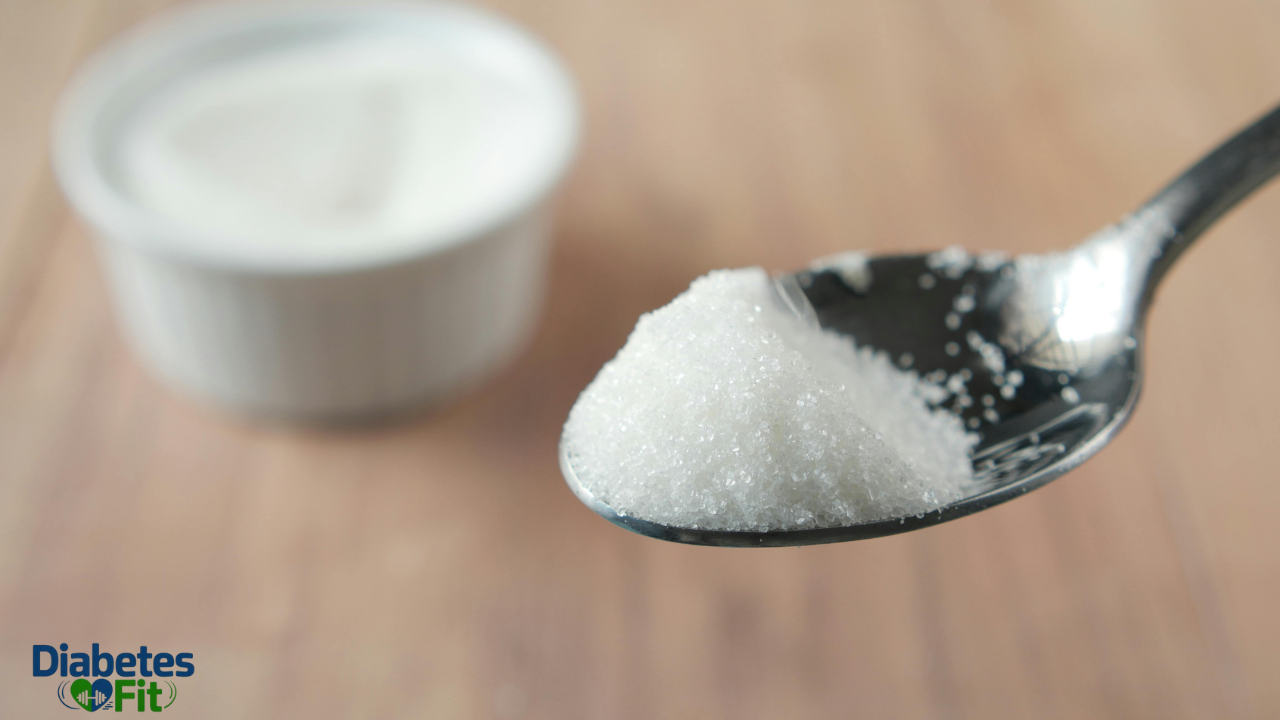
Sucralose is an artificial sweetener that’s incredibly popular around the world. You probably know it by its brand name, Splenda. It’s about 600 times sweeter than regular table sugar, which means you need only a tiny amount to get that sweet taste.
Scientists make sucralose by modifying regular sugar molecules. They replace three specific parts of the sugar molecule with chlorine atoms. This chemical change makes sucralose taste sweet, but your body can’t break it down the way it breaks down regular sugar.
When you eat or drink something with sucralose, it travels through your digestive system mostly unchanged. About 85% of the sucralose you consume passes straight through your body without being absorbed. The small amount that does get absorbed doesn’t get broken down for energy. Instead, your body eliminates it through urine within 24 hours.
This is why sucralose has zero calories. Your body doesn’t recognize it as food and doesn’t use it for fuel. In theory, this means it shouldn’t affect your blood sugar levels at all. But as we’ll see, the real story is more complicated.
You’ll find sucralose in thousands of products today. It’s in diet sodas, sugar-free puddings, protein shakes, yogurt, chewing gum, and even some medicines. Many diabetics choose it because they think it’s a safe way to enjoy sweetness without the carbs.
Does Sucralose Raise Blood Sugar Levels in Diabetics?
Here’s where we get to the heart of the matter. Does sucralose raise blood sugar in people with diabetes?
Most research shows that pure sucralose by itself doesn’t directly raise blood sugar levels. Since your body doesn’t break it down into glucose, it shouldn’t spike your blood sugar the way regular sugar does.
However, there’s an important catch. When you buy Splenda at the grocery store, you’re not getting pure sucralose. The product contains bulking agents called dextrose and maltodextrin. These ingredients help the sweetener pour and measure like regular sugar, but they’re actually forms of sugar themselves.
Dextrose is pure glucose, and maltodextrin breaks down into glucose very quickly in your body. Both have a high glycemic index, meaning they can raise blood sugar fast. Each packet of Splenda contains about 0.9 grams of carbohydrates from these fillers.
If you use one packet in your coffee, this probably won’t cause a noticeable spike. But if you’re using several packets throughout the day, or measuring out tablespoons for baking, those carbs add up quickly. This is especially important for diabetics who count every carb carefully.
Some people with diabetes report seeing small increases in their blood sugar after using products with sucralose. Others notice no change at all. Your individual response depends on several factors, including how sensitive you are to insulin, what else you’re eating, and the state of your gut health.
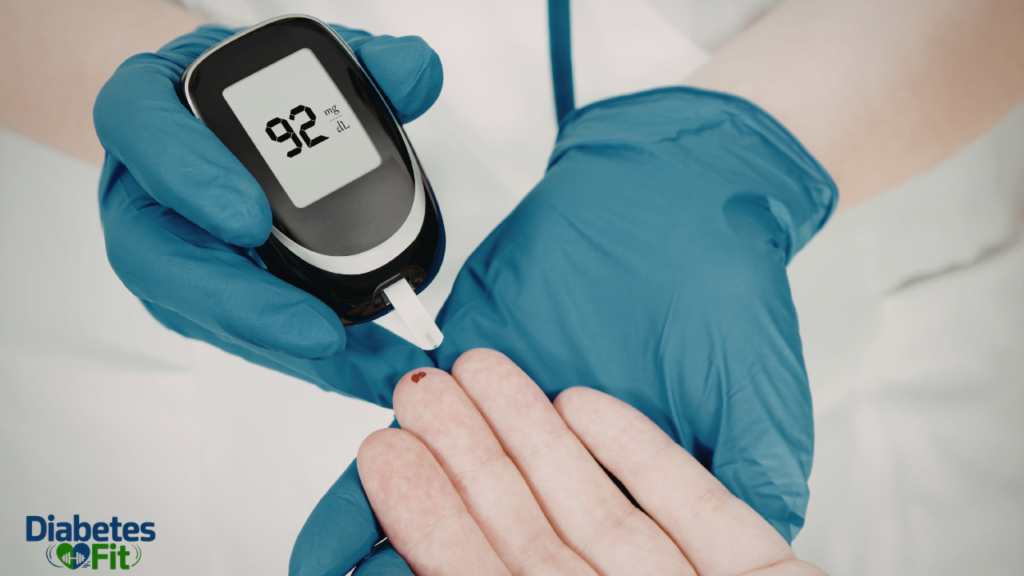
The best way to know how sucralose affects you personally is to test your blood sugar before and after consuming it. Use your glucose meter to check at 30 minutes, one hour, and two hours after eating or drinking something with sucralose. Do this several times to see if there’s a pattern.
Can Sucralose Spike Insulin Without Raising Blood Sugar?
This is where things get really interesting. Even if sucralose doesn’t raise your blood sugar directly, it might still affect your insulin levels.
Your body is incredibly smart. When you taste something sweet, your brain sends signals to your pancreas to get ready for incoming sugar. This is called the cephalic phase insulin response. Your body releases a small amount of insulin in anticipation of the glucose it thinks is coming.
Several studies have found that artificial sweeteners, including sucralose, can trigger this insulin response in some people. Your taste buds sense sweetness, your brain prepares for sugar, and your pancreas releases insulin, even though no actual sugar is arriving.
For healthy people without diabetes, this small insulin release usually isn’t a problem. But for people with diabetes, especially those with insulin resistance, it could potentially cause issues. If your body releases insulin when there’s no glucose to process, your blood sugar might actually drop too low, causing hypoglycemia.
Research on this topic shows mixed results. Some studies find a clear insulin response to sucralose, while others don’t. The difference might depend on individual factors like your gut bacteria composition, your metabolic health, and how much sucralose you consume.
There’s also evidence that regular consumption of artificial sweeteners might make your body less sensitive to insulin over time. When you constantly expose your body to sweet tastes without actual calories, it might start ignoring the signals. This could lead to higher blood sugar levels and worse diabetes control in the long run.
What Do Scientific Studies Say About Sucralose and Blood Sugar?
Let’s look at what the research actually tells us about sucralose and blood sugar control.
A major review of studies published in 2024 examined dozens of research papers on artificial sweeteners and diabetes. The review found that most short-term studies show sucralose doesn’t significantly raise blood sugar in healthy people or diabetics. However, longer-term studies paint a more complicated picture.
One important study from 2024 followed people with prediabetes who used sucralose regularly for 10 weeks. Researchers found that sucralose changed the composition of gut bacteria in these participants. These changes were linked to reduced insulin sensitivity and slightly higher blood sugar levels over time.
Another study published in early 2025 looked specifically at people with type 2 diabetes. When these participants consumed sucralose before eating a meal, they showed a greater blood sugar spike from the meal compared to when they didn’t use sucralose. This suggests that sucralose might affect how your body handles real sugar when it arrives.
Research from 2023 found that sucralose could interfere with glucose transporters in your intestines. These are the proteins that move glucose from your digestive system into your bloodstream. When sucralose affects these transporters, it might change how your body absorbs and processes carbohydrates.
It’s important to note that not all studies agree. Some research shows no negative effects from sucralose use, even over several months. The differences between studies might be due to varying doses, different populations tested, or how long the studies lasted.
What scientists do agree on is that we need more long-term research. Most studies on sucralose last only a few weeks or months. We don’t have good data on what happens when someone uses sucralose every single day for years or decades.
Is Sucralose Safe for People with Type 2 Diabetes?
The safety of sucralose for diabetics is a question that depends on how you define “safe.”
From a regulatory standpoint, sucralose is approved by the FDA, the European Food Safety Authority, and health agencies in over 80 countries. These organizations have reviewed the available research and concluded that sucralose is safe for the general population, including people with diabetes.
However, “approved as safe” doesn’t necessarily mean “optimal for health.” The approval process focuses mainly on whether something causes immediate harm or toxicity. It doesn’t always capture subtle long-term effects on metabolism or gut health.
For most people with type 2 diabetes, occasional use of sucralose is unlikely to cause serious problems. Having a diet soda at a restaurant or using a packet of Splenda in your coffee probably won’t derail your diabetes management.
The concern comes with regular, heavy use. If you’re consuming sucralose multiple times every day in various products, you might experience cumulative effects that single servings wouldn’t cause. These could include changes to your gut bacteria, alterations in how your body responds to insulin, and increased cravings for sweet foods.
Some diabetes experts recommend caution with all artificial sweeteners, including sucralose. They point out that relying on artificial sweetness doesn’t help you retrain your taste buds to appreciate less sweet foods. It might actually make you crave more sweetness overall, which could lead to overeating or choosing less healthy foods.
If you have type 2 diabetes and want to use sucralose, here’s what healthcare professionals typically recommend: Use it sparingly, not as your primary sweetening strategy. Monitor your blood sugar carefully to see how your body responds. Pay attention to the rest of your diet, not just the sweetener. And work with your doctor or dietitian to create a comprehensive plan for blood sugar control.
Does Sucralose Affect Gut Health and Glucose Metabolism?
Your gut is home to trillions of bacteria that play a huge role in your overall health, including blood sugar control. Recent research shows that sucralose can significantly affect these important microorganisms.
Studies from 2024 and 2025 have found that sucralose changes the composition of gut bacteria in both animals and humans. It can reduce the diversity of bacterial species in your gut and decrease the number of beneficial bacteria. These changes happen even at doses that regulatory agencies consider safe.
Why does this matter for blood sugar? Your gut bacteria help process the food you eat and affect how your body responds to insulin. When sucralose disrupts your gut bacteria, it can make your body less effective at controlling blood sugar.
Research shows that people with healthier, more diverse gut bacteria tend to have better blood sugar control. They’re also less likely to develop type 2 diabetes in the first place. When artificial sweeteners harm gut bacteria, they might indirectly worsen blood sugar control, even if they don’t raise glucose directly.
Some studies have found that sucralose can make the intestinal lining more permeable. This is sometimes called “leaky gut.” When your intestinal barrier becomes more permeable, it allows substances that should stay in your digestive system to pass into your bloodstream. This can trigger inflammation and insulin resistance, both of which make blood sugar harder to control.
Interestingly, the effects of sucralose on gut bacteria seem to vary from person to person. Some people’s gut bacteria are more sensitive to artificial sweeteners than others. This might explain why some diabetics see blood sugar changes with sucralose while others don’t.
The good news is that these effects might be reversible. When people stop consuming sucralose, their gut bacteria can gradually recover. However, this recovery takes time, sometimes several weeks or months.
Sucralose vs Sugar: Which Is Better for Blood Sugar Control?
When it comes to managing blood sugar, how does sucralose compare to regular sugar?
Regular sugar (sucrose) definitely raises blood sugar. It breaks down quickly into glucose and fructose, both of which enter your bloodstream and increase blood sugar levels. For diabetics, sugar is something to limit and count carefully.
Sucralose, in its pure form, doesn’t raise blood sugar the same way. It provides sweetness without the immediate glucose spike. From this perspective, sucralose seems like the clear winner for blood sugar control.
However, the comparison isn’t that simple. While sugar’s effects on blood sugar are immediate and obvious, sucralose’s effects might be more subtle and long-term. Sugar raises your blood sugar right away, but you can see it happening and take action. Sucralose’s potential effects on insulin sensitivity and gut health might sneak up on you over time.
There’s also the question of quantity. A small amount of real sugar in your diet, especially from whole foods like fruit, comes packaged with fibre, vitamins, and minerals. These nutrients help slow down sugar absorption and provide real health benefits. Sucralose provides only sweetness with no nutritional value at all.
Some diabetes experts suggest that occasionally having a small amount of real sugar might be better than relying heavily on artificial sweeteners. The key is moderation and context. A piece of fruit with natural sugar is very different from a candy bar.
For blood sugar control, the best approach is probably to reduce your overall desire for intense sweetness, whether from sugar or artificial sweeteners. Train your taste buds to appreciate less sweet foods. Enjoy naturally sweet foods like berries in moderation. Save both sugar and artificial sweeteners for occasional treats rather than daily staples.
Possible Side Effects of Sucralose You Should Know
Beyond blood sugar concerns, sucralose can cause other side effects that diabetics should know about.
Digestive issues are among the most common complaints. Some people experience bloating, gas, diarrhea, or stomach cramps after consuming sucralose. These symptoms might be related to how sucralose affects gut bacteria or to the bulking agents in commercial products.
Headaches and migraines have been reported by some sucralose users. While not everyone experiences this, people who are sensitive to artificial sweeteners might find that sucralose triggers headaches.
Some research suggests that sucralose might affect your body’s ability to regulate blood sugar over time, even if it doesn’t cause immediate spikes. This could potentially worsen insulin resistance with long-term use.
There’s also concern about how sucralose behaves when heated. Some studies have found that cooking or baking with sucralose at high temperatures might create harmful compounds. While more research is needed, it’s something to consider if you’re using sucralose in recipes.
Allergic reactions to sucralose are rare but possible. Symptoms might include skin rash, itching, swelling, or difficulty breathing. If you experience these symptoms after consuming sucralose, stop using it and talk to your doctor.
Weight management is another consideration. Some studies have found that people who regularly use artificial sweeteners don’t lose weight and might even gain weight over time. This could be because artificial sweeteners increase cravings for sweet foods or interfere with your body’s natural ability to regulate calorie intake.
How Much Sucralose Is Safe to Consume Daily?
The FDA has established an Acceptable Daily Intake (ADI) for sucralose of 5 milligrams per kilogram of body weight. For a person weighing 150 pounds (about 68 kilograms), this works out to about 340 milligrams per day.
To put this in perspective, one packet of Splenda contains about 12 milligrams of sucralose. This means a 150-pound person could theoretically have about 28 packets per day and still be within the FDA’s safe limit.
However, just because something is “acceptable” doesn’t mean it’s optimal, especially for people with diabetes. Many health experts recommend consuming much less than the maximum allowable amount.
It’s also important to remember that sucralose is in many processed foods beyond what you add yourself. If you drink diet soda, eat sugar-free desserts, use protein powders, and add Splenda to your coffee, you could be consuming more sucralose than you realize.
For diabetics, a more conservative approach might be better. Instead of maximizing your sucralose intake up to the FDA limit, consider using it occasionally and sparingly. This gives you the benefits of sweetness when you really want it without the potential risks of heavy, daily consumption.
Pay attention to how your body responds. If you notice any digestive issues, headaches, or changes in your blood sugar patterns that seem related to sucralose, reduce your intake or stop using it altogether.
Best Natural Sweetener Alternatives for Stable Blood Sugar
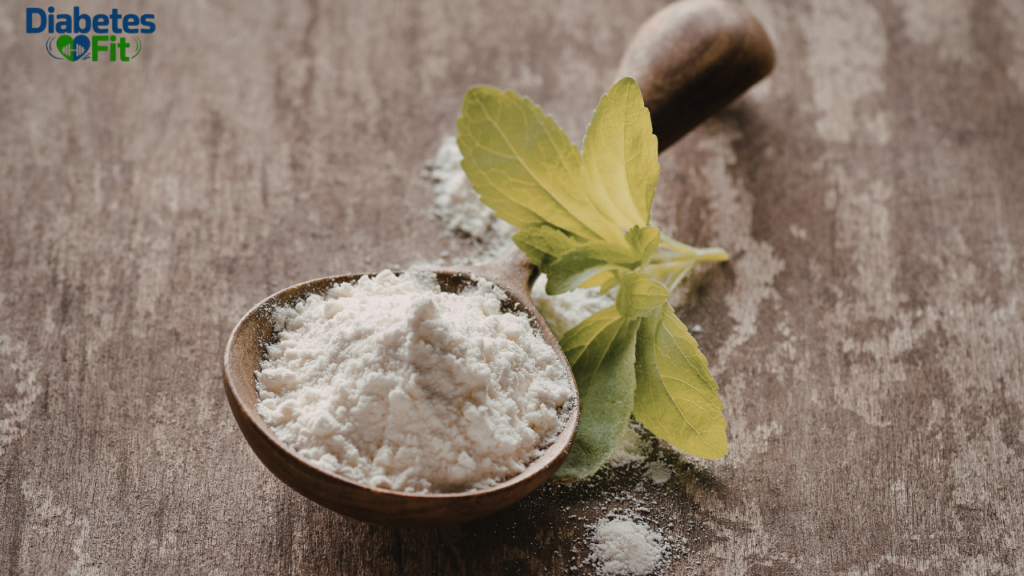
If you’re concerned about sucralose and looking for alternatives, several natural sweeteners might be better choices for blood sugar control.
Stevia comes from the leaves of the stevia plant. It’s much sweeter than sugar but contains no calories or carbs. Most studies show that stevia doesn’t raise blood sugar or insulin levels. Some research even suggests it might have beneficial effects on blood sugar control. The main downside is that some people don’t like its slightly bitter aftertaste.
Monk fruit sweetener comes from a small melon grown in Asia. Like stevia, it’s very sweet but has no calories or carbs. Early research suggests it doesn’t negatively affect blood sugar and might even have antioxidant benefits. It has a taste that’s more similar to regular sugar than stevia, which many people prefer.
Allulose is a rare sugar that occurs naturally in small amounts in some fruits. It tastes almost exactly like regular sugar but has minimal impact on blood sugar or insulin. Your body doesn’t absorb most of the allulose you eat. Studies show it’s well-tolerated and might even help with blood sugar control. The main downside is that it can be expensive.
Erythritol is a sugar alcohol that occurs naturally in some fruits. It has about 70% of the sweetness of sugar but only 6% of the calories. Most importantly, it doesn’t raise blood sugar or insulin levels. Unlike other sugar alcohols, erythritol doesn’t usually cause digestive issues because your body absorbs it before it reaches your colon.
Each of these alternatives has pros and cons. The best choice depends on your taste preferences, how you plan to use it, and how your body responds. Many people find that combining sweeteners gives the best taste while minimizing any aftertaste or side effects.
Conclusion
So, does sucralose raise blood sugar? The answer is nuanced. Pure sucralose doesn’t directly spike blood sugar the way regular sugar does. However, commercial products containing sucralose often include bulking agents that can affect glucose levels. More importantly, emerging research suggests that sucralose might impact blood sugar control indirectly through effects on gut bacteria, insulin sensitivity, and glucose metabolism.
For people with diabetes, the decision to use sucralose should be personal and informed. Occasional use is unlikely to cause problems for most people, but relying on it heavily might not be the best strategy for long-term blood sugar control. Testing your individual response and considering natural alternatives like stevia or monk fruit might give you better results.
Remember that no sweetener, artificial or natural, is a magic solution for diabetes management. The foundation of good blood sugar control remains a balanced diet rich in whole foods, regular physical activity, stress management, and working closely with your healthcare team. Sweeteners of any kind should be just a small part of your overall strategy, not the main focus.
FAQs
Does sucralose break a fast or affect ketosis?
Pure sucralose shouldn’t break a fast or kick you out of ketosis since it contains no calories or carbs. However, commercial products like Splenda contain small amounts of dextrose and maltodextrin that add about 1 gram of carbs per packet. If you’re doing strict fasting or maintaining ketosis, these carbs can add up if you use multiple packets. Liquid sucralose without bulking agents is a better choice for fasting or keto. Some people also report that the sweet taste of sucralose triggers hunger or cravings during fasting, even without raising blood sugar, so individual response varies.
Can sucralose cause weight gain in diabetics?
Surprisingly, research shows that artificial sweeteners like sucralose don’t consistently help with weight loss and might even contribute to weight gain in some people. This seems contradictory since sucralose has no calories, but several factors might explain it. Sucralose may increase cravings for sweet foods, leading you to eat more overall. It might also interfere with your body’s natural ability to regulate calorie intake based on sweetness. Additionally, if sucralose affects gut bacteria and insulin sensitivity, this could make weight management harder. For diabetics, maintaining a healthy weight is crucial for blood sugar control, so monitor your weight patterns if you use sucralose regularly.
Is liquid sucralose better than powdered Splenda for blood sugar?
Yes, liquid sucralose is generally better for blood sugar control than powdered Splenda. Liquid sucralose contains pure sucralose without the bulking agents (dextrose and maltodextrin) found in powdered products. This means it truly has zero carbs and won’t raise blood sugar at all. Powdered Splenda contains about 0.9 grams of carbs per packet from these fillers, which can add up if you use multiple servings. If you want to use sucralose while minimizing any potential blood sugar impact, liquid versions are your best bet. Just remember that even liquid sucralose might still affect insulin response and gut bacteria.
How long does it take for gut bacteria to recover after stopping sucralose?
Research suggests that gut bacteria can begin to recover within a few weeks after you stop consuming sucralose, but full recovery might take several months. The exact timeline varies depending on how much sucralose you were consuming, how long you used it, your overall diet, and your individual gut microbiome. To support gut bacteria recovery after stopping sucralose, eat plenty of fibre-rich foods, include fermented foods like yogurt or sauerkraut, and consider a probiotic supplement after discussing it with your doctor. Improving your gut health can help with blood sugar control, so giving your gut bacteria time to recover from artificial sweetener use is worthwhile for long-term diabetes management.

David Miller is a health and wellness writer focused on diabetes awareness, blood sugar control, and healthy living. He creates clear, practical content to help readers make better everyday health choices.