7 Everyday Foods That Secretly Spike Blood Sugar (Most People Ignore)
Think you’re eating healthy? These 7 Everyday Foods That Secretly Spike Blood Sugar Levels Without You Realizing It. You carefully avoid desserts, skip the soda, and choose “healthier” options at the grocery store.
Yet your energy crashes mid-afternoon, your weight won’t budge, and those sugar cravings keep coming back stronger than ever.
The truth is, some of the most innocent-looking foods sitting in your kitchen right now are causing your blood glucose to skyrocket. These aren’t obvious culprits like candy bars or ice cream.
They’re foods that have earned a reputation for being nutritious, wholesome, and even diet-friendly. But behind their healthy facade lies a different story—one that could be sabotaging your health goals without you ever suspecting a thing.
Here areseven surprising foods that diabetics and health-conscious people should watch out for, along with practical solutions to keep your blood sugar stable throughout the day.
1. Coffee Beverages That Cause Hidden Sugar Spikes
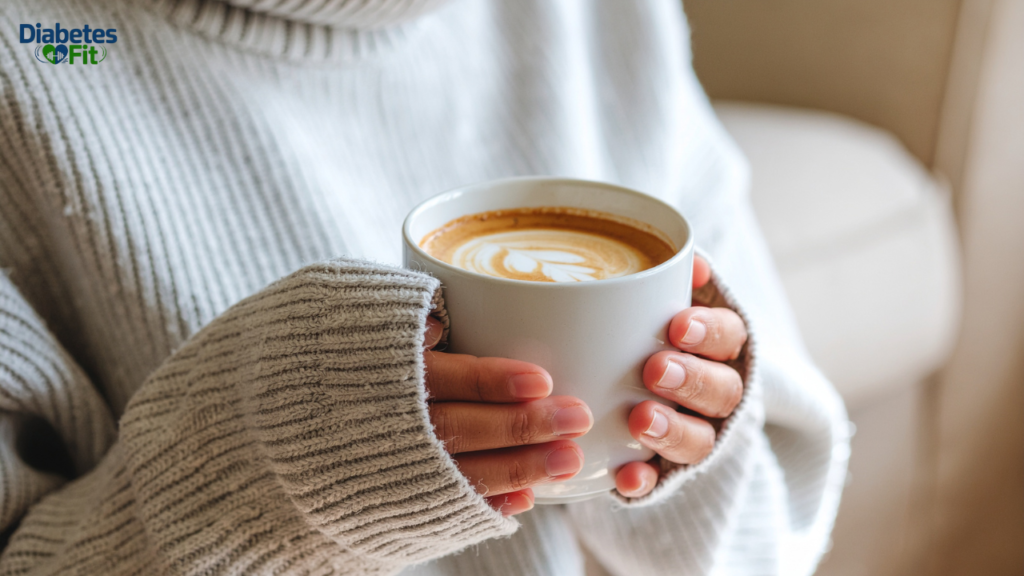
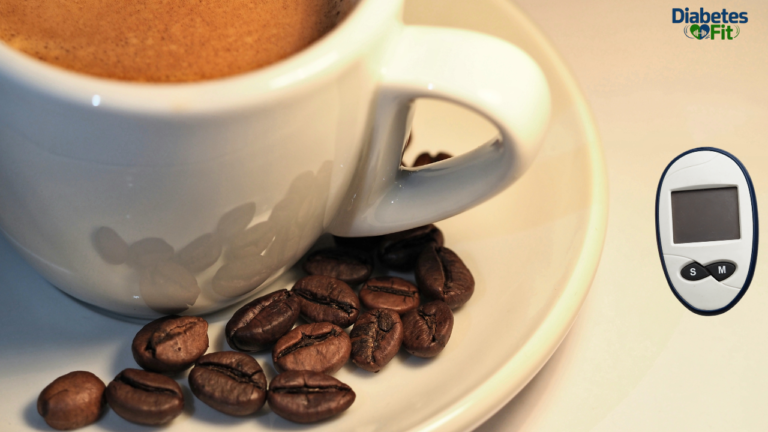
Your morning coffee ritual might be doing more harm than good. While that familiar aroma brings comfort and the caffeine provides an energy boost, many popular coffee drinks are loaded with hidden sugars that send your glucose levels on a wild ride before you’ve even started your workday.
Why Black Coffee Is Safe but Flavored Coffee Isn’t
Plain black coffee actually has minimal impact on blood sugar and may even improve insulin sensitivity over time. The problem starts when we transform this simple beverage into a dessert in disguise. A medium caramel macchiato from a popular coffee chain can contain upwards of 30 grams of sugar—that’s more than a glazed donut. Even those innocent-sounding vanilla lattes pack around 35 grams of sugar in a grande size.
The flavored syrups, whipped cream, chocolate drizzle, and milk alternatives all contribute to the sugar load. What’s particularly troublesome is how quickly liquid sugar enters your bloodstream compared to solid food. Your body doesn’t register the same fullness signals, so you’re getting a massive glucose spike without any of the satisfaction that comes from actually eating something.
Pre-made bottled coffee drinks are often even worse offenders. That convenient cold brew from the refrigerated section might seem like a smart choice, but check the label. Many contain 20-40 grams of added sugar per bottle, cleverly marketed as “lightly sweetened” or “naturally flavored.”
Best Low-Glycemic Coffee Options
You don’t have to give up your beloved morning coffee. Choose unsweetened black coffee, espresso, or americano as your base. If you need some flavor, add a splash of unsweetened almond milk or heavy cream, which won’t spike your blood sugar. Cinnamon is a fantastic addition that helps regulate blood sugar while providing natural sweetness and warmth.
For those who can’t handle bitter coffee, use a small amount of stevia or monk fruit sweetener instead of sugar or artificial sweeteners. These natural options don’t trigger the same insulin response. Consider cold brew coffee, which tends to be naturally sweeter and less acidic than hot-brewed coffee, making it easier to enjoy with minimal additions.
2. Low-Fat Yogurt That Raises Blood Sugar
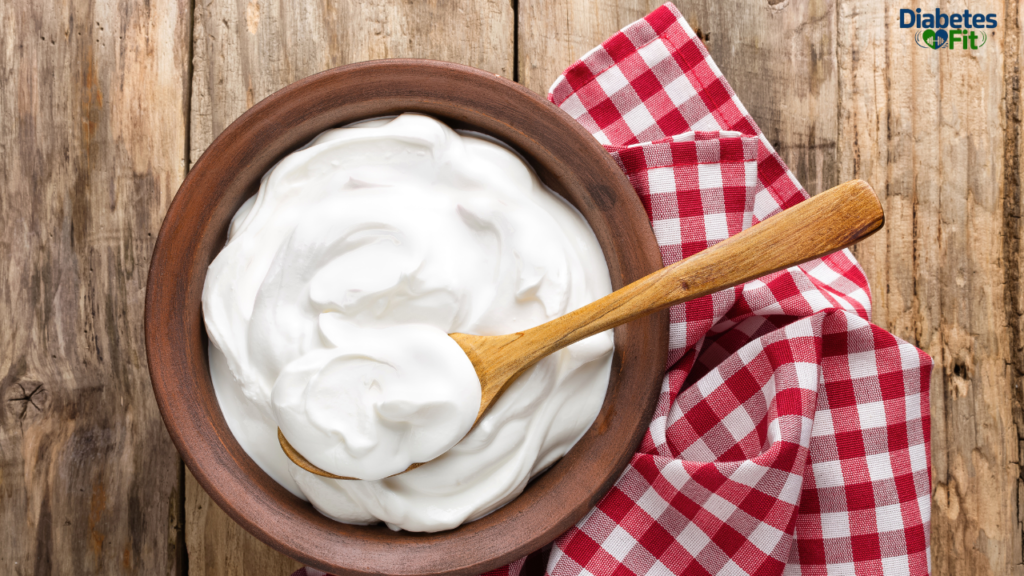
The low-fat craze of the past few decades did us no favors, especially when it comes to yogurt. Walk down any supermarket dairy aisle, and you’ll find rows upon rows of fat-free and low-fat yogurt options marketed as healthy breakfast choices or snacks. The reality? Most of them are sugar bombs disguised as health food.
How Fat-Free Yogurt Adds Extra Sugar
When manufacturers remove fat from yogurt, they remove flavor and texture. To compensate, they add sugar—lots of it. A typical container of fruit-flavored low-fat yogurt contains anywhere from 15 to 30 grams of sugar. That’s comparable to eating several cookies for breakfast.
The problem goes beyond just the added sugar. Fat serves an important purpose in dairy products: it slows down the absorption of sugar into your bloodstream. When you eat full-fat yogurt, the fat content helps stabilize your blood sugar response. Remove that fat, and the sugar hits your system fast and hard, causing a sharp spike followed by an inevitable crash that leaves you hungry and craving more sugar within an hour or two.
Even yogurts labeled “fruit on the bottom” or with “real fruit pieces” are problematic. Those fruit additions are typically preserved in heavy syrup, adding even more sugar to an already sweet product. And don’t be fooled by “honey” flavored varieties—honey is still sugar, and it affects your blood glucose just the same.
Healthier Yogurt Choices for Stable Blood Sugar
Choose plain, full-fat Greek yogurt or regular yogurt. Yes, full-fat. The fat content will keep you satisfied longer and prevent blood sugar spikes. Greek yogurt also provides more protein than regular yogurt, which further helps stabilize glucose levels.
If plain yogurt tastes too tart for you, add your own fresh berries, which are lower in sugar than most fruits. A handful of blueberries or sliced strawberries provides natural sweetness plus fiber that slows sugar absorption. Sprinkle in some nuts or seeds for healthy fats and satisfying crunch. A drizzle of vanilla extract or unsweetened cocoa powder can add flavor without adding sugar.
Look for yogurt brands that contain live active cultures and no added sugars. Some Icelandic-style yogurts and certain European brands prioritize quality and minimal processing over sweetness.
3. Breakfast Cereals Marketed as “Healthy.”
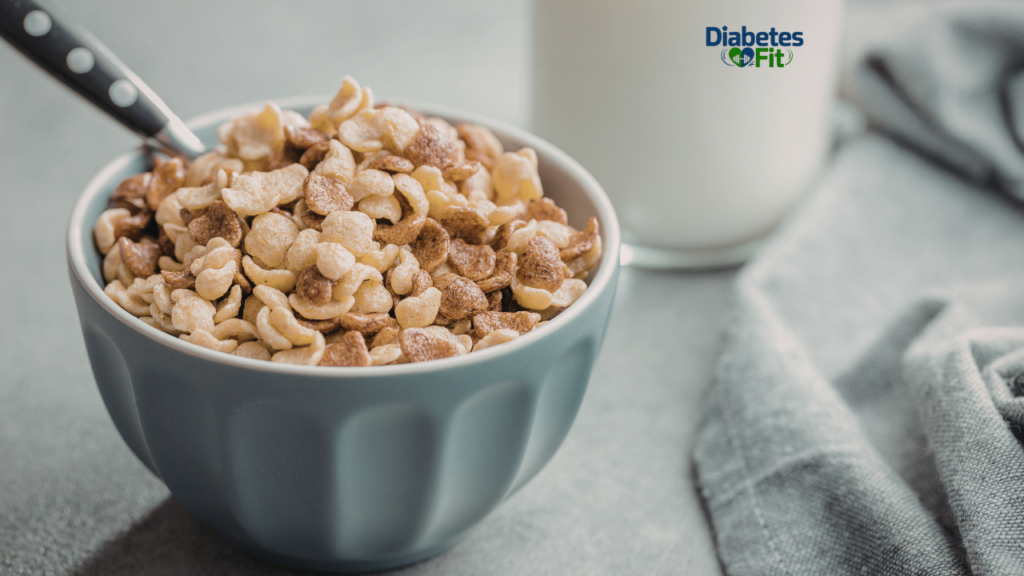
This is the one most people ignore, and it might be the most damaging item on this entire list. Breakfast cereal has been marketed as a wholesome, convenient way to start your day for generations. The boxes feature wholesome imagery—wheat fields, happy families, promises of fiber and vitamins. But flip that box over and look at the nutrition label. You’ll often find that your “healthy” breakfast choice has more sugar per serving than a bowl of ice cream.
Why Most Cereals Cause Rapid Glucose Spikes
Even cereals that seem virtuous—like granola, bran flakes, or multi-grain options—are often heavily processed and contain significant amounts of added sugar. Many popular “healthy” cereals contain 10-15 grams of sugar per serving, and let’s be honest, most people pour themselves far more than the suggested serving size.
The bigger issue is that most breakfast cereals are made from refined grains stripped of their natural fiber and nutrients, then fortified with synthetic vitamins. Your body breaks down these refined carbohydrates almost as quickly as pure sugar. Even cereals without added sugar can cause blood glucose spikes if they’re made from refined flour.
Granola deserves special mention because it’s often perceived as a health food. Store-bought granola is typically held together with honey, brown sugar, or maple syrup, making it extremely calorie-dense and sugar-heavy. A small serving can easily contain 12-20 grams of sugar.
Best Low-Sugar Cereal Alternatives
If you love cereal, look for options with less than 5 grams of sugar per serving and at least 3-5 grams of fiber. Better yet, choose cereals made from whole grains that haven’t been processed into flour—things like steel-cut oats, puffed quinoa, or unsweetened puffed rice.
Consider making your own granola at home, where you control the sweetness level. Use nuts, seeds, coconut flakes, and just a touch of natural sweetener. Or try alternatives like chia pudding made with unsweetened almond milk, which you can prepare the night before and top with nuts and berries.
For a truly blood-sugar-friendly breakfast, consider moving away from traditional cereal altogether. Eggs with vegetables, last night’s dinner leftovers, or a smoothie made with protein powder, spinach, and half an avocado will provide sustained energy without the glucose rollercoaster.
4. Dried Fruits: Small Size, Big Sugar Impact
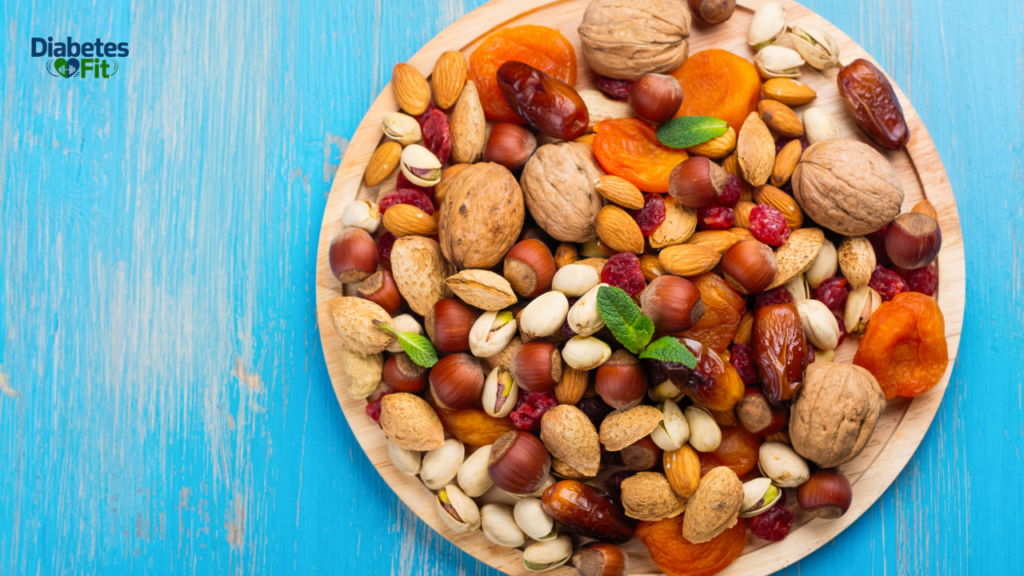
Dried fruits seem like the perfect healthy snack. They’re natural, portable, and don’t require refrigeration. Parents give them to kids as a nutritious treat. Hikers pack them for quick energy on the trail. But what many people don’t realize is that the drying process concentrates the sugar content dramatically, turning what was once a reasonable portion of fruit into a sugar-dense snack that can spike blood glucose surprisingly fast.
Why Dried Fruit Spikes Sugar Faster Than Fresh Fruit
When fruit is dried, the water is removed, but all the natural sugars remain concentrated in a much smaller package. A single cup of grapes contains about 15 grams of sugar. Dry those grapes into raisins, and that same cup now contains around 100 grams of sugar. You’d never sit down and eat four cups of grapes in one sitting, but it’s easy to mindlessly munch through a cup of raisins.
The removal of water also removes the feeling of fullness you’d get from eating fresh fruit. Fresh fruit has a high water content that contributes to satiety and slows down how quickly you eat. With dried fruit, you can consume far more in a shorter time, leading to a much larger sugar load.
Many commercially dried fruits have even more problems. Manufacturers often add extra sugar during processing to enhance flavor and preserve color. Dried cranberries, for instance, are almost always sweetened because cranberries are naturally very tart. Some dried fruits are also treated with sulfites to maintain their bright color, which can cause reactions in sensitive individuals.
Smart Portion Control Tips
You don’t have to eliminate dried fruit, but you need to treat it more like candy than like health food. Limit portions to a small handful—about a tablespoon or two. Pair dried fruit with sources of protein and fat, like a handful of raw almonds or a piece of cheese, which will slow the absorption of sugar.
Choose dried fruits that haven’t been sweetened further, and read labels carefully. Look for products that list only the fruit itself as an ingredient, with no added sugars or syrups. Dates and figs are naturally very sweet and don’t typically need additional sugar.
Consider rehydrating dried fruit before eating it. Soaking raisins or apricots in warm water for a few minutes makes them plumper and more satisfying, closer to their fresh counterpart, and you’ll naturally eat less.
Better yet, choose fresh fruit when possible, particularly berries, which are lower in sugar than most other fruits and packed with fiber and antioxidants that benefit blood sugar control.
5. Oatmeal & Oat Milk – Not Always Blood-Sugar Friendly
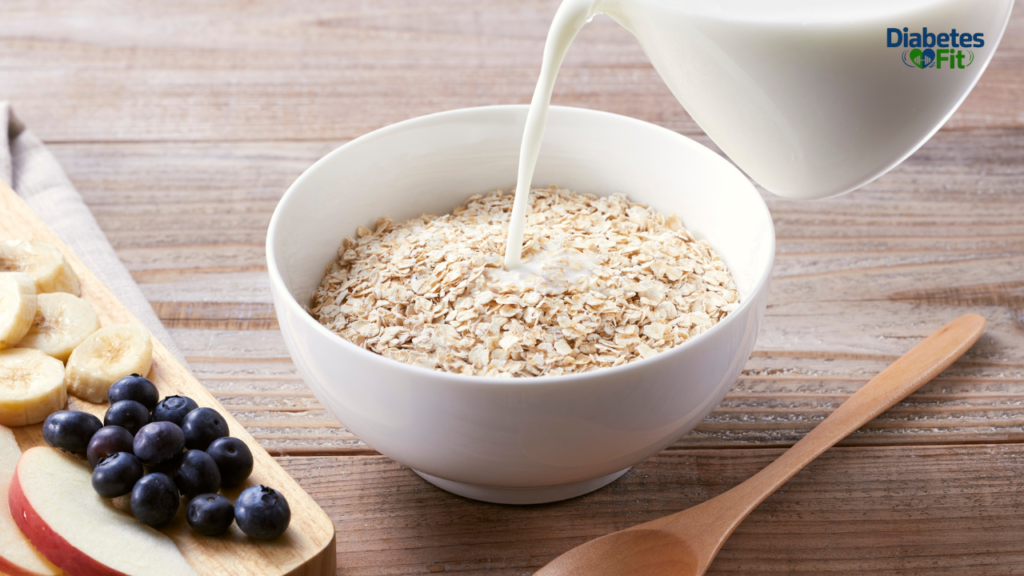
Oats have long been touted as a heart-healthy breakfast choice, and oat milk has become the trendy dairy alternative of choice at coffee shops everywhere. While oats do offer nutritional benefits, not all oat products are created equal when it comes to blood sugar management.
Instant Oats vs Steel-Cut Oats
The level of processing makes a massive difference. Instant oatmeal is made from oat groats that have been cut into tiny pieces, pre-cooked, dried, and sometimes flaked. This processing makes them cook quickly, but it also means your body can break them down and convert them to glucose very rapidly. Instant oatmeal often has a glycemic index comparable to white bread.
Those convenient instant oatmeal packets are particularly problematic. Most flavored varieties contain 10-15 grams of added sugar per packet, plus the rapid-digesting carbohydrates from the oats themselves. Even “plain” instant oats spike blood sugar faster than less-processed versions.
Steel-cut oats, on the other hand, are simply oat groats that have been chopped into a few pieces. They take longer to cook and longer to digest, resulting in a much gentler blood sugar response. Old-fashioned rolled oats fall somewhere in the middle—they’re more processed than steel-cut but less processed than instant.
Oat milk presents another challenge. To make oat milk, manufacturers blend oats with water and strain out the fiber. What remains is primarily the starchy carbohydrate component of the oat, which converts quickly to sugar in your body. Many oat milk brands also add oils and sweeteners. A cup of oat milk can contain 15-20 grams of carbohydrates with minimal fiber, protein, or fat to slow digestion.
Best Way to Eat Oats Without Sugar Spikes
Choose steel-cut oats or old-fashioned rolled oats and prepare them without added sugar. Add flavor with cinnamon, vanilla extract, or a small amount of fresh berries. Cook your oats with extra water or unsweetened almond milk to make them more voluminous and satisfying without adding calories or sugar.
Here’s the real secret: add fat and protein to your oatmeal. Stir in a spoonful of almond butter, sprinkle on some chopped walnuts, or add a scoop of protein powder. Top with a dollop of plain Greek yogurt. These additions slow the digestion of the carbohydrates and prevent the blood sugar spike that plain oatmeal would cause.
For oat milk, if you enjoy it in your coffee, measure your portion and choose unsweetened varieties. Better alternatives for blood sugar control include unsweetened almond milk, coconut milk, or even half-and-half, which have minimal impact on glucose levels.
6. Ripe Bananas and Blood Sugar Surges
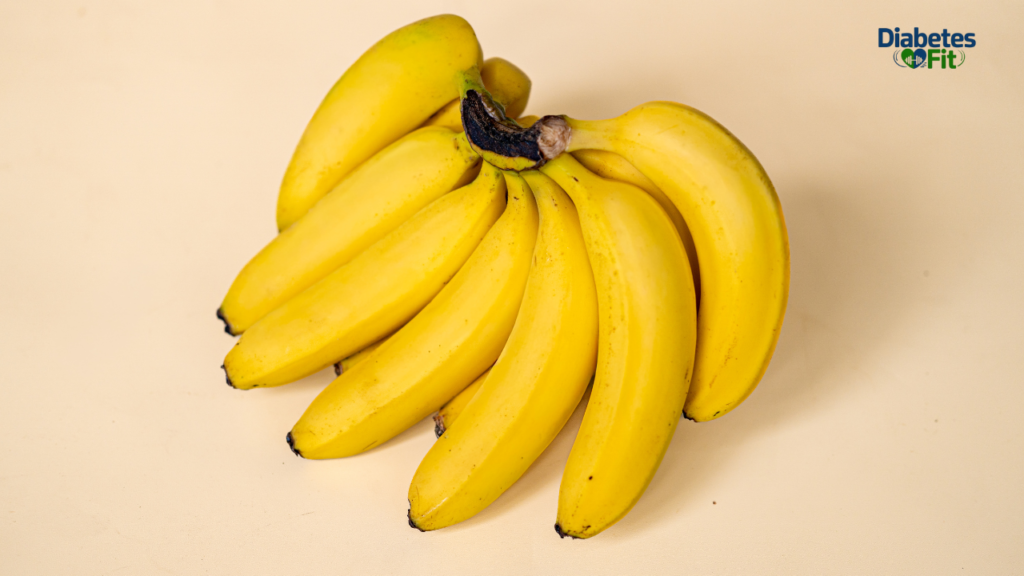
Bananas are nature’s convenience food—pre-packaged, portable, and packed with potassium. They’re a staple in lunch boxes and gym bags around the world. But if you’re watching your blood sugar, the ripeness of your banana matters more than you might think.
Why Riper Bananas Raise Sugar Faster
As bananas ripen, their starch content converts to sugar. An unripe, greenish banana is high in resistant starch, which your body digests slowly. As spots appear and the banana turns fully yellow, and especially when those spots darken to brown, the resistant starch has largely converted to simple sugars that your body absorbs quickly.
A fully ripe, spotted banana can contain over 20 grams of sugar and have a glycemic index of around 60, placing it in the medium-high range for blood sugar impact. For someone with diabetes or insulin resistance, eating a very ripe banana on an empty stomach can cause a significant glucose spike.
The problem is compounded by the fact that bananas lack significant protein or fat to slow digestion. They’re primarily carbohydrate, making them a less-than-ideal choice for stable blood sugar.
How to Eat Bananas Safely for Diabetics
Choose bananas that are still slightly green or just turning yellow, before they develop many spots. These less-ripe bananas have more resistant starch and will have a gentler impact on your blood sugar.
Never eat a banana alone as a snack. Always pair it with a source of protein or healthy fat. Spread some almond butter on your banana slices, or eat it alongside a handful of nuts. This combination slows digestion and prevents the rapid sugar spike.
Consider portion control—eat half a banana instead of a whole one, especially if you’re particularly sensitive to blood sugar swings. Use the other half in a protein smoothie with Greek yogurt and spinach, where the other ingredients will balance out the sugar content.
If you love very ripe bananas for their sweetness, save them for post-workout when your body is primed to use that quick-acting sugar to replenish glycogen stores rather than spiking your blood glucose inappropriately.
7. Sugar-Free Packaged Foods That Still Spike Glucose
The “sugar-free” label seems like a safe choice for anyone watching their blood sugar. These products line the diet food aisle, promising guilt-free indulgence. But the reality is far more complicated, and many sugar-free foods can still wreak havoc on your glucose levels.
Hidden Carbs & Artificial Sweeteners Explained
Food manufacturers can’t create tasty products out of thin air. When they remove sugar, they have to replace it with something. Often, that something is other forms of carbohydrates that still impact blood sugar, or artificial sweeteners that may trigger other metabolic responses.
Sugar alcohols like maltitol, sorbitol, and xylitol are common sugar substitutes in “sugar-free” products. While they’re lower in calories than regular sugar and have a smaller impact on blood glucose, they still contain carbohydrates and can raise blood sugar, especially in larger amounts. A sugar-free candy bar might still contain 20-30 grams of carbohydrates from sugar alcohols and other ingredients.
Additionally, some artificial sweeteners, despite containing no calories, may still trigger an insulin response in certain individuals. They can also maintain your taste preference for sweet foods, making it harder to adjust to naturally less sweet options over time.
Sugar-free baked goods often compensate with refined flour, which spikes blood sugar almost as quickly as pure sugar. A sugar-free cookie made with white flour is still a blood sugar nightmare.
Better Snack Options for Blood Sugar Control
Instead of reaching for processed sugar-free snacks, choose whole foods that are naturally low in sugar. Raw vegetables with hummus or guacamole, a small handful of nuts, cheese with whole-grain crackers, hard-boiled eggs, or sliced turkey wrapped around cucumber sticks—these real-food options provide nutrients without blood sugar spikes.
If you want something sweet, try berries with whipped coconut cream, dark chocolate (85% cacao or higher), or homemade treats sweetened with small amounts of stevia or monk fruit. When you make food yourself, you control exactly what goes into it.
Learn to read nutrition labels carefully. Look at total carbohydrates, not just sugar. Check the ingredient list for refined flours, starches, and multiple types of sweeteners. Often, the “healthier” choice is to enjoy a small portion of the real thing rather than a larger serving of a processed sugar-free alternative that’s full of questionable ingredients.
Best Foods That Keep Blood Sugar Stable
Now that we’ve covered the surprising culprits, let’s talk about what you should be eating. The best foods for stable blood sugar share common characteristics: they’re high in fiber, contain quality protein or healthy fats, and are minimally processed.
Non-starchy vegetables should form the foundation of your diet. Leafy greens, broccoli, cauliflower, bell peppers, zucchini, and mushrooms are all excellent choices that provide nutrients and volume without spiking glucose. You can eat these abundantly.
Quality protein sources help stabilize blood sugar by slowing digestion and providing sustained energy. Wild-caught fish, pasture-raised eggs, grass-fed meats, and poultry are all excellent options. Plant-based proteins like lentils, chickpeas, and black beans also provide fiber that further benefits blood sugar control.
Healthy fats are your friends. Avocados, olive oil, nuts, seeds, and fatty fish like salmon provide satiety and help moderate the blood sugar impact of any carbohydrates you eat alongside them.
When you do eat carbohydrates, choose whole food sources that come packaged with fiber. Quinoa, wild rice, sweet potatoes, and legumes all provide carbohydrates in a form that your body processes slowly and steadily.
Daily Habits to Prevent Sudden Sugar Spikes
Managing blood sugar isn’t just about what you eat—it’s also about how and when you eat, plus other lifestyle factors that influence glucose metabolism.
Never skip breakfast. Starting your day with a balanced meal that includes protein and healthy fat sets the tone for stable blood sugar all day long. People who skip breakfast often experience more intense cravings and energy crashes later in the day.
Eat regular meals at consistent times. Your body thrives on routine, and regular meal timing helps regulate insulin production and blood sugar levels. Going too long between meals can lead to crashes followed by compensatory spikes when you finally eat.
Stay hydrated throughout the day. Dehydration can affect blood sugar levels and make you more prone to confusing thirst with hunger, leading to unnecessary snacking.
Move your body regularly, especially after meals. A 10-15 minute walk after eating helps your muscles absorb glucose from your bloodstream, lowering blood sugar naturally. You don’t need intense exercise—gentle movement is enough to make a difference.
Manage stress through practices like meditation, deep breathing, or yoga. Stress hormones like cortisol directly raise blood sugar levels, so chronic stress can contribute to persistently elevated glucose.
Prioritize quality sleep. Poor sleep or insufficient sleep disrupts hunger hormones and insulin sensitivity, making it harder to maintain stable blood sugar the next day. Aim for 7-9 hours nightly.
Conclusion
Managing your blood sugar doesn’t have to feel like navigating a minefield of forbidden foods. The real secret isn’t about deprivation or following some restrictive diet that leaves you miserable and hungry. It’s about awareness, understanding how different foods affect your body, and making small, sustainable adjustments that add up to meaningful change.
The seven foods we’ve explored today—flavored coffee drinks, low-fat yogurt, “healthy” breakfast cereals, dried fruits, certain oat products, ripe bananas, and sugar-free packaged foods—share a common thread. They’ve all been marketed as healthy, convenient, or harmless choices, yet they can significantly impact your blood glucose in ways that work against your health goals. The good news? Now that you know what to watch for, you can make better choices without feeling deprived.
FAQ
What happens during a blood sugar spike?
When you eat foods high in simple carbohydrates or sugar, your blood glucose rises rapidly. Your pancreas releases insulin to move that glucose into your cells. Frequent spikes can lead to insulin resistance over time, where your cells stop responding effectively to insulin, potentially leading to type 2 diabetes.
How quickly can food affect blood sugar?
Simple carbohydrates and sugars can begin affecting blood sugar within 15 minutes of eating, with peak levels typically occurring 30-60 minutes after a meal. Complex carbohydrates paired with protein and fat take longer to digest, resulting in a more gradual rise over several hours.
What are the symptoms of a blood sugar spike?
Common symptoms include sudden fatigue or energy crashes, increased thirst, frequent urination, difficulty concentrating, irritability, and intense cravings for more carbohydrates or sugar. Some people also experience headaches or blurred vision during significant spikes.
Can I eat fruit if I’m watching my blood sugar?
Yes, but choose wisely. Berries, green apples, and citrus fruits are lower in sugar and higher in fiber, making them better choices. Always pair fruit with protein or healthy fat to slow sugar absorption, and watch portion sizes with higher-sugar fruits like bananas and tropical varieties.
How can I prevent blood sugar spikes naturally?
Never eat carbohydrates alone—always pair them with protein or healthy fat. Stay hydrated, take a 10-15 minute walk after meals, manage stress, get 7-9 hours of sleep, and choose whole foods over processed options. These simple habits make a significant difference in maintaining stable blood sugar throughout the day.

David Miller is a health and wellness writer focused on diabetes awareness, blood sugar control, and healthy living. He creates clear, practical content to help readers make better everyday health choices.