HbA1c Normal Range: Understanding Your Blood Sugar Control Numbers
HbA1c normal range is a critical measurement that everyone should understand, especially if you have diabetes, prediabetes, or want to monitor your overall metabolic health.
This simple blood test provides a window into your average blood sugar levels over the past two to three months, giving you and your doctor valuable information about how well your body is managing glucose.
Unlike daily blood sugar checks that show a snapshot in time, HbA1c reveals the bigger picture of your blood sugar control and helps guide treatment decisions that can prevent serious health complications.
What is HbA1c and Why Does It Matter
Before diving into the HbA1c normal range, let’s understand what this test actually measures. HbA1c stands for hemoglobin A1c, also called glycated hemoglobin. Hemoglobin is the protein in your red blood cells that carries oxygen throughout your body. When glucose (sugar) circulates in your bloodstream, some of it naturally sticks to hemoglobin molecules in a process called glycation.
The amount of glucose that attaches to hemoglobin directly corresponds to how much sugar has been in your blood over time. Since red blood cells live for about three months, measuring the percentage of glycated hemoglobin gives an average picture of your blood sugar levels during that period. This makes HbA1c an incredibly useful tool for assessing long-term blood sugar control rather than just daily fluctuations.
Understanding your HbA1c is important because consistently elevated blood sugar damages blood vessels, nerves, kidneys, eyes, and other organs over time. By keeping your HbA1c in a healthy range, you significantly reduce your risk of diabetes-related complications like heart disease, stroke, kidney failure, vision loss, and nerve damage.
The HbA1c Normal Range Explained
So what exactly is the HbA1c normal range? For people without diabetes, a normal HbA1c level is below 5.7%. This indicates that blood sugar levels have been consistently in a healthy range over the past few months. When HbA1c falls between 5.7% and 6.4%, it indicates prediabetes, meaning blood sugar levels are higher than normal but not yet in the diabetes range.
An HbA1c of 6.5% or higher on two separate tests indicates diabetes. Once diagnosed with diabetes, the target HbA1c typically becomes less than 7% for most adults, though individual targets may vary based on age, health status, and other factors.
It’s important to note that the HbA1c normal range is expressed as a percentage. This percentage represents how much of your total hemoglobin has glucose attached to it. For example, an HbA1c of 5% means that 5% of your hemoglobin molecules have glucose stuck to them.
Many healthcare providers also translate HbA1c percentages into estimated average glucose (eAG) numbers that correspond to what you’d see on a regular blood glucose meter. This helps people understand what their HbA1c means in terms of daily blood sugar levels. For instance, an HbA1c of 7% roughly equals an average blood glucose of 154 mg/dL.
Breaking Down the Numbers
Understanding the HbA1c normal range in detail helps you know where you stand. Let’s look at each category more closely.
A reading below 5.7% represents normal, healthy blood sugar control. If you’re in this range, your body is managing glucose efficiently, and your risk of developing diabetes or diabetes-related complications is low. However, even within the normal range, lower is generally better for long-term health.
The prediabetes range of 5.7% to 6.4% serves as a warning sign. Your body is struggling somewhat with blood sugar control, but you haven’t crossed into diabetes territory yet. This is actually excellent news because prediabetes is often reversible through lifestyle changes. Many people in this range can return to normal levels by losing weight, exercising regularly, and improving their diet.
Once HbA1c reaches 6.5% or higher, diabetes is diagnosed. At this point, the focus shifts to managing the condition and preventing complications. For most people with diabetes, the target becomes keeping HbA1c below 7%. Some individuals, particularly younger people without other health conditions, might aim for even lower targets around 6.5%, while older adults or those with multiple health issues might have more relaxed targets of 7.5% to 8%.
Factors That Affect Your HbA1c
While the HbA1c normal range provides general guidelines, several factors can influence your results. Understanding these helps you interpret your numbers accurately and work effectively toward your goals.
Age plays a role in HbA1c levels. As people get older, HbA1c tends to increase slightly even without diabetes. This is why target ranges might be adjusted for elderly individuals who could be harmed by blood sugar that drops too low.
Certain medical conditions can affect HbA1c accuracy. People with anemia, recent blood loss, blood transfusions, or certain hemoglobin variants may get falsely high or low readings. Kidney disease, liver disease, and some medications can also impact results. If you have any of these conditions, talk to your doctor about whether HbA1c is the best monitoring tool for you.
Pregnancy changes how your body handles glucose and can affect HbA1c levels. Pregnant women typically use daily blood glucose monitoring rather than HbA1c for managing gestational diabetes because HbA1c doesn’t respond quickly enough to the rapid changes that occur during pregnancy.
Recent changes in blood sugar control won’t show up immediately in your HbA1c because it reflects a three-month average. If you’ve just started eating better or taking new medication, you’ll need to wait about three months to see the full effect on your HbA1c.
How HbA1c Relates to Daily Blood Sugar
Understanding the connection between the HbA1c normal range and daily blood sugar readings helps you see how day-to-day choices impact your long-term results. Your HbA1c is calculated from all your blood sugar levels – fasting, after meals, during sleep, and throughout the day.
An HbA1c of 5% corresponds to an average blood glucose of about 97 mg/dL. At 6%, the average glucose is approximately 126 mg/dL. When HbA1c reaches 7%, average glucose is around 154 mg/dL. At 8%, it’s about 183 mg/dL, and at 9%, average glucose rises to approximately 212 mg/dL.
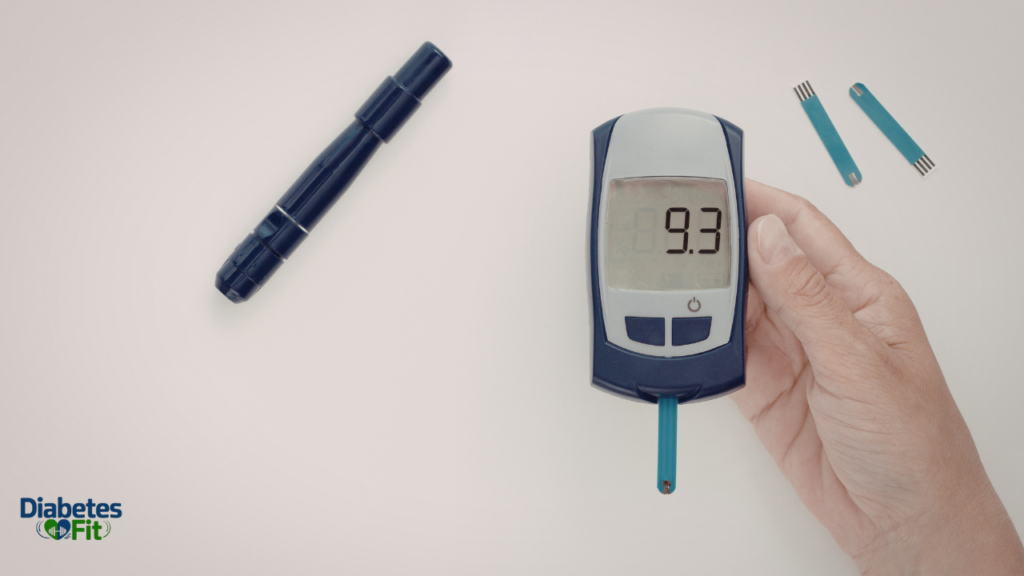
This relationship shows why managing daily blood sugar is so important. Every high or low reading contributes to your three-month average. Consistent control throughout each day leads to HbA1c levels in a healthy range, while frequent spikes and dips result in higher HbA1c.
Some people have HbA1c levels that don’t match their daily meter readings. This can happen if blood sugar fluctuates dramatically – swinging from very high to very low – resulting in a “normal” average that doesn’t reflect the actual instability. This is why some doctors recommend looking at both HbA1c and daily monitoring patterns together.
Getting Tested and Understanding Results
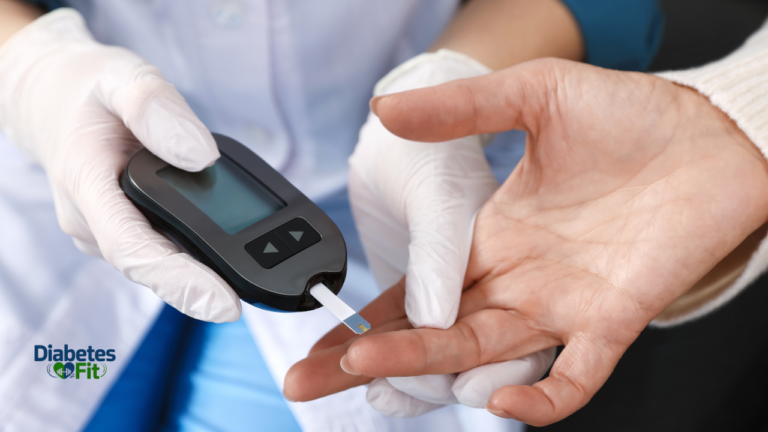
Knowing about the HbA1c normal range is one thing, but getting tested is how you actually learn where you stand. The HbA1c test is simple and doesn’t require fasting, making it more convenient than many other blood tests. You can have it done at any time of day, and you can eat normally beforehand.
For people without diabetes, testing every three years is usually sufficient if results are normal. If you’re in the prediabetes range, annual testing helps monitor whether you’re progressing toward diabetes or successfully lowering your levels. People with diabetes typically need HbA1c testing every three to six months, depending on how well their blood sugar is controlled.
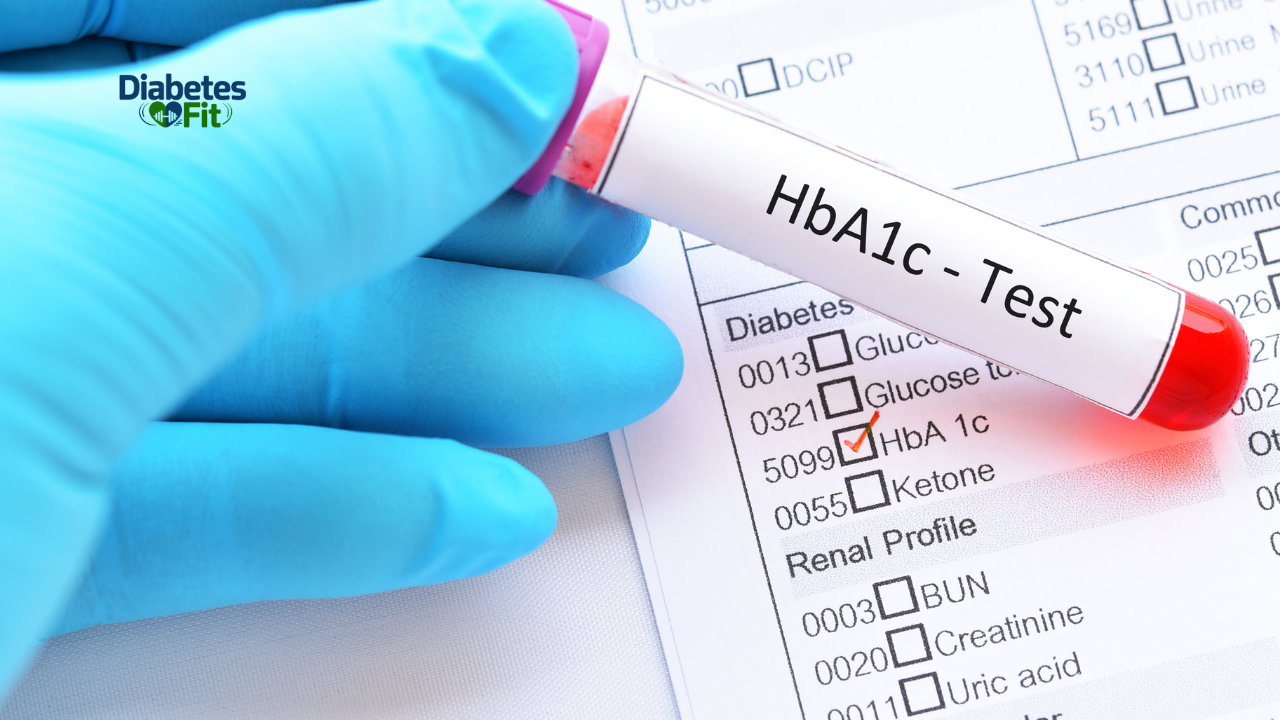
The test involves a simple blood draw, and results are usually available within a few days. Some medical offices now offer point-of-care HbA1c testing that provides results in just a few minutes during your appointment.
When you get your results, your doctor will explain what they mean for you specifically. Remember that while the HbA1c normal range provides general guidelines, your individual target might differ based on your age, how long you’ve had diabetes, other health conditions, and risk of hypoglycemia (low blood sugar).
Improving Your HbA1c Naturally
If your HbA1c is outside the normal range, lifestyle changes can make a significant difference. The same strategies that improve daily blood sugar also lower HbA1c over time.
Diet is perhaps the most powerful tool for improving HbA1c. Focus on reducing refined carbohydrates and added sugars while increasing fiber, protein, and healthy fats. Choose whole grains over white bread and pasta, load up on non-starchy vegetables, and include lean proteins with every meal. Portion control matters too – even healthy carbs can raise blood sugar if you eat too much.
Regular physical activity powerfully impacts HbA1c. Exercise helps your muscles use glucose for energy, improving insulin sensitivity. Aim for at least 150 minutes of moderate activity weekly, such as brisk walking, swimming, or cycling. Even short walks after meals can help lower blood sugar spikes.
Weight loss, if you’re overweight, can dramatically improve HbA1c. Losing just 5-10% of your body weight often brings prediabetes levels back to normal and significantly improves diabetes control. The good news is that eating well and exercising regularly naturally leads to weight loss for most people.
Stress management helps too. Chronic stress raises cortisol, which increases blood sugar. Finding healthy ways to manage stress through meditation, yoga, hobbies, or time in nature can support better blood sugar control.
Quality sleep is often overlooked but crucial for maintaining HbA1c in a normal range. Poor sleep disrupts hormones that regulate blood sugar and increases cravings for unhealthy foods. Aim for seven to nine hours of quality sleep nightly.
Following a healthy eating plan plays a key role in maintaining normal HbA1c levels. For meal ideas, explore our complete guide on Low-Carb Meals for Diabetics.
Medical Management of HbA1c
When lifestyle changes alone don’t bring HbA1c into your target range, medication becomes necessary. Many effective diabetes medications help lower HbA1c, and your doctor will work with you to find the right approach.

Metformin is often the first medication prescribed for type 2 diabetes. It helps reduce glucose production in the liver and improves insulin sensitivity. Many people find it effective for lowering HbA1c by 1-2 percentage points.
Other oral medications work through different mechanisms – some stimulate insulin production, others slow carbohydrate absorption, and newer drugs help your kidneys remove excess glucose through urine. Injectable medications include insulin and newer GLP-1 receptor agonists that both lower blood sugar and often promote weight loss.
The goal of medication is to help you achieve and maintain HbA1c in your target range while minimizing side effects and hypoglycemia risk. Regular monitoring ensures medications are working effectively, and adjustments can be made as needed.
Special Considerations for Different Groups
The HbA1c normal range and targets can vary for different populations. Children and adolescents with diabetes often have targets similar to adults, though individual factors like hypoglycemia awareness and family support influence specific goals.
Pregnant women generally don’t use HbA1c for monitoring because it changes too slowly to track the rapid adjustments needed during pregnancy. They rely primarily on daily blood glucose monitoring with very tight targets to protect both mother and baby.
Older adults, particularly those over 75 or with limited life expectancy, might have more relaxed HbA1c targets. The risk of severe hypoglycemia often outweighs the benefit of very tight control in this population, so targets of 7.5-8% might be appropriate.
People with a history of severe hypoglycemia might aim for slightly higher HbA1c targets to reduce the risk of dangerous low blood sugar episodes. Quality of life and safety are just as important as achieving specific numbers.
Conclusion
Understanding the HbA1c normal range empowers you to take control of your metabolic health. Whether you’re trying to prevent diabetes, manage prediabetes, or control existing diabetes, knowing where you stand and what your target should be is the first step toward better health. Remember that HbA1c below 5.7% is normal, 5.7-6.4% indicates prediabetes, and 6.5% or higher suggests diabetes.
The beauty of HbA1c is that it gives you a clear, objective measure of your progress. Unlike subjective feelings about your health, HbA1c provides concrete data showing whether your lifestyle changes and treatments are working. Regular testing keeps you informed and motivated.
Most importantly, remember that improving HbA1c is absolutely possible for most people through consistent healthy habits. Small daily choices about what you eat, how much you move, and how you manage stress accumulate over months into meaningful HbA1c improvements. Work closely with your healthcare team to set appropriate targets and develop a plan that fits your life. With commitment and the right support, maintaining HbA1c in a healthy range protects your health and quality of life for years to come.
Frequently Asked Questions
How often should I get my HbA1c tested?
If you don’t have diabetes and your HbA1c is normal, testing every three years is usually sufficient. People with prediabetes should test annually. Those with diabetes typically need testing every 3-6 months, depending on how well controlled their blood sugar is and whether treatment has recently changed.
Can HbA1c be too low?
While lower HbA1c generally indicates better blood sugar control, levels below 5% combined with diabetes medications could indicate frequent hypoglycemia (low blood sugar), which can be dangerous. For people without diabetes, very low HbA1c is usually not concerning unless accompanied by symptoms of low blood sugar.
How quickly can I lower my HbA1c?
Since HbA1c reflects a three-month average, it takes at least 2-3 months to see the full effect of lifestyle changes or new medications. Many people see 0.5-1% reductions within three months with consistent healthy habits. Larger improvements may take 6-12 months of sustained effort.
Is HbA1c more accurate than daily blood sugar testing?
They serve different purposes. HbA1c shows long-term average control, while daily testing reveals patterns and immediate responses to food, activity, and medication. Both are valuable – HbA1c for overall assessment and daily testing for day-to-day management decisions.
Can stress affect my HbA1c?
Yes, chronic stress raises cortisol levels, which increases blood sugar and can elevate HbA1c over time. Acute stress before the test won’t affect results since HbA1c reflects three months of blood sugar levels, not just one moment. Managing ongoing stress helps maintain healthier HbA1c levels.
What’s the difference between HbA1c and fasting blood sugar?
Fasting blood sugar measures glucose at one specific moment after not eating for 8-12 hours. HbA1c reflects average blood sugar over the past 2-3 months, including fasting, after-meal, and nighttime levels. HbA1c provides a more complete picture of overall blood sugar control.

David Miller is a health and wellness writer focused on diabetes awareness, blood sugar control, and healthy living. He creates clear, practical content to help readers make better everyday health choices.