
Sleepiness After Eating: Could High Blood Sugar Make You Tired?
Do you often wonder why you feel sluggish after eating certain foods or feel sleepy all of the time? Believe it or not, your blood sugar may be to blame.
Blood sugar can certainly make you tired if it’s high. In fact, fatigue may be one of the few signals your body gives you that something isn’t right.
If you’ve been struggling with unusual fatigue lately, your body might be trying to tell you that your blood sugar is too high.
But before you go racing to the doctor’s office, know that high blood sugar can have other subtle symptoms you might be ignoring, too.
Constant Fatigue: A Common Symptom of High Blood Sugar
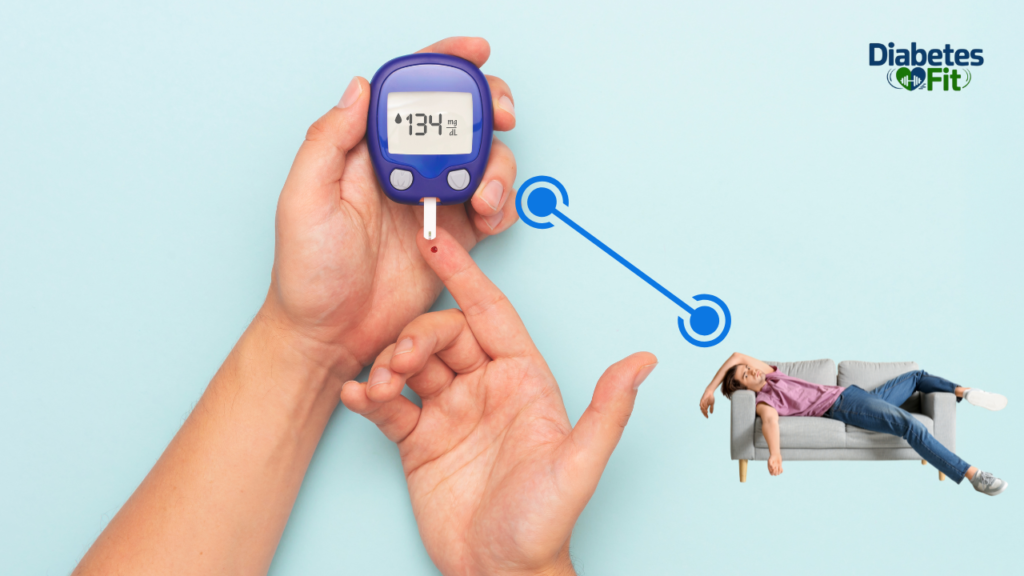
You know how tired you feel after eating a huge Thanksgiving dinner. Now imagine feeling that way every day!
Diabetes is a serious health condition that affects many Americans, but high blood sugar doesn’t have to equal a diabetes diagnosis.
Fatigue is just one of many symptoms of high blood sugar that people tend to ignore. Constant tiredness and sleepiness are sure signs that your blood sugar may be too high.
While blood sugar symptoms like frequent urination and increased thirst get most of the attention, many people don’t realize that excessive tiredness could be signaling high blood sugar.
You might wonder how blood sugar could make you tired.
Why Blood Sugar Makes You Feel Tired and Fatigued
Believe it or not, blood sugar can definitely make you tired. When your blood sugar spikes, your body goes through a series of events that make you want to crawl into bed and take a nap.
How does this happen?
Normally, when you eat food, your body breaks it down into glucose, which is your body’s main source of energy. Every cell in your body needs glucose to function properly.
However, when you have high blood sugar, it means there is too much glucose in your bloodstream.
But your cells are still being deprived of energy because the glucose is unable to enter them.
The reason glucose can’t get into your cells is either because there is not enough insulin available or your cells are resistant to insulin.
Insulin is what allows glucose to enter your cells and provide you with energy.
When there isn’t enough insulin to send glucose to your cells, or your cells are resistant to insulin, you’re left feeling tired and drained.
How Blood Sugar Causes You to Feel Fatigued
You might be familiar with reactive hypoglycemia. When you eat foods that cause your blood sugar to spike (aka sugar), you might suddenly feel tired and weak.
When your blood sugar stays high for long periods of time, several things happen in your body.
When you have high blood sugar, your kidneys have to work overtime to filter all of the excess glucose from your blood.
They do this by pulling extra water from your tissues, which then flushes out sugar through urination.
This makes you dehydrated, which causes fatigue. You may find yourself feeling very thirsty even if you are drinking plenty of water.
Your body is trying to trap all of the water it can to dilute your high blood sugar levels.
Not only will being dehydrated leave you feeling tired, but high blood sugar causes inflammation throughout your body.
Inflammation itself taxes your energy levels as your body works to heal itself.
Warning Signs and Symptoms You Shouldn’t Ignore
Sleepiness and fatigue aren’t necessarily reasons to run to your doctor for a blood sugar test.
However, if you’re experiencing tiredness along with some of the following symptoms, you may have high blood sugar.
Extreme thirst and frequent urination

If you’re drinking water every few minutes but still find yourself thirsty and running to the bathroom all day and night, you may have high blood sugar.
Blurry vision
Have you noticed your vision is blurry throughout the day? High blood sugar can cause fluid to build up in your eyes, causing the lens to swell.
You may notice your vision is blurry throughout the day or seems to change when you’re experiencing high blood sugar levels.
Unexplained Weight Loss

Many people dream of losing weight, but you shouldn’t expect to drop pounds if your eating habits haven’t changed.
If your blood sugar is high, your body is not able to utilize glucose properly.
Instead of burning glucose for energy, your body will burn fat and muscle tissue, which causes weight loss.
Slow-healing wounds

Do you find that cuts and bruises take forever to heal? High blood sugar levels cause poor circulation and a weakened immune system.
You may notice even small cuts take a long time to heal or become irritated.
Constant hunger
Did you just eat and already feel hungry again? If your cells aren’t receiving glucose, you’ll feel hungry even if you just ate a large meal.
Types of Blood Sugar-Related Fatigue
Sometimes you might feel extremely tired after eating. This is called reactive hypoglycemia.
You may experience reactive hypoglycemia if you eat foods that send your blood sugar through the roof.
Although this type of fatigue goes away after a while, it still may leave you feeling exhausted.
Other times you may feel tired all of the time. You wake up tired, go to bed tired, and never feel rested.
If you experience this type of ongoing fatigue, it could be because your blood sugar has been high for too long.
Who is At Risk for High Blood Sugar Symptoms?
While many people struggle with high blood sugar, you’re at a greater risk if you’re overweight, sedentary, have a family history of diabetes, are over the age of 45, or have conditions such as polycystic ovary syndrome.
In addition, African Americans, Hispanic/Latino Americans, Native Americans, and Asian Americans are at a higher risk for diabetes and prediabetes.
Treating Blood Sugar Symptoms and Fatigue
If you experience excessive thirst, fatigue, frequent urination, sudden weight loss, or any of the other symptoms mentioned above, you should see your doctor to get checked out.
Your doctor can order a fasting blood glucose test, an A1C test, and a prediabetes/diabetes screening to see if your blood sugar is indeed too high.
In the meantime, you can help stabilize your blood sugar by eating balanced meals that include protein, fat, and fiber instead of just refined carbohydrates.
Exercise after meals can help as well. Something as simple as a 15-minute walk can help your body burn off excess glucose.
Drinking water, instead of sugary drinks and juices, will also help. Practice good stress management techniques and aim to get seven to nine hours of sleep every night.
Conclusion
High blood sugar can make you sleepy, cranky, and tired of feeling tired all of the time.
But excess fatigue rarely occurs without other symptoms telling you that something isn’t right.
If you experience extreme tiredness along with excessive thirst, blurry vision, frequent urination, sudden weight loss, constant hunger, and slow-healing wounds, pay attention.
These could be signs that your blood sugar is too high and you should see your doctor as soon as possible.
High blood sugar doesn’t have to kill your energy and make you tired all of the time.
With proper medical treatment, lifestyle changes, and monitoring, most people can control their blood sugar levels.
Don’t settle for feeling tired all of the time. It’s not normal and definitely isn’t something you just have to deal with!
Frequently Asked Questions
How long after drinking sugar will I feel tired?
Symptoms of high blood sugar can occur within minutes to hours after consuming sugar, depending on how sensitive you are to changes in your blood sugar.
Will drinking lots of water lower my blood sugar?
Drinking water can help your kidneys flush out excess glucose and prevent dehydration; however, it will not directly lower your blood sugar.
Should I take a nap if I feel tired after eating?
If you only feel tired after eating certain foods or you experience reactive hypoglycemia, taking a nap is okay.
If you feel tired after every meal or you experience extreme fatigue throughout the day, try to avoid napping. Go for a walk or do something that gets you moving.
Can stress cause high blood sugar and fatigue?
Yes! Stress can cause your body to release cortisol and adrenaline, which can raise your blood sugar levels.
Can high blood sugar cause headaches?
Yes, when your blood sugar is high, it can cause headaches as well as migraines.
How long will it take to start feeling better once my blood sugar comes down?
Some people start to feel better in a matter of days while others take a few weeks. If you’ve had high blood sugar for years, it can take months for you to feel normal again.

David Miller is a health and wellness writer focused on diabetes awareness, blood sugar control, and healthy living. He creates clear, practical content to help readers make better everyday health choices.