13 Powerful Home Remedies for Diabetes That Naturally Lower Blood Sugar Fast
Managing diabetes is a daily commitment — and while medication plays a vital role for many people, there is growing evidence that certain home remedies for diabetes can meaningfully support blood sugar control alongside conventional treatment. These are not miracle cures or replacements for your doctor’s advice. They are evidence-backed natural strategies — foods, spices, lifestyle habits, and plant-based interventions — that have been studied for their ability to improve insulin sensitivity, reduce fasting glucose, and support long-term glycemic management. If you have Type 2 diabetes, prediabetes, or simply want to keep your blood sugar in a healthy range, the home remedies for diabetes in this guide give you practical, actionable tools to take greater control of your health starting today.
Also read this helpful tips about breakfast for diabetics.
Why Home Remedies for Diabetes Actually Work
Before diving into the remedies, it is worth understanding the biology behind why natural interventions can genuinely move blood sugar numbers.
Type 2 diabetes — the most common form — is fundamentally a condition of insulin resistance. Your pancreas still produces insulin, but your cells have become less responsive to it. Glucose builds up in the bloodstream instead of entering cells for energy.
The home remedies for diabetes that have the strongest research behind them work through one or more of these mechanisms:
- Improving insulin sensitivity — making cells more responsive to the insulin already being produced
- Slowing glucose absorption — fiber, certain compounds, and specific foods slow the rate at which carbohydrates convert to glucose in the bloodstream.
- Reducing inflammation — chronic inflammation drives insulin resistance; anti-inflammatory interventions directly improve glucose metabolism.m
- Supporting pancreatic beta cell function — some compounds protect and support the cells that produce insulin.n
- Reducing hepatic glucose production — the liver releases stored glucose into the bloodstream; certain remedies reduce this process
Understanding these mechanisms helps you choose the right remedies and set realistic expectations. These are not overnight fixes — but used consistently over weeks and months, they produce real, measurable results.
13 Powerful Home Remedies for Diabetes
1. Apple Cider Vinegar
Apple cider vinegar (ACV) is one of the most studied home remedies for diabetes — and one of the most immediately effective.
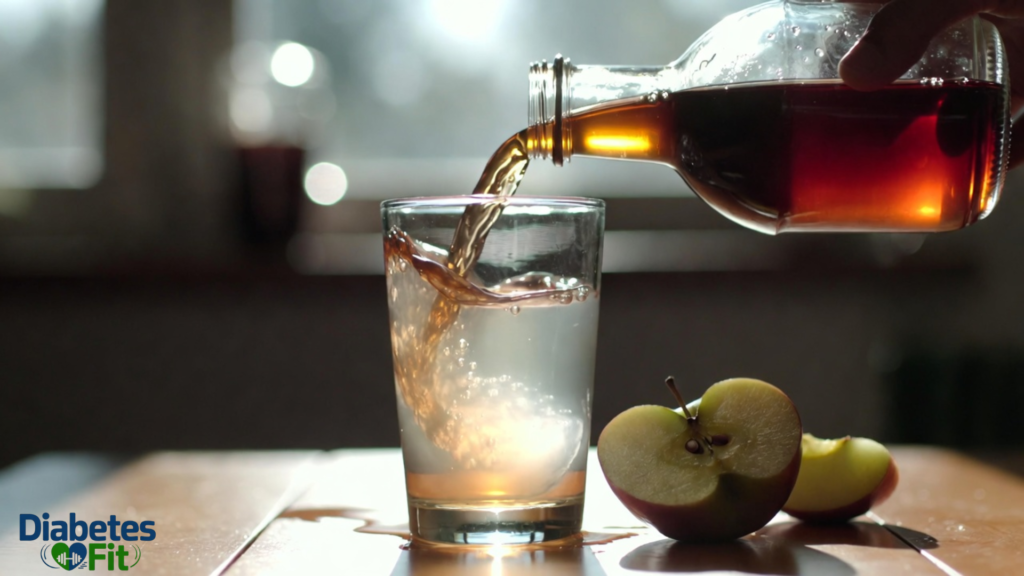
The active compound is acetic acid, which has been shown to inhibit enzymes that break down carbohydrates in the digestive tract. This slows the absorption of glucose after a meal, reducing post-meal blood sugar spikes.
The research: A landmark study published in Diabetes Care found that taking two tablespoons of apple cider vinegar before a high-carbohydrate meal reduced post-meal blood sugar by 19–34%. Another study found that taking ACV before bedtime reduced fasting morning blood sugar by 4–6% in people with Type 2 diabetes.
How to use it:
- Mix 1–2 tablespoons in a full glass of water
- Drink 20–30 minutes before your largest meal of the day
- Start with one teaspoon and increase gradually to avoid digestive discomfort
- Never drink ACV undiluted — it can damage tooth enamel and the esophagus
Important: ACV can interact with diuretics and insulin. If you are on medication, discuss with your doctor before starting.
2. Cinnamon
Cinnamon is arguably the most well-researched spice for blood sugar management and one of the most accessible home remedies for diabetes available in any kitchen.
Ceylon cinnamon (true cinnamon) contains compounds — particularly cinnamaldehyde and A-type proanthocyanidins — that improve insulin receptor sensitivity by activating glucose transporters on cell surfaces. This allows cells to absorb glucose more efficient,ly even when insulin resistance is present.
The research: A meta-analysis of 10 randomized controlled trials found that cinnamon supplementation reduced fasting blood glucose by an average of 3–5 mmol/L and reduced A1C by 0.27–0.83% over 4–18 weeks.
How to use it:
- Add ½ teaspoon of Ceylon cinnamon to oatmeal, Greek yogurt, or smoothies daily
- Stir into black coffee or herbal tea
- Use in savory dishes — cinnamon works beautifully in curries, stews, and meat dishes
- Take as a supplement: 500mg–1g of Ceylon cinnamon extract daily
Important: Use Ceylon cinnamon, not Cassia cinnamon (the common supermarket variety). Cassia contains high levels of coumarin, which can damage the liver at high doses.
3. Bitter Melon (Karela)
Bitter melon — called karela in South Asian cooking — is one of the most traditionally used home remedies for diabetes across Asian, African, and Caribbean cultures. Modern research is validating what traditional medicine has known for centuries.
Bitter melon contains at least three active compounds with anti-diabetic properties:
- Charantin — shown to lower blood glucose
- Polypeptide-p — an insulin-like compound that reduces blood sugar
- Vicine — a compound that improves glucose utilization
The research: Multiple studies show bitter melon juice significantly reduces fasting blood glucose and improves glucose tolerance in people with Type 2 diabetes. A study published in the Journal of Ethnopharmacology found meaningful reductions in both fasting and post-meal blood sugar after four weeks of bitter melon consumption.
How to use it:
- Drink 50–100ml of fresh bitter melon juice on an empty stomach in the morning
- Cook bitter melon as a vegetable — stir-fry with garlic and onion
- Take as a supplement: 500mg–1g of bitter melon extract standardized for charantin
4. Fenugreek Seeds
Fenugreek is one of the most evidence-backed home remedies for diabetes available. Both the seeds and leaves of the fenugreek plant have been extensively studied for blood sugar management.
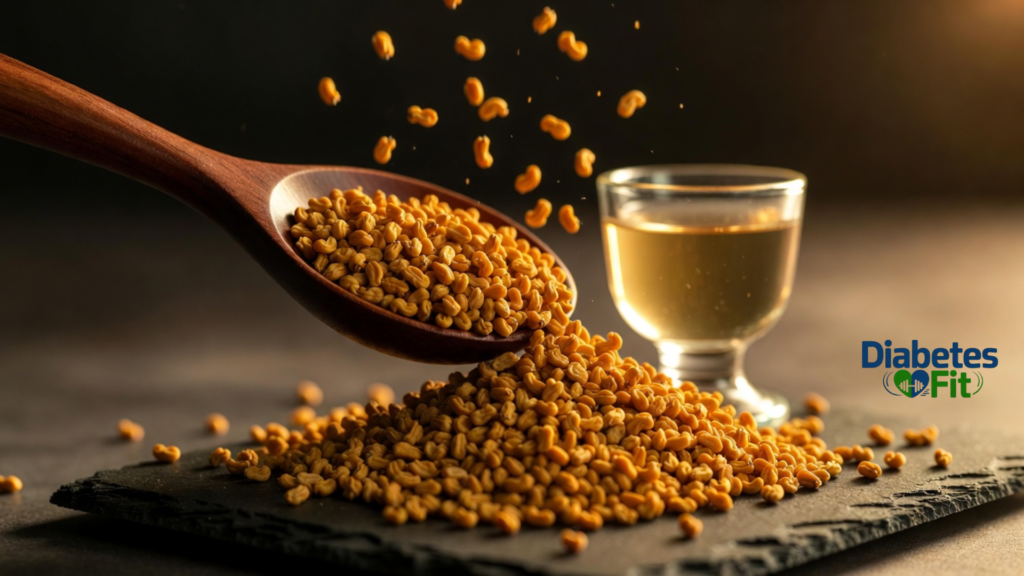
Fenugreek seeds are exceptionally high in soluble fiber — particularly galactomannan — which slows carbohydrate digestion and glucose absorption significantly. They also contain an amino acid called 4-hydroxyisoleucine that directly stimulates insulin secretion.
The research: A study published in the European Journal of Clinical Nutrition found that participants who consumed 10g of fenugreek seeds soaked in hot water daily showed significant reductions in fasting blood glucose and improved glucose tolerance after eight weeks. A1C improvements were also observed.
How to use it:
- Soak 1–2 teaspoons of fenugreek seeds in water overnight, drink the water, and eat the seeds in the morning
- Add ground fenugreek to curries, lentil dishes, and bread
- Drink fenugreek tea: steep one teaspoon of seeds in hot water for 10 minutes
- Take as a supplement: 500mg–1g of fenugreek seed extract daily
5. Berberine
Berberine is a compound found in several plants — barberry, goldenseal, Oregon grape — and it is one of the most powerful natural home remedies for diabetes,s with research that genuinely rivals pharmaceutical interventions.
Berberine activates an enzyme called AMPK (adenosine monophosphate-activated protein kinase) — sometimes called the “metabolic master switch.” AMPK activation improves glucose uptake in muscle cells, reduces liver glucose production, and improves insulin sensitivity through multiple pathways simultaneously.
The research: A landmark meta-analysis of 14 randomized trials published in the Journal of Ethnopharmacology found that berberine reduced A1C by an average of 0.9% — comparable to metformin in some direct comparison studies. It also reduced fasting glucose and post-meal glucose significantly.
How to use it:
- Berberine is not found in meaningful amounts in common foods — supplementation is required
- Typical dose: 500mg two to three times daily with meals
- Start with 500mg once daily and increase over two to three weeks
Important: Berberine can interact significantly with diabetes medications and cause hypoglycemia if combined with insulin or sulfonylureas. Always discuss with your doctor before starting.
6. Aloe Vera
Aloe vera is widely known for skin care, but it is also one of the traditional home remedies for diabetes that modern research is increasingly supporting.
Aloe vera contains compounds including lectins, mannans, and anthraquinones that have been shown to improve insulin sensitivity and reduce fasting blood glucose. It also has anti-inflammatory properties that support metabolic health.
The research: A meta-analysis published in the Journal of Clinical Pharmacy and Therapeutics analyzed nine studies and found that aloe vera supplementation significantly reduced fasting blood glucose and A1C in people with prediabetes and Type 2 diabetes.
How to use it:
- Aloe vera juice (food-grade, inner leaf only — outer leaf contains laxative compounds): 10–15ml twice daily before meals
- Aloe vera gel added to smoothies: 1–2 tablespoons of food-grade inner gel
- Aloe supplements: standardized extracts of 200–300mg daily
Important: Use only food-grade, inner leaf aloe vera products. The outer leaf contains aloin, a potent laxative that is harmful at regular doses.
7. Amla (Indian Gooseberry)
Amla — the Indian gooseberry — is one of the most nutrient-dense foods on earth and a powerful traditional home remedy for diabetes used extensively in Ayurvedic medicine.
Amla is extraordinarily rich in vitamin C (20 times more than oranges by weight) and contains chromium, which improves insulin signaling. Its polyphenols reduce oxidative stress and inflammation that drive insulin resistance, and research shows it directly stimulates pancreatic beta cell function.
The research: A study published in the International Journal of Food Sciences and Nutrition found that consuming amla daily for 21 days significantly reduced fasting and post-meal blood glucose in people with Type 2 diabetes — comparable in some parameters to the diabetes medication glibenclamide.
How to use it:
- Eat one to two fresh amla fruits daily (if available)
- Drink 20–30ml of fresh amla juice on an empty stomach in the morning
- Add amla powder (1 teaspoon) to water, smoothies, or yogurt
- Take amla extract supplements: 500mg daily
8. Methi Water (Fenugreek Water)
Separate from consuming fenugreek seeds directly, methi water — water in which fenugreek seeds have soaked overnight — is a specific preparation that is widely used as one of the most practical home remedies for diabetes across South Asia.
The overnight soaking process activates additional enzymatic compounds in the seeds and makes the soluble fiber more bioavailable. The resulting water contains concentrated galactomannan that slows intestinal glucose absorption when consumed on an empty stomach.
How to prepare and use it:
- Soak 1 tablespoon of fenugreek seeds in 1 cup of water overnight
- In the morning, drink the water on an empty stomach
- Optionally, eat the soaked seeds as well
- Do this consistently for at least four weeks for measurable results
- Combine with a morning walk for synergistic blood sugar benefits
9. Jamun (Black Plum) Seeds
Jamun — the Indian black plum — and particularly its seeds, are one of the most specifically studied home remedies for diabetes in traditional Ayurvedic and Unani medicine.
The seeds contain jambosine and jamboline — glycosides that slow the conversion of starch to sugar in the digestive process. They also contain ellagic acid,d which reduces blood glucose by improving insulin sensitivity.
How to use it:
- Dry jamun seeds in the sun, grind into a fine powder
- Take 1 teaspoon of jamun seed powder with water twice daily — before breakfast and before dinner
- Jamun seed powder supplements are widely available where South Asian products are sold
- Fresh jamun fruit (when in season),n) eaten with the skin, provides lesser but real benefits
10. Neem Leaves
Neem leaves have been used in traditional Indian medicine for blood sugar management for thousands of years — and modern research provides a scientific basis for this traditional use.
Neem contains flavonoids, triterpenoids, anti-viral compounds, and glycosides that improve insulin receptor sensitivity and reduce blood glucose. It also has potent anti-inflammatory properties that address the chronic inflammation underlying insulin resistance.
The research: Studies show that neem leaf extract significantly reduces fasting blood glucose and improves glucose tolerance. Some research suggests neem may also protect pancreatic beta cells from oxidative damage.
How to use it:
- Neem tea: steep 8–10 fresh or dried neem leaves in hot water for 10 minutes, drink on an empty stomach
- Chew 3–4 fresh neem leaves on an empty stomach in the morning (very bitter but effective)
- Neem leaf powder: ¼ teaspoon in water before meals
- Neem supplements: standardized extract 500mg daily
11. Fiber-Rich Foods as Daily Home Remedies
Increasing dietary fiber is one of the most evidence-backed and sustainable home remedies for diabetes — and it requires no special supplement or preparation.
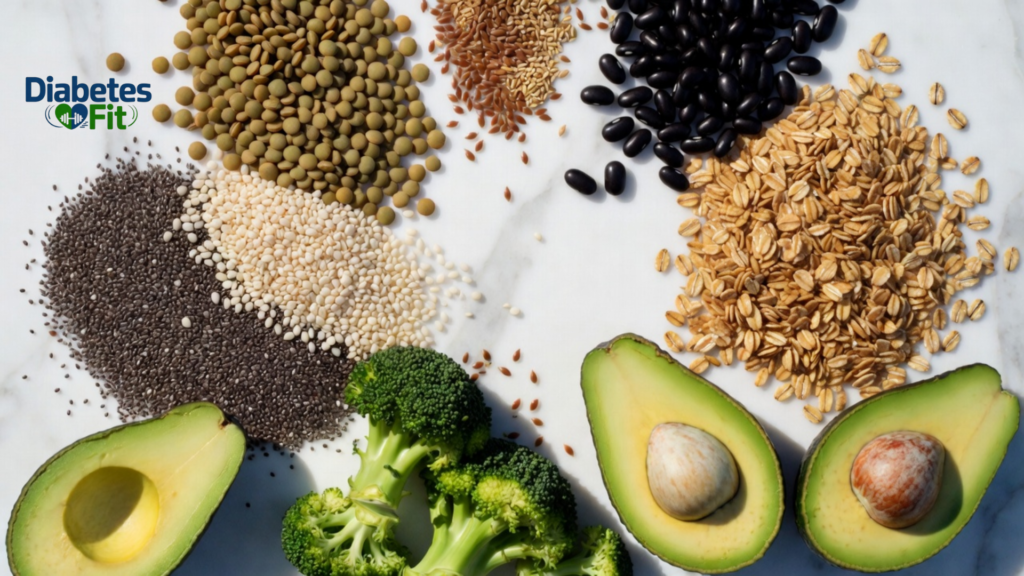
How fiber controls blood sugar: Soluble fiber dissolves in water to form a gel in the digestive tract. This gel:
- Physically slows the absorption of glucose from carbohydrates
- Reduces post-meal blood sugar spikes significantly
- Feeds beneficial gut bacteria that produce short-chain fatty acids, improving insulin sensitivity
- Reduces inflammation through microbiome health
The research: A study in the Annals of Internal Medicine found that simply increasing fiber to 30g daily — without any other dietary change — produced significant improvements in blood sugar control, weight, and blood pressure over 12 months.
Best high-fiber foods for diabetes:
| Food | Fiber per Serving | Additional Benefit |
| Lentils (1 cup cooked) | 15g | High protein, very low GI |
| Chia seeds (1 oz) | 10g | Omega-3s slow digestion |
| Black beans (1 cup) | 15g | Resistant starch |
| Avocado (1 whole) | 10g | Healthy fats, anti-inflammatory |
| Broccoli (1 cup) | 5g | Sulforaphane reduces inflammation |
| Oats — rolled (½ cup dry) | 4g | Beta-glucan lowers glucose |
| Flaxseed (2 tbsp) | 5.6g | Omega-3s, lignans |
| Psyllium husk (1 tbsp) | 7g | Highly concentrated soluble fiber |
12. Regular Walking After Meals
Walking is one of the most powerful and most underused home remedies for diabetes — and the research specifically on post-meal walking is remarkable.
When you walk, your muscles absorb glucose directly from the bloodstream without needing insulin — through a mechanism called insulin-independent glucose uptake. This is particularly valuable for people with insulin resistance because it bypasses the broken insulin signaling pathway entirely.
The research: A 2022 study published in Sports Medicine found that two to five minutes of light walking after each meal was more effective at reducing 24-hour blood sugar levels than a single 30-minute walk at any other time of day. Post-meal walking reduced post-meal glucose spikes by 30–50 mg/dL in people with Type 2 diabetes.
How to implement:
- Walk for 10–15 minutes within 30 minutes of finishing each meal
- Even a slow, gentle pace is effective — this is not about intensity
- If outdoor walking is not possible, march in place, walk around the house, or do la ight household activity
- Consistency matters more than intensity for blood sugar control
13. Stress Reduction Practices
Chronic psychological stress is one of the most overlooked home remedies for diabetes — because most people do not realize how directly stress hormones affect blood sugar.
When stressed, your body releases cortisol and adrenaline. These hormones signal the liver to release stored glucose — raising blood sugar even without eating. Chronic stress keeps cortisol elevated continuously, contributing significantly to elevated fasting glucose and A1C.
Effective stress reduction techniques with blood sugar evidence:
- Mindfulness meditation: 10–15 minutes daily reduces cortisol measurably within two weeks. A meta-analysis found that mindfulness practices significantly reduced A1C in people with Type 2 diabetes.
- Deep breathing (4-7-8 technique): Inhale 4 counts, hold 7, exhale 8. Activatesthe parasympathetic nervous system, lowers cortisol within minutes
- Yoga: Multiple studies show yoga practice reduces fasting glucose, A1C, and stress hormones in people with Type 2 diabetes. Even gentle yoga, two to three times per week, produces meaningful benefits
- Nature exposure: 20 minutes in a green space significantly reduces cortisol and blood pressure
- Quality sleep: Every night of poor sleep raises fasting glucose the next morning — making consistent 7–8 hour sleep one of the most impactful home remedies for diabetes
Home Remedies for Diabetes: Quick Reference Table
| Remedy | Primary Mechanism | Evidence Level | How Long to See Results |
| Apple Cider Vinegar | Slows glucose absorption | Strong | 1–4 weeks |
| Cinnamon | Improves insulin sensitivity | Strong | 4–8 weeks |
| Bitter Melon | Multiple anti-diabetic compounds | Moderate-Strong | 4–8 weeks |
| Fenugreek Seeds | Fiber slows glucose absorption | Strong | 4–8 weeks |
| Berberine | AMPK activation | Very Strong | 4–12 weeks |
| Aloe Vera | Improves insulin sensitivity | Moderate | 4–8 weeks |
| Amla | Antioxidant + chromium | Moderate | 3–6 weeks |
| Methi Water | Soluble fiber concentration | Moderate | 4–6 weeks |
| Jamun Seeds | Slows starch conversion | Traditional/Emerging | 4–8 weeks |
| Neem Leaves | Insulin receptor sensitivity | Moderate | 4–8 weeks |
| Fiber-Rich Foods | Slows glucose absorption | Very Strong | 2–4 weeks |
| Post-Meal Walking | Insulin-independent uptake | Very Strong | Immediate |
| Stress Reduction | Reduces cortisol/glucose release | Strong | 2–6 weeks |
Important Safety Guidelines
Using home remedies for diabetes safely requires understanding several critical principles:

- Never stop prescribed medication without discussing with your doctor. Home remedies support — they do not replace — medical treatment
- Monitor blood sugar more frequently when starting new remedies to understand how your body responds
- Watch for hypoglycemia — some remedies (particularly berberine, bitter melon, and fenugreek) can lower blood sugar significantly when combined with diabetes medications
- Inform your healthcare team about all remedies you are using — herb-drug interactions are real and can be significant
- Be patient — most natural remedies require four to eight weeks of consistent use before measurable A1C improvement appears.
Real-Life Example
Priya, a 54-year-old with Type 2 diabetes and an A1C of 7.8%, started implementing three of these home remedies for diabetes consistently: drinking methi water every morning, adding Ceylon cinnamon to her oatmeal daily, and taking a 15-minute walk after dinner. After three months, her A1C dropped to 7.1% — a 0.7% reduction without any medication change. Her fasting glucose readings dropped from an average of 148 mg/dL to 124 mg/dL. Her doctor was impressed and encouraged her to continue.
Conclusion
The home remedies for diabetes in this guide are not folklore or wishful thinking — they are evidence-backed, practical interventions that can meaningfully support blood sugar management when used consistently alongside proper medical care.
The most powerful approach is combining multiple remedies: start your morning with methi water or amla juice, add cinnamon to breakfast, eat fiber-rich meals, take a post-meal walk, manage stress through meditation, and sleep seven to eight hours. Each remedy addresses a different mechanism — and together they create a comprehensive natural support system for blood sugar control.
The home remedies for diabetes that work best are not the most exotic or expensive ones. They are the ones you use consistently every single day. Start with two or three from this list — the ones that fit most naturally into your current routine — and build from there.
Choose two remedies from this guide and commit to them consistently for 30 days. Then check your blood sugar readings. The numbers will tell you everything.
Always consult your doctor or healthcare provider before starting any new supplement or making significant changes to your diabetes management plan.
Frequently Asked Questions
Can home remedies for diabetes replace medication?
No — home remedies for diabetes should be used alongside prescribed medication, not as replacements. However, consistent use of evidence-backed natural interventions can meaningfully reduce blood sugar and, in some cases of prediabetes or early Type 2 diabetes, may reduce medication needs over time under a doctor’s supervision. Never stop or reduce diabetes medication without medical guidance.
Which home remedy lowers blood sugar the fastest?
Post-meal walking produces the most immediate effect — reducing post-meal blood sugar by 30–50 mg/dL within 15–30 minutes. Apple cider vinegar before meals also produces rapid effects on post-meal glucose within the same meal. For longer-term A1C reduction, berberine and cinnamon have the strongest evidence over four to twelve weeks.
Is bitter melon safe for daily use?
Bitter melon is generally safe for most adults when used in food amounts or recommended supplement doses. However, it can cause hypoglycemia when combined with diabetes medications, and should be avoided during pregnancy. Long-term use at very high doses may cause liver enzyme elevations in some people. Start with small amounts and monitor blood sugar closely.
How long does it take for home remedies to lower A1C?
Because A1C reflects a three-month average, meaningful changes in A1C require at least eight to twelve weeks of consistent use. Most people see measurable fasting glucose improvements within two to four weeks of consistent remedy use, with A1C changes becoming apparent at the three-month mark. Post-meal walking produces immediate blood sugar benefits from the first use.
Can I use multiple home remedies together?
Yes — combining multiple remedies is generally more effective than using any single one. However, combining potent blood-sugar-lowering remedies (berberine, bitter melon, fenugreek) with diabetes medications requires careful monitoring for hypoglycemia. Introduce one new remedy at a time, monitor your blood sugar response, and inform your doctor about everything you are taking.
Is cinnamon safe for the kidneys in diabetics?
Ceylon cinnamon in food amounts (up to one teaspoon daily) is safe for most people, including those with diabetes. Cassia cinnamon in large amounts contains coumarin, which may stress the liver and kidneys over time — this is the main reason Ceylon cinnamon is specifically recommended. At supplement doses, always use Ceylon cinnamon extract and discuss with your doctor if you have kidney disease.
Does aloe vera juice really help with diabetes?
Evidence suggests yes — for Type 2 diabetes and prediabetes specifically. Multiple studies show that food-grade aloe vera juice reduces fasting blood glucose and modestly reduces A1C. It is not a standalone treatment but is a useful supportive remedy. Use only inner leaf, food-grade aloe vera products, and limit to 15–30ml daily. Avoid products containing aloin (outer leaf et,ract, which acts as a potent laxative.

David Miller is a health and wellness writer focused on diabetes awareness, blood sugar control, and healthy living. He creates clear, practical content to help readers make better everyday health choices.