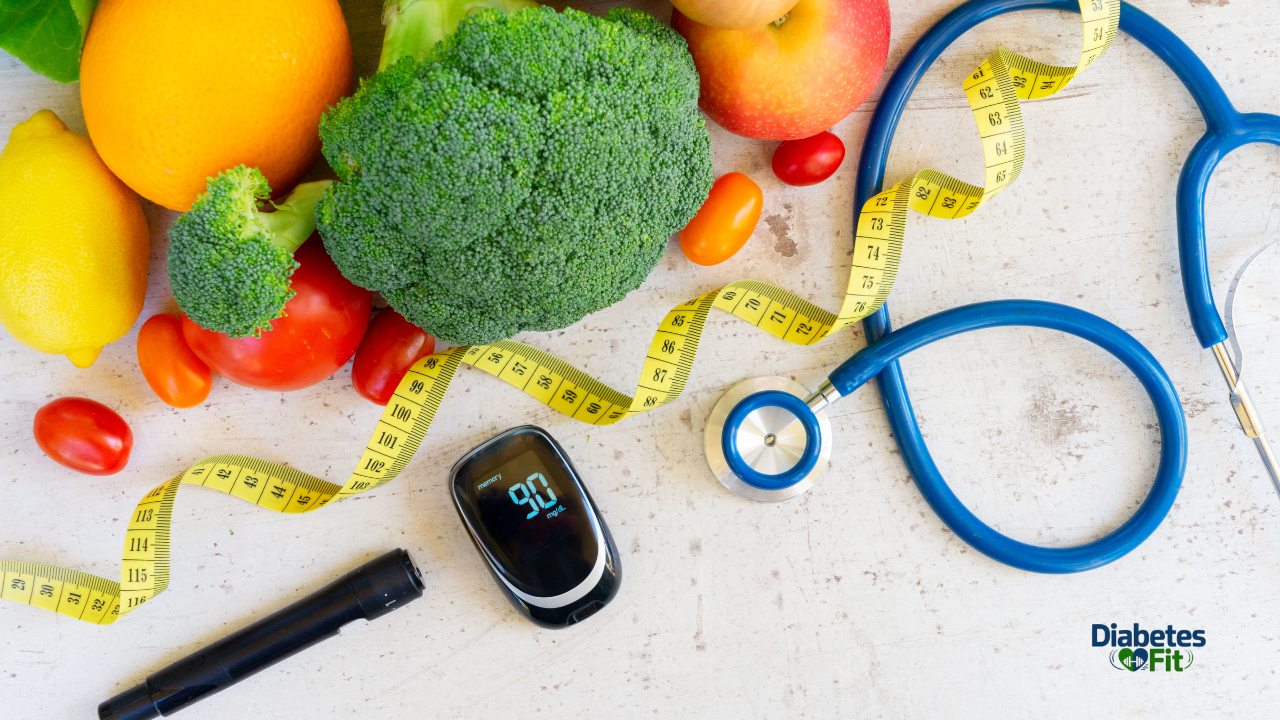
How to Reverse Prediabetes: Your Complete Guide to Taking Control
If you’ve been told you have prediabetes, you’re not alone. Millions of people around the world receive this diagnosis every year. But here’s the good news:
Prediabetes isn’t a life sentence. Understanding how to reverse prediabetes can help you prevent type 2 diabetes and improve your overall health.
Prediabetes means your blood sugar levels are higher than normal but not high enough to be classified as diabetes. Think of it as a yellow warning light on your health dashboard. It’s your body’s way of telling you that changes are needed before a more serious problem develops.
The amazing part? With the right lifestyle changes, most people can bring their blood sugar levels back to normal. In this comprehensive guide, we’ll walk you through everything you need to know about reversing prediabetes naturally and effectively.
Understanding Prediabetes
Before we dive into how to reverse prediabetes, let’s understand what’s happening in your body. When you eat, your body breaks down food into glucose (sugar) that enters your bloodstream. Your pancreas then releases insulin, a hormone that acts like a key, unlocking your cells so glucose can enter and provide energy.
In prediabetes, your cells become resistant to insulin. They don’t respond as well to this “key,” so glucose builds up in your blood instead of entering your cells. Your pancreas tries to compensate by making more insulin, but over time, it can’t keep up.
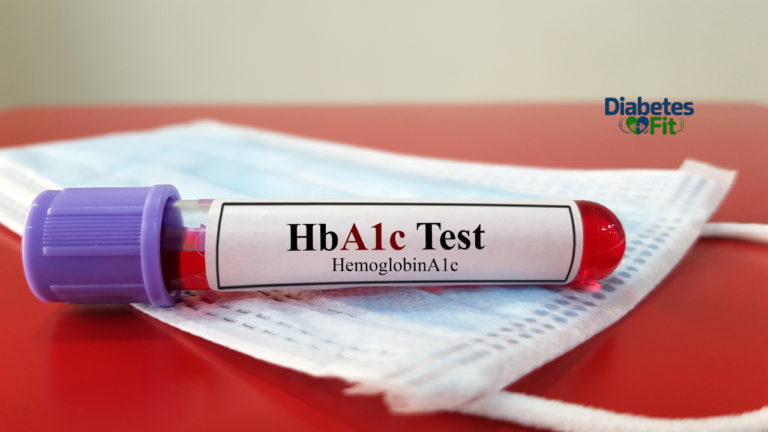
A prediabetes diagnosis typically means your fasting blood sugar is between 100-125 mg/dL, or your A1C (average blood sugar over three months) is between 5.7% and 6.4%. These numbers are your wake-up call to take action.
The Power of Weight Loss
One of the most effective ways to reverse prediabetes is through modest weight loss. You don’t need to lose massive amounts of weight to see results. Studies show that losing just 5-7% of your body weight can significantly reduce your risk of developing type 2 diabetes.
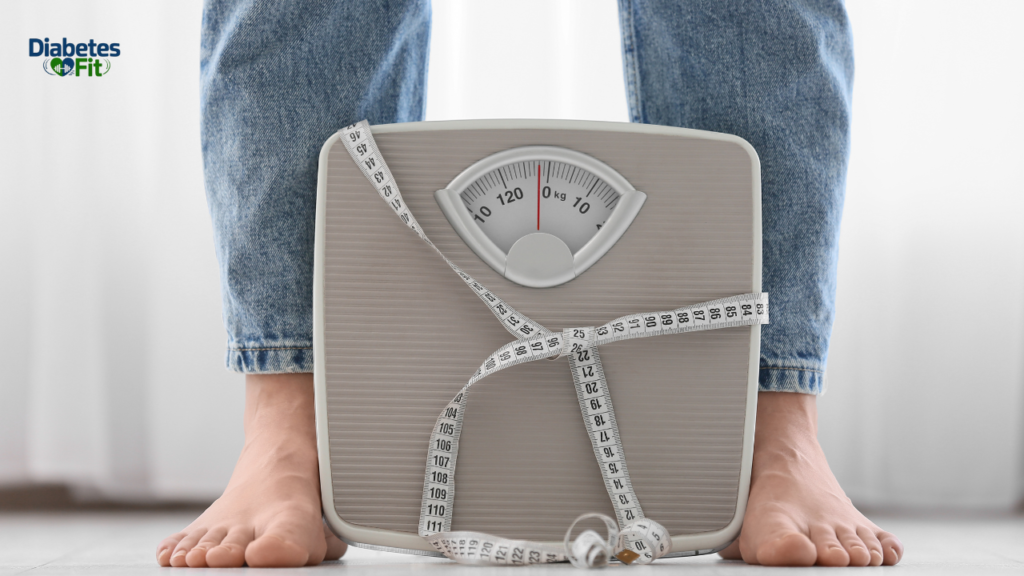
For someone weighing 200 pounds, that’s only 10-14 pounds. This achievable goal can make a tremendous difference in how your body processes sugar.
Weight loss improves insulin sensitivity, meaning your cells respond better to insulin and can use glucose more effectively. As you lose weight, especially belly fat, your body becomes more efficient at regulating blood sugar levels.
Start with small, sustainable changes rather than crash diets. Gradual weight loss is more likely to stick and provides lasting benefits for blood sugar control.
Diet to Reverse Prediabetes
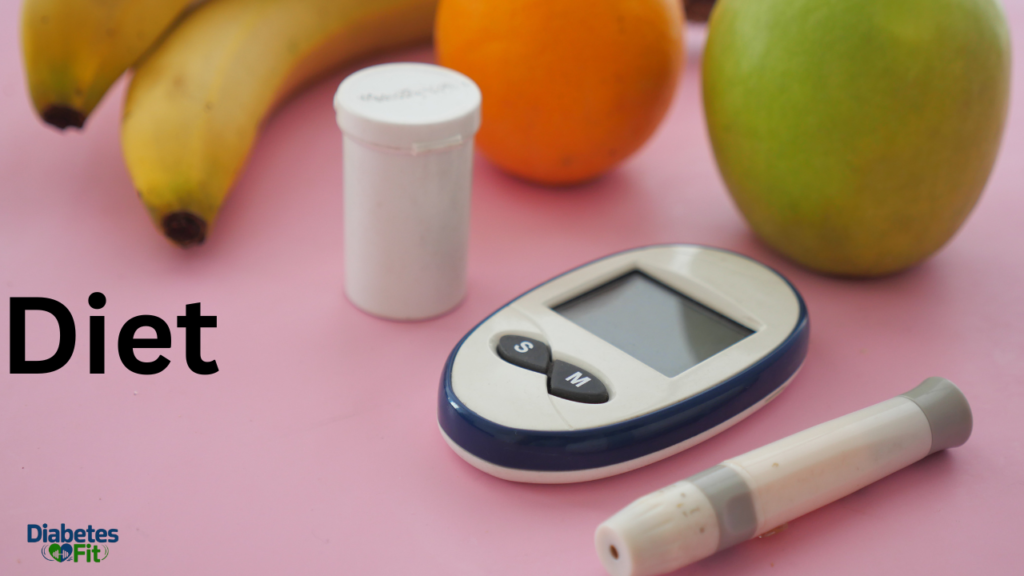
Your food choices play the most critical role in reversing prediabetes. What you eat directly affects your blood sugar levels, and making smart dietary changes can dramatically improve your condition.
Focus on Complex Carbohydrates
Not all carbohydrates are created equal. Simple carbohydrates found in white bread, pastries, and sugary snacks cause rapid spikes in blood sugar. Complex carbohydrates, on the other hand, are digested more slowly and provide steady energy.
Choose whole grains like brown rice, quinoa, oats, and whole wheat bread. These foods contain fiber that slows down sugar absorption and helps keep your blood sugar stable. Replace white rice with cauliflower rice or regular pasta with whole-grain or legume-based alternatives.
Load Up on Vegetables
Vegetables should become your best friends in your journey to reverse prediabetes. Non-starchy vegetables like leafy greens, broccoli, cauliflower, peppers, and cucumbers are low in calories and carbohydrates while being packed with nutrients and fiber.
Fill half your plate with vegetables at each meal. They’ll help you feel full, provide essential vitamins and minerals, and won’t spike your blood sugar. The fiber in vegetables also feeds healthy gut bacteria, which play a role in blood sugar regulation.
Choose Lean Proteins
Protein doesn’t raise blood sugar levels and helps you feel satisfied after meals. Include lean proteins like chicken, turkey, fish, eggs, and plant-based options like beans, lentils, and tofu in your diet.
Fatty fish like salmon and mackerel provide omega-3 fatty acids that reduce inflammation and support heart health. Since prediabetes increases your risk of heart disease, these foods offer double benefits.
Include Healthy Fats
Don’t fear fats, but choose the right ones. Healthy fats from avocados, nuts, seeds, and olive oil help slow digestion and prevent blood sugar spikes. They also keep you feeling full longer, which can help with weight management.
A handful of almonds or walnuts makes an excellent snack. Drizzle olive oil on salads or use it for cooking. Add avocado to sandwiches or salads for a creamy texture and lasting satisfaction.
Watch Your Portions
Even healthy foods can raise blood sugar if you eat too much. Learning proper portion sizes is crucial. Use smaller plates to help control portions visually. Fill half your plate with vegetables, one-quarter with lean protein, and one-quarter with complex carbohydrates.
Pay attention to hunger and fullness cues. Eat slowly and stop when you’re comfortably satisfied, not stuffed.
Limit Added Sugars
This one’s obvious but important. Cut back dramatically on sodas, sweetened beverages, candy, cookies, and other foods with added sugars. These cause rapid blood sugar spikes and provide empty calories that contribute to weight gain.
Read food labels carefully. Sugar hides in many processed foods under different names like high fructose corn syrup, dextrose, maltose, and others. Choose whole, unprocessed foods whenever possible.
Time Your Meals
Eating at regular times helps regulate your blood sugar. Avoid skipping meals, which can lead to overeating later and cause blood sugar fluctuations. Consider eating smaller, more frequent meals if that works better for your schedule and hunger patterns.
Some people find success with intermittent fasting, but discuss this approach with your healthcare provider first to ensure it’s safe and appropriate for you.
The Exercise Factor
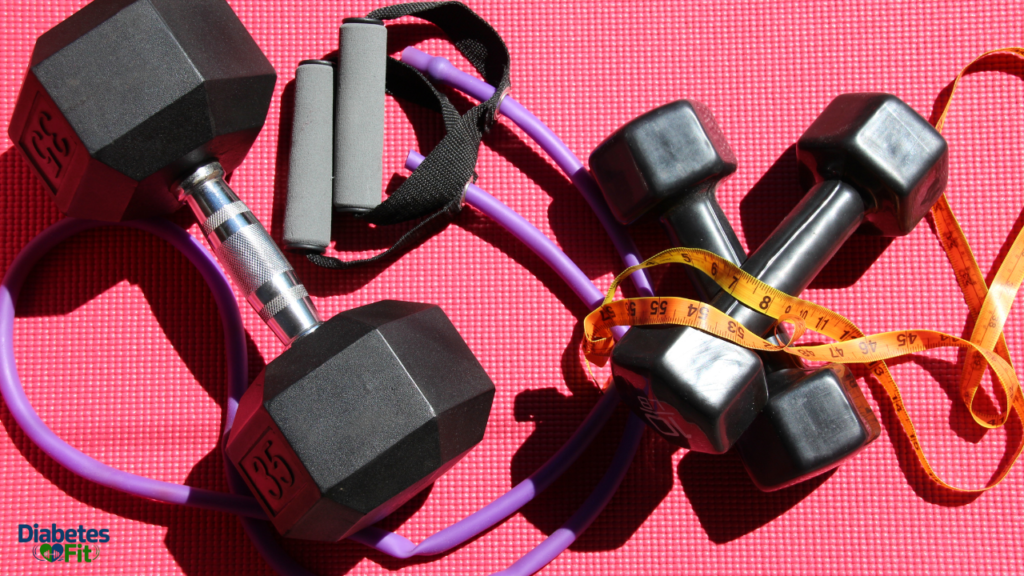
Physical activity is another powerful tool for reversing prediabetes. Exercise helps your muscles use glucose for energy and makes your cells more sensitive to insulin. The effects can last for hours after you finish exercising.
You don’t need to become a marathon runner. Aim for at least 150 minutes of moderate-intensity exercise per week. This breaks down to just 30 minutes a day, five days a week. Moderate intensity means you can talk but not sing during the activity.
Walking is one of the best exercises for blood sugar control. It’s free, requires no equipment, and can be done almost anywhere. Start with a 10-minute walk after meals, which is particularly effective at lowering post-meal blood sugar spikes.
Add strength training twice a week. Building muscle mass improves your body’s ability to use glucose and boosts metabolism. You don’t need fancy equipment; bodyweight exercises like squats, push-ups, and planks work wonderfully.
Find activities you enjoy. Dancing, swimming, cycling, gardening, or playing with your kids all count. The best exercise is the one you’ll actually do consistently.
Sleep and Stress Management
Many people overlook these factors when learning how to reverse prediabetes, but they’re crucial. Poor sleep and chronic stress both raise blood sugar levels and make insulin resistance worse.
Aim for seven to nine hours of quality sleep each night. Establish a regular sleep schedule, create a dark and cool sleeping environment, and avoid screens for an hour before bed. Poor sleep increases cravings for sugary and high-carb foods, making it harder to stick to healthy eating.
Chronic stress triggers the release of cortisol and other hormones that raise blood sugar. Find healthy ways to manage stress, like meditation, deep breathing exercises, yoga, or spending time in nature. Even a few minutes of deep breathing can help lower stress hormones and improve blood sugar control.
Stay Hydrated

Drinking enough water helps your kidneys flush out excess sugar through urine. Aim for at least eight glasses of water daily, more if you’re active or in hot weather. Water also helps you feel full and can prevent overeating.
Avoid sugary drinks, including fruit juices. Even 100% fruit juice lacks the fiber of whole fruit and can spike blood sugar quickly. If you want flavor, add lemon, lime, cucumber, or fresh berries to your water.
Monitor Your Progress
Keep track of your journey. Check your blood sugar levels as recommended by your healthcare provider. Many people see improvements within weeks of making lifestyle changes, which provides great motivation to continue.
Keep a food and activity journal. This helps you identify patterns and see what works best for your body. Note how different foods affect your energy and blood sugar levels.
Celebrate small victories along the way. Did you choose a salad over fries? Walk an extra ten minutes? These small choices add up to significant changes over time.
The Role of Support
You don’t have to do this alone. Tell family and friends about your goals so they can support you. Join a diabetes prevention program or find an online community of people working toward similar goals.
Work closely with your healthcare team. Regular check-ups help you track progress and adjust your plan as needed. A registered dietitian can provide personalized meal planning advice. A certified diabetes educator can teach you strategies for success.
Making It Last
The key to reversing prediabetes isn’t following a strict diet for a few weeks. It’s about creating sustainable lifestyle changes you can maintain for life. Don’t think of it as dieting; think of it as choosing a healthier way of living.
Allow yourself flexibility. If you have a piece of birthday cake, enjoy it without guilt, then get right back to your healthy habits. Perfection isn’t the goal; progress is.
Focus on adding healthy foods rather than just restricting unhealthy ones. This positive mindset makes the journey more enjoyable and sustainable.
Final Thoughts
Learning how to reverse prediabetes empowers you to take control of your health. The combination of healthy eating, regular physical activity, adequate sleep, and stress management creates a powerful formula for bringing your blood sugar levels back to normal.
Remember, reversing prediabetes doesn’t happen overnight. It’s a gradual process that requires patience and commitment. But every healthy choice you make moves you closer to your goal. The changes you make now don’t just prevent diabetes; they improve your overall health, boost your energy, and help you feel better every day.
You have the power to change your health trajectory. Start with one small change today, add another tomorrow, and before you know it, these healthy habits will become your new normal. Your future self will thank you for taking action now.
FAQs
How long does it take to reverse prediabetes?
The timeline varies for each person, but many people see significant improvements in their blood sugar levels within three to six months of making consistent lifestyle changes. Some may reverse prediabetes in as little as a few weeks with dedicated effort, while others may take up to a year. The key is consistency with diet, exercise, and other healthy habits. Even if full reversal takes time, you’ll likely notice improvements in energy levels and overall health much sooner.
Can I reverse prediabetes without medication?
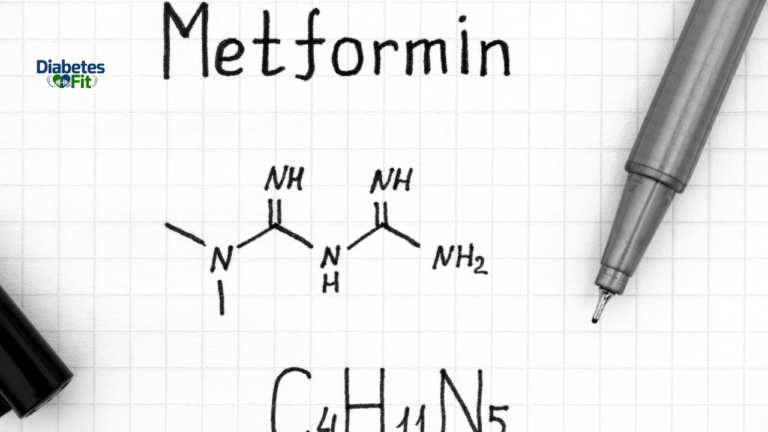
Yes, most people can reverse prediabetes through lifestyle changes alone, without medication. Diet modifications, regular exercise, weight loss, and stress management are often all that’s needed. However, in some cases, healthcare providers may prescribe metformin or other medications alongside lifestyle changes, especially if blood sugar levels are on the higher end of the prediabetes range or if you have other risk factors. Always work with your healthcare provider to determine the best approach for your individual situation.
Will I have to follow a strict diet forever?
Once you reverse prediabetes, you don’t need to follow an extremely restrictive diet forever, but maintaining healthy eating habits is important to prevent relapse. Think of it as adopting a sustainable, balanced approach to eating rather than following a temporary “diet.” You can enjoy occasional treats while prioritizing whole foods, vegetables, lean proteins, and healthy fats most of the time. Many people find that healthy eating becomes easier and more enjoyable over time as their taste preferences change, and they feel the benefits of better nutrition.
What if my prediabetes comes back after I reverse it?
Prediabetes can return if you go back to old habits, which is why maintaining lifestyle changes is crucial for long-term success. However, if you do experience a relapse, don’t be discouraged. You already know what works for your body, so you can implement those strategies again. Regular check-ups with your healthcare provider help catch any backsliding early. Think of blood sugar management as an ongoing journey rather than a destination. Occasional setbacks are normal; what matters is getting back on track quickly and learning from the experience.

David Miller is a health and wellness writer focused on diabetes awareness, blood sugar control, and healthy living. He creates clear, practical content to help readers make better everyday health choices.