

Is Carrot Good for Diabetes? Everything You Need to Know
Is a carrot good for diabetes? This is a question that many people with diabetes ask when they’re trying to figure out which vegetables are safe to include in their diet. The answer is a resounding yes—carrots can be an excellent addition to a diabetic meal plan when consumed properly and in appropriate portions.
Despite some misconceptions about their sugar content, carrots offer numerous health benefits for people managing diabetes, including essential nutrients, fiber, and antioxidants that support overall health and blood sugar control.
In this comprehensive guide, we’ll explore everything you need to know about carrots and diabetes, including their nutritional profile, how they affect blood sugar levels, how to prepare them, and practical tips for incorporating them into a diabetes-friendly diet. Whether you’re newly diagnosed with diabetes or have been managing the condition for years, understanding the role of carrots in your diet can help you make informed decisions about your nutrition.
For those looking for convenient and healthy options, these meal replacement shakes for diabetics can be a great choice to manage blood sugar levels effectively.
Understanding Carrots and Their Nutritional Value
Before we dive deeper into whether is carrot good for diabetes, let’s first understand what makes carrots such a nutritious vegetable. Carrots are root vegetables that come in various colors, including orange, purple, red, yellow, and white, though orange carrots are the most common variety found in grocery stores.
A medium-sized raw carrot, which is about 7 inches long and weighs approximately 61 grams, contains only about 25 calories. It provides roughly 6 grams of carbohydrates, 2 grams of fiber, and 3 grams of natural sugars. While carrots do contain natural sugars, the fiber content helps slow down sugar absorption, which is beneficial for blood sugar management.
Carrots are exceptionally rich in beta-carotene, which the body converts into vitamin A. They also provide vitamin K, vitamin C, potassium, and various antioxidants that promote overall health. The bright orange color of carrots comes from beta-carotene, a powerful antioxidant that supports eye health, immune function, and may help reduce inflammation throughout the body.
The Glycemic Index and Glycemic Load of Carrots
To truly understand whether is carrot good for diabetes, we need to discuss two important concepts: glycemic index and glycemic load. The glycemic index, or GI, measures how quickly a food raises blood sugar levels on a scale from 0 to 100. Foods with a high GI (70 and above) cause rapid blood sugar spikes, while low GI foods (55 and below) produce gradual, more controlled increases.
Raw carrots have a glycemic index of approximately 16 to 20, which is very low and excellent for blood sugar control. However, cooked carrots have a higher glycemic index, ranging from 39 to 49, depending on the cooking method, but this is still considered low to medium on the scale.
While the glycemic index tells us how quickly a food affects blood sugar, the glycemic load, or GL, gives us a more complete picture by taking portion size into account. The glycemic load considers both the GI and the amount of carbohydrates in a typical serving. Raw carrots have a glycemic load of only 2 to 3, and even cooked carrots have a glycemic load of just 3 to 5, both of which are considered very low.
This low glycemic load is one of the main reasons why the answer to is carrot good for diabetes is yes. Even though cooking increases the glycemic index slightly, the overall impact on blood sugar remains minimal because you’re not consuming a huge amount of carbohydrates in a typical serving of carrots.
How Carrots Affect Blood Sugar Levels
Understanding how carrots affect blood sugar is crucial when determining whether is carrot good for diabetes. When you eat carrots, the fiber they contain slows down the digestion and absorption of their natural sugars. This means glucose enters your bloodstream gradually rather than causing a sudden spike.
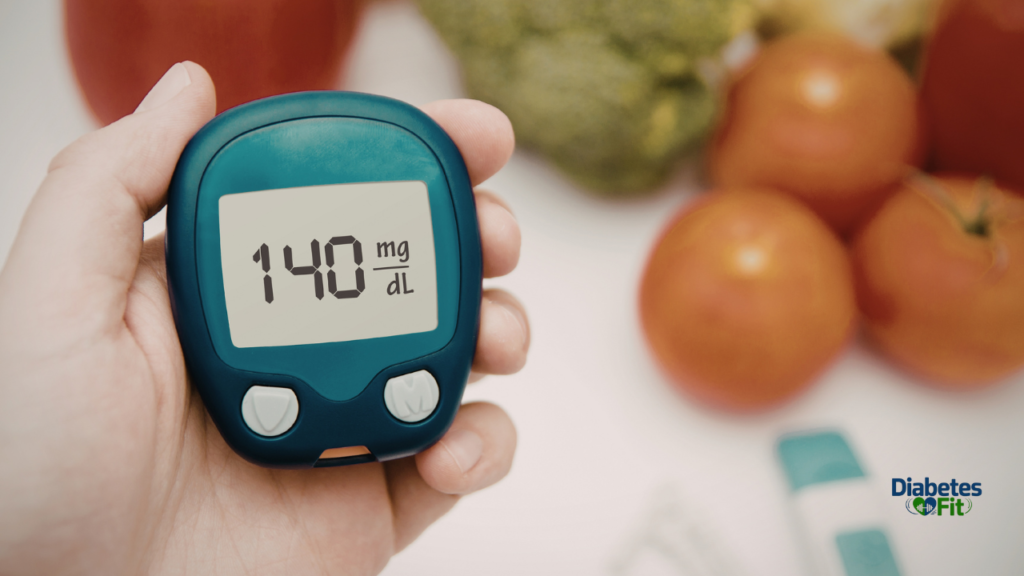
The fiber in carrots is particularly beneficial for diabetics. Fiber doesn’t raise blood sugar levels and actually helps improve glycemic control by slowing the absorption of other carbohydrates you eat at the same meal. This is why eating a salad with raw carrots before or alongside your main course can actually help moderate your blood sugar response to the entire meal.
Studies have shown that people with diabetes who consume adequate amounts of fiber from vegetables like carrots tend to have better long-term blood sugar control, as measured by hemoglobin A1C levels. The soluble fiber in carrots also helps feed beneficial gut bacteria, which emerging research suggests may play a role in diabetes management and insulin sensitivity.
Health Benefits of Carrots for Diabetics
Beyond their favorable impact on blood sugar, carrots offer several specific health benefits that are particularly valuable for people with diabetes.
Eye Health Protection
People with diabetes have an increased risk of developing eye problems, including diabetic retinopathy, cataracts, and glaucoma. Carrots are loaded with beta-carotene and lutein, antioxidants that specifically support eye health and may help protect against diabetes-related vision complications. Regular consumption of carrots and other beta-carotene-rich vegetables may help preserve vision in people with diabetes.
Heart Health Support
Cardiovascular disease is the leading cause of death among people with diabetes, making heart health a top priority. Carrots contain potassium, which helps regulate blood pressure, and antioxidants that protect blood vessels from damage. The fiber in carrots also helps lower cholesterol levels, reducing the risk of heart disease. These combined benefits make carrots an excellent food choice for diabetics concerned about their cardiovascular health.
Weight Management
Maintaining a healthy weight is crucial for managing type 2 diabetes, and carrots can be a valuable tool in weight management efforts. They’re low in calories but high in fiber and water content, which means they help you feel full and satisfied without contributing many calories to your daily intake. Snacking on raw carrots instead of high-calorie processed foods can help create the calorie deficit needed for weight loss while still providing important nutrients.
Anti-Inflammatory Properties
Chronic inflammation is common in people with diabetes and contributes to insulin resistance and various complications. Carrots contain several anti-inflammatory compounds, including beta-carotene and other antioxidants, that help reduce inflammation throughout the body. Lowering inflammation can improve insulin sensitivity and support better blood sugar control over time.
Immune System Support
People with diabetes are more susceptible to infections, especially if blood sugar levels are not well controlled. The vitamin C and antioxidants in carrots help support immune function, potentially reducing the risk of infections and helping the body heal more efficiently when illness or injury does occur.
Raw Carrots vs. Cooked Carrots for Diabetics
An important consideration when asking is carrot good for diabetes is whether the preparation method matters. Both raw and cooked carrots can be part of a healthy diabetic diet, but they do have some differences.

Raw Carrots
Raw carrots have the lowest glycemic index, around 16 to 20, making them the best choice for blood sugar control. They’re crunchy, convenient, and require no preparation beyond washing. Raw carrots make excellent snacks and are perfect for dipping in hummus or yogurt-based dips. The firm texture also requires more chewing, which slows down eating and increases satiety.
Cooked Carrots
Cooking carrots increases their glycemic index to about 39 to 49, but they’re still considered low to medium GI. The heat breaks down the cell walls, making some nutrients, particularly beta-carotene, more bioavailable and easier for your body to absorb. Studies show that cooking can increase the absorption of beta-carotene by up to 60 percent compared to raw carrots.
For diabetics, both raw and cooked carrots are good options. If blood sugar control is your primary concern, raw carrots have a slight edge. If you want to maximize nutrient absorption, particularly of antioxidants, lightly cooked carrots may be better. The best approach is to include both raw and cooked carrots in your diet to get the benefits of each.
Best Ways to Prepare Carrots for Diabetes Management
There are many delicious and diabetes-friendly ways to prepare carrots. Here are some of the best methods that maximize nutrition while keeping blood sugar impact minimal.
Steaming is one of the healthiest cooking methods for carrots. It softens them without adding calories or significantly increasing their glycemic index. Steamed carrots can be seasoned with herbs, a small amount of olive oil, and lemon juice for a simple, flavorful side dish.
Roasting brings out the natural sweetness of carrots without adding sugar. Toss carrot chunks with a small amount of olive oil, herbs, and spices, then roast at 400°F until tender and slightly caramelized. While roasting does increase the glycemic index slightly, the fiber remains intact, and the portion sizes are typically reasonable.
Raw in salads is perhaps the best preparation method for diabetics. Grated or julienned raw carrots add color, crunch, and nutrients to salads without significantly affecting blood sugar. They pair well with leafy greens, cucumbers, tomatoes, and protein sources like grilled chicken or chickpeas.
Carrot sticks with healthy dips make perfect snacks. Pair raw carrot sticks with protein-rich dips like hummus, Greek yogurt dip, or almond butter to create a balanced snack that provides lasting energy without blood sugar spikes.
Avoid heavily glazed carrots, carrot juice, and carrot cakes or muffins. These preparations add significant amounts of sugar and remove beneficial fiber, making them poor choices for diabetes management.
How Many Carrots Can Diabetics Eat?
When considering whether is carrot good for diabetes, portion size is an important factor. While carrots are healthy, they do contain carbohydrates that need to be counted as part of your daily intake.
A reasonable serving of carrots for most diabetics is about half a cup of cooked carrots or one cup of raw carrots. This provides roughly 5 to 10 grams of carbohydrates, which is quite modest and should fit easily into most diabetic meal plans.
However, individual needs vary based on your total daily carbohydrate goals, activity level, medications, and how your body specifically responds to carrots. Some people with diabetes can tolerate larger servings without blood sugar issues, while others may need to be more conservative.
The best approach is to monitor your blood sugar before eating carrots and again one to two hours afterward to see how your body responds. This information helps you determine the right portion sizes for your individual needs. Keep a food diary, noting what you eat and your blood sugar readings to identify patterns over time.
Carrots Compared to Other Vegetables for Diabetes
While carrots are good for diabetes, how do they compare to other vegetables? Understanding this helps you create a varied, balanced diet.
Non-starchy vegetables like leafy greens, broccoli, cauliflower, cucumbers, and bell peppers have even lower carbohydrate content than carrots and minimal impact on blood sugar. These can be eaten in larger quantities with virtually no concern about blood sugar spikes.
Carrots fall into a middle category—they’re slightly higher in carbohydrates than non-starchy vegetables but significantly lower than starchy vegetables like potatoes, corn, and peas. A medium carrot has about 6 grams of carbs compared to a medium potato’s 37 grams.
The best diabetic diet includes a variety of both non-starchy and moderately starchy vegetables, such as carrots. This variety ensures you get a wide range of nutrients while keeping blood sugar stable.
Common Myths About Carrots and Diabetes
Several myths persist about carrots and diabetes that need to be addressed.
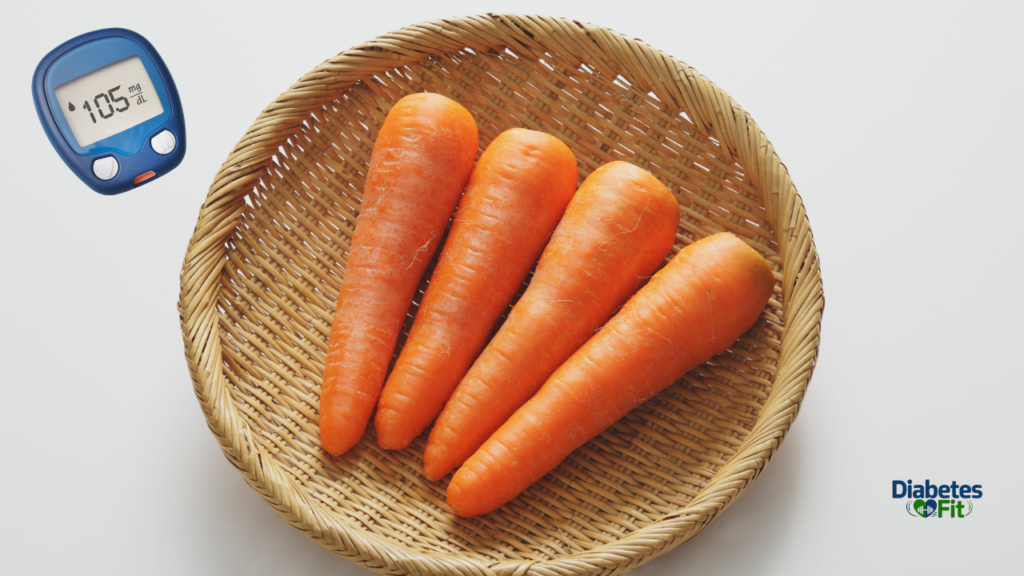
Myth 1: Carrots are too high in sugar for diabetics. While carrots do contain natural sugars, the total amount in a serving is quite small, and the fiber content helps prevent blood sugar spikes. The natural sugars in vegetables are very different from added sugars in processed foods.
Myth 2: Diabetics should avoid all orange vegetables. Orange vegetables like carrots, sweet potatoes, and butternut squash contain beneficial nutrients, particularly beta-carotene. While portions should be monitored, they can all be part of a healthy diabetic diet.
Myth 3: Carrot juice is as healthy as whole carrots. This is false. Carrot juice removes the fiber and concentrates the sugars, creating a beverage that can spike blood sugar quickly. Whole carrots are always the better choice for diabetics.
Conclusion
So, is a carrot good for diabetes? The evidence clearly shows that carrots are not only safe but also beneficial for people with diabetes. Their low glycemic index and glycemic load, high fiber content, and abundance of vitamins, minerals, and antioxidants make them an excellent vegetable choice for blood sugar management and overall health.
Carrots support eye health, heart health, weight management, and immune function—all important considerations for people living with diabetes. Whether eaten raw as a convenient snack, added to salads for extra crunch and nutrition, or lightly cooked as a flavorful side dish, carrots can be enjoyed in many delicious ways that fit perfectly into a diabetes-friendly eating plan.
The key to successfully incorporating carrots into a diabetic diet is practicing appropriate portion control, monitoring your individual blood sugar response, and choosing preparation methods that don’t add excessive calories or sugars. By including carrots alongside a variety of other non-starchy vegetables, lean proteins, healthy fats, and appropriate portions of whole grains, you can create a balanced, satisfying diet that supports excellent blood sugar control and overall wellness. Embrace carrots as the nutritious, diabetes-friendly vegetable they are, and enjoy the many health benefits they offer.
Frequently Asked Questions
Can diabetics eat carrots every day?
Yes, diabetics can safely eat carrots every day in appropriate portions. A serving of carrots daily provides valuable nutrients and fiber without significantly impacting blood sugar levels. One to two medium carrots or half to one cup of cooked carrots per day is reasonable for most diabetics. However, vary your vegetable intake to ensure you get a wide range of nutrients from different sources.
Are raw carrots better than cooked carrots for diabetics?
Raw carrots have a lower glycemic index (16-20) compared to cooked carrots (39-49), making them slightly better for blood sugar control. However, cooking increases the bioavailability of beta-carotene and other antioxidants, making nutrients easier to absorb. Both raw and cooked carrots are good choices for diabetics. Include both in your diet to get the benefits of each preparation method.
Can carrot juice be consumed by diabetics?
Carrot juice is not recommended for diabetics because the juicing process removes beneficial fiber and concentrates the natural sugars, creating a beverage that can spike blood sugar quickly. One glass of carrot juice contains the sugars from multiple carrots without the fiber that normally slows absorption. Always choose whole carrots over carrot juice for better blood sugar management.
Do carrots raise blood sugar levels quickly?
No, carrots do not raise blood sugar quickly. With a low glycemic index and low glycemic load, carrots cause only a gradual, modest rise in blood sugar levels. The fiber in carrots slows the digestion and absorption of their natural sugars, preventing sudden spikes. This makes carrots one of the safest vegetables for people with diabetes to enjoy regularly.
Are baby carrots as good as regular carrots for diabetics?
Yes, baby carrots are equally good for diabetics as regular carrots. Despite being smaller and sweeter-tasting, baby carrots have a similar nutritional profile and glycemic impact as full-sized carrots. The main difference is convenience—baby carrots are already washed and cut, making them perfect for quick snacks. Just watch your portions, as their small size makes it easy to eat more than intended.
Can eating too many carrots be harmful for diabetics?
While carrots are healthy, eating excessive amounts could contribute too many carbohydrates to your daily intake, potentially affecting blood sugar control. Extremely high consumption of carrots over long periods can also cause a harmless condition called carotenemia, where skin takes on an orange tint due to excess beta-carotene. Stick to recommended portions of one to two servings daily as part of a varied diet for optimal health without risks.

David Miller is a health and wellness writer focused on diabetes awareness, blood sugar control, and healthy living. He creates clear, practical content to help readers make better everyday health choices.