
Is Feeling Sick After Eating Sugar a Sign of Diabetes? What Your Body Is Really Telling You
You eat a slice of cake, drink a sugary soda, or enjoy a sweet dessert — and within an hour, you feel awful. Nauseous, dizzy, shaky, or just completely drained. It happens enough times that you start wondering: Is feeling sick after eating sugar a sign of diabetes? It’s a question more people are asking, and honestly, it deserves a real, thorough answer — not a vague “go see your doctor” brush-off.
The truth is, feeling sick after sugar can mean several different things. Sometimes it’s diabetes-related. Sometimes it’s something else entirely. But your body is always trying to tell you something — and learning to listen to those signals early could genuinely protect your long-term health. Let’s break it all down clearly.
Sometimes, sudden blood sugar changes can make you feel sick. It may also be linked to dehydration. Read more about Dehydration and Low Blood Sugar.
Is Feeling Sick After Eating Sugar a Sign of Diabetes? The Direct Answer
Let’s not bury the lead. Yes — feeling sick after eating sugar can be a sign of diabetes or pre-diabetes. But it’s not the only possible explanation, and the full picture is more nuanced than a simple yes-or-no.
When you eat sugar, your blood glucose rises. In a healthy person, the pancreas releases just the right amount of insulin to bring that glucose into cells for energy. The process is smooth, efficient, and symptom-free. You eat sugar, you get energy, you feel fine.
But when something is wrong with that system — whether it’s insulin resistance, impaired insulin production, or reactive hypoglycemia — your body struggles to handle the glucose surge. The result? You feel sick.
Here’s a quick overview of the main reasons for feeling sick after sugar, whether or not it may be diabetes-related:
| Cause | Diabetes-Related? | Key Feature |
| Type 2 diabetes / pre-diabetes | Yes | Persistent high blood sugar after meals |
| Reactive hypoglycemia | Sometimes | Blood sugar spikes then crashes sharply |
| Sugar intolerance/sensitivity | No | Digestive symptoms, bloating, nausea |
| Dumping syndrome | No | Rapid stomach emptying after eating |
| Anxiety/stress response | No | Adrenaline triggered by a sugar spike |
| Fructose malabsorption | No | Bloating, gas, diarrhea after fructose |
| Type 1 diabetes | Yes | Severe glucose dysregulation |
So the answer depends heavily on how sick you feel, when it happens, and what other symptoms come with it.
What Happens in Your Body When You Eat Sugar
To understand why you might feel sick, it helps to understand what’s supposed to happen — and what goes wrong.

The Normal Blood Sugar Response
- You eat something sweet
- Sugar (glucose) enters your bloodstream
- Blood glucose rises
- Your pancreas detects the rise and releases insulin
- Insulin acts like a key, unlocking your cells so glucose can enter
- Blood glucose returns to a normal, stable range
- You feel energized and satisfied
This whole process typically takes 1–2 hours and should be largely symptom-free.
When the System Breaks Down
In people with insulin resistance (the core feature of Type 2 diabetes and pre-diabetes), cells don’t respond properly to insulin. It’s like the key doesn’t fit the lock as well as it used to. The pancreas compensates by pumping out more and more insulin — but eventually it can’t keep up. Blood sugar stays high. Cells don’t get energy efficiently. And the result is a cascade of uncomfortable symptoms.
In people with Type 1 diabetes, the pancreas produces little or no insulin at all — meaning blood sugar can spike dangerously high after eating sugar without treatment.
The Symptoms: What Does “Feeling Sick After Sugar” Actually Look Like?
Not all post-sugar sickness feels the same. The specific symptoms you experience can point toward different underlying causes.
Symptoms That May Signal Diabetes or Pre-Diabetes:
- Extreme fatigue after eating sugar — your cells aren’t getting glucose efficiently despite the spike
- Frequent urination shortly after a sugary meal — your kidneys are trying to flush excess glucose
- Blurred vision — high blood sugar affects the lens of the eye temporarily
- Increased thirst — high blood glucose pulls water from tissues
- Headache after sugar — blood sugar dysregulation affects brain function
- Brain fog — inability to think clearly after a sugar-heavy meal
- Numbness or tingling — in advanced cases, high blood sugar affects nerves
Symptoms More Likely to Suggest Reactive Hypoglycemia:
Reactive hypoglycemia is when blood sugar spikes and then crashes sharply — often within 2–4 hours after eating sugar. It can happen in people who are pre-diabetic, but also in people with no diabetes at all.
- Shakiness or trembling 2–3 hours after eating
- Sudden sweating
- Heart palpitations
- Sudden intense hunger shortly after eating
- Anxiety or irritability
- Dizziness or lightheadedness
- Feeling faint
Real-life example: David, a 41-year-old accountant, started noticing he felt shaky and irritable every afternoon around 3 PM — about two hours after his lunchtime cola and pastry. He assumed he was just stressed at work. His doctor ran a glucose tolerance test and found he had reactive hypoglycemia with signs of early insulin resistance — a significant pre-diabetes warning sign. Changing his lunch completely resolved the afternoon crashes.
Symptoms More Likely to Suggest Sugar Intolerance (Not Diabetes):
- Bloating and gas within 30–60 minutes of eating sugar
- Nausea without dizziness or shakiness
- Diarrhea after sugary foods
- Stomach cramping
- No other systemic symptoms (no thirst, no urination changes, no fatigue lasting hours)
Key Differences: Diabetes vs. Other Causes of Feeling Sick After Sugar
Here’s a practical comparison to help you understand what might be going on:
| Symptom Pattern | Most Likely Cause |
| Feel sick every time after ANY sugar, immediately | Sugar intolerance or sensitivity |
| Feel sick 2–4 hours after sugar, shaky and sweaty | Reactive hypoglycemia |
| Feel tired and foggy after sugar, very thirsty | Possible pre-diabetes or Type 2 diabetes |
| Feel fine sometimes, sick other times | Could be portion-related or stress-triggered |
| Feel sick after fruit, specifically | Possible fructose malabsorption |
| Feel sick after milk-based sweets | Possible lactose intolerance (not diabetes) |
| Consistently feel worse after every meal, not just sugar | Possible Type 2 diabetes or GI condition |
Risk Factors: When Should You Take This More Seriously?
Feeling sick after sugar occasionally isn’t always alarming. But certain risk factors make it more important to investigate whether diabetes or pre-diabetes could be involved.
Take it more seriously if you also have:
- A family history of Type 2 diabetes (parent, sibling, grandparent)
- A BMI over 25, especially with weight carried around the abdomen
- A history of gestational diabetes (diabetes during pregnancy)
- Polycystic ovary syndrome (PCOS) — strongly linked to insulin resistance
- High blood pressure or high triglycerides
- A sedentary lifestyle with low physical activity
- Age over 45 (risk increases significantly after this age)
- History of eating large amounts of processed sugar and refined carbs
- Ethnicity — South Asian, African, Hispanic, and Middle Eastern backgrounds carry a higher genetic risk for Type 2 diabetes
If you have two or more of these risk factors AND you regularly feel sick after eating sugar, that combination warrants a proper blood test — not just a wait-and-see approach.
What Tests Will Actually Tell You If It’s Diabetes
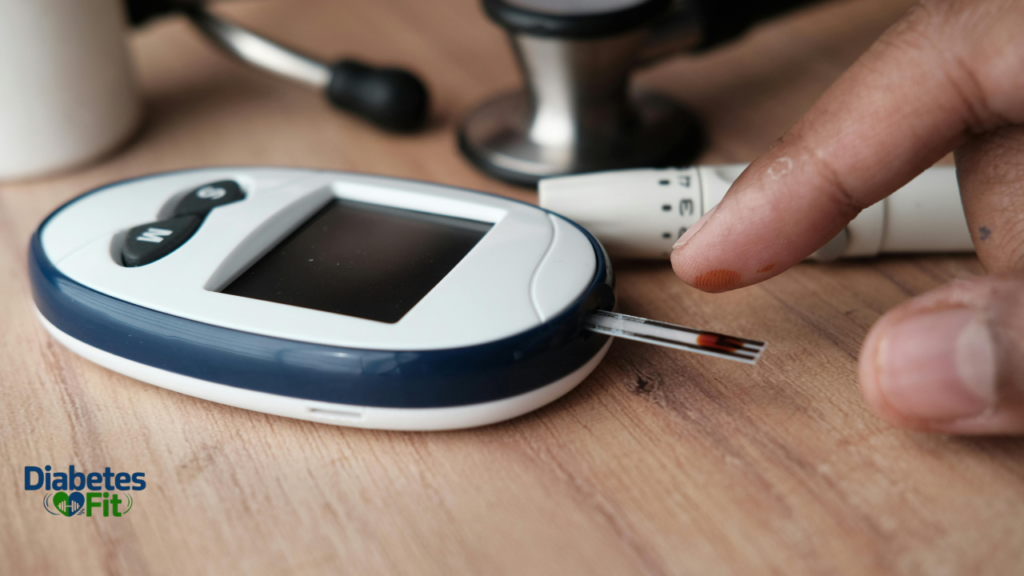
The only way to know for certain is through blood testing. Symptoms alone can never diagnose diabetes. Here are the key tests your doctor may order:
| Test | What It Measures | Normal | Pre-Diabetes | Diabetes |
| Fasting Blood Glucose | Blood sugar after 8hr fast | Below 100 mg/dL | 100–125 mg/dL | 126+ mg/dL |
| HbA1c | Average blood sugar over 3 months | Below 5.7% | 5.7–6.4% | 6.5%+ |
| Oral Glucose Tolerance Test (OGTT) | Blood sugar 2 hours after drinking glucose | Below 140 mg/dL | 140–199 mg/dL | 200+ mg/dL |
| Random Blood Glucose | Blood sugar at any time | Below 140 mg/dL | — | 200+ mg/dL with symptoms |
The HbA1c test is especially useful because it gives a 3-month average — it shows whether your blood sugar has been consistently elevated, not just on one particular day. If you’re feeling sick after sugar regularly, this is the test most likely to catch early-stage problems.
Other Medical Reasons You Feel Sick After Eating Sugar (Not Diabetes)
It’s worth understanding the non-diabetes causes too, because misidentifying the problem leads to the wrong solution.
Reactive Hypoglycemia
As mentioned, this is when blood sugar spikes and then drops sharply. It can happen in people without diabetes — often triggered by eating high-sugar, low-fiber meals. The crash is what makes you feel sick, not the spike itself.
Fructose Malabsorption
Some people can’t absorb fructose (the sugar found in fruit, honey, and high-fructose corn syrup) properly. Unabsorbed fructose ferments in the gut, causing bloating, gas, cramping, and diarrhea. This has nothing to do with diabetes or insulin.
Dumping Syndrome
More common in people who’ve had stomach surgery, dumping syndrome happens when food moves too quickly from the stomach to the small intestine. Sugary foods are a common trigger. Symptoms include nausea, diarrhea, flushing, and dizziness shortly after eating.
Sugar Sensitivity / Intolerance
Some people simply have a lower tolerance for refined sugar — their digestive system and nervous system react more intensely to large glucose loads. This isn’t a clinical diagnosis, but it is real and measurable in terms of symptoms.
Anxiety and the Adrenaline Response
High sugar intake can trigger a mild adrenaline response in some people, causing heart palpitations, shakiness, and anxiety — symptoms easily confused with hypoglycemia. People prone to anxiety may be particularly sensitive to this effect.
What You Can Do Right Now: Practical Steps
Whether or not diabetes turns out to be the cause, these steps will help your body handle sugar better and reduce post-sugar sickness.
Step 1: Track Your Symptoms
Keep a simple food and symptom diary for two weeks. Note:
- What you ate and how much sugar it contained
- How long after eating symptoms appeared
- What were the symptoms specifically
- How long did they lasted
This information is invaluable when you see a doctor — and often reveals patterns you’d never notice otherwise.
Step 2: Get Tested
If you haven’t had blood sugar testing in the past year — especially if you have risk factors — book an appointment. An HbA1c test is simple, requires no fasting in some protocols, and gives you a clear picture of your 3-month blood sugar average.
Step 3: Change How You Eat Sugar
Regardless of the cause, these dietary changes reduce post-sugar symptoms dramatically:
- Never eat sugar on an empty stomach — always pair it with protein, fat, or fiber
- Reduce refined sugar intake gradually — sudden elimination often causes its own symptoms
- Choose lower glycemic index sweets — dark chocolate, fruit with nuts, yogurt with berries
- Eat smaller, more frequent meals — prevents both spikes and crashes
- Drink water with meals — helps dilute glucose concentration in blood
- Avoid sugary drinks entirely — liquid sugar hits the bloodstream far faster than solid food
Step 4: Move After Meals
Even a 10–15 minute walk after eating helps your muscles absorb glucose from the bloodstream — reducing the post-meal spike significantly. This is one of the simplest and most evidence-backed strategies for better blood sugar management.
Step 5: Reduce Ultra-Processed Foods
Many packaged foods contain hidden sugars — even savory ones like bread, sauces, and crackers. If you’re reacting to sugar, the total daily sugar load from all sources matters, not just the obvious sweet treats.
When to See a Doctor Urgently
Most post-sugar sickness is uncomfortable but not immediately dangerous. However, see a doctor promptly if you experience:

- Blood sugar symptoms alongside unexplained weight loss
- Blurred vision that comes and goes frequently
- Wounds or cuts that heal very slowly
- Numbness, tingling, or burning in hands or feet
- Extreme fatigue that interferes with daily functioning
- Fainting or loss of consciousness after eating sugar
- Severe vomiting after eating sweet foods
These can indicate diabetes that has progressed beyond the early stages and needs prompt medical attention.
Conclusion
So, is feeling sick after eating sugar a sign of diabetes? It absolutely can be — and it’s a signal worth taking seriously. Your body doesn’t send symptoms randomly. When you consistently feel unwell after eating sugar, something in your glucose management system is struggling, whether that’s early insulin resistance, reactive hypoglycemia, or a food sensitivity that needs addressing.
The smartest thing you can do is stop dismissing the symptoms and start paying attention to them. Track what happens, make some dietary adjustments, and — most importantly — get a blood test if you haven’t had one recently. Catching pre-diabetes or early Type 2 diabetes makes an enormous difference. At that stage, lifestyle changes alone — diet, movement, sleep, stress management — can reverse the trajectory entirely.
Take one step this week: Book a blood sugar check with your doctor, or pick up a home glucose monitor and test yourself two hours after your next sugary meal. Knowledge is the first step to feeling better.
Feeling sick after eating too much sugar can sometimes happen due to rapid blood sugar spikes and crashes. For a detailed explanation, check this guide from SingleCare on why you may feel sick after eating sugar.
Frequently Asked Questions
Is feeling sick after eating sugar a sign of diabetes?
It can be. Consistently feeling nauseous, dizzy, fatigued, or shaky after eating sugar may indicate insulin resistance, pre-diabetes, or Type 2 diabetes. However, it can also be caused by reactive hypoglycemia, sugar intolerance, or other digestive conditions. A blood test is the only way to confirm whether diabetes is involved.
Why do I feel shaky and dizzy after eating sweets?
Shakiness and dizziness 1–3 hours after eating sugar are classic signs of reactive hypoglycemia, when blood sugar spikes and then drops sharply. This can happen in people with or without diabetes. If it occurs frequently, it’s worth discussing with your doctor and testing your blood sugar response after meals.
Can you suddenly become intolerant to sugar?
Yes. Sugar sensitivity can develop or worsen over time, especially as insulin resistance increases with age, weight gain, or poor diet habits. What your body handled easily at 25 may cause noticeable symptoms at 40. This change in tolerance can be an early warning sign of blood sugar dysregulation.
What does a diabetic episode feel like after eating sugar?
In someone with uncontrolled or undiagnosed diabetes, eating a large amount of sugar can cause extreme fatigue, blurred vision, increased thirst, frequent urination, headache, and brain fog as blood sugar climbs too high. In contrast, a hypoglycemic episode (low blood sugar) feels like shakiness, sweating, anxiety, and sudden hunger.
How do I know if I’m pre-diabetic?
Pre-diabetes often has no obvious symptoms — which is why it’s frequently missed. Some people notice fatigue after meals, increased thirst, or difficulty losing weight. The only reliable way to diagnose pre-diabetes is through blood testing, specifically an HbA1c between 5.7–6.4% or a fasting glucose between 100–125 mg/dL.
What should I eat instead of sugar if it makes me feel sick?
Choose natural, lower-glycemic alternatives that provide sweetness without triggering sharp blood sugar spikes. Good options include fresh fruit paired with nuts or cheese, plain Greek yogurt with berries, dark chocolate (70%+ cacao), and dates in small quantities. Always pair any sweet food with protein or healthy fat to slow glucose absorption.

David Miller is a health and wellness writer focused on diabetes awareness, blood sugar control, and healthy living. He creates clear, practical content to help readers make better everyday health choices.