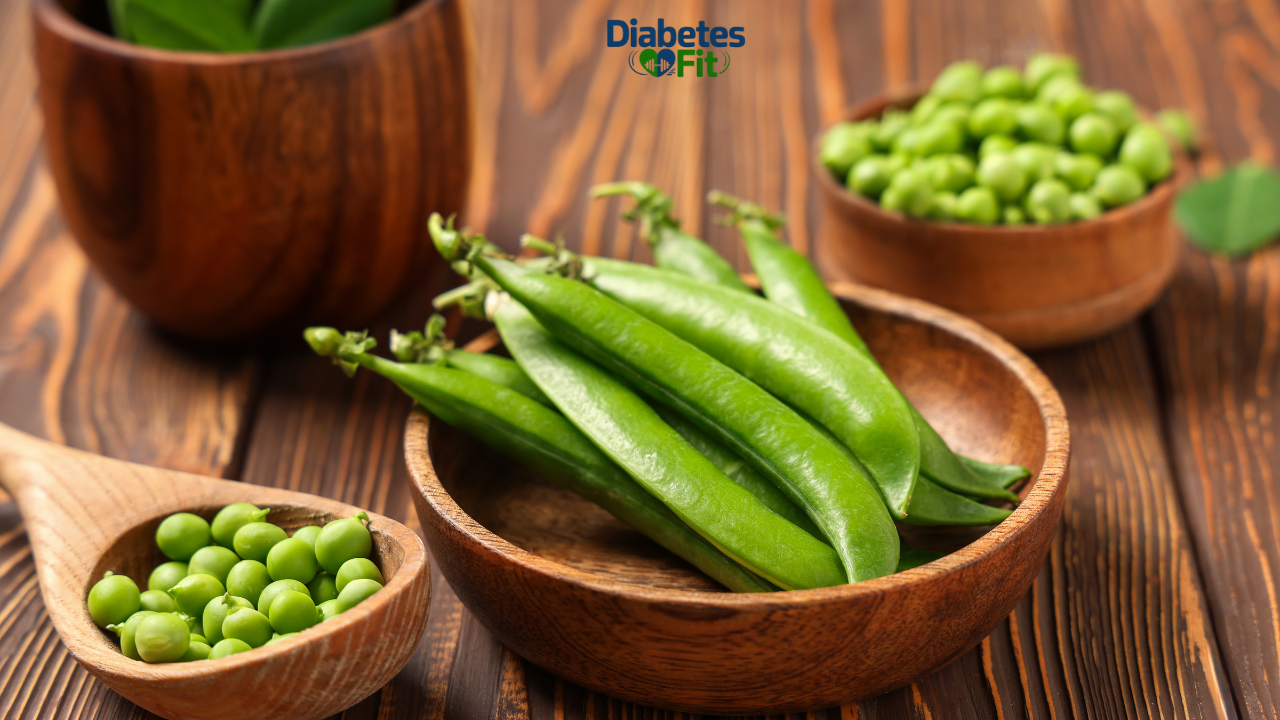
Is Green Beans Good for Diabetes? What You Need to Know
If you’re managing diabetes, you’ve probably spent hours staring at food labels and wondering what’s actually safe to eat. I get it—the nutrition information online can be confusing, and everyone seems to have a different opinion about what belongs on your plate. So, is Green Beans Good for Diabetes?
So let’s talk about green beans. These crunchy vegetables show up in casseroles, stir-fries, and side dishes everywhere. But are they actually a smart choice when you’re watching your blood sugar? Many people wonder: is Green Beans Good for Diabetes?
The short answer: absolutely. Green beans are one of the best vegetables you can eat if you have diabetes. But there’s more to the story than just a simple yes or no. This leads us to the question: is Green Beans Good for Diabetes?
Why Green Beans Work So Well for Blood Sugar Control
Here’s the thing about green beans that makes them stand out. They’re what nutritionists call a non-starchy vegetable, which basically means they won’t send your blood sugar on a rollercoaster ride.
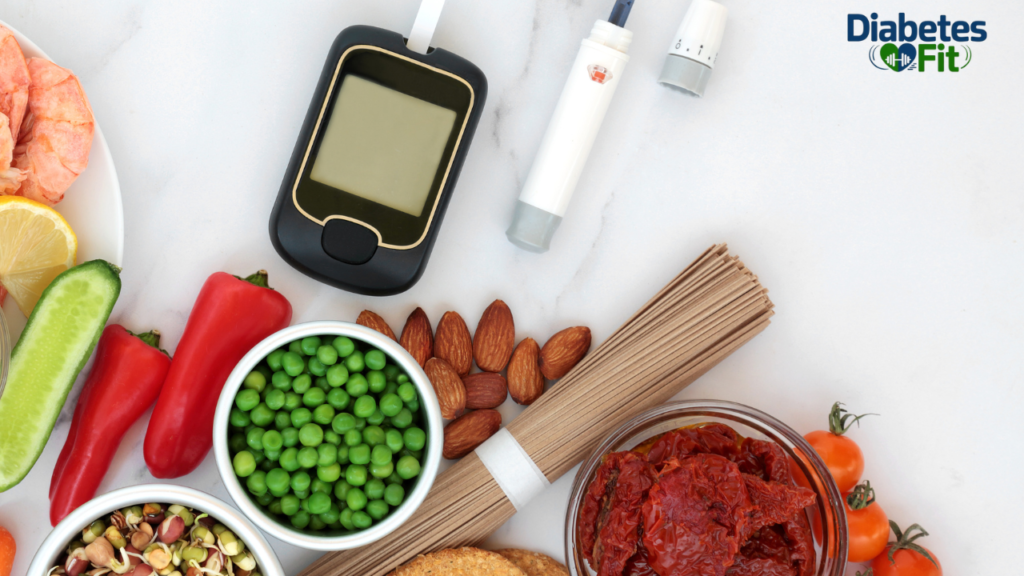
When you eat a cup of green beans, you’re only getting about 7 grams of carbohydrates. Compare that to a cup of corn (which has around 27 grams) or a medium potato (about 37 grams), and you’ll see why green beans are such a safe bet.
What really matters is something called the glycemic index. Without getting too technical, this measures how quickly a food raises your blood sugar. Green beans have a low glycemic index of around 15. Foods under 55 are considered low, so green beans barely make a dent in your glucose levels.
I remember talking to a friend who was newly diagnosed with type 2 diabetes. She was terrified to eat anything because she didn’t want her numbers to spike. When her dietitian told her she could eat green beans pretty much freely, she almost cried with relief. Sometimes it’s the small wins that matter most.
The Fiber Factor You Can’t Ignore
Let’s talk about fiber for a minute, because this is where green beans really shine.
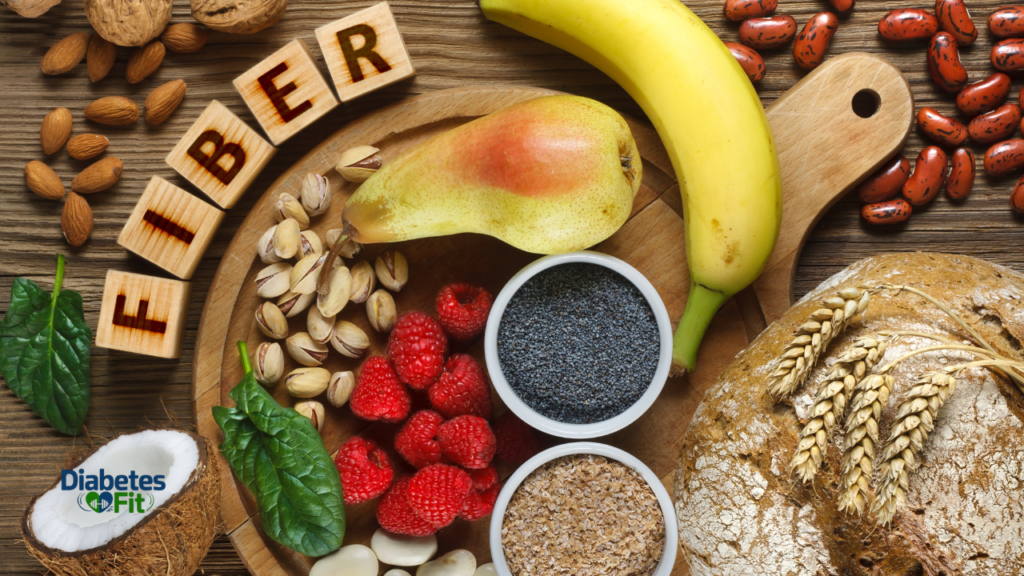
A cup of cooked green beans gives you about 4 grams of fiber. That might not sound like much, but fiber is your secret weapon when you have diabetes. It slows down how quickly your body absorbs sugar from food, which keeps your blood sugar more stable.
Think of fiber like a speed bump for glucose. Without it, sugar rushes into your bloodstream all at once. With it, everything moves at a gentler, more controlled pace.
The fiber in green beans does something else that’s pretty great—it helps you feel full. When you’re trying to manage your weight (which often goes hand-in-hand with diabetes management), filling up on high-fiber, low-calorie foods like green beans means you’re less likely to reach for that cookie jar later.
Nutrients That Support Your Overall Health
Diabetes doesn’t just affect your blood sugar. It impacts your whole body, which is why what you eat matters beyond just carb counts.
Green beans pack in vitamin C, which supports your immune system. When you have diabetes, you’re more vulnerable to infections, so keeping your immune system strong isn’t just nice—it’s necessary.
They also contain vitamin K, which helps with blood clotting and bone health. Vitamin A supports your vision, something that’s especially important since diabetes can affect your eyes over time.
Then there’s folate, manganese, and potassium. Potassium is particularly helpful because it can support healthy blood pressure, and many people with diabetes also struggle with high blood pressure.
The best part? All these nutrients come wrapped up in a vegetable that contains almost no fat and only about 30 calories per cup. You’d be hard-pressed to find a more nutrient-dense food that’s also diabetes-friendly.
How to Prepare Green Beans Without Sabotaging Your Health
Here’s where people sometimes mess up. Green beans themselves are fantastic for diabetes, but the way you cook them can completely change the story.
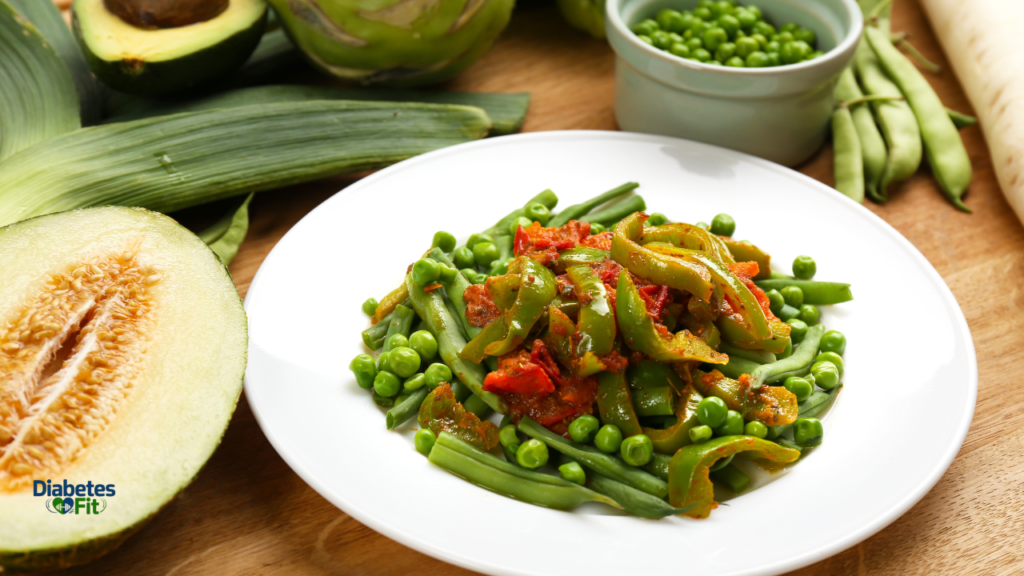
That classic green bean casserole everyone loves at Thanksgiving? The one with cream of mushroom soup and fried onions on top? Yeah, that’s not doing your blood sugar any favors. You’ve just taken a healthy vegetable and loaded it with sodium, saturated fat, and extra calories.
Instead, try these preparation methods:
Steaming or blanching keeps green beans crisp and preserves most of their nutrients. Add a squeeze of lemon juice and a sprinkle of garlic powder, and you’ve got a side dish that tastes fresh and bright.
Roasting brings out a slightly sweet, caramelized flavor. Toss them with a tiny bit of olive oil, some minced garlic, and black pepper, then roast at 425°F for about 15-20 minutes.
Stir-frying works great if you want something quick. Use a small amount of healthy oil, throw in some ginger and garlic, maybe add other low-carb veggies like bell peppers or mushrooms.
A woman in my diabetes support group shared her favorite trick: she keeps a bag of frozen green beans in her freezer at all times. When she needs a quick side dish, she steams them in the microwave for a few minutes, then tosses them with a bit of butter and everything bagel seasoning. Simple, tasty, and blood sugar friendly.
What About Portion Sizes?
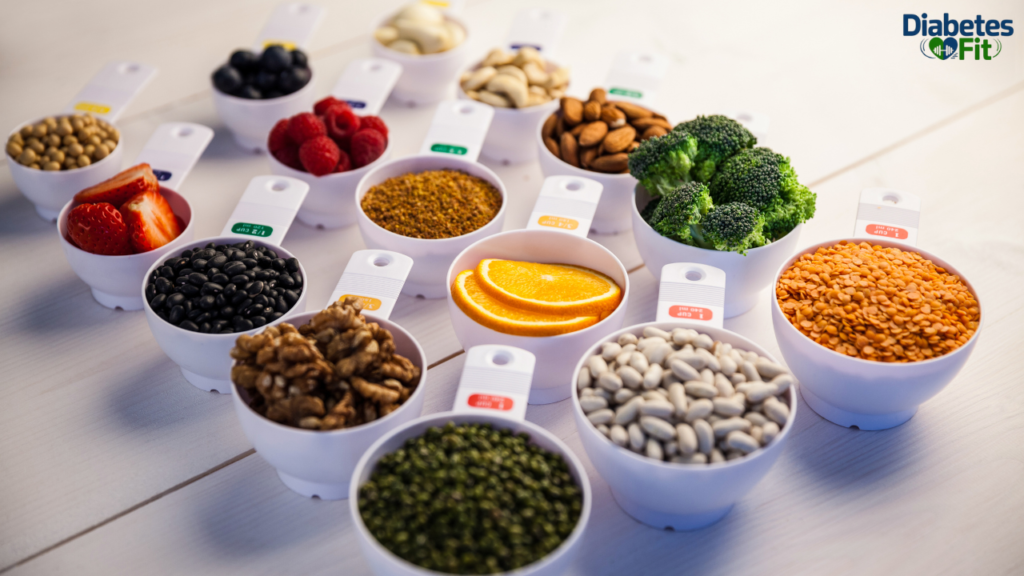
One of the beautiful things about green beans is that you don’t need to be super strict about portions. Since they’re so low in carbs and calories, you can eat a generous serving without worry.
Most diabetes educators suggest filling half your plate with non-starchy vegetables like green beans. That’s a pretty sizable portion—usually about 1-2 cups—and it’s perfectly fine for blood sugar management.
Of course, everyone’s body responds a little differently to foods. If you want to be extra cautious when you’re first adding green beans to your diet, check your blood sugar about two hours after eating them. You’ll probably see that they have minimal impact, which will give you confidence to include them regularly.
Fresh, Frozen, or Canned?
You might be wondering which type of green beans is best. Honestly, they’re all good options with slight differences.
Fresh green beans have a satisfying crunch and bright flavor. They’re great when they’re in season at your local farmers market.
Frozen green beans are just as nutritious as fresh—sometimes even more so, since they’re frozen right after harvest. They’re convenient, last longer, and are usually cheaper.
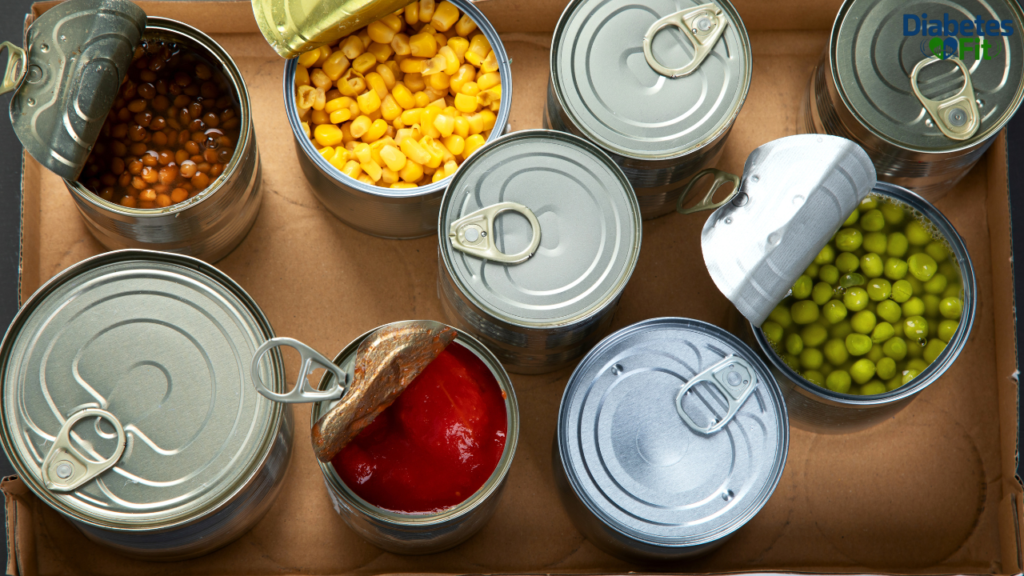
Canned green beans work in a pinch, but watch the sodium content. Many canned vegetables are packed with added salt. Look for “no salt added” versions, or rinse them well before cooking to wash away some of the sodium.
Building Balanced Meals Around Green Beans
Green beans shouldn’t be your only vegetable, but they make an excellent foundation for balanced, diabetes-friendly meals.
Pair them with a lean protein like grilled chicken, baked fish, or tofu. Add a moderate portion of complex carbs—maybe a small sweet potato or a half-cup of brown rice. This combination gives you protein for satiety, fiber for blood sugar control, and enough carbs for energy without going overboard.
My neighbor who has type 1 diabetes makes what she calls “sheet pan dinners” once a week. She roasts green beans alongside salmon and cherry tomatoes, everything seasoned with herbs and lemon. One pan, minimal cleanup, and perfectly balanced for her blood sugar goals.
Conclusion
Green beans deserve a permanent spot on your diabetes-friendly grocery list. They’re low in carbs, loaded with fiber, and won’t mess with your blood sugar levels. Whether you steam them, roast them, or toss them in a quick stir-fry, you’re getting a vegetable that works with your body, not against it.
The best part? You don’t need to overthink portions or worry every time you add them to your plate. They’re one of those rare foods where you can relax a little and just enjoy eating something nutritious and delicious.
Start simple. Grab a bag this week and experiment with different seasonings until you find what you love. Your diabetes management journey gets a whole lot easier when you find foods you can count on.
Frequently Asked Questions
Can I eat green beans every day if I have diabetes?
Yes, you can safely eat green beans daily. They’re low in carbs and high in fiber, making them an excellent choice for regular consumption. Just vary your preparation methods and pair them with different proteins to keep meals interesting.
Do green beans raise blood sugar quickly?
No, green beans have a low glycemic index of around 15, which means they cause a very slow, minimal rise in blood sugar. This makes them one of the safest vegetables for diabetes management.
Are canned green beans as good as fresh for diabetics?
Canned green beans have similar nutritional value, but watch out for added sodium. Choose “no salt added” versions or rinse them thoroughly before cooking to reduce sodium content while maintaining their diabetes-friendly benefits.
How many carbs are in a cup of green beans?
A cup of cooked green beans contains approximately 7 grams of carbohydrates, with about 4 grams coming from fiber. This makes the net carb count very low and manageable for blood sugar control.
Can green beans help lower blood sugar levels?
While green beans won’t actively lower existing blood sugar, their high fiber content helps prevent spikes and promotes better overall blood sugar stability when included as part of a balanced, diabetes-friendly diet.

David Miller is a health and wellness writer focused on diabetes awareness, blood sugar control, and healthy living. He creates clear, practical content to help readers make better everyday health choices.