Is Low A1C Dangerous? Understanding the Risks of Very Low Blood Sugar Levels
Many people focus on keeping their A1C levels low to manage diabetes, but have you ever wondered if going too low could be harmful? Is low A1C dangerous? This is an important question that doesn’t get asked often enough.
While high A1C levels are clearly problematic and linked to serious health complications, extremely low A1C levels can also pose significant risks to your health that you need to understand.
The truth is, your body needs balance. Just like driving a car, you don’t want to go too fast or too slow—you need to find the right speed for safety. When it comes to A1C levels, the same principle applies.
While doctors encourage people with diabetes to lower their A1C to reduce complications, there’s actually a point where going too low can backfire and cause more harm than good. Understanding where that line is and what happens when you cross it can help you maintain healthy blood sugar levels without putting yourself at unnecessary risk.
What Is A1C and Why Does It Matter?
Before we dive into whether low A1C is dangerous, let’s understand what A1C actually means. A1C, also called hemoglobin A1C or HbA1c, is a blood test that measures your average blood sugar levels over the past two to three months. Think of it as a report card for your blood sugar control.
The A1C test measures the percentage of your red blood cells that have sugar attached to them. The higher your blood sugar has been over recent months, the higher your A1C percentage will be. For most people without diabetes, a normal A1C is below 5.7%. For people with diabetes, doctors typically recommend keeping A1C below 7%, though this target can vary based on individual circumstances.
Understanding Low A1C Levels
So what counts as a low A1C? Generally speaking, an A1C below 5% is considered quite low, especially for someone with diabetes. For people without diabetes, levels in the 4% to 5% range are normal and healthy. However, for someone managing diabetes with medications, achieving such low levels might indicate they’re experiencing frequent episodes of low blood sugar, also called hypoglycemia.
Is Low A1C Dangerous? The Real Risks Explained
Now let’s address the main question: Is low A1C dangerous? The answer is yes, it can be, especially for people with diabetes who are taking medications to lower their blood sugar. Here’s why:
Frequent Hypoglycemia
When your A1C is extremely low, it often means you’re having regular episodes of low blood sugar. Hypoglycemia occurs when your blood sugar drops below 70 mg/dL. These episodes can cause immediate symptoms like:
- Shaking and trembling
- Sweating and chills
- Dizziness and confusion
- Rapid heartbeat
- Hunger and irritability
- Weakness and fatigue
Severe hypoglycemia can lead to seizures, loss of consciousness, and, in extreme cases, can be life-threatening. Regular low blood sugar episodes also reduce your ability to recognize warning signs over time, a condition called hypoglycemia unawareness.
Heart Problems and Cardiovascular Risks
Research has shown that very low A1C levels in people with diabetes, particularly older adults, are associated with increased cardiovascular risks. When your blood sugar drops too low too often, it puts stress on your heart. Studies have found that people with diabetes who have A1C levels below 6% may face higher rates of heart-related complications compared to those with slightly higher but still well-controlled levels around 7%.
Increased Risk of Falls and Accidents
Low blood sugar affects your brain function, coordination, and judgment. This can lead to dangerous situations like falls, car accidents, or workplace injuries. For older adults, falls can result in serious injuries like hip fractures that dramatically impact quality of life.
Impact on Brain Function
Your brain relies on glucose for fuel. When blood sugar drops too low repeatedly, it can affect cognitive function. Some research suggests that frequent severe hypoglycemia may contribute to memory problems and cognitive decline over time, particularly in older adults with diabetes.
Higher Mortality Risk in Certain Groups
Several studies have found a U-shaped curve when it comes to A1C and mortality risk. This means that both very high and very low A1C levels are associated with increased death rates. The sweet spot appears to be in the middle range, typically around 7% to 8% for many people with diabetes, though this varies by individual.
Who Is Most at Risk from Low A1C?
Certain groups of people are more vulnerable to the dangers of very low A1C:
Older Adults: Seniors with diabetes face greater risks from hypoglycemia, including falls, confusion, and cardiovascular events.
People with Long-Standing Diabetes: Those who’ve had diabetes for many years may have reduced awareness of low blood sugar symptoms.
Individuals Taking Certain Medications: Insulin and some diabetes medications like sulfonylureas increase the risk of hypoglycemia.
People with Other Health Conditions: Those with heart disease, kidney disease, or other complications need to be especially careful about low blood sugar.
Finding the Right Balance
The goal isn’t to avoid lowering your A1C altogether—it’s to find the right target for you personally. For many people with diabetes, an A1C around 7% offers a good balance between reducing long-term complications and avoiding dangerous lows. However, your ideal target depends on many factors:
- Your age and overall health
- How long have you had diabetes
- Your risk of hypoglycemia
- Other health conditions you have
- Your personal preferences and lifestyle
Your doctor should work with you to set an A1C target that makes sense for your unique situation. For some people, a target of 7% to 8% may be more appropriate than striving for levels below 6.5%.
Signs Your A1C Might Be Too Low
How can you tell if your A1C is dangerously low? Watch for these warning signs:
- Frequent episodes of low blood sugar (more than once or twice a week)
- Needing to eat or drink sugar often to prevent lows
- Experiencing low blood sugar during sleep
- Feeling shaky, dizzy, or confused regularly
- Not noticing low blood sugar symptoms until levels are very low
- Having A1C levels below 5.5% while taking diabetes medications
If you experience any of these signs, talk to your doctor about adjusting your treatment plan.
How to Maintain Healthy A1C Levels Safely
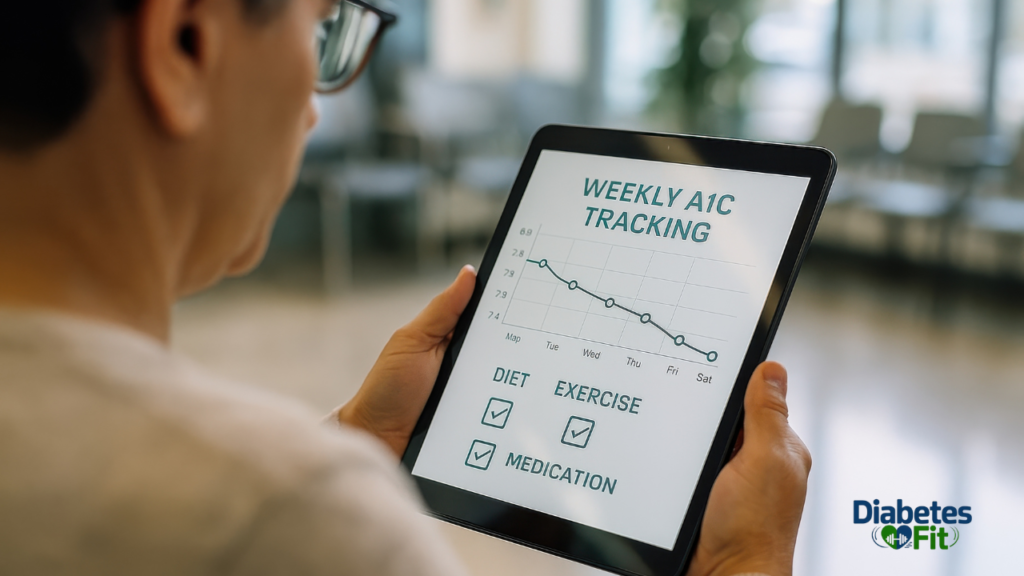
Here are practical steps to keep your A1C in a healthy range without going too low:
Monitor Your Blood Sugar Regularly: Check your glucose levels as recommended by your doctor to catch patterns of highs and lows.
Eat Balanced Meals: Don’t skip meals and include a mix of carbohydrates, proteins, and healthy fats to maintain steady blood sugar.
Adjust Medications as Needed: Work with your doctor to fine-tune your medication doses based on your blood sugar patterns.
Carry Fast-Acting Sugar: Always have glucose tablets, juice, or candy with you to treat low blood sugar quickly.
Wear Medical Identification: A medical alert bracelet can help others assist you if you have severe hypoglycemia.
Communicate with Your Healthcare Team: Report all episodes of low blood sugar to your doctor so they can adjust your treatment plan.
Conclusion
So, is low A1C dangerous? The answer is clear: yes, it can be, particularly for people with diabetes who are managing their condition with medications. While controlling blood sugar is crucial for preventing diabetes complications, there’s such a thing as too much of a good thing. Extremely low A1C levels often indicate frequent episodes of hypoglycemia, which carry serious risks including heart problems, falls, accidents, cognitive issues, and even increased mortality in certain populations.
The key is finding your personal sweet spot—an A1C level that protects you from long-term complications without exposing you to the immediate dangers of frequent low blood sugar. This target isn’t the same for everyone. Work closely with your healthcare team to determine the right goal for you based on your age, health status, and individual circumstances. Remember, diabetes management is a marathon, not a sprint. Sustainable, safe blood sugar control that you can maintain over the long term is far more valuable than aggressive targets that put your immediate health at risk.
Frequently Asked Questions
What A1C level is considered too low for someone with diabetes?
For people with diabetes taking medications, an A1C below 5.5% may be too low and could indicate frequent hypoglycemia. However, the ideal range varies by individual. People without diabetes naturally have A1C levels between 4% and 5.6%, but achieving this range with diabetes medications can be dangerous. Talk to your doctor about your personal target.
Can you have a low A1C without having diabetes?
Yes, people without diabetes can have A1C levels in the 4% to 5% range, which is completely normal and healthy for them. Low A1C is primarily a concern for people with diabetes who are taking medications that can cause low blood sugar. If you don’t have diabetes and aren’t taking blood sugar-lowering medications, a low A1C is generally not dangerous.
What are the symptoms of low blood sugar that might cause low A1C?
Common symptoms include shakiness, sweating, rapid heartbeat, dizziness, confusion, hunger, irritability, and weakness. Severe low blood sugar can cause seizures, loss of consciousness, or even coma. If you experience these symptoms regularly, your A1C might be too low, and you should contact your doctor immediately.
How can I raise my A1C if it’s too low?
If your A1C is too low due to frequent hypoglycemia, your doctor may reduce your diabetes medication doses, change your medications, or adjust the timing of when you take them. You might also need to modify your eating schedule, add snacks between meals, or adjust your exercise routine. Never make these changes without medical guidance.
Is an A1C of 5.0% good for someone with type 2 diabetes?
Not necessarily. While 5.0% might seem like excellent control, it may indicate that the person is experiencing too many episodes of low blood sugar, especially if they’re taking insulin or certain oral medications. For many people with type 2 diabetes, an A1C around 7% provides better overall safety while still reducing the risk of complications. Always discuss your individual target with your healthcare provider.

David Miller is a health and wellness writer focused on diabetes awareness, blood sugar control, and healthy living. He creates clear, practical content to help readers make better everyday health choices.