Is Milk Tea Good for Diabetes? What You Really Need to Know
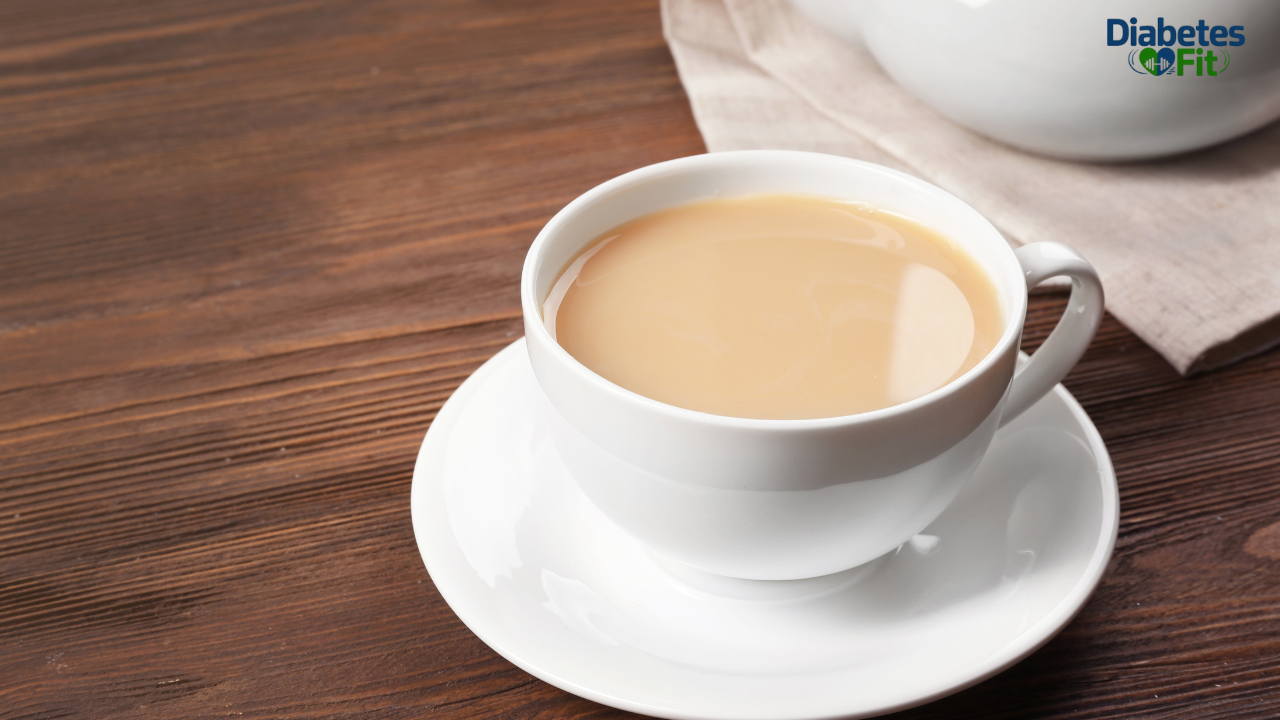
I get this question a lot from readers who can’t imagine giving up their daily cup of milk tea after a diabetes diagnosis. And honestly? I completely understand. That warm, comforting drink feels like a hug in a mug, especially during afternoon slumps or catch-ups with friends. So, is milk tea good for diabetes? Let’s find out.
But here’s the thing—the relationship between milk tea and diabetes isn’t straightforward. So let’s talk about it like we’re sitting across from each other at a café (ironically, perhaps with tea in hand). Is Milk Tea Good for Diabetes? This is the question many are eager to explore.
The Sugar Elephant in the Room
Understanding whether Is Milk Tea Good for Diabetes? is essential for anyone who enjoys this beverage while managing their health.
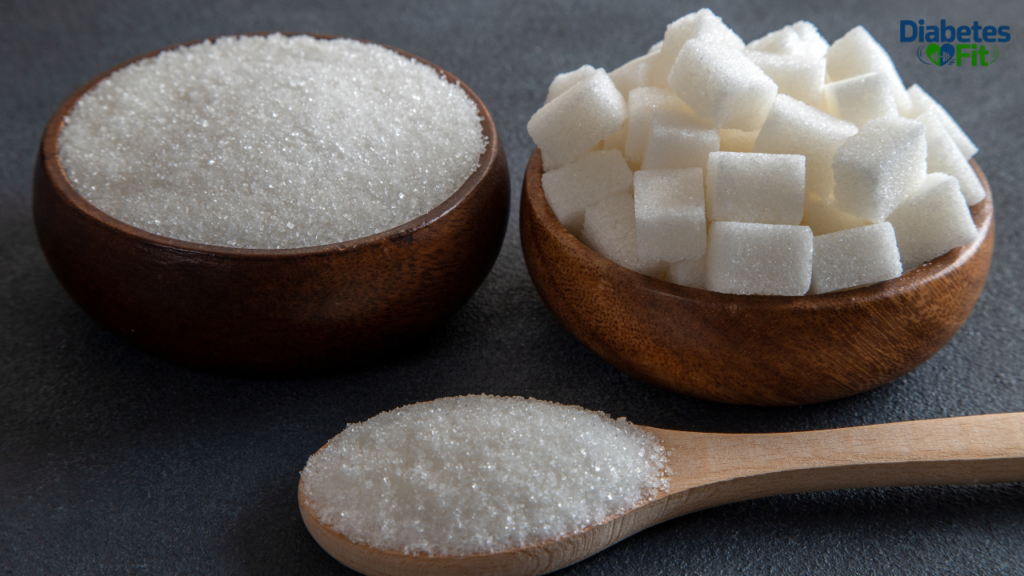
Let’s start with what makes most milk tea problematic for people managing diabetes: sugar. A typical serving of sweetened milk tea from your favorite bubble tea shop can pack anywhere from 20 to 50 grams of sugar. That’s roughly 5 to 12 teaspoons.
To put this in perspective, the American Heart Association suggests limiting added sugar to about 25 grams per day for women and 36 grams for men. One large milk tea could blow past that limit before you’ve even had lunch.
When you have diabetes, your body struggles to manage blood sugar levels effectively. Dumping that much sugar into your system causes rapid spikes in blood glucose, which over time can lead to complications. Your pancreas has to work overtime, and if you’re dealing with type 2 diabetes, your cells are already resistant to insulin.
Not exactly what your body needs.
But Wait—Not All Milk Tea Is Created Equal
Before you mourn the loss of your beloved beverage, hear me out. The problem isn’t necessarily “milk tea” as a concept. It’s how it’s typically prepared.
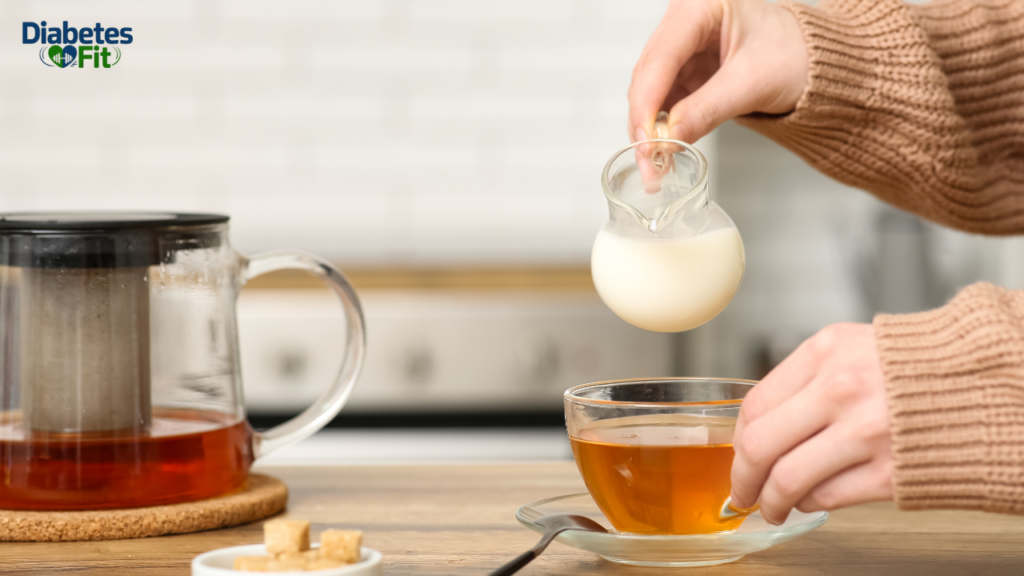
A homemade cup of unsweetened tea with a splash of milk? That’s a completely different story from a sugar-loaded bubble tea with tapioca pearls swimming in syrup.
Plain tea itself actually has some potential benefits for people with diabetes. Black tea, green tea, and oolong tea contain compounds called polyphenols that may help improve insulin sensitivity. Some research suggests that regular tea consumption might even help regulate blood sugar levels.
The milk component adds protein and fat, which can actually slow down sugar absorption and prevent those dramatic blood sugar spikes. So in theory, a properly made milk tea could be part of a diabetes-friendly diet.
The devil, as they say, is in the details.
The Bubble Tea Dilemma
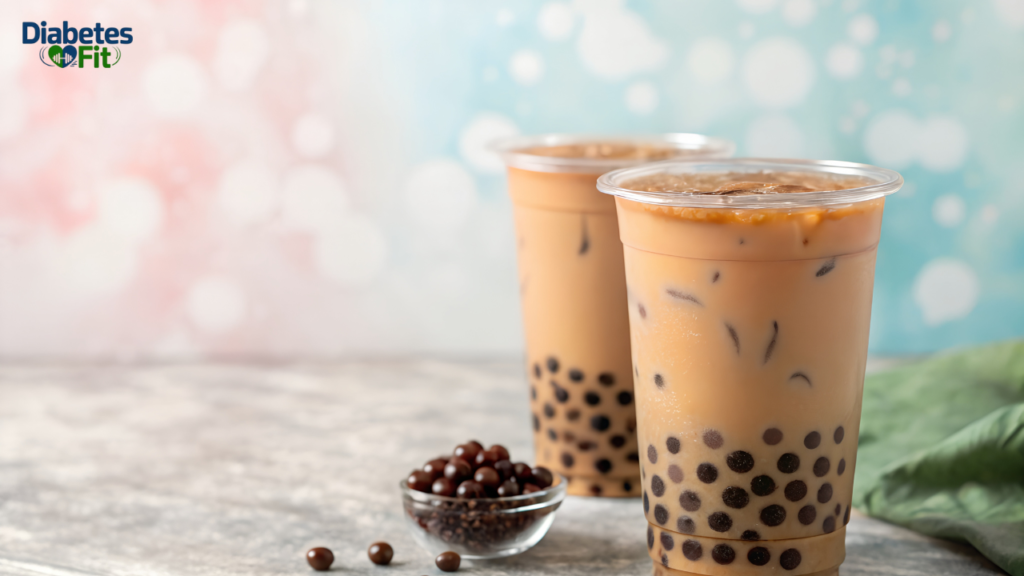
I know, I know. When most people think “milk tea,” they’re picturing that trendy bubble tea from the shop down the street. The kind with chewy tapioca pearls, maybe some pudding, possibly a cream cheese foam topping.
This is where things get tricky.
Those tapioca pearls? Pure carbohydrates. They’re made from tapioca starch and typically soaked in sugar syrup. A half-cup serving can contain around 30 grams of carbs. Combined with the sweetened tea base and condensed milk, you’re looking at a carb bomb that will send your blood sugar on a roller coaster ride.
The jellies, puddings, and other toppings people love to add? More sugar and carbs.
Even when shops offer “less sugar” or “half sugar” options, you’re still consuming significant amounts of added sweeteners. What they call “less sugar” might still be 6 to 8 teaspoons.
Making Milk Tea Work for You
Now for the good news: you don’t have to completely abandon milk tea forever. You just need to be smarter about it.
Start with quality tea. Brew strong black tea, green tea, or oolong tea at home. The stronger the tea flavor, the less you’ll crave sweetness to make it taste good.
Choose your milk wisely. Unsweetened almond milk, soy milk, or regular dairy milk (which naturally contains some sugar, but nothing like the condensed milk used in shops) work great. Skip the condensed milk and non-dairy creamers loaded with corn syrup.
Sweeten strategically. If you absolutely need sweetness, try stevia, erythritol, or monk fruit sweetener. These don’t spike blood sugar the way regular sugar does. Start with less than you think you need—your taste buds will adjust over time.
Skip the toppings. I know this hurts, but those boba pearls and jellies have to go. If you really miss the textural element, try adding chia seeds instead. They provide a fun texture without the carb overload, plus they’re packed with fiber.
Watch your portions. Even a healthier homemade version should be enjoyed in moderation. An 8-ounce cup is plenty.
When You’re Out and About
Life happens. Sometimes you’ll find yourself at a bubble tea shop with friends, and you want to participate without feeling left out or derailing your blood sugar management.
Here’s what I’d suggest:
Ask for unsweetened or zero sugar options. Many shops now offer this. Yes, it tastes different, but different doesn’t mean bad.
Request fresh milk instead of condensed milk or creamer.
Choose smaller sizes. That grande or large? You don’t need it.
Skip all the add-ins and toppings.
Consider sharing with a friend who doesn’t have diabetes restrictions.
Think of it as an occasional treat rather than a daily habit. Maybe once a month instead of once a day.
Listen to Your Body
Everyone’s diabetes is different. Some people can handle small amounts of carbs better than others. The only way to know how milk tea affects your blood sugar is to test it.
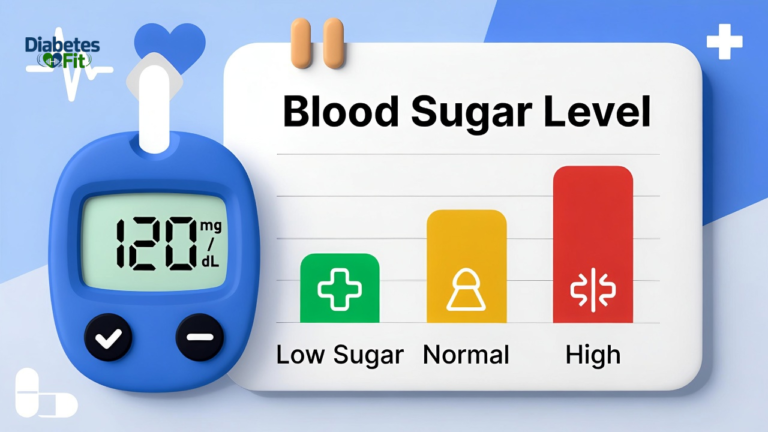
If you decide to have milk tea, check your blood glucose before drinking it and again two hours later. This gives you real data about how your body responds. You might be surprised—either pleasantly or unpleasantly.
Keep a log of what you drink and how it affects your numbers. This helps you identify patterns and make informed choices going forward.
Conclusion
Is milk tea good for diabetes? Traditional, heavily sweetened milk tea? No, not really. It’s too high in sugar and carbs to be a regular part of a diabetes-friendly diet.
But a carefully prepared, lightly sweetened or unsweetened version made at home with quality ingredients? That could absolutely have a place in your life.
The key is being honest with yourself about what you’re drinking and how it affects your blood sugar. No food or drink is worth compromising your health, but you also deserve to enjoy your life.
Find your balance. Experiment with homemade versions. Test your blood sugar. Make informed decisions.
And remember—you’re not alone in navigating these choices. Plenty of people with diabetes have found ways to enjoy modified versions of their favorite drinks while keeping their blood sugar in check. You can too.
FAQs
Q: Can I drink milk tea every day if I have diabetes?
A: Daily sweetened milk tea isn’t recommended for diabetes management. The high sugar content can cause repeated blood sugar spikes. However, unsweetened homemade milk tea with regular milk and no added sugar could work as a daily beverage—just monitor your blood glucose to see how your body responds.
Q: Is bubble tea with boba pearls okay for diabetics?
A: Unfortunately, no. Boba pearls are pure carbohydrates soaked in sugar syrup, often adding 30+ grams of carbs per serving. Combined with the sweetened tea base, it’s too much for most people managing diabetes. Skip the pearls and toppings if you occasionally indulge.
Q: What’s the best milk tea option at a bubble tea shop for someone with diabetes?
A: Ask for completely unsweetened tea with fresh milk (not condensed milk), no toppings, and the smallest size available. Some shops now offer sugar-free sweeteners as an option. Remember, this should be an occasional treat, not a regular habit.
Q: Does the type of tea matter for blood sugar control?
A: Yes, actually. Green tea and oolong tea contain polyphenols that may help improve insulin sensitivity. Black tea has similar benefits. The tea itself isn’t the problem—it’s the sugar and sweet toppings added to it. Stick with plain brewed tea as your base.
Q: How much sugar is too much in milk tea for diabetics?
A: Ideally, your milk tea should have zero added sugar. Even “half sugar” options at shops can contain 20-30 grams of sugar. If you need sweetness, use sugar alternatives like stevia or monk fruit at home. Always check your blood glucose levels to understand your personal tolerance.

David Miller is a health and wellness writer focused on diabetes awareness, blood sugar control, and healthy living. He creates clear, practical content to help readers make better everyday health choices.