Is Pearl Barley Good for Diabetics? Everything You Need to Know
Is pearl barley good for diabetics? This is an important question for anyone managing diabetes who wants to make smart food choices. The short answer is yes, pearl barley can be an excellent addition to a diabetic diet when consumed in the right portions.
This versatile, nutritious grain offers numerous health benefits that can help people with diabetes manage their blood sugar levels more effectively while still enjoying delicious and satisfying meals.
In this comprehensive guide, we will explore everything you need to know about pearl barley and diabetes, including how it affects blood sugar, its nutritional benefits, the best ways to prepare it, and how to incorporate it into your daily meals without causing unwanted blood sugar spikes.
If you are planning balanced meals for diabetes, you may also like to read Can Diabetics Eat Pancakes, where we explain healthier pancake options and tips for blood sugar control.
What Is Pearl Barley?
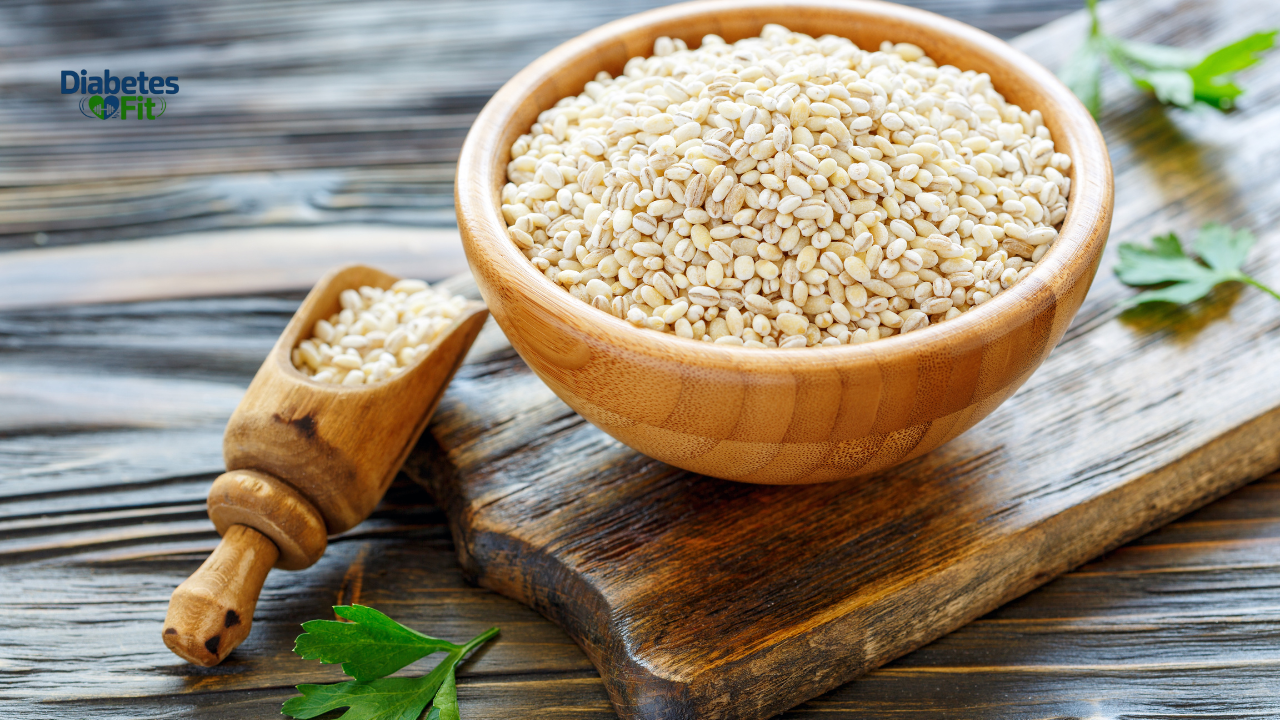
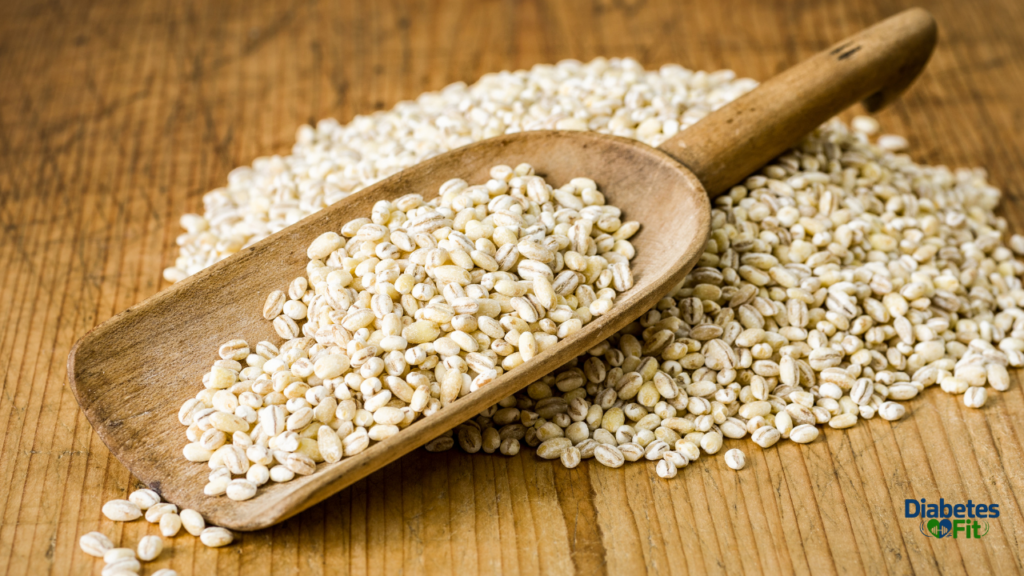
Before we dive deeper into whether pearl barley is good for diabetics, let’s first understand what pearl barley actually is. Barley is an ancient grain that has been cultivated for thousands of years and is one of the oldest cereal grains consumed by humans. It comes in several forms, with pearl barley being the most common type found in grocery stores.
Pearl barley has been processed to remove the tough outer hull and bran layer, which gives it a smoother texture and lighter color compared to hulled barley. While this processing removes some of the fiber and nutrients, pearl barley still retains many beneficial properties and is easier to cook and digest than its whole grain counterpart.
The grain has a mild, slightly nutty flavor and a pleasant chewy texture when cooked. It can be used in soups, stews, salads, side dishes, and even breakfast porridges, making it an incredibly versatile ingredient in the kitchen.
Understanding the Glycemic Index and Diabetes
To understand why pearl barley is beneficial for diabetics, we need to talk about the glycemic index, or GI. The glycemic index is a scale that measures how quickly a food raises blood sugar levels after eating. Foods are ranked on a scale from 0 to 100, with pure glucose scoring 100.
Foods with a low glycemic index (55 or below) are digested and absorbed slowly, causing a gradual rise in blood sugar. Foods with a medium glycemic index (56 to 69) cause a moderate increase, while high glycemic index foods (70 and above) cause rapid spikes in blood sugar.
For people with diabetes, choosing low to medium-glycemic index foods is crucial for maintaining stable blood sugar levels throughout the day. This is where pearl barley shines as an excellent choice for diabetics.
The Glycemic Index of Pearl Barley
Pearl barley has a glycemic index of approximately 25 to 35, which falls into the low glycemic index category. This is significantly lower than many other common grains and carbohydrate sources. For comparison, white rice has a glycemic index of around 73, white bread is about 75, and instant oatmeal ranges from 65 to 83.
This low glycemic index makes pearl barley an outstanding option for people asking is pearl barley is good for diabetics. When you eat pearl barley, your blood sugar rises slowly and steadily rather than spiking suddenly. This gentle, sustained release of glucose helps prevent the dramatic blood sugar fluctuations that can be dangerous for diabetics.
The low glycemic index of pearl barley is primarily due to its high fiber content and the type of carbohydrates it contains, which we will explore in more detail next.
Nutritional Benefits of Pearl Barley for Diabetics
Pearl barley offers an impressive nutritional profile that provides multiple benefits for people managing diabetes.
High Fiber Content
One of the most important nutritional features of pearl barley is its high fiber content. A single cup of cooked pearl barley contains approximately 6 grams of fiber. Fiber is essential for diabetics because it slows down the digestion and absorption of carbohydrates, preventing rapid blood sugar spikes.
Pearl barley contains both soluble and insoluble fiber. Soluble fiber is particularly beneficial for diabetics because it forms a gel-like substance in your digestive system that slows glucose absorption. This type of fiber also helps lower cholesterol levels, which is important since diabetics have a higher risk of heart disease.
Beta-Glucan Content
Pearl barley is especially rich in a specific type of soluble fiber called beta-glucan. Beta-glucan has been extensively studied for its beneficial effects on blood sugar control and insulin sensitivity. Research has shown that consuming foods high in beta-glucan can help reduce post-meal blood sugar spikes and improve overall glycemic control in people with type 2 diabetes.
Beta-glucan also helps you feel fuller for longer periods, which can aid in weight management. Maintaining a healthy weight is crucial for managing diabetes effectively.
Complex Carbohydrates
Pearl barley contains complex carbohydrates rather than simple sugars. Complex carbohydrates take longer to break down in your body, providing sustained energy without causing the rapid blood sugar increases associated with simple carbohydrates and refined grains.
Vitamins and Minerals
Pearl barley provides essential vitamins and minerals, including B vitamins, iron, magnesium, phosphorus, and selenium. Magnesium is particularly important for diabetics because it plays a role in insulin secretion and glucose metabolism. Some studies suggest that adequate magnesium intake may help improve insulin sensitivity.
Low Fat Content
Pearl barley is naturally very low in fat and contains no cholesterol, making it a heart-healthy choice for diabetics who need to watch their cardiovascular health closely.
Scientific Evidence Supporting Pearl Barley for Diabetes
Multiple scientific studies have investigated whether pearl barley is good for diabetics, and the results are encouraging.
A study published in the European Journal of Clinical Nutrition found that consuming barley significantly reduced blood glucose levels and insulin responses compared to white rice and white bread. Participants who ate barley-based meals experienced better blood sugar control throughout the day, even into the next meal, a phenomenon known as the “second meal effect.”
Another study in the Journal of Nutrition and Metabolism showed that regular consumption of barley improved insulin sensitivity and reduced fasting blood glucose levels in people with type 2 diabetes. The researchers attributed these benefits to barley’s high fiber content and low glycemic index.
Research has also demonstrated that the beta-glucan in barley can help reduce hemoglobin A1C levels, which is a measure of average blood sugar control over the previous two to three months. Lower A1C levels indicate better long-term diabetes management.
These studies and many others provide strong scientific support for including pearl barley in a diabetic diet.
How to Incorporate Pearl Barley into a Diabetic Diet
Knowing that pearl barley is beneficial for diabetics is one thing, but understanding how to use it practically is equally important.
Portion Control
While pearl barley has a low glycemic index, it still contains carbohydrates that need to be counted as part of your daily intake. A typical serving size is about one-half to three-quarters of a cup of cooked pearl barley, which contains approximately 20 to 30 grams of carbohydrates. Always measure your portions and work with your healthcare provider or dietitian to determine the right amount for your individual needs.
Replace Higher Glycemic Grains
One of the easiest ways to add pearl barley to your diet is to use it as a substitute for white rice, pasta, or potatoes. Making this simple swap can significantly improve your blood sugar control without requiring you to give up the grains and starches you enjoy.
Add to Soups and Stews
Pearl barley is a traditional ingredient in hearty soups and stews. Adding it to vegetable soup or beef stew not only enhances the texture and flavor but also increases the fiber content of your meal, making it more filling and blood sugar-friendly.
Make Barley Salads
Cooked and cooled pearl barley makes an excellent base for nutritious salads. Combine it with fresh vegetables, lean protein like grilled chicken or chickpeas, and a light vinaigrette for a satisfying and diabetes-friendly meal.
Breakfast Porridge
Cook pearl barley with milk or water and top it with a small amount of fresh berries, nuts, and a sprinkle of cinnamon for a warm, filling breakfast that won’t spike your blood sugar.
Side Dishes
Use pearl barley as a side dish instead of rice or pasta. You can flavor it with herbs, garlic, and a small amount of olive oil for a delicious and healthy accompaniment to lean meats or fish.
Cooking Tips for Pearl Barley
Cooking pearl barley is simple, but a few tips can help you get the best results.

Rinse the barley under cold water before cooking to remove any dust or debris. Use a ratio of one part pearl barley to three parts water or broth. Bring the liquid to a boil, then reduce the heat and simmer for 25 to 30 minutes until the barley is tender but still slightly chewy. Drain any excess liquid if necessary.
You can cook a large batch of pearl barley and store it in the refrigerator for up to five days or freeze it for up to three months. This makes meal preparation easier and ensures you always have a healthy grain option ready to use.
Potential Considerations and Precautions
While the answer to whether pearl barley is good for diabetics is generally yes, there are a few things to keep in mind.
Pearl barley contains gluten, so it is not suitable for people with celiac disease or gluten sensitivity. If you need to avoid gluten, consider alternatives like quinoa or buckwheat instead.
Although pearl barley has a low glycemic index, everyone’s body responds differently to foods. It’s important to monitor your blood sugar levels after eating pearl barley to see how your body specifically reacts. This will help you determine the right portion sizes for your individual needs.
Always consult with your doctor or a registered dietitian before making significant changes to your diet, especially if you take medication for diabetes. They can help you incorporate pearl barley safely and effectively into your meal plan.
Conclusion
So, is pearl barley good for diabetics? The evidence clearly shows that pearl barley is an excellent grain choice for people managing diabetes. With its low glycemic index of 25 to 35, high fiber content, beneficial beta-glucan, and impressive nutritional profile, pearl barley helps control blood sugar levels, improves insulin sensitivity, and supports overall health.
The key to successfully incorporating pearl barley into a diabetic diet is portion control, proper preparation, and consistent monitoring of blood sugar levels. By replacing higher glycemic grains like white rice and refined pasta with pearl barley, diabetics can enjoy satisfying, delicious meals while maintaining better blood sugar control.
Pearl barley is versatile, affordable, easy to prepare, and backed by scientific research supporting its benefits for diabetes management. Whether you add it to soups, make it into salads, or serve it as a side dish, this nutritious grain can be a valuable part of a healthy diabetic eating plan. As always, work closely with your healthcare team to ensure that pearl barley fits appropriately into your personalized diabetes management strategy, and enjoy the many health benefits this ancient grain has to offer.
Frequently Asked Questions
How much pearl barley can a diabetic eat per day?
Most diabetics can safely eat one-half to three-quarters cup of cooked pearl barley per serving, which contains about 20 to 30 grams of carbohydrates. This can be consumed once or twice daily as part of a balanced meal plan. The exact amount depends on your individual carbohydrate goals, activity level, and medication regimen, so consult your dietitian or doctor for personalized recommendations.
Is pearl barley better than brown rice for diabetics?
Yes, pearl barley generally has a lower glycemic index than brown rice, making it a better choice for blood sugar control. Pearl barley has a GI of 25 to 35, while brown rice has a GI of around 50 to 55. Pearl barley also contains more beta-glucan fiber, which specifically helps improve insulin sensitivity and glucose metabolism in diabetics.
Can pearl barley lower blood sugar levels?
Pearl barley doesn’t directly lower blood sugar, but it helps prevent spikes and promotes more stable levels throughout the day. Its high fiber content and low glycemic index slow glucose absorption, while beta-glucan improves insulin sensitivity. Regular consumption as part of a healthy diet may help reduce hemoglobin A1C levels over time, indicating better long-term blood sugar control.
Should diabetics eat pearl barley or hulled barley?
Hulled barley is slightly better nutritionally because it retains more fiber, vitamins, and minerals since only the outer hull is removed. However, pearl barley is still an excellent choice for diabetics and is easier to cook and find in stores. Both have low glycemic indexes and provide beneficial beta-glucan. Choose whichever fits your preferences and is more convenient for you.
Can eating pearl barley help prevent type 2 diabetes?
Research suggests that regular consumption of whole grains like barley may help reduce the risk of developing type 2 diabetes. The high fiber content, beta-glucan, and low glycemic index help maintain healthy blood sugar levels and improve insulin sensitivity. While pearl barley alone won’t prevent diabetes, including it as part of a balanced diet with regular exercise can be beneficial for prevention.
Is pearl barley safe for Type 1 diabetics?
Yes, pearl barley is safe and beneficial for people with Type 1 diabetes, just as it is for Type 2 diabetics. The key is counting the carbohydrates accurately and adjusting insulin doses appropriately. Pearl barley’s low glycemic index means it causes slower, more predictable blood sugar rises, which can make insulin dosing easier. Always monitor your blood sugar response and work with your healthcare team to adjust your insulin regimen as needed.

David Miller is a health and wellness writer focused on diabetes awareness, blood sugar control, and healthy living. He creates clear, practical content to help readers make better everyday health choices.