

Is Sunscreen Bad for Your Skin? The Truth That Most People Don’t Know
You’ve probably heard mixed things about sunscreen. One person says it’s essential. Another says sunscreen is bad for your skin—and maybe they’ve read something scary online. With so much conflicting information out there, it’s hard to know what to believe.
Here’s the simple truth: sunscreen is one of the most researched skincare products in the world. Dermatologists recommend it daily. Yet myths and misunderstandings about its safety keep spreading—and they’re keeping people from protecting their skin.
In this article, we cut through the noise. We look at what the science actually says, which ingredients to watch out for, who might react to certain formulas, and how to use sunscreen the right way. By the end, you’ll know exactly where the truth lies.
Taking care of your overall health is important—read our guide What Causes Type 2 Diabetes? to understand common risk factors and prevention tips.
Is Sunscreen Bad for Your Skin? Let’s Look at the Facts
The quick answer is no; when applied properly, sunscreen is not harmful to your skin. It is actually one of the finest ways to prevent major damage to your skin.
Sunscreen blocks or absorbs the sun’s ultraviolet (UV) radiation. Sunburn, skin cancer, and skin aging are all primarily caused by UV radiation, including UVA and UVB. Your skin receives this radiation every day, even on cloudy days, if you do not use protection.
So, where did the notion that sunscreen is hazardous originate? Usually, it begins with worries about certain chemical components. Furthermore, even if some of those issues merit further investigation, sunscreen is not inherently harmful.
How Sunscreen Actually Works
There are two main types of sunscreen:
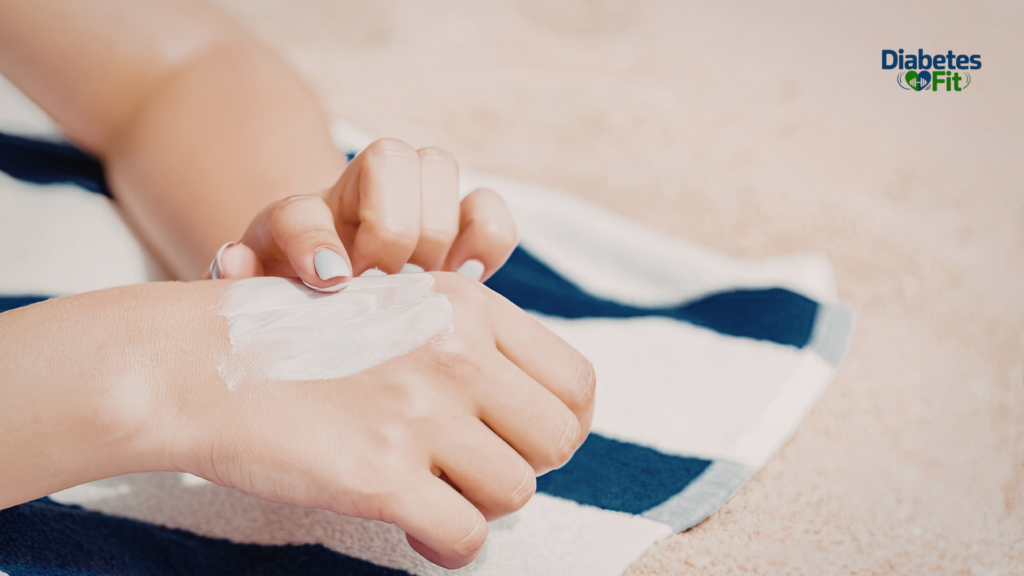
1. Chemical Sunscreens
These absorb UV rays and convert them into heat, which the skin then releases. Common ingredients include:
- Oxybenzone
- Avobenzone
- Octinoxate
- Homosalate
- Octocrylene
2. Mineral Sunscreens (Physical Sunscreens)
These sit on top of the skin and physically block UV rays by reflecting them. Key ingredients are:
- Zinc oxide
- Titanium dioxide
Both types protect your skin from UV damage. Mineral sunscreens are generally considered gentler and are often recommended for sensitive skin or young children.
The Real Concerns About Sunscreen Ingredients
Are Chemical Sunscreen Ingredients Absorbed Into the Blood?
Many people become anxious at this point, and the question is legitimate. Certain chemical sunscreen chemicals, such as avobenzone and oxybenzone, can enter the bloodstream after use, according to a 2019 FDA study.
The crucial point is that absorption does not always imply harm. The FDA did not declare these sunscreens dangerous, but it did request additional research. Currently, no research has demonstrated that regular usage of sunscreen is harmful to people.
The majority of dermatologists worldwide, including the American Academy of Dermatology (AAD), nevertheless advise wearing sunscreen every day since the hazards associated with UV exposure, such as melanoma, the worst type of skin cancer, greatly exceed any theoretical concerns regarding absorption.
Oxybenzone: What About It?
The biggest emphasis is paid to oxybenzone. Hormonal effects at very high doses were observed in several animal experiments. The levels used in sunscreen, however, are much less than what had any effect in those experiments.
Although oxybenzone has been identified as a concern by the Environmental Working Group (EWG), the majority of medical organizations, such as the World Health Organization (WHO) and the American Academy of Medicine (AAD), believe that it is safe for human usage at allowed quantities.
In summary, if you are worried, use a mineral sunscreen that contains zinc oxide. The issue has been resolved without completely forgoing sun protection.
Can Vitamin D Deficiency Be Caused by Sunscreen?
One of the most prevalent myths about sunscreen is this one. Sunscreen is said to shield the skin so well that it prevents your body from making vitamin D.
The reality? Most people don’t apply enough sunscreen, and they don’t reapply often enough, for it to significantly block vitamin D production. Studies show that regular sunscreen users do not consistently have lower vitamin D levels than non-users.
You can also get vitamin D from food sources like fatty fish, egg yolks, and fortified milk — no sunburn required.
Who Might Have Skin Reactions to Sunscreen?
While sunscreen is safe for most people, some individuals can react to certain formulas. This doesn’t mean sunscreen is bad for your skin overall — it just means you may need to find the right type.
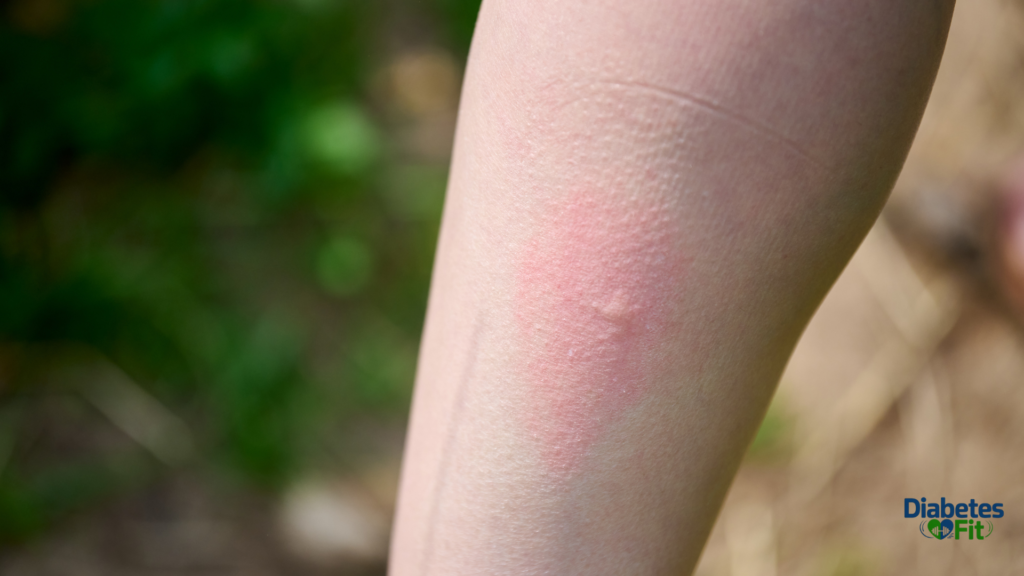
Common reactions include:
- Redness or rash (contact dermatitis)
- Stinging or burning—especially around the eyes
- Breakouts or clogged pores (usually from heavy or oily formulas)
- Allergic reactions to fragrance or preservatives in the product
Who is more likely to react?
- People with sensitive or acne-prone skin
- Those with eczema or rosacea
- Anyone allergic to fragrances or specific chemical ingredients
What to do: Switch to a fragrance-free, mineral-based sunscreen. Look for labels that say “non-comedogenic” (won’t clog pores) and “hypoallergenic.”
Sunscreen and Acne: Does It Make Breakouts Worse?
Some people avoid sunscreen because they believe it causes acne. Thick, greasy sunscreens can indeed clog pores and lead to breakouts—but this is a formulation issue, not a sunscreen issue.
Today, there are dozens of lightweight, oil-free, gel-based, and dry-touch sunscreen formulas designed specifically for oily and acne-prone skin. These provide full protection without breaking you out.
Tips for acne-prone skin:
- Choose gel-based or water-based sunscreens
- Look for “non-comedogenic” on the label
- Avoid sunscreens with heavy oils, silicones, or alcohol
- Cleanse your face thoroughly at night to remove sunscreen buildup
Sunscreen Safety by Skin Type: A Quick Guide
| Skin Type | Best Sunscreen Type | Key Features to Look For |
| Normal skin | Chemical or mineral | SPF 30+, broad-spectrum |
| Oily / Acne-prone | Mineral or gel-based chemical | Non-comedogenic, oil-free, matte finish |
| Dry skin | Chemical with a moisturizing base | Hydrating ingredients like hyaluronic acid |
| Sensitive skin | Mineral (zinc oxide) | Fragrance-free, hypoallergenic |
| Dark skin tones | Tinted mineral or lightweight chemical | No white cast, broad-spectrum SPF 30+ |
| Children | Mineral only | Zinc oxide, fragrance-free, water-resistant |
Is Sunscreen Bad for Your Skin If You Use It Every Day?
No — daily sunscreen use is actually what dermatologists recommend most strongly. UV exposure is cumulative. Every day you skip sunscreen, your skin absorbs more radiation, speeding up aging and increasing cancer risk.
Studies consistently show that people who use sunscreen daily have:
- Fewer wrinkles and fine lines
- Less hyperpigmentation and dark spots
- Lower rates of squamous cell carcinoma and melanoma
- Healthier, more even skin tone over time
Think of daily sunscreen as a long-term investment in your skin’s health—one with a very strong return.
What the Research Says: Sunscreen vs. No Sunscreen
| Factor | With Daily Sunscreen | Without Sunscreen |
| Skin aging | Significantly slower | Accelerated (photoaging) |
| Sunburn risk | Very low | High |
| Skin cancer risk | Reduced by up to 50% | Elevated with cumulative exposure |
| Hyperpigmentation | Fades faster, less likely to worsen | Worsens with sun exposure |
| Collagen breakdown | Slowed | Speeds up (UV destroys collagen) |
How to Use Sunscreen Correctly
Even the best sunscreen won’t work if you use it incorrectly. Here’s how to get the most out of it:

- Use SPF 30 or higher for everyday use. SPF 50 for prolonged outdoor time.
- Apply 15–20 minutes before going outside so it has time to absorb or bind to the skin.
- Use the right amount — about a teaspoon for your face and a shot glass worth for your body.
- Reapply every 2 hours when outdoors and immediately after swimming or sweating.
- Don’t forget the ears, neck, hands, and lips—these areas are often missed and highly exposed.
- Use it even on cloudy days — up to 80% of UV rays pass through clouds.
Natural Alternatives: Do They Work?
Some people turn to coconut oil, raspberry seed oil, or other natural oils as sunscreen alternatives. While these may offer minor sun protection, they do not provide adequate SPF for real-world use.
No natural oil has been clinically proven to offer SPF protection equivalent to a proper sunscreen. Relying on them instead of sunscreen significantly increases your risk of UV damage and skin cancer.
You can absolutely use natural skincare products alongside sunscreen — just don’t use them instead of it.
Frequently Asked Questions
Is sunscreen bad for your skin if used daily?
No. Daily sunscreen use is recommended by dermatologists worldwide. It reduces the risk of skin cancer, prevents premature aging, and protects your skin barrier. Choose the right formula for your skin type, and you’ll be fine.
Can sunscreen cause skin cancer?
No. Sunscreen does not cause skin cancer. UV radiation from the sun is the primary cause of skin cancer, and sunscreen protects against it. No credible scientific evidence links proper sunscreen use to cancer.
Is mineral sunscreen safer than chemical sunscreen?
Mineral sunscreens (zinc oxide, titanium dioxide) are generally considered gentler and are a great choice for sensitive skin, children, and pregnant women. Both types are considered safe, but mineral is often the preferred option for those with concerns about chemical absorption.
Does sunscreen block all the sun’s rays?
No sunscreen blocks 100% of UV rays. SPF 30 blocks about 97% of UVB rays. SPF 50 blocks about 98%. That’s why reapplication and other sun-protective habits (shade, clothing, hats) are also important.
Is sunscreen safe during pregnancy?
Yes, but mineral sunscreens are generally preferred during pregnancy. Zinc oxide and titanium dioxide are considered safe options. It’s best to avoid oxybenzone during pregnancy until more research is available, as a precaution.
Can sunscreen cause hormonal disruption?
Some chemical sunscreen ingredients, like oxybenzone, have shown hormonal activity in high-dose animal studies. However, no human studies have confirmed hormonal disruption from normal sunscreen use. If concerned, switch to a mineral sunscreen with zinc oxide.
Why does sunscreen sometimes sting my eyes?
Chemical sunscreens can sting when they migrate into the eyes, especially when you sweat. Try a mineral sunscreen stick or mineral formula around the eye area — these are less likely to cause stinging.
Conclusion
The answer is obvious after considering all the data: sunscreen is not harmful to your skin. It is among the best and most researched methods for shielding your skin from UV rays, early aging, and skin cancer.
Yes, some chemical ingredients raise concerns. If you are worried, zinc oxide mineral sunscreen is a great, well-tolerated substitute. However, there are significantly more risks associated with not wearing sunscreen than with using it.
Does using sunscreen harm your skin? Only if you choose the incorrect formula for your skin type and do not go back. One of the easiest things you can do for your skin every day is to use the proper sunscreen.
Are you prepared to choose the best sunscreen? Choose a mineral if you have sensitive skin, start with a broad-spectrum SPF of 30 or more, and finish your morning routine with it. Twenty years from now, your skin will be grateful.
If you want to learn the science behind sunscreen and how it shields your skin from harmful UV rays, this detailed article from Harvard Health explains it clearly.

David Miller is a health and wellness writer focused on diabetes awareness, blood sugar control, and healthy living. He creates clear, practical content to help readers make better everyday health choices.