
Meal Replacement Shakes for Diabetics: A Complete Guide to Safe Choices
Meal replacement shakes for diabetics have become increasingly popular as a convenient way to manage blood sugar while maintaining proper nutrition. For people living with diabetes, finding quick, healthy meal options that don’t cause dangerous blood sugar spikes can be challenging, especially with busy lifestyles.
These specially formulated shakes promise balanced nutrition in a glass, but are they really safe and effective for diabetes management? In this comprehensive guide, we will explore everything you need to know about meal replacement shakes for diabetics, including their benefits, what to look for, potential risks, and how to choose the best options for your health needs.
Whether you’re newly diagnosed with diabetes, struggling to find convenient meal options, or simply looking for ways to better manage your blood sugar levels, understanding how meal replacement shakes fit into a diabetic diet is essential for making informed decisions about your health.
For added fiber and blood sugar support, you can include wholesome grains like pearl barley in your diet.
What Are Meal Replacement Shakes?
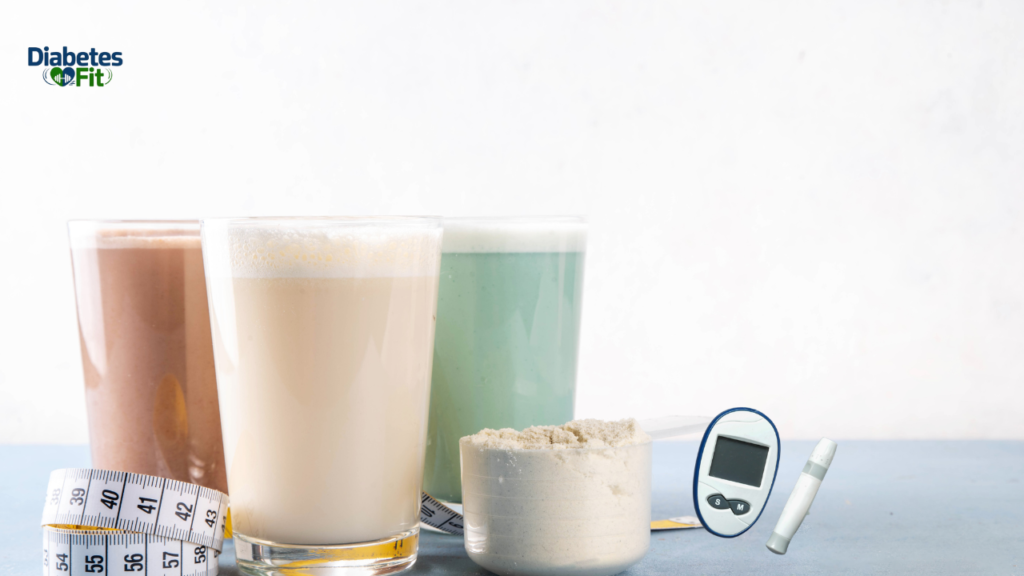
Meal replacement shakes are beverages designed to provide the nutritional equivalent of a complete meal in liquid form. They typically contain a balanced mix of protein, carbohydrates, fats, vitamins, and minerals. Unlike protein shakes or smoothies that are meant as snacks or supplements, meal replacement shakes are specifically formulated to replace an entire meal.
For the general population, these shakes are often used for weight loss, convenience, or as a quick nutrition source when time is limited. However, meal replacement shakes for diabetics require special formulations that take blood sugar management into account.
Why Diabetics Consider Meal Replacement Shakes
There are several reasons why people with diabetes turn to meal replacement shakes as part of their nutrition strategy.

Convenience and Time-Saving
Modern life is busy, and preparing balanced, diabetes-friendly meals three times a day can be overwhelming. Meal replacement shakes offer a quick solution that requires no cooking or meal planning, making them appealing for rushed mornings or busy workdays.
Portion Control
One of the biggest challenges in diabetes management is controlling portion sizes and carbohydrate intake. Meal replacement shakes provide pre-measured portions with known nutritional content, making it easier to count carbohydrates and plan insulin doses accurately.
Consistent Nutrition
When you drink the same meal replacement shake, you know exactly what nutrients and how many carbohydrates you’re consuming. This consistency can help you better predict and manage your blood sugar responses.
Weight Management
Many people with type 2 diabetes benefit from losing weight, as it can improve insulin sensitivity and blood sugar control. Meal replacement shakes can be a useful tool for creating a calorie deficit while still meeting nutritional needs.
Key Features of Diabetic-Friendly Meal Replacement Shakes
Not all meal replacement shakes are created equal, and standard shakes may not be appropriate for diabetics. When evaluating meal replacement shakes for diabetics, look for these essential features.
Low Glycemic Index
The most important characteristic is a low glycemic index or glycemic load. This means the shake should cause only a gradual rise in blood sugar rather than a rapid spike. Shakes that are high in simple sugars or refined carbohydrates are not suitable for diabetics.
High Protein Content
Protein helps slow the absorption of carbohydrates and promotes satiety, keeping you full for longer periods. Look for shakes with at least 15 to 20 grams of protein per serving. Good protein sources include whey protein, casein, soy protein, or pea protein.
Moderate, Complex Carbohydrates
While meal replacement shakes do contain carbohydrates, diabetic-friendly versions should have moderate amounts of complex carbs rather than simple sugars. Aim for shakes with 20 to 30 grams of carbohydrates per serving, primarily from sources like whole grains, oats, or fiber.
High Fiber Content
Fiber is crucial for blood sugar management because it slows digestion and glucose absorption. Look for shakes containing at least 3 to 5 grams of fiber per serving. Some specialized diabetic shakes contain even more.
Healthy Fats
Including healthy fats from sources like nuts, seeds, or oils helps slow digestion and provides essential fatty acids. These fats also contribute to feeling satisfied after consuming the shake.
Low Added Sugars
Always check the nutrition label for added sugars. Diabetic-friendly meal replacement shakes should have minimal or no added sugars. Avoid shakes that list sugar, corn syrup, or other sweeteners high on the ingredient list.
Essential Vitamins and Minerals
Since you’re replacing an entire meal, the shake should provide a good range of vitamins and minerals, including vitamin D, calcium, iron, and B vitamins.
Benefits of Meal Replacement Shakes for Diabetics
When chosen carefully and used appropriately, meal replacement shakes for diabetics can offer several important benefits.
Better Blood Sugar Control
Quality diabetic meal replacement shakes are formulated to minimize blood sugar spikes. The balanced combination of protein, complex carbohydrates, fiber, and healthy fats creates a steady release of glucose into the bloodstream.
Simplified Meal Planning
Planning diabetes-appropriate meals can be stressful and time-consuming. Using meal replacement shakes for one or two meals per day simplifies your routine and reduces decision fatigue.
Consistent Carbohydrate Intake
Knowing exactly how many carbohydrates you’re consuming makes it easier to manage medications and insulin doses. This predictability is especially valuable for people using insulin pumps or multiple daily injections.
Support for Weight Loss
Controlled calorie intake through meal replacement shakes can help create the calorie deficit needed for weight loss. Losing even 5 to 10 percent of body weight can significantly improve blood sugar control in people with type 2 diabetes.
Reduced Food Preparation Stress
For elderly diabetics or those with physical limitations, preparing meals can be difficult. Meal replacement shakes provide complete nutrition without the need for cooking or extensive food preparation.
Nutritional Completeness
High-quality meal replacement shakes ensure you’re getting essential nutrients even when you can’t prepare a balanced meal. This is particularly helpful during busy periods or when traveling.
Potential Risks and Considerations
While meal replacement shakes for diabetics can be helpful, there are important considerations and potential risks to keep in mind.
Not All Shakes Are Diabetes-Appropriate
Many commercial meal replacement shakes are high in sugar and carbohydrates, making them unsuitable for diabetics. Always read labels carefully and choose products specifically designed for blood sugar management.
Individual Blood Sugar Responses Vary
Everyone’s body responds differently to foods and drinks. What works well for one diabetic may cause blood sugar spikes in another. Always monitor your blood sugar after consuming a new shake to see how your body responds.
Risk of Nutritional Gaps
Relying too heavily on meal replacement shakes may lead to missing out on important nutrients found in whole foods, particularly phytonutrients from fruits and vegetables. Shakes should complement, not completely replace, whole food meals.
Digestive Issues
Some people experience digestive discomfort, bloating, or gas when first using meal replacement shakes, particularly those high in fiber or certain protein types. Start slowly and allow your body to adjust.
Cost Considerations
Quality diabetic meal replacement shakes can be expensive, especially if used daily. Consider whether this fits into your budget long-term.
Sustainability Concerns
Some people find it difficult to stick with meal replacement shakes over extended periods because they miss the experience of eating solid food. Consider whether this is a sustainable approach for your lifestyle.
Popular Types of Meal Replacement Shakes for Diabetics
Several brands and types of meal replacement shakes are specifically formulated for people with diabetes or blood sugar concerns.
Diabetic-Specific Formulations
Brands like Glucerna, Boost Glucose Control, and Ensure Diabetes Care are specifically designed for diabetics. These products typically have a lower glycemic index, more fiber, and controlled carbohydrate content compared to regular meal replacement shakes.
Low-Carb Protein Shakes
Some people with diabetes prefer low-carb or keto-friendly meal replacement shakes that are very low in carbohydrates and higher in protein and fats. These can be effective for blood sugar control but should be used under medical supervision.
Plant-Based Options
For diabetics who prefer plant-based nutrition, options using pea protein, hemp protein, or brown rice protein are available. These can be good choices for people with dairy sensitivities or those following vegetarian or vegan diets.
Homemade Meal Replacement Shakes
Making your own shakes at home gives you complete control over ingredients. You can blend protein powder with vegetables, berries, healthy fats like avocado or nut butter, and unsweetened almond milk to create a diabetes-friendly meal replacement.
How to Use Meal Replacement Shakes Safely
To get the most benefit from meal replacement shakes for diabetics while minimizing risks, follow these guidelines.
Consult Your Healthcare Team
Before incorporating meal replacement shakes into your routine, discuss your plans with your doctor or registered dietitian. They can help you choose appropriate products and determine how they fit into your overall diabetes management plan.
Start Slowly
Begin by replacing just one meal per day and monitor your blood sugar response carefully. Keep detailed records of what you drink and your blood sugar readings before and after.
Don’t Replace All Meals
Nutritionists generally recommend replacing no more than one or two meals per day with shakes. You still need whole foods to provide the full spectrum of nutrients your body needs.
Read Labels Carefully
Always check the nutrition facts panel and ingredient list. Look for total carbohydrates, fiber, protein, and added sugars. Compare different products to find the best option for your needs.
Monitor Blood Sugar Regularly
Test your blood sugar before drinking the shake and again one to two hours after to see how it affects your levels. This information helps you and your healthcare provider make necessary adjustments.
Stay Hydrated
Drink plenty of water throughout the day, especially when using meal replacement shakes, as some can be quite concentrated.
Pair with Healthy Habits
Meal replacement shakes work best when combined with other healthy lifestyle choices like regular exercise, adequate sleep, stress management, and eating nutritious whole foods for your other meals.
Making Your Own Diabetic-Friendly Meal Replacement Shake
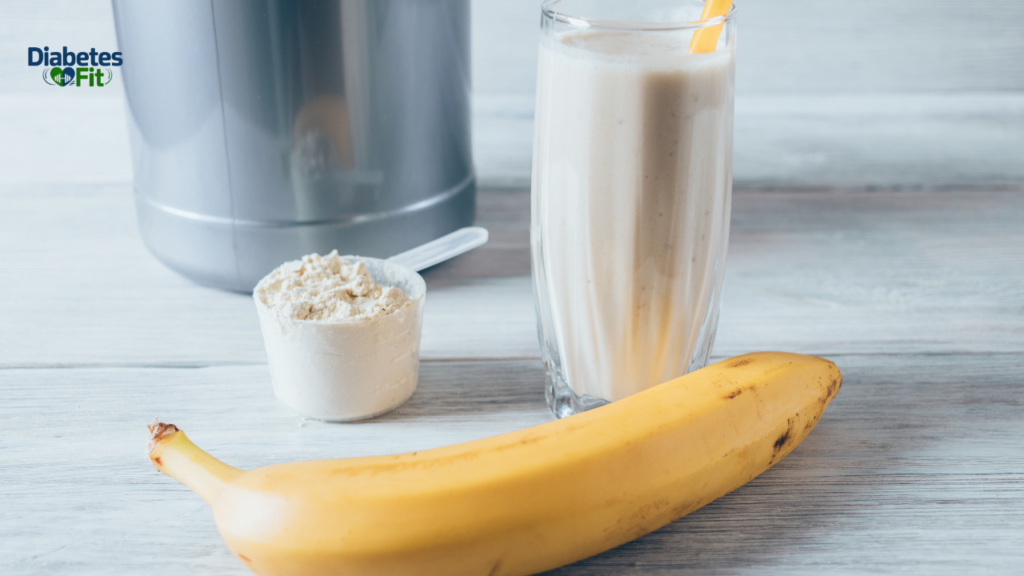
Creating homemade meal replacement shakes gives you maximum control over ingredients and can be more cost-effective. Here’s a basic formula for a diabetes-friendly shake.
Start with a protein base of 20 to 30 grams from unflavored or vanilla protein powder. Add one cup of unsweetened almond milk or another low-carb milk alternative. Include healthy fats like one tablespoon of almond butter, chia seeds, or ground flaxseed. Add fiber through a handful of spinach or kale, which won’t affect the taste. Include a small portion of low-glycemic fruit like half a cup of berries. Add ice and blend until smooth.
This basic recipe provides balanced nutrition with controlled carbohydrates, plenty of protein, healthy fats, and fiber to support stable blood sugar levels.
Conclusion
Meal replacement shakes for diabetics can be a valuable tool for managing blood sugar, simplifying meal planning, and supporting weight loss when chosen and used correctly. The key is selecting shakes specifically formulated for diabetes with low glycemic impact, adequate protein and fiber, minimal added sugars, and balanced nutrition. While these shakes offer convenience and consistency, they should not completely replace whole food meals but rather serve as a practical option when needed.
Quality diabetic meal replacement shakes provide controlled portions, predictable carbohydrate content, and balanced nutrition that can help stabilize blood sugar levels throughout the day. However, individual responses vary, so careful monitoring and working closely with your healthcare team are essential. Whether you choose commercial diabetic-specific brands or create your own homemade versions, meal replacement shakes can fit into a comprehensive diabetes management strategy that includes healthy eating, regular exercise, and appropriate medication.
Remember that no single food or product is a magic solution for diabetes management. Meal replacement shakes work best as part of a holistic approach to health that includes nutritious whole foods, physical activity, stress management, and regular medical care. By making informed choices and using these products wisely, meal replacement shakes can help you maintain better blood sugar control while enjoying the convenience and simplicity they offer in your daily routine.
Frequently Asked Questions
Are meal replacement shakes safe for diabetics to use daily?
Yes, diabetic-specific meal replacement shakes can be safe for daily use when replacing one or at most two meals per day, not all three. It’s important to choose shakes specifically formulated for diabetes with low glycemic impact and to monitor your blood sugar regularly. However, you should still eat at least one whole food meal daily to ensure you get the full range of nutrients. Always consult your doctor before making meal replacement shakes a regular part of your routine.
Can meal replacement shakes help lower blood sugar levels?
Meal replacement shakes don’t directly lower blood sugar, but diabetic-friendly shakes can help prevent spikes and maintain more stable levels compared to high-carb meals. Their balanced combination of protein, fiber, and complex carbohydrates promotes gradual glucose release. Over time, using them as part of a weight loss plan may improve insulin sensitivity and overall blood sugar control, especially in people with type 2 diabetes.
What’s the best time to drink a meal replacement shake if you have diabetes?
The best time depends on your individual schedule and blood sugar patterns. Many diabetics use meal replacement shakes for breakfast when morning routines are rushed, as this helps start the day with controlled carbohydrates. Others prefer them for lunch at work for convenience. Avoid using them for dinner if possible, as whole food meals are better before bedtime. Monitor your blood sugar to determine which meal replacement timing works best for you.
How many carbs should a diabetic meal replacement shake contain?
Most diabetes-friendly meal replacement shakes should contain between 15 to 30 grams of total carbohydrates per serving, with at least 3 to 5 grams coming from fiber. The exact amount depends on your personal carbohydrate goals set by your healthcare provider. People on low-carb diets may prefer shakes with 10 to 15 grams, while others following moderate-carb plans might tolerate 25 to 30 grams. Always subtract fiber from total carbs to get net carbs.
Can Type 1 diabetics use meal replacement shakes?
Yes, people with Type 1 diabetes can safely use meal replacement shakes, but careful carbohydrate counting and insulin dosing are crucial. The advantage is that shakes provide consistent, predictable carbohydrate amounts, making insulin calculations easier. Start by monitoring blood sugar closely when introducing a new shake to determine your insulin needs. Work with your endocrinologist or diabetes educator to adjust your insulin-to-carb ratios appropriately for liquid meals.
Are store-bought diabetic shakes better than homemade ones?
Both have advantages. Store-bought diabetic-specific shakes like Glucerna are convenient, nutritionally balanced, and have been tested for glycemic response. They’re shelf-stable and portable. Homemade shakes give you complete control over ingredients, allowing you to avoid additives and customize nutrition to your preferences. They’re often more cost-effective but require more preparation. The best choice depends on your lifestyle, budget, and how your blood sugar responds to each option. Many diabetics use both depending on the situation.

David Miller is a health and wellness writer focused on diabetes awareness, blood sugar control, and healthy living. He creates clear, practical content to help readers make better everyday health choices.